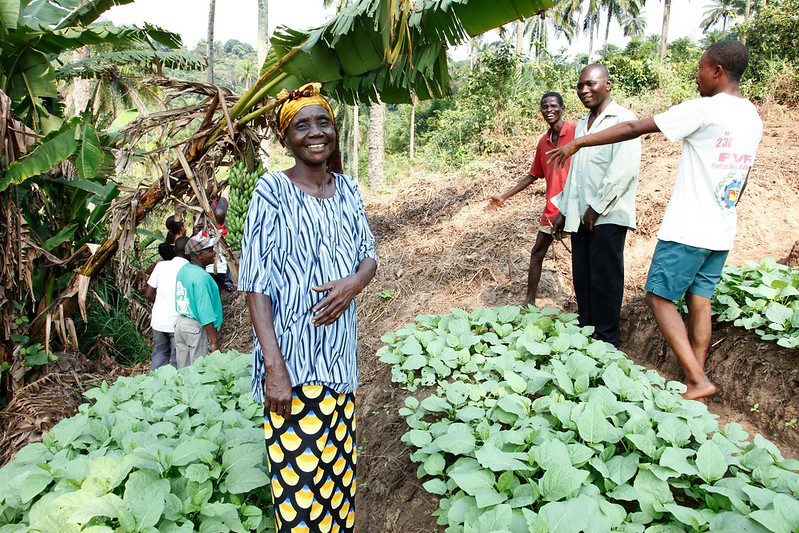
 The Democratic Republic of Congo (DRC) is grappling with a prolonged crisis where humanitarian aid alone is insufficient for lasting peace. Decades of armed conflict have destabilized the nation, displacing millions and thwarting sustained development efforts. With nearly 7 million people internally displaced, the complexity of delivering aid intensifies.
Corruption and Humanitarian Needs in the DRC
Corrupt governmental structures lead to a misappropriation of funds that hinder its effectiveness. This erodes public trust and complicates the implementation of future aid programs. Doner countries often hesitate to channel funds through government systems due to concerns over corruption, opting instead for parallel structures that can diminish local capacity and autonomy. DRC’s economy is reliant on foreign aid rather than fostering self-sustaining growth through industrialization or agricultural development.
Aid is directed toward immediate humanitarian needs, for example, food and water. The DRC faces environmental issues that have been exacerbated by climate change, which can further complicate development efforts. The degradation of natural resources due to conflict and poor governance limits opportunities for sustainable livelihoods. The country’s biodiversity is under threat from exploitation by armed groups and the impacts of climate change, thereby increasing socioeconomic divides.
Strategic Interventions for Stability and Peace
At a United Nations (U.N.) Security Council meeting, Bintou Keita, Special Representative of the Secretary-General in the Democratic Republic of Congo (DRC) and Head of the U.N. Stabilisation Mission there (MONUSCO) reported a dire security situation despite ongoing military operations by the Armed Forces of the Democratic Republic of Congo (FARDC) and the Ugandan People’s Defence Forces (UPDF). Keita highlighted violent retaliation by armed groups in South Kivu’s Fizi and Uvira territories, leading to increased population displacement, particularly in North Kivu and Ituri, due to actions by the Allied Democratic Forces (ADF).
Trine Heimerback, representing Norway, pointed out that illegal exploitation of natural resources funds armed conflicts, reduces national revenue and causes civilian harm. She raised concerns about child labor in mining and the exploitation of women, underscoring the necessity for regional cooperation to tackle these ongoing issues. Heimerback advocated for implementing the 2021 Great Lakes Region Workshop on Natural Resources recommendations. She also emphasized that MONUSCO’s effectiveness hinges on a transition strategy prioritizing civilian protection and argued that achieving stability in the DRC goes beyond military efforts. Heimerback called for including civil society, local leaders, women and youth in stabilization and dialogue efforts, tailoring these processes to actual conditions rather than rigid schedules.
Need for Regional Cooperation in DRC
At a U.N. meeting, delegates highlighted the importance of regional cooperation in stabilizing the DRC. Brazil’s representative, João Genésio De Almeida Filho, praised the collaborative military efforts between the FARDC and the UPDF, noting enhanced cross-border partnerships with Rwanda. Brazil proudly contributed to the MONUSCO by appointing its distinguished officers as Force Commanders, which, De Almeida Filho suggested, could help create more favorable conditions for regional stability.
Representing Ghana and Kenya, Gabon’s delegate expressed concerns over the DRC being a “victim of its abundant mineral resources,” pinpointing the exploitation of these resources by armed groups as a significant factor in ongoing instability. Furthermore, he supported the DRC Government’s National Strategic Plan for the Exploitation and Certification of Mineral Resources and called for the implementation of sanctions against those involved in the illegal trafficking of these resources, underscoring the need for effective measures to combat the financing of conflicts through resource exploitation.
Local Capacities for Sustainable Development
Local community empowerment is essential for fostering self-sufficiency and sustainable peace in the DRC. By strengthening local governance and institutions, communities gain control over decision-making processes, thereby enhancing accountability. Additionally, promoting economic self-sufficiency through microfinance programs and vocational training helps individuals develop sustainable livelihoods and reduces their vulnerability to recruitment by armed groups.
Sustainable Land Management and Community Ownership
The Congolese government has launched the Sustainable Land Use Programme to promote food self-sufficiency through strategic land management. This program involves local communities in decision-making about land usage, addressing deforestation and environmental degradation and enhancing food security. Community Forest Concessions (CFCs) grant local communities collective control over their ancestral lands, allowing them to manage forests sustainably and benefit from their resources while preserving the environment.
In South Kivu, 23 communities have received CFCLs, enabling them to negotiate directly with external entities seeking to exploit forest resources. This initiative fosters a sense of ownership and responsibility among community members. Additionally, the OPEC Fund for International Development has provided significant funding to improve rural infrastructure and access to clean water, essential for food security and community health. The International Rescue Committee supports recovery efforts by providing vital services that facilitate community rebuilding after conflicts, emphasizing local engagement in these processes.
Looking Ahead
Achieving sustained peace in the DRC may require a nuanced approach beyond traditional humanitarian aid. Indeed, empowering local communities through sustainable development initiatives may help to foster self-sufficiency and resilience. By enhancing local governance and promoting economic independence, communities could actively shape their futures, reducing vulnerability to conflict. Furthermore, enhanced collaboration between the Congolese government and international organizations can potentially dismantle exploitative practices and address the root causes of instability.
– Hannah Ravariere-Moakes
Hannah is based in London, UK and focuses on Global Health and Politics for The Borgen Project.
Photo: Flickr

Barriers to Cancer Treatment in Brazil
While various organizations are working to improve access to life-saving cancer care for all Brazilians, treatment centers remain concentrated primarily in the southern and northeastern regions of the country. This geographic disparity poses significant challenges for those living in more remote areas, particularly in the Northeast and Central-West regions, where health care infrastructure is less developed. As a result, many patients from these regions face the added burden of traveling outside their municipalities to attend appointments and receive necessary treatments.
Interregional Disparities
Significant disparities in cancer treatment access exist across Brazil’s regions and states, with treatment generally more accessible in the wealthier southern states than in the North or Northeast. This disparity aligns with regional economic conditions: the five richest states are located in the Southeast and West, while the five most impoverished are in the Northeast.
More than half of cancer patients in the Northeast and West regions have to travel outside of their home municipality to receive treatment. For patients in more vulnerable areas, this presents a formidable barrier; many lack personal transportation or funds for public transit, making access to care prohibitively difficult. These logistical and financial challenges can have dire consequences—when patients cannot reach treatment centers promptly, they risk worsening health outcomes or even death due to delayed care.
Poverty
Poverty, along with factors such as race and household position, significantly influences whether a woman with breast cancer in Brazil can access the necessary treatment. There is a clear need for broader access to breast cancer care across the country. Research has shown that factors like age, wealth, location and race all play a role in determining how quickly women receive treatment.
In particular, vulnerable, nonwhite women from the Northeast are disproportionately affected, facing greater barriers to care compared to their wealthier counterparts. These socioeconomic and racial disparities mean that poverty remains one of the primary obstacles preventing underprivileged Brazilian women from seeking or receiving timely treatment for breast cancer.
Geographic and Infrastructural Barriers
Indigenous Brazilians face numerous challenges that exacerbate their health outcomes, including living in remote areas with limited access to nearby health care facilities or educational institutions. These geographic and infrastructural barriers, coupled with their overrepresentation in poverty statistics, make it difficult for many Indigenous groups to access cancer treatment. This disparity is starkly reflected in health statistics. Indigenous men from Goiás in the Midwest, for example, are twice as likely to die from liver, stomach and colorectal cancers compared to the general population. Similarly, Indigenous women from the same region are 30% more likely to die from cervical, stomach or liver cancer.
Fundação Laço Rosa
In Brazil, numerous campaigns aim to raise awareness about cancer risks and advocate for patients’ rights, with organizations like Fundação Laço Rosa playing a crucial role. This nonprofit supports breast cancer patients through educational and empowering initiatives. It runs campaigns that educate underprivileged women about their rights as breast cancer patients, providing valuable information on navigating treatment and health care systems.
Additionally, Fundação Laço Rosa offers support through acts of kindness, such as donating wigs to women undergoing chemotherapy, helping restore their dignity and confidence during a challenging time. Fundação do Câncer is also responsible for many educational campaigns that aim to educate people on preventing cancer. Some of these campaigns include showcasing the dangers of vaping and awareness of multiple types of cancer, such as skin and breast cancer.
Conclusion
Access to cancer treatment in Brazil remains a critical challenge, exacerbated by regional disparities, socioeconomic inequality and racial barriers. While efforts by organizations like Fundação Laço Rosa provide much-needed support, significant gaps persist, particularly for marginalized groups such as women in poverty and Indigenous communities. Greater investment in health care infrastructure, transportation and equitable policies is essential to ensure that all Brazilians, regardless of location or socioeconomic status, can access timely and life-saving cancer care.
– Callum Bennett
Photo: Flickr
How GAT is Combating HIV/AIDS in Portugal
HIV/AIDS in Portugal
Portugal reports relatively high HIV rates, with UNAIDS estimating around 47,000 adults and children living with the virus in 2023, nearly 0.5% of the population. HIV transmission occurs through various means, including the use of contaminated needles for drugs such as heroin, fentanyl and morphine. In 2023, drug use stood at 12.8% in Portugal, potentially influenced by the 2001 Drug Decriminalization Act, which reduced penalties for drug use and emphasized rehabilitation over punishment. Additionally, stigma surrounding HIV remains a significant issue. A 2023 survey revealed that approximately 37.7% of HIV patients experienced prejudice after diagnosis. This stigma fuels fear and hostility toward the virus, deterring people from educating themselves or undergoing regular testing.
GAT
Despite these ongoing challenges, several firms in Portugal are actively combating the spread of HIV/AIDS. Among them is the Treatment Activist Group (GAT), established in 2001 and recognized by both the World Health Organization (WHO) and the European Centre for Disease Prevention and Control. GAT offers a range of services, including an anti-discrimination center that supports individuals affected by HIV and aims to reduce stigma through education. This initiative has trained more than 620 individuals on tolerance and combating bias against those with HIV. Additionally, the group operates private centers across the country offering free HIV testing with quick results, primarily targeting sexual minorities while also providing free contraceptives and therapy. Moreover, GAT’s Housing First program furnishes free housing to those infected with HIV, drug addicts and sexual minorities, along with personalized services to support their needs.
GAT is committed to supporting the objectives of UNAIDS and the United Nations Sustainable Development Goals, particularly Goal 3, which focuses on health and well-being. The organization strategically intervenes in key areas of public health policy by involving the communities most affected by and vulnerable to these infections. GAT’s efforts aim to influence the development of care provisions, best practices and policies, adhering strictly to human rights, good practices and international standards. This approach ensures that GAT contributes meaningfully to the global targets set for controlling and ultimately ending the spread of HIV/AIDS.
Looking Ahead
Efforts to address HIV in Portugal have made strides in reducing stigma and providing essential services to affected populations. Organizations like GAT play a pivotal role by offering free testing, housing programs and education initiatives aimed at fostering inclusion and awareness. These actions target the underlying factors contributing to the spread of HIV and work to improve health outcomes for vulnerable groups. However, addressing societal attitudes and ensuring widespread access to testing and treatment remain critical to combating the epidemic.
– Mustafa Tareen
Photo: Flickr
Social Innovation Academy: Turning Challenges Into Opportunities
Many have lost hope, facing extreme poverty with little access to purposeful opportunities. However, meaningful employment by equipping young people with skills and resources to initiate changes is critical for peace and stability. In the face of daunting youth unemployment and economic challenges, the need for innovative, grassroots solutions has never been greater.
The Social Innovation Academy
The Social Innovation Academy (SINA), a nonprofit organization established in 2014, empowers disadvantaged young people between the ages of 16 to 29 by fostering social entrepreneurship, leading to the creation of more than 80 impactful social enterprises. SINA’s approach is deeply rooted in the belief that every individual can rise to their fullest potential regardless of background.
Unlike traditional vocational training, its model enables youth to build enterprises that address the challenges in their communities. Through a five-step empowerment process, youth develop both personal and professional skills. They are transformed from passive recipients of aid to active drivers of their futures.
Success Stories
“I’m living my dream instead of dreaming my life!” shares Joseph Bwinika, one of the many SINA scholars who has experienced profound personal transformation. In SINA, people like Bwinika transform through discovering their purpose and gaining a growth mindset of possibilities. Many youths, who seemed to have given up on life or resorted to coping mechanisms such as drugs or alcohol, found a new purpose in life and gained the skills to create a social enterprise that supports others as well.
Since its inception, more than 80 social enterprises have been launched in sectors such as health care, water supply, recycling and microfinance. Collectively, these startups have paid out more than $400,000 in salaries in the last year and attracted more than $500,000 in investment capital in 2023. Many of the founders use their past hardships as inspiration for their ventures. For example, Joan Nalubega, a former orphan who suffered from malaria, developed a mosquito-repellent soap and now employs more than 48 people. Her social enterprise, Uganics, has reduced malaria cases for its customers by 85% in rural Uganda.
Another SINA graduate, Janet Aguti, was raped at the age of 8 and today runs an organization providing medical, legal and psychological support to victims of sexual violence. Similarly, Rebecca Aime, once a refugee living in extreme poverty without access to even a small loan, is now providing microfinance to thousands of refugee women and has become an Echoing Green Fellow.
Freesponsibility
At the core of SINA’s philosophy is the concept of “freesponsibility,” which blends freedom and responsibility. This innovative approach allows learners to take ownership of their education by creating their own curriculum and taking up dynamic roles within SINA. Unlike traditional top-down structures, freesponsibility empowers every participant to lead and contribute, driving self-organization.
This framework promotes intrinsic motivation and full ownership, ensuring that all participants are leaders and followers simultaneously. It creates a regenerative cycle where former scholars return as coaches, helping to sustain and improve the model.
Final Remark
SINA’s Framework is designed for replication and scalability. It welcomes communities and organizations to adopt its approach across Africa. There are currently 18 independently-run SINA communities in six African countries, each using the self-organization and “freesponsibility” principles to empower youth. These communities form part of a larger network that shares best practices and supports collective growth. Together, they can unlock a brighter future for the next generation in Africa, contributing to lasting peace and prosperity across the continent.
– Staff Reports
Photo: Flickr
Improving Health Care Accessibility in Developing Countries
Implementation of Telemedicine in Cambodia
Implementing telemedicine in Cambodia has significantly improved health care accessibility, largely through initiatives like Operation Village Health, part of the broader Village Leap program. This program, established by Japan Relief for Cambodia and American Assistance for Cambodia, aims to rehabilitate the country after the Khmer Rouge reign and the Vietnam War by bringing technology to rural areas. Operation Village Health uses this infrastructure to support local health workers, build capacity and provide medical care to those without expertise. An email-based telemedicine program established in 2001 allows Harvard-affiliated physicians to offer clinical recommendations to Cambodian health workers, enhancing the quality of care in remote areas.
Mobile Clinics in Madagascar
Since June 2022, mobile clinics have been crucial in improving health care accessibility in Madagascar. Funded by the United Nations Central Emergency Response Fund, 20 mobile clinics have been reaching remote and hard-to-access areas, providing essential health services to around 1 million people. These clinics have been especially vital in restoring health care services, such as vaccinations, following the destruction caused by cyclones Batsirai and Emnati, which destroyed more than 150 health facilities and left 800,000 people without access to health care. Staffed by trained health professionals who travel by various means, these mobile clinics have provided care and vaccinations and strengthened epidemiological surveillance and the detection of vaccine-preventable diseases in isolated communities.
Training Health Care Workers in Liberia
Training health care workers in Liberia through the Last Mile Health’s From Response to Recovery program has significantly improved health care accessibility. This initiative focused on building resilient health systems by investing in community and frontline health workers. Over three years, the program strengthened the National Community Health Assistant Program, rolled out a digital training platform and developed online educational resources for health system leaders. Additionally, it advocated for integrated community health worker systems, which improved the capacity to deliver essential health services, especially in remote areas. This approach enabled better health care access and quality for the communities in Liberia.
Investing in Health Care Infrastructure in Morocco
With the population steadily increasing in Morocco and a large segment entering an age group that typically requires more medical attention, demand for health care facilities, medical services and pharmaceuticals has surged. The Moroccan government has shown a strong dedication to upgrading health care infrastructure and services through initiatives like the National Health Plan (Plan Santé 2025). This plan offers long-term stability and support for the health care sector, creating a secure environment for investments. Investors can explore opportunities in public-private partnerships (PPPs) and other investment options in health care. This collaborative approach has led to the development of a robust health care system, ensuring better access to essential medical services for the Moroccan people.
Health Information Technologies in Nigeria
Utilizing health information technology, particularly through the adoption of electronic medical records (EMRs), is significantly improving data management and resource distribution in Nigeria, thereby improving health care accessibility in developing countries. By implementing EMRs, Nigeria’s health care system has seen improvements in patient care and overall health care efficiency. EMRs facilitate better data management, enabling health care providers to track patient histories, streamline workflows and reduce errors. Despite challenges such as inadequate infrastructure, lack of training and limited funding, the Nigerian experience emphasizes the importance of government support and investment in technology and training. This approach not only addresses the unique needs and constraints of developing countries but also sets a precedent for other nations looking to improve their health care systems through advanced health information technology.
Looking Ahead
Improving health care accessibility in developing countries requires a multifaceted approach that addresses various barriers to quality care. The innovative strategies discussed, telemedicine in Cambodia, mobile clinics in Madagascar, community health worker training in Liberia, infrastructure investment in Morocco and health information technology in Nigeria, demonstrate the potential for significant improvements in health care delivery. By focusing on these targeted interventions, developing regions can potentially make significant advancements toward fair and effective health care systems. These ongoing efforts not only improve the quality of care but also foster healthier communities, facilitating sustained development and well-being.
– Maria Urioste
Photo: Flickr
Traid: Fighting Fast Fashion
Traid
Traid is a U.K.-based charity retailer that collects and curates second-hand clothes for retail in charity shops. Globally, it funds causes that empower those involved in clothing production, including farmers and garment workers. It has several inspiring projects, including its 2024 initiative in Benin, in collaboration with Pesticide Action Network U.K. and OBEPAB (a Benin-based organization promoting organic agriculture). Traid has committed £336,382 to this 18-month project to improve incomes, health and soil quality for thousands of cotton farmers in Benin.
Cotton farmers often work in hot temperatures and engage in labor-intensive work for long hours with little breaks. They face exposure to harmful pesticides, which can cause health issues but continue to be used to keep yield production high and remain competitive with other farmers.
The Traid project has worked to build the capacity of smallholder farmers through education and the deployment of “Farmer Field Schools.” The organization has strengthened transnational supply chains for local farms and positively promoted Benin’s organic cotton, according to its website.
Consequently, organic cotton farmers have earned more than triple the net income of conventional farmers, and there has been a much higher rate of female inclusion. Not only has the physical health of the farmers improved through reduced pesticide exposure, but their financial, social and emotional health has vastly improved.
GoodWeave
Looking to the area of garment production, a notable non-profit is GoodWeave, founded in 1994, which endeavors to stop child labor in global supply chains. Goodweave works to expose hidden supply chains, empower workers and protect workers’ rights. It also operates a certification system where through its logo certification, it assures consumers that those particular products are free from child labor.
Employing approximately 75 million factory workers worldwide, the fashion manufacturing industry has no small reach. Of these workers, less than 2% make a living wage, often struggling with poverty and barely covering basic living costs like food. The working conditions are also often unsafe – cramped conditions, poor regulations on equipment and lack of ventilation.
GoodWeave has funded rescue and rehabilitation centers that have had transformative impacts on children’s lives. To date, GoodWeave has restored freedom to 10,868 children and provided 99,526 children with direct access to education.
In Nepal, for example, its Hamro Ghar home is populated by young individuals previously exploited and abused in the textiles industry, now with the opportunity to pursue education and break the cycle of poverty and exploitation.
Labour Behind The Label
Labour Behind the Label takes a more lobbying and activism approach to fighting fast fashion. This organization builds solidarity between garment makers and consumers. This helps to breach the socio-spatial difference formed through the production line, which increases consumers’ connection with those who make their clothes and the conditions they endure. Activists from all angles can then collectively lobby companies to improve worker rights.
The organization contributes to the fight against exploitation in the fashion industry, and campaigns for the instigation of a living wage. Its successes so far have seen U.K. retailers sign the “Bangladesh Accord on Fire and Building Safety” to protect workers’ safety, as well as ensuring that victims of the Rana Plaza disaster in 2013, whereby a factory tragically collapsed due to unsafe conditions, have access to long-term compensation. Its policy work and campaigning are significant contributors to ensuring workers’ health, equity and safety.
Looking Forward
The fast fashion industry has, in some instances, become an exploitative and destructive entity, prioritizing money over welfare. However, it does not have to remain this way, thanks to the work of the organizations that are fighting fast fashion. Taking action through political and social activism, advocacy, policy change and spending consumer money more ethically can work to reinvent existing labor chains into fair and just production lines.
– Rebecca Barry
Photo: Flickr
The Evolution of Uruguay’s Technological Infrastructure
Expanding Fiber Optic Infrastructure in Rural Areas
In 2021 and 2022, ANTEL, Uruguay’s largest telecommunications company, invested $161 million into the country’s telecommunication sector, with 80% of that allocated to expanding fiber optic infrastructure in rural areas. ANTEL currently holds 57% of the market share, followed by Spain’s Telefónica/Movistar with 26% and Mexico’s Claro with 17%. The company is focused on replacing outdated copper connections with fiber optic technology. This aims to improve and strengthen internet access, particularly in the country’s rural regions.
The 2025 Digital Agenda
In May of 2021, Uruguay approved a guideline for further digital developments called the “2025 Digital Agenda,” which is managed by the Knowledge Management Agency. This will open doors to more opportunities for hardware and software providers, as well as telecommunication and network service companies. The basis of the plan is to expand the “fiber-to-the-home” networks to remote locations. Additionally, the plan looks to increase the range of 5G networks and new digital health services.
Programa Ibirapitá
This program in Uruguay focuses on the digital inclusion of older adults, aiming to improve social inclusion, participation and equity. Through workshops designed to increase digital literacy and consultations, the initiative empowers elderly individuals. The program specifically targets individuals aged 65 and above whose annual income is at most $30,885. These participants are granted access to mobile devices through the Ibirapitá Mobile Plan, a service provided by ANTEL, which helps bridge the digital divide and fosters greater connectivity and independence for older adults.
Plan Ceibal
In 2007, Uruguay launched a program aimed at promoting nationwide digital literacy and skill development by providing each student with access to a laptop in school. This initiative became a key part of the country’s education strategy. Furthermore, it has been supported by tax incentives for tech companies and significant investments in communications infrastructure. Furthermore, the program has helped bridge the digital divide and enhance technological skills among students across the country.
Looking Ahead
Uruguay’s next step in its technological evolution is focusing on the “Internet of Things” (IoT). Development will be driven by both public and private stakeholders. Indeed, these efforts are taking place in the “Open Digital Lab,” a dedicated test space for IoT technologies and their applications. As the country continues to grow and expand its technological capabilities, discussions around artificial intelligence (AI) and robotics have become more prevalent, reflecting Uruguay’s ongoing push to enhance its telecommunications infrastructure and embrace emerging technologies.
– Isabella Chavez
Photo: Wikimedia Commons
Academics Stand Against Poverty: Solutions for a World in Need
The Challenge: A Complex Web of Poverty
Poverty is not simply a lack of resources; it’s a complex web of interconnected issues. ASAP focuses on the structural drivers of poverty, which include:
These systemic issues create barriers that keep individuals and communities trapped in cycles of poverty. In our current “post-truth” world, where “alternative facts” often overshadow evidence-based research, ASAP’s work is crucial.
Academics Stand Against Poverty and Its Innovative Solutions
ASAP is tackling these challenges through a multi-faceted approach:
Global Network: Fellowship Program and Chapters
ASAP’s global network of 19 chapters across the globe is a testament to its commitment to fostering academic dialogue and collaboration. With a strong presence among universities and academics in the global South, ASAP focuses on creating opportunities for those who face barriers to full participation in global academic dialogue.
ASAP’s growing network of members and national and regional chapters is the driving force behind its impact on global poverty. The organization connects like-minded faculty, students and researchers from different disciplines around the world with a common goal: to look at practical and achievable ways to tackle the systemic root causes that perpetuate poverty.
Success Stories
ASAP’s innovative approach is already yielding results. In its first year of operation, the AGAPE initiative made four awards in India, demonstrating the program’s commitment to supporting grassroots solutions. One notable project is the Snekithi Charitable Trust in Tamil Nadu, which received more than $2,300 for an initiative to raise the productivity and incomes of Dalit women farmers in the rain-fed areas of Karur District.
This project not only addresses poverty but also tackles issues of gender and caste inequality. While the full impact of these projects is still unfolding, they represent a promising start in ASAP’s mission to eradicate severe poverty. By supporting local initiatives with global expertise, ASAP is creating a model for sustainable, community-driven change.
Final Note
ASAP’s work offers hope in the face of daunting global challenges. By combining rigorous academic research with practical, on-the-ground solutions, ASAP is paving the way for a world structured to avert poverty. Its efforts show that when knowledge meets action, real change is possible.
In a world often divided by ideology and misinformation, ASAP stands as a beacon of evidence-based hope. ASAP challenges us all to think critically about the causes of poverty and to act decisively in creating a more just and equitable world for all.
– Staff Reports
Photo: Flickr
Crisis and Humanitarian Needs in the DRC
Corruption and Humanitarian Needs in the DRC
Corrupt governmental structures lead to a misappropriation of funds that hinder its effectiveness. This erodes public trust and complicates the implementation of future aid programs. Doner countries often hesitate to channel funds through government systems due to concerns over corruption, opting instead for parallel structures that can diminish local capacity and autonomy. DRC’s economy is reliant on foreign aid rather than fostering self-sustaining growth through industrialization or agricultural development.
Aid is directed toward immediate humanitarian needs, for example, food and water. The DRC faces environmental issues that have been exacerbated by climate change, which can further complicate development efforts. The degradation of natural resources due to conflict and poor governance limits opportunities for sustainable livelihoods. The country’s biodiversity is under threat from exploitation by armed groups and the impacts of climate change, thereby increasing socioeconomic divides.
Strategic Interventions for Stability and Peace
At a United Nations (U.N.) Security Council meeting, Bintou Keita, Special Representative of the Secretary-General in the Democratic Republic of Congo (DRC) and Head of the U.N. Stabilisation Mission there (MONUSCO) reported a dire security situation despite ongoing military operations by the Armed Forces of the Democratic Republic of Congo (FARDC) and the Ugandan People’s Defence Forces (UPDF). Keita highlighted violent retaliation by armed groups in South Kivu’s Fizi and Uvira territories, leading to increased population displacement, particularly in North Kivu and Ituri, due to actions by the Allied Democratic Forces (ADF).
Trine Heimerback, representing Norway, pointed out that illegal exploitation of natural resources funds armed conflicts, reduces national revenue and causes civilian harm. She raised concerns about child labor in mining and the exploitation of women, underscoring the necessity for regional cooperation to tackle these ongoing issues. Heimerback advocated for implementing the 2021 Great Lakes Region Workshop on Natural Resources recommendations. She also emphasized that MONUSCO’s effectiveness hinges on a transition strategy prioritizing civilian protection and argued that achieving stability in the DRC goes beyond military efforts. Heimerback called for including civil society, local leaders, women and youth in stabilization and dialogue efforts, tailoring these processes to actual conditions rather than rigid schedules.
Need for Regional Cooperation in DRC
At a U.N. meeting, delegates highlighted the importance of regional cooperation in stabilizing the DRC. Brazil’s representative, João Genésio De Almeida Filho, praised the collaborative military efforts between the FARDC and the UPDF, noting enhanced cross-border partnerships with Rwanda. Brazil proudly contributed to the MONUSCO by appointing its distinguished officers as Force Commanders, which, De Almeida Filho suggested, could help create more favorable conditions for regional stability.
Representing Ghana and Kenya, Gabon’s delegate expressed concerns over the DRC being a “victim of its abundant mineral resources,” pinpointing the exploitation of these resources by armed groups as a significant factor in ongoing instability. Furthermore, he supported the DRC Government’s National Strategic Plan for the Exploitation and Certification of Mineral Resources and called for the implementation of sanctions against those involved in the illegal trafficking of these resources, underscoring the need for effective measures to combat the financing of conflicts through resource exploitation.
Local Capacities for Sustainable Development
Local community empowerment is essential for fostering self-sufficiency and sustainable peace in the DRC. By strengthening local governance and institutions, communities gain control over decision-making processes, thereby enhancing accountability. Additionally, promoting economic self-sufficiency through microfinance programs and vocational training helps individuals develop sustainable livelihoods and reduces their vulnerability to recruitment by armed groups.
Sustainable Land Management and Community Ownership
The Congolese government has launched the Sustainable Land Use Programme to promote food self-sufficiency through strategic land management. This program involves local communities in decision-making about land usage, addressing deforestation and environmental degradation and enhancing food security. Community Forest Concessions (CFCs) grant local communities collective control over their ancestral lands, allowing them to manage forests sustainably and benefit from their resources while preserving the environment.
In South Kivu, 23 communities have received CFCLs, enabling them to negotiate directly with external entities seeking to exploit forest resources. This initiative fosters a sense of ownership and responsibility among community members. Additionally, the OPEC Fund for International Development has provided significant funding to improve rural infrastructure and access to clean water, essential for food security and community health. The International Rescue Committee supports recovery efforts by providing vital services that facilitate community rebuilding after conflicts, emphasizing local engagement in these processes.
Looking Ahead
Achieving sustained peace in the DRC may require a nuanced approach beyond traditional humanitarian aid. Indeed, empowering local communities through sustainable development initiatives may help to foster self-sufficiency and resilience. By enhancing local governance and promoting economic independence, communities could actively shape their futures, reducing vulnerability to conflict. Furthermore, enhanced collaboration between the Congolese government and international organizations can potentially dismantle exploitative practices and address the root causes of instability.
– Hannah Ravariere-Moakes
Photo: Flickr
Brazil’s Waste-to-Energy Conversion Systems
Urban Waste as an Energy Source
With rapid urbanization and increased consumption, Brazil faces mounting waste disposal challenges. The nation produces approximately 79 million tons of waste annually and managing this output has long been a complex issue. While traditional landfills have been the mainstay for waste disposal, they come with environmental costs, such as methane emissions, a potent greenhouse gas. Recognizing this, Brazil has started investing in waste-to-energy projects, using organic waste and other municipal refuse to generate clean, renewable energy.
These waste-to-energy projects follow a relatively simple process. Organic waste, which includes everything from food scraps to sewage sludge, undergoes anaerobic digestion—a process where microorganisms break down waste in an oxygen-free environment, according to Global Recycling. This decomposition releases biogas, a combination of methane and carbon dioxide, which can be converted into electricity. By transforming waste into energy, Brazil not only diverts a substantial amount of refuse from landfills but also reduces its carbon footprint.
Landmark Projects Leading the Way
In São Paulo, one of Brazil’s largest and most densely populated cities, a pioneering waste-to-energy plant exemplifies the potential of the Brazil waste-to-energy conversion system. This facility transforms various organic waste types, such as food scraps and biodegradable materials, into biogas, Global Recycling reports. This biogas is then distributed locally, helping reduce waste and reliance on fossil fuels. São Paulo’s waste-to-energy project underscores the city’s commitment to environmental sustainability and urban resilience, offering a model for other cities to follow.
Curitiba, known for its eco-friendly efforts, has launched a large-scale composting project that further enhances Brazil’s waste-to-energy conversion strategies. This project primarily turns organic waste into compost for agriculture and green spaces, yet it also captures methane for modest energy production, showcasing that diverse approaches can strengthen Brazil’s waste-to-energy conversion efforts.
Meanwhile, Rio de Janeiro is making headway with biogas initiatives aimed at capturing landfill gases. The city’s main landfill, the Seropédica Landfill, is one of Latin America’s largest and includes a biogas recovery system that extracts methane emissions and converts them into energy. Rio’s biogas initiatives provide enough electricity to power thousands of households, highlighting waste-to-energy’s potential to meet urban energy needs sustainably.
Economic and Environmental Impact
These projects represent more than just waste disposal solutions—they contribute to economic growth and energy security. By tapping into waste-to-energy technologies, Brazil can reduce its reliance on imported fossil fuels, foster local employment in green technology, and promote innovation in renewable energy. The environmental benefits are equally substantial, as waste-to-energy systems drastically reduce methane emissions from organic waste, a critical factor in the fight against climate change.
Moreover, the success of Brazil’s waste-to-energy conversion initiatives could encourage other Latin American countries to explore similar strategies. Brazil has become a regional leader in green energy solutions, showing that waste-to-energy systems can be both economically viable and environmentally beneficial. This leadership extends beyond borders as Brazil collaborates with international organizations to improve its waste-to-energy capabilities, drawing on global expertise to optimize local projects.
A Sustainable Future for Brazil
Brazil’s commitment to waste-to-energy conversion solutions showcases the country’s forward-thinking approach to sustainability. By converting waste into energy, Brazilian cities are cleaning up their streets, reducing emissions, and powering communities—all while supporting a circular economy. As these projects expand, Brazil is not only addressing today’s waste and energy challenges but also paving the way for a cleaner, more sustainable future.
– Laila Alaya
Photo: Wikimedia Commons
Sex Trafficking in Bangladesh
Sex Trafficking in Bangladesh
Bangladesh is a South Asian country bordered by India, Myanmar and the Bay of Bengal. It is a densely populated country with a population of roughly 174 million people. Poverty in Bangladesh stands at a rate of 18.7%, with women suffering the most. In 2022, Concern Worldwide reported that the unemployment rate for women in Bangladesh was double that of men, with 6.7% of women unemployed compared to 3.3% of men. Despite this disparity, Bangladesh ranked among the top South Asian countries advancing toward gender equality.
One form of work women in Bangladesh can find rather easily and often involuntarily is sex work. Research from 2016 conducted by Asad Islam and Russell Smyth suggests that there are currently between 150,000 and 200,000 female sex workers in Bangladesh. Many of them started working as teenagers. In a poll conducted by the pair, 283 sex workers were interviewed and less than 10% reported entering sex work by choice. Many of them were driven into the profession due to poverty in Bangladesh. With 14 official brothels and 18 red-light districts, if the survey is representative of the broader population, it suggests a significant number of women and children are subjected to forced sexual labor.
Bangladesh’s Red-Light Districts
Daulatdia is one of Bangladesh’s largest brothels, resembling the size of a village. It houses more than 2,000 sex workers in 2,300 single-story rooms and serves nearly 3,000 customers daily. Children are also exposed to this environment, with almost 300 living in the brothel with their mothers. Across Bangladesh, close to 20,000 children reside in brothels and red-light districts, many of whom are groomed to take on the same roles as their mothers eventually. The conditions in Bangladesh’s brothels and red-light districts are dire. The Guardian reported that poverty is rampant in these areas. In the article “The Living Hell of Young Girls Living in Bangladesh’s Brothels,” one woman shared her experience of living in a room with four other girls, where only small sheets separated them from one another.
Efforts and Aid
The United States Department of State has reported that Bangladesh remains lax in its efforts to eliminate trafficking. However, efforts to combat the issue have increased, particularly in law enforcement. Despite these efforts, the involvement of police in trafficking has not been adequately addressed. Convictions and prosecutions of traffickers increased, but most of the time, the courts would sentence offenders to fines instead of jail time. This has resulted in a weakened deterrence from the crime, thus allowing it to continue. Protection of victims also remains insufficient, housing and shelter services remain unstable and government aid to victims remains low.
There are positive developments, particularly in the attitude toward girls’ education. According to the Asian Development Bank, in 2004, an equal number of girls and boys were enrolled in primary school. By 2022, it was reported that 77% of girls were enrolled in school. Another positive news is that in September 2024, the U.S. voted to provide Bangladesh with $202 million in aid. This funding is part of the U.S.’s ongoing support for the Rohingya refugee crisis and efforts to uplift the country and alleviate poverty in Bangladesh.
Final Remark
Efforts to stop sex trafficking in Bangladesh are increasing. According to the United Nations (U.N.), in 2006, the poverty rate in Bangladesh stood at 41.5%; the number has significantly decreased to just 18.7% in 2022. Poverty in Bangladesh has been on the decline in the last 20 years. The trend only continues.
– Maya Renfro
Photo: Flickr