Addressing Elderly Poverty in Azerbaijan
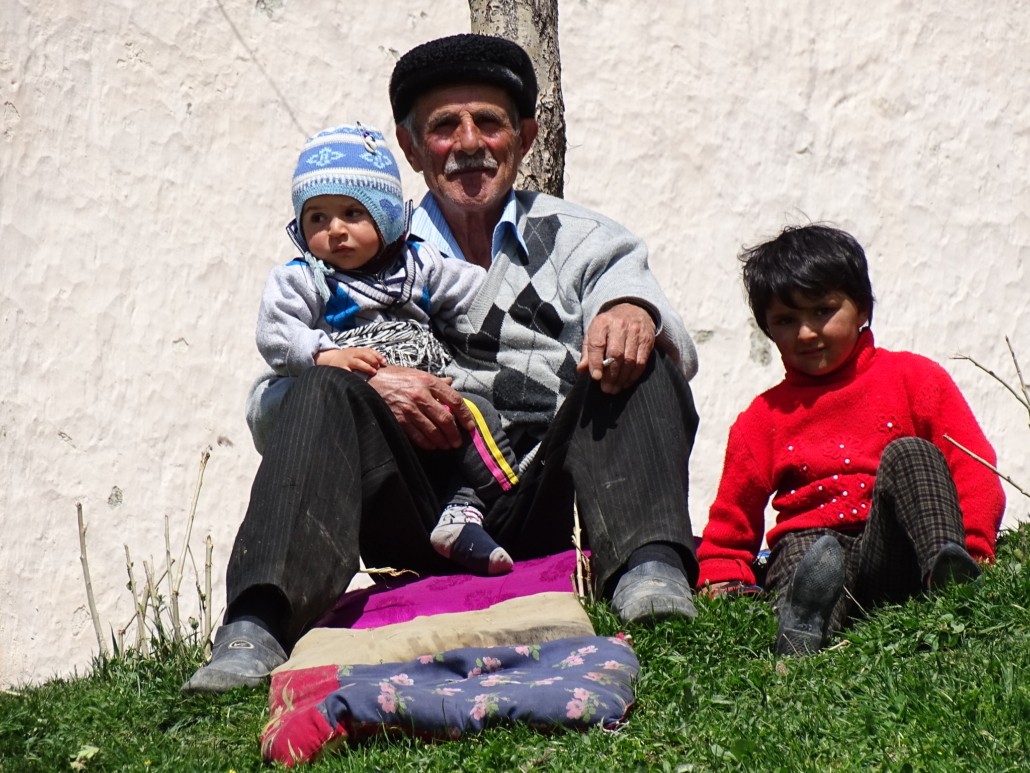
Azerbaijan’s government and international initiatives are reducing elderly poverty in Azerbaijan, but the world still needs to take more action to fight it. The Asian Development Bank estimated that Azerbaijan’s poverty rate was 5.5% in 2022, as opposed to the World Bank’s estimate of 49.6% in 2001, showing a significant decrease in poverty. However, it is not an uncommon sight to see elderly people working in manual labor well after their retirement age. Here is more information about elderly poverty in Azerbaijan including what is being done to address it.
Economy and Demography in Azerbaijan
Ever since gaining its independence in 1991, Azerbaijan has been experiencing gradual economic development efforts. Poverty rates have decreased steadily, and the country is slowly progressing into a position of economic stability despite economic challenges such as the economic crisis of 2009.
Azerbaijan’s population of 10 million is expected to increase by 8.8% by 2050 according to the World Health Organization (WHO). The International Monetary Fund (IMF) projects that Azerbaijan’s GDP will grow by 2.5% in 2025 which the IMF described as moderate growth. The percentage of those 60 years or older in Azerbaijan is 11.6% and the World Bank is expecting that the number of elderly to make up 25% of the population by 2050.
The WHO also estimated that Azerbaijan’s life expectancy has increased by 7.68 years in 2021 compared to 2000 which means that the average Azerbaijan today will live until 72.9 years rather than 65. All of this threatens an increase in elderly poverty in Azerbaijan due to increased constraints on the pensions and benefits system.
The Pensions System and Working Age in Azerbaijan
Much of the progress that Azerbaijan has made in fighting poverty and elderly poverty in the 2000s is due to its rapid economic growth which led to reforms to the pensions system. Pensions increased from 42% of the subsistence level in 2001 to 95% in 2008, according to the European Commission for Employment, Social Affairs and Inclusion. This change led to a decrease in poor households. These changes were part of the reason for the elimination of poverty amongst retirees in Azerbaijan.
However, elderly poverty is still a problem in Azerbaijan despite these reforms with those 65 years-old or over and living alone among the most vulnerable groups for poverty and social exclusion according to the European Commission.
Azerbaijan continues to make progress in access to its pension system to fight elderly poverty such as the introduction of an automatic and electronic pension payment system in 2019, which led to easier access to pensions. For example, during the first eight months of 2021, authorities automatically appointed 16,299 people, representing 60.2% of all pension assignments.
The Dependency Ratio
The World Bank expects Azerbaijan’s dependency ratio to increase from 44 dependents per 100 working-age persons in 2010 to 54 dependents per 100 of the working population by 2050 with old-age being the main driver of this increase. The dependency ratio is a measure of those who work and contribute the pensions and benefits system compared to those who do not work and rely on pensions and benefits. Azerbaijan’s rising population is also primarily driven by old age and increased life expectancy with reforms to pensions being the main policy used to fight elderly poverty, meaning that Azerbaijan will need more help to ensure that its policies promote more employment in order to fight elderly poverty.
Looking Ahead
Azerbaijan has made significant strides in reducing elderly poverty, but challenges remain due to its aging population and growing dependency ratio. Economic growth and pension reforms have helped but continued efforts are still needed to ensure that Azerbaijan’s pensions system and growth plans are well-equipped for its expected demographic changes. For example, there are currently no big global NGO initiatives fighting elderly poverty in Azerbaijan.
– Takey Elbarky
Takey is based in the UK and focuses on Business and Good News for The Borgen Project.
Photo: Flickr
