Education and Child Poverty in Eswatini
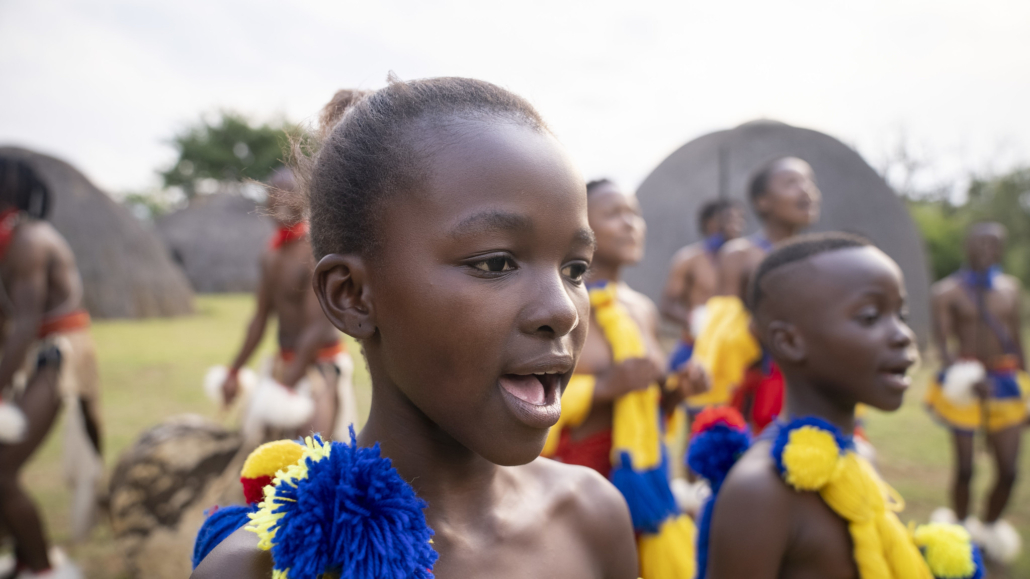 Eswatini is a country located in Africa between South Africa and Mozambique. Poverty is an ongoing crisis in Eswatini, child poverty in particular. Children comprise 42.8% of the population, with 70% living in impoverished conditions. Poverty greatly impacts the education of young children. Here is information about learning and child poverty in Eswatini.
Education and Unemployment
Unemployment is on the rise in Eswatini due to a lack of jobs and quality jobs. The majority of the employed population participates in low-quality jobs, including agriculture. Unemployment in Eswatini stems from a troubled education system. Students lack the basic skills needed to enter the workforce.
Vulnerable Children
The term vulnerable children refers to those who do not have living parents, live in a group home or grew up in a poor family. About 51% of these children do not continue to secondary school after finishing primary.
Eswatini is facing learning poverty, which refers to children aged 10 and younger who cannot read or comprehend texts appropriate for their age group.
Vulnerable children and those living in poverty often face traumas, which makes attending school difficult. Children who have to take on responsibilities at a young age have trouble doing well in school.
Current Education
Children begin public school at six and receive free education up to the seventh grade and free materials. Most children do not continue to go to school after grade 7. Since schooling does not begin until age 6, less than half of children under that age receive any sort of education.
The lack of English is a huge factor in students’ success in Eswatini. Statistically, students who speak better English do well in other subjects. Students who speak English more frequently score better on exams and perform higher in science and mathematics. As little as 10% of students in grade 6 speak English often. It has also been proven that students who attend school in urban areas of the country perform better than students in rural areas. This is partially credited to the fact that poverty is higher in rural areas.
There also remains an insufficient amount of qualified teachers, especially in fields such as science and mathematics. It is even harder to attract teachers to rural areas due to the lack of incentives. Therefore, many teachers are unqualified, with 30% of secondary teachers having no teaching skills or qualifications.
Dropping Out of School
Cost is the number one reason students drop out after finishing primary education. A major reason that young girls and teenagers drop out of school is pregnancy. Pregnancy is common among young girls in Eswatini due to poverty. Poverty often influences girls to participate in sexual actions for money, leading to undesired pregnancies. About 18% of girls that drop out of primary school are due to pregnancies, and 35% in secondary school. A leading cause for boys dropping out of school is not performing well enough. Growing up impoverished, lacking a father figure, and drug abuse are all factors that can lead to an inferior feeling in boys, often causing them to give up on their education.
Solutions
Eswatini has introduced a Multi-Year Action plan for the education system for the years of 2022/23-2024/25. This plan will implement the Education Sector Strategic Plan (ESSP), which has six goals:
- Educational quality and student learning improved at all levels
- Students retained in school until completion
- Entry and exit points of the education system strengthened
- Teacher development and management enhanced
- Access further improved
- System resilience strengthened (after COVID-19) and system prepared for future crisis prevention
Each goal has a set of key activities and sub activities in order to better the education system. In this plan, Eswatini plans to promote learning for younger children (grade 0), provide food to schools with grade 0 children, advance national assessment tests, train teachers with proper framework (including English), reassess and distribute the budget in schools, incorporate children with disabilities and much more. This plan includes detailed figures and tables of the financials, each broken up into budgeted categories. The reform of the education system is not a quick fix because it requires a great quantity of money and resources over the span of years. Yet, Eswatini is already making strides towards its goal.
Hopefully, these steps can help combat child poverty in Eswatini and provide those in need with proper resources and access to education.
– Ella Burke
Ella is based in Lawrence, KS, USA and focuses on Good News and Celebs for The Borgen Project.
Photo: Flickr
