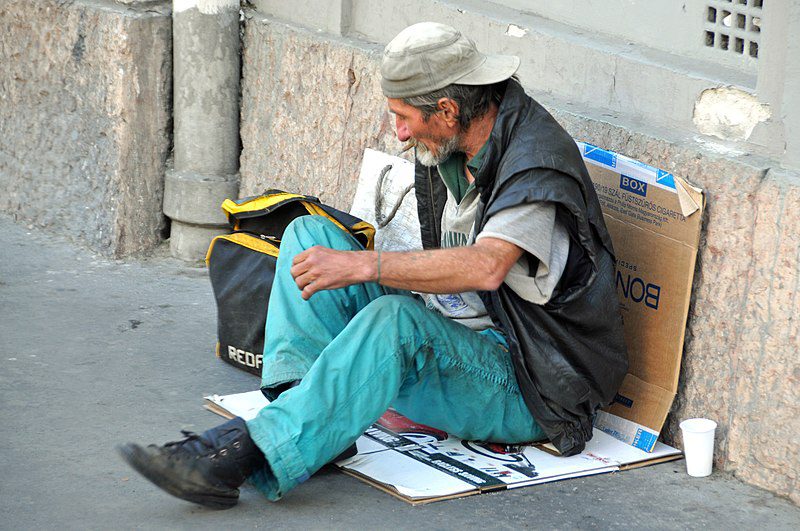
 Located in the Southeast of Europe, Serbia is a beautiful country, West of the Balkan Peninsula. Known for its rich heritage, cultural traditions and the beauty of its natural landscapes, it is unsurprising that it draws in an average of 1.85 million tourists every year. However, despite the positive impact tourism has on the Serbian economy there is, nevertheless, a severe and widespread case of poverty that plagues Serbia. However, fortunately, efforts are in place for poverty eradication in Serbia.
Poverty in Serbia
Just over a quarter of Serbia’s population is considered to be living in poverty. Rural regions, primarily located in the south east of Serbia are much more severe, where poverty rates are four times higher than those in Belgrade, the country’s capital. Given how heavily the Serbian economy depends on its rural and small-scale farming communities, it is noteworthy that poverty is most prevalent in these areas.
These poorer communities also suffer challenges such as natural disasters (primarily floods), inadequate infrastructure and public services, contributing to the continued poverty and economic instability.
It is also key to note that during the 1990s, the area faced extreme conflict due to the Yugoslav war, resulting in a significant economic downturn in many eastern European countries. Although global and national assessments reveal that infrastructure coverage has improved, there are still disparities in accessing housing, proper sanitation and education between rural and urban communities due to the long lasting devastation from this conflict.
The Innovative and Just Green Transition Project
Despite poverty proving to be a persistent challenge for Serbia, numerous innovations are underway by both the Serbian government and international aid organizations to combat and reduce poverty in the country. In recent years, Serbia has implemented many innovative approaches to combat poverty, focusing on sustainable development. A notable initiative is the Innovative and Just Green Transition project, launched in March 2023. The project focuses on energy poverty, particularly in the most vulnerable and rural parts of Serbia.
Since 2022, Serbia has been on a mission to build a greener, more sustainable future—thanks to financial backing of the Japanese government. This support has sparked the implementation of twenty innovative business solutions designed to drive the country’s Just Green Transition. One such initiative tackles landfill waste through large-scale recycling efforts, breathing new life into discarded materials.
Meris Ugljanin, a Serbian entrepreneur, is among those leading the charge. He is determined to cut energy costs and reduce his company’s environmental impact by installing solar panels and air-purifying filters. “Our goal was to switch to renewable energy,” he explains, hoping to inspire other businesses to follow suit.
How the Just Green Movement Works
While the Just Green movement is committed to phasing out fossil fuels, it also recognizes the harsh reality that doing so will disrupt countless jobs tied to the industry. A sudden shift could leave many workers without a livelihood, creating economic uncertainty. To prevent this, the initiative is taking a proactive approach—offering support, retraining programs, and pathways into sustainable “green occupations.” By equipping those most affected with new skills and opportunities, Just Green aims to ensure that the transition to clean energy is not only environmentally responsible but also fair and inclusive. As Serbia moves forward, these changes mark not just progress, but a shift in mindset—one where sustainability and economic growth go hand in hand. The Just Green Transition develops policies that will ensure access to affordable and clean energy, and aids in poverty eradication in Serbia.
The development of renewable energy is paramount for eradicating poverty and boosting Serbia’s economy as these projects not only reduce energy poverty but also stimulate economic growth by creating jobs and careers for Serbian’s. Encouraging new and innovative ways to produce green energy and lower energy consumption, resulting in both economic resilience and environmental sustainability.
Foreign Aid Efforts in Serbia
Foreign aid also plays a significant role in innovating new ways to eradicate poverty in Serbia. An example of this is a collaborative scheme between the Serbian Red Cross and UNICEF. This innovation provides aid for 500 families as part of the 1,000 Families from the Edge campaign. Deyana Kostadinova, a UNICEF Representative in Serbia, states that “UNICEF mobilized its own resources and engaged with the business sector and individuals to help raise funds to provide the poorest families with children the necessary financial aid to survive the winter.” The 1,000 Families from the Edge campaign was first implemented in 2022 and continues to provide humanitarian and financial aid for Serbia’s most vulnerable families.
Looking To the Future
Although poverty is still a serious concern for Serbia, the country’s innovative approach to poverty eradication through renewable energy and foreign aid offers hope for a stronger economic future for the country. Renewable energy projects, such as those focusing on sustainable energy solutions in rural areas. Encouraging both economic resilience and environmental sustainability. These clean energy initiatives paired with the support of foreign aid has been vital in providing the necessary resources for Serbia’s vulnerable communities that have long been underserved. Serbia is paving the way for a resilient and inclusive economy.
– Abbey G Malin
Abbey is based in Oxford, UK and focuses on Technology and Solutions for The Borgen Project.
Photo: Wikipedia Commons

HIV/AIDS In Panama: Political Actions and Awareness
Poverty in Panama
Poverty significantly influences both the spread of HIV and access to treatment. While Panama’s overall poverty rate stands at 22%, the impact is disproportionately severe in nonurban areas, where 76% of Indigenous people live in poverty. This stark contrast highlights the need for targeted support, as many Panamanians, particularly in remote regions, still lack essential resources.
The Intersection of Poverty and HIV/AIDS
Economic hardship often results in limited access to hygiene products, including affordable condoms, increasing the risk of HIV transmission. Those infected face further challenges in accessing life-saving medical treatment. The adult HIV prevalence rate in Panama stands at 1.0% and the country reports nearly 1,000 AIDS-related deaths annually. In the Ngäbe-Buglé territory, AIDS is the leading cause of death, accounting for more than 7% of fatalities, according to Panama’s National Statistics Institute. This intersection of poverty and health disparities highlights the urgent need for comprehensive strategies, including targeted education, expanded health care access and culturally sensitive prevention efforts to curb the spread of HIV/AIDS in Panama.
Political Action Driving Change
Panama began addressing the HIV epidemic in 1985 by offering testing and treatment services. In the early 2000s, the government passed legislation requiring agencies to provide both material and financial support to combat HIV/AIDS. Initially, the national budget focused solely on treatment medication. However, in response to the evolving epidemic, Panama expanded its funding to include public education initiatives. The passing of General Law 3 on STIs in 2000 marked a significant step forward, aiming to prevent discrimination and ensure equitable access to HIV-related services. By 2005, Panama had allocated approximately $10 million from the federal budget toward HIV/AIDS prevention, treatment and awareness campaigns.
Raising Awareness and Reducing Stigma
While increased funding has improved access to treatment, stigma remains a significant obstacle, particularly within Indigenous communities. Misconceptions about HIV/AIDS continue to fuel discrimination, preventing many from seeking testing and care. Public education campaigns have played a crucial role in dispelling myths and fostering a more informed society. These initiatives not only teach people how HIV spreads but also promote understanding and compassion for those affected by the virus. Expanding educational resources to Indigenous regions remains a priority, as these communities face the highest rates of both poverty and HIV/AIDS.
Looking Ahead
The combination of political action, increased awareness and targeted support has allowed Panama to make meaningful progress in addressing HIV/AIDS. However, continued efforts are needed to ensure that vulnerable populations—particularly Indigenous communities—have equitable access to education, prevention tools and medical care. By prioritizing both policy-driven solutions and grassroots awareness initiatives, Panama can continue to bridge the gap between poverty and health, creating a safer, healthier future for all its citizens.
– Kaleb Monteith
Photo: Flickr
Eco-Friendly Search Engines Fight Poverty and Pollution
Ecosia
Ecosia, an eco-friendly search engine with the same functionality as Google, offers users a greener alternative. Its tagline, “familiar search, greener impact,” reflects the company’s commitment to sustainability. Ecosia has planted more than 225 million trees and dedicated approximately €92 million to climate action.
The Ecosia team channels 100% of its profits into climate initiatives, with a significant portion supporting its global tree-planting program. Working with local organizations in more than 35 countries, Ecosia’s efforts yield widespread benefits. In Brazil, reforestation protects endangered species, while in Senegal, it restores land fertility.
In Senegal, Ecosia collaborates with Trees for the Future to establish forest gardens, where trees and shrubs grow alongside fruits and vegetables. These gardens improve soil water retention, increase crop diversity and create new income opportunities for small farmers. As a result, farmers can cultivate produce previously unsuited to dry soil while expanding their agricultural capacity. This initiative generates sustainable income for low-income rural communities. Since 2018, Ecosia has planted more than 17 million trees and restored 5,909 hectares of land across Senegal.
Ekoru
Ekoru operates as an eco-friendly search engine that generates revenue through clicks. Unlike traditional platforms, each click on a sponsored link supports ocean restoration efforts. Founders Ati Bakush and Alison Lee allocate 60% of Ekoru’s profits to initiatives like Big Blue Ocean Cleanup and Operation Posidonia. These organizations possess the labor and resources needed to advance Ekoru’s mission of restoring ocean health.
Ekoru’s impact extends across its partnerships, facilitating beach cleanups and microplastic research. Plastic waste and nonrecyclable materials pose significant threats to low-income countries, where limited infrastructure prevents proper disposal. When plastic washes ashore, it disrupts local ecosystems and undermines fishing enterprises.
Recognizing the potential for change, Ekoru aims to counteract ocean pollution and broader environmental harm. The platform operates on hydroelectric power, while its data centers rely on convection cooling instead of traditional air conditioning. This approach ensures that every Ekoru search promotes sustainability from the outset.
Give Water
GiveWater offers a search engine alternative designed to improve global health by expanding access to clean water. The platform tackles the impact of drought and environmental challenges that limit water availability. Safe, clean water not only provides hydration but also supports sanitation and hygiene. According to GiveWater, 844 million people lack access to clean water, exposing communities to illness and even death. In many remote villages, families must travel long distances to fetch water, wasting time and facing health risks that deepen poverty in low-income areas.
GiveWater channels a portion of its profits from sponsored clicks to partners like Water.org and Living Water International. Water.org bridges the financial gap for impoverished families lacking access to safe drinking water. Living Water International installs water systems tailored to community needs, guided by regional experts who understand local cultures and landscapes.
Janaki, a South Asian resident, highlighted the impact of these ongoing efforts, explaining how a nearby water source has transformed her community’s outlook. The convenience allows more time for school and work, eliminating the need for long journeys to secure basic needs. This increased access to water fosters educational and professional advancement, reducing poverty in vulnerable communities.
Small Changes Make a Big Difference
By choosing eco-friendly search engines, internet users could transform routine web browsing into meaningful action. These platforms fund tree planting, ocean cleanup and clean water initiatives, tackling both environmental degradation and poverty. As digital consumption continues to rise, such innovations reveal that small changes in technology use can potentially drive sustainable development and improve lives worldwide.
– Sarah Lang
Photo: Pexels
10 Facts About Hunger in Puerto Rico
Puerto Rico is 94% urban, with its 2023 GDP equally split among industry, pharmaceuticals, electronics, apparel, food products, tourism and services.
10 Facts About Hunger in Puerto Rico
Puerto Rico Modeling Approaches to Hunger
While the extent of hunger in Puerto Rico is not as severe as in many other countries, it still has generated some creative approaches that might also serve other countries well.
– Staff Reports
Photo: Pixabay
5 Charities Operating in Senegal
Senegal, the westernmost country in Africa, is a country of rich history and culture, however many of the Senegalese people continue to face the challenges of poverty despite its economic progress in recent years. As of 2024, nearly 36% of the population lived below the national poverty line, with rural communities being the most vulnerable. Food insecurity is one of the most common issues, and malnutrition is a large concern, with 66% “of children under five years old suffering from anemia,” a condition that impacts how children grow and develop. While the country has made strides in health care there were an estimated 44,000 citizens living with HIV in 2023. Despite these difficulties, Senegal is full of resilience with many charities operating in Senegal to provide for those in need. Below are five charities operating in Senegal. They are dedicated to uplifting communities and making a difference in Senegal.
Food for Life Senegal
Food for Life Senegal is an international charity that focuses on combating hunger and malnutrition. This organization is dedicated to providing meals to the affected communities with the hope that it will lead to healthier living. Aside from combating hunger, the organization also looks to further health care and educational resources. Food for Life Senegal sees how all of these areas are interconnected, so by focusing on all three they are able to create a more lasting impact on selected communities.
The organization also identifies the most in need communities when looking for areas to assist. Its work not only relieves immediate hunger, but also teaches able community members agricultural practices so the community can become more sustainable.
Caritas Internationalis
Caritas Internationalis has had a large role in humanitarian aid since it received recognition in 1966. This global Catholic relief organization provides emergency assistance and long-term development programs to support communities. Their main focus is poverty reduction in the eyes of emergency assistance when addressing different public health crises, with most of their focus going to people living with HIV/AIDS.
Caritas Internationalis helps to empower these extremely poverty-stricken communities in Senegal by providing health care. Whether it be short or long term, this organization is one of the top providers in health care for developing countries.
ADIFS
Empowering women is the overall theme of the Association pour le Développement Intégral de la Femme au Sénégal (ADIFS). This organization looks to better the lives of Senegalese women by offering education, vocational training and essential health services. This helps the women of Senegal become more independent, as well as becoming better equipped to provide for themselves or their family.
In addition to skill training, this organization helps to create campaigns that raise awareness for issues like “gender-based violence, female genital mutilation, and early marriage.” The combined areas help to empower the women of Senegal by providing them with the tools, freedom and support necessary to succeed.
Plan International Senegal
Plan International is a global organization that fights poverty and inequality through targeted interventions for children. In Senegal, the organization focuses on providing educational opportunities for children as well as improving access to health care and other important services. The belief behind this strategy is that children are the path to creating a greater future.
Sahel École Sans Frontières
Sahel École Sans Frontières (SESF) is a grassroots organization committed to improving access to quality education in the more rural areas of Senegal. Founded in 2007, SESF has played an important role in building schools and creating educational opportunities for the underserved communities of Senegal. Helping create the infrastructure needed is one of the largest challenges that Senegal faces in terms of quality education.
Looking Ahead
These five charities operating in Senegal are committed to helping the country of Senegal create the path to becoming a more sustainable nation. Whether it is through food assistance, healthcare, education or women’s empowerment, the efforts they make are shaping a more sustainable future. By supporting the work of these charities, people worldwide can contribute to meaningful change for the Senegalese people.
– Joey Picolli
Photo: Pexels
Renewable Energy Efforts Promote Poverty Eradication in Serbia
Poverty in Serbia
Just over a quarter of Serbia’s population is considered to be living in poverty. Rural regions, primarily located in the south east of Serbia are much more severe, where poverty rates are four times higher than those in Belgrade, the country’s capital. Given how heavily the Serbian economy depends on its rural and small-scale farming communities, it is noteworthy that poverty is most prevalent in these areas.
These poorer communities also suffer challenges such as natural disasters (primarily floods), inadequate infrastructure and public services, contributing to the continued poverty and economic instability.
It is also key to note that during the 1990s, the area faced extreme conflict due to the Yugoslav war, resulting in a significant economic downturn in many eastern European countries. Although global and national assessments reveal that infrastructure coverage has improved, there are still disparities in accessing housing, proper sanitation and education between rural and urban communities due to the long lasting devastation from this conflict.
The Innovative and Just Green Transition Project
Despite poverty proving to be a persistent challenge for Serbia, numerous innovations are underway by both the Serbian government and international aid organizations to combat and reduce poverty in the country. In recent years, Serbia has implemented many innovative approaches to combat poverty, focusing on sustainable development. A notable initiative is the Innovative and Just Green Transition project, launched in March 2023. The project focuses on energy poverty, particularly in the most vulnerable and rural parts of Serbia.
Since 2022, Serbia has been on a mission to build a greener, more sustainable future—thanks to financial backing of the Japanese government. This support has sparked the implementation of twenty innovative business solutions designed to drive the country’s Just Green Transition. One such initiative tackles landfill waste through large-scale recycling efforts, breathing new life into discarded materials.
Meris Ugljanin, a Serbian entrepreneur, is among those leading the charge. He is determined to cut energy costs and reduce his company’s environmental impact by installing solar panels and air-purifying filters. “Our goal was to switch to renewable energy,” he explains, hoping to inspire other businesses to follow suit.
How the Just Green Movement Works
While the Just Green movement is committed to phasing out fossil fuels, it also recognizes the harsh reality that doing so will disrupt countless jobs tied to the industry. A sudden shift could leave many workers without a livelihood, creating economic uncertainty. To prevent this, the initiative is taking a proactive approach—offering support, retraining programs, and pathways into sustainable “green occupations.” By equipping those most affected with new skills and opportunities, Just Green aims to ensure that the transition to clean energy is not only environmentally responsible but also fair and inclusive. As Serbia moves forward, these changes mark not just progress, but a shift in mindset—one where sustainability and economic growth go hand in hand. The Just Green Transition develops policies that will ensure access to affordable and clean energy, and aids in poverty eradication in Serbia.
The development of renewable energy is paramount for eradicating poverty and boosting Serbia’s economy as these projects not only reduce energy poverty but also stimulate economic growth by creating jobs and careers for Serbian’s. Encouraging new and innovative ways to produce green energy and lower energy consumption, resulting in both economic resilience and environmental sustainability.
Foreign Aid Efforts in Serbia
Foreign aid also plays a significant role in innovating new ways to eradicate poverty in Serbia. An example of this is a collaborative scheme between the Serbian Red Cross and UNICEF. This innovation provides aid for 500 families as part of the 1,000 Families from the Edge campaign. Deyana Kostadinova, a UNICEF Representative in Serbia, states that “UNICEF mobilized its own resources and engaged with the business sector and individuals to help raise funds to provide the poorest families with children the necessary financial aid to survive the winter.” The 1,000 Families from the Edge campaign was first implemented in 2022 and continues to provide humanitarian and financial aid for Serbia’s most vulnerable families.
Looking To the Future
Although poverty is still a serious concern for Serbia, the country’s innovative approach to poverty eradication through renewable energy and foreign aid offers hope for a stronger economic future for the country. Renewable energy projects, such as those focusing on sustainable energy solutions in rural areas. Encouraging both economic resilience and environmental sustainability. These clean energy initiatives paired with the support of foreign aid has been vital in providing the necessary resources for Serbia’s vulnerable communities that have long been underserved. Serbia is paving the way for a resilient and inclusive economy.
– Abbey G Malin
Photo: Wikipedia Commons
Innovations in Poverty Eradication in Namibia
Namibia includes high rates of unemployment and a lack of basic necessities, especially in rural areas. Many are having difficulty in meeting their basic needs, such as access to quality health care, education and housing. Hence, since its independence from South Africa in 1990, various innovations in poverty eradication in Namibia have emerged to address the country’s socio-economic challenges. Their main focuses are on improving access to education, health care, income-generating opportunities and sustainable development. The Namibian government has set up a few programs under the Namibian Social Safety Net to work towards poverty eradication in Namibia.
Social Pension Program
Namibia is one of the only countries in Africa, alongside South Africa, Mauritius and Lesotho, that administers a social pension program for every person who reaches the age of 60. Every month after turning 60, each individual receives a pension of N$160 in the form of a cash transfer. This provides a way of securing long-term savings but also helps to alleviate poverty. One of the common redistributive practices in households with elderly people is grandparents spending their pension on the grandchildren’s school fees, which is a way to invest in the youth.
School Feeding Program (NSFP)
This program receives full funding from the Namibian government and the Ministry of Education, Arts and Culture (MoEAC) manages it. When it began, this program mainly helped orphaned or vulnerable children, but as of 2023, according to the Food and Agriculture Organization of the United Nations (FAO), approximately 466,860 schoolchildren benefitted from the program. Its primary goal is to improve access, retention and learning outcomes by providing timely access to diverse and nutritious food in schools, as well as to improve students’ nutrition and health. It also works as a link between the NSFP and smallholder producers, which further promotes local agriculture and helps alleviate poverty.
Basic Income Grant (BIG)
This is one of the most well-known pilot projects implemented in certain villages in Namibia to address poverty, with the intention of convincing the government to extend the scheme to the whole country. The main idea of BIG is to provide each citizen with a reliable and unconditional cash transfer of N$100 every month for a period of 2 years. This initiative was implemented to battle income inequality by giving each individual the opportunity to meet their basic needs, such as food, health care and housing. In the long term, this may reduce poverty by creating a more stable foundation for individuals and communities to thrive in.
National Employment Service
This government initiative, established in 2011 under the Employment Service Act no. 8, aims to connect job seekers with employers and promote employment opportunities. For example, in 2023, the Ministry of Labour, Industrial Relations and Employment Creation (MoLIREC) mandated that all companies employing more than 10 people post job openings with the ministry to ensure that job opportunities are available to the general public. Whoever fails to do so will face legal consequences. Namibia improves economic stability for individuals and families by increasing job access and connecting job seekers with job opportunities.
Looking Ahead
These are just a few of the many formal and informal innovations in poverty eradication in Namibia implemented by the government and the public. According to World Bank data, Namibia’s poverty rate has more than halved, with approximately 17.4% of Namibians living below the national poverty line in 2015/16, down from 28.7% in 2009/10 and 69.3% in 1993/94. However, poverty rates remain relatively high for an upper middle-income country. This is why continuous advocacy is crucial to implementing and sustaining initiatives that will further combat poverty.
– Zainab Saad Hassan
Photo: Flickr
Renewable Energy in Eritrea: The Effects of Solar Power
The Role of Electricity in Economic Development
The World Bank identifies inclusive economic growth as the most effective means of reducing poverty. However, sustainable development is impossible without adequate, reliable and competitively priced modern energy. In Eritrea, where heavy reliance on imported oil has historically shaped the energy sector, the transition to renewable energy is not just about environmental sustainability–it is an economic necessity. By reducing dependence on expensive and volatile fossil fuel imports, Eritrea may be able to stabilize its economy and allocate resources more efficiently.
Solar Power: A Sustainable Solution
Eritrea is investing in renewable solutions to address this energy gap, including constructing a 30 MW Solar Photovoltaic Power Plant in Dekemhare funded by the African Development Bank. The plant will create both short-term and long-term jobs, but its secondary benefits are transformative. Increasing national energy capacity from 35 MW to 65 MW–closer to the 70 MW peak demand–will reduce power shortages and load shedding, ensuring more consistent access to electricity. This additional power is crucial for small businesses, agricultural operations and educational institutions. More stable energy access means businesses can extend working hours, farmers can use solar-powered irrigation systems, and schools can introduce digital learning tools.
Addressing Agricultural Challenges
Agriculture is the backbone of Eritrea’s economy, with more than 75% of the population relying on it for their livelihoods. However, limited electricity access restricts agricultural practices such as irrigation. Conventional pumps for irrigation require diesel, but low domestic oil production, decreased imports and high fuel prices have made it increasingly difficult for farmers to maintain operations. With a peak energy demand of 70 MW and only 35 MW of operational capacity, power shortages further exacerbate poverty and food insecurity. The introduction of solar power can significantly improve irrigation systems across the country and enhance overall agricultural productivity. By investing in renewable energy, Eritrea can strengthen food security while simultaneously driving economic growth.
A Path Forward
The transition to renewable energy is not just about meeting electricity demand–it is about transforming lives. With Eritrea’s GDP projected to reach $10.1 billion by 2043 and extreme poverty expected to decline to 13%, Eritrea stands at a pivotal moment where renewable energy can accelerate progress. By reducing reliance on fossil fuels and expanding electricity access, the country can unlock new economic opportunities, improve living standards and pave the way for sustainable development.
As the push toward renewable energy in Eritrea continues, the benefits will extend far beyond electricity. They will reshape communities, empower businesses and create a more prosperous future for all.
– Linnéa Matlack
Photo: Pixabay
UK Foreign Aid Shift Risks Global Poverty Efforts
Aid Budget Cuts and Spending Priorities
Since 2020, the U.K. has reduced its foreign aid budget from 0.7% to 0.5% of GNI. This cut remains in place despite earlier promises to restore the higher level when economic conditions improve. A significant portion of the current aid budget now covers in-donor refugee costs. In 2022, 29% of total Official Development Assistance (ODA) supported domestic refugee programs. That percentage increased further in 2023 due to rising migration and asylum pressures. These changes have fueled debates about whether the U.K. has diverted funds meant for international aid toward internal expenditures.
Cutting Global Health Funding
The U.K. also plans to reduce its contributions to the Global Alliance for Vaccines and Immunisation (Gavi), an organization that has vaccinated more than a billion children in developing countries and prevented nearly 18 million deaths over the past 25 years. As U.K. funding declines, Gavi’s capacity to distribute vaccines in vulnerable regions weakens. Aid organizations warn that these cuts could reverse progress in child mortality reduction and burden already fragile health care systems.
Tougher Refugee Citizenship Policies
The U.K. government has tightened refugee policies, making it harder for those arriving through unauthorized routes to gain British citizenship. Refugees who entered the country irregularly now face disqualification from citizenship applications. Critics argue that this policy contradicts the 1951 Refugee Convention and leaves many asylum seekers in legal limbo without a clear path to permanent residency.
Military Aid vs. Development Aid
While the U.K. reduces funding for health and humanitarian programs, it has significantly increased military assistance. Since February 2022, the U.K. has committed £12.8 billion in support to Ukraine, including £7.8 billion for military aid. In 2024/25 alone, the U.K. pledged £4.5 billion in military support. This shift reflects a growing focus on security rather than direct development initiatives, raising questions about the balance between defense spending and poverty reduction efforts.
The Future of UK Aid
The U.K.’s evolving aid priorities highlight an ongoing debate about the nation’s role in global development. The government defends its spending decisions, citing economic constraints and domestic pressures. However, critics argue that cutting aid to health, education and humanitarian projects undermines the U.K.’s leadership in poverty reduction and global health initiatives.
Looking Ahead
The Labour government, elected in July 2024, has emphasized poverty reduction, climate finance and gender equality as key aid priorities. Officials plan to release spending strategies for 2025/26 in the summer of 2025, with expectations of further refinements to aid allocation. The U.K.’s climate, humanitarian and health-related aid programs will likely face continued scrutiny amid shifting budget priorities. As international needs grow due to climate change, global health crises and conflict, the direction of U.K. aid could play a crucial role in shaping the future of vulnerable communities worldwide. Ensuring aid allocation aligns with poverty reduction goals remains essential to sustaining progress in global development.
– Arianna Distefano
Photo: Flickr
Plan to Expand Electricity Access in Africa
Historic Energy Investment
Recognizing the urgent need for electrification, the World Bank Group, African Development Bank (AfDB) and others have committed $50 billion to expand electricity access in Africa. This funding commitment was announced at a summit in Dar es Salaam, Tanzania, which was attended by 30 African heads of state, business leaders and global financiers. This level of funding is historic, making it the largest-ever investment in electric power in Africa, according to The New York Times.
The goal of these funders is to connect 300 million Africans to electricity by 2030, according to The New York Times. This ambitious goal would cut in half the amount of people without access to electricity on the continent. Beyond connecting people to electricity, another aim of the program is to spur economic growth through the creation of jobs and the fostering of business and trade growth. Electricity access is also a key aspect of poverty reduction. Access to electricity is essential in today’s world, and through this project, millions of people will be able to pursue new opportunities and gain access to the global economy.
Approach
Renewable energy sources are a central focus of the project. The plan evenly splits funding between two areas: the development of solar mini-grids, which serve individual rural communities, and the expansion of existing power grids, of which many are fueled by hydropower, according to The New York Times. Leaders of the project have emphasized the need for collaboration among local governments, businesses, banks, and philanthropists. Many African countries today highly struggle with high levels of debt and economic challenges and do not have the necessary funds to invest in energy infrastructure, making foreign investment and support crucial.
Several African leaders have begun or aim to initiate reforms to become more investor-friendly, to spur private energy investment. Country-specific plans are essential to making sure that the program is rolled out effectively across Africa’s diverse range of countries. Multiple countries have already begun to develop these country-specific plans to expand electricity access.
Looking Ahead: Electricity Access in Africa
Access to electricity is a major roadblock to economic growth and poverty reduction throughout Africa. If successful, this plan will not only provide electricity access to hundreds of millions of people, it will spur economic growth, lift communities out of poverty, and expand educational, employment, and health opportunities for millions of people. This massive burst of investment comes at just the right time as energy demand increases due to rapid population growth. With collaboration between governments, the international community and private partners, this project can revolutionize electricity access in Africa.
– Matthew Wornom
Photo: Flickr
endPoverty Creating Job Opportunities in Bangladesh
Lack of Employment for Women in Bangladesh
Despite steady economic growth in recent years, a stark contrast between rates of male and female employment remains prevalent in Bangladesh. Women are significantly more likely to experience unemployment than men, with rates of labour participation at around 80% for men, and 37% for women.
Prejudice permeates much of Bangladeshi culture, which in turn influences how many women enter work. UNDP estimates that approximately 90% of the population hold a distorted view of women, according to the Light Castle Partners. This bias includes beliefs that suggest women should marry young and therefore rely financially on their husbands and become primary caregivers, rather than completing education and pursuing a career. For women who are employed, misogyny is common as male colleagues may hold a bias against their female peers, which can result in exclusion and a lack of progression opportunities.
Women may also not receive the same access to opportunities as men due to a lack of networks and available information. Many jobs are posted through informal networks that women do not often have access to, again because of prejudice and lack of social mobility which also means many women do not have phones or the internet. Similarly, as women are often stuck in the home they receive less information about potential jobs than their male counterparts, making finding work more difficult which impedes their ability to attain employment, further increasing the gender employment gap.
The 3C Model
endPoverty utilizes the 3C Model to assist small businesses in creating both viable and maintainable growth opportunities, spearheading positive economic progress.
The first C – capital – ensures that small businesses can access low-cost, malleable capital that allows for innovation and economic advancements.
The second C – coaching – offers small businesses support in the form of personalised coaching sessions that tackle the individual needs and skills of the business, intending to spark further economic development.
The third C – community – situates like-mindedness and people at the forefront of business development by prioritising a faith-based community where people can meet other local entrepreneurs.
The Harvest Project: Job Opportunities in Bangladesh
The Harvest Project is one of endPoverty’s campaigns, aimed at tackling poverty through business and job opportunities. Based in Bangladesh, the Harvest Project works with local female entrepreneurs and offers them the support and guidance needed to be leaders in their communities.
This project follows a holistic approach, meaning that it works with micro-entrepreneurs who are seeking help to kickstart a business and provide for their families. Through this initiative, endPoverty aims to create a community for vulnerable women who are seeking financial relief to improve their family’s quality of life, as well as to safeguard one another in cases of domestic abuse.
endPoverty has provided support to many women in Bangladesh, for example, Romesa, who is from Ramnagar in Bangladesh. Before she discovered endPoverty, Romesa had been experiencing financial worries for three years due to her husband’s poor health and inability to work. She then came across a microentrepreneur in her community, named Minara, who taught Romesa administrative and technical skills that allowed her to create an income for herself. Romesa now continues to share her knowledge and the work of endPoverty, as the skills learned from Minara allowed her to create a better life for herself and her family.
Alleviating Poverty
endPoverty’s Harvest Project contributes to the alleviation of poverty by offering sequential training and a support network that, when combined, comprise a web of microenterprises that enable vulnerable women to support themselves and their families and ultimately improve their quality of life.
– Ella Dorman
Photo: Flickr