The Education Divide: Why Millions of Children Lack Education
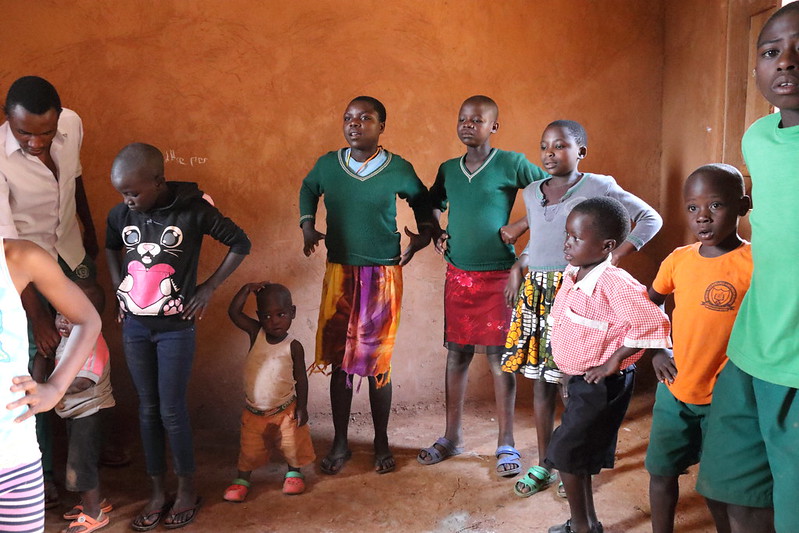 Millions of children worldwide remain out of school due to poverty, gender inequality, conflict and lack of resources, limiting their future opportunities and economic mobility. According to UNESCO, 244 million children globally do not have access to formal education, with sub-Saharan Africa and South Asia experiencing the highest rates of out-of-school children. Education serves as one of the most powerful tools for breaking the cycle of poverty, as research indicates that each additional year of schooling can increase a person’s income by up to 10%. Despite international efforts to promote universal education, many barriers persist. Addressing this crisis requires targeted policy action, increased education funding and community-driven solutions to ensure that all children have access to learning opportunities.
Economic Struggles and the Cost of Education
Education offers a proven pathway out of poverty, but for families living on less than $2 a day, school costs remain out of reach. In many low-income countries, even when tuition is free, the costs of uniforms, books and transportation prevent children from attending school. According to the World Bank, students from the wealthiest households are four times as likely to complete secondary school as students from the poorest households. Without financial assistance, children from disadvantaged backgrounds are forced to drop out and work to support their families.
In Nigeria, for example, an estimated 10.5 million children are out of school, with many forced into child labor to help their families survive. The economic divide continues to limit educational access, perpetuating cycles of hardship. Governments play a key role in expanding access to education by implementing free school meals, scholarships and subsidized learning materials to remove financial barriers and increase enrollment.
Gender Inequality and Cultural Barriers
Girls in many parts of the world face unique challenges in accessing education. Deep-rooted cultural beliefs, early marriage and safety concerns often prevent girls from continuing their education. The Malala Fund reports that 120 million girls worldwide remain out of school, with South Asia and sub-Saharan Africa experiencing the highest gender disparities.
In Afghanistan, the Taliban’s 2021 takeover led to a nationwide ban on secondary education for girls, forcing 1.4 million girls out of classrooms. Similarly, in rural India, families often prioritize their sons’ education over their daughters’, limiting girls’ opportunities for personal and economic growth. However, solutions exist. In countries like Malawi and Bangladesh, organizations have launched cash transfer programs that incentivize families to keep girls in school, significantly reducing dropout rates. Expanding such female-centered initiatives could help close the education gap for girls globally.
Lack of Infrastructure and Trained Teachers
Beyond financial challenges, many children cannot attend school simply because there are no schools nearby. In sub-Saharan Africa, more than 30% of children live more than five kilometers from the nearest school. For those who do attend, many classrooms suffer from overcrowding, a shortage of teachers and inadequate facilities.
A BBC photo essay documented the experience of Sylvia, an eight-year-old girl from Tanzania, who walks more than one and a half hours each morning to reach her classroom. While her determination is inspiring, no child should have to endure such hardships to receive an education.
Additionally, UNICEF reports that nearly 50% of schools in sub-Saharan Africa lack basic sanitation facilities, making learning especially difficult for girls once they reach puberty. Investing in infrastructure, teacher training and mobile classrooms could help bring education to underserved regions.
Conflict and Displacement: The War on Education
In war-torn areas, conflict disrupts schooling by destroying infrastructure, displacing families and creating unsafe environments for students. Schools often become targets of violence or are repurposed for military use, preventing millions of children from learning. Refugee children face even greater obstacles. According to the UNHCR, more than 15 million refugee children globally are out of school, with less than half of displaced children completing primary education. In Syria, South Sudan and Afghanistan, entire generations of children risk growing up without literacy or formal skills due to prolonged conflict. Governments and organizations could play a critical role in integrating refugee children into local school systems, establishing temporary learning centers and maintaining education continuity during emergencies.
Solutions: Bridging Education Gaps
- Increasing Education Funding and Policy Reforms. Many governments allocate less than 4% of their GDP to education, which is far below recommended levels. Increased investment in school construction, teacher salaries and learning resources can significantly boost enrollment and learning outcomes. Additionally, policy reforms—such as removing school fees, subsidizing transportation and implementing cash transfer programs—can ensure that the poorest families have access to education.
- Expanding Community-Based Learning Programs. NGOs play a crucial role in bridging education gaps in underserved regions. Organizations like Room to Read, UNICEF and Save the Children have developed mobile classrooms, after-school tutoring and community-run learning centers to reach children who would otherwise remain out of school. These programs provide literacy and vocational training, ensuring that even children in remote or conflict-affected areas receive some form of education.
- Leveraging Technology for Remote Education. Technology can revolutionize education access. In countries with limited school infrastructure, digital learning programs and radio-based education initiatives have proven successful in keeping children engaged. For example, Kenya’s Tusome Initiative uses tablets and interactive software to improve literacy rates, while Bangladesh’s “TV Schools” provided distance learning during the COVID-19 pandemic.
- Strengthening Protections for Refugee and Conflict-Affected Children. Allocating emergency funds for temporary classrooms, teacher training and psychological support can help displaced children continue their education despite crises. Expanding programs that integrate refugee children into local schools—as seen in Jordan and Lebanon’s education reforms for Syrian refugees—can also provide long-term solutions for displaced learners.
Looking Ahead
Bridging the global education gap requires sustained investment in resources, targeted policy reforms and innovative learning solutions. Efforts to improve school accessibility, enhance teacher training and integrate technology have already expanded opportunities for many children. Addressing the needs of students in conflict zones and underserved communities could be essential for breaking cycles of poverty and ensuring long-term development.
– Bailie Cross
Bailie is based in Pensacola, FL, USA and focuses on Global Health and Politics for The Borgen Project.
Photo: Flickr
