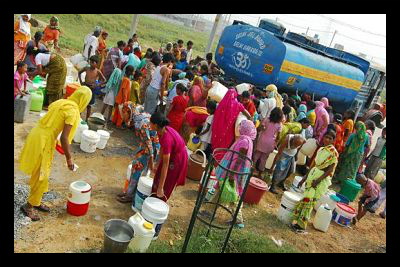
 Kiribati has made great strides in combating hunger; however, the growing issue of climate change is drastically affecting food sources and slowing the achievement of hunger reduction goals.
In 2014, Kiribati was one of 13 countries recognized by the Food and Agriculture Organization for their progress in eradicating hunger. Through developing quality food systems, bolstering rural development and income, increasing production, improving food access and reinforcing social protection, the hunger target of halving the number of hungry people was achieved.
Additionally, social protection programs, along with agricultural intervention and development, have provided hunger relief to villages throughout Kiribati.
According to World Bank, Kiribati imports most of its food; however, high food prices have drastically affected hunger and poverty. In 2011, Kiribati received an emergency grant of 2 million dollars to aid with the existing food crisis. In recent years, similar funding projects have helped combat hunger in Kiribati; nonetheless, the issue of hunger as a result of climate change is fluctuating. Without financial support, the cost of food will continue to increase, leaving thousands of people at risk of food insecurity.
However, Kiribati is expected to face a much larger problem than hunger or poverty—climate change. With a total population of 102,400, Kiribati is still viewed as one of the least developed countries in the world. Eroding shorelines and flooding is causing extensive damage to the everyday lives of the people of Kiribati. Roads, utilities, villages and households as well as food and water supplies are being impacted. There has been and continues to be damaged crops and contaminated fresh water due to excessive salt-water. A consequence of the climate change is that it leads to serious food and water deficits, and thus increasing hunger in Kiribati.
Additionally, the concentration of resources has shifted from developing economic stability in Kiribati to building sea-walls in an attempt to fight the consequences of climate change.
For example, according to the government of Kiribati, an estimated two billion dollars is needed to protect the inhabited islands of Kiribati from the effects of climate change.
Unfortunately, a looming natural adversity threatens food supplies for people living in Kiribati. Contaminated crops, water and resources influence hunger and poverty in Kiribati.
Despite consequences of climate change on hunger and poverty in Kiribati, there is still good news: extensive aid programs are focusing on preserving water and food supplies as well as combating the threat of climate change.
Adaptation programs and rehabilitation projects, including the Rain Water Harvesting Contract—producing reserve fresh water supplies—and global aid of 23 million dollars provided by the European Union are some of the aid being implemented. These government plans and development aids are expected to alleviate hunger and poverty. Furthermore, through the Kiribati Development plan, arrangements are being made to continue enhancing economic growth, securing food and reducing poverty.
Although hunger in Kiribati seems to be fluctuating due to climate change, aid and assistance is being provided from around the world to combat climate change, hunger and poverty in Kiribati.
– Nada Sewidan
Sources: Food and Agriculture Organization, The Hungry Tide, The World Bank
Photo: Live Mint

Let Girls Learn: US Initiative for Global Education
Let Girls Learn is a new U.S. government initiative aiming to help young girls across the globe receive an education. It recruits Peace Corps Volunteers—American volunteers who spend two years in developing countries addressing such issues as health care, infrastructure, agriculture and education—to work on community-centered projects around the world. These projects are designed to facilitate adolescent girls’ access to educational opportunities with direct help from federal funds. They consist of things like girls’ leadership camps and mentoring programs.
The Let Girls Learn initiative was inspired by a 2013 meeting with Malala Yousafzai, the Pakistani teenager whose powerful activism for girls’ education recently won her a Nobel Peace Prize. With approximately 62 million girls out of school around the world, and educational access growing scarcer for older girls, the government initiative is aiming to help adolescent girls receive the education they deserve.
An important way that Let Girls Learn is improving girls’ educational access is by combating early marriage and child pregnancy. In the developing world, one out of seven girls are married before the age of 15. Early marriage and childbirth too often signal the end of an adolescent girl’s education. However, girls who have received secondary school training are up to six times less likely to marry at a young age compared to girls who have not received such schooling.
In keeping with the Let Girls Learn initiative, USAID campaigns like the Advancing Youth Project and Best Schools for Girls are helping individual girls in countries like Bangladesh and Liberia overcome obstacles that would otherwise hinder their schooling. USAID encourages students, parents, educators and government officials in communities with high child marriage rates to encourage community-wide pledges against child marriage, and to discourage students from dropping out of school in order to marry. The organization has also developed a mobile tool that helps girls acquire English language skills as a means of improving their employment opportunities within the garment sector, which employs more than 4 million people in Bangladesh—90 percent of whom are women.
First Lady Michelle Obama recently embarked on a five-day journey in Asia, without the president or her daughters, to promote the global education initiative. In Japan, she joined Mrs. Akie Abe, the wife of Japanese Prime Minister Shinzo Abe, in order to formally announce the partnership between the United States and Japan in promoting girls’ education throughout the world. The partnership is between the U.S. Peace Corps and Japan’s International Cooperation Agency. In Tokyo, the first lady described the problem as “truly a crisis” and cited attitudes toward women as a heavily contributing factor to the worldwide failure to educate young girls. She also traveled to Cambodia, where she met with a number of Peace Corps volunteers who are currently working on projects meant to increase girls’ educational access, and visited a special school that is encouraging notable progress.
Mrs. Obama plans to ask leaders in other countries around the world to stand up for the Let Girls Learn initiative, fostering an international environment that will ultimately prove more support for girls’ educational and personal successes.
– Shenel Ozisik
Sources: Bloomberg, NBC News, USAID
Photo: JetMag
Providing Diagnostics to All
While medication treats an ailment, it is the rapid diagnosis of the ailment that is critical to saving many lives. With the rising rate of antibiotic-resistant infections, the need to diagnose quickly and correctly to facilitate accurate choice of medication has grown exponentially. The rapid diagnosis issue is compounded in resource-poor settings that are mired with lack of easy access to affordable healthcare and infrastructure.
Consider the example of tuberculosis (TB), a deadly infectious disease that can take up to six months or more to treat completely. In 2013, there were more than nine million new cases of TB. Most of these occurred in Africa and Asia. The standard-of-care diagnostic, a sputum smear, is slow and can take multiple health visits, which many people can ill afford. Additionally, the sensitivity of the test is variable and is worse when the patient is HIV positive, which almost 13 percent of TB patients are.
Now multiple-drug resistant TB (MDR-TB) infections, where most of the available antibiotics are no longer effective, are a huge concern. MDR-TB develops because of the incorrect use of antibiotics. The more rapidly TB is diagnosed and the more often correct treatment is prescribed, the less the incidence of MDR-TB and the less the chance of it spreading. As the ceiling of new antibiotic development is being pushed, drug-resistant infections urgently need to be controlled.
Rapid and accurate diagnosis is a necessity not just for TB but for everything ranging from malaria to diabetes. Both academics and the industry are hard at work to develop techniques that can provide results in a matter of hours. Some, especially those related to telemedicine like new iPhone blood glucose testing, can do this from the convenience of one’s home. However, the real conundrum has been how to make this cheap to manufacture, affordable to buy for resource-poor populations who need it and easy to use when there is no infrastructure in place.
Diagnostics For All is a nonprofit organization that aims to produce technology particularly for the 60 percent of the developing world that lack easy access to healthcare. Its projects range from a simple, easy-to-use liver function test to monitor the efficacy of HIV anti-retroviral therapy, to detecting micronutrient levels in children so that appropriate nutritional supplements can be provided. Its systems are based on a patterned paper technology developed at Harvard University. Since the paper takes up the test sample easily and micro channels made on the paper allow the sample to flow into tiny wells of chemical indicators, there is no need for any external power. The indicator changes color based on a component in the sample, allowing an easy read out. The patterned paper can be manufactured cheaply on large scale. Diagnostics For All supports its work with philanthropic grants and partnerships with the for-profit sector.
Foundation for Innovative New Diagnostics (FIND) is another international nonprofit organization that builds partnerships with enterprises and assists in developing novel diagnostic techniques through expertise and capacity building. It supports the discovery and scale-up of diagnostic tools bridging the gap between development and delivery, and ensures that these technologies are made available to high-burden countries at preferential pricing. It has developed several techniques among which are an HIV viral load detection system co-developed with California based, Cepheid and malaria and sleeping sickness diagnosis methods with Massachusetts based, Alere.
There are several other organizations out there, including those making strides in telemedicine, that are working to make diagnosis faster, cheaper and more accurate. As science makes progresses towards developing these new techniques, markets, nonprofit and for-profit business models, and governments all have to play their part in keeping up with strides being made and ensuring that these new methods are realized in practice.
– Mithila Rajagopal
Sources: Alere, NCBI, Sanofi, San Francisco Business Times, WHO 1, WHO 2
Photo: Fashion For A Cause
NIUA Helping Out Hyderabad
The capital city of the state of Andhra Pradesh in India is living with a rather stark problem. Poverty in Hyderabad is becoming a serious problem. Hyderabad has about 540,000 people—around 13 percent of the population—living under the poverty line. The city is characterized by its large number of slums.
The main issues of urban poverty reduction in Hyderabad are slum-based, some solutions would be to:
By addressing these problems, Hyderabad can start to see some turn around.
The National Institute of Urban Affairs, or NIUA, has created a special strategy just for the city of Hyderabad. The strategy is called the Urban Poverty Reduction Strategy, or UPRS. With this strategy Hyderabad can start having its problems recognized and diagnosed.
The broad objectives of the UPRS are to develop sub-sectoral strategies aimed at leveraging resources for addressing the needs of the urban poor, to promote participation of the urban poor in the UPRS and to promote pro-poor institutional reforms. Some of the pro-poor policies and programs include initiatives like the Slum Improvement Act and the Strategy Papers for Poverty Alleviation Andhra Pradesh.
These answer a lot of the problems of Hyderabad. Executing all of these functions would allow the city to have a sustainable functionality, which is what is sought after when fighting poverty. The community needs to be able to work for itself and be able to provide the basic needs, and then a little more, in order to grow.
The leveraging of resources that was mentioned above in the broad objectives refers to the actions of the UPRS that would allow the city to break some ground on the movement and then create momentum with these actions. Some of the actions that they believe will provide ample leverage are:
By bringing out these actions, poverty in Hyderabad can start to dwindle. The UPRS is basically planting a seed and then reinforcing the ways to make sure that seed will grow. If the seed receives the nourishment (all the leverage) it needs and does grow, poverty in Hyderabad may see the end of its days.
– Erik Nelson
Sources: Centre for Good Governance, RUAF, NIUA
Photo: Common Floor
Progress in Nicaragua’s Green Energy Production
Even though it is one of the poorest countries in the Western Hemisphere, Nicaragua’s green energy production is recreating the country as a regional leader. Nicaragua has quickly gone from being one of the most fossil fuel-dependent countries in the world to one of the least.
Since it has no fossil fuel reserves, Nicaragua used to have to import all of its energy resources. The lack of sufficient facilities to convert fossil fuels into electricity led to frequent and prolonged blackouts. That started to change in 2006, when rising oil prices placed a serious strain on the country’s economy. To combat the energy crisis, the government decided to make use of its natural energy resources.
Nicaragua has windy shores, rivers, waterways and numerous volcanoes which provide it with a wide array of resources to produce wind, hydro and geothermal energy. Since 2006, 1.5 billion dollars have been invested in clean and renewable energy. It now produces nearly 60 percent of its energy from renewable resources but has only tapped five percent of its clean energy potential.
The government is aiming to attract 4 billion dollars more in investment to tap more of its renewable energy resources. It is working on building solar plants to tap its solar energy potential. It is also working hard to make use of its geothermal energy potential, which is currently its biggest source of clean energy, followed closely by wind power.
Nicaragua is thought to have the highest levels of geothermal energy in Central America, being one of the most geologically active regions in the world. The Polaris geothermal plant is one of Nicaragua’s biggest energy projects. It is being built at the foot of an active volcano, and by the time it is finished, it is expected to produce 20 percent of the country’s electricity.
Government officials expect renewable resources to account for 80 percent of Nicaragua’s green energy production within a few years, and they are aiming for 90 percent by 2027. Many expect this target will be reached well before then. Nicaragua also has plans to export clean electricity to neighboring countries.
This could become an important source of revenue, through which clean energy could become a major economic industry for Nicaragua. Clean energy projects create more job opportunities, which is something the country needs. As the world drains its oil reserves, more countries are likely to look to clean energy producers like Nicaragua, which could become one of the world’s top suppliers of energy in the future.
– Matt Lesso
Sources: NPR, The Christian Science Monitor, The World Bank
Photo: Seeking Santosha
Hunger in Kiribati
In 2014, Kiribati was one of 13 countries recognized by the Food and Agriculture Organization for their progress in eradicating hunger. Through developing quality food systems, bolstering rural development and income, increasing production, improving food access and reinforcing social protection, the hunger target of halving the number of hungry people was achieved.
Additionally, social protection programs, along with agricultural intervention and development, have provided hunger relief to villages throughout Kiribati.
According to World Bank, Kiribati imports most of its food; however, high food prices have drastically affected hunger and poverty. In 2011, Kiribati received an emergency grant of 2 million dollars to aid with the existing food crisis. In recent years, similar funding projects have helped combat hunger in Kiribati; nonetheless, the issue of hunger as a result of climate change is fluctuating. Without financial support, the cost of food will continue to increase, leaving thousands of people at risk of food insecurity.
However, Kiribati is expected to face a much larger problem than hunger or poverty—climate change. With a total population of 102,400, Kiribati is still viewed as one of the least developed countries in the world. Eroding shorelines and flooding is causing extensive damage to the everyday lives of the people of Kiribati. Roads, utilities, villages and households as well as food and water supplies are being impacted. There has been and continues to be damaged crops and contaminated fresh water due to excessive salt-water. A consequence of the climate change is that it leads to serious food and water deficits, and thus increasing hunger in Kiribati.
Additionally, the concentration of resources has shifted from developing economic stability in Kiribati to building sea-walls in an attempt to fight the consequences of climate change.
For example, according to the government of Kiribati, an estimated two billion dollars is needed to protect the inhabited islands of Kiribati from the effects of climate change.
Unfortunately, a looming natural adversity threatens food supplies for people living in Kiribati. Contaminated crops, water and resources influence hunger and poverty in Kiribati.
Despite consequences of climate change on hunger and poverty in Kiribati, there is still good news: extensive aid programs are focusing on preserving water and food supplies as well as combating the threat of climate change.
Adaptation programs and rehabilitation projects, including the Rain Water Harvesting Contract—producing reserve fresh water supplies—and global aid of 23 million dollars provided by the European Union are some of the aid being implemented. These government plans and development aids are expected to alleviate hunger and poverty. Furthermore, through the Kiribati Development plan, arrangements are being made to continue enhancing economic growth, securing food and reducing poverty.
Although hunger in Kiribati seems to be fluctuating due to climate change, aid and assistance is being provided from around the world to combat climate change, hunger and poverty in Kiribati.
– Nada Sewidan
Sources: Food and Agriculture Organization, The Hungry Tide, The World Bank
Photo: Live Mint
World Renew Tackles Global Poverty
From Asia to Uganda, World Renew, formerly known as The Christian Reformed World Relief Committee, is addressing the problems facing the most impoverished of communities all over the world. The name-change came in 2012 after the organization felt that that the work being done was growing larger and more significant. “The name better reflects who we are and what we are about as a trusted, established non-profit that is working to help eradicate the root causes of extreme global poverty through the renewal of relationships with God, neighbor, and the environment,” says World Renew’s Canadian director, Ida Mutoigo.
It is estimated that World Renew works with 1.86 million people who live in poverty in 35 different countries. This organization is known for its advocacy and quick responses to disasters like the 2011 earthquake in Japan or the conflict that currently exists in Syria. World Renew is also known for aiding with the systemic problems that affect the world’s poor. By focusing on things like AIDS, agriculture, literacy, health, the environment, sanitation and gender equality, the organization helps communities develop and thrive.
There are also unique programs where one can sponsor a refugee or “Free A Family,” where the charity works with a specific family with the help of a contributor’s donations and periodically gives the contributor updates on the family throughout the year. This program intends to provide a family with “nutritious food, clean water, improved health, and increased income.” Another interesting way World Renew helps is by providing materials for someone to throw his or her own “National Baby Shower,” an event where attendees can learn about child and maternal health.
World Renew also encourages individuals to create a campaign of their own by coming up with a “Passion Project.” In addition, there are 24 individual blogs on the World Renew website where volunteers focus posts updates on a specific country.
World Renew’s dedication to advocacy, disaster relief and community development has made change throughout the world. “Sometimes that change is as small as a baby chick, and sometimes it’s as big as community-wide peace-building and reconciliation between ethnic or religious groups,” says World Renew. Either way, its efforts have impacted the global poverty cause.
– Melissa Binns
Sources: Give.org, The Rapidian, World Renew
Education in Tuvalu: Past & Present
Tuvalu is one of the smallest and most remote countries on Earth. The total land area of the country is approximately 26 square kilometers, or comparatively 0.1 times the size of Washington, DC. Located in Oceania, the country is an island group consisting of nine coral atolls in the South Pacific Ocean with a population of 10,782.
Education System Restructure: Late 1990s
Prior to the restructuring of the education system in 1998, communities operated early childhood education and had no support from the government. Preschools were operated under a voluntary basis and teachers were poorly appointed and often untrained. Tuvalu also did not have the proper infrastructure to support schools.
When education in Tuvalu was restructured, the following five strategies were put in place: the government would provide financial assistance to all preschools; formal training would be offered to preschool teachers; new salaries would be granted to preschool teachers; funds for building preschool classrooms were secured by the government; and preschool education linked with the primary section would be provided for three year olds.
Tuvalu’s education system at the primary level was also restructured and revamped. Goals and targets contained in the Tuvalu National Education Policy Document included compulsory education for all Tuvaluan children between the ages of six and 15, redesigning and strengthening the administration of the education system, access to education and training for all, development of a national curriculum, as well as improvements to school buildings, teacher training and programs for students with special needs.
Many other improvements and goals were to be met following the restructuring of the system. Children were not the only focus of the reform—education for survival with reference to community life skills was also made available. The skills that adults were offered included secretarial skills (typing, computing, office skills, etc.), carpentry, pluming, engineering and home economics.
Additionally, strategies were put in place to improve the overall quality of life and standards of living. Basic housing, clothing, water, food and nutrition, access to health and education as well as the ability to participate in community life and cultural pursuits strengthened the communities of Tuvalu.
Tuvalu Today
Many of the strategies and Millennium Development Goals have improved conditions in Tuvalu. For example, Tuvalu’s youth literacy rate (ages 15-24) rose from 95 percent in 1991 to 98.6 percent in 2007. The percentage of cohorts reaching grade five also rose dramatically from 72.7 percent in 2000 to 91.2 percent in 2004.
According to the IMF, although cases of extreme poverty are rare, poverty in Tuvalu has risen in the last few years despite improvements in education. Given Tuvalu’s limited land area, poor soil and geographic isolation, it is difficult to create large private-sector employment opportunities domestically. Therefore, citizens of Tuvalu will need to better utilize overseas job opportunities, including seafarer employment and the temporary labor migration scheme in New Zealand.
Vocational training will need to be strengthened in order to enhance the competitiveness of Tuvaluans for these important sources of foreign exchange earnings and to reduce poverty.
– Eastin Shipman
Sources: International Council for Open and Distance Education, UNESCO 1, UNESCO 2, UNESCO 3, CIA Factbook,
IMF
Photo: UNESCO
Americas Relief Team
ART is a nonprofit organization that focuses on preparing, responding to and assisting those who would be affected by critical events. More specifically, ART focuses on disaster preparedness by conducting disaster prevention programs in urban centers and ports in Latin America. They focus on disaster response and aid by collaborating with partners to stage and deliver humanitarian aid after a crisis occurs, and finally they focus on humanitarian assistance to alleviate human suffering in the Americas.
ART accomplishes its mission of providing humanitarian logistics assistance by creating strategic agreements with key nonprofit and corporate partners—nearly 20 other influential organizations. SeaFreight Agencies is one of many of the companies that ART collaborated with. SeaFreight Agencies, teaming up with ART, provided excellent assistance to the Caribbean, especially Haiti, during the 2008 Hurricane season.
Backed by a good history, ART has been aiding the Americas for over a decade now. In 2004, ART responded to Tropical Storm Jeanne, which wreaked havoc on the Caribbean. The next year, they delivered millions of pounds of humanitarian assistance to the Caribbean region as a response to Hurricanes Charley, Frances and Ivan.
In 2010, 36 NGOs, along with ART, joined to create the largest long-term, single-country reconstruction project in Haiti as a response to the major earthquake that took place. Nearly 20 million pounds of humanitarian assistance was provided.
One of ART’s most recent developments is the Port Resiliency Project. PReP, started in 2013, will prepare airports and seaports in the Caribbean and Latin America to be more resilient in the face of natural disasters by applying the best practices learned from Hurricane Katrina and the earthquake in Haiti.
Hurricanes and natural disasters can extract many emotions from the human mind; depending on what type of person you are, you will do something different about it. Americas Relief Team prepares, responds and assists. Along with a conglomeration of teammates, ART aims to help alleviate the suffering found in the Americas.
– Erik Nelson
Sources: Americas Relief Team, Global Hand, SeaFreight Agencies
Photo: Family Now
Students Aim to End Global Poverty for Hult Prize
Hult International Business School, having partnered with former President Bill Clinton and the Clinton Global Initiative, held the first competition in 2010. The competition starts on a local/regional level with competitions being held in Boston, San Francisco, London, Dubai and Shanghai. Winners then go on to a six-week program packed with seminars on innovation and entrepreneurship called “The Hult Prize Accelerator.” Afterward, six teams go on to the Global Finals, where one team with an impactful idea is decided on as the best. The winning team then gets the opportunity to put their plans into action.
Last year, the issue to focus on was “non-communicable diseases in urban slums” such as diabetes or heart disease. A team of students from the Indian School of Business were declared the winners for their business concept “NanoHealth,” where a group of doctors receive a “Dox-in-Box,” a diagnostic tool that will help identify those at risk of disease. The goal is for NanoHealth to help up to 25 million people currently living in slums. Other finalists came from the University of Pennsylvania, MIT, HEC Paris, ESADE Business School and York University, and many of them are known to continue going forward with implanting their idea despite not winning.
The Hult Prize has been referred to as the “Nobel prize for students” by Muhammad Yunus, a winner of the Nobel Peace Prize.
“If you can create a real business, the beginning of a prototype, you can change the world,” he said.
This year’s winner will be decided on at the Clinton Global Initiative annual meeting in the fall.
– Melissa Binns
Sources: Huffington Post, Hult Prize, New York Times
Photo: NPR
The Responsibility to Protect, Evidence from Syria
The Responsibility to Protect includes the responsibility to prevent, react and rebuild. To prevent includes addressing both the root causes and direct causes of internal conflict and other man-made crises putting populations at risk. The responsibility to react describes the duty of either the state or international community to utilize coercive measures like sanctions and international prosecution, and military intervention as a last resort in response to situations with dire humanitarian consequences. The responsibility to rebuild includes providing full assistance with recovery, reconstruction and reconciliation, usually after a military intervention.
There are six criteria for military intervention: just cause, right intention, last resort, proportional means, reasonable prospects and right authority. Military intervention is difficult to justify, not only because of the criteria for intervention, but due to state sovereignty and United Nations Security Council vetoes. The conflict in Syria demonstrates the difficulty of implementing R2P and humanitarian intervention.
In addition to issues of sovereignty between the governments, the lack of cohesive intervention from the beginning has contributed to the conflict significantly, for early attempts at intervention were neither swift nor effective. Due to the humanitarian situation, a UNSC Resolution or unilateral intervention justification would have proven legitimate in regard to the International Convention on Human Rights and the Responsibility to Protect, for the Assad regime was not being held accountable for the mass atrocities being committed within his territory. In addition to a lack of UNSC approval, the Chinese and Russian veto of the transfer of the case to the ICC has proven a hindrance to the international capacity to alleviate the conflict and further promotes the proxy war debate.
The lack of international capacity to alleviate the conflict in Syria has illuminated several tensions for the Responsibility to Protect and the future of humanitarian intervention. The conflict further demonstrates how R2P continues to be dependent on national interests, rather than the presence of “atrocities that shock the conscience.” The international community ought to acknowledge their mistake for not intervening in Syria in pursuit of assuring this non-intervention is a deviation from the norm to protect rather than implementation of a new precedent in order to restore the legitimacy of the Responsibility to Protect and humanitarian intervention.
– Neti Gupta
Sources: Stand, Responsibility to Protect, Global Center2p
Photo: Global Solutions