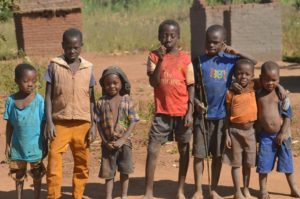
 According to global location-based data from 2019, approximately 10.37% of children in Chad had not received the first dose of the diphtheria, tetanus and pertussis (DTP1), routine vaccines. This placed Chad among those with the highest rates of zero-dose children aged less than 12 months.
Zero-Dose Children in Chad
In 2021, the United Nations Children’s Fund (UNICEF) identified Chad as one of the top 20 countries where more than half of the world’s zero-dose children reside, with a 27% prevalence rate. In 2022, health data estimated that 188,500 children in Chad remained unvaccinated. The highest concentrations were found in the rural north, areas affected by conflict and within nomadic communities.
Around 80% of the population lives more than five kilometers from the nearest health facility, making access to routine vaccination especially difficult. Unqualified personnel and poor supervision during immunization efforts further widen this gap. These issues are compounded by ongoing challenges related to supply chain disruptions. The overall demand for routine immunization remains low and awareness-raising measures utilizing communication methods have not been effective.
Coordinated Responses and Interventions
WHO, UNICEF and Gavi, the Vaccine Alliance, developed the Reaching Every District (RED) strategy to support the activities and interventions. The plan consists of five operational components: planning and managing resources, engaging with communities, conducting supportive supervision, monitoring and using data for action and reaching all eligible populations.
Chad is a vast country with a low population density, which presents a significant challenge in delivering immunization services. To address this, partner organizations supplied 32 vehicles and 250 motorcycles to health centers, improving access to remote and hard-to-reach areas. Similarly, in collaboration with UNICEF, the Ministry of Health allocated an immunization strategy tailored for major urban centers. The Bill and Melinda Gates Foundation supported the preparation of communication plans in seven provinces, including training 5,000 village chiefs and community health volunteers in the Lake region.
Furthermore, supported by Gavi, 235 new nurses and paramedics were recruited throughout regional hospitals in nine provinces to expand access to healthcare. WHO trained health workers in 40 districts and health teams in 28 districts. In 2021, the PEV Manager smartphone app was introduced to strengthen service delivery, enable feedback and improve supervision.
Despite various challenges, Gavi’s collaboration with the Ministry of Health enhanced funding by establishing a restructured project management unit. Disbursements were accelerated by implementing streamlined procedures and utilizing mobile money systems wherever feasible while maintaining strong financial accountability. Effective financial management was a key driver of these achievements.
Cold Chain Equipment Optimization Platform
A major barrier in Chad’s immunization efforts was the lack of reliable cold chain infrastructure to preserve vaccines. This issue was addressed through the Cold Chain Equipment Optimization Platform (CCEOP), a collaborative initiative designed and funded by Gavi. UNICEF manages procurement and logistics, WHO provides technical guidance and the Ministry of Public Health leads implementation. With support from partners, the Ministry of Health expanded cold chain capacity nationwide, achieving coverage of more than 90%.
As part of this effort, a health facility map was developed to identify regions with high population density and limited infrastructure, helping prioritize locations for solar-powered cold chain equipment. By 2022, 1,506 health care facilities previously identified as lacking sufficient cold chain coverage were distributed 1,527 units of cold chain equipment, including freezers, refrigerators, coolers, generators and solar panels. With an approximate 70% increase in cold chain coverage since 2017, these efforts significantly improved access, reaching around 96% by 2022.
Triple Vaccine Launch
Chad’s Expanded Program on Immunization (EPI) marked a milestone by introducing three vital new malaria, pneumococcal and rotavirus diarrhea immunizations. Chad was one of the first countries to launch three essential vaccines simultaneously as part of its EPI. Chad took a comprehensive approach to roll out the new vaccines effectively. This included updating immunization policies, integrating vaccines into distribution plans and preparing detailed rollout strategies.
The country also trained health workers, strengthened cold chain infrastructure, engaged communities in raising awareness and established supervision and performance monitoring systems. Chad positioned itself as the 14th country to implement the malaria vaccine nationwide, aligning with the WHO’s goal of reducing malaria-related mortality by 90% by 2030.
Health experts estimate that the pneumococcal vaccine could prevent up to 5,000 deaths per year by safeguarding children from life-threatening bacterial diseases. Rotavirus caused more than 40% of pediatric diarrhea hospitalizations in Chad and contributed to infant mortality before its introduction. The rotavirus vaccine addresses this essential public health issue, advancing Chad’s national vaccination program to protect children from preventable and life-threatening diseases.
Between 2019 and 2022, coverage of the DTP1 dose increased from 89.63% to 98.84%. During the same period, completion of the full three-dose series (DTP3), a key indicator of immunization system performance, rose from 50% to 60%.
Conclusion
Chad is a compelling example of how effective collaboration and technical support through strong communication and coordination networks can drive meaningful change. These efforts significantly strengthened the Ministry of Health services at both national and local levels. As a result, many supervisors and health workers were revitalized and empowered to deliver more effective and responsive care to zero-dose children.
– Imge Tekniker
Imge is based in London, UK and focuses on Global Health for The Borgen Project.
Photo: Pexels

The Link Between Poverty and FGM/C: Breaking the Cycle
The Link between Poverty and FGM/C
Although many recognize FGM/C as a serious violation of human rights, it continues to persist in certain communities where cultural and social traditions deeply weave it into community life. In these societies, the practice is often upheld under the guise of religious or traditional values, with generations passing it down to preserve cultural identity.
Beyond cultural continuity, FGM/C is often justified by rigid gender norms and beliefs. In some contexts, a prevailing notion suggests that controlling a girl’s sexuality from an early age is necessary. By curbing her desires, families believe they safeguard her virginity, prevent perceived moral transgressions, and ensure marital fidelity. Some proponents also argue that FGM/C promotes hygiene and aesthetic appeal. They hold the belief that female genitalia are inherently impure and that girls who have not undergone the procedure are considered unclean or undesirable for marriage.
Poverty’s Role in the Persistence of FGM/C
Poverty and FGM/C are increasingly recognized as deeply connected, with poverty serving as a significant driver in the persistence of FGM/C. Research published in the journal Reproductive Health underscores the strong influence of socio-economic and demographic factors on the prevalence of FGM/C across sub-Saharan Africa. Findings indicate that the practice is more common among women and their daughters in the lowest wealth quintiles, while its prevalence declines with higher levels of education.
These patterns suggest that poverty not only increases the likelihood of undergoing FGM/C but also contributes to a broader cycle in which communities subject girls to the practice, marry them off at a young age and deny them educational opportunities – thereby perpetuating intergenerational poverty. In many impoverished communities, women and girls often remain unaware of their rights or the protections available to them regarding FGM/C. Many in the community view the practice as a cultural duty and those who refuse to undergo it may face severe criticism, stigma and social exclusion.
Safe Hands for Girls
Jaha Dukureh founded Safe Hands for Girls in 2013. She created a survivor-led women’s rights organization dedicated to ending FGM/C and gender-based violence. Since its inception, the organization has implemented initiatives such as the SAFE Training Program. This program equips law enforcement and health care professionals in the United States (U.S.) with the knowledge to identify signs of FGM/C and enforce the Stop FGM Act of 2020. This training is critical, as an estimated 513,000 women and girls in the U.S. have undergone or are at risk of FGM/C.
In 2025, the organization launched Regenerative Hubs, an international program training women farmers in regenerative agriculture across rural communities in the Gambia and Ghana. This initiative links economic empowerment to the eradication of FGM/C, child marriage and domestic violence.
Men End FGM
Tony Mwebia launched the #MenEndFGM campaign online in 2013. The initiative is based on the understanding that, in many patriarchal African societies, men hold significant power as fathers, breadwinners, religious and political leaders and custodians of tradition. Engaging men and boys is therefore essential to advancing the elimination of FGM/C. By 2015, young Kenyan activists had joined the movement. In 2019, it was formally registered as the Men End FGM Foundation.
Brothers for Balance, one of its key initiatives, promotes male advocacy for gender equality by working with cultural and religious leaders who can influence their communities. It also trains a network of Men End FGM advocates across 22 hotspot counties to challenge and change harmful social norms. Additionally, the Boy Guard Movement empowers boys and young men to become agents of change from an early age. The Positive Parenting Forum brings together fathers, mothers and their children to foster open dialogue on FGM/C, menstrual health and child marriage.
Sahiyo
While most international funding to prevent FGM/C is directed toward Africa, regions such as Asia, Latin America and the Middle East remain significantly under-resourced. Sahiyo, founded in 2015 by a group of women united against FGM/C, works to empower Asian communities to end the practice. Among its key initiatives is Voices to End FGM/C, a global storytelling project that organizers launched in 2018. It mobilizes survivors to share their experiences and normalize conversations around the FGM/C.
Since its inception, Sahiyo has conducted nine workshops under this initiative. This has resulted in 88 videos and more than 120,000 views across social media platforms. Another impactful program is Thaal Pe Charcha (TPC), Sahiyo’s flagship initiative in India since 2017. TPC draws from the Dawoodi Bohra tradition of communal meals. It creates safe, private spaces where men and women can share stories, ask questions and engage in dialogue around FGM/C.
Moving Forward
Poverty and FGM/C remain interconnected challenges that disproportionately affect girls and women in vulnerable communities. Indeed, socioeconomic disadvantage limits access to education, health care and legal protections, creating conditions where harmful practices continue. Progress toward eliminating FGM/C by 2030 potentially requires greater investment in education, economic empowerment and local advocacy efforts. Sustained action from governments, communities and international organizations could be necessary to ensure that future generations grow up free from the threat of FGM/C.
– Charlotte Codd
Photo: Flickr
Which Is More Severe Urban or Rural Poverty?
Rural Poverty
Rural areas are typically defined as regions outside towns and cities, often called the countryside. They consist of open land for farming, villages or towns with fewer buildings and a low population. With a lower population density and a heavy dependence on the agricultural industry, rural areas are necessary to a country’s overall landscape. They contribute to providing food, natural resources and a sense of community.
Rural poverty is defined as “residents of non-urbanized areas or non-urban clusters who earn below the income threshold” in their country. Despite impactful contributions, rural populations do not have comfortable access to healthcare facilities, transportation and education services. Residents have fewer options for resources, resulting in them struggling to seek help or improve their situation. Several rural tenants do not have a secured income because they are either unemployed or participate in seasonal work due to a short supply of job offers.
Urban Poverty
Urban areas are cities, towns and suburbs with high population density. They have many apartment buildings, public transit and telecommunications. Most urban residents work non-agricultural jobs. Metropolitan areas are crossroads of economic activity, cultural exchange and innovation, offering support systems in fast-paced environments and meeting the population’s needs.
Urban poverty is “residents of urbanized areas (50,000+ people) or urban clusters (2,500-50,000 people) who earn below the income threshold” of their country. While there are support systems for the urban population, many individuals struggle with finances because of inadequate housing, inaccessibility to education and healthcare, unemployment and high exposure to environmental hazards such as natural disasters or air pollution.
Is Urban or Rural Poverty More Severe?
Urban and rural poverty have their complexities. Rural poverty is more hidden and persistent within the countryside community, while urban poverty is more visible and acute. The majority of the neediest individuals live in rural areas, but an estimated 200 million people in urban regions experience poverty. “Many issues faced by urban poverty mirror those experienced in rural poverty, such as limited or no access to education and healthcare” in countries like India, China and Nigeria.
Urban and rural inhabitants have key differences in economic opportunities, infrastructure and services, social isolation, overcrowding and cost of living. The rural economy is strongly related to agriculture, mining and small businesses. In contrast, the urban economy relies on job markets, including manufacturing, services and technology. In rural geographical locations and small neighborhoods, individuals do not receive as much social support as in urban societies that contain social networks. Therefore, rural poverty is more severe than urban poverty due to the “difficulties in infrastructural access/fundamental service limitations in running economic activities.”
The Future
Rural poverty is expected to decline, while urban poverty may persist. In 2030, rural poverty will decrease by 26% to 293 million from 395 million and urban poverty will decrease from 203 million to 200 million. Poverty-reduction bills like the Global Malnutrition Prevention and Treatment Act confront both forms of poverty so everyone can live a standard life with food and health care resources.
– Makayla Johnson
Photo: Freepik
Mental Health in Palau
The Facts
Depression affects 5.2% of Palau’s adult population, including 6.7% of young adults and 6.5% of elderly adults suffer from depression. This makes up about 920 people out of Palau’s entire population. To put this into perspective, 5.2% of the United States of America’s population is about 16.3 million people.
Anxiety affects 4.3% of adults, 10.5% of young adults and 4.3% of elderly adults suffering from anxiety. Anxiety is significantly more prevalent in young adults compared to any other age group. 4.3% of Palau’s population is about 760 people.
About 2.3% of adults in Palau suffer from suicidal ideation, being significantly more prevalent in young adults. Meanwhile, about 8.5% of young adults and 0.6% of elderly adults suffer from suicidal ideation. Palau also has a high rate of schizophrenia, according to the National Library of Medicine.
Links Between Poverty and Mental Health
While it is often hard to recognize, depression and anxiety have a huge influence on a person’s work ethic. Depression often leads to a lack of motivation, exhaustion, careless attitude and reclusive tendencies. This behavior can prevent a person from keeping a job or pursuing a career, leading a person towards financial issues, and if not helped, can cause a person to slip into poverty.
Anxiety also creates challenges that affect work ethic. Anxiety tampers with energy, concentration and sleep. Oftentimes, it is difficult to make a decision or pay attention to the task at hand, lowering a person’s quality of work. Anxiety may also prevent a person from attending work due to fear of commitment or embarrassment. Similar to depression, this can manifest financial instability and lead to poverty.
Schizophrenia, among all other mental health conditions, is one of the most connected mental illnesses to poverty. A big part of this is due to schizophrenia’s impact on a person’s social life, such as reclusive behavior, trouble communicating and negative effects on social cognition, making employment a difficult task.
Those with poor mental health are more likely to have addictions to drugs and alcohol, another major influence on poverty due to low work performance and work ethic. While poor mental health can be a leading cause for poverty, oftentimes poverty is the cause of poor mental health, increasing stress and hopelessness, often resulting in social rejection and loneliness, making it hard to re-establish financial stability.
Lack of Services
As the country is small and isolated, accessible mental health care is sparse. Psychology is an ambitious field to pursue, and there are only so many people on such a small island who have the ability or desire to join a career in psychology. The further from the main island, the less the population, which further decreases the number of people who are interested or knowledgeable about mental health.
While it is difficult to pinpoint the exact number of behavioral health care professionals in Palau, an interview in 2019 of 17 health care professionals showed that there was only one in behavioral health care.
Current Solutions
Since 2008, when the United Nations Development Programme (UNDP) signed a Standard Basic Assistance Agreement, the UNDP has strengthened health systems, helped address the impacts of COVID-19 and rehabilitated three community health centers. These produce positive influences on mental health in Palau through the creation of stronger, more reliable health centers and helping those who COVID-19 impacted get back on their feet.
UNICEF Pacific Islands heavily focuses on children’s education and health care. It originated in 1997 and has made strong efforts to help children lead a good life. It helps not only Palau but also the entirety of the Pacific Islands. UNICEF Pacific Islands provide mental health assistance in emergency settings, and is working to integrate mental health into education and have established the Global Coalition for Youth Mental Health.
Since Palau gained its independence in 1994 and established diplomatic relations with the United States of America, the U.S. has provided a lot of government and economic assistance. Currently, the United States provides financial aid through the Compact of Free Association (COFA), which can be used to fund health care systems, education and take care of Palau’s architecture and environment, crucial for Palauans’ mental and physical health.
Looking Ahead
With the current help of these organizations and Palau’s already thriving community and healthy environment, the people can continue to improve and stabilize mental health through community support, providing a sense of belonging and safety that encourages people to speak out and advocate for mental health in Palau.
– Sevyn Whatley
Photo: Unsplash
Transforming Poverty With Innovative Recycling in the DRC
Furthermore, due to ongoing political conflict in recent years, many of the DRC’s vital institutions, including hospitals and waste management systems, have been destroyed. The accumulation of waste in public spaces that this caused has resulted in skyrocketing rates of malaria and cholera, an additional humanitarian crisis that the DRC does not have the resources to alleviate.
However, by utilizing new sustainable technologies, particularly innovative recycling, several Congolese organizations are working to lessen the impact of waste on the DRC. Below are two stand-out nongovernmental organizations (NGOs) utilizing innovative recycling in the DRC to lower poverty rates and help lessen the country’s current crisis.
Plastycor
Plastycor was established in 2019 by Nicole Mugoli Menemene. The organization uses discarded plastic waste to create homes, furniture and other household appliances, including “chairs, walls with masonry and without masonry, bins and multipurpose baskets, flowers and flower pots, coasters,” and many more.
Inspired by her mother, who taught her early on about the importance of proper sanitation and waste disposal, Menemene got her start in environmental advocacy. After founding Plastycor, she quickly searched for ways to maximize her impact.
In addition to her work with innovative recycling in the DRC, she headed community training on proper waste disposal and youth programs that bring awareness to environmental issues and supported the founding of other new start-ups.
Despite her early success, Menemene has not stopped expanding her business. Today, she “oversees three permanent full-time staff members and [more than] 30 volunteers.” Thanks to the efforts of Menemene and her team, Plastycor has recycled 510,000+ pieces of plastic waste, trained 1,000+ individuals on proper waste disposal and collected 450+ tons of urban waste.
Benelux Afro Center
The Benelux Afro Center (BAC) is an organization that specializes in the correct disposal of e-waste. The project focuses on educating individuals and communities about the proper ways to dispose of e-waste, the collection of the hazardous waste itself and the shipping and recycling process. There are BAC stations in most large cities in the DRC, run by young people trained in the e-waste disposal process.
The BAC isn’t only an incredible resource in waste disposal. It also has a huge environmental and socioeconomic influence: “The project had recycled 13,500 kilograms of e-waste by 2017 and by 2021 had recycled nearly 141 tonnes of e-waste. Each relay station provides work for 10 young people, mostly from disadvantaged backgrounds.”
Finally, like Plastycor, the BAC does not only utilize traditional recycling. In addition, “metal waste is processed by the students and made into beds, chairs and benches. Waste is also transformed into gardening tools, such as rakes and spades.”
Final Remarks on Innovative Recycling in the DRC
Although the future seems bleak, countless organizations are leading the fight against poverty and injustice with innovative recycling in the DRC. If countries like the U.S. and England commit to supporting their progress, it is undeniable that improvement is possible.
– Helena Birbrower
Photo: Flickr
Vaccine Coverage in Malawi Goes Solely Solar
SDD Refrigerators
SDD refrigerators are solar-powered devices used to store vaccines at the proper temperature. Before the introduction of SDD refrigerators, earlier models were less reliable and more costly. Ice-lined refrigerators, which had been used for more than 20 years, were considered the most economical option.
Alongside absorption refrigerators and water-pack freezers, people found these units less efficient than solar-powered alternatives. They operated using gas, kerosene or batteries, which required frequent replacement and incurred high operational costs.
SDD Fridges in Malawi
Remote areas such as Malawi have been the top priority for the Gates Foundation due to their previous reliance on gas-powered refrigerators. Around 40% of community health clinics in Malawi are not on the electrical grid, making costly and outdated refrigerators their only option.
However, in 2015, Malawi received its first grant to implement only a few SDD fridges. After about three years of reliability, Gavi and UNICEF helped fund the installation of about 600 more in 2018. Since then, Malawi has replaced all gas and battery-powered fridges with solar-reliant fridges.
SDDs proved to be successful and sustainable. It is cutting carbon dioxide emissions significantly and giving cold chain managers the ability to track the maintenance of each refrigerator to confirm it is at the proper temperature. The equipment is also long-lasting and reliable, creating a concrete solution for Malawi.
Vaccine Coverage in Malawi
In addition to improving storage, Gavi and UNICEF are trying to bridge the gap between urban and rural access to vaccines. These organizations have specifically targeted communities with high rates of zero-dose children and developing equity-focused programming in collaboration with local governments.
The Expanded Programme on Immunization (EPI) from UNICEF shows that “across all antigens, Malawi is missing approximately 10% of children, with a significant portion of these zero-dose children in urban areas.” Providing adequate staff to recognize these patterns and advise immunization can catch these concerns promptly.
Impacts
According to Gavi, vaccine coverage in Malawi has shown impressive progress compared to a decade ago. This advancement has been supported by substantial funding and the availability of trained professionals in both rural and urban clinics, enabling effective vaccine storage and distribution.
Inclement weather is another factor in vaccine storage strategies. Malawi is particularly prone to extreme weather events such as cyclones and floods. When Tropical Storm Ana struck in 2021, significant damage was caused to the hydroelectric system, resulting in widespread power outages across the electrical grid. In previously vulnerable rural areas, health workers successfully kept vaccine doses cold using SDD refrigerators. At the same time, they had to move facilities relying on electricity-powered to avoid spoilage.
As a result, cold chain managers began re-evaluating the effectiveness of electric refrigerators compared to solar-powered ones. They transferred all vaccine doses from urban centers to more remote storage facilities. Solar refrigerators became the standard due to their strength and durability.
Conclusion
The benefits of SDD fridges are vast, including bettering the environment and lowering long-term medical equipment costs. Cold chain management has taken a step in the right direction, with the Gates Foundation and more creating the possibility for success in countries like Malawi.
– Rachael Wexler
Photo: Unsplash
Combating Elderly Poverty in Kazakhstan
Lowering Poverty Rates Still Impacts the Elderly
The Asian Development Bank reported in 2023 that 5.3% of Kazakhstan’s population lived below the national poverty line. Anecdotal evidence suggests the elderly bear a substantial amount of this burden. Kazinform notes that Kazakhstan has one of the largest elderly populations in the world.
The National Library of Medicine reported that elderly citizens in Kazakhstan face substantially higher difficulties in daily life than those who live in hospitals or care centers.
Concerns Amid an Aging Population
In recent years, Kazakhstan’s population has seen a rise in its elderly retirees. Human Rights Watch notes that the government has coordinated with the United Nations (UN) to pioneer the Active Aging program.
According to Kazinform, Kazakhstan’s official state news agency, the Active Aging program established centers around the country that “improve the quality of life of older people and create a new culture of aging.” The success of these centers, in coordination with the United Nations Population Fund, highlights how proper care for the elderly is not only a growing issue in Kazakhstan but a government priority.
Though Kazakhstan has made much progress, many of its elderly citizens work side jobs to supplement their pensions and other benefits. The Targeted Social Assistance (TSA) program, Kazakhstan’s primary government program for alleviating poverty, requires participants to hold or actively seek full-time employment.
Working a formal job is not always feasible for the elderly, and Human Rights Watch notes that many elderly citizens in Kazakhstan have taken up side jobs such as cab drivers. Speaking with the United Nations Population Fund, Aigul, 63, described how her retired husband took up driving a taxi to help her support their grandchildren. Although there is an imbalance in elderly coverage by TSA, there are also promising signs of economic growth that may contribute to long-term policy solutions.
Promising Signs of Growth Despite Challenges
Last year, the International Monetary Fund (IMF) reported that Kazakhstan’s real GDP grew to 5.1% in 2023. In 2024, the IMF reported that inflation dropped to 8.7%.
The war in Ukraine poses a risk of economic uncertainty in Kazakhstan, as low oil prices and uncertain foreign investment threaten recent gains. Despite the risk, the IMF report points to signs of steady economic recovery, meaning that elderly citizens’ money can now go further to cover basic costs.
ARDAGER Improves Elderly Quality of Life
According to HelpAge, an international nonprofit that works with the elderly, ARDAGER is a Kazakhstani NGO working with the country’s elderly citizens. The United Nations describes ARDAGER’s mission statement as to “assist senior people to improve their social status through different services.”
ARDAGER provides Kazakhstan’s elderly population with critical medical, technical and quality of life support. Kazakhstan’s growing civil society, along with government coordination with the UN, are making robust strides in addressing the challenge of poverty among Kazakhstan’s elderly. Though obstacles remain, growing attention to the issue and a stabilizing economy point to a brighter future.
Looking Ahead
Elderly poverty in Kazakhstan remains a complex problem that economic growth alone cannot solve. While government initiatives like the Active Aging program and nonprofit efforts such as ARDAGER have expanded resources and awareness, challenges like social stigma and restrictive eligibility requirements continue to limit access to aid. Though obstacles remain, growing attention to the issue and a stabilizing economy point to a brighter future.
– Noah Frank
Photo: Flickr
IKEA’s Impact on Poverty in Oaxaca
Compounding Oaxaca’s poverty are ineffective planning and investment systems. This, alongside the absence of a cohesive financial management operation, disadvantages the state’s ability to address the needs of its most vulnerable populations.
The Place of the Seed
Oaxaca is a vibrant region rich in cultural heritage, home to approximately 1.2 million Indigenous individuals. This state boasts the second-highest concentration of Indigenous residents in Mexico, reflecting a diverse tapestry of languages and traditions. In Oaxaca, people communicate in 23 distinct languages, each reflecting a unique identity and heritage, showcasing the region’s deep-rooted connection to its ancient past.
However, each year, a heartbreaking wave of Indigenous individuals departs from the hillside villages of Oaxaca, journeying to the United States (U.S.) in search of economic opportunities. Also, they aim to escape from a stifling political climate that obstructs progress in the region’s most impoverished rural areas.
This persistent lack of development compels natives to abandon their ancestral lands, leaving behind the homes and communities they cherish. In response to this pressing issue, IKEA has initiated initiatives to make a positive difference.
The IKEA Social Entrepreneurship Program
The IKEA Social Entrepreneurship program aims to foster positive social and economic change by partnering with social entrepreneurs and enterprises. Indeed, program initiatives involve supporting businesses that address social and environmental issues, providing jobs and offering unique products and services to IKEA customers. The program offers various forms of financial support, including grants, loans and investments, while focusing on scaling social businesses to drive economic reform and poverty reduction.
Supporting Economic Reform
IKEA Social Entrepreneurship has partnered with the World Wildlife Fund (WWF) to launch an innovative initiative called the Community Conservation program. This multifaceted approach aims to harmoniously blend environmental conservation, sustainable agricultural practices and the promotion of dignified livelihoods.
Through collaboration, IKEA aims to cultivate a more sustainable future while amplifying marginalized voices within the Zapotec community. Such efforts focus on the vibrant Oaxaca region of Mexico, supporting the initiatives of 13 dedicated social entrepreneurs, six women-led, deeply committed to fostering sustainability and community well-being.
Some of these social enterprises include Águilas en el Maguey, a cooperative of 10 Zapotec women dedicated to cultivating high-quality Mezcal agave; Alternativa Agrícola Suchixtepec, an organic farm specializing in the raising and sale of rabbits; and Emprendedoras de Tierra Blanca, a collective of Zapotec women producing organic vanilla and coffee.
Long-Term Impact
IKEA committed to a transformative three-year partnership to benefit 1,500 individuals in Mexico. The partnership prioritizes the Indigenous Zapotec community, who depend on the land for their livelihoods. By bolstering the 13 enterprises, Oaxaca can utilize sustainable practices to abolish poverty, including efficient production methods, optimized commercialization strategies, innovative product design and greater market access.
Additionally, the Community Conservation program will foster sustainable economic growth and actively empower women and youth by integrating them into governance and decision-making processes. Ultimately, this approach seeks to create a lasting financial impact on the community, promoting greater autonomy and resilience among its members.
Final Thoughts
IKEA’s community conservation enterprises (CCEs) actively deliver ongoing economic benefits while also advancing conservation efforts that help alleviate Oaxaca’s poverty. These enterprises create new job opportunities that invigorate the local economy by seamlessly blending sustainable ecosystem practices with agricultural initiatives.
Utilizing a holistic approach not only enhances the quality of life in Oaxaca but also significantly reduces poverty levels. Furthermore, this in turn curbs migration among the Oaxacan population. Similarly, through individual efforts, CCEs preserve the natural environment and extend support to impoverished communities.
In totality, the Community Conservation program will help protect Oaxaca’s rich natural heritage, empowering local communities with resilient economic opportunities that respect people and the planet.
– Marcus Villagomez
Photo: Flickr
Strengthening Systems: Reaching Zero-Dose Children in Chad
Zero-Dose Children in Chad
In 2021, the United Nations Children’s Fund (UNICEF) identified Chad as one of the top 20 countries where more than half of the world’s zero-dose children reside, with a 27% prevalence rate. In 2022, health data estimated that 188,500 children in Chad remained unvaccinated. The highest concentrations were found in the rural north, areas affected by conflict and within nomadic communities.
Around 80% of the population lives more than five kilometers from the nearest health facility, making access to routine vaccination especially difficult. Unqualified personnel and poor supervision during immunization efforts further widen this gap. These issues are compounded by ongoing challenges related to supply chain disruptions. The overall demand for routine immunization remains low and awareness-raising measures utilizing communication methods have not been effective.
Coordinated Responses and Interventions
WHO, UNICEF and Gavi, the Vaccine Alliance, developed the Reaching Every District (RED) strategy to support the activities and interventions. The plan consists of five operational components: planning and managing resources, engaging with communities, conducting supportive supervision, monitoring and using data for action and reaching all eligible populations.
Chad is a vast country with a low population density, which presents a significant challenge in delivering immunization services. To address this, partner organizations supplied 32 vehicles and 250 motorcycles to health centers, improving access to remote and hard-to-reach areas. Similarly, in collaboration with UNICEF, the Ministry of Health allocated an immunization strategy tailored for major urban centers. The Bill and Melinda Gates Foundation supported the preparation of communication plans in seven provinces, including training 5,000 village chiefs and community health volunteers in the Lake region.
Furthermore, supported by Gavi, 235 new nurses and paramedics were recruited throughout regional hospitals in nine provinces to expand access to healthcare. WHO trained health workers in 40 districts and health teams in 28 districts. In 2021, the PEV Manager smartphone app was introduced to strengthen service delivery, enable feedback and improve supervision.
Despite various challenges, Gavi’s collaboration with the Ministry of Health enhanced funding by establishing a restructured project management unit. Disbursements were accelerated by implementing streamlined procedures and utilizing mobile money systems wherever feasible while maintaining strong financial accountability. Effective financial management was a key driver of these achievements.
Cold Chain Equipment Optimization Platform
A major barrier in Chad’s immunization efforts was the lack of reliable cold chain infrastructure to preserve vaccines. This issue was addressed through the Cold Chain Equipment Optimization Platform (CCEOP), a collaborative initiative designed and funded by Gavi. UNICEF manages procurement and logistics, WHO provides technical guidance and the Ministry of Public Health leads implementation. With support from partners, the Ministry of Health expanded cold chain capacity nationwide, achieving coverage of more than 90%.
As part of this effort, a health facility map was developed to identify regions with high population density and limited infrastructure, helping prioritize locations for solar-powered cold chain equipment. By 2022, 1,506 health care facilities previously identified as lacking sufficient cold chain coverage were distributed 1,527 units of cold chain equipment, including freezers, refrigerators, coolers, generators and solar panels. With an approximate 70% increase in cold chain coverage since 2017, these efforts significantly improved access, reaching around 96% by 2022.
Triple Vaccine Launch
Chad’s Expanded Program on Immunization (EPI) marked a milestone by introducing three vital new malaria, pneumococcal and rotavirus diarrhea immunizations. Chad was one of the first countries to launch three essential vaccines simultaneously as part of its EPI. Chad took a comprehensive approach to roll out the new vaccines effectively. This included updating immunization policies, integrating vaccines into distribution plans and preparing detailed rollout strategies.
The country also trained health workers, strengthened cold chain infrastructure, engaged communities in raising awareness and established supervision and performance monitoring systems. Chad positioned itself as the 14th country to implement the malaria vaccine nationwide, aligning with the WHO’s goal of reducing malaria-related mortality by 90% by 2030.
Health experts estimate that the pneumococcal vaccine could prevent up to 5,000 deaths per year by safeguarding children from life-threatening bacterial diseases. Rotavirus caused more than 40% of pediatric diarrhea hospitalizations in Chad and contributed to infant mortality before its introduction. The rotavirus vaccine addresses this essential public health issue, advancing Chad’s national vaccination program to protect children from preventable and life-threatening diseases.
Between 2019 and 2022, coverage of the DTP1 dose increased from 89.63% to 98.84%. During the same period, completion of the full three-dose series (DTP3), a key indicator of immunization system performance, rose from 50% to 60%.
Conclusion
Chad is a compelling example of how effective collaboration and technical support through strong communication and coordination networks can drive meaningful change. These efforts significantly strengthened the Ministry of Health services at both national and local levels. As a result, many supervisors and health workers were revitalized and empowered to deliver more effective and responsive care to zero-dose children.
– Imge Tekniker
Photo: Pexels
Reducing Poverty in China
A Brief History of China’s War Against Poverty
In 1949, China was labeled as one of the most impoverished countries in the world; only 10 countries had a lower gross domestic product (GDP) than China. Between 1840 and 1949, roughly 100 million people died in wars due to foreign conflicts in China. Famine was also a result of these conflicts during this period.
During times of war, the economy was demolished and literacy rates and life expectancy dropped. By 1978, China was reformed and reconstructed. From 1978 to 2020, China’s GDP increased by 9.2%. The literacy rate increased and the economy was rebuilt. China went from a needy country to a high-income country in this timeframe.
Agriculture and Urbanization
One key reform China implemented to alleviate poverty was in the agricultural sector. Overall, the productivity of China’s agriculture increased and farmers’ wages increased. This can be attributed to a shift from labor to high-productivity manufacturing.
Another sector that played a significant role in China’s success in reducing poverty was urban development. Between 1980 and 2023, the population in metropolitan areas increased from 200 million to 933 million and the urbanization rate also increased from 19.4% to 66.2%. This led to more jobs and higher wages for migrant workers. This influx of urbanization also decreased poverty in rural areas by providing better-paying jobs and a better produce market for farmers.
How China Reduced Poverty
An increase in labor income was the most significant driver of reducing poverty in China between 1988 and 2007. Improvements in agricultural productivity also contributed notably to this progress. By 2013, rural poverty had fallen to below 10% and was primarily concentrated in less central regions of the country.
Between 2013 and 2018, public transfers played an increasingly important role in raising household incomes and lifting a substantial portion of the population out of poverty. Additionally, declining dependency rates, driven by the one-child policy, improved health care and a reduced birth rate further supported poverty alleviation efforts.
Strategies for Reducing Poverty in China
China’s approach to poverty alleviation encompassed multiple strategies. It prioritized targeted support for impoverished populations in underdeveloped areas while maintaining consistent economic growth. Poverty reduction was integrated into the broader national development agenda, with special attention given to vulnerable groups such as women, children, ethnic minorities and individuals with disabilities.
Efforts were also made to empower those in poverty by fostering self-reliance, raising awareness and providing education on sustainable ways to escape poverty. A key aspect of the strategy involved balancing economic and social development across urban and rural regions, ensuring mutual support between industry and agriculture.
Furthermore, the country invested significantly in infrastructure development, including roads, water sanitation, electricity, gas and housing. Budgetary reforms redirected public and private funding toward poverty alleviation and policy frameworks were adapted to ensure coherence and effectiveness in implementation.
Looking Forward
China’s success in downsizing poverty has eliminated extreme poverty. Yet, the focus remains on moderate poverty in the country. China now aims to guarantee that the majority benefit from the country’s economy and its social life.
– Ella Burke
Photo: Pixabay
Assisting Refugees in the EU
The refugee crisis has remained a critical issue in the European Union (EU) since 2015. Refugees from countries such as Syria, Iraq, Afghanistan and Somalia have fled war and persecution, settling across Europe. Many have sought to integrate into their host countries. Here’s a look at the steps the EU has taken to assist refugees and some stories that demonstrate the outcomes of these ongoing efforts.
EU Funding and Policy Measures
The EU leads international donors in supporting displaced people, contributing more than €1.7 billion to refugee efforts. As of 2021, the EU allocated €6.24 billion through the Integrated Border Management Fund (IBMF). This funding supports border security, the processing of asylum cases, legal migration and the protection of vulnerable individuals arriving in Europe. In addition, the EU pledged €9.98 billion from 2021 to 2027 for refugee integration and legal migration. These funds aim to improve the transition process for refugees and support long-term development in host communities.
Reception and Resettlement of Refugees
Since 2015, the EU has provided shelter for more than 119,000 displaced individuals, including 40,000 Syrian refugees. Despite tightening regulations, member states have continued to admit refugees through resettlement programs. Germany, for example, accepted 2.14 million refugees in 2015 alone, the highest number among EU countries. These resettlement efforts reflect the EU’s commitment to providing support and resources to people fleeing violence and instability.
Impact and Continued Support
The financial and logistical efforts made by the EU have played a role in improving refugee integration. While political challenges remain, increased funding has enhanced the EU’s capacity to manage the crisis and offer long-term support for new arrivals. Efforts have included housing assistance, education and vocational training, as well as support for job placement and language acquisition. These measures help refugees build stable lives in their host countries.
Personal Stories of Integration
Individual experiences demonstrate how EU programs can help refugees rebuild their lives.
Iyad Selik, a Syrian refugee, arrived in Germany during the Syrian civil war in 2015. In Syria, he owned a sweet shop that was destroyed in the conflict. With local support, Iyad opened a new shop in Germany, reestablishing his livelihood and contributing to his new community.
Nadira, also from Syria, received assistance from the EU Trust Fund for Syria (EUTF). Through the fund, she accessed an internship and later secured part-time employment. Nadira also gained skills in computer science and improved her English proficiency, enhancing her job prospects and ability to integrate.
These stories reflect how support programs have assisted individuals in adapting to new environments and building futures for themselves and their families.
Looking Ahead
As displacement continues due to global conflicts, the EU’s role in supporting refugees remains essential. Ongoing investments in integration, legal migration and asylum processing could shape future efforts. While challenges persist, the EU continues to refine its approach and expand support to meet evolving needs across the region.
– Joel Raymer
Photo: Flickr