The Decline of HIV/AIDs in Myanmar
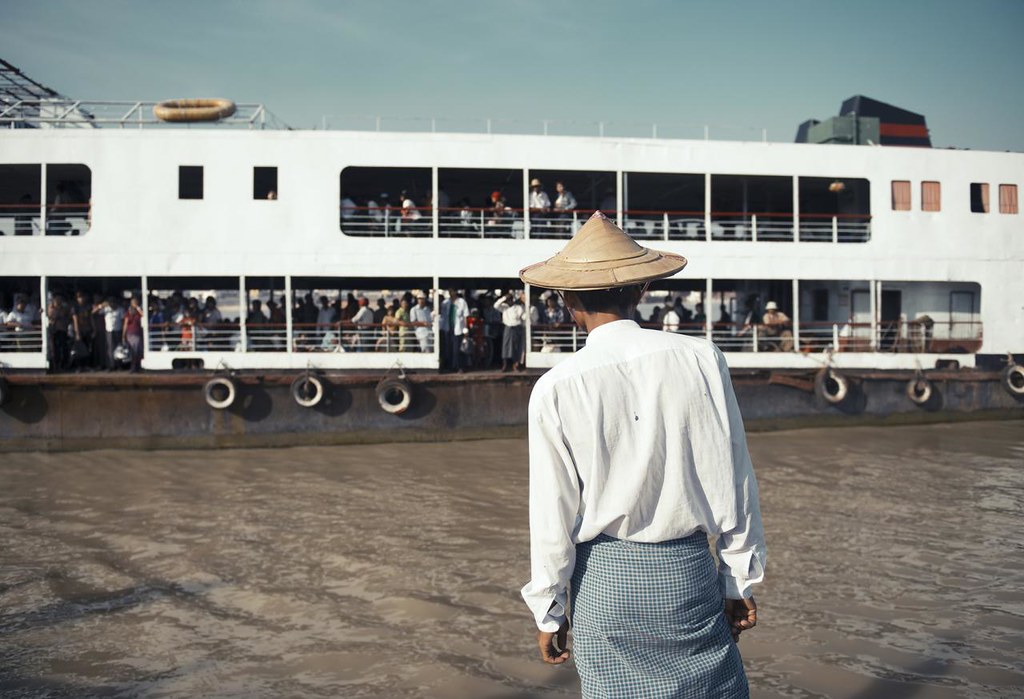 Myanmar, formerly known as Burma, is one of 35 countries where 90% of HIV infections occur worldwide. As of 2017, the World Health Organization (WHO) found that Myanmar accounted for 224,026 HIV/AIDS cases, or 0.54% globally. This, though still considered prevalent, has declined at a steady pace. The new efforts began in 2016, with tremendous success resulting in the current year to lessen the effects of HIV/AIDS in Myanmar.
What Is Going On?
Myanmar has experienced ongoing civil conflict since gaining independence from British rule in 1948, with numerous constitutional changes ultimately leading to the establishment of a military-led (Junta) state. In 2021, the country descended into full-blown civil war after the military disputed the results of a general election in which the National League for Democracy won a majority. Claiming electoral fraud, the military carried out a coup, detaining elected leaders and seizing control of the government. Since then, the conflict has escalated and continues to this day.
The majority of Myanmar’s citizens support the pro-democracy resistance against the Junta, and that support has made an impact. Despite initiating the conflict, the military has gradually lost ground to opposition forces.
Poverty Rates
Before the civil conflict, Myanmar had a small but growing middle class, and the economy experienced rapid growth throughout the 20th century. However, in the 21st century, shifting government policies and international sanctions slowed this progress. Poverty is growing at an alarming rate. Today, nearly half of the Burmese population lives below the poverty line. This sharp rise in poverty has directly contributed to a range of serious health issues across the country. On top of these challenges, Myanmar follows an “out-of-pocket” healthcare system, which means individuals must cover their medical expenses themselves, making it even harder for those living in poverty to access the care they need.
Because the country is experiencing division and conflict, it has become nearly impossible for many Burmese people to afford or access proper health care. The ongoing unrest has made it even harder for everyday citizens to get the medical help they need. This shows just how urgent the need is for support, whether from the government or international aid organizations. While HIV/AIDS is already a serious health issue in Myanmar, it is not the only one. As poverty increases and the civil crisis continues, more and more diseases are beginning to spread, putting vulnerable communities at even greater risk.
What Is Stopping the End of HIV/AIDS in Myanmar?
Among those infected, 41% are female sex workers, 31% are queer men and 28% are people who inject drugs. Because of the criminalization of sex work, homosexuality and drug usage, many people with HIV/AIDS are scared to accept treatment. The Aids Datahub found that 7% of individuals who avoided going to treatment clinics were scared of punishment and the stigma surrounding HIV/AIDS.
If a person is found “guilty” of homosexuality, they can be sentenced to up to 10 years of prison. An individual found guilty of soliciting can serve up to 6 years in prison. Lastly, Myanmar is the leading source of opium and heroin, two injectable substances. The United Nations Office on Drugs and Crime (UNODC) predicts that up to 90,000 Burmese people inject drugs, or about 0.23%.
The UNODC has also found that overall drug use has declined steadily from 2020 to 2024. Programs that are working to limit drug use or encourage “safer” drug use in high usage areas in Southeast Asian countries (Myanmar, China and Bangladesh) are helping to reduce the usage of injectable drugs and the number of new HIV/AIDS infections in Myanmar.
What Is Going Right?
This downward trend is largely due to a renewed national HIV response strategy launched in 2016. These efforts focused on expanding access to antiretroviral therapy (ART), improving testing and counseling services and targeting high-risk populations through community-based outreach. By 2023, more than three-quarters of people living with HIV in Myanmar were receiving treatment, marking a major public health achievement despite ongoing political and social challenges.
Despite civil war breaking out in 2021, efforts to maintain access to antiretroviral treatment to minimize HIV/AIDS in Myanmar remain strong. According to the AIDS Data Hub, new infections have declined to fewer than 10,000 per year. Of the 280,000 suspected cases, 216,757 have been confirmed. All confirmed individuals are receiving antiretroviral therapy (ART).
Beginning in July 2020, Myanmar introduced Pre-Exposure Prophylaxis (PrEP), where people routinely take ART to reduce the chances of getting HIV. It is still implementing this preventative measure today. Many foreign aid programs, such as USAID, the Global Fund and the National AIDS program, are funding access to PrEP.
What to Takeaway?
Despite ongoing conflict and growing poverty within the country, national and international efforts to curb the spread of HIV/AIDS in Myanmar remain strong. The number of new infections continues to decline annually, bringing the country closer to the global 2030 goal of eliminating new HIV cases. Access to treatment has significantly improved, with antiretroviral therapy (ART) and pre-exposure prophylaxis (PrEP) available to all individuals who seek it, regardless of background or risk group.
– Abby Buchan
Abby is based in York, PA, USA and focuses on Global Health for The Borgen Project.
Photo: Flickr
