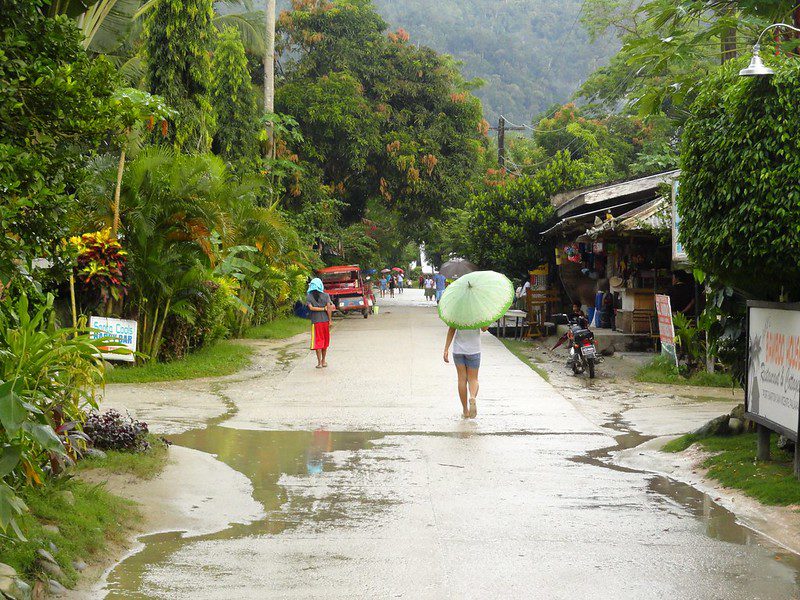
 In 2024, the Philippines, a country of more than 100 million people, counted only 1,821 mental health care specialists, falling drastically short of the World Health Organization (WHO) recommended standards. This substantial workforce shortage presents a significant obstacle to accessing mental health care in the Philippines.
Background
According to 2023 data from the Department of Health (DOH), more than 3.6 million Filipinos suffer from mental health conditions, neurological and substance use disorders. Among the most prevalent conditions are major depressive disorder, affecting more than 1.1 million people; bipolar disorder, affecting over 520,000; and schizophrenia, affecting more than 213,000, Inquirer reports.
The mental health crisis escalated during the pandemic. Suicide rates rose by 57.3% between 2019 and 2020, and by 2023, Eastern Visayas had nearly doubled its suicide cases. Additionally, surveys show that one in 10 students has attempted suicide.
For many Filipinos, stigma and shame continue to stand in the way of accessing mental health care in the Philippines. Furthermore, the public mental health infrastructure remains scarce, with only four mental hospitals, 46 psychiatric inpatient units and 29 outpatient facilities nationwide.
As a result, many Filipinos rely on private providers and NGOs, although these services are often unaffordable or unavailable, WHO reports.
Framing Mental Health Through National Policy
Recognizing these challenges, recent efforts have focused on strengthening mental health care in the Philippines through targeted reforms and international collaboration.
The Philippines was a part of WHO’s Special Initiative for Mental Health. This initiative assists a global effort to integrate high-quality mental health care into the core of universal health systems by enhancing access to quality and affordable mental health services.
As part of this special initiative, the WHO calls on governments to integrate mental health into Universal Health Coverage (UHC) systems to ensure access to care without financial hardship.
Philippine Council for Mental Health
Introduced in 2023, the Philippine Council for Mental Health (PCMH) Strategic Framework 2024–2028 aims to enhance treatment accessibility, expand community-based initiatives and uphold mental health as a fundamental human right.
This five-year strategic plan aims to reduce the susceptibility of individuals and communities to substance use, neurological and mental disorders and to prevent and treat substance abuse effectively. The PCMH advocates for the essential human right to mental health through the implementation of critical policies. Initiatives encompass enhancing referral mechanisms and instituting the Mental Health Internal Review Board. Media training is conducted to guarantee proper reporting and representation of suicide.
To close the mental health gap, the DOH provided training in mental health to both health and non-health professionals, boosting early intervention at the primary care service level. The primary care package offers mental health outpatient services, including 12 consultations, follow-up diagnostics, psychoeducation and psychosocial support through medicine access sites.
The National Center for Mental Health now operates crisis hotlines around the clock to provide continuous mental health support.
Expanding Mental Health Care Across Sectors
Aiming to construct more mental health-responsive communities, the government launched initiatives across various agencies and educational institutions. Indeed, these efforts led 78,449 private companies to implement mental health workplace policies that support employee safety and well-being, WHO reports. To help health workers manage stress, 54 hospitals applied “behavioral nudges” and government agencies launched the Healthy Learning Institutions (HLI) Framework in 273 last-mile elementary schools, implementing a broad range of mental health measures.
The DOH is incorporating mental health responsiveness into the UHC framework by reformulating medical education and licensure criteria to facilitate integration initiatives. New rules mandate that future doctors, nurses and allied health professionals receive training to recognize and address mental health disorders within primary care settings. These initiatives facilitate the integration of mental health support into the daily environments where individuals live, work and study.
Maintaining mental health investment in education, workforce, and financing sets the foundation for a more equitable UHC system and increases mental health care in the Philippines, improving community health and resilience.
– Imge Tekniker
Imge is based in London, UK and focuses on Global Health for The Borgen Project.
Photo: Flickr

Sacha Baron Cohen Donates $500K to Charities in Sudan
The Crisis in Sudan
The conflict between the Sudanese Armed Forces and the Rapid Support Forces has persisted for two years. It has forced millions to flee their homes and seek refuge in neighboring countries such as Ethiopia, South Sudan and Chad. Furthermore, ongoing violence has disrupted humanitarian efforts and worsened food insecurity. According to the latest Integrated Food Security Phase Classification, about 755,000 people now face famine-like conditions. In Darfur, local reports cite ethnic targeting by armed groups. In March 2025, the Sudanese army regained control of the presidential palace in Khartoum, a development that observers hope will shift the trajectory of the conflict.
IRC and Save the Children
In October 2024, Cohen pledged $500,000 to the International Rescue Committee (IRC) and Save the Children USA. Both organizations provide essential services in Sudan and the surrounding regions. They focus on nutrition, water, sanitation, health care and child protection.
In 2023, Save the Children reached more than 2.4 million people in Sudan. The organization delivered integrated support across food security, education, health care and hygiene. Additionally, the IRC serves displaced populations within Sudan and along its borders, helping families rebuild amid war and hunger. Nearly 500 children have died due to the closure of critical nutrition centers. Cohen’s contribution strengthens these organizations’ capacity to expand their reach.
Cohen’s Statement
In Sacha’s words: “Right now, there are 25.6 million people experiencing hunger in Sudan, a country which is swiftly moving toward the worst famine seen in decades, yet this crisis is receiving alarmingly little attention. This contribution is a small step toward addressing the immense needs in Sudan. I’m pleased to continue to support the IRC and Save the Children, who are delivering essential nutrition, water, sanitation and health services to those most in need, both within Sudan and in neighbouring countries where people are seeking refuge. The Sudanese people urgently need our help and must not be forgotten. I call on friends, colleagues and the general public to join me in contributing whatever you can to this life-saving work. Please consider donating to the IRC and Save the Children.”
Response from IRC Leadership
In response, David Miliband, President and CEO of the IRC, said: “We are deeply grateful to Sacha for this donation and raising awareness about Sudan’s humanitarian crisis. The funds will support the IRC’s lifesaving work in nutrition, water and sanitation and protection for displaced people. Eighteen months of warfare has devastated homes, infrastructure and livelihoods, making Sudan the world’s largest displacement and most severe hunger crisis—yet only half the needed aid has been received. As the disaster continues to spill over into neighboring countries like Chad and South Sudan, the world’s neglect is costing lives. Now, more than ever, influential voices like Sacha’s are crucial to prevent further destruction and loss.”
A Record of Global Giving
Cohen’s support for charities in Sudan follows years of philanthropic engagement. His past contributions funded vaccinations for 287,000 children in Syria, built a maternity hospital in Yemen and supported relief programs in Iraq and Somalia. He also co-founded Stop Hate for Profit, a coalition urging accountability from social media platforms. Cambridge University and the Martin Luther King Center in Atlanta recognized Cohen’s academic work, which explored Black and Jewish cooperation during the U.S. civil rights movement.
Looking Ahead
While conflict continues to displace and endanger millions in Sudan, targeted support from both individuals and institutions could expand access to vital services. Cohen’s donation to charities in Sudan helps reinforce the work of humanitarian organizations and draws global attention to a worsening crisis. As agencies call for broader international support, contributions—both financial and vocal—remain essential in addressing urgent needs and preventing further loss of life.
– Dania Kerim
Photo: Flickr
Child Soldiers in Mali: A Hidden Crisis of Conflict
Conflict and the Machinery of Recruitment
The security crisis in Mali began more than a decade ago, first triggered by a coup and fueled by the rise of jihadist groups. In areas where the state has lost its grip, nonstate actors have filled the vacuum. Among them, Jama’at Nusrat al-Islam wal-Muslimin (JNIM) – an al-Qaeda affiliate –has become one of the most active recruiters of children. In 2022, the United Nations (U.N.) verified 394 cases of child recruitment in Mali. The real figure, aid workers suggest, is likely much higher. Children are also recruited by local defense groups and pro-government militias, particularly in regions like Mopti and Gao. While some join voluntarily due to desperation, others are forcibly conscripted or manipulated through promises of safety or income.
Why Children Are Vulnerable
In rural Mali, children often face an impossible choice: survive or surrender. Many lack access to basic education, food or protection. With livelihoods disappearing and schools destroyed, some see joining armed groups as the only path forward. In many cases, entire families rely on armed factions for security and children volunteer out of obligation or necessity. Girls are especially at risk. Armed groups frequently subject them to sexual violence, domestic labor and forced marriages. These experiences often go unreported but leave deep and lasting trauma.
Legal Promises and Local Realities
International law, including the Optional Protocol to the Convention on the Rights of the Child, clearly prohibits the use of children under 18 in hostilities. Mali signed an action plan with the U.N. in 2017 to end the recruitment of children by state forces. However, enforcement has been weak. While the Malian government no longer officially recruits children, armed groups continue to do so with little consequence. Security forces lack control in large parts of the country, allowing nonstate actors to operate freely. As a result, the use of child soldiers in Mali has persisted in both open combat and support roles.
Reintegration and Recovery
Children who leave armed groups often return to communities that may no longer exist or that regard them with suspicion. Without structured reintegration, many remain vulnerable to poverty, re-recruitment and long-term psychological trauma.
In 2023, the Mali Humanitarian Situation Report documented that 42 children formerly associated with armed forces and groups received protection and reintegration support in the Mopti and Ségou regions. This assistance included case management, family reunification and access to essential services such as psychosocial care and education.
UNICEF, in partnership with local and international actors, continues to support such initiatives. These ongoing efforts often involve the establishment of safe spaces, vocational training, trauma counseling and education catch-up programs. However, the scope of support remains limited compared to the scale of need. Globally, the organization emphasizes a comprehensive reintegration approach that includes community-based services, psychosocial support and family tracing. In Mali, this approach is critical to reducing the likelihood of re-recruitment and helping former child soldiers rebuild their lives.
A Global Call for Action
The child soldier crisis in Mali continues to pose significant challenges to national and regional stability. The porous borders of the Sahel region have facilitated the spread of conflict into neighboring countries such as Burkina Faso and Niger, exacerbating humanitarian concerns. According to UNICEF, 10 million children across these three nations are in urgent need of humanitarian assistance, with nearly 4 million at risk in adjacent countries due to escalating hostilities. This situation underscores the critical need for sustained international support to address the root causes of child recruitment and to provide comprehensive reintegration programs.
Looking Ahead
Ongoing insecurity in Mali presents significant challenges for child protection. As armed groups continue to operate across vast ungoverned territories, efforts to prevent child recruitment remain limited in reach and resources. Reintegration programs supported by humanitarian partners have demonstrated effective strategies. Sustainable solutions potentially require increased coordination, long-term investment and integration of services across sectors, including education, mental health and family support. Strengthening national frameworks and expanding community-based interventions may help reduce future recruitment and support recovery for affected children.
– Charlie Baker
Photo: Flickr
Bridging the Gap: Mental Health Care in the Philippines
Background
According to 2023 data from the Department of Health (DOH), more than 3.6 million Filipinos suffer from mental health conditions, neurological and substance use disorders. Among the most prevalent conditions are major depressive disorder, affecting more than 1.1 million people; bipolar disorder, affecting over 520,000; and schizophrenia, affecting more than 213,000, Inquirer reports.
The mental health crisis escalated during the pandemic. Suicide rates rose by 57.3% between 2019 and 2020, and by 2023, Eastern Visayas had nearly doubled its suicide cases. Additionally, surveys show that one in 10 students has attempted suicide.
For many Filipinos, stigma and shame continue to stand in the way of accessing mental health care in the Philippines. Furthermore, the public mental health infrastructure remains scarce, with only four mental hospitals, 46 psychiatric inpatient units and 29 outpatient facilities nationwide.
As a result, many Filipinos rely on private providers and NGOs, although these services are often unaffordable or unavailable, WHO reports.
Framing Mental Health Through National Policy
Recognizing these challenges, recent efforts have focused on strengthening mental health care in the Philippines through targeted reforms and international collaboration.
The Philippines was a part of WHO’s Special Initiative for Mental Health. This initiative assists a global effort to integrate high-quality mental health care into the core of universal health systems by enhancing access to quality and affordable mental health services.
As part of this special initiative, the WHO calls on governments to integrate mental health into Universal Health Coverage (UHC) systems to ensure access to care without financial hardship.
Philippine Council for Mental Health
Introduced in 2023, the Philippine Council for Mental Health (PCMH) Strategic Framework 2024–2028 aims to enhance treatment accessibility, expand community-based initiatives and uphold mental health as a fundamental human right.
This five-year strategic plan aims to reduce the susceptibility of individuals and communities to substance use, neurological and mental disorders and to prevent and treat substance abuse effectively. The PCMH advocates for the essential human right to mental health through the implementation of critical policies. Initiatives encompass enhancing referral mechanisms and instituting the Mental Health Internal Review Board. Media training is conducted to guarantee proper reporting and representation of suicide.
To close the mental health gap, the DOH provided training in mental health to both health and non-health professionals, boosting early intervention at the primary care service level. The primary care package offers mental health outpatient services, including 12 consultations, follow-up diagnostics, psychoeducation and psychosocial support through medicine access sites.
The National Center for Mental Health now operates crisis hotlines around the clock to provide continuous mental health support.
Expanding Mental Health Care Across Sectors
Aiming to construct more mental health-responsive communities, the government launched initiatives across various agencies and educational institutions. Indeed, these efforts led 78,449 private companies to implement mental health workplace policies that support employee safety and well-being, WHO reports. To help health workers manage stress, 54 hospitals applied “behavioral nudges” and government agencies launched the Healthy Learning Institutions (HLI) Framework in 273 last-mile elementary schools, implementing a broad range of mental health measures.
The DOH is incorporating mental health responsiveness into the UHC framework by reformulating medical education and licensure criteria to facilitate integration initiatives. New rules mandate that future doctors, nurses and allied health professionals receive training to recognize and address mental health disorders within primary care settings. These initiatives facilitate the integration of mental health support into the daily environments where individuals live, work and study.
Maintaining mental health investment in education, workforce, and financing sets the foundation for a more equitable UHC system and increases mental health care in the Philippines, improving community health and resilience.
– Imge Tekniker
Photo: Flickr
Turkey’s Approach to Poverty in East Africa
Historical Ties to East Africa
Turkey’s engagement with East Africa dates back to the Ottoman Empire, particularly in the Horn of Africa and around the Red Sea. These historical connections, coupled with shared Islamic traditions, have fostered strong cultural bonds. Reflecting this relationship, the Turkish Cooperation and Coordination Agency (TİKA) provided food aid to approximately 500 families in Ethiopia’s Lege T’afo refugee camp during Ramadan in 2025. In addition, Turkey has adopted an aid model dissimilar to other traditional foreign powers operating in East Africa, such as China and European countries. Ankara’s aid focuses on a noninterventionist approach, which provides humanitarian support and poverty relief without interfering in the political system or democracy of the recipient country.
Past Efforts
In 2005, Turkey announced the “Year of Africa,” marking a significant shift in its foreign policy toward several African countries. This support for East Africa became apparent in 2011 when Somalia suffered a widespread famine, resulting in the death of 260,000 people. Shortly after, Ankara committed more than $1 billion to humanitarian and development assistance. What’s more, between 1992 and 2018, Turkey awarded a total of 1,092 scholarships to Somali students, demonstrating a commitment to providing opportunities for talent from developing nations in East Africa.
Present Efforts
TIKA, active in 170 countries, has expanded its variety of operations in East Africa, investing in health care such as the De Martino hospital in Somalia, which has received lifesaving neonatal incubators, stretchers and defibrillators. Other organizations of Turkish origin, such as the Türkiye Diyanet Foundation, have made important contributions to poverty reduction in East Africa, such as the construction of a high-tech solar-powered well in Ethiopia, which has a 5000-litre tank and has helped reduce the effects of drought and food insecurity in the village of Fadis.
Turkish Airlines
Apart from the government’s direct support for alleviating poverty through TIKA, other Turkish organisations and institutions, attached to Ankara, contribute to poverty alleviation in East Africa. Turkish Airlines, for example, plays a vital role in connecting some of Africa’s most isolated nations with Europe. According to the United Nations’ (U.N.) list of the 46 least developed countries, Turkish Airlines flies to 25 of them, providing more opportunities for global investment in these countries, consequently tackling the issue of poverty. The airline has committed to the U.N.’s Sustainable Development Goals for 2030, prioritizing poverty alleviation and zero hunger.
Looking Ahead
Turkey’s approach to poverty reduction in East Africa is characterized by a blend of humanitarian aid, infrastructure development and cultural engagement. Through organizations like TİKA and TDV, Turkey addresses immediate needs while investing in long-term solutions such as education and economic development. This comprehensive strategy underscores Turkey’s role as a key partner in East Africa’s pursuit of sustainable growth and stability.
– Alfie Williams-Hughes
Photo: Flickr
From 60% to 30%: Inside Rwanda’s Poverty Reduction Miracle
A Country Rising from the Ruins
In 1994, Rwanda experienced one of the fastest and most horrific genocides in history, resulting in around 800,000 to 1 million Tutsis and moderate Hutus murdered in just 100 days. When the Rwandan Patriotic Front (RPF) finally ended the genocide and established a government in July 1994, this marked the beginning of Rwanda’s poverty reduction miracle.
By the year 2000, six years after the genocide, Rwanda continued to be one of the world’s poorest nations. Life expectancy was about 48/49 years, child mortality rates ranked among the highest internationally and 60% of the population survived on less than the international poverty line of $1.90 per day. The country faced significant challenges, such as limited natural resources, high population density, landlocked geography and profound trauma.
Vision 2020: Planning for Transformation
Under President Paul Kagame, Rwanda’s leadership embarked on an ambitious development agenda. In 2000, the government launched Vision 2020, aiming to transform Rwanda into a middle-income country by 2020 to reduce poverty from 60% to 30%. It focused on poverty reduction and established specific programs as the backbone of Rwanda’s poverty reduction miracle transformation:
The Ubudehe System: Target Poverty Identification
Rwanda’s poverty reduction miracle strategy relies on the innovative Ubudehe system. This community-based approach involves identifying and categorising households according to their socioeconomic status. By utilising traditional Rwandan practices of collective action, the system sorts each household into one of four economic categories. This classification enables tailored interventions that effectively address the needs of different families.
Vision 2020 Umurenge Programme (VUP)
Initiated in 2008, the VUP has served as Rwanda’s key initiative for reducing poverty, functioning through three key components:
According to the World Bank, VUP beneficiaries in these programs increased from 19% in March 2020 to 41.5% by December 2021. This project addresses childhood malnutrition in Rwanda through safety nets that enhance nutrition and early childhood development. The Nutrition Sensitive Direct Support (NSDS) has helped more than 200,000 households, exceeding the target of 59,000 and covering 96% of eligible families in 18 districts.
Girinka: One Cow per Poor Family
Rwanda’s notable poverty initiative, Girinka, supplies dairy cows to impoverished families. From 2006 to the end of June 2022, it has provided 427,576 cows to 427,576 families, an 84.7% accomplishment that accounts for the programme’s goal. Research indicates that Girinka participants experienced increased household income and enhancements in child nutrition.
Universal Health Coverage as Poverty Prevention
Rwanda acknowledges that health shocks cause poverty. To address this, the country created a Community-Based Health Insurance scheme (Mutuelles de Santé), enabling citizens to pool funds and receive donations for health care costs. Each member contributes 1,000 Rwanda Francs ($2).
The program fully subsidised premiums and copayments for 1.5 million of the poorest residents in 2011 to improve affordability. Consequently, more than 90% of Rwandans had health insurance by 2020, compared to an average of 31% in other low-income countries. This coverage significantly increased life expectancy in Rwanda from 49.7 years in 2001 to 69.6 years in 2022, enabling the government to tackle critical health challenges. Rwanda is the only low-income country in Sub-Saharan Africa to meet the United Nations (U.N.) Millennium Development Goals on maternal mortality and infectious diseases.
Agricultural Transformation and Rural Development
Agriculture is vital for Rwanda’s poverty reduction miracle, lifting 1 million citizens from extreme poverty in the past decade through improved practices backed by the International Development Association (IDA). The sector contributes 33% to GDP, employs 79.5% of the workforce and accounts for more than 45% of exports. Food security improved in 200 with food production and a 30% income increase for some farmers. Between 2006 and 2011, extreme poverty fell by 14 percentage points, due to rising productivity and a shift to commercial farming.
The Results: From 60% to Below 30% Vision
The interventions implemented in Rwanda’s poverty reduction miracle have significantly transformed Rwanda’s socio-economic landscape. Notably, extreme poverty has dramatically declined from more than 60% in 2000 to 39.1% in recent years. Life expectancy has improved considerably, increasing from 46 years in 2000 to 65 years in 2023. Moreover, child mortality rates have fallen by 70%. Unconditional cash transfer aids 112,000 households across 416 sectors, 73% of which are women-led. Nutrition support is provided for 131,000 children under 2 and 40,000 pregnant women.
– Vanuza Antonio
Photo: Flickr
Disability and Poverty in the DRC: Destitution With Stigma
Disability in the DRC has been a subject of scrutiny for decades; despite recent breakthroughs for rights, disabled people are often in poverty due to social stigma. About 10% of the population in the DRC has a disability, often due to poverty or conflicts, with the physically disabled more likely to be in poverty and stigmatized. With the shadow of past wars and the ongoing conflict in the DRC, disabled people are more than ever at risk of going into extreme poverty and even death. Here is more information about disability and poverty in the DRC.
Stigmatized and in the Background
The DRC has one of the lowest health care access rates in the world, making it difficult to provide disease prevention and sufficient care. Many diseases are preventable through vaccines, such as polio and measles. Without health care and mental health aid in the country, they can resurge and wreak havoc on communities, causing more disability in the DRC.
Many people with disabilities in the DRC struggle to receive acceptance in their community, both from peers, who fear them due to their disability, and their families who can view them as a hindrance. The stigma surrounding disabled people means that their families are more likely to abandon them compared to abled people. This may leave them in dire situations and poor mental health.
The physically disabled among the population find it hard to get an education, due to stigmatization from educators who do not understand the latest laws and policies when it comes to disabled rights. This can lead to illiteracy among disabled children, thus leading to extreme poverty, which can lead to medical deaths without support.
This means that DRC’s disabled people are more vulnerable to extreme poverty compared to its able-bodied citizens. DRC’s disabled population is viewed in a negative light due to their disability, due to the lack of education about disabilities among the populace. A lot of the population (including disabled individuals) believe that something otherworldly, such as punishment by god or witchcraft, cause disability.
Tribulations for Disabled Rights
To make matters more difficult for the disabled, there is a lack of resources for the disabled in the country, despite a law passed in 2022 to protect their rights. The difficulty of implementing policies to improve their lives, mixed with the stigma of disability from their peers, has made it a struggle to find purpose and receive opportunities.
Additionally, the DRC planned a policy to help those with mental health struggles in 1999. But this policy does not include a law about how it will treat those with disabling mental illness, with mental illness without assistance affecting 80% of those under 40.
Despite the DRC’s trade and industry of mining resources, the wealth does not go to the citizens who have worked to procure them. About one in six people in the DRC lives in extreme poverty, and 73% of the population lives on $2.15 a day. For those with disabilities, it is not enough to support themselves, with approximately 10.5 billion living with disability in the DRC, 96% of them live in poverty.
This has contributed to the poverty in the DRC amongst those with disabilities, both in finding work and education that is willing to support them. These multifaceted factors, such as conflict, economic instability and disability, have caused them to be stuck in a state of destitution that is difficult to leave.
Hope Amongst Conflict
The situation with the disabled in DRC seems like a difficult conundrum, but with proper support and awareness provided by aid, they can have improved lives. Organizations such as Humanity & Inclusion have assisted in providing health care to those with disabilities, such as giving prosthetics and therapy to children who have disabilities or are developing one.
Humanity & Inclusion is a nonprofit organization that originated in 1982 and has helped more than tens of millions of people globally in 2024. It helps with emergencies and long-term developments, from removing explosives left behind from wars to working with disabled people to better their future opportunities.
Looking Ahead
Aid for people with disabilities is essential for any developing society to grow both in happiness and in economics. Disabled people need crucial support to thrive in society, so they can give themselves the independence they desire and the hope to create a life they can feel happy about.
– Anastasia Flerchinger
Photo: Unsplash
Fighting the Gender Wage Gap in Kosovo: Efforts and Initiatives
Impact on the Economy and General Income
The gender wage gap is a clear representation of the gender inequality that exists in every country, even if it looks different in each one. A study by the Regional Cooperation Council based on data from the Millennium Challenge Corporation (MCC) revealed that women in Kosovo earn 74 (USD 0.84) cents for every 1€ (USD 1.13) men earn. The largest gap appears in sectors such as mining and quarrying, where women earn 27 cents (USD 0.3) per 1€, and the only sector where women earn slightly more than men is in financial services, around 2 cents (USD 0.02) more than men.
Women in Kosovo make up around 20% of the labor force, representing the lowest work participation in the region. This results in a potential economic loss of 13% for the country and contributes to the gender wage gap. When women earn less, they have less money to invest in education and opportunities, which impoverishes life quality. The reasons for the existence of this income difference lie in the employment access barriers and gender roles experienced by women.
Causes for Gender Disparities
Workers perceive different salaries depending on their field of expertise. In Kosovo, women occupy fewer positions in higher revenue fields such as STEM and engineering, but dominate the education and healthcare fields. However, the higher income positions remain attributed to men. Women predominate in the working landscape in the sectors of public administration, education, health care, retail and wholesale trade.
These patterns directly contribute to the gender wage gap in Kosovo, as reflected in the results in national statistics and data analysis. This income gap exists largely due to the employment barriers and gender roles that limit women’s opportunities. The biggest one is child or adult care. Society establishes the role of women as primary carers, discouraging women from seeking employment and making them less productive for potential employers. Because they must balance childcare and work, many women turn to part-time jobs or unpaid household care, which increases their risk of poverty. This reinforces lower economic capacity and poverty risk.
Women in Kosovo experience higher rates of poverty compared to men. Female-headed households show higher poverty rates than male-headed ones, except in 2017. On an individual level, 18.9% of women lived in poverty, compared to 17.2% of men. While poverty declined during this period, the reduction was more significant for men, highlighting the economic vulnerability and persistent inequality faced by women in Kosovo.
Kosovo’s Program for Gender Equality 2020-2024
The Agency for Gender Equality (AGE) is a governmental body that promotes gender equality in the country. Together with the international support of the UNDP and the EU, it has created a strategic plan to eliminate these gender gaps in the country. The economic empowerment and social welfare measures addressed are central to driving change in the current economic situation.
The program wants to enhance women’s skills relevant to the labor market demands, especially in underrepresented fields. It introduces legal reforms to fight workplace discrimination, ensure equal parental leave and improve access to social services. Financial support and access to credit to foster women’s entrepreneurship. The legal system will strengthen gender equality laws and the state will demand regular progress tracking on improved employment conditions.
Evaluation Report
The AGE and the Prime Minister revealed the accomplished results of the four-year project on 21 October, 2024. The goals highlight women’s employment dropping from 29.7% to 17.2%. More than 12,000 women have received employment support, and 14,000 young people, 51% of whom are women, secured jobs through the Superpuna platform designed to connect job seekers with employers. Additionally, specific projects such as “Government for Families” helped provide allowances to nearly 60,000 future mothers, which allowed 100,000 women to open their first bank account.
Future Expectations
Kosovo has made significant progress by involving public institutions in the journey towards gender equality. International cooperation and support is crucial to guarantee success, and the strategies implemented offer potential for future change. Research shows that the incorporation of gender in national policies brings change to society. In the end, closing the gender wage gap in Kosovo will improve the economy and the life quality of a group that represents half of the global population.
– Sara Arias Saiz
Photo: Wikipedia Commons
Policies to Reduce Poverty in Nigeria
Early Policy Responses
A comprehensive effort to reduce poverty in Nigeria is the National Social Investment Program (NSIP), introduced in 2016. Key components include:
President Tinubu’s Antipoverty Initiatives
Since assuming office in 2023, President Bola Ahmed Tinubu has introduced several transformative policies:
Positive Outcomes from Recent Reforms
Although many initiatives are still in early stages, initial results show progress:
Looking Ahead
Poverty in Nigeria remains a persistent challenge. However, recent policy shifts under President Tinubu’s administration reflect a multi-pronged approach to economic recovery and poverty reduction. With early indicators of progress in government revenue, investment inflows and agricultural output, Nigeria is laying the groundwork for broader, long-term improvements. Sustained commitment to these reforms will be critical to achieving lasting change and improving livelihoods for millions of Nigerians.
– Vanuza Antonio
Photo: Flickr
The Gender Wage Gap in Croatia: Giving Women Time To Shine
Status of the Gender Wage Gap in Croatia
Croatian girls consistently outperform boys in school, both in test scores and average years of schooling. However, these achievements do not translate into similar success in the labor market. Men earn significantly more over their lifetimes, with women earning just 86.8% of what men earn monthly. Additionally, while Croatian men and women begin working at similar employment levels, women’s market participation drops with age. This gender earnings gap has serious long-term consequences, not only reinforcing women’s economic vulnerability but also contributing to higher rates of poverty among women.
Key Factors Leading to the Gender Wage Gap in Croatia
One reason for this is Croatia’s notably large gender gap regarding the allocation of time spent on care and domestic tasks. While the EU average score for this time disparity is 48.6 out of 100, Croatia’s score is 68.5. Similarly, 80% of Croatian women report they do housework every day as opposed to 40% of Croatian men—a disparity well above the EU average—with women performing almost 20 hours more of unpaid domestic work per week. As of 2017, 32% of Croatian women aged 25-64 did not seek employment due to having to perform unpaid labor looking after children or incapacitated adults. This pattern of unpaid labor limits women’s access to income and financial independence, which increases their risk of poverty, especially for single mothers and women in rural communities.
The widest gender gap in employment rates in Croatia is among the age group of 25-29, at a rate that increased between 2013 and 2022 from 5 percentage points to a whopping 20 points. The World Bank theorizes that this gap stems from expectations around child-rearing, stating that “women around this age could be at a disadvantage on the labor market, as an expectation that they might soon take maternity leave makes employers hesitant to hire or promote them.” The World Bank likewise theorizes that women in this age group are more likely to “seek flexible or part-time roles” over full-time employment in anticipation of family responsibilities. Croatia’s coverage of daycares and kindergartens is low, at 51% compared to the EU average of 86%. Childcare is even scarcer in rural areas, where as few as 13% of children have access to kindergarten.
Overall, Croatian social norms contribute greatly to the gender wage gap. The expectation and anticipation that women perform the brunt of domestic tasks leads to a greater share of women performing unpaid labor and facing limited access to professional opportunities, and likely influences a social structure that provides little support for women seeking childcare. These social norms also influence occupational segregation that contributes to the gender wage gap, with female-majority sectors such as education and health care offering more part-time roles and lower wages.
The Impact of COVID-19
The COVID-19 pandemic deepened gender inequality in Croatia. Women held a disproportionate number of jobs in sectors that lockdowns hit the hardest, such as tourism and personal services, and many, particularly those with lower education levels, lacked the option to work remotely. Women thus lost jobs or income more than men and at the same time had less protection from formal social safety nets. Unpaid care responsibilities surged during school closures, limiting women’s ability to seek or retain employment. Many women lacked access to health insurance or unemployment benefits, excluding them from government support. The pandemic also worsened mental health and coincided with a 31% rise in reported domestic violence, a crime in which women make up the vast majority of victims.
Addressing the Gender Wage Gap in Croatia
Addressing the gender wage gap in Croatia and creating a more equitable labor market requires systemic cultural and policy-driven changes. Expanding access to affordable childcare and eldercare services is essential to ease the caregiving burden that disproportionately falls on women, allowing them increased time and energy for paid work. Promoting flexible work arrangements such as part-time roles with benefits, remote work options and adjustable hours could help women remain in the workforce, particularly during childbearing and childrearing years. Enhancing parental leave policies to encourage shared caregiving responsibilities between men and women could also reduce career interruptions for women. In addition, public awareness campaigns and educational efforts that challenge traditional gender roles and stereotypes could shift societal expectations and foster more inclusive work environments.
Change Is Happening
Croatia has introduced several concrete measures to help close the gender wage gap. In 2022, Croatia enacted legislative changes to the Employment Relations act, including defining “equal work” and mandating more salary transparency. However, the impact of such changes on the gender wage gap in Croatia is not yet clear. Starting in 2023, lawmakers introduced amendments to the Gender Equality Act and the Labor Act mandate that employers implement internal procedures for addressing harassment, establish equal treatment plans and are subject to stricter penalties for non-compliance with anti-discrimination rules. While comprehensive national statistics are not yet available, recent EU-wide surveys indicate a slight increase in women’s reported satisfaction with workplace equity and growing awareness of legal protections.
The Croatian government is also enacting policies aimed at improving access to childcare and eldercare services. Under the EU-funded National Recovery and Resilience Plan (2021–2026), Croatia committed €190 million toward building and upgrading kindergartens, with a goal of enrolling 90% of children aged 3–6 by 2030. The plan also includes investments in eldercare such as day centers and in-home services for the aging population. These efforts help reduce the unpaid care burden on women and improve their ability to participate in the labor market. Again, exact statistics on the immediate effect of this plan are not yet available. However, by increasing access to paid employment, particularly for women in low-income or rural households, these changes contribute directly to poverty reduction.
Moving Forward
While Croatia continues to grow economically, the gender wage gap still limits opportunities for women and deepens poverty among those who shoulder the burden of unpaid care work. However, policymakers have introduced new laws, increased wage transparency, and expanded access to care to begin addressing these inequalities.
– Kelsey Eisen
Photo: Unsplash
Empowering Widows and Orphans in Nigeria: The Fight Continues
The Reality Facing Widows and Orphans
More than 15 million widows, about 21 million children and 17.5 million orphans live in Nigeria. Many in these groups face poverty due to economic hardship, a lack of resources and harmful cultural practices. Gender-based violence (GBV) compounds the difficulties. Around 30% of Nigerian women and girls experience physical, emotional or sexual abuse. Many survivors of GBV—about 55%—do not seek any support to end the violence. Cultural practices, such as widowhood rites, continue to restrict women’s advancement socially, economically and politically.
Folorunso Alakija
Alakija is a Nigerian businesswoman, philanthropist and one of Africa’s highly prominent entrepreneurs. Her endeavors in business cover the real estate, oil exploration and printing industries. Dipping into many hats, she was also a fashion designer and made the “Rose of Sharon House of Fashion” a household name in Nigeria. In collaboration with her husband, they founded the Rose of Sharon Glorious Ministry International and the next step was to tend directly to widows and children.
RoSF Programs Driving Change
RoSF uses baseline data collection, capacity-strengthening programs, advocacy and community engagement to understand and address the needs of widows and children. In partnership with local governments and international NGOs, the foundation has helped more than 900 widows access microcredit schemes and interest-free loans to expand their businesses. More than 340 graduates have also benefited from RoSF’s programs. Mentorship and educational initiatives have had a life-changing impact. Agbayi Agu, a widow from Lagos, said, “[RoSF] has been a second God to my life… they are the ones who changed my mentality in a time of despair, that I can still forge ahead.”
The Importance of Legislative Protection
Legislation plays a key role in protecting women and promoting equality. Yet, as of 2023, women account for only 3.6% of Nigeria’s House of Representatives and 7.3% of the Senate, far below the global average of 27%. The Violence Against Persons Prohibition (VAPP) Act, passed in 2015, was a landmark achievement. RoSF and other NGOs championed the law, which protects widows from violence, discrimination and harmful practices. Before VAPP, widows endured cruel rites, such as sleeping beside a husband’s corpse to prove innocence, being confined indoors, or undergoing forced head shaving. The Act introduced punishments for perpetrators and offered legal protections for victims and their families.
Threats to Progress and Continued Advocacy
Although the VAPP Act was passed at the federal level, it took nearly 10 years for 35 out of 36 states to domesticate and enforce it. In 2024, Senator Jibrin Isah of Kogi East proposed repealing the VAPP Act, citing “legislative errors” and claiming the law lacked comprehensiveness. In response, RoSF and partners like the Malala Fund and Invictus Africa are working to defend the VAPP Act. Bukky Shonibare, Executive Director of Invictus Africa, advocates for amendments and stricter enforcement, rather than repeal.
Building Toward a Brighter Future
Since its founding, RoSF has grown from serving three widows to reaching nearly 1,000 widows directly, empowering more than 4,200 women overall. Indeed, through vocational training, scholarships and economic support, the foundation is creating opportunities for widows to rebuild their lives. Future goals include expanding NGO partnerships, reducing reliance on self-funding, strengthening social protection laws and rallying policymakers to support widows and orphans in Nigeria.
– Rachael Wexler
Photo: Flickr