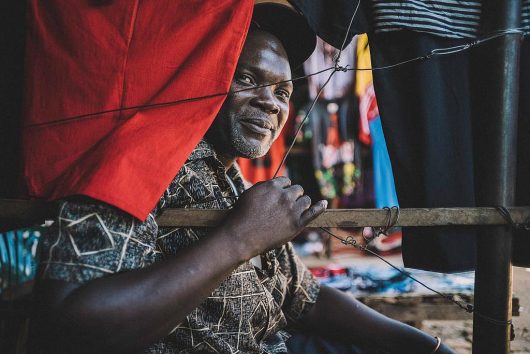
 Contrary to popular belief, economists are not just concerned about money. In fact, much of the study of economics is concerned with how people behave and make choices. Since the days of Adam Smith, who is widely regarded as the father of this discipline, economists have adopted various views of poverty. Exploring the link between economics and poverty is crucial if the world is to make positive progress.
What Causes Poverty?
Economics and poverty have a long history with thought camps that diverge in many directions. Nevertheless, many economists agree that some reasons for poverty are beyond the control of individuals.
According to the more classical view of economics, an individual’s social and private characteristics could lead to lower income and a lower probability of financial growth.
For example, a single parent without adequate support would find it harder to secure a full time job than someone who has no children. Meanwhile, someone born into an environment without easy access to education would find it harder to compete in the job market later on.
Poor health, discrimination and market failures are other examples of unavoidable inequalities that may contribute to poverty.
Other theories claim that since poor people are often excluded from the social circles of the rich, they are also excluded from certain opportunities.
Networking, or forming strategic relationships to gain entry to certain markets, is critical to financial success in a majority of career fields. Since the poor are unable to network with the rich, they are effectively barred from certain lucrative jobs, thus perpetuating poverty.
More modern strands of economics believe that poverty can be linked to failings of the government. If a country’s government fails to react to a significant decline in economic growth through financial or monetary policies, or if it does not adequately fund areas such as education, then the country’s population will suffer unemployment and a lack of financial mobility.
What Should We Do?
The natures of economics and poverty makes it difficult to address inefficiencies directly and successfully. For example, evidence has shown that raising minimum wages and enforcing caps on prices may actually hurt the poor. However, there are some things that governments can do to reduce poverty rates in their countries by using the relationship between economics and poverty.
One of the best things a government can do is focus on economic growth. A country’s GDP is linked to unemployment in a relationship defined by Okun’s Law, which states that an increase in a country’s output will inevitably cause unemployment to decrease. By pursuing policy that strives for growth, a government can create jobs for its citizens.
Shocks to GDP tend to have a disproportionately negative effect on the poor. For example, children from poor families in Latin America and Africa often drop out of school to help at home during economic crises. To counter this, governments can enact policies to curb inflation and promote stability.
Governments can also focus on creating opportunities for poor citizens to build their human capital through education, work training, loans and grants. These chances at building mastery in employable skills and traits allows poorer people to compete in the job market and ultimately equalize income across the population.
The availability of information, which economists largely consider a public good, is also incredibly important. Many people are unable to access programs of job opportunities simply because they are unaware.
If citizens are poorly informed, then policies targeting poverty become ineffective. Remedies to this problem include job agencies, well advertised websites and community centers in low income areas.
Unfortunately, not all governments have the means to accomplish these things and may require aid from foreign powers.
Will There Always Be Poverty?
There are two types of poverty in the world: relative and absolute.
People who are relatively poor make a certain percentage of the average per capita income and in many countries have adequate funds.
Those who are in absolute or extreme poverty live on less than $1.90 a day. These people do not have enough income to live comfortably and therefore suffer from poor health and living conditions.
In the year 2000, the members of the United Nations set a goal to halve the absolute poverty rate by 2015. By 2010, the ratio of people living in extreme poverty was reduced from 43 percent to 21 percent.
This astounding success has caused many economists to believe that it is indeed possible to erase extreme poverty completely through continued growth and creative social and economic programs.
– Emiliano Perez
Photo: Flickr

The Cost of Pollution in the Third World
In previous climate summits, the agreements usually excused developing countries (including China and India) from implementing stricter greenhouse gas limits. This was with good reason; many of these countries had not contributed to the majority of GHG emissions throughout history. Consequentially, developing countries did not experience the same opportunities to grow as other nations.
However, the new accord mandates lower emissions regardless of a country’s economic status.
Countries like India and China, with growing populations and a rising middle class, are increasingly contributing to GHG emissions. Meanwhile, the U.S. continues to be the largest, developed polluting country.
The impact of climate change is usually felt most by the poorest individuals, especially in third world countries. Pollution in the third world has major implications that are not often felt in developed countries like the U.S.
Many regions within Africa struggle against the adverse effects of climate change. As a 2010 World Bank article stated, “In Sub-Saharan Africa extreme weather will cause dry areas to become drier and wet areas wetter; agriculture yields will suffer from crop failures; and diseases will spread to new altitudes.”
In a 2016 U.N. aid summit, pressure rose to provide more funding to reduce the risks of natural disasters. The world’s poor faces a higher risk from adverse weather due to climate change.
Various government entities and private organizations have been fighting to mitigate the effects of climate change in impoverished countries. For example, the Red Cross is implementing forecast-based financing in Uganda, which “releases funding to communities according to agreed triggers such as weather predictions.”
Some developing African countries are even using solar power to access electricity. Gigawatt Global implemented a $24 million solar project in the Agahozo-Shalom Youth Village within Rwanda.
The climate conditions within Sub-Saharan Africa are ideal for solar energy. This solar project also provides training and job opportunities for local residents. Rwanda’s solar energy plant provides hope for the future of clean energy and lower pollution in the third world.
According to scientists, the world has not yet reached the point of no return in terms of climate change. If the heavy reform recommended for high-emitting countries came to pass, future disasters might be avoided in third world countries like Kenya and Rwanda.
– Saroja Koneru
Photo: Flickr
Global Aid: Addressing El Niño Environmental Poverty Crisis
El Niño, an array of global changes in climate patterns due to the warming of surface waters in the Equatorial Pacific, is not an uncommon event. Typically it is expected every three to seven years. However, the 2015-2016 El Niño produced record-level climate events, unprecedented even in an El Niño year.
In the 2015 northern Pacific hurricane season 25 level four and five hurricanes developed. The previous annual record was only 18. Meanwhile, Eastern Africa is experiencing its worst drought in 60 years. Globally, 2015 temperatures were at a record high resulting in El Niño and global warming pushing climate patterns in the same direction.
El Niño has had a dire impact on the global poor, with many of the hardest hit areas having insufficient infrastructure to confront the damage. Oxfam notes that the current El Niño cycle has placed 60 million people in danger of hunger.
While the climate changes associated with El Niño are fading as it comes to an end, the livelihood-related damage it has caused continues to wreak havoc on the security of impoverished communities.
In areas like Eastern Africa, the failure of crops and the death of cattle will require substantial recovery efforts. As wells go dry, it is not uncommon for drought-displaced families to spend months on end sleeping on the floor of relief centers.
The El Niño environmental poverty crisis reaches across the globe. Environmental poverty as a result of drought has put 1.5 million Guatemalans in need of food assistance. 3.5 million people are struggling for food in Haiti, where El Niño amplified the preexisting conditions of a 2014 drought. 15 percent of the population in Honduras and three million in Papua New Guinea are at risk for the same reason.
With these figures representing a mere fraction of the countries and communities suffering due to El Niño, the need for support is expansive. Thankfully, significant action is being taken by the international community and significant aid is being mobilized.
The European Union has contributed 125 milllion euros to areas affected by El Niño, dispersing the aid throughout Africa, Central and South America and the Caribbean. This record-breaking contribution from the EU towards the El Niño crises will fund emergency actions.
USAID has relied on early tracking of El Niño-related crises to make their relief actions as effective as possible. They are using in place mechanisms designed to push emergency funds into relevant development programs, while also adjusting existing development programs to accelerate recovery. USAID is focusing their humanitarian aid on the most affected areas, addressing, and often mitigating disaster.
Finally, technological aid has also been a source of relief. Partnerships like UNICEF and the Ethiopian government have allowed satellite technology to be implemented to better locate well-sites and map drought-affected areas.
The combination of technological, financial, and humanitarian aid has been instrumental in addressing the environmental poverty spurred by the 2015-2016 Super El Niño. While these environmental conditions have been disproportionately destructive to the poor, these mechanisms continue to work to mitigate the effects of the El Niño environmental poverty crisis.
– Charlotte Bellomy
Photo: Flickr
Chicken Farming: Combating Poverty in Haiti
When the 2010 Earthquake left 1 million Haitians homeless and more than 600,000 injured or killed, the international community responded en masse. That response has continued over the years, as the effects of the earthquake continue to compound the preexisting battle with combating poverty in Haiti.
As that response evolves, many aid sources are focusing on entrepreneurial aid which produces business. Micro-loans for mobilizing small-scale chicken farms are one example of the business-aid model in action that exists to combat poverty in Haiti.
KORE Foundation supports impoverished Haitians by doing just that. Their investments enable families to establish chicken farms, with the generated business often increasing their annual income by 400 percent or more.
When these families are then able to repay the initial loan, the funds are reinvested in other Haitian families. In keeping with the foundation’s mission of going “beyond relief,” this model is combating poverty in Haiti by funding self-sufficiency. In addition, it keeps relief funds at work by promoting a cycle of reinvesting dollars into the community.
Supporting small-scale chicken farmers does more than allow Haitians to provide for their families as entrepreneurs. In a country where two-thirds of children are malnourished, the increased availability of poultry and eggs represents an invaluable source of dietary protein.
Organizations active in offering micro-loan aid in Haiti often provide business skills training as well, like the partnership between Love a Child and Open Hand. The duo provides micro-loans to other Haitian business owners interested in economic growth.
Through financial mentorship, the organization provides recipients management skills as they grow their businesses and repay their loans. These micro-loans support the average Haitian who would not otherwise qualify for bank loans, preventing them from having to turn to micro-loans that charge interest rates approaching 40 percent.
Combating poverty in Haiti represents no small task. As the poorest country in the Western Hemisphere, the need for investment in families’ ability to generate a stable income is dire. With 78 percent of the country’s inhabitants living on only $2 per day, generating sufficient income is an everyday difficulty. Two-thirds of the country’s labor force hold informal jobs, making stability an important goal for aspiring business owners.
In the six years following the earthquake in Haiti, many members of the international community have questioned how to offer effective humanitarian aid. Among the largest concerns are the well-meant actions (like rebuilding local schools and offering free health services) out-competing local laborers and unknowingly robbing these locals of an income.
Organizations offering micro-loans for sustainable business like chicken farming seek to circumvent these concerns. Investment in self-sufficiency enables local laborers and thus an entire community.
– Charlotte Bellomy
Photo: Flickr
What are the Causes of Poverty?
As governments, aid workers and activists search for solutions to the urgent problem of widespread poverty and seek to combat its many negative effects, there is a need to identify the causes of poverty in order to create sustainable change. Understanding what causes global poverty is a crucial part of the process of devising and implementing effective solutions.
Most analysts would agree that there is no single root cause of all poverty everywhere throughout human history. However, even taking into account the individual histories and circumstances of particular countries and regions, there are significant trends in the causes of poverty.
Top 5 Causes of Poverty
Many of the poorest nations in the world were former colonies from which slaves and resources had been systematically extracted for the benefit of colonizing countries. Although there are notable exceptions (Australia, Canada and the U.S. being perhaps the most prominent), for most of these former colonies, colonialism and its legacies have helped create the conditions that prevent many people from accessing land, capital, education and other resources that allow people to support themselves adequately. In these nations, poverty is one legacy of a troubled history involving conquest.
Whatever the causes of war and political upheaval, it is clear that safety, stability and security are essential for subsistence and, beyond that, economic prosperity and growth. Without these basics, natural resources cannot be harnessed individually or collectively, and no amount of education, talent or technological know-how will allow people to work and reap the benefits of their labor. Laws are needed to protect rights, property and investments, and without legal protections, farmers, would-be entrepreneurs and business owners cannot safely invest in a country’s economy. It is a telling sign that the poorest countries in the world have all experienced civil war and serious political upheaval at some point in the 20th century, and many of them have weak governments that cannot or do not protect people against violence.
Many poor countries carry significant debt due to loans from wealthier nations and international financial institutions. Poorer nations owe an average of $2.30 in debt for every $1 received in grant aid. In addition, structural adjustment policies by organizations like the World Bank and the International Monetary Fund often require poorer nations to open their markets to outside business and investors, thereby increasing competition with local businesses and, many argue, undermining the potential development of local economies. In recent years, calls for debt reduction and forgiveness have been increasing, as activists see this as a key means of reducing poverty. The United Nations has also made it a priority to examine how economic structural adjustment policies can be designed to place less pressure on vulnerable populations.
Poverty and inequality are two different things, but inequality can feed widespread poverty by barring groups with lower social status from accessing the tools and resources to support themselves. According to the United Nations Social Policy and Development Division, “inequalities in income distribution and access to productive resources, basic social services, opportunities, markets, and information have been on the rise worldwide, often causing and exacerbating poverty.” The U.N. and many aid groups also point out that gender discrimination has been a significant factor in holding many women and children around the world in poverty.
In regions of the world that are already less wealthy, recurrent or occasional catastrophic natural disasters can pose a significant obstacle to eradicating poverty. The effects of flooding in Bangladesh, drought in the Horn of Africa and the 2005 earthquake in Haiti are examples of the ways in which vulnerability to natural disasters can be devastating to affected countries. In each of these cases, already impoverished people became refugees within their own countries, losing whatever little they had, being forced out of their living spaces and becoming almost completely dependent on others for survival. According to the World Bank, two years after Cyclone Nargis hit Myanmar in 2008, the debt burden of local fishermen had doubled. The Solomon Islands experienced an earthquake and tsunami in 2007 and the losses from that disaster equaled 95 percent of the national budget. Without foreign aid, governments in these countries would have been unable to meet the needs of their people.
These are only five causes of poverty. They are both external and internal causes; both man-made and natural. Just as there is no single cause of poverty, there is no single solution. Nevertheless, understanding the ways in which complex forces like these interact to create and sustain the conditions of widespread global poverty is a vital step toward combating poverty around the world.
– Délice Williams
Source: Global Issues, USCCB, World Bank
Four Projects That Are Alleviating Poverty in Cambodia
In May 2016, the World Bank Board of Executive Directors approved a $130 million grant to help reduce poverty in Cambodia and improve the lives of poor Cambodians.
The Royal Government of Cambodia and the World Bank signed an agreement on June 9, 2016. This agreement details the four major projects funded by the International Development Association (IDA), the World Bank’s lending arm for the world’s poorest developing countries.
There are 3 million Cambodians living in poverty. However, poverty in Cambodia has steadily decreased over the past 8 years. Currently, 17.7 percent of the Cambodian population is living below the poverty line, compared to 34 percent in 2008.
Needless to say there is still work to be done in Cambodia. The World Bank agreement has created projects that target four specific areas of development to help alleviate poverty in Cambodia.
Health Equity and Quality Improvement ($30 million)
Life expectancy in Cambodia is 68.2 years, while the average life expectancy of developing countries in East Asia and the Pacific is 74.
The Health Improvement plan has two primary focus areas for funding Cambodia’s health care system. The Health Equity Fund helps to provide reliable financing for health facilities as well as cover costs for low income families, in order to reduce out-of pocket spending.
The second focus area applies to redesigned Service Delivery Grants working to improve the quality of health services. It places an emphasis on bettering health-facility management and staff in addition to enhancing coverage of health services.
Mekong Integrated Water Resources Management ($15 million)
Some of the most intensive freshwater fisheries are located in Cambodia. Fishermen catch 2.6 million metric tons of fish in the Mekong basin annually. However, Cambodia’s growing population and overfishing are causing the depletion of fish stocks in Cambodian waters.
The Water Management project aims to improve the oversight of fisheries and water resources specific to the Mekong River Basin.
Road Asset Management ($60 million)
Road condition surveys conducted in 2005 indicated that 60 percent of roads in Cambodia are in poor or bad condition.
This infrastructure development project is projected to supplement 218 kilometers (135.459 miles) of roads. They will also install flood resistant measures. The road improvement will allow for faster travel and better connectivity between the Preah Sihanouk, Kampot, Tbong Khmom, and Kratie provinces.
Land Allocation for Social and Economic Development Project ($25 million)
Agriculture has become increasingly vital for the Cambodian economy and fight against poverty.
Over the past decade, positive developments in agriculture have lifted 4 million people out of poverty. However, as farmland diminishes and global food prices decline, Cambodia is in need of new pathways to promote future agricultural growth.
The Land Allocation Project will provide more than 5,000 land-poor or previously landless families across five provinces with agricultural livelihood support. This project will also include the education and implementation of better farming practices.
In a World Bank press release article Ulrich Zachau, the Country Director of the World Bank for Southeast Asia, made a statement on the day of the signing: “The four projects signed today all contribute to improving the lives of poor Cambodians, and we are glad to support them.”
– Kristyn Rohrer
Photo: World Bank
Internet Access: Reducing Global Poverty
In a speech to the United Nations in September 2015, Mark Zuckerberg stated, “When communities are connected, we can lift them out of poverty.” During his talk, the Facebook CEO and founder asserted that increased Internet access can aid in reducing global poverty.
According to the World Bank’s 2016 World Development Report, 60 percent of the world’s population do not have access to the Internet. In the United States alone, 60 million people do not have Internet access at home. However, for the rest of the world’s population, technological advancement has provided enormous levels of wealth and development.
A recent report by Price Waterhouse Cooper’s consulting and strategy firm, Strategy&, states that giving internet to the world could bring extraordinary results. If the 4.1 billion people without Internet were given access, 500 million people could be brought out of poverty.
For those in poverty, the Internet provides a multitude of opportunities, including jobs, access to global current affairs and education. In 1998, the World Hospitals and Health Services Journal released an article discussing the advantages of Internet access, arguing that “Access to information is an essential condition to development.” Almost twenty years on, researchers and institutions are still looking to the Internet as a technique for reducing global poverty.
In developing and impoverished areas, most individuals cannot afford the cost of the Internet. According to the World Economic Forum, only 20.7 percent of Africa’s population use the Internet, compared to 77.6 percent of Europe’s population.
The Head of Africa for the World Economic Forum, Elsie Kanza, discussed the way in which technological advancement could help bring “vast improvements in the way the region governs, feeds, lives, educates, trades and interacts with itself.”
On a recent “Intersections” podcast, the Brookings Institute recently discussed the issue of poverty and internet access. Laurence Chandy, a fellow at the Brookings Institute, stated, “Digital technology is changing what it means to be poor because it’s bringing poor people out of the margins.”
With projects such as Internet.org and Project Loon, tech giants such as Google and Facebook have begun to tackle the goal of creating widespread internet access for reducing global poverty.
– Isabella Farr
Photo: Flickr
Advocacy 101: How to be an Advocate
Many individuals would like to do their part to make a difference but are not sure where to start. Here are a few tips on how to be an advocate:
Know exactly what you are advocating for.
Conveying your message becomes easier when you immerse yourself into the cause and gain a thorough understanding of what you are supporting.
Garrett Swink, an advocate who uses social media as his primary advocacy tool, immersed himself into his cause by leaving the comfort of his desk and diving into the issues he was passionate about. In an article published by Connectivity, he said that immersion “provided [him] a better understanding of [his] audience and a clearer idea of how to expand it.” Although he advocated for a political figure, the same idea can and should be implemented when advocating for a cause.
Use technology to your advantage.
Online tools, such as social media platforms or YouTube, can help you be the best advocate you can be. In our modern world, technology allows you to spread messages efficiently, effectively and to large numbers of people. Know what technology your audience is mostly likely to use, then rev up the shares, likes, tweets, and posts to get the word out about your cause.
One advocate, Marvin Sapp, wasted no time implementing such modern methods. Sapp utilized the power of technology during his advocacy event by instructing attendees to contact their elected officials about his cause right then and there. In his most recent event, more than 3,500 people whipped out their phones, iPads, tablets and other devices to submit emails to their respective elected officials about supporting the Black Alliance for Educational Options.
Boil down your issue and focus your message.
A message that is concise, specific and to-the-point will make a more lasting impact.
One Jerusalem’s website is an example of effective advocacy through clear, well-written content. When creating the message, consider the audience and cater your approach to their skill level or interests. Instead of bouncing around between different approaches or angles to your message, be clear and consistent with the research you present, the solution you propose, and the “call to action” you promote.
Show the audience that you care.
An advocate who personally stands by their message motivates an audience.
Advocates who actually care don’t go unnoticed. Real people who care about real issues and solutions captivate perhaps normally apathetic audiences. Let your personal stories, non-verbals, and understanding of the cause shine through–make it known how invested you are about your message and your audience.
These are a few suggestions on how to be an advocate for a cause that is important to you. Effective advocacy can promote social change and justice in more ways than one. Advocacy is an important method of changing the world for a better tomorrow, and anyone can be an advocate–celebrities, local leaders or anyone passionate enough about a cause to do something about it.
-Julia Hettiger
Photo: Pixabay
Long-Awaited Aid Works to Alleviate Poverty in Syria
In early June, Darayya, the rebel-held suburb of Damascus, received its first aid convoy in four years. While the delivery was invaluable to helping alleviate poverty in Syria. However, the U.N. was unable to send more than a month’s worth of medical supplies and food.
Reuters reports that the U.N. received permission for this exchange in March, but the Syrian government would not permit any more deliveries. They claimed that the rebels have plenty of supplies.
In addition, BBC reports that the population of Syria has dropped by at least 6.5 million in five years. Unfortunately, the war and poverty in Syria has led to this massive displacement and death. the BBC estimates that approximately 6 million people are refugees, and between 100-500 thousand are dead.
Those left behind face sieges, soaring food prices and decreased access to important institutions like hospitals or schools. Throughout the country, the civil war has left many.
At least 13.5 million of the 17.9 million people still in Syria desperately need assistance.
Another article from the BBC displays something even more harrowing. The names and dates of children killed in the war reel, one right after the other, across the screen.
The stories are short, similar and sobering: “Seta Naser al-Krad, a girl from Deraa, was shot and killed on 25 March 2011… Anas Muayad al-Wassa, a boy from Hama, was executed on 24 February 2012.” Underneath, the article states that over 19 hours would be required to read them all.
Currently, the population of Darayya—8,000 individuals—needs more food if they are going to outlast the siege. The government’s assurance that they have plenty does not match inhabitants’ reports. Constant bombardments and the long siege have destroyed a place once renowned for its grapes, apricots and olives.
Tales now range from kids growing ill from eating nothing but soup and salad to foraging for grass as rations dwindle.
One woman reports that her young grandson does not know what fruit is.
The U.N. has struggled to get aid to the rebels facing siege in Darayya. While they were able to gain permission for this convoy, the regime has been successful in blocking previous attempts.
Few rebels waited to receive the convoy. Syrians who did manage to receive aid were incredibly grateful.
Considering the obstacles, distributing medical supplies is a huge step for the U.N. and Darayya. The situation in Syria remains dire, but small successes such as this one make a large impact and will save hundreds of lives.
– Jeanette Burke
Photo: Flickr
1 in 6 Children Live in Poverty in Australia
The CRC25 Australian Child Rights Progress Report claims one in six children currently live in poverty in Australia.
The report defines poverty as “households earning less than 50 percent of median household income.”
Adrian Graham, UNICEF Australia chief executive officer, said, “Australia is not the lucky country for many children.”
Almost 30 years ago, Australia ratified the United Nations Convention on the Rights of the Child. This convention included the right for children to have “a standard of living adequate for the child’s physical, mental, spiritual, moral and social development.”
Australia agreed that every child deserves equal rights. In addition, the government would give more attention to the most disadvantaged and marginalized children.
However, the report confirms that discrimination is persistent for most children growing up in poverty in Australia.
The report also identifies that Aboriginal and Torres Strait Islander children, lesbian, gay, bisexual, transgender and intersex (LGBTI) children, children from rural areas, children with disabilities and children from migrant backgrounds are more likely to experience poverty and discrimination.
Despite two decades of economic growth, Australia still has over 600,000 children living in poverty. This totals at 18 percent. The statistics show Aboriginal and Torres Strait Islander people make up 2.5 percent of Australia’s population. However, they also make up 25 percent of the homeless population.
Additionally, school retention rates among Aboriginal and Torres Strait Islander students are considerably lower than non-indigenous students. Nearly 80 percent of homeless children have a mental disability, and 61 percent have a physical disability.
Children with disabilities are three to four times more likely to experience sexual abuse than children without disabilities. Many of these children do not have the language or ability to communicate their abuse.
In addition, 80 percent of lesbian, gay, bisexual, transgender and intersex children report abuse at school. Victims of sexual abuse experience reduced concentration, more absences from school, drops in school grades or dropping out of school entirely.
Graham said, “Children living in poverty have less access to both primary and specialist health services than the general population, higher levels of contact with the criminal justice system and greater exposure to domestic violence. Children living in poverty are also more likely to be removed from their families and placed into care arrangements.”
The Taskforce calls on the Australian government to set a national policy agenda for children to ensure that all children growing up in Australia have a decent quality of life.
Judge Alastair Nicholson, the Chair of Children’s Rights International, is hopeful that the report will encourage actions to reduce the number of Australian children trapped in poverty.
– Jacqueline Venuti
Photo: Flickr
The Principles of Economics and Poverty
What Causes Poverty?
Economics and poverty have a long history with thought camps that diverge in many directions. Nevertheless, many economists agree that some reasons for poverty are beyond the control of individuals.
According to the more classical view of economics, an individual’s social and private characteristics could lead to lower income and a lower probability of financial growth.
For example, a single parent without adequate support would find it harder to secure a full time job than someone who has no children. Meanwhile, someone born into an environment without easy access to education would find it harder to compete in the job market later on.
Poor health, discrimination and market failures are other examples of unavoidable inequalities that may contribute to poverty.
Other theories claim that since poor people are often excluded from the social circles of the rich, they are also excluded from certain opportunities.
Networking, or forming strategic relationships to gain entry to certain markets, is critical to financial success in a majority of career fields. Since the poor are unable to network with the rich, they are effectively barred from certain lucrative jobs, thus perpetuating poverty.
More modern strands of economics believe that poverty can be linked to failings of the government. If a country’s government fails to react to a significant decline in economic growth through financial or monetary policies, or if it does not adequately fund areas such as education, then the country’s population will suffer unemployment and a lack of financial mobility.
What Should We Do?
The natures of economics and poverty makes it difficult to address inefficiencies directly and successfully. For example, evidence has shown that raising minimum wages and enforcing caps on prices may actually hurt the poor. However, there are some things that governments can do to reduce poverty rates in their countries by using the relationship between economics and poverty.
One of the best things a government can do is focus on economic growth. A country’s GDP is linked to unemployment in a relationship defined by Okun’s Law, which states that an increase in a country’s output will inevitably cause unemployment to decrease. By pursuing policy that strives for growth, a government can create jobs for its citizens.
Shocks to GDP tend to have a disproportionately negative effect on the poor. For example, children from poor families in Latin America and Africa often drop out of school to help at home during economic crises. To counter this, governments can enact policies to curb inflation and promote stability.
Governments can also focus on creating opportunities for poor citizens to build their human capital through education, work training, loans and grants. These chances at building mastery in employable skills and traits allows poorer people to compete in the job market and ultimately equalize income across the population.
The availability of information, which economists largely consider a public good, is also incredibly important. Many people are unable to access programs of job opportunities simply because they are unaware.
If citizens are poorly informed, then policies targeting poverty become ineffective. Remedies to this problem include job agencies, well advertised websites and community centers in low income areas.
Unfortunately, not all governments have the means to accomplish these things and may require aid from foreign powers.
Will There Always Be Poverty?
There are two types of poverty in the world: relative and absolute.
People who are relatively poor make a certain percentage of the average per capita income and in many countries have adequate funds.
Those who are in absolute or extreme poverty live on less than $1.90 a day. These people do not have enough income to live comfortably and therefore suffer from poor health and living conditions.
In the year 2000, the members of the United Nations set a goal to halve the absolute poverty rate by 2015. By 2010, the ratio of people living in extreme poverty was reduced from 43 percent to 21 percent.
This astounding success has caused many economists to believe that it is indeed possible to erase extreme poverty completely through continued growth and creative social and economic programs.
– Emiliano Perez
Photo: Flickr