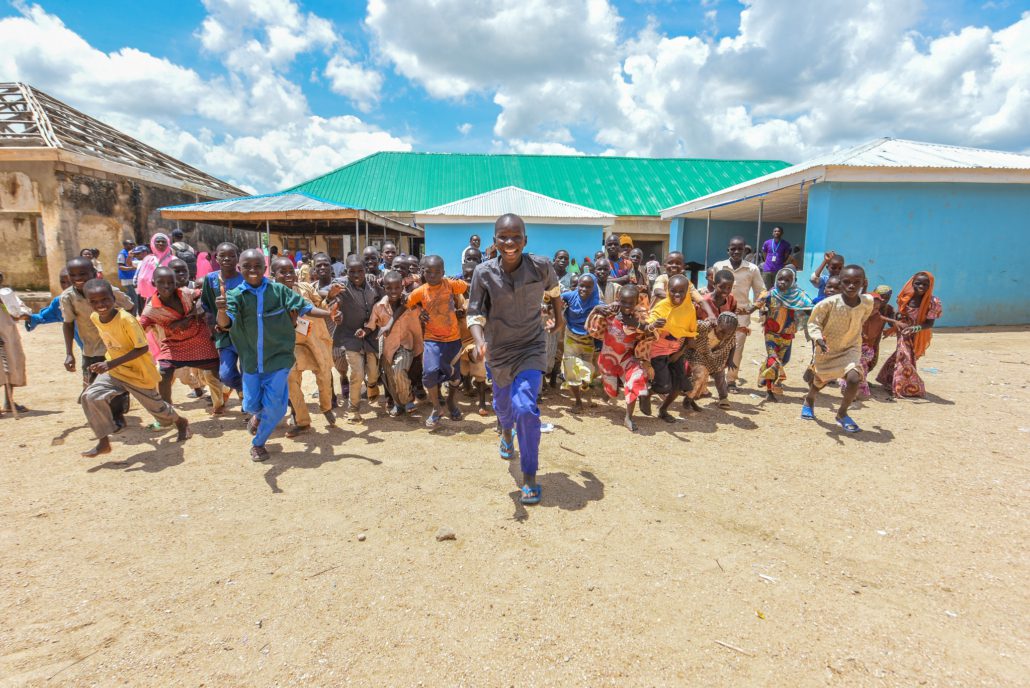
 Nigeria is a nation on the brink. With a population exceeding 227 million, more than 70% are under the age of 30. By 2050, Nigeria will likely have the third highest population in the world, surpassing the United States. Yet, the country faces a brewing demographic crisis: chronic youth unemployment, political disenfranchisement and rising insecurity threaten to ignite widespread unrest. Youth empowerment in Nigeria is no longer a development goal—it is a critical tool for national stability and economic growth.
Nationwide Youth Disillusionment
As of 2020, Nigeria’s youth unemployment rate hovered around 33.3% in 2020. This economic stagnation, paired with urban overcrowding and growing distrust in government institutions, has contributed to the rise of protests like #EndSARS and the spread of armed insurgency in northern regions.
The International Crisis Group has warned that Nigeria’s fragile social contract is under pressure, and that failure to provide meaningful opportunities for youth could destabilize West Africa’s largest democracy.
Investing in Peace Through Empowerment
Programs aimed at youth empowerment in Nigeria are increasingly viewed not only as developmental tools but as instruments of peacebuilding. One such effort is the Nigeria Jubilee Fellows Programme (NJFP), a government and UNDP initiative launched in 2021. The program offers year-long fellowships in private and public sector organizations for recent graduates, helping reduce the gap between education and employment. One measurable outcome of NJFP is that more than 20,000 fellows have been matched with host organizations across various sectors in Nigeria as of 2024.
Education Access and Human Development
Nigeria ranks 164h out of 191 countries on the United Nations Human Development Index (HDI) as of the 2023 report, placing it in the “low human development” category. The HDI measures key indicators such as life expectancy, education levels and gross national income per capita.
A closer look reveals that youth empowerment in Nigeria—or the lack thereof—is central to the country’s persistent development challenges. Youth represent the engine of national progress, yet many lack access to quality education, skills training or meaningful work. According to UNICEF Nigeria, around 10.5 million Nigerian children remain out of school, with many dropping out before completing a national secondary school education.
An initiative working to combat this is the Universal Basic Education Commission (UBEC), which partners with both federal and state governments to increase school enrollment through conditional cash transfers, free textbooks and girl-child education programs.
By investing in youth, Nigeria can significantly boost its HDI over time. Improvements in educational attainment, employment rates and health outcomes among young people directly translate to gains in national productivity, income growth and life expectancy. Empowering youth is not just social policy—it is a development strategy.
Long-Term Barriers to Empowerment
Despite promising initiatives, significant barriers remain. Many rural areas lack reliable electricity and internet connectivity—both of which are essential for participation in today’s digital economy. According to the International Telecommunication Union, only 12% of Nigerians have adequate access to the internet as of May 2022.
Moreover, institutional bottlenecks and corruption continue to undermine youth-focused programs. Transparency International ranked Nigeria 145th out of 180 countries in its 2023 Corruption Perceptions Index.
Organizations like Tech4Dev and Andela are helping by building scalable programs that combine tech education with job placement services, particularly targeting underserved regions. These programs close the digital skills gap through scalable programs that merge education with employment opportunities, particularly for underserved communities.
Tech4Dev’s Digital for All Initiative
Tech4Dev’s Digital for All initiative emerged in partnership with Microsoft and Nigeria’s Federal Ministry of Communications and Digital Economy. It has provided basic to intermediate digital literacy training to more than 400,000 Nigerians with a strong focus on rural youth and women. The program includes job readiness tracks in areas such as cybersecurity, productivity tools and software development, with localized delivery to improve accessibility across all six geopolitical zones in Nigeria.
Andela’s Learning Community
With support from Google and Facebook, Andela’s Learning Community (ALC) offers intensive technical training in software engineering, product design and cloud computing. Since its inception, ALC has trained more than 100,000 young Africans with many participants securing freelance and full-time roles with global tech firms. The community-driven model allows learners to access mentorship, peer support and employment pipelines from entry-level to senior roles.
These initiatives not only equip youth with relevant, future-proof skills but also serve as bridges to employment, helping to reduce inequality and support Nigeria’s transition toward a knowledge-based economy.
Conclusion: Youth or Chaos
Nigeria stands at a major crossroad. Ignoring its burgeoning youth population invites instability. Empowering its young population—through targeted investments in education, jobs and leadership—can not only lift millions out of poverty but also prevent the next generation from resorting to violence. With the right support, Nigeria’s youth can become its greatest asset—not its greatest risk.
– Kenneth Oko-Oboh
Kenneth is based in Toronto, Ontario, Canada and focuses on Technology and Solutions for The Borgen Project.
Photo: Flickr

Banana Fiber in Uganda: A Sustainable Solution
Now, innovators are reimagining that waste as the basis of a growing industry that produces biodegradable textiles, boosts rural employment and positions Uganda to meet global demand for sustainable materials.
What Is Banana Fiber and Why Now?
Banana fiber is a strong, biodegradable material extracted from the pseudostem of the banana plant. Previously discarded after harvest, these stems are now being repurposed into textiles, rope, hair extensions and even vegan leather. Compared to cotton, banana fiber requires less water and fewer chemicals and decomposes naturally. This makes it a timely alternative in the global push for sustainable materials.
This transformation was initially spearheaded by the Banana Textiles in East Africa (Banatex-EA) project at Busitema University, with support from partners like TEXFAD, a local startup. The project’s goal is to commercialize banana fibers as an alternative to cotton. According to project lead Edwin Kamalha, banana fibers share several desirable properties with cotton but with a lighter environmental footprint.
Yet regulatory and technological barriers remain. Uganda has yet to pass a biotechnology bill that would allow for genetic improvements to banana varieties better suited for fiber production. Production costs are high and large-scale mechanization is still limited, which has so far restricted the market’s ability to scale.
An Industry Takes Root: Rural Jobs and Local Impact
Banana cultivation has expanded steadily in Uganda, especially in the southwest, boosting regional incomes. Despite these gains, several smallholder farmers live below the poverty line. In response to this economic disparity, attention is now turning to banana fiber in Uganda. Its value chain is labor-intensive by nature, involving cultivation, stem harvesting, fiber extraction, spinning, weaving and final product design. This structure creates a spectrum of skilled and semi-skilled jobs, particularly in rural areas where unemployment can reach nearly 10%.
TEXFAD is currently employing both full-time and part-time workers across the fiber-to-product pipeline. The Small and Medium-sized Enterprise (SME) sources stem from local farmers, train artisans in fiber processing and produce items like rugs, table runners and biodegradable hair extensions. More than 50% of TEXFAD’s hires are women, many of whom previously worked informally or were unemployed.
Similarly, the Banatex-EA initiative has created at least 30 full-time jobs, with more anticipated as the project scales. Three recent graduates from Busitema University have been recruited into technical roles, helping bridge academia and industry.
A Sustainable Market on the Rise
Globally, the demand for sustainable and circular materials is surging. From fashion brands seeking biodegradable textiles to eco-packaging solutions and plant-based alternatives to leather, banana fiber aligns well with these market trends. With its abundant raw materials and growing technical know-how, Uganda is well-positioned to be a leader in this space.
Still, structural challenges such as regulatory gaps and a lack of industrial-scale fiber processors must be addressed to reach export viability. As innovation continues and pilot programs like Banatex-EA demonstrate success, Uganda could unlock new export revenues while reducing rural poverty.
– Sriya Regulapati
Photo: Pexels
Voices of Change: Radio Empowers Farmers in Sub-Saharan Africa
Dialing up Support
Founded in 1975 by George Atkins, Farm Radio International is a Canadian nongovernmental organization (NGO). It works with existing radio stations to improve access to information in sub-Saharan Africa. The organization aims to connect small-scale farmers with life-changing knowledge and opportunities for a stronger voice in their development.
As of 2025, Farm Radio International supports communities across sub-Saharan Africa, a region where approximately 600 million people still lack access to electricity. The charity’s work demonstrates that reducing information loss in rural areas empowers Africans to make informed decisions. This could include knowing when to plant crops, adapting to climate emergencies or addressing health challenges. In sub-Saharan Africa, where 65% of the population relies on radio for news, broadcasters often serve as trusted and vital sources of information.
Following this dynamic, Farm Radio International implemented a network of nearly 1,400 stations across sub-Saharan Africa, all backed by informational resources, content and training. By the end of 2024, the initiative worked with 135 stations across 34 projects, addressing themes like food security, climate flux and gender equality.
Radio Empowers Farmers
Farm Radio International estimates that up to 60% of radio users tune into its programs, with an average of 20% incorporating one recommended practice. While statistically impressive, Farm Radio International prioritizes the impact on individual farmers’ lives. One example in northern Tanzania exhibited how a radio program on agroecology boosted farmers’ average knowledge score about ecologically sustainable agriculture by 62%.
In sub-Saharan Africa, researchers demonstrated how growth from agriculture is 11 times more effective at reducing extreme poverty than any other sector. Therefore, East Africans can expect better nutrition by improving farm systems through increased productivity, higher incomes and broader economic growth. They could also experience increased access to education and a ripple effect of economic activity throughout their communities.
Reflecting on Communication Justice
The vital role of radio as a source of information and support for small-scale farmers in sub-Saharan Africa cannot be overstated. With the longstanding partnership of Farm Radio International and local broadcasters, millions of farmers gain access to life-changing knowledge that empowers them to make informed decisions in the face of challenges like food insecurity.
Through interactive programs and community involvement, these initiatives not only improve agricultural practices but also enhance economic resilience and social equity. As technology continues to evolve, ensuring that radio retains its significance in agricultural communication will be essential for fostering development and empowering marginalized communities across the region.
– Marcus Villagomez
Photo: Flickr
Breakthroughs in the Battle Against Cancer in Rwanda and Kenya
Rwanda
Early this year, the imPACT review team positively assessed the preventative measures Rwanda has made, such as restricting tobacco use and pushing HPV vaccines. The World Health Organization (WHO), International Agency for Research on Cancer and International Atomic Energy Agency conduct imPACT reviews and their recommendations included “urging Rwanda to increase domestic public/private investment in health and stressing the importance of incorporating cancer control in other health programmes to increase access to services and referrals.” Having this special focus in healthcare schooling will have a lasting effect on cancer treatment.
A few years back, the Rays of Hope program launched, involved in partnerships like constructing more radiotherapy centers, coinciding with the 2030 Agenda and Sustainable Development Goal 3 (Good Health and Well-Being). The promotion and advocacy of health will create lasting effects on future cancer breakthroughs.
Rwanda’s National Cancer Control Plan (2025-2029), including early detection, is more available. Many survivors like Edmund Kagire can attest to the recent developments made by the Plan, praising new cancer treatment centers: Rwanda Cancer Center, King Faisal Hospital, Kanombe Military Hospital and Butaro Hospital. Furthermore, in an interview with Rwandan student-run journal (ICK), Kagire mentions the Rwanda Biomedical Centre, raising awareness on the amazing treatments promoted and provided.
He further mentions the Ministry of Health’s 2027 goal to greatly reduce cervical cancer diagnoses and deaths, which have spread among nearly 900 women in just a single year. The Rwandan government considers this a pressing issue and has taken steps to act early, treating girls for HPV, lowering future rates.
Kenya
Courtesy of the Ministry of Health and Roche East Africa, patients will have financial protection with access to diagnostics and treatment as well as specialized training for healthcare workers in breast and cervical cancer management. As part of the 2030 Sustainable Development Goals for Universal Health Coverage (UHC), the Memorandum of Understanding agreement helps patients save costs by cutting co-pay and bringing exceptional care to the masses.
Last year, the Cancer Care Africa program launched advanced treatment for more people in Kenya, especially in breast cancer, according to AstraZeneca. As part of 2030 actionables, the program strives to foster 100 oncology facilities and healthcare professionals, modernize screenings, educate patients to take control of their experience, innovate medicine and produce concrete research data.
In May 2025, the National Commission for Science, Technology and Innovation (NACOSTI) paid a visit to the National Cancer Institute of Kenya to assess the legitimacy and ensure rapid progress.
Looking Forward
Africa has come a long way in fighting against cancer. With new government investment, medical technologies and human resources, countries can improve control over this disease. Both nations, Kenya and Rwanda, have a motivation to see a future without cancer-stricken health problems. To witness any near-cancer breakthroughs, the society will put its foot forward in educating and continue building on health resources for its people.
– Melody Aminian
Photo: Flickr
Human Capital Investment Project Targets Poverty at the Roots
In January 2025, Guinea-Bissau launched a $20 million Human Capital Investment Project with support from the World Bank. It aims to reduce poverty through education, health care and social protection investments. As one of West Africa’s most impoverished nations, Guinea-Bissau struggles with food insecurity, low school completion rates and limited access to basic services. Guinea-Bissau’s Human Capital Investment Project tackles these problems by strengthening public systems and targeting support to the country’s most vulnerable communities.
The Human Capital Investment Project
The Human Capital Investment Project initiative will deliver cash transfers to vulnerable households, helping families cover food, school costs and medical needs. It will also distribute school kits to more than 111,000 children to encourage classroom attendance and ease financial pressure on parents. These efforts aim to improve student retention in a country where fewer than 30% of students complete primary school.
The project also expands maternal and child healthcare, especially in rural regions with limited access to clinics. It funds new health workers and social service professionals who support expectant mothers and deliver care in hard-to-reach areas. These trained professionals provide care, help families navigate public services and improve trust in local systems.
The project further supports social programs and community outreach initiatives, fostering long-term development, reducing poverty cycles, and strengthening resilience among Guinea-Bissau’s most vulnerable populations.
Lessons From Similar Poverty-Focused Initiatives
Several global examples show how similar investments can improve the quality of life on a mass scale. In Mozambique, a government-led program in 2022 combined cash transfers with nutrition support, which increased school attendance and child health among impoverished households. Similarly, in Bangladesh, the Maternal Health Voucher Scheme provides prenatal care and financial assistance, helping reduce maternal deaths and increase access to health services.
Kenya also offers a strong example of the likely results of Guinea-Bissau’s project. In 2023, the government trained more than 1,000 community health volunteers who now bring basic medical care and health education to rural families. The program improves access to healthcare services and offers career paths for young professionals in underserved areas.
Guinea-Bissau’s Human Capital Investment Project takes a similar approach to these programs, using targeted investments in people to break the cycle of poverty. Indeed, Guinea-Bissau’s initiative will likely see similar successful results. The project will help build a foundation for long-term economic resilience and better quality of life by focusing on education, health care and social support.
Final Remarks
As the project continues, its success will depend on clear coordination and responsiveness to community needs. However, Guinea-Bissau’s Human Capital Investment Project signals an ongoing shift toward people-centered development. It could offer a model for other countries seeking to improve fragile public support systems and combat systemic poverty.
– Kelsey Eisen
Photo: Flickr
Grassroots Movements Are Shaping Pro-Poor Policies in Brazil
National Union for Popular Housing (UNMP): Housing Justice
Brazil faces a severe housing crisis, with a deficit of more than six million homes and 25 million Brazilians living in inadequate conditions. This includes overcrowding, limited access to water and insufficient sewage systems. The city of São Paulo alone has more than 400,000 families residing in precarious housing. The UNMP, founded in 1989, has become one of Brazil’s leading advocates for addressing poverty and its housing crisis. The organization currently has mobilized 350,000 members across 23 Brazilian states.
The UNMP combines action and negotiation, aiming to provide affordable housing for the most vulnerable in Brazil. The UNMP’s strategies include occupying buildings, shaping housing laws through policy advocacy and collaborating with the government to develop cooperative housing projects under programs such as My Home My Life (MCMV). One of the UNMP’s most notable achievements was including Article 183 in the 1988 constitution. It guaranteed that the social aspect of property would take precedence over profit-driven motives, thus enshrining the right to suitable housing as a human right under Brazilian law.
Pastoral da Criança (PDC): Tackling Child Malnutrition
Child health remains a critical issue in Brazil. Undernutrition, stunting and dental caries disproportionately affect Black and low-income children, whose stunting rates are approximately 11% higher than those of white children. The pandemic and economic crises have worsened these challenges as food insecurity reached 15% in 2022, reversing earlier reductions in poverty in Brazil. Poor-quality parental education, low income and inadequate housing have perpetuated the unfavorable conditions experienced by Brazilian children.
Founded by Dr. Zilda Arns Newman, the PDC is a Catholic social organization that seeks to improve this. It focuses on developing children below 6 years old, particularly those in vulnerable circumstances. Volunteers for the PDC visit homes to monitor child malnutrition, arranging Weigh Days to ensure that children develop steadily. They teach families how to properly nurture their children’s growth, demonstrating how to cook affordable yet nutritious meals.
They also inform mothers how to recognize and treat common illnesses in children. These efforts have significantly reduced infant mortality rates, helping Brazil meet a U.N. Millennium Development Goal ahead of schedule. Thus helping to shape pro-poor policies in Brazil. However, rising poverty and food insecurity threaten to undo this progress, underscoring the need for sustained grassroots intervention.
Marielle Franco Institute (IMF): Empowering
The brutal assassination of Marielle Franco (a Black, favela-born councilor and fearless human rights defender) in 2018 sent shockwaves throughout Brazil and became a galvanizing moment in the fight for social justice. Her legacy endures through the IMF, which has evolved into one of Brazil’s most vital organizations combating systemic oppression through three key pillars of action.
The Institute acts as a watchdog against police brutality against marginalized communities and advocates for climate justice, particularly for those living in the urban peripheries. The IMF offers programs and opportunities to marginalized groups that aid the development of their leadership skills and teach them how to exercise their political rights. This multifaceted approach demonstrates how the Institute goes beyond traditional activism, building an entire ecosystem for structural change.
Looking Forward
Grassroots initiatives such as the UNMP, Pastoral da Criança and the IMF exemplify how organized communities can influence pro-poor policies in Brazil. Their achievements illustrate that change is achievable when marginalized voices lead. Nevertheless, Brazil’s shifting poverty rates highlight the vulnerability of these advancements.
Ongoing progress necessitates grassroots activism and a steadfast commitment from the government toward equity. These movements demonstrate that the quest for justice is ongoing, but it is a struggle that can be won.
– Emilia Bartle
Photo: Wikimedia Commons
Ending Poverty in Nigeria by 2050
However, with a strategic vision and well-defined government policies, ending poverty in Nigeria by 2050 is achievable. Collaborative efforts from the Nigerian populace will also play a crucial role. This goal is essential for achieving sustainable development.
Root Causes of Poverty in Nigeria
The root causes of poverty in Nigeria include:
Policy Initiatives to End Poverty in Nigeria
The Nigerian government has developed a strategic vision and key policy initiatives to end poverty in Nigeria. This includes a minimum wage increase from $19.23 to $44.86 in 2024 for those in the formal sector. This policy is designed to enable workers to afford essential needs, particularly in light of rising prices.
Similarly, collaborative initiatives, such as the Three Million Tech Talents (3MTT) initiative, represent a proactive approach by the Nigerian government to cultivate a generation of tech-savvy youth. This program empowers young individuals, particularly in the technology and creative industries. It fosters strategic partnerships with international organizations and the private sector. These efforts are aimed at ending poverty in Nigeria by the year 2050.
Final Remarks
Current economic conditions, characterized by inflation, a high cost of living, increased electricity tariffs and rising prices, have significantly weakened the impact of the wage increase. Additionally, minimum wage laws mainly apply to formal sector workers. This leaves much of the informal workforce uncovered, limiting the overall effectiveness of the policy. Therefore, ending poverty in Nigeria requires effectively enforcing the proposed minimum wage increase across both formal and informal sectors.
– Damilola Bukola Omokanye
Photo: Pexels
3 Facts About Higher Education in Tunisia
Public higher education is free in Tunisia, and this opportunity allows for the population to develop the necessary skills for economic growth. In 2023, 261,000 students were enrolled in public institutions, and 45,000 were matriculated in private ones. Specialized programs are offered for certain degrees, and the remainder of academic disciplines abide by the typical bachelor-masters-doctorate system. Further, these degrees are recognized nationally and are held with respect in other nations elsewhere. Historically, the education system was reminiscent of the colonial French one; however, in recent years, they have begun the process of Arabization to separate themselves from western dependence and establish themselves as fiscally independent with a unique cultural identity.
The Tunisian poverty rate is 17.1% and the unemployment rate, as of this most recent fiscal quarter, is 16.2%. Recent graduates constitute a significant portion of the unemployment rate, which is often thought to be the result of skill mismatches between universities and companies. Individuals who resign to enlist in informal sectors of employment are frequently subject to suboptimal wages and limited mobility. The issue for Tunisian higher education is not one of aggregate matriculation, but one of skill optimization that is rectifying errors in the current apparatus by aligning the demand of the market with the production of the education system, or introducing foreign competitors into the domestic market.
3 Facts About Higher Education in Tunisia
Concluding Thoughts
The culmination of these programs helps create a promising future for higher education in Tunisia. Education is integral for the success of a country, and higher education allows for specialized acumen in potentially lucrative fields. Programs, such as the aforementioned ones, allow for developing nations to actualize their potency by creating a strong domestic market, which will, in turn, attract foreign investors. The process of creating a strong education system inevitably invites innovation and capital, allowing for the production of a service economy, one predicated on independent structures of wealth accumulation. Poverty is highest in rural areas, and a galvanization of the Tunisian higher education system will allow for a greater base of students to enroll, creating opportunity for those who were previously unable to infiltrate the developed sectors.
The rate of poverty is in tandem with the unemployment rate, and the rectification of the university system solves both issues by diminishing the unemployment rate, which therein reinstitutes the flow of capital. In the past, the nation has suffered from a mismatch between the skills that graduates acquired and the expertise necessary for the prosperity of the market, but slowly, these issues are being rectified. Tunisia is continuing to develop and finds itself with a bright, luminescent future.
– Jackson Hufman
Photo: Wikipedia Commons
The Positive Situation for Mental Health in San Marino
After the COVID-19 pandemic, San Marino experienced a concerning decrease in the mental health of its citizens and faced hard decisions on how to reintegrate citizens into a post-pandemic lifestyle. Over the last five years, San Marino has found that deteriorating mental health has links to stress, economic pressure and social isolation.
Community-centered environments are a strong deterrent against declining mental health and offer relief from stress, pressure and isolation. Because mental health decreased at the same time social isolation increased during the pandemic, the country focused on creating suitable community-based programs for citizens young enough to be in middle school, and old enough to be in retirement homes.
Mental Health for Old and Young Citizens
To specifically address mental health concerns in younger citizens, San Marino employs many awareness programs that work directly with public education in the country. These awareness programs started in 2021, prompted by COVID-19. The awareness programs involve partnering with police and substance abuse facilities for events to educate students and create environments where they can easily talk about depression and mental strain. Negative mental health for young citizens has almost always had links to academic pressure; citizens who could not perform well in school often felt frustrated and stuck. Interestingly, to San Marino, this meant that if public education could be improved upon and more accommodating for different students, then overall mental health in young citizens would generally increase.
Similar to young citizens, the country found that most of its older citizens over the age of 60 suffer from low mental health, largely due to social isolation. After partnering with the regional office of the Parliamentary Assembly of the Mediterranean (PAM), San Marino addressed many concerns with the mental health of older citizens. The country was able to employ more social services for older citizens, and further partnered with the World Health Organization (WHO) to allow community-based help. The country originally partnered with the WHO in 2013, but after the COVID-19 pandemic in late 2020, the country and the WHO made additional projects and plans to facilitate positive mental health.
Since 2020, San Marino’s citizens over 60 years old have had stable and improving mental health. Instead of the majority of elderly people living in retirement homes, the WHO has made it so that systems of care are in place where the majority of elderly citizens can grow old without leaving their original homes. Lowering feelings of depression among the elderly and promoting community-based involvement in neighborhoods due to the system of care in place.
Efforts To Address Mental Health in San Marino
Organizations like the WHO and PAM go to great lengths to ensure that countries like San Marino are well equipped to give citizens an environment that promotes mental well-being. The country also adopted the philosophy of “Parlare Aiuta” or Talking Helps, a national campaign promoting the openness of receiving care for poor mental health and quality conversations around the subject with the correct tones and vocabulary.
San Marino found that in many ways, at least for a small country, the best way to encourage positive mental health is to have productive conversations around the topic. Raising awareness with statistics is not enough; poor mental health has a connection to social isolation, so one of the best ways to help is to encourage citizens to educate themselves on the issue so they can have meaningful conversations when necessary.
Poverty is a contributing factor to poor mental health, but it has remained stable in San Marino over the last several years. The overall poverty rate in San Marino has stayed below 8%. In contrast, the average poverty rate worldwide is about 8.5%.
– Russell Bivins
Photo: Wikipedia Commons
Everything You Need To Know About Poverty in Rwanda
Land Scarcity
In a country where 82% of the population resides in rural areas and 62% of the workforce is employed in agriculture, land scarcity is a significant issue and exacerbates poverty in Rwanda. Since the 1940s, the Rwandan population has increased almost sevenfold; now, with 525 people per square kilometer, Rwanda is the most densely populated country in Africa. The average farm size in Rwanda is a mere 0.4 hectares, which is far too small to sustain a single family, resulting in challenges to food security and livelihood sustainability.
Consequently, as the population continues to boom in size, the struggle for arable land intensifies, contributing to a cycle of land degradation and increased rural poverty. For instance, overploughing and soil erosion has degraded 45% of Rwandan land. Policymakers have urgently needed to address the scarcity of arable land in Rwanda, who have launched initiatives to reduce these intertwined social and economic issues. Government responses have included encouraging farmers to merge plots and increase productivity, which inheritance laws have hindered; promoting high-yield crops like maize on smaller plots of land; and implementing anti-erosion projects to restore soil fertility.
The Link Between Chronic Malnutrition and Poverty in Rwanda
Intrinsically linked to overpopulation and land scarcity, chronic malnutrition is another defining cause of poverty in Rwanda. Approximately one-fifth of Rwandan households experience severe food shortages, perpetuating a cycle of diets that are deficient in essential nutrients. Subsequently, more than 60% of Rwandan children rely on a starch-based diet, causing them to be small, underweight and chronically malnourished, with the average life expectancy being less than 70 years old. As a result, Rwandan children, particularly in rural areas of the Western provinces, suffer from stunted growth. The stunting rate in Rwanda has declined from 44% in 2010 to 33%, which is now in line with the average for Sub-Saharan Africa.
Governmental initiatives and NGO projects have worked to relieve the malnutrition plaguing Rwanda. Government programs include the Girinka program, which provides cows to low-income families to increase milk consumption, and the 1,000 Days program, which targets pregnant women and infants with fortified food. Meanwhile, the Global Alliance for Improved Nutrition (GAIN) has advocated for fortification policies that mandated iron and zinc in staple foods since 2016.
Changing Weather Patterns
Despite experiencing notable economic growth in recent years, Rwanda remains vulnerable to the multifaceted impacts of unpredictable weather patterns, which have substantially exacerbated existing poverty levels. Climate phenomena particularly affect the agricultural sector, a cornerstone of the Rwandan economy and the primary source of livelihood for most of its population. Erratic rainfall patterns have led to reduced crop yields. At the same time, catastrophic flooding events in 2020 destroyed more than 9,383 hectares of farmland, damaging or destroying approximately 8,143 houses and disrupting local food systems.
Moreover, changing weather patterns have intensified the prevalence of severe food insecurity and agricultural failure within the country. In the aftermath of the 2023 drought, staple food prices surged to 40.4%, further straining the economic capacity of low-income households. Notably, around 80% of Rwanda’s rural poor population relies heavily on rain-fed agriculture. Thus, weather shocks push them deeper into the cycle of poverty. While people have admirably made climate resilience, with the Green Climate Fund pledging $39.1 million for Rwandan adaptation projects, without global aid, it is the most vulnerable who will continue to bear the brunt as drastic weather changes exacerbate poverty in Rwanda.
Future of Poverty in Rwanda
While the Rwandan government, with the aid of various NGOs and global organizations, have made a remarkable effort to reduce poverty in Rwanda, it is still prevalent. The road ahead demands local empowerment and international solidarity. While Rwandan progress has been commendable, lasting progress necessitates scaling up climate-smart agriculture, strengthening safety nets and global investment to bolster grassroots activism, initiatives and infrastructure. Poverty in Rwanda is not inevitable, and with continued collaborative innovation, the struggles of today can become opportunities of the future.
– Emilia Bartle
Photo: Wikipedia Commons
Youth Empowerment in Nigeria: A Pathway to Stability and Growth
Nationwide Youth Disillusionment
As of 2020, Nigeria’s youth unemployment rate hovered around 33.3% in 2020. This economic stagnation, paired with urban overcrowding and growing distrust in government institutions, has contributed to the rise of protests like #EndSARS and the spread of armed insurgency in northern regions.
The International Crisis Group has warned that Nigeria’s fragile social contract is under pressure, and that failure to provide meaningful opportunities for youth could destabilize West Africa’s largest democracy.
Investing in Peace Through Empowerment
Programs aimed at youth empowerment in Nigeria are increasingly viewed not only as developmental tools but as instruments of peacebuilding. One such effort is the Nigeria Jubilee Fellows Programme (NJFP), a government and UNDP initiative launched in 2021. The program offers year-long fellowships in private and public sector organizations for recent graduates, helping reduce the gap between education and employment. One measurable outcome of NJFP is that more than 20,000 fellows have been matched with host organizations across various sectors in Nigeria as of 2024.
Education Access and Human Development
Nigeria ranks 164h out of 191 countries on the United Nations Human Development Index (HDI) as of the 2023 report, placing it in the “low human development” category. The HDI measures key indicators such as life expectancy, education levels and gross national income per capita.
A closer look reveals that youth empowerment in Nigeria—or the lack thereof—is central to the country’s persistent development challenges. Youth represent the engine of national progress, yet many lack access to quality education, skills training or meaningful work. According to UNICEF Nigeria, around 10.5 million Nigerian children remain out of school, with many dropping out before completing a national secondary school education.
An initiative working to combat this is the Universal Basic Education Commission (UBEC), which partners with both federal and state governments to increase school enrollment through conditional cash transfers, free textbooks and girl-child education programs.
By investing in youth, Nigeria can significantly boost its HDI over time. Improvements in educational attainment, employment rates and health outcomes among young people directly translate to gains in national productivity, income growth and life expectancy. Empowering youth is not just social policy—it is a development strategy.
Long-Term Barriers to Empowerment
Despite promising initiatives, significant barriers remain. Many rural areas lack reliable electricity and internet connectivity—both of which are essential for participation in today’s digital economy. According to the International Telecommunication Union, only 12% of Nigerians have adequate access to the internet as of May 2022.
Moreover, institutional bottlenecks and corruption continue to undermine youth-focused programs. Transparency International ranked Nigeria 145th out of 180 countries in its 2023 Corruption Perceptions Index.
Organizations like Tech4Dev and Andela are helping by building scalable programs that combine tech education with job placement services, particularly targeting underserved regions. These programs close the digital skills gap through scalable programs that merge education with employment opportunities, particularly for underserved communities.
Tech4Dev’s Digital for All Initiative
Tech4Dev’s Digital for All initiative emerged in partnership with Microsoft and Nigeria’s Federal Ministry of Communications and Digital Economy. It has provided basic to intermediate digital literacy training to more than 400,000 Nigerians with a strong focus on rural youth and women. The program includes job readiness tracks in areas such as cybersecurity, productivity tools and software development, with localized delivery to improve accessibility across all six geopolitical zones in Nigeria.
Andela’s Learning Community
With support from Google and Facebook, Andela’s Learning Community (ALC) offers intensive technical training in software engineering, product design and cloud computing. Since its inception, ALC has trained more than 100,000 young Africans with many participants securing freelance and full-time roles with global tech firms. The community-driven model allows learners to access mentorship, peer support and employment pipelines from entry-level to senior roles.
These initiatives not only equip youth with relevant, future-proof skills but also serve as bridges to employment, helping to reduce inequality and support Nigeria’s transition toward a knowledge-based economy.
Conclusion: Youth or Chaos
Nigeria stands at a major crossroad. Ignoring its burgeoning youth population invites instability. Empowering its young population—through targeted investments in education, jobs and leadership—can not only lift millions out of poverty but also prevent the next generation from resorting to violence. With the right support, Nigeria’s youth can become its greatest asset—not its greatest risk.
– Kenneth Oko-Oboh
Photo: Flickr