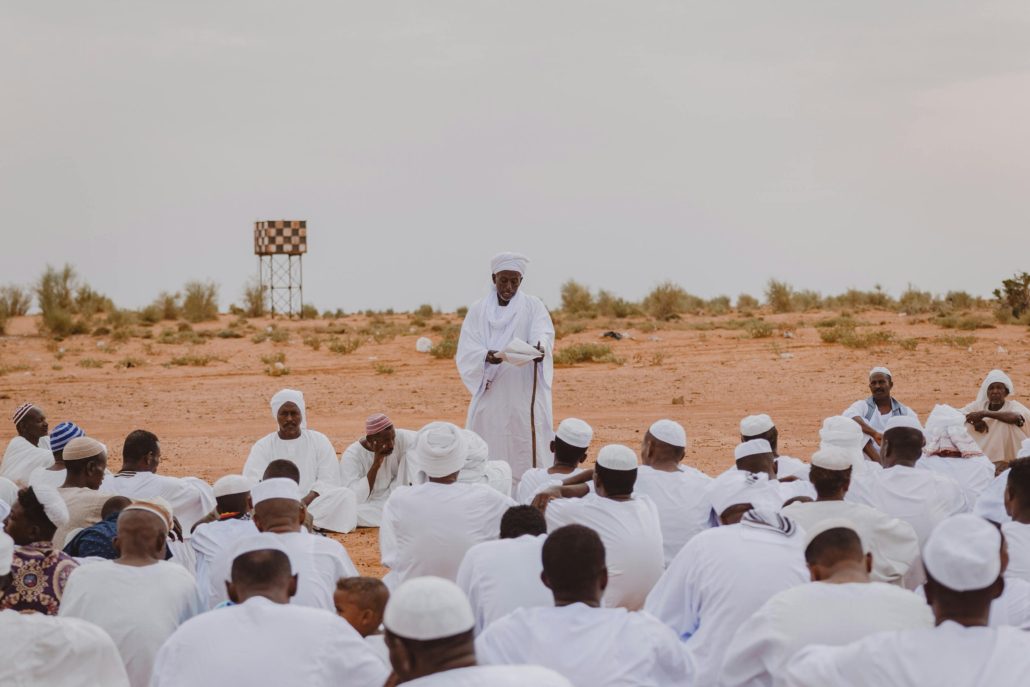
 Since the beginning of the ongoing war, two years ago, disability and poverty in Sudan have increased while life conditions and healthcare access have diminished. More than 13 million people are displaced internally or to neighboring countries, representing the worst humanitarian crisis in the world.
After 21 months of fighting, the terrorist militia known as the Rapid Support Forces (RSF) has killed more than 150,000 people and displaced more than 11.5 million. Most of them internally, 3.3 million to neighboring countries including Egypt, Chad and South Sudan. The displaced Sudanese live in horrible conditions in camps, they lack proper supplies and 25.6 million are food insecure. Doctors Without Borders estimated in February 2024 that 13 children died from starvation every single day.
On top of living in dire circumstances, the Sudanese are exposed to constant bombings, sexual violence and ethnic cleansing. The American secretary of state, Anthony J. Blinken, has described the RSF’s actions as genocidal. Here is information about disability and poverty in Sudan and efforts to address it.
Disability in Sudan
The Swedish International Corporation Agency estimated that there are 1.9 to 3.8 million disabled people in Sudan, representing 10-15% of the total population. This estimate considers the under reporting of untreated patients. The most common disabilities are blindness at 31% and mental disability at 24%.
While some of these disabilities are hereditary, a large number of impairments have risen throughout the ongoing conflict in Sudan. Injuries from bullets, artillery and bombs have led to severe physical harm such as burns and fractures, sometimes resulting in lifelong injuries like amputations.
Health Care Access
Armed conflict and poverty play a big role in health care access. Before the war, only 50% of people who managed to reach a health facility were offered proper treatment, the weakened health system puts 8 million of children in dire condition at risk as 78,000 babies die every year from preventable causes like malaria.
This access is even more limited to people with disabilities. In 2015, a research studying health care access across Sudan, Namibia, Malawi and South Africa showed that 8.18% of people with no activity limitation had problems accessing health care, while the percentage of people with some or severe activity limitations who lack health care access was 12.24% and 12.10% per month.
The lack of access to health care has only worsened since the beginning of the RSF attacks in April 2023. The World Health Organization (WHO) has confirmed 108 attacks on health care facilities by September 2024, the percentage of facilities and public hospitals partially or totally dysfunctional is 70-80% in areas worst affected by the crisis and 45% in other parts of the country, leaving millions of people helpless.
Poverty in Sudan
The 2014 Multidimensional Poverty Index estimates of Sudan indicated that 52.3% of the Sudanese population is multidimensionally poor and 17.7% are vulnerable to multidimensional poverty. These figures are in constant increase, total poverty rates rose to 80% in 2018 and to 97% in 2020.
Due to the ongoing conflict, living conditions have deteriorated and a great number of the population have lost shelter and income. A study compared the decrease of resources between 2021 (before the conflict) and 2023 (during the conflict), it expected the poverty rate to increase by 4.5%, affecting 39.3 million Sudanese. It estimated that the war led to the loss of $15 billion of Sudan’s economy by the end of 2023 which is equivalent to 48% of Sudan’s Gross Domestic Product (GDP). This is due to the attack on states that produce sectoral goods as well as the loss of jobs in industry, services and agriculture which amount to 5.2 million jobs lost, representing almost half of the Sudanese workforce.
Though the damage is on a national scale, disabled people struggle more, they are in constant need of food and welfare supplies. Before the conflict, they received financial support from non disabled people through religious donations known as zakat, but the war led to the collapse of the zakat system and begging at the local market is now the main source of income for the disabled Sudanese in Darfur. They are reliant on family members who at times of crises might leave them behind in a desperate pursuit of safety.
Efforts and Solutions
Many efforts have emerged to diminish disability and poverty in Sudan, whether domestically or internationally. The UNICEF Sudan social protection programme, which is in the eastern states where the malnutrition rates are higher, is directly supporting 300,000 beneficiaries through monetary, informational and care provisions to mothers from the conception of their babies to two years after their birth. This has proven to reduce maternal mortality, infant mortality and malnutrition.
Meanwhile, in November 2023 and with the support of UNICEF, the Federal Ministry of Education launched the National Strategy on education of children with disabilities from 2013-2016, followed by the first National Council on education of children with disabilities with the support of UNESCO, UNICEF and Plan international. The strategy aimed to integrate a holistic model to cater to the educational, social, health and protection needs of disabled children as well as safeguarding their rights.
Nayla Prosthetics, a Sudan Disability Movement, launched before the war, which has provided prosthetic and financial support to people with mycetoma, a chronic infection caused by fungi and bacteria mainly affecting farmers. Thanks to this initiative, the beneficiaries have regained mobility which promoted their recovery and job availability.
The team designed a prosthetic capable of reading electrical signals from the amputee and reacting to them with movements. It features a simplified design, a wrist rotation and sensory feedback so that the amputee feels when they touch it and all of this is available for less than $1,000. Thanks to grants and donations, the organization only keeps growing.
Looking Ahead
Access to the bare necessities of life was already a challenge for most Sudanese, the current war has only accentuated their struggle. Disability and poverty in Sudan is at an all time high and millions of people are vulnerable to starvation, untreated wounds and incessant violence.
– Yasmine Belabed
Yasmine is based in Algeria and focuses on Technology and Global Health for The Borgen Project.
Photo: Pexels

Addressing the Gender Wage Gap in Papua New Guinea
About the Gender Wage Gap
History has repeatedly indicated a significant disparity in power and economic allocations between women and men. In a society where men dominate the public sphere of influence, women are often disenfranchised. Due to this inequality, women are often short-sighted across sectors with limited access to power, resources, rights and wealth. A precedent of unequal pay for women in the labor market, known as the gender wage gap, often perpetuates this disparity.
The Organization for Economic Cooperation and Development (OECD) defines the gender wage gap as “the difference between the median earnings of men and of women relative to the earnings of men.”
The Gender Wage Gap in Papua New Guinea
In March 2025, the World Bank (WBG) published research showing significant increases in gender equality across landscapes in Papua New Guinea. However, research still shows gaps in employment along gendered lines. In its study, it found the following information:
Steps in Achieving Gender Equality Globally
In the face of these wage and economic inequalities, various efforts are occurring to address these disparities. In 2024, the World Bank Group launched an initiative to accelerate gender equality, end poverty and cultivate a more livable planet. This conceptual framework will be implemented from 2024 until 20230 across the world. Its objectives include:
Project Implementation in Papua New Guinea
Under the WBG’s program, selected countries like Papua New Guinea expressed a vested interest in prioritizing gender equality through various programs and reforms. The World Bank Group has outlined the following approaches.
This initiative leverages collective action in the interest of cultivating a world and future committed to nondiscrimination, inclusion and equality of opportunity. Furthermore, economic opportunities will experience expansion through meaningful and transformative impact. By working closely with nations through a country-engagement model, strategies to implement change through innovative financing and policy reforms will enable the advancement of public resources, support and equality for people regardless of their gender identity.
– McKenzie Rentie
Photo: Pexels
Accelerating SDG 1 in South Korea
Tracking Progress on SDG 1 in South Korea
All UN member states adopted the 17 SDGs in 215, which form the backbone of the global 2030 Agenda for Sustainable Development. Since then, South Korea has steadily improved its SDG Index score, reaching 77 out of 100 last year and ranking 33rd among 166 countries according to the Sustainable Development Report 2024.
More specifically, when it comes to SDG 1 in South Korea, the country has managed to reduce the relative poverty rate from 18.5% in 2015 to 14.9%. Going forward, this rate will likely to decline further, especially as the annual living allowance was increased by 1.41 million KRW (approximately $1,000 USD) compared to last year under the new basic livelihood security program.
However, the Sustainable Development Goals Index marks South Korea’s progress on ‘no poverty’ at the stage of ‘challenges remain,’ which means that the country is moderately improving but this is not enough to achieve the goal. Such challenges include old-age poverty. Although it has dropped from 43.6% in 2016, it remains at an alarming rate of 39.8% – the highest among other OECD states. This is particularly troubling considering South Korea’s fast-aging society as more than 20% of the population is now aged 65 or over.
Policies To Tackle Domestic Poverty
In response to these challenges, the 2025 budget proposal lays out measures specifically to address elderly poverty. A major component is the expansion of the Basic Pension Program, which allocates 70% of public transfers to senior citizens as opposed to the significantly smaller proportion of 25.9% in 2016.
The new budget proposal not only aims to tackle elderly poverty but also introduces specific measures targeting various dimensions of poverty in South Korea to support other marginalized groups. For instance, the government plans to increase the number of beneficiaries of disability-related employment incentives from 633,000 to 756,000 by expanding its budget by 6.6%. In addition, the proposal includes the launch of the ‘National Advance Payment System for Child Support,’ which supports single-parent families where child support is unpaid since they are also particularly vulnerable to poverty.
The 2025 budget plan addresses poverty among younger generations as well by increasing the stipend granted to young adults to support them with financial independence. The plan moreover expands the youth work experience program to accommodate 58,000 participants to help with improving job prospects as unemployment is often the root cause of poverty among young adults.
Extending Impact Beyond Borders
South Korea’s efforts to alleviate poverty extend beyond its borders. Since its reclassification as a developed country in 2021, South Korea has expanded its role in international development. The 2025 budget plan allocates 6.5 trillion KRW (approximately $4.8 billion USD) in Official Development Assistance – a 3.8% increase from last year. The country has also joined the Global Alliance Against Hunger and Poverty, further solidifying its commitment to addressing poverty in developing countries.
In addition to financial support, the country is also sharing its own experience in addressing poverty in South Korea and the development model they used. One example is the Saemaul Undong (New Village Movement) Project which is now adapted into overseas Saemaul Projects. These rural development programs based on Korea’s own transformation in the 1970s now support 42 villages in 10 countries, helping establish community infrastructure and improve agricultural productivity. By focusing on empowering local communities, these initiatives allow sustainable economic growth that breaks the cycle of poverty.
Looking Ahead
As a former aid recipient that is now a donor state, South Korea shows how efforts through social policy and international cooperation can lead to real progress. Although SDG 1 in South Korea has yet to be fully achieved, the 2025 budget plan, with its expanded support for vulnerable groups and initiatives for international development, marks a significant step toward the goal of ‘no poverty.’
– Lucy Cho
Photo: Unsplash
Addressing Disability and Poverty in Sudan
After 21 months of fighting, the terrorist militia known as the Rapid Support Forces (RSF) has killed more than 150,000 people and displaced more than 11.5 million. Most of them internally, 3.3 million to neighboring countries including Egypt, Chad and South Sudan. The displaced Sudanese live in horrible conditions in camps, they lack proper supplies and 25.6 million are food insecure. Doctors Without Borders estimated in February 2024 that 13 children died from starvation every single day.
On top of living in dire circumstances, the Sudanese are exposed to constant bombings, sexual violence and ethnic cleansing. The American secretary of state, Anthony J. Blinken, has described the RSF’s actions as genocidal. Here is information about disability and poverty in Sudan and efforts to address it.
Disability in Sudan
The Swedish International Corporation Agency estimated that there are 1.9 to 3.8 million disabled people in Sudan, representing 10-15% of the total population. This estimate considers the under reporting of untreated patients. The most common disabilities are blindness at 31% and mental disability at 24%.
While some of these disabilities are hereditary, a large number of impairments have risen throughout the ongoing conflict in Sudan. Injuries from bullets, artillery and bombs have led to severe physical harm such as burns and fractures, sometimes resulting in lifelong injuries like amputations.
Health Care Access
Armed conflict and poverty play a big role in health care access. Before the war, only 50% of people who managed to reach a health facility were offered proper treatment, the weakened health system puts 8 million of children in dire condition at risk as 78,000 babies die every year from preventable causes like malaria.
This access is even more limited to people with disabilities. In 2015, a research studying health care access across Sudan, Namibia, Malawi and South Africa showed that 8.18% of people with no activity limitation had problems accessing health care, while the percentage of people with some or severe activity limitations who lack health care access was 12.24% and 12.10% per month.
The lack of access to health care has only worsened since the beginning of the RSF attacks in April 2023. The World Health Organization (WHO) has confirmed 108 attacks on health care facilities by September 2024, the percentage of facilities and public hospitals partially or totally dysfunctional is 70-80% in areas worst affected by the crisis and 45% in other parts of the country, leaving millions of people helpless.
Poverty in Sudan
The 2014 Multidimensional Poverty Index estimates of Sudan indicated that 52.3% of the Sudanese population is multidimensionally poor and 17.7% are vulnerable to multidimensional poverty. These figures are in constant increase, total poverty rates rose to 80% in 2018 and to 97% in 2020.
Due to the ongoing conflict, living conditions have deteriorated and a great number of the population have lost shelter and income. A study compared the decrease of resources between 2021 (before the conflict) and 2023 (during the conflict), it expected the poverty rate to increase by 4.5%, affecting 39.3 million Sudanese. It estimated that the war led to the loss of $15 billion of Sudan’s economy by the end of 2023 which is equivalent to 48% of Sudan’s Gross Domestic Product (GDP). This is due to the attack on states that produce sectoral goods as well as the loss of jobs in industry, services and agriculture which amount to 5.2 million jobs lost, representing almost half of the Sudanese workforce.
Though the damage is on a national scale, disabled people struggle more, they are in constant need of food and welfare supplies. Before the conflict, they received financial support from non disabled people through religious donations known as zakat, but the war led to the collapse of the zakat system and begging at the local market is now the main source of income for the disabled Sudanese in Darfur. They are reliant on family members who at times of crises might leave them behind in a desperate pursuit of safety.
Efforts and Solutions
Many efforts have emerged to diminish disability and poverty in Sudan, whether domestically or internationally. The UNICEF Sudan social protection programme, which is in the eastern states where the malnutrition rates are higher, is directly supporting 300,000 beneficiaries through monetary, informational and care provisions to mothers from the conception of their babies to two years after their birth. This has proven to reduce maternal mortality, infant mortality and malnutrition.
Meanwhile, in November 2023 and with the support of UNICEF, the Federal Ministry of Education launched the National Strategy on education of children with disabilities from 2013-2016, followed by the first National Council on education of children with disabilities with the support of UNESCO, UNICEF and Plan international. The strategy aimed to integrate a holistic model to cater to the educational, social, health and protection needs of disabled children as well as safeguarding their rights.
Nayla Prosthetics, a Sudan Disability Movement, launched before the war, which has provided prosthetic and financial support to people with mycetoma, a chronic infection caused by fungi and bacteria mainly affecting farmers. Thanks to this initiative, the beneficiaries have regained mobility which promoted their recovery and job availability.
The team designed a prosthetic capable of reading electrical signals from the amputee and reacting to them with movements. It features a simplified design, a wrist rotation and sensory feedback so that the amputee feels when they touch it and all of this is available for less than $1,000. Thanks to grants and donations, the organization only keeps growing.
Looking Ahead
Access to the bare necessities of life was already a challenge for most Sudanese, the current war has only accentuated their struggle. Disability and poverty in Sudan is at an all time high and millions of people are vulnerable to starvation, untreated wounds and incessant violence.
– Yasmine Belabed
Photo: Pexels
5 Facts about Hunger in Tanzania
Global Nutrition Standards
Consistent with its GHI hunger rating, the 2022 Global Nutrition Report noted that Tanzania was on course to meet only two of the 13 global nutrition targets: exclusive breastfeeding and childhood wasting.
It has made some progress toward childhood stunting, low birth weight and anemia in women of reproductive age, but is off course on the remaining eight indicators. The country is suffering from the “triple burden of malnutrition,” the coexistence of undernutrition (stunting and wasting), micronutrient deficiencies (or hidden hunger) and overnutrition (overweight and obesity).
Tanzania’s Poor Nutrition
In February 2024, USAID observed Tanzania’s continuing nutritional challenges, noting that they were driven by poverty, lack of diverse quality diets and poor infant and young children feeding practices, along with insufficient access to essential health services (including WASH—water, sanitation and hygiene). This is exacerbated by limited information, poor coordination among the government, NGOs, and communities and a shortage of professional support.
Other factors affecting hunger and nutrition are where one lives, increased demands from displaced persons and variable climate:
Domestic Attention
International Support
Tanzania recognizes that addressing food insecurity and hunger is only the first step in improving quality of life. The domestic and international focus on nutrition in Tanzania is taking the next step.
– Staff Reports
Photo: Flickr
Malnutrition in Gaza: An overview
Gaza’s Children are Starving
Food insecurity is urgent for children and breastfeeding mothers. Out of the 1.1 million children living in the Gaza Strip, nine out of 10 are experiencing severe food poverty, according to Save the Children. As of June 5, 2025, 2,700 children under the age of 5 are experiencing severe acute malnutrition (SAM). According to the World Health Organization (WHO), 15.6% of Gazan children under age 2 are acutely malnourished. This represents an exponential increase compared to the 0.08% in children under the age of 5 before the recent conflict.
Due to food blockades, families are consuming two or fewer low-nutritional-value meals per day, often eating animal feed and foliage. The Ministry of Health estimated that 57 Gazan children have died from starvation since March of this year. This statistic is likely an underestimate. The U.N.-backed Integrated Food Security Phase Classification (IPC) assessment states that 93%, approximately 930,000 children, are at risk of famine.
Illness and Malnutrition in Gaza
Malnutrition is detrimental in growing children, as young bodies are unable to fight illness and heal from injuries without proper nutrition intake. Poor nutrition weakens the immune system and prevents nutrient absorption, making children more susceptible to diarrhea, pneumonia and measles, according to WHO. To heal from sickness, children must consume more food, which is unattainable in Gaza at this time. This creates a vicious starvation cycle. Inadequate childhood nutrition has a lifelong impact. Long-term malnutrition stunts growth and impairs cognitive function, ultimately lowering a population’s overall well-being. Consequently, an entire generation is predisposed to poverty.
Implications on Breastfeeding and Pregnant Mothers
As of spring 2025, 17,000 Gazan mothers could receive treatment for acute malnourishment in the coming year, according to the WHO. Breastfeeding mothers need proper nutrition to produce milk for their babies. Breastmilk is the sole source of nourishment for infants under six months. Without adequate maternal nutrition, infants can not consume the breastmilk they need to build immunity towards disease and infection. As a result, malnutrition in Gaza is amplified.
Healing Pediatric Malnutrition in Gaza
As of May 2 aid siege, medical supplies are scarce. No food, medicine or fuel has entered the Gaza Strip in 10 weeks. The United Nations Relief and Works Agency (UNRWA) has run out of flour and hot food parcels. Their medical supplies are one-third of the way gone. The WHO’s 19 malnutrition treatment centers collectively hold the supplies to treat 500 children for acute malnutrition. This is a fraction of the 70,000 Gaza children in need of immediate care. Despite the scarcity, there are solutions to end malnutrition in Gaza.
Throughout 2024, the WFP delivered 10 million hot meals across Gaza, many of which have gone to children. Legumes, wheat products, seeds, vegetable oils, energy bars, biscuits and salt have been delivered to Gazan families. These packages are vital in preventing malnutrition in Gaza.
Ready-to-use Therapeutic Food (RUTF) is a nutritionally dense paste fed to malnourished children 6 months to 5 years old. UNICEF is primarily responsible for distributing RUTF in the Gaza Strip. RUTF is a lipid-based paste made from peanuts, sugar, milk powder, oil and essential vitamins and minerals. The fat-based formula allows nutrients to be easily absorbed. Depending on their condition, children are given several RUTF sachets per day. The home-based, ready-to-eat formula makes this paste outstanding at healing malnutrition. It has a 90% success rate in healing children from severe acute malnutrition. In 2024, UNICEF sent 1,500 boxes of RUTF to Northern Gaza.
As soon as blockades rise, there is enough food to feed 1 million children for four months. Treatment is attainable; only access must be granted.
– Helen Cusick
Photo: Flickr
What to Know About Hunger in Switzerland
Switzerland’s high standard of living, however, comes with a high cost of living. The average total household expenditure in Switzerland can be two-to-three times higher than some other European cities in countries with similar standards of living. Switzerland boasts some of the highest salaries in Europe, but basic health and accident insurance are mandatory, monthly rent is relatively high, and transportation and grocery costs are significant.
Hunger and Nutrition in Switzerland
The level of hunger in Switzerland is below the threshold for the country’s inclusion in the Global Hunger Index. But hunger and nutrition are two different things. In the 2022 Global Nutrition Report, Switzerland was reported as being “on course” to meet only one of the global nutrition targets (for which data was available)—women’s diabetes. It was “off course” for all MIYCN (maternal, infant and young child nutrition) targets, and “off course” with limited progress regarding diet-related noncommunicable disease targets. There was no progress or worsening regarding anemia in women of childbearing age and low birth weight.
A small 2021 study of older medical patients found a “significant association” between age and food insecurity, with food insecurity contributing to malnutrition in approximately 7% of the patients studied. The objective in identifying such pockets of food insecurity was to enable the development of interventions for at-risk populations.
Poverty, Hunger and Welfare in Switzerland
Even with a high standard of living, not everyone in Switzerland is well off. The rate of poverty is low, but not nonexistent; in 2023, the poverty rate was 8.1%. The poverty rate was higher for the employed in 2023 than it had been in the previous two years, but half what it was for the unemployed. In addition to the unemployed, single people and single-parent households with young children were particularly hard hit.
One reason hunger in Switzerland is rare is because Swiss welfare payments cover necessities such as food, clothing, housing, health insurance and other personal needs. Social benefits spending was $2.78 billion in 2022, falling for the fourth year in a row. The decrease resulted from fewer recipients, as well as lower expenditure per recipient. Almost 250,000 people received a financial benefit on at least one occasion in 2023, with urban regions seeing a higher rate of assistance. (Welfare is distributed at the cantonal level, with local benefits preceding financial social assistance.)
Global Hunger and Food Security: Switzerland’s Role
While hunger in Switzerland itself is not much of an issue, the country’s constitution includesa commitment to local and global sustainable food systems, important, especially because the country imports 50% of its food. Switzerland is involved in many related international efforts, contributing to food security globally.
These activities include:
A small country known for the care of its own, Switzerland plays a large role in the care of those beyond its own borders.
– Staff Reports
Photo: Flickr
Moldova’s Freedom: Iași-Ungheni-Chişinau Natural Gas Pipeline
Initial Steps to Reduce Dependence on Russian Gas
Geopolitical tensions between Russia and Ukraine, the latter being the territory through which Moldova obtained the gas provided by Russia, increased the urgency for alternative sources. The Iași-Ungheni-Chişinau natural gas pipeline, completed in 2020, offered a significant opportunity for energy diversification by enabling access to European gas sources. The capacity of 1.5 billion cubic meters per year, now expandable to 2.2 billion cubic meters, can supply up to 75% of Moldova’s average consumption and 60% of the average during the winter season.
The Ungheni-Chisinau pipeline segment construction began in 2019, covered by Romania’s Transgaz and co-financed by the EU’s ERDF, with a total cost of €150 million ($173,610,000). Although the previous segment had been operational since 2014 from Iași to Ungheni, it was only briefly used in 2015 due to limited demand, due to political disagreements, uncompetitive Romanian gas prices and technical constraints.
Energy Lifesaver: The 2022 Energy Situation
Traditionally dependent on Russian gas routed through Ukraine and the separatist-controlled region of Transnistria, Moldova’s energy was highly vulnerable to political pressure from Moscow. This vulnerability was exposed in 2022 when Gazprom, one of the main russian gas suppliers, unilaterally reduced its gas supplies. In response, Moldova activated the Iași-Ungheni-Chişinau natural gas pipeline, built with Romanian and EU support, to import gas from European markets. The gas measuring station at Ungheni, operated by Vestmoldtransgaz, is capable of handling up to 5 million cubic meters of gas per day, ensuring a reliable supply even during winter. Minister of Energy Victor Parlicov emphasized the pipeline’s role in preventing energy blackmail and announced plans for a new Ungheni-Balti pipeline to connect with Ukrainian storage, reinforcing Moldova’s integration into the regional vertical gas corridor and reducing its dependence on Russian energy.
The Iași-Ungheni-Chişinau Natural Gas Pipeline
After the success of the energy alternative, Minister Victor Parlicov emphasized that expanding the Iasi-Ungheni-Chisinau natural gas pipeline will significantly boost Moldova’s energy resilience and regional integration. Vestmoldtransgaz, the natural gas transmission system operator in the Republic of Moldova, works with proposing upgrades and potential new branches to Balti and Drochia. Strengthening collaboration with Romania, Ukraine and Poland will foster gas transit flexibility. Increased transit reduces pressure on Moldovan consumers and benefits the country. The “Chisinau Belt” project, set for completion by 2031, makes a key step in securing Moldova’s energy future.
Additionally, the EU and Moldova have launched a two-year, €250 million ($289,350,000) strategy to ensure Moldova’s energy independence and integration in the EU energy market, with €100 million ($115,740,000) allocated by mid-April 2025. The plan includes compensation for household electricity costs on the Right Bank and support for vulnerable consumers and institutions, enabling Moldova to disconnect the Right Bank from Russian gas and fully source energy from EU markets.
– Sara Arias Saiz
Photo: Flickr
Poverty Alleviation and Women’s SHGs in India
Background
Evidence suggests women organize to cater to two core objectives: to reduce domestic violence and to induce more inclusive delivery of public services such as health, financial and food security.
SHGs are small, federated groups of 10-20 women who organize themselves based on location, income or caste to form community-based financial systems. These groups meet at periodic intervals to deposit money into their group-held account and get steady access to loans in times of need. The entire process is facilitated by government and non-government (NGO) entities that help connect SHGs to bank accounts and formal credit. Many are federated into larger networks.
SHGs represent a shift from traditional banking models, decentralizing financial power and promoting community autonomy. Through the Bank Linkage Program, SHGs help empower the “unreached poor,” offering financial services to underserved populations.
Struggles of the Past
Before SHGs, households primarily relied on informal moneylenders (typically men) with higher interest rates and unfavorable terms, especially to the poor and marginalized. Formal banks were rarely accessible and often provided large, lump-sum loans, rather than what the individual needed.
As of 2014, 33.2% of rural household debt were from informal lenders, according to the Indian government. These lenders charged annual interest rates between 12% to 150%, compared to banks typically charging 6% to 20% on larger loans.
The SHG model reduced informal borrowing by 14.5%, significantly curbing predatory lending, the World Bank reports. It has generated a change in the borrowing habits of households, aiding poverty alleviation efforts, and changing the status of women as participant decision makers and beneficiaries.
State SHGs Programs in India
In high credit regions, with limited banking access, Jeevika in Bihar charges a 2% monthly interest on loans to its SHG members, according to the World Bank. Mission Shakti in Odisha charges 0% monthly interest on loans to women SHGS, on amounts up to ₹10 lakhs ($12,000 equivalent), conditioned on the timely repayment of loans.
U.S. firms like MicroVest and Unitus backed Grama Vidiyal’s microfinance push in South India, and have helped build a $3.75 million loan portfolio.
The nature of these low-interest microcredits extends beyond economics, functioning as vital social safety nets. Among SHG households, 10% of women borrowed for enterprise, while 22% borrowed for health care, exemplifying the importance of women’s SHGs in India during emergencies.
India’s growing women-led SHG model has accelerated an inclusive, bottom-up approach to poverty alleviation by empowering women to revolutionise micro-credit extension and improve their visibility and confidence in community leadership.
– Tanisha Bhattacharyya
Photo: Flickr
Expanding Gavi’s Donor Network
Gavi’s Existing Impact
Foreign Aid Budget Cuts
Gavi relies on donations from governments, foundations and private partners to fund its work delivering vaccines to the world’s most vulnerable children. However, former core donors France, the U.S. and the UK have all indicated that they plan to cut foreign aid spending in the coming years; hence, their pledges to Gavi remain uncertain.
The U.S. previously donated $300 million to Gavi annually but the country declared in March 2025 that it does not plan future spending, Reuters reports. On June 12, 2025, the U.S. House of Representatives passed President Donald Trump’s request to cut $9.4 billion from the U.S. foreign aid budget, $400 million of which formerly went to global health programs including Gavi. The bill is yet to be approved by the Senate, so until the decision deadline of July 18. It is unclear whether Gavi will receive its usual donation from the States.
U.K. Prime Minister Sir Kier Starmer has also announced that the U.K. government will cut foreign aid spending by £6 billion per year, redirecting the money to defense spending. The nation was previously mandated by law to spend 0.7% of GDP on aid, but the former Conservative government lowered this to 0.5% following the pandemic, and Starmer’s cuts lower it even further to only 0.3% of GDP. Therefore, it is probable that Gavi will not receive funding from the UK equal to the country’s previous investments.
Hopes for Brussels Global Summit 2025
From 2026-2030 (the Gavi 6.0 strategic period), Gavi plans to save at least 8 million lives through the vaccination of 500 million additional children. Global summit in Brussels on June 25, 2025 will bring together global leaders, partner organizations, vaccine manufacturers and private sector companies to secure at least $9 billion to fund Gavi 6.0.
Several countries have already announced their pledges:
Expanding Gavi’s Donor Network
These pledges are promising but in light of U.S. and U.K. cuts to aid, Gavi’s donor network needs to expand if it hopes to raise the $9 billion required for its ambitious new plan. To secure essential funding from Morocco, Gavi Chief Executive Officer Dr. Sania Nishtar recently met with officials in Rabat. During her visit, Nishtar toured a Marbio vaccine production site near Casablanca a biopharmaceutical initiative, Reuters reports.
Hopes for Moroccan funding are high as Nishtar noted that the facility stands a strong chance of receiving support from Gavi’s $1.2 billion African Vaccine Manufacturing Accelerator, which aims to enhance vaccine manufacturing capacity across the continent.
An Optimistic Outlook
In preparation for potential shortfalls in funding, Gavi has begun engaging more private sector partners, implementing cost-cutting measures, and exploring stronger partnerships with other global health organizations. Nevertheless, Nishtar anticipates that the contributions made at the June 25th summit will be sufficient to render these contingency plans unnecessary.
In light of Gavi’s critical work responding to the current global measles surge, cholera outbreaks in Sudan, South Sudan and Angola, and the growing spread of mpox in Sierra Leone, there is growing hope that the international community will recognize the indispensable value of Gavi’s efforts and respond with the generous support needed to sustain and extend its impact.
– Holly McArthur
Photo: Flickr
4 Organizations Helping to End Child Marriage in Ecuador
UN Women
Originally founded in 2010 as a part of the United Nations, U.N. Women has been helping with women’s rights all over the world. Its latest contribution to ending child marriage in Ecuador was in 2015 when it pressured multiple Latin and Central American countries to enforce 18 as the legal marriage. For Ecuador specifically, U.N. Women helped reform the law to have the legal age of marriage as 18.
Nada Foundation
Created by a human rights activist, Nada Al-Ahdal in 2015, the Nada Foundation works to fight and advocate against child marriage all over the world. While a lot of her most well-known work took place in the Middle East, Nada and her organization have advocated to help end child marriage in Ecuador, mainly by helping survivors of child marriage and giving girls better access to education in hopes of lowering the chances of getting married prematurely.
Parliamentarians for Global Action
The Parliamentarians for Global Action (PGA) is an organization that works to improve human rights on a global scale. This includes women’s rights and helping with the abolition of child marriage. PGA has a campaign where it talks to legislators to better address the issue of child marriage, including Ecuador. In 2022, they also worked in collaboration with Girls Not Brides to strategize with the National Group in the National Assembly of Ecuador.
Girls Not Brides
Originally founded in 2011, Girls Not Brides focuses its efforts on an international scale and often works with other organizations in different countries to help with their goal of eliminating child marriage. In Ecuador, it has two listed partners, Let Girls Rise and Sendas.
Child marriage directly hurts the family of the bride and the child herself, but helping to fight it gives these children better hope for the future.
– Jose Gabriel Lopez
Photo: Flickr