Poverty and Infant Dairy Intake in Chile: A Nutritional Inequality
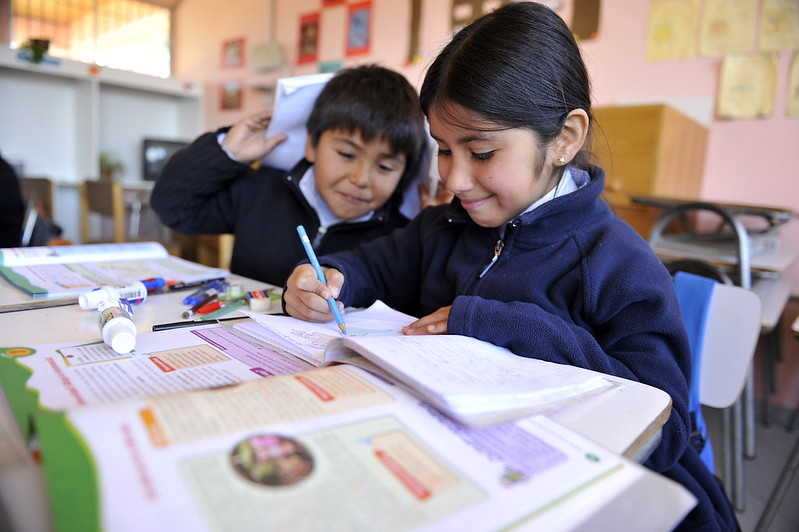 Known to man as a country full of diverse landscapes and beautiful scenery, in Chile, poverty can take the form of an invisible obstacle that stunts the growth and development of a child. In 2020, the Chile poverty rate stood at 11.30% and in 2022, it went down to 5.70%.
Poverty not only affects access to education and health care, but it can even decide infant dairy intake during a critical moment of their development. In this article, poverty and its effects on infants will be highlighted, along with how current health programs are combating this issue.
Importance of Dairy in Infant Nutrition
Infant dairy intake in Chile, as well as everywhere else, is important because it supports key aspects of development. Dairy foods and milk are rich in vitamins and calcium, which are essential for brain development and bone growth. Later down the line, consuming essential minerals and vitamins from dairy could prevent bone-related diseases later on. Nutrition at this age during infancy lays the foundation for healthy growth in childhood, adolescence and beyond.
A study found that Chilean children had deficiencies in Vitamin D, as well as in other major minerals like calcium, iron, zinc and copper. This fact is found in overweight children as well. This suggests malnutrition is not just present in underweight children, but in overweight children as well. Poor dietary habits, as well as nutritional needs being unmet lead to deficiencies in vitamins and minerals, resulting in long-term health consequences.
Why Do Infants Have Low Dairy Intake?
The infant dairy intake in Chile can be hindered by a variety of reasons. Some infants have Cow’s Milk Allergy (CMA), which could create symptoms such as vomiting, diarrhea, eczema or other severe symptoms. Recent studies in fact show that there is a prevalence of 4.9% in Chile, diagnosed with CMA.
Cost and access are also big reasons. Formula, milk, dairy, or even healthy foods in general could very well be too expensive or hard to access in some areas, particularly in low-income communities. Constraining even regular dietary intake from infancy and after.
Public Health Programs
By the 1970s, the National Supplementary Feeding Program (PNAC) served around 650,000 mothers and infants. Junta Nacional de Auxilio Esoclar y Becas (JUNAEB) later took up the role of tending to mothers and infants, primarily in serving lunches and breakfasts in public schools until today.
Chile Crece Contigo (ChCC) is a child development program that is nationwide, providing essentials like nutritional support to help be the bridge between infants and development. About 2 million pregnant mothers were part of the ChCC, with 1.6 million boys and girls born, while also distributing more than 1 million packages of clothing and essentials. In the last 10 years, ChCC has been working, enabling higher levels of infant diary intake in Chile.
The Future
Poverty in the country of Chile is continuing to make life harder for infants, due to a lack of access or the inability to consume dairy. Unequal access to nutritional foods and/or drinks directly impacts infants’ long-term health, and can very well stunt the growth of a child. Thankfully, current health programs in Chile have fought and will continue to fight the battle of ensuring infants get the nutrition they need to prosper into healthy children.
– Majida Mohamed
Majida is based in Minneapolis, MN, USA and focuses on Good News and Global Health for The Borgen Project.
Photo: Flickr
