• Link to X
  • Link to Facebook
  • Link to Instagram
  • Link to TikTok
  • Link to Youtube
  • About
    • About Us
      • President
      • Board of Directors
      • Board of Advisors
      • Financials
      • Our Methodology
      • Success Tracker
      • Contact
  • Act Now
    • 30 Ways to Help
      • Email Congress
      • Call Congress
      • Volunteer
      • Courses & Certificates
      • Be a Donor
    • Internships
      • In-Office Internships
      • Remote Internships
    • Legislation
      • Politics 101
  • The Blog
  • The Podcast
  • Magazine
  • Donate
  • Click to open the search input field Click to open the search input field Search
  • Menu Menu

Tag Archive for: Venezuela

Posts

Developing Countries, Global Poverty, Humanitarian Aid

Blackouts: The Issue of Electricity in Venezuela

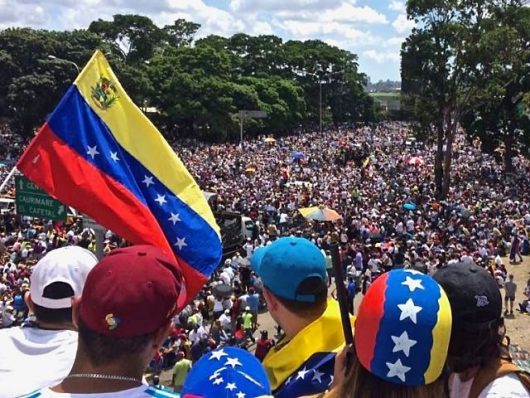
Electricity in VenezuelaOn March 7, 2019, Venezuela entered the worst power outage in the country’s history. Plunging all 23 states into darkness, the blackout lasted over five days in majority of the country. The economic losses triggered by this event exceeded $800 million and led to the deaths of an estimated 46 people. Electricity in Venezuela has since become a huge cause of concern for people.

Blackouts in Venezuela

Regrettably, this blackout was not an isolated incident, although it was the longest. Blackouts have become a routine aspect of Venezuelan life, dating back to as early as 2010. In a country where 96% of the Venezuelan population lives in poverty, these blackouts serve only to exacerbate the struggles of a vulnerable population. They strip people of access to basic necessities like water, food and fuel. Their root causes are often unclear although the key contributing factors are widely agreed-upon.

Understanding the Power System

In 2007, Venezuela’s private power companies were nationalized and transformed into one state-run monopoly known as Corpoelec. The company is underfunded, rife with corruption and unable to recover its own operating costs. The factors creating this untenable situation for Corpoelec date back even further to 2002 when national electricity rates were frozen. In Venezuela, “consumers pay only 20% of the real costs of producing power, delivering Venezuelans the lowest electricity prices in Latin America.” The drawback to these low rates is that energy is extremely overused and that Corpoelec is unable to generate sufficient revenue to fund infrastructure investments or even basic maintenance of its facilities.

Overdependence on Hydropower

The aforementioned problems are exacerbated by Venezuela’s near-complete reliance on hydropower from just one dam. The Guri Dam located in the eastern state of Bolívar accounts for 80% of the country’s electricity production and its systems are woefully neglected. The dam currently operates at a capacity considered unsustainable, “jeopardizing the machine room in the case of a flood,” according to experts. In a region where flooding is common, this is cause for concern.

Whereas other countries that rely heavily on hydroelectric power like Brazil and China have made large investments into other forms of energy, Venezuela’s ability to shift away from hydropower is crippled by underfunding, a lack of engineering power from within the country and corruption.

Corpoelec has stagnated progress as well. The company, “paid millions of dollars in no-bid contracts to political connections,” to maintain its dominance. Projects to build new dams and other forms of electricity production like thermal or wind have routinely been stalled due to a lack of funding and inadequate staffing.

The Cause of the Blackout

The March 7 blackout that heavily circulated the news was caused by a system failure at the Guri Dam. It was initially painted as a terrorist attack by president Nicolás Maduro, who tweeted, “The electrical war announced and directed by the imperialist United States against our people will be defeated.”

The Venezuelan president’s claim was that the U.S. had caused the power outage through a cyberattack on the hydroelectric plant. However, engineers who worked on the dam later clarified that the plant’s electronic monitoring system is not actually connected to the internet, proving a foreign attack to be an unlikely root cause. The plant has been poorly maintained and neglected for a very long time. In actuality, failure to properly manage the electricity grid may have caused a fire has been deemed the likely cause, and unfortunately, there is no quick-response system in place at the facility to protect its systems from damage.

The Future of Electricity in Venezuela

To ensure the return of consistent electricity to the people of Venezuela and protect against future blackouts, massive overhauls would be beneficial. However, such agendas seem unrealistic given the current economic and political climate in the country. Rather, a focus on increased upkeep and basic maintenance of power plants offers a more realistic path forward. This requires access for NGOs to bring in engineers and consistent revenue toward infrastructure repair. Without this basic funding and commitment from the government, the Venezuelan people will continue to suffer through blackouts.

– Scott Mistler-Ferguson
Photo: Flickr
February 5, 2021
https://borgenproject.org/wp-content/uploads/borgen-project-logo.svg 0 0 Yuki https://borgenproject.org/wp-content/uploads/borgen-project-logo.svg Yuki2021-02-05 01:30:272021-02-03 08:56:47Blackouts: The Issue of Electricity in Venezuela
Children, Developing Countries, Economy, Global Poverty, Health, Humanitarian Aid, Refugees, Refugees and Displaced Persons

Reforms for Saving the Venezuelan Economy

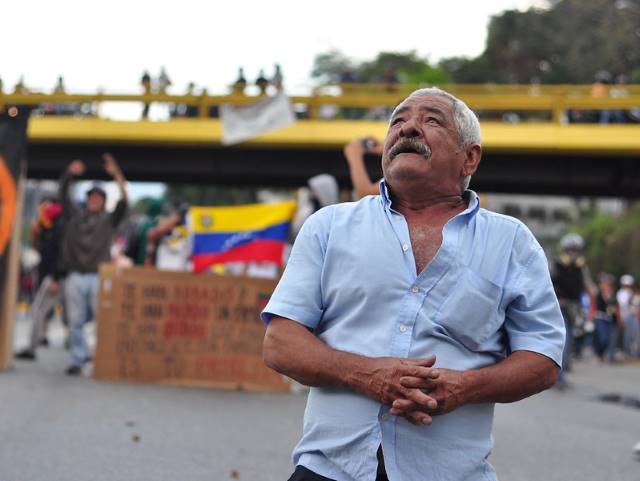
Saving the Venezuelan EconomyA combination of poor leadership and crippling sanctions have created a nation-wide economic crisis in Venezuela. The Center for Strategic and International Studies found that even before U.S. sanctions were placed on Venezuela, the country was already enduring hyperinflation, had seen food imports fall by 71% and more than two million Venezuelans had fled the country. Nevertheless, sanctions only exacerbated the crisis as Torino Economics found U.S. sanctions on Venezuela were associated with an annual loss of $16.9 billion in oil revenue. As a result, the Atlantic Council reports that more than 80% of Venezuelan households are food insecure and 3.7 million individuals are malnourished. Consequently, refugees filed more asylum claims globally in 2018 than any other country has. The number of Venezuelan migrants and refugees is expected to reach eight million in 2020, surpassing Syrian migration by more than three million. Reforms in the county are being implemented with the aim of saving the Venezuelan economy.
Saving the Venezuelan Economy

While this economic collapse still ravishes the country, there is certainly hope for the future. Due to both internal and external pressures, the president of Venezuela, Nicolás Maduro, has begun to encourage policies of economic liberalization and privatization that are indicating an economic rebound.

Toward the end of 2019, Argus Media reported the Venezuelan government was beginning to ease economic controls. Specifically, the Maduro government erased most price controls, loosened capital controls, tightened controls on commercial bank loan operations, and most importantly, began to accept informal dollarization. Immediately these policies curbed the levels of hyperinflation that had caused the food crisis across the country. Advisers estimate inflation to be at only 5,500%, a significant improvement compared to the International Monetary Fund forecasts that predicted inflation levels of more than 10 million percent. This is largely in part to the importation of dollars into the Venezuelan economy, pushing out the uselessly-inflated Bolivars. Indeed, a Bloomberg study found Venezuela’s economy is increasingly dollarized, as 54% of all sales in Venezuela by the end of last year were in dollars. Most importantly, food and medicine imports have rebounded, now reaching 15% of the population.

Privatization of the Oil Industry

In addition to the Maduro government relaxing economic controls, the economic rebound in Venezuela has occurred due to increased privatization of the oil industry. Despite being under the control of the military for years, Venezuela’s state-owned oil company has trended toward letting private firms handle operations, aiding in fixing the mismanagement perpetrated by the military’s control of the industry. For the first time in decades, the private sector accounted for more than 25% of GDP in 2019 and likely more by the end of 2020. Consequently, the Panam Post reported that oil production increased by more than 200,000 barrels, a 20% increase following privatization.

Initiatives to Help Venezuelans in Poverty

The South American Initiative, through its medical clinic, provides medical care and medicine to Venezuelans in need, with a special focus on mothers and children. To provide these essential services, it relies on donations that people provide on the GlobalGiving platform.

Fundacion Oportunidad y Futuro addresses hunger and malnutrition with regards to children in Venezuela. It is running in an initiative to provide meals to 800 school-aged children in Venezuela. It also operates through donations via the GlobalGiving platform.

The Future of Venezuela

While there is hope to be found in these reforms, Venezuela has far from recovered. The National Survey of Living Conditions indicates that more Venezuelans are in poverty in 2020 than in 2018, with food security decreasing another 7% over the past two years. The average income of Venezuela remains low at just over 70 U.S. cents a day. These reforms are the foundational steps needed to begin to reverse the economic trend that has relegated millions of Venezuelans to extreme poverty. If the economy is ever to correct itself, liberalization and privatization will be the jumping-off point for an economically thriving Venezuela in the future.

– Kendall Carll
Photo: Flickr

February 2, 2021
https://borgenproject.org/wp-content/uploads/borgen-project-logo.svg 0 0 Kim Thelwell https://borgenproject.org/wp-content/uploads/borgen-project-logo.svg Kim Thelwell2021-02-02 01:30:152024-05-30 07:56:08Reforms for Saving the Venezuelan Economy
Global Poverty

Rappi: The Colombian Unicorn that Has Given Venezuelans a Chance

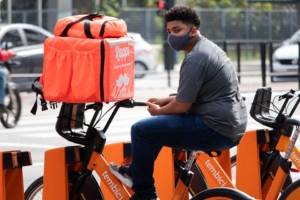
Rappi: The Colombian Unicorn that Has Given Venezuelans a ChanceThe socio-economic and political crisis in Venezuela has forced millions of citizens to flee the country in pursuit of better opportunities. In fact, there are approximately 4.5 million Venezuelans abroad. Almost 1.8 million are in the neighboring country of Colombia. This migratory movement has generated a demand for blue-collar jobs. Rappi, the Colombian unicorn, has become a very important niche for migrant labor. It allows them to start over and overcome their poor economic and social condition.
Rappi is an innovative App that works as a large shopping center in which the customer gets all kinds of products. The product quickly arrives at the customer’s location. This business model requires thousands of office employees as well as shoppers and distributors. While many of the Venezuelans that enter neighboring countries only have a high school diploma, Rappi has opportunities for them. The Venezuelans can provide for their families with only a bike and a smartphone.

The Presence of Venezuelans in Rappi

With only five years in the market, Rappi has seen a constant 20% growth every month. This reaches thousands across 9 countries in Latin America. This rapid increase has been directly correlated to the massive emigration of people. Today, 57% of Rappi’s distributors, or better known as rappitenderos, are Venezuelans. This is because Rappi only requires the special permit acquired with the traditional migratory process and no previous working reference.

Many studies have shown that Venezuelans in Rappi work considerably more hours and days by choice in comparison to Colombians. Rappi provides a flexible model in which distributors accommodate the hours they work according to their necessities and availability. The Venezuelan rappitenderos work around 10 to 12 hours a day, while Colombian rappitenderos work approximately 8 hours. Moreover, 97% of Venezuelans work up to 7 days a week while only 5% of Colombians work 6 days. 

Rappi has helped Venezuelans find a job in which they can provide for their families. It also has looked for other ways to help their families. Rappi has partnered with Valiu, a Colombo-Venezuelan startup. This collaboration helps the rappitenderos send money to their relatives that live in Venezuela and struggle with poverty. This partnership has created better alternatives for distributors to manage their income and help their families.

The Impact

Rappi is the first fully Colombian, and one of the most important, tech firms in Latin America. It is the perfect innovation that has eased people’s lives, changed consumption habits and helped small businesses thrive. More than anything, it has allowed thousands of Venezuelans that have been looking for a better quality of life. It has become a means to reduce poverty and close the gaps of inequality.

The startup was born with the mission to make people’s lives easier. It extended its main goal to a community that today calls for help and needs to generate extra income for their personal and professional goals. Additionally, Venezuelan migrants contribute to the national economy of Colombia. Despite challenges and migratory processes, they have found their way and Rappi has been the dominant employer for this strong workforce.

– Isabella León Graticola
Photo: Pixabay

January 12, 2021
https://borgenproject.org/wp-content/uploads/borgen-project-logo.svg 0 0 Yuki https://borgenproject.org/wp-content/uploads/borgen-project-logo.svg Yuki2021-01-12 13:35:232021-01-12 13:35:23Rappi: The Colombian Unicorn that Has Given Venezuelans a Chance
Global Poverty, Refugees

The 5 Refugee Crises of our Time

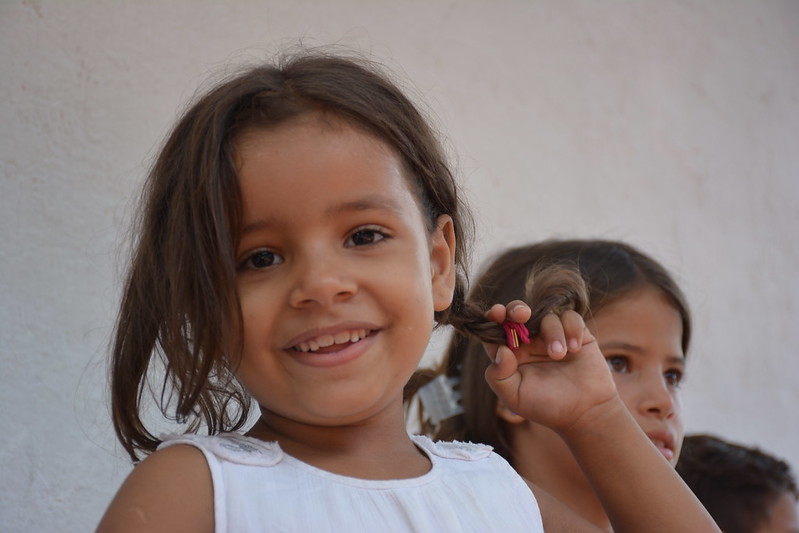
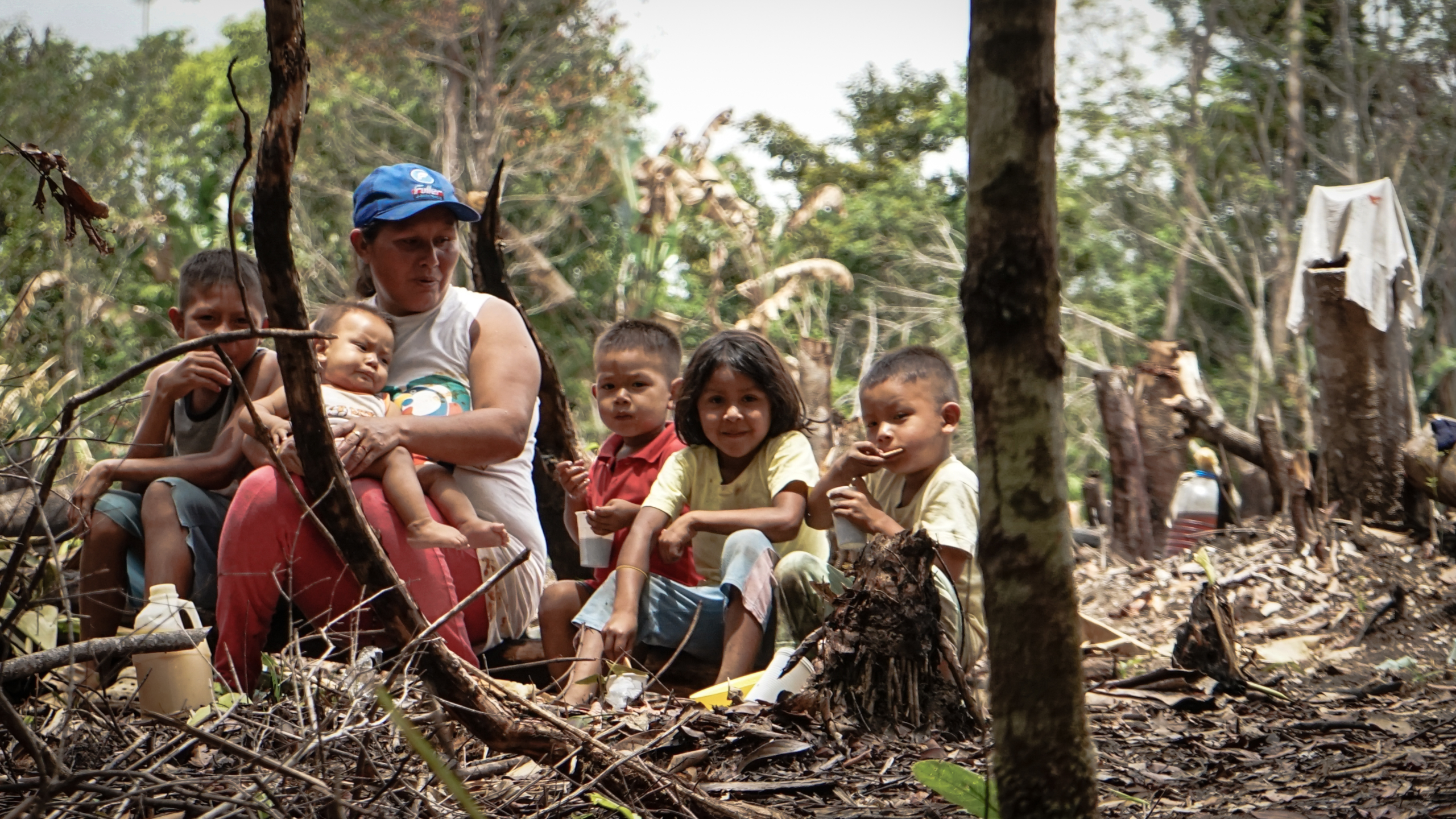
Refugee CrisesWars, persecution and horrific conditions caused by extreme poverty created 36 million refugees around the world. 24 million of these refugees come from just 5 countries: Syria, Venezuela, Afghanistan, South Sudan, and Myanmar. Here’s a look into the five largest refugee crises of our time.
Syria

Syria has 5.6 million refugees and is among the largest and most well-known refugee crises today. When the government cracked down on peaceful student protests, the Syrian Civil War started March 15, 2011 and has now killed 500,000 people.  Bombing infrastructure destroys living conditions resulting in 6 million people being displaced. With 70% of Syrians living in extreme poverty, nearly 11 million Syrians need humanitarian aid. Due to conflict, aid groups are struggling to access the areas that need assistance.

One-fourth of the world’s refugees are from Syria. Turkey and Germany host many Syrian refugees. The neighboring country of  Turkey hosts the most refugees in the world, totaling 3.6 million Syrian refugees. To handle the large influx of refugees in its country Turkey is working to improve refugee conditions. Germany hosts 1.1 million Syrian refugees. Germany recently obtained the EU presidency and plans on reforming the asylum rules so there will be a more equal number of refugees among EU states. The Syrian refugee crisis has lasted a decade and affects over 17 million people globally. If Turkey and Germany continue to work to adjust laws regarding asylum, more Syrian refugees will be able to find a safe haven in those countries.

Venezuela

Venezuelan refugees number 3.7 million. In 2014, oil prices fell and created an economic collapse. The current inflation rate of 15,000%  has pushed 14 million Venezuelans to live in extreme poverty on less than $1.90 a day. Shortages of food, water, and medicine constantly threaten the health of Venezuelans. Hyperinflation and lack of resources drive refugees from this crisis into bordering countries such as Columbia.

Columbia hosts the second most refugees in the world with 1.8 million Venezuelan refugees. The Columbian government is working to include Venezuelan refugees economically by providing Special Stay Permits that allow more than 100,000 refugees to earn a living working in the country.

Afghanistan

Forty years of conflict following the Soviet invasion in 1979 created 2.7 million refugees from Afghanistan. Political uncertainty and conflict have led to 2 million people being displaced in Afghanistan. Natural disasters and attacks on aid workers prevent those displaced from receiving much-needed support. Pakistan and Iran host most of these refugees.

With one out of every ten refugees being from Afghanistan, this crisis needs immediate attention. Pakistan hosts 1.4 million Afghan refugees and is working with the UN to provide more schooling opportunities. However, if conditions improve in Afghanistan, it is possible that 60,000 refugees could return to Afghanistan.

South Sudan

Around 2.2 million refugees are from South Sudan. South Sudan is the youngest nation in the world after becoming independent from Sudan in 2011. In 2013, a civil war broke out causing 383,000 deaths due to violence and hunger. Meanwhile, 4 million people became displaced from their homes. Food insecurity caused by famines and war has left 5.5 million people hungry.  Malnourishment greatly affects the development of children, who make up 63% of this refugee population. This is the largest refugee crisis in Africa, with most refugees fleeing to Ethiopia and Uganda.

Uganda hosts 1.7 million refugees and works to integrate them into society by providing them with land.
Currently, there is a mental health crisis among refugees. Suicides are on the rise, and COVID-19 puts an even bigger strain on the health of South Sudanese refugees. If Uganda gains more funding, it can improve the mental health of refugees by providing more support. Uganda’s progressive approach to refugees can help South Sudanese refugees start a new life.

Myanmar

The Rohingya Crisis has created 1.1 million refugees from Myanmar. Myanmar is a Buddhist country, but the Rohingya Muslims are a minority group. The Myanmar government refuses to recognize the Rohingya people as citizens, therefore they are a stateless people. In 2017 the Myanmar army burned up to 288 Rohingya villages and carried out mass killings.  To escape persecution, over 700,000 people have fled to Bangladesh and now stay in the largest refugee camp in the world: Cox’s Bazar. In 2020 the United Nations International Court of Justice has called for an end to the violence against the Rohingya and for the government to recognize the Rohingya as citizens.

Future of Refugees

Conflict and poverty are creating refugees in 2020. Most refugees originate from Syria, but Venezuela’s numbers are beginning to rise to the same level. Host countries need to continue to reform government laws to include refugees in their communities. Millions of people, both refugees and host countries, are globally affected by the current refugee crises.

— Hannah Nelson

Photo: Flickr

September 12, 2020
https://borgenproject.org/wp-content/uploads/borgen-project-logo.svg 0 0 Kim Thelwell https://borgenproject.org/wp-content/uploads/borgen-project-logo.svg Kim Thelwell2020-09-12 11:30:382024-05-29 23:23:06The 5 Refugee Crises of our Time
Global Poverty, Refugees

Colombian Agribusiness Helps Venezuelan Refugees

Colombian agribusiness
As of June 2019, approximately 4 million Venezuelan refugees had fled their home country in search of shelter from the “State-Sponsored Terror” of dictator Nicolás Maduro; by the end of 2020, this number could increase to as many as 8.2 million total Venezuelans seeking refuge. Already, around 1.7 million Venezuelan refugees have sought shelter in neighboring Colombia, creating an overwhelming demand for food and other supplies in regions closest to the Colombia-Venezuela border. In response to this emerging humanitarian crisis, a Colombian agribusiness has found an innovative solution that ensures Venezuelan refugees receive food and humane treatment while also helping struggling local economies. What exactly is this solution? The agribusiness of imperfect potatoes.

Agribusiness In Motion

The Colombian agribusiness company Acceso works to revitalize the economy of a nation whose rural poverty rate is 35%. Acceso’s success derives from its business model, which links rural farmers to urban marketplaces and provides a variety of resources to farmers–from startup cost aid to seed access–to ensure that they turn a profit.

Essentially, Acceso acts as a middleman between small Colombian farms and larger stores. Acceso buys crops in bulk from small Colombian farmers in order to resell them in commercial marketplaces. However, in doing so, Acceso often ends up purchasing products like “imperfect looking but edible potatoes.” Despite their imperfections, these potatoes hold the key to the success of Acceso’s entire operation.

Crops that are too small or have visual defects like scratches are still nutritious and viable; their defects, though merely visual, impair the ability of farms and Colombian agribusiness firms to sell them in commercial marketplaces. For the small farmer, growing imperfect crops elicits a loss of money. In normal farmer-market relationships, imperfect crops either have to be sold by small farmers in local markets for a lower price or they go to waste.

Because Acceso buys all of a farm’s crops regardless of their condition, they assure that farmers are adequately compensated for all of the crops they grow. An Acceso partnership can increase the revenue of an individual farm by as much as 50%. It maximizes the profit of small farms because Acceso pays more than normal consumers would for every piece of produce grown, enriching every sector of Colombia’s farming industry and helping stabilize the economy of rural Colombia.

Colombia’s agricultural GDP has increased by 1,502 billion Colombian pesos (about $400 million) since late 2019. An increase of this quantity illuminates how the growth of Colombian agribusiness keeps small farmers from falling into poverty, rewards them for their hard work and expands the Colombian economy.

Kitchens Without Food

In 2017, 8 out of 10 Venezuelans reported having a reduced caloric intake due to a lack of food at home, and around one-third of Venezuelans eat less than three meals each day. This explains why many Venezuelan refugees in Colombia–especially children–come across the border severely undernourished.

As they cross the border into Colombia, these refugees–some of whom have only eaten salted rice for an extended period of time–need nutrition urgently. This creates immense demand for food in border cities like Cúcuta, which have seen a massive influx of Venezuelan refugees. The Colombian government has partnered with NGO’s to establish relief kitchens on the border such as Nueva Ilusión in Cúcuta in order to meet the nutritional and humanitarian needs of Venezuelan refugees.

Unfortunately, these border kitchens still struggle to find adequate funding. International relief aid for the Venezuelan refugee crisis has only totaled $580 million, a number woefully short of the amount needed to ensure humane treatment for all refugees entering Colombia. To remedy this, the Colombian government has launched over $230 million in credit lines to invest in border cities with high numbers of refugees.

Albeit, even an amount that large might be insufficient to meet the needs of the incoming refugees. Many border kitchens providing nutritious meals to Venezuelan refugees lack the appropriate financial resources to provide enough of it.

Supply? Demand.

Each organization mentioned thus far faces an issue. Acceso has acquired imperfect crops that they cannot sell. Border kitchens lack funding and need nutritious foods to turn into meals for Venezuelan refugees.

This is where supply meets demand.

Recognizing the gravity of the malnutrition crisis among Venezuelan refugees in Colombia, Acceso partnered with border kitchens like Nueva Ilusión to give Venezuelan refugees the dignified treatment they deserve.

Instead of throwing away the imperfect crops that they cannot sell, Acceso now donates these crops to border kitchens. As of March 2020, the Colombian agribusiness contributed over 480 metric tons of fruits and vegetables to border kitchens, making 4.3 million nutritious meals.

On a daily basis, the products donated by Acceso are made into around 2,000 meals per day per kitchen, 600 of which are served to malnourished children fleeing from Venezuela. By donating food to meet the demand of border kitchens, Acceso has helped make progress towards alleviating the nutritional crisis that plagues Venezuelan refugees both young and old.

With their agribusiness, Acceso links the needs of two impoverished groups in Colombia and assures that their needs are met with reciprocal flourishing. In conjunction with both the farmers and kitchens, Acceso confers economic benefits to small Colombian farms while also ensuring that border kitchens have enough food supplies to provide refugees.

Acceso’s work linking the needs of small Colombian farmers and Venezuelan refugees has helped to fill the gap in relief created by a lack of funding for humanitarian aid efforts in this region. Its successes with rural farmers and malnourished Venezuelan refugees have shown how the most impactful relief can often be found in the most dignified mediums of exchange.

– Nolan McMahon
Photo: Flickr

August 27, 2020
https://borgenproject.org/wp-content/uploads/borgen-project-logo.svg 0 0 Kim Thelwell https://borgenproject.org/wp-content/uploads/borgen-project-logo.svg Kim Thelwell2020-08-27 10:55:292020-08-27 10:55:44Colombian Agribusiness Helps Venezuelan Refugees
Global Poverty, Human Trafficking

The Current State of Venezuelan Sex Trafficking

The State of Venezuelan Sex TraffickingThe recent collapse of Venezuela’s economy and political stability has made the headlines of many news outlets. The controversial reelection of President Nicholas Maduro in May 2018 plunged Venezuela back into violent protests and demonstrations. As of June 2019, more than four million people had fled from Venezuela’s deteriorating conditions. In this mass exodus, women and children are especially vulnerable to Venezuelan sex trafficking.
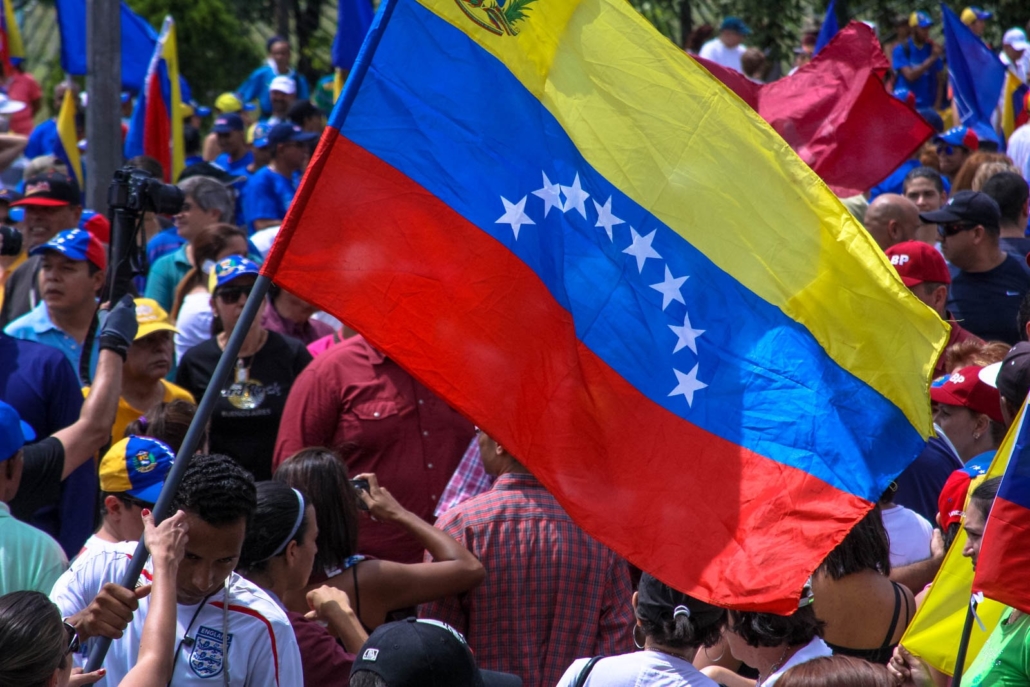
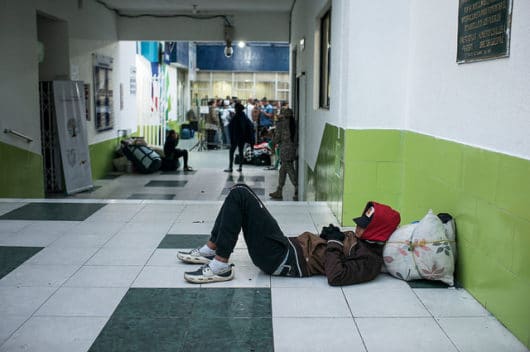
Venezuelan Sex Trafficking

Venezuela’s sex traffickers exploit domestic and foreign victims in Venezuela. More than four million Venezuelans are fleeing from their country, according to the Refugee International’s 2019 field report. The recent influx of Venezuelans fleeing their country presents a new boom in Venezuela’s sex and human trafficking. Neighboring countries, mainly Colombia, Brazil, Tobago, Trinidad and Ecuador, have experience receiving refugees from Venezuela.

What makes the situation especially difficult is the sheer number of refugees who are fleeing from Venezuela. The Brazilian Ministry of Justice reported that there were 2,577 refugee status requests made between 2016 and 2017 for the state of Amazonas. This makes up 12.8 percent of the requests made nationwide.

This increase in the number of people attempting to leave the country makes it hard for many Venezuelan refugees to use the legal pathways. Many Venezuelan refugees utilize illegal means, such as the black market or illegal armed groups, to escape their country.

In June 2019, a story of Venezuelan refugees shipwrecked near Trinidad and Tobago brought the dark underbelly of Venezuelan sex trafficking to light. Traffickers in the first shipwreck included members of the Bolivarian National Guard and a member of Venezuela’s maritime authority. These individuals were arrested after a survivor of the shipwreck spoke out against them.

Survivors of the second shipwreck testified that the traffickers charged $250 and $500 to everyone aboard the boat headed for Trinidad and Tobago. In both cases, captains of the boats concealed the fact that the women and children were headed to Trinidad and Tobago to work as prostitutes. Venezuelan women and children are especially vulnerable to sex trafficking in Colombia and Ecuador, according to the U.S. Department of State’s 2019 Trafficking in Persons report.

Venezuelan Refugees Entering Colombia

Venezuelan sex trafficking is not limited to domestic trafficking. Many Venezuelan female refugees entering Colombia are in danger of sexual exploitation. Since Colombia’s legal requirements to enter the country are very strict, many Venezuelan refugees resort to informal routes and illegal armed groups to enter Colombia. In the Refugee International’s 2019 investigation, many refugees testified that women and girls are forced to pay for their safe passage through sexual services to traffickers.

After entering Colombia through illicit means, Venezuelan refugees must live without any proper identification. As refugees without any identification or means to support themselves, many Venezuelan women turn to street prostitution in order to make ends meet.

The Colombian government is taking steps to register these refugees. Colombia passed Act 985, which created the Interagency Committee for the Fight against Trafficking in Persons (ICFTP).  The ICFTP works with 88 anti-trafficking committees, which work with many NGOs to train police, government officials and law officials in identifying victims and providing legal assistance to human trafficking victims. Colombia also plans to grant citizenship to 24,000 undocumented Venezuelan children who were born in the country. Experts believe that this will reduce the reliance of refugees on illicit organizations in order to escape Venezuela.

The Quito Process

In September 2019, multiple Latin American countries came together in the Declaration of Quito on Human Mobility of Venezuelan Citizens. In the declaration, participating countries agreed to bolster cooperation, communication and coordination in collective humanitarian assistance for the Venezuelan refugees.

Part of the Quito Process’ goal is to prevent Venezuelan sex trafficking and assist the victims of sex trafficking in Latin America. By streamlining and coordinating documentation required in acquiring legal resident status, the Quito Process makes it easier for participating countries to more effectively assist Venezuelan refugees.

Experts recommend the participating countries further investigate and understand the demographics of Venezuelan refugees. Since many refugees escape to other countries for financial stability, experts recommend that participating countries work to make obtaining a stable job easier.

The Colombian government has been credited for its adherence and furthering of the Quito Process. In March 2019 Colombia fulfilled its commitment to the second Quito conference by allowing Venezuelan refugees to enter Colombia with expired passports. In addition, experts are demanding increased rights for displaced refugees in the hosting countries of the Quito Process.

The crisis in Venezuela is increasing Venezuelan sex trafficking. Venezuelan women and young girls are especially vulnerable to sex trafficking and exploitation. While the current situation is grim, it is clear that South American countries are coming together to remedy the current situation. Through the Quito Process, they are working to assist Venezuelan human trafficking victims and eliminate the sex trafficking of Venezuelan refugees. With these efforts, the international community hopes for a quick end to the Venezuelan crisis.

– YongJin Yi
Photo: Flickr

February 20, 2020
https://borgenproject.org/wp-content/uploads/borgen-project-logo.svg 0 0 Kim Thelwell https://borgenproject.org/wp-content/uploads/borgen-project-logo.svg Kim Thelwell2020-02-20 16:45:462024-05-29 23:14:52The Current State of Venezuelan Sex Trafficking
Economy, Global Poverty

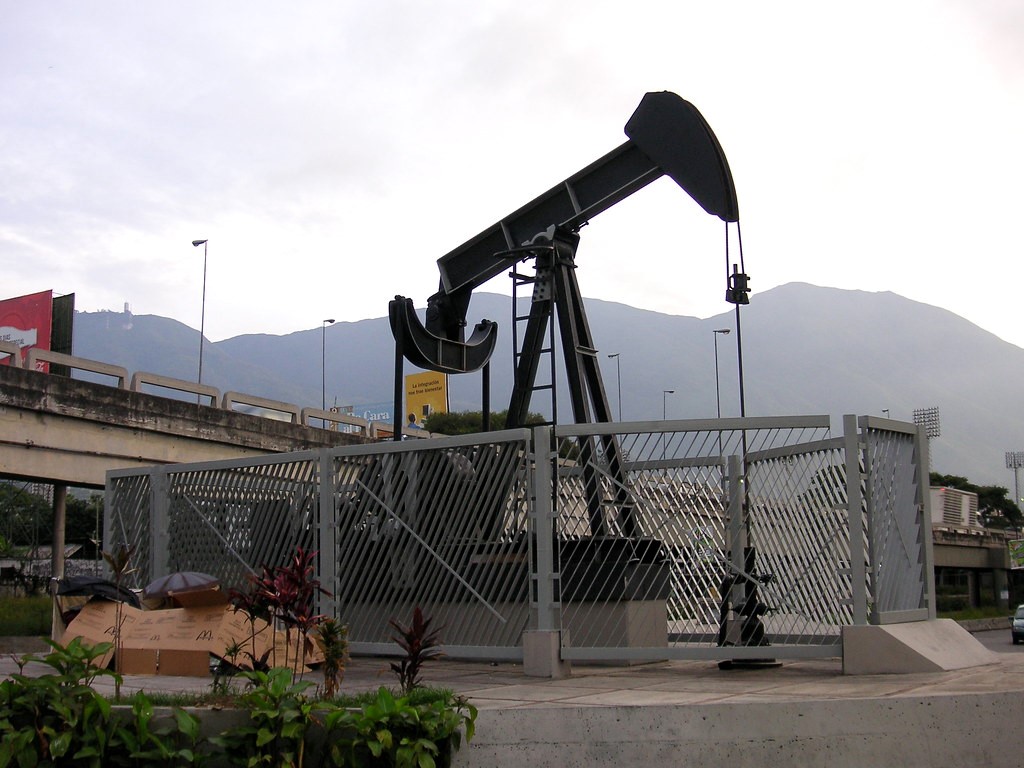
The Fall of Venezuela’s Oil-Based Economy

The Fall of Venezuela’s Oil-Based Economy
Currently, Venezuela is in an economic crisis. According to the International Monetary Fund (IMF), Venezuela’s inflation rate will exceed 10 million percent by the end of 2019. This high inflation has destroyed Venezuela’s economy, causing poverty and unemployment rates to rise. In turn, it has also created mass food and medical supply shortages across the nation. Venezuela was not always in a state of crisis; it was once a thriving country backed by a booming oil-based economy. If one understands the fall of Venezuela’s oil-based economy, they will know how Venezuela’s current crisis came to be.

Fruitful Origins

Back in the 1920s, people found some of the world’s largest deposits of oil in Venezuela. Upon this discovery, Venezuela embarked on the path of a petrostate. As a petrostate, Venezuela’s economy relies almost entirely on oil exports. The government overlooked domestic manufacturing and agriculture, choosing to import basic goods instead of producing them within Venezuela. With strong support for an oil-based economy, Venezuela rode on its economic boom until the end of the worldwide energy crisis of the 1970s.

The 1970s energy crisis involved international oil shortages due to interrupted supplies from the Middle East. In place of the Middle East, Venezuela became one of the top oil suppliers worldwide. Oil prices thus skyrocketed due to limited suppliers and oil production in Venezuela increased to meet rising demand. Venezuela added about $10 billion to its economy during the energy crisis, providing enough wealth to cover the importation of basic goods. It was even able to begin more social welfare programs.

The Fall

Once the energy crisis ended in the early 1980s and oil prices stabilized again, Venezuela’s economy saw its first notable decline. Oil production did not decrease in spite of lowered oil prices and demand, resulting in a capital loss for Venezuela’s economy. The production of oil is an expensive endeavor which requires high capital investment in the hopes of that even higher sales can offset the investment. Therefore, while oil production remained high, Venezuela failed to build off of the investment, losing capital immediately.

This loss of capital marked Venezuela’s oil-based economy’s initial fall, as Venezuela risked its well-being on the unstable oil market. Just prior to the drop in oil prices, Venezuela went into debt from purchasing foreign oil refineries. Without investing in domestic agriculture or manufacturing, the Venezuelan government became economically strapped; it could no longer pay for its imports and programs, and especially not its new refineries.

In order to pay for its expenses, Venezuela had to rely on foreign investors and remaining national bank reserves. Inflation soared as the country drilled itself further into debt. It was not until the early 2000s that oil prices began to rise again and Venezuela could once more become a profitable petrostate — in theory. Under the regime of Hugo Chávez, social welfare programs and suspected embezzlement negated the billions of dollars in revenue from peaked oil exports.

By 2014, when oil prices took another harsh drop worldwide, Venezuela did not reserve enough funds from its brief resurgence of prosperity. Ultimately, the country fell back into a spiral of debt and inflation.

Lasting Effects

The fall of Venezuela’s oil-based economy sent shockwaves throughout its population, affecting poverty and unemployment rates and causing mass food and medical shortages. Estimates determined that in April 2019, Venezuela’s poverty rate reached nearly 90 percent nationwide. A notable factor of its widespread poverty, some suggest that Venezuela’s unemployment rate was 44.3 percent at the start of 2019.

Unemployment is rapidly increasing in Venezuela as both domestic and foreign companies lay off workers — with some companies offering buyouts or pension packages, and others just firing workers without warning. As Venezuela falls further into debt and its inflation rises, there is not enough demand within the country for foreign companies to stay there.

As previously mentioned, the earlier Venezuelan government chose to rely on imports rather than domestic production for its basic goods. Now, in 2019, the country suffers from its past mistakes. Unable to afford its imports, food and medical supply shortages are rampant across Venezuela. According to recent United Nations reports, over a 10th of the nation’s population is suffering from malnourishment. In addition, malaria — which the country virtually eliminated several decades prior — is reappearing as there are more than 400,000 cases nationwide.

A Way Out

While the fall of Venezuela’s oil-based economy may be detrimental to the nation’s overall stability, there is a way out of ruin: the International Monetary Fund, an international agency that exists to financially aid countries in crisis. In the fight against global poverty, the IMF is a vital tool that can prevent countries from reaching an irreparable state.

If Venezuela defaults on its debt and seeks funding from the IMF, Venezuela would be able to invest in domestic agriculture and other infrastructure. Therefore, if the oil industry continues to decline, there will be a fallback for supplies and potential exports. While this is not a panacea to the fall of Venezuela’s oil-based economy, it is a way for the nation to prepare for any future declines in oil prices and begin to work toward prosperity.

– Suzette Shultz
Photo: Flickr

September 15, 2019
https://borgenproject.org/wp-content/uploads/borgen-project-logo.svg 0 0 Kim Thelwell https://borgenproject.org/wp-content/uploads/borgen-project-logo.svg Kim Thelwell2019-09-15 07:30:452019-10-28 11:17:36The Fall of Venezuela’s Oil-Based Economy
Developing Countries, Development, Education, Global Poverty

Why Are Venezuelans Fleeing?

Venezuelans Fleeing
As the beneficiary of the world’s largest oil reserves, Venezuela was once the wealthiest nation in Latin America. However, in 2014, the economy began to collapse. The Bolivar, its currency, has gone into free fall, leaving millions unable to afford even the most basic necessities. According to Bloomberg’s Café con leche index, a cup of coffee today costs the same as 1,800 cups in January 2018. As food and health care become more difficult to come by, many Venezuelans are faced with the decision of struggling to get by or fleeing the country.

Why Flee?

Every day, thousands of Venezuelans leave their country in search of safety and stability, many of them arriving in Colombia. The International Rescue Committee has been supporting families in need in Cúcuta, a border city, since April 2018.

Venezuela is millions in debt while the only commodity that the country relies on is oil. Unfortunately, the value of oil has plummeted. In 2014, the price of oil was about $100 a barrel. Then several countries started to pump too much oil as new drilling technology could dredge up what was previously inaccessible, but businesses globally were not buying more gasoline. Too much oil caused the global price to drop to $26 in 2016. Today the price hovers around $50, which means that Venezuela’s income has been cut in half.

At the same time, Venezuelan President Nicolas Maduro’s hostility towards foreign business has created a corporate exodus. Companies such as United, General Motors and Pepsi have left entirely and unemployment in Venezuela could reach 25 percent this year. To try and keep up, Maduro has raised the minimum wage three times in 2019 in order to provide a little short-term relief to the poor. Currently, the minimum wage is at 18,000 bolivars per month, which is around $6.70 U.S.

How Many Venezuelans Have Left?

According to the U.N., more than three million people have already left Venezuela since the crisis began, and that number is increasing at a rapid rate. Approximately one million people, several lacking official documentation, have gone to neighboring Colombia. However, Peru is the second most popular destination country for Venezuelan refugees, with over 500,000. Ecuador follows, with over 220,000, Argentina with over 130,000, Chile with over 100,000 and Brazil with 85,000 immigrants.

By the end of 2019, the number of Venezuelans fleeing the country should reach 5.3 million. Nearly 300,000 children have fled the homes and lives they once knew, and approximately 10 percent of the country’s total population has already left.

The Way Out

The majority of those fleeing Venezuela do so on foot, and the road begins close to Cúcuta. Many people pay smugglers to use a trocha, which is an illegal border crossing through a river. On the Colombian side of the border has become a huge open-air market for all the things that people cannot get in Venezuela anymore. Vendors advertise medicines and cigarettes, candy and phone minutes for people to call home.

Sadly, some do not make the journey on foot. In Cúcuta, the temperature can hit 90 degrees Fahrenheit. However, on other parts of the route, the road climbs to 10,000 feet above sea level and temperature can drop below freezing. Walking this route takes approximately 32 days. The mountain pass, La Nevera, translates to the Refrigerator. Aid groups and residents have opened their homes and set up shelters along the path. However, the number of Venezuelans fleeing the country has surpassed the number of shelters available along the way, making space for only the lucky few.

The Impact

The emotional wellbeing of children who have fled Venezuela is of high concern. Sometimes traveling alone, boys and girls disrupt their education and are in great danger of falling behind in school and never catching up again. On the contrary, some parents leave their children behind when they leave the country. These children often gain material benefits from their parents’ migration, because sending hard currency to relatives provides greater access to food, medicine and other lacking necessities.

Furthermore, tensions between Venezuelans fleeing the country and citizens of other countries is often high. Colombia has had to reach out to the international community for help in dealing with the influx of migrants. Hospitals and elementary schools in Cúcuta have been overwhelmed, and administrators complain about the central government’s failure to reimburse them for the cost of caring for migrants. The national government has suspended the issuance of temporary visas, and the U.S. Agency for International Development, or USAID, has promised $30 million in assistance.

In Ecuador, anti-immigrant sentiments reached a highpoint when a Venezuelan allegedly stabbed to death his pregnant Ecuadorian girlfriend, Diana Ramirez Reyes, in front of police and scared residents of the city of Ibarra. Since then, President Lenin Moreno decreed a tougher immigration policy that requires incoming Venezuelans to present a document certifying they had a clean criminal record in Venezuela. However, such documents are costly to obtain in Venezuela.

Similarly, Peru and Chileans have developed hesitation toward Venezuelans fleeing the country. People cannot renew work permits in Peru and as of 2018, the country decided to stop issuing them. A recent survey in Chile found that many natives disapprove of the number of immigrants coming in. Seventy-five percent of those responding to the survey thought that the number of immigrants was excessive.

Who is Helping?

Since April 2018, the IRC has been working in Cúcuta supporting Venezuelans and vulnerable Colombians with specialized services for women and children, cash assistance and health care. Aid organizations and families are also working to help immigrants along the route. The Colombian Red Cross has a small aid station on the outskirts of Pamplona, a city in Colombia’s Norte de Santander region.

The U.S. government has also helped by providing about $200 million in humanitarian aid to address the crisis in the region. Most of this money has gone to Colombia as do the majority of Venezuelans fleeing the country.

UNICEF has appealed for $69.5 million to meet the needs of uprooted children from Venezuela and those living in host and transit communities across the LAC region. It is working with national and local governments, host communities and partners to ensure access to safe drinking water, sanitation, protection, education and health services for Venezuelans fleeing the country.

– Grace Arnold
Photo: Flickr


September 8, 2019
https://borgenproject.org/wp-content/uploads/borgen-project-logo.svg 0 0 Kim Thelwell https://borgenproject.org/wp-content/uploads/borgen-project-logo.svg Kim Thelwell2019-09-08 07:30:472024-05-29 23:09:48Why Are Venezuelans Fleeing?
Global Poverty, Hunger

The Poverty Behind Venezuela’s Soaring Crime Rate

Venezuela
What began as an economic recession in Venezuela has quickly escalated into a humanitarian crisis where one must fight to survive. Venezuela is steadily becoming the most violent country in the world. At least 28,479 deaths of a violent nature occurred in 2016, and the nation currently holds a homicide rate of 91.8 for every 100,000 people. The hunger crisis and the fact that 82 percent of its population is living in poverty could be linked with the growing rate of crime and violence in Venezuela.

Conditions Leading Up to the Violence

In 2014, Venezuela was struck by an economic recession caused by the decline in oil prices – Venezuela’s primary export. Its biggest shortfall came with the collapse of Venezuela’s currency when the price of imported goods swelled and the country was forced to limit the number of goods brought in. Staples like toilet paper or rice were often impossible to find, and when one did locate them, such essential products were often too expensive to buy. A shortage in even basic medicines and medical supplies began causing serious concerns.

The Borgen Project was fortunate enough to interview Venezuelan national and Ph.D. student, Maria Alemán. She described the scene, “Picture a supermarket or a grocery store when there is a snow storm in one of the southern states. You go in and everything is empty. There is nothing. That’s how it is there 24/7.” This lack of imported goods has created panic and a hunger crisis in Venezuela. With the widespread panic, Venezuela was faced with having to put strict regulations on many goods available for purchase. “If you get to the store and they are regulating an item, let’s say you want to buy two gallons of milk because you have a big family. Well no, if they are only allowing you to buy a gallon, then that is all you get,” Maria explains.

Lack of Jobs and Resources is Creating Chaos

The collapse of Venezuela’s economy affected the job market. Many businesses’ closed or took their business out of the country, leaving families to struggle with the cost of rising food prices with no source of income or not nearly enough income. “People are starving because the price of food is too expensive, even with a monthly salary,” Maria defends. As conditions grew dire and many were met with the challenge of feeding themselves and their families, crime in Venezuela rose at an epidemic rate. The Venezuelan Observatory on Violence (VOV) reported a 14 percent increase in violent crimes from 2012 to 2013. In 2015, 17,778 people were murdered in Venezuela; however, the VOV revealed that those numbers were as high as 27,875.

Maria recalls a shift in the nature of the crimes as desperation fueled robberies with the threat of violence. “Thieves started to go find knives and guns because there was no other way people were going to go and give them their stuff. People got so upset that they had no choice but to start killing people to actually feel threatened. It’s even worse now because people are having to kill to survive.” With no other resources available, the population turned to violence, either in an effort to attain resources or to protect oneself from others trying to take resources.

If things couldn’t seem any worse, the increase in crime and violence running rampant in the streets of Venezuela was a catalyst for the formation of several crime organizations who have taken to exploiting the hunger of young people to get them to participate in criminal activities, which is only adding to the rising crime rate.

Efforts to Decrease Crime and Violence in Venezuela

While Venezuela has implemented a subsidized food program that benefits 87 percent of Venezuelans, it hasn’t done much to slow the hunger-induced crime sprees. Maria says, “people receive boxes from the government with some food products like rice, flour, etc., but not everyone gets the same products in their boxes. The contents of a single box aren’t enough for a family of four.” Clearly, the government needs to find other solutions than providing a small amount of food per family.

Other attempts to alleviate the situation were raising the minimum wage to 34 times the previous amount and minting a new currency (the “sovereign bolivar”) to replace the “strong bolivar.” Unfortunately, new currency or no, businesses cannot afford to pay the new minimum wage set by the government and are laying off employees or, in the worst case scenario, closing down. There have been attempts by the Union of South American Nations (UNASUR) to act as a mediator between the people and the government amidst the protesting, but no demands have been met. Although the situation is bleak, the hopes for successful negotiation may be the only way to end the crisis in Venezuela.

Although crime and violence in Venezuela have been commonplace in the past, current living conditions in Venezuela have escalated the crime to new heights, creating a harsh reality many are facing in order to survive. Without the basic means of survival such as a livable wage, job security and even access to basic resources, Venezuela will continue to see a steadily climbing crime and murder rate.

– Catherine Wilson

Photo: Flickr

February 1, 2019
https://borgenproject.org/wp-content/uploads/borgen-project-logo.svg 0 0 Kim Thelwell https://borgenproject.org/wp-content/uploads/borgen-project-logo.svg Kim Thelwell2019-02-01 01:30:522019-05-07 14:13:25The Poverty Behind Venezuela’s Soaring Crime Rate
Developing Countries, Global Poverty

Poverty Rate of Venezuela Increases

Poverty Rate of Venezuela
Venezuela, once expected to be one of the richest countries in South America, has been crippled by socialist dictators and now suffers from widespread poverty. In fact, 82% of the population lives in poverty. With the largest oil reserves in the world, Venezuela’s economy has become solely dependent on oil.

Venezuela has relied on high oil prices to bolster their exports and pay for importing basic goods, including food and medicine. However, with the price of oil dropping dramatically in the last few years, Venezuela’s economy has taken a major hit and caused drastic inflation. As inflation skyrocketed and political turmoil brewed, investors and businesses drained out of the country.

Currently, Venezuela leads the world with the highest inflation. In December of 2016, it reached a high of 800% inflation and has not significantly decreased since. According to the LA Times, it cost $150 to buy a dozen eggs in Venezuela in 2016. This hyperinflation has caused Venezuela’s currency, the Bolivar Fuerte, to depreciate. This has caused the poverty rate of Venezuela to jump to more than 80%.


Poverty in Venezuela


The face of poverty in Venezuela is also changing. With such a staggeringly high poverty rate, poverty now affects citizens with degrees who cannot find jobs and more urban people, in addition to the already rural poor.

Long lines at supermarkets have developed as people seek the most basic and necessary means of survival. According to CNBC, Venezuelans are eating two or fewer meals a day and around three-fourths of the population have watched their weight decrease throughout the years.

In 2016, President Nicolas Maduro increased the minimum wage by 40%. With inflation, this means that citizens who receive minimum wage earn just $67 a month. The explosive poverty rate and lack of proper government response have prompted protests, as this issue is now being seen as a clear violation of human rights.

However, opposition leaders Leopoldo Lopez, his wife, Lilian Tintori and Capriles Radonski acknowledge the situation and have been fighting for a better Venezuela. A Venezuela with democratic power, basic goods and luxuries everyone can afford, a Venezuela with jobs for everyone, lower crime rates and better health care.

The high poverty rate in Venezuela has reached the attention of the world. Raising awareness has been part of finding hope for Venezuela. The hashtag #SOSVenezuela has been used over the last few years to protest corruption and has acted as a rallying cry to bring global attention to the people affected by Venezuela’s dire political situation.

– Francis Hurtado

Photo: Google

August 4, 2017
https://borgenproject.org/wp-content/uploads/borgen-project-logo.svg 0 0 Borgen Project https://borgenproject.org/wp-content/uploads/borgen-project-logo.svg Borgen Project2017-08-04 01:30:522024-12-13 17:58:23Poverty Rate of Venezuela Increases
Page 2 of 512345

Get Smarter

  • Global Poverty 101
  • Global Poverty… The Good News
  • Global Poverty & U.S. Jobs
  • Global Poverty and National Security
  • Innovative Solutions to Poverty
  • Global Poverty & Aid FAQ’s
Search Search

Take Action

  • Call Congress
  • Email Congress
  • Donate
  • 30 Ways to Help
  • Volunteer Ops
  • Internships
  • Courses & Certificates
  • The Podcast
Borgen Project

“The Borgen Project is an incredible nonprofit organization that is addressing poverty and hunger and working towards ending them.”

-The Huffington Post

Inside The Borgen Project

  • Contact
  • About
  • Financials
  • President
  • Board of Directors
  • Board of Advisors

International Links

  • UK Email Parliament
  • UK Donate
  • Canada Email Parliament

Get Smarter

  • Global Poverty 101
  • Global Poverty… The Good News
  • Global Poverty & U.S. Jobs
  • Global Poverty and National Security
  • Innovative Solutions to Poverty
  • Global Poverty & Aid FAQ’s

Ways to Help

  • Call Congress
  • Email Congress
  • Donate
  • 30 Ways to Help
  • Volunteer Ops
  • Internships
  • Courses & Certificates
  • The Podcast
Scroll to top Scroll to top Scroll to top