Blackouts: The Issue of Electricity in Venezuela
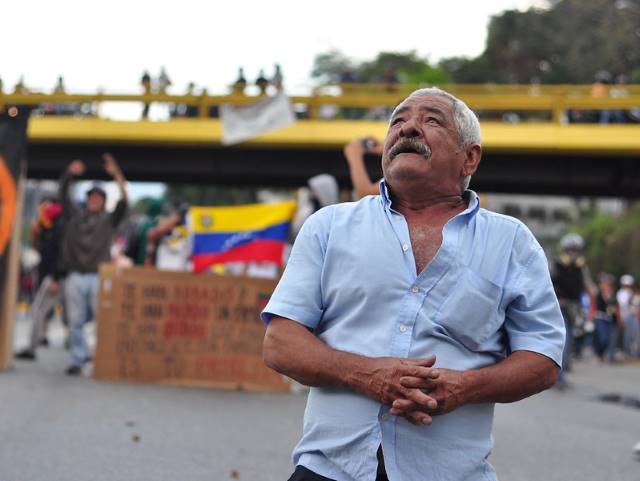 On March 7, 2019, Venezuela entered the worst power outage in the country’s history. Plunging all 23 states into darkness, the blackout lasted over five days in majority of the country. The economic losses triggered by this event exceeded $800 million and led to the deaths of an estimated 46 people. Electricity in Venezuela has since become a huge cause of concern for people.
Blackouts in Venezuela
Regrettably, this blackout was not an isolated incident, although it was the longest. Blackouts have become a routine aspect of Venezuelan life, dating back to as early as 2010. In a country where 96% of the Venezuelan population lives in poverty, these blackouts serve only to exacerbate the struggles of a vulnerable population. They strip people of access to basic necessities like water, food and fuel. Their root causes are often unclear although the key contributing factors are widely agreed-upon.
Understanding the Power System
In 2007, Venezuela’s private power companies were nationalized and transformed into one state-run monopoly known as Corpoelec. The company is underfunded, rife with corruption and unable to recover its own operating costs. The factors creating this untenable situation for Corpoelec date back even further to 2002 when national electricity rates were frozen. In Venezuela, “consumers pay only 20% of the real costs of producing power, delivering Venezuelans the lowest electricity prices in Latin America.” The drawback to these low rates is that energy is extremely overused and that Corpoelec is unable to generate sufficient revenue to fund infrastructure investments or even basic maintenance of its facilities.
Overdependence on Hydropower
The aforementioned problems are exacerbated by Venezuela’s near-complete reliance on hydropower from just one dam. The Guri Dam located in the eastern state of Bolívar accounts for 80% of the country’s electricity production and its systems are woefully neglected. The dam currently operates at a capacity considered unsustainable, “jeopardizing the machine room in the case of a flood,” according to experts. In a region where flooding is common, this is cause for concern.
Whereas other countries that rely heavily on hydroelectric power like Brazil and China have made large investments into other forms of energy, Venezuela’s ability to shift away from hydropower is crippled by underfunding, a lack of engineering power from within the country and corruption.
Corpoelec has stagnated progress as well. The company, “paid millions of dollars in no-bid contracts to political connections,” to maintain its dominance. Projects to build new dams and other forms of electricity production like thermal or wind have routinely been stalled due to a lack of funding and inadequate staffing.
The Cause of the Blackout
The March 7 blackout that heavily circulated the news was caused by a system failure at the Guri Dam. It was initially painted as a terrorist attack by president Nicolás Maduro, who tweeted, “The electrical war announced and directed by the imperialist United States against our people will be defeated.”
The Venezuelan president’s claim was that the U.S. had caused the power outage through a cyberattack on the hydroelectric plant. However, engineers who worked on the dam later clarified that the plant’s electronic monitoring system is not actually connected to the internet, proving a foreign attack to be an unlikely root cause. The plant has been poorly maintained and neglected for a very long time. In actuality, failure to properly manage the electricity grid may have caused a fire has been deemed the likely cause, and unfortunately, there is no quick-response system in place at the facility to protect its systems from damage.
The Future of Electricity in Venezuela
To ensure the return of consistent electricity to the people of Venezuela and protect against future blackouts, massive overhauls would be beneficial. However, such agendas seem unrealistic given the current economic and political climate in the country. Rather, a focus on increased upkeep and basic maintenance of power plants offers a more realistic path forward. This requires access for NGOs to bring in engineers and consistent revenue toward infrastructure repair. Without this basic funding and commitment from the government, the Venezuelan people will continue to suffer through blackouts.
– Scott Mistler-Ferguson
Photo: Flickr
