• Link to X
  • Link to Facebook
  • Link to Instagram
  • Link to TikTok
  • Link to Youtube
  • About
    • About Us
      • President
      • Board of Directors
      • Board of Advisors
      • Financials
      • Our Methodology
      • Success Tracker
      • Contact
  • Act Now
    • 30 Ways to Help
      • Email Congress
      • Call Congress
      • Volunteer
      • Courses & Certificates
      • Be a Donor
    • Internships
      • In-Office Internships
      • Remote Internships
    • Legislation
      • Politics 101
  • The Blog
  • The Podcast
  • Magazine
  • Donate
  • Click to open the search input field Click to open the search input field Search
  • Menu Menu

Tag Archive for: USAID

Information and news about mobile technology

Posts

Global Poverty

USAID: Aiding the Economy in Timor-Leste

Saving Lives and the Economy in Timor-Leste
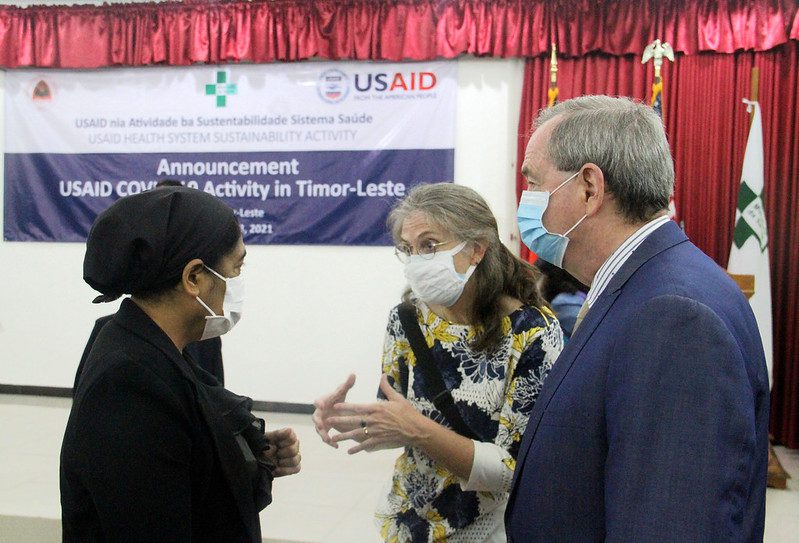
Timor-Leste, a small island nation previously known as East Timor, is inarguably enduring a very difficult and trying year. The combination of devastating floods after Cyclone Seroja in 2021 and the COVID-19 pandemic has left the nation desperately in need of assistance. Due to these disasters, the nation’s economy is currently struggling to find its way back to stability. Fortunately, on September 13, 2021, USAID announced plans to contribute an additional $1 million toward COVID-19 relief in Timor. This generous contribution will aid the goal of saving lives and the economy in Timor-Leste.

COVID-19 in Timor-Leste

Like any other nation, Timor-Leste has felt the inescapable effects of COVID-19. With a population of 1.3 million, the nation has witnessed 19,445 cases and 114 deaths as of September 28, 2021. Despite these numbers, as of September 28, 2021, Timor-Leste’s full vaccination rate stands at only about 20% of the population. This leaves an astounding number of people still unprotected.

The combination of flooding and COVID-19 has been catastrophic for Timor-Leste’s economy. In 2020, the nation’s economy endured a decline of 7%. Lockdowns and other restrictions amid COVID-19 led to significantly lower economic activity. While imports saw a reduction of approximately 19% “due to a slowdown in construction and travel services,” exports suffered even more, essentially declining by almost 50% “owing to limited travel services and lower coffee earnings.”

Because COVID-19 is a significant threat to the economy in Timor-Leste, increasing the country’s overall vaccination rate is crucial. Ending lockdowns and restoring normalcy will allow economic activity to return to pre-pandemic levels. Due to these harsh impacts, COVID-19 relief from organizations such as USAID is necessary for saving lives and the economy in Timor-Leste.

Assistance From USAID

USAID is a U.S. agency with a dedication to providing assistance during times of disaster at an international level. It works to eliminate poverty on a global scale, “strengthen democratic governance and help people emerge from humanitarian crises and progress beyond assistance.”

Along with an existing amount of $1.6 million that USAID allocated for COVID-19 relief in Timor-Leste, USAID is now providing an additional $1 million in support of this cause. The amount of COVID-19 aid to Timor-Leste from the United States now totals $5 million.

This added funding will contribute to the expansion of vaccination programs by employing prominent organizations and “trusted leaders” to encourage Timorese citizens to receive vaccinations. These efforts specifically focus on underserved communities on the outskirts of Dili, the largest city in Timor-Leste.

Partnering with Timorese officials, USAID also intends to instruct healthcare employees within rural and agricultural communities on vaccine protocols such as proper storage and transportation manners. Furthermore, USAID aims for vaccine equity, ensuring equal opportunity for all citizens to receive the vaccine. Additionally, USAID will partner with the Ministry of Health in Timor-Leste to closely monitor COVID-19 statistics in order to determine the safest resolutions for the nation and its citizens in the future.

Moving Forward

With USAID’s generous $1 million to fight the ongoing COVID-19 pandemic, the future looks promising for Timor-Leste and its population despite facing a tumultuous year. Through the support of organizations such as USAID, hope exists for restoring normalcy in Timor-Leste.

Not only are expanded vaccination efforts helping save lives but these efforts are also restoring economic stability in the country. With continued international support, Timor-Leste can successfully rebuild and recover from the impacts of the COVID-19 pandemic.

– River Simpson
Photo: Flickr
October 31, 2021
https://borgenproject.org/wp-content/uploads/borgen-project-logo.svg 0 0 Lynsey Alexander https://borgenproject.org/wp-content/uploads/borgen-project-logo.svg Lynsey Alexander2021-10-31 01:30:422024-05-30 22:25:19USAID: Aiding the Economy in Timor-Leste
Global Poverty

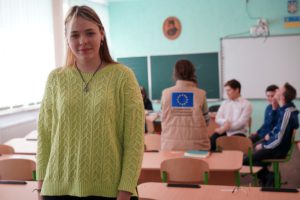
How the DOBRE Initiative Empowers Youth Leaders

Empowers Youth Leaders
In Ukraine, the United States Agency for International Development (USAID) initiative “Decentralization Offering Better Results and Efficiency,” known as the DOBRE initiative, empowers youth leaders to promote change in their communities. The program, which ran from June 2016 through June 2021, succeeded in providing assistance to the Ukrainian government in order to fund decentralized reform and strengthen local communities. 

DIY Youth Forums

Beginning in 2017, the DOBRE initiative worked with partner Global Communities, an international nonprofit, to sponsor annual DIY (Do It Yourself) youth forums. These forums provided young people with knowledge and experience on how to instigate change by revitalizing community assets. They also taught youth how to foster new opportunities for local development. Vasyl Telep is one student who took part in those youth forums. His first project installed new outdoor sports facilities in his local village to increase the opportunities for physical exercise. He presented and received support for his initiative from the government. Next, with his first success in his pocket, Telep registered his own non-governmental organization (NGO) and raised funds for the purchase of medical equipment for a local laboratory. 

The DOBRE initiative allowed Telep and other youth to transform their ideas into realities. That is because the DOBRE initiative’s overarching mission was to provide international donor assistance to the Ukrainian government so that the government could fund decentralization reforms and aid the development of local communities. 

Youth Festivals Deter Alcohol Consumption

The partners of the USAID DOBRE initiative also assisted local youth councils in organizing festivals for the youth of their community. For instance, the Starosaltivka Youth Council had partnered with the Kharkiv government to organize the “Jeans-Party” festival for more than 150 young people. The festival’s goals included keeping young adults off the streets. Also, the festival discouraged alcohol use. This goal was particularly pertinent because Ukraine has ranked in the top 20 countries for average annual alcohol consumption per person. Further, alcohol consumption in Ukraine has been especially severe among its youth.

The consumption of alcohol among Ukrainian youth has led to many young people losing their academic ambitions. Also, it has led to youth failing to pursue jobs that could contribute to the economic development of their local communities and Ukraine as a whole. On a positive note, Ukraine’s youth unemployment in 2019 was 15.53% which represents a 2.5% decline from the previous year. In fact, the youth unemployment rate declined each year of the DOBRE initiative from 2017 to 2019. One may be able to attribute this decline to the DOBRE initiative and the Ukrainian government’s efforts to engage youth with their communities and to incentivize youth employment.

Prospects Beyond Youth Forums and Festivals

Beyond volunteering in youth forums and festivals, the DOBRE initiative empowers youth leaders by preparing them for longer-term career opportunities with the government. After completing his work with his NGO, Telep was able to join the economic department of Baikovetska and he graduated to larger-impact projects. In 2018, he began working as a member of his local economic development working group to create a real estate database and raise awareness to the community about state subsidies and taxation. These efforts strove to help local entrepreneurs promote their products and services and access new markets. This underlines how the USAID initiative helped the youth unlock new opportunities and enabled them to increase their responsibility in the community if they chose to do so.

The USAID DOBRA initiative empowers youth leaders to change their communities for the better. In addition, USAID’s investment helped the Ukrainian government support various projects to enhance community assets and create meaningful employment.

– Max Sidorovitch
Photo: Flickr

October 25, 2021
https://borgenproject.org/wp-content/uploads/borgen-project-logo.svg 0 0 Lynsey Alexander https://borgenproject.org/wp-content/uploads/borgen-project-logo.svg Lynsey Alexander2021-10-25 01:30:222024-05-30 22:25:17How the DOBRE Initiative Empowers Youth Leaders
Food Security, Global Poverty, Hunger

Food Insecurity in Niger

Food Insecurity in Niger
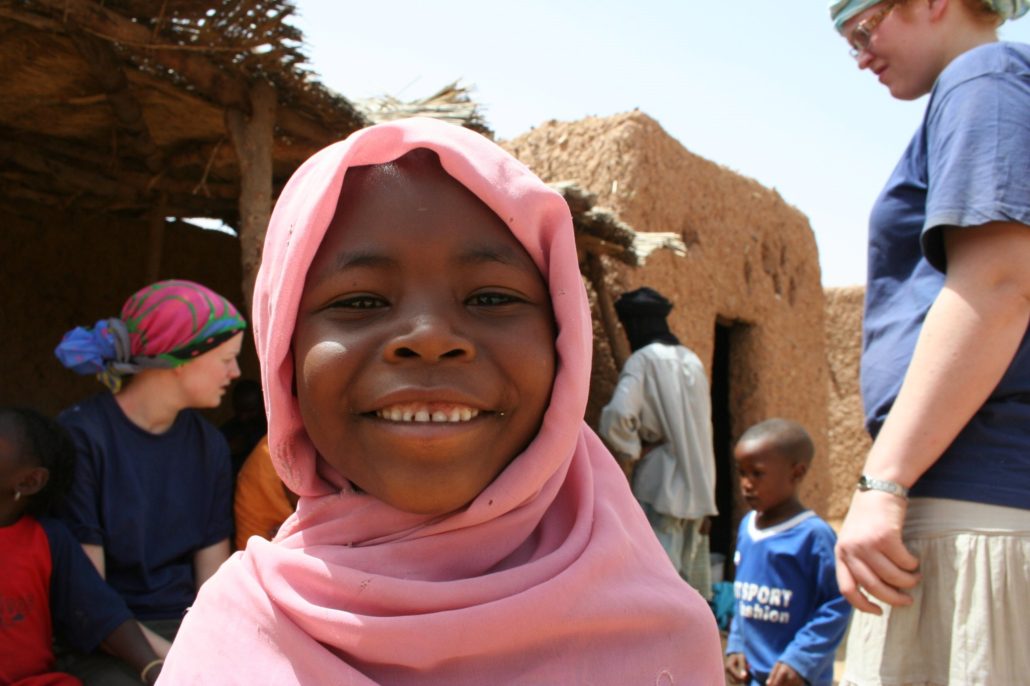
Niger is a landlocked country in Western Africa. Approximately 75% of Niger’s land is the Sahara Desert, with 81% of the population relying on agriculture for food. According to World Bank data, 42.9% of the 24 million Nigerians live in extreme poverty. Hunger in Niger is a significant issue, with the Global Hunger Index ranking Niger as the 17th hungriest country in the world. Here is some information about food insecurity in Niger and what some are doing to reduce it.

Overpopulation

Currently, more than 25 million people live in Niger and almost 50% of the population is under the age of 15. Niger is one of the fastest-growing populations with a growth rate of close to 4% annually, but its ability to produce food for the growing population has not been successful. The United Nations World Food Program has estimated that food insecurity in 2019 affected more than 1.4 million Nigeriens. Many must face the adverse effects of hunger due to the continuously growing population and scarcity of food. The growing population exhausts hunger program initiatives and creates a challenge to feed communities. The high population also contributes tension to the already strained natural food resources.

Agriculture

Agriculture serves as one of the top food sources for people across the world. As for Niger, depending on agriculture poses a big problem. The land already suffers from degradation, deforestation and desertification, with low fertility and heavy pests, making it hard to produce food.

The land deals with fluctuations in precipitation and environmental changes, which make the production of crops limited. Droughts and floods are also likely and increase the risk of dying crops. Although that is the case, much of farmland still depends on rain to feed crops because of the lack of infrastructure to retain water and irrigation.

Malnutrition

One of the direct results of food insecurity is malnutrition. Malnutrition develops when the body does not receive proper nutrients. This could be a result of poor diets, lack of food or even inconsistent food intake. Proper nutrients are necessary in order to maintain a healthy immune system, growth and development. Since Niger lacks the proper food resources, malnutrition continues to endanger the lives of children.

Child Marriage

Another direct effect of food insecurity is an increase in child marriage. Hunger forces some families to resort to desperate measures such as child marriage. Payments such as dowries have been helpful during hunger-stricken moments. Child marriage is a common practice among Niger natives. Around the age of 16 young girls usually have to choose between school or marriage. Approximately 75% of young girls marry before the age of 18.

Data from a 2018 study for the International Center for Research on Women shows that women who marry at an early age have high levels of food insecurity. Additionally, those women end up forfeiting their education. Consequently, once married early, their educational growth becomes stunted. The act of child marriage has increasingly contributed to the low literacy rate among Niger women, resulting in an indirect effect of food insecurity in Niger. An analysis has also linked child marriage with early childbearing. Early childbearing may lead to more children, and as a result, reduce the amount of money in the household.

USAID

USAID is offering programs that bring more job opportunities, food security and stability to the people of Niger. Along with those programs, USAID is working to provide additional support such as access to credit, economic opportunities, better natural resources, soil management and more farming production.

In 2019, USAID funded a project that provided improvement, sustainability and nutrition to families in need. Along with those provisions, the organization also focused on developing agricultural entrepreneurship for youth in the Zinder area of Niger. USAID taught youth about compost production, pest management, marketing gardening and fruit tree nurseries.

The KfW Development Bank

The KfW Development Bank helps finance projects around the world to fight poverty. KFW has fought poverty and protected the environment for over 50 years.

KfW launched a project on Mar. 8, 2021 to expand small-scale irrigation infrastructure. This project is serving as phase two of two. Phase two should run until 2025 and provide farmers with successful harvests and sustainability. Water availability and food production should increase substantially.

Despite the prevalence of food insecurity in Niger, organizations like USAID and the KfW Development Bank are making a difference. Through continued efforts, hunger should reduce improving the lives of Niger’s citizens.

– Destiny Jackson
Photo: Flickr

October 22, 2021
https://borgenproject.org/wp-content/uploads/borgen-project-logo.svg 0 0 Lynsey Alexander https://borgenproject.org/wp-content/uploads/borgen-project-logo.svg Lynsey Alexander2021-10-22 07:30:412024-05-30 22:25:18Food Insecurity in Niger
COVID-19, Education, Global Poverty

Global Citizen’s Recovery Plan


On Sept. 25, artists, world leaders and celebrities came together for Global Citizen Live, a 24-hour concert event to bring the world together to end poverty. Participants showed support for Global Citizen’s Recovery Plan for the World. That plan has five goals: ending the hunger crisis, creating equity for all, ending COVID-19, protecting the earth and resuming learning for everyone.

What is Global Citizen?

Global Citizen is an organization with the goal of ending extreme poverty by 2030. It plans to do this with the help of 100 million “Global Citizens,” who join the movement. On the Global Citizen platform, engaged citizens can learn about and take action against the systemic causes of extreme poverty. Not only that, but those who participate in the fight against poverty can earn rewards for their efforts including attending music performances and sporting events.

Recovery Plan for the World’s Five Goals

Here are Global Citizen’s plans for achieving each of the Recovery Plan of the World goals:

  • Ending the hunger crisis – In order to end the hunger crisis, Global Citizen suggests funding school meal programs to ensure every child has food. It also urges the support of small farmers that the pandemic negatively impacted. Finally, it proposes to commit to food and nutrition programs.
  • Equity for all – The pandemic has most affected the poor, people of color and women. Global Citizen believes that supporting human rights efforts and creating a people-focused justice system will bolster equity. 
  • Ending COVID-19 – Global Citizen believes that the world will not eradicate COVID-19 until everyone across the world has access to vaccines, testing and treatment. The organization has proposed that wealthy countries donate extra vaccines to poorer countries. In addition, it has advocated for increased funding for ACT-A and COVAX.
  • Protecting the planet – Global Citizen recommends supporting carbon neutrality for people living in communities suffering from extreme poverty.  Moreover, it advocates greater climate financing to reduce carbon emissions.
  • Resuming learning everywhere – Globally, COVID-19 has affected around 1.5 billion children; one-third of those children have been unable to access remote learning. For that reason, Global Citizen’s Recovery Plan for the World urges providing technology resources for access and increasing funding for education.

Global Citizen Live

The 24-hour concert event occurred on six of the seven continents, excluding Antarctica. The cities with live performances and celebrity appearances included Paris, Rio De Janeiro, Sydney, Los Angeles, Mumbai, Lagos and Seoul. More than 60 artists performed including Billie Eilish, Green Day, 5 Seconds of Summer, Jennifer Lopez, Ed Sheeran, the Black Eyed Peas, Alessia Cara and Lizzo. Elton John kicked off the event by performing in front of the Eiffel Tower. Royals Prince Harry and Meghan Markle took to the stage in New York City’s Central Park to say that vaccines against COVID-19 should be treated as a basic human right.

Samantha Power, the administrator of the United States Agency for International Development (USAID), pre-recorded a message announcing that the United State was donating $295 million “to stave off famine and extreme hunger, confront gender-based violence and address the urgent humanitarian needs the COVID-19 pandemic is leaving in its wake.” French President Emmanuel Macron announced that France would double its contribution of COVID-19 vaccines to impoverished countries from 60 million to 120 million shots.

Impact

Global Citizen Live is one of the largest-ever worldwide charity events, and yet, the goal was not to raise money. Unlike many similar events, the goal was to get the attention of world leaders and show that people support direct action for the Global Citizen’s Recovery Plan for the World issues. In fact, the concert was completely free. For instance, the 60,000 people in attendance at Central Park had to earn their audience spots by doing things such as contacting their members of Congress, signing petitions and sending tweets.

Global Citizen Live 2021 brought millions of people across the world together with one purpose: grabbing the attention of world leaders. By succeeding with that goal, it raised money and secured pledges for vaccine distribution. Global Citizen Live 2021 successfully launched Global Citizen’s Recovery Plan for the World.

– Trystin Baker
Photo: Flickr

October 19, 2021
https://borgenproject.org/wp-content/uploads/borgen-project-logo.svg 0 0 Lynsey Alexander https://borgenproject.org/wp-content/uploads/borgen-project-logo.svg Lynsey Alexander2021-10-19 01:30:312021-10-15 15:00:41Global Citizen’s Recovery Plan
Education, Global Poverty

Tech-oriented Education in Indonesia

Youth Empowerment in Indonesia
The information technology (IT) and mobile technology sectors in Indonesia have flourished in the last few years, and the country is poised to dominate those fields in the Asia-Pacific (APAC) region. In order to meet the growing demands of such booming sectors, tech-oriented education in Indonesia has become a prominent national goal.

Education and Technology

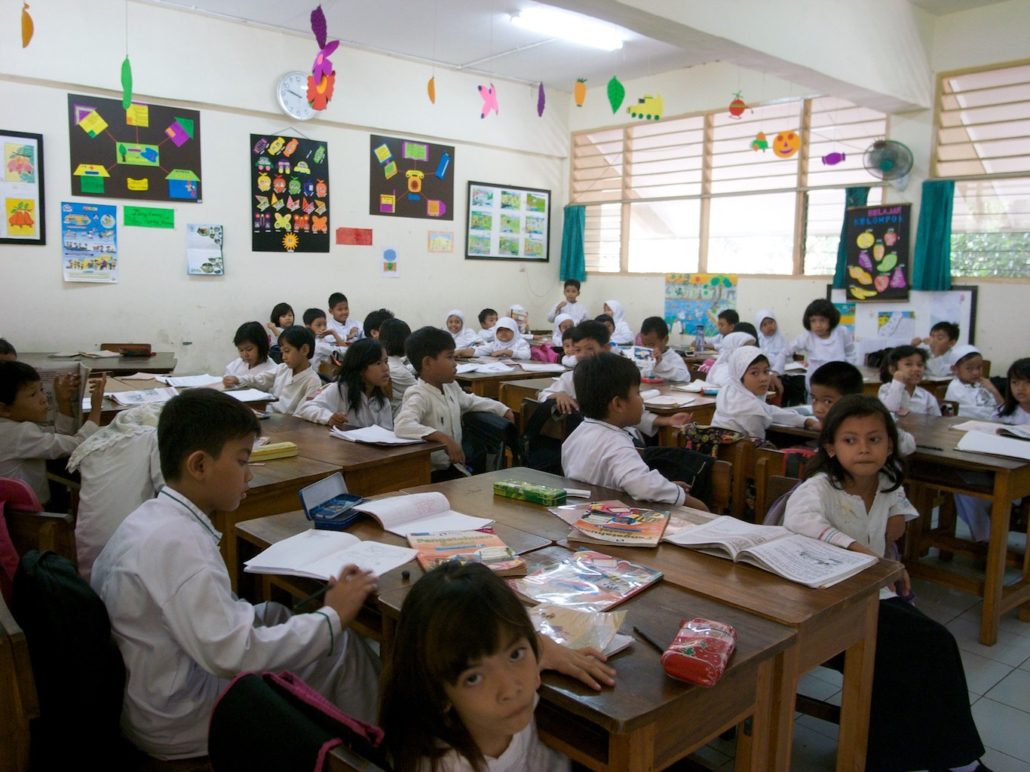
Throughout the past 20 years, Indonesia has made great strides toward increasing the quality and accessibility of education. Although Indonesia still has one of the lowest national education expenditures per GDP in the APAC region, the increased spending since 2005 has had positive impacts on Indonesian students. Schools’ capacity and reach have grown, and education has become more and more available to youth in rural communities through educational outreach and education technology.

In fact, a 2018 Cambridge Assessment of International Education found that Indonesian students are some of the most technologically engaged in the world. As education and mobile technology became more accessible, young Indonesians sought both. The surveying that the Cambridge Assessment completed found that around 40% of students were in computer science courses, which would help prepare them to enter the professional world of technology.

US Assistance

The U.S. Agency for International Development (USAID) has worked to help prepare Indonesian students for employment in various fields. With regards to technology, USAID recognizes the growing IT sector in Indonesia and the potential for student success in related positions. Therefore, USAID created a plan called Accelerating Work Achievement and Readiness for Employment 3 (AWARE3) in which 25 vocational schools in Jakarta are able to maintain partnerships with local businesses and corporations.

Within these partnerships, there are opportunities for students to engage with current business structures and potential employers through work readiness training, internships and more. The partnered businesses also assist the schools with maintaining an up-to-date curriculum that will best prepare students to enter the professional world with regard to the specific industry or vocation.

USAID and the Indonesian Ministry of Education and Culture have goals for AWARE3 to meet by mid-2022. They hope to equip 250 or more teachers in Jakarta with resources to provide work readiness training for their students, and they aim for this training to reach areas all across Indonesia through distance-learning methods. The goal is to reach 4,500 students with the work-readiness curriculum via a remote learning platform. USAID has updated these goals based on the COVID-19 pandemic but hopes exist that the remote nature of these educational opportunities will limit the negative impacts of the pandemic.

Use of EdTech in Tech-Oriented Education in Indonesia

Indonesia’s Ministry of Education and Culture has worked with global organizations and foreign governments to implement several strategies and initiatives to broaden the reach and efficiency of its public education system. One of the most significant ways in which it has made education more accessible in Indonesia is through the use of education technology (EdTech). The World Bank, with help and funding from the Australian government, started the Improving Dimensions of Teaching, Education Management, and Learning Environment (ID-TEMAN) program in 2016.

This program works to analyze educational information from the Ministry of Education and Culture and push Indonesia to reach its full educational potential. The ID-TEMAN program is all about effectively using and appropriating the country’s resources, which are becoming abundantly technological. Indonesia is still working to provide more internet and mobile coverage across rural areas, which would expand educational opportunities through EdTech.

Bright Futures for Indonesian Students

As the world has seen in the past decades, and especially with the COVID-19 pandemic, everything is becoming increasingly efficient through the use of technology. This includes tech-oriented education in Indonesia, with more accessible remote learning in rural areas and initiatives to better prepare students for potential employment opportunities. Technology is the new way of the world, and Indonesian students are gearing up to successfully enter the workforce.

– Hayley Welch
Photo: Flickr

October 9, 2021
https://borgenproject.org/wp-content/uploads/borgen-project-logo.svg 0 0 Lynsey Alexander https://borgenproject.org/wp-content/uploads/borgen-project-logo.svg Lynsey Alexander2021-10-09 07:30:122024-05-30 22:25:06Tech-oriented Education in Indonesia
COVID-19, Global Poverty

USAID Programs in Bosnia and Herzegovina

USAID Programs in Bosnia and Herzegovina
After the conclusion of the Bosnian War of 1992-1995, USAID has been instrumental in charting a path forward for positive economic development in Bosnia and Herzegovina. In fact, since 1996, USAID has helped provide more than $1.7 billion in assistance to foster democratic, social and economic growth. This has significantly improved the standard of living of Bosnian citizens over the past two decades. USAID programs in Bosnia and Herzegovina have been especially noteworthy in their outcomes of significantly reducing poverty.

For instance, USAID’s initial business development loan program aided private businesses in restarting operations and increasing job opportunities for citizens. It helped massively decrease the country’s unemployment rate from 50% in 1996 to 29.3% in 1998. USAID’s 1,600 projects in the country over the past two decades have been crucial in minimizing poverty as well as improving the health and education infrastructure of Bosnia and Herzegovina.

Previous Major Programs

In just three years prior to the outbreak of the COVID-19 pandemic, there were multiple USAID programs in Bosnia and Herzegovina targeting job creation and community investment. There were two notable programs, which began in 2017, that proved key in addressing the aforementioned goals.

The first project, USAID’s Workforce and Higher Access to Markets (WHAM) Activity, underwent implementation in June 2017 and sought to further integrate Bosnia and Herzegovina into E.U. and regional trade markets. The results were notable for jobs with the creation of nearly 2,000 new jobs, allowing for “female participation [at] 31 percent and youth participation [at] 56 percent.”

The second program that USAID launched, called the Diaspora Invest project, began in April 2017. It proved instrumental to investment in Bosnia’s diaspora communities to tackle poverty and enable socioeconomic development. The outcome of the project is evident; as of February 2020, the project has supported 86 diaspora companies, created nearly 300 jobs and has produced around $9.5 million in new investments.

COVID-19 Initiatives

Since the outset of the COVID-19 pandemic, USAID has significantly stepped up its initiatives in Bosnia to address multiple aspects of poverty that have worsened as a consequence of the pandemic. One of the most crucial policies USAID conducted in April 2021 was to coordinate with UNICEF. The coordination provided $4.8 million in additional funding for pandemic relief for the country. Bosnia and Herzegovina plan to use the relief over the next two years. Beyond COVID-19 relief policies, USAID has additionally established two significant programs in the country as part of COVID-19 recovery and poverty reduction in the long term.

  1. The Sustainable Tourism Development Project: The first program established is called the Sustainable Tourism Development Project. USAID launched this five-year, $20 million project in January 2021 to substantially improve the country’s tourism industry through three main facets: strengthening the quality of tourism services, expanding access to finance for businesses connected to tourism and opening the country to broader international tourism markets. The program will look to have a notable simultaneous effect on reducing poverty in the nation as it expects to create more than 3,000 jobs associated with tourism and inject over $40 million in private investment. This will improve the standard of living of communities within numerous tourist hotspots.
  2. The CARE-GBV Program: Another notable USAID program in Bosnia and Herzegovina that underwent implementation as recently as the beginning of August 2021 to tackle a sporadically spoken aspect of poverty. As part of its $500,000 grant to multiple countries, the Collective Action to Reduce Gender-Based Violence (CARE-GBV) Small Grants Program is contributing significantly to Bosnia and Herzegovina. This is a part of its mission to address gender-based violence, a phenomenon that is increasingly characteristic of low-income family households in the country. By giving grants to the local organization Žene sa Une (ZSU), USAID aims to establish a Staff Wellness and Resiliency-Building Program which will cover a planned 30%-40% increase in aid for household safety services as part of domestic violence prevention. In addition, the program will also accommodate the increased support necessary for its childcare center.

As efforts continue to address issues in Bosnia and Herzegovina, USAID programs in Bosnia and Herzegovina will work to tackle different dimensions of poverty in multiple ways throughout the region.

– Gabriel Sylvan
Photo: Flickr

October 7, 2021
https://borgenproject.org/wp-content/uploads/borgen-project-logo.svg 0 0 Lynsey Alexander https://borgenproject.org/wp-content/uploads/borgen-project-logo.svg Lynsey Alexander2021-10-07 01:30:502024-05-30 22:25:05USAID Programs in Bosnia and Herzegovina
Economy, Global Poverty

USAID’s Intervention in Sierra Leone

USAID’s Intervention in Sierra Leone
Sierra Leone’s decade-long civil war (1991-2002) commenced a humanitarian crisis that severed its relationship with the international community. The conflict decimated the country’s infrastructure, stinted its agricultural economy and killed over 50,000 citizens. At its end, the war left a legacy of destruction and bequeathed to its predominantly young citizens a highly underdeveloped economy with no strategy for reconstruction. As a result, for the last century, Sierra Leone has desperately needed economic aid for reconstruction to repair its infrastructure and stimulate economic productivity. In response, USAID has worked alongside Sierra Leone’s administration, granting foreign aid to help with development and poverty alleviation. Following USAID’s intervention in Sierra Leone, the country evolved and is slowly incorporating itself back into the international community. 

Infrastructural Development

Infrastructural development fosters steady trade and higher profits and enhances the economy. Consequently, it increases wages and results in a higher quality of life for people.

In recent years, the relationship between infrastructural development and poverty alleviation has become noticeable in Sierra Leone. In 2015, the United States Government’s Millennium Challenge Corporation gave the underdeveloped country $44.4 million to rebuild infrastructure, homes and highways. As a result, Sierra Leone has made significant strides, creating a network of highways as well as the Freetown Port, which could increase boat traffic by 30%. In 2021, the United States International Development Finance Corporation (DFC) also pledged to give $217 million for a new power plant in Freetown, “providing power generation to meet approximately 24 percent of projected electricity.”

With the help of foreign aid, Sierra Leone also published the “New Direction” manifesto, an infrastructure plan that will connect valuable mining belts through a series of roads and construct a new railway line through its provinces. Infrastructural development has also let Sierra Leone adopt humanitarian initiatives, evident in its establishment of the Ministry of Water Resources in 2013. Although the project has a pending deadline, it promises to provide 21,000 m3 of portable water, which will serve 420,000 citizens located in the East of Freetown communities.

Such initiatives will allow for trade efficiency and economic independence, which will augment Sierra Leone’s economy, alleviate poverty and let the government provide for its citizens. USAID’s intervention in Sierra Leone has resulted in infrastructural reconstruction initiatives, which will continue to fuel economic and social uplift.

Economic Productivity

To further assist economic growth, the United States invested $12 million for development in Sierra Leone’s agricultural sector, which accounts for 60% of the country’s GDP. These funds will let Sierra Leone buy the technology and equipment it needs to expand its agricultural sector onto previously uncultivated lands, which make up 75% of the country. Such an expansion would decrease the percentage (80%) of foodstuffs it imports from other countries and allow for further economic self-reliance. A thriving agrarian sector would also derive higher profits and provide the funds for higher quality fisheries, improved mining techniques and other large-scale business enterprises.

Overall, these economic developments, which USAID’s intervention in Sierra Leone spurred on, have positively affected its economy, which has increased 5.1% to a GDP of $4.2 billion. In 2016, labor employment grew to 2.472 million, contrasting the 1.985 million employed in 2004. Recently, only 4.47% of the total labor force did not have employment. These numbers hold a bright future for Sierra Leone’s economic productivity and, as such, promise to eradicate the poverty that has long plagued its borders.

Medical Institutions and Aid

USAID’s intervention in Sierra Leone has also involved disease relief by aiding the country’s medical sector. In 2014, an Ebola outbreak contaminated 14,124 Sierra Leoneans, killing 3,956 people. In response, USAID established the Pillar II activities and investments, where U.S. organizations and partners gave $2.4 billion to Sierra Leone’s government, and West African countries, to contain the fatal disease. Significantly, 60% of these funds went into Sierra Leone’s medical sector, effectively strengthening the country’s healthcare system and putting an end to the spread of Ebola. USAID continues to support Sierra Leone’s medical field, beginning the Strengthening Post-Ebola Health Governance (SHG) program in 2017, which gives healthcare services and establishes Village Development Committees (VDCs) to oversee health services throughout the country.

By helping improve Sierra Leone’s health services, USAID not only saves lives and neutralizes viral diseases but also contains them before they infiltrate the international community. USAID’s intervention in Sierra Leone has let the country prosper and move away from its dark past. Sierra Leone’s civil war ravaged its infrastructure and economy, while Ebola exposed the weakness of its medical sector. However, organizations such as USAID have significantly impacted reconstruction, thereby promising a brighter future for countries that have been long underdeveloped.

Although USAID’s intervention in Sierra Leone has proved beneficial, more progress is necessary. Funding from countries and organizations will be beneficial for Sierra Leone so that it can prosper well into the future.

– Jacob Crosley
Photo: Flickr

October 5, 2021
https://borgenproject.org/wp-content/uploads/borgen-project-logo.svg 0 0 Lynsey Alexander https://borgenproject.org/wp-content/uploads/borgen-project-logo.svg Lynsey Alexander2021-10-05 11:19:162024-05-30 22:25:18USAID’s Intervention in Sierra Leone
Food Security, Global Poverty

Efforts to Provide Relief After Floods in Timor-Leste

Floods in Timor-Leste
Between April 29 and March 4, 2021, extreme weather struck the nation of Timor-Leste. Cyclone Seroja created “strong winds and heavy rain,” according to the Associated Press. The U.N. explained that heavy rain, in turn, led to landslides and flash floods during the cyclone. The challenging weather struck Timor Leste’s capital city, Dili, particularly hard. In fact, around 8,000 Timorese people had to move to temporary shelters and 34 people died due to the floods in Timor-Leste.

Since April 2021, the floods in Timor-Leste have received little coverage from Western news sources and the work of rebuilding and providing resources is ongoing. In fact, the country’s government requested more “support to address residual humanitarian needs” in June 2021.

The Current Situation

A U.N. report, dated July 16, 2021, has provided details about which areas still require attention. These include the evacuation centers, which are still housing 730 people, as well as food and water accessibility. As part of its section on “Gender & Protection,” the report stressed the necessity for well-lit bathrooms with lockable doors for both men and women at the evacuation centers. Additionally, the report noted that those living in evacuation centers will need access to materials so that they can fix their damaged homes or build new ones. 

More broadly, clean water and COVID-19 are major concerns. Initiatives to restore the country’s piped water supply system is on their way in order to deliver water to the capital and other areas. Meanwhile, COVID-19 cases have risen, and the country lacks supplies and equipment to deal with the pandemic effectively. Cyclone Seroja resulted in the flooding of Timor Leste’s national medical storage facility, leading to the destruction of medical supplies.

The report from the U.N. shows that there is a demand for information as well. In its section on “Education,” the report noted that “[d]etailed information on damages and losses in schools not yet available.” The report listed the problem in regard to its “Water, Sanitation, and Hygiene” section as well.

USAID Food Assistance

Shortly after the floods in Timor-Leste, The New Humanitarian reported that “food affordability [was] emerging as [a] growing [worry]” due to the impact of the floods on crops. In fact, the cost of rice increased by more than 20% in one year. The U.N. has suggested that Timor-Leste implement a referral system to resolve malnutrition. 

On July 8, 2021, USAID announced that it would give Timor-Leste an additional $900,000 in assistance after having given $100,000 in the aftermath of Cyclone Seroja. On July 9, 2021, Kevin Blackstone, the U.S. ambassador to Timor-Leste mentioned that the U.S. aimed to impact “farmers in remote areas” by providing “cash or vouchers to buy seeds,” as well as necessary farming tools.

Further Assistance

USAID’s contribution is only the tip of the iceberg. The U.N’.s report lists many other actions that governments and organizations have taken to aid the Timorese government. Among other measures, the Timorese government has given out 36,600 water purification tablets. Additionally, UNICEF gave supplies to a Tasi Tolu community so that education for children could continue and the UNDP began a cash-for-work program, offering jobs to those who need them. Finally, various organizations have worked to provide education about gender-based violence.

The New Humanitarian’s coverage in April 2021 highlighted the actions of local volunteer groups in Timor-Leste. One woman named Berta Antonieta Tilman Pereira worked on fundraising so that she could start community kitchens for evacuees in the aftermath of the floods. Pereira stated that “the community themselves needs to be organized” because “the system that we’re…supposed to trust and rely on…is totally slow and not responding.” The New Humanitarian pointed out that the Timorese government did not request help from international bodies until April 8, 2021, which was four days after the disaster.

Three months after Cyclone Seroja, much still needs to occur in regard to dealing with the effects of floods in Timor-Leste. According to the U.N., 26,186 “affected families…have received emergency support,” and “[t]he majority of the temporarily displaced have returned home.” However, organizations are also carrying out a great deal of work in the hopes of long-lasting recovery.

– Victoria Albert
Photo: Flickr

October 1, 2021
https://borgenproject.org/wp-content/uploads/borgen-project-logo.svg 0 0 Kim Thelwell https://borgenproject.org/wp-content/uploads/borgen-project-logo.svg Kim Thelwell2021-10-01 07:30:542024-05-30 22:24:58Efforts to Provide Relief After Floods in Timor-Leste
Global Poverty

Impact of Poverty on Jacobabad’s Heatwave

Impact of Poverty on Coping with Jacobabad’s Heatwave
The city of Jacobabad in Pakistan is currently experiencing a heatwave that is “hotter than the human body can handle,” per Ben Farmer in The Telegraph on June 28, 2021. The temperatures can reach up to 52 degrees Celsius, or nearly 130 degrees Fahrenheit. When measured using “wet bulb” techniques, which measure not just heat but humidity, Jacobabad is one of only two places in the world that has crossed a point where humans cannot sweat enough to cool themselves down. Put another way, Jacobabad’s heatwave is something that the human body literally cannot withstand.

Many residents of the city cannot afford air conditioning, and some must venture outside, despite the dangers, because their jobs demand it. Even those who can afford air conditioning are in danger due to frequent power cuts. This means that the impact of poverty on coping with Jacobabad’s heatwave can be life-threatening; the hospitals in the city can fill up with heat-stroke victims during the summer. “People are aware that the heat is getting up and up, but they are poor people. They can’t go anywhere, they can’t leave their places,” Zahid Hussain, a market trader, stated.

New Ways of Keeping Cool

Because of how expensive energy is for many residents, people are finding new ways of keeping cool. For example, roadside stalls sell ice in “10p chunks.” The chunks have been mass-produced in factories across Pakistan; for years as the heat in Jacobabad has continued to rise, so too does the need to escape it. Many markets also sell hand fans, which are far cheaper to produce and buy compared to electric fans.

Hospitals and Energy Access – Solutions

USAID has been active in the city for years, building the Jacobabad Institute of Medical Sciences (JIMS) to provide better medical care. Due to a large number of heatstroke victims, new hospital beds serve as essential assets to the city. The USAID effort also seeks to update infrastructure, building and repairing many health care facilities.

Many organizations are working to combat energy poverty. For example, Sustainable Energy for All (SEForAll) is an organization that works with the United Nations, as well as private companies, to spread energy access to poorer countries. Initiatives address the impact of increasing heat and its possible deadly effects, with SEForAll publishing a story on the Pakistani city of Karachi, which faced similar problems to Jacobabad earlier in 2021. Jacobabad’s heatwave was not a specific focus of the organization; however, by campaigning and advocating for causes similar to it, and trying to bring energy access to cities like it, SEForAll is improving the possibility that Jacobabad’s problems may receive attention.

A New Focus

At the same time, Ben Farmer, when contacted, said there was, to his knowledge, no NGO activity in the city specifically to combat the impact of poverty on coping with Jacobabad’s heatwave. Despite the ingenuity shown by the city’s residents in keeping cool, the problem would still be able to greatly reduce due to foreign aid.

The lack of meaningful aid suggests an unnecessary vacuum in Jacobabad that organizations can fill. While NGO efforts are meaningful, it is key to note that the city’s efforts prioritize citizens and their health. As Jacobabad faces its heat-related challenges head-on, efforts to help must prioritize the people to build on current work toward a safer future.

– Augustus Bambridge-Sutton
Photo: Flickr

September 15, 2021
https://borgenproject.org/wp-content/uploads/borgen-project-logo.svg 0 0 Jennifer Philipp https://borgenproject.org/wp-content/uploads/borgen-project-logo.svg Jennifer Philipp2021-09-15 19:54:422024-05-30 22:25:09Impact of Poverty on Jacobabad’s Heatwave
Global Poverty, USAID, Women's Rights

How USAID is Improving Women’s Rights in Tanzania

improving women's rightsTanzania has struggled to effectively develop in the realm of women’s rights. Women and girls struggle with sexual harassment in schools, discrimination, violence and an everyday battle to have the same opportunities as men do. In Tanzania, 60% of women live in extreme poverty. This disparity arises partially because of “shrinking productivity in the agriculture sector,” where many women work. When women are not allowed access to work opportunities, higher poverty rates arise. This takes Tanzania further from its goal of ending domestic poverty and improving women’s rights.

The State of Affairs for Tanzanian Women

Almost two-thirds of Tanzanian farmers are women, but women lack the same opportunities to thrive as men. Women have less access to credit, fewer chances for skills development and less time to devote to their work. Women’s farms are often smaller than men’s, which directly correlates to agriculture output. Moreover, “gender norms” and a lack of legislative development limit women.

Another unavoidable issue Tanzania faces in the battle for gender equality is violence. Per the Tanzanian National Bureau of Statistics, 40% of women have faced physical violence, and a fifth of women report experience with sexual violence. Furthermore, “35% of women have faced physical or sexual intimate partner violence” and 40% of 15 to 49-year-old women have experienced physical violence since 15.

What is USAID?

USAID is the United States Agency for International Development, and it focuses on foreign aid and development assistance.  USAID focuses on building communities through economic growth, agricultural advancements, women empowerment, gender equality and much more.

It further believes that a country’s ability to reach its full potential significantly comes from equitable access to education, free speech and opportunity. Women, men, girls and boys all need to have equal resources and control over the community and land to prosper as a whole. Almost 200 “gender advisors and points of contact” work toward the common goal of providing every human equal chances through gender equality. USAID continues the work of improving women’s rights and has a great impact on gender equality development in many countries, including Tanzania.

USAID’s Impact

USAID has had a great impact on improving women’s rights in Tanzania. In 2017, it launched the “Let Them Learn” campaign, which allows for girls out of school to pursue their passions. The campaign also empowers girls to speak up about gender equality and the restraints that stop girls from excelling in school. USAID has been working to empower the female community in Tanzania in order to help women and girls obtain rights and deserved opportunities.

For example, USAID has been working with Women in Law and Development in Africa to connect survivors with services. This effort has helped more than 18,000 victims of sexual and physical violence. In order to improve the work conditions for women in Tanzania, USAID has also helped launch numerous programs that allow women to explore what fields their futures are in.

Whether in agriculture, the building of entrepreneurship skills or learning more about business development services, USAID has made it a mission for women’s voices to be heard and for women to have the chance at a prosperous future.

– Haleigh Kierman
Photo: Unsplash

September 12, 2021
https://borgenproject.org/wp-content/uploads/borgen-project-logo.svg 0 0 Kim Thelwell https://borgenproject.org/wp-content/uploads/borgen-project-logo.svg Kim Thelwell2021-09-12 07:30:532021-09-09 09:56:07How USAID is Improving Women’s Rights in Tanzania
Page 28 of 92«‹2627282930›»

Get Smarter

  • Global Poverty 101
  • Global Poverty… The Good News
  • Global Poverty & U.S. Jobs
  • Global Poverty and National Security
  • Innovative Solutions to Poverty
  • Global Poverty & Aid FAQ’s
Search Search

Take Action

  • Call Congress
  • Email Congress
  • Donate
  • 30 Ways to Help
  • Volunteer Ops
  • Internships
  • Courses & Certificates
  • The Podcast
Borgen Project

“The Borgen Project is an incredible nonprofit organization that is addressing poverty and hunger and working towards ending them.”

-The Huffington Post

Inside The Borgen Project

  • Contact
  • About
  • Financials
  • President
  • Board of Directors
  • Board of Advisors

International Links

  • UK Email Parliament
  • UK Donate
  • Canada Email Parliament

Get Smarter

  • Global Poverty 101
  • Global Poverty… The Good News
  • Global Poverty & U.S. Jobs
  • Global Poverty and National Security
  • Innovative Solutions to Poverty
  • Global Poverty & Aid FAQ’s

Ways to Help

  • Call Congress
  • Email Congress
  • Donate
  • 30 Ways to Help
  • Volunteer Ops
  • Internships
  • Courses & Certificates
  • The Podcast
Scroll to top Scroll to top Scroll to top