• Link to X
  • Link to Facebook
  • Link to Instagram
  • Link to TikTok
  • Link to Youtube
  • About
    • About Us
      • President
      • Board of Directors
      • Board of Advisors
      • Financials
      • Our Methodology
      • Success Tracker
      • Contact
  • Act Now
    • 30 Ways to Help
      • Email Congress
      • Call Congress
      • Volunteer
      • Courses & Certificates
      • Be a Donor
    • Internships
      • In-Office Internships
      • Remote Internships
    • Legislation
      • Politics 101
  • The Blog
  • The Podcast
  • Magazine
  • Donate
  • Click to open the search input field Click to open the search input field Search
  • Menu Menu

Tag Archive for: United States

Posts

Food & Hunger, Food Security, Global Poverty

Heat-Mapping for D.C. Food Insecurity

Heat-Mapping for D.C. Food Insecurity- BORGEN
The federal capital of one of the most powerful nations in the world is unfortunately also home to some of the worst food insecurity in the nation.

According to D.C. Hunger solutions — an initiative of the Food Research and Action Center — one in eight households, or 13.4 percent, in the District of Columbia struggles with hunger. In the surrounding suburban areas — one of the richest in the country — the number of people facing food insecurities has risen considerably in the past 8 years. Almost 346,000 residents in the DMV suburban area now live in suburban poverty.

These statistics have fed an exigent need to find new and improved methods to document, plan and combat hunger in the Greater Washington metropolitan area. The Capital Area Food Bank (CAFB) serves the food security needs of this area, including the District of Columbia as well as counties in neighboring Maryland and Virginia. One of the largest obstacles in allocation of resources in this area is the disparity within the regions, as well as the undocumented presence of poverty and food insecurity.

In the midst of one of the most affluent neighborhoods in the country is what has been labelled as pockets of hunger. Establishment of food banks and food distribution programs in one part of the county or city is not enough to reach out to the entire population in need of assistance, particularly children.

The solution to this problem has been the heat mapping technology for hunger in the Washington metro area. Designed by Michael Hollister for the CAFB, the technology maps the amount of food distributed in every part of the Greater Washington region; the amount of food needed is layered on the map as well.

The data is obtained through census statistics, USDA records, Feeding America’s Map the Meal Gap and food assistance programs’ inventories. The hunger map then shows the areas in greatest need with calculated food insecurity rates. The layered statistical data is color-coded, as in a heat map, for easier visual interpretation.

The meticulously worked out data and the subsequent mapping technology have allowed for more uniform distribution of food resources. In the District of Columbia, the heat map has allowed for a partnership between the CAFB and another D.C. nonprofit, Martha’s Table, to prioritize school locations in the area for provision of healthy lunches.

In Virginia, the heat mapping visualization has helped the CAFB’s northern Virginia branch to access mobile home parks. These mobile home parks, like Marumsco in Woodbridge, had been long overlooked by the food distributors as they are not very visible or well-known, in-need areas.

The map of the region with visually obvious red zones brought the needs of this community to the attention of CAFB. Thanks to the heat map, there is now a food bus at Marumsco distributing nutritious lunches to kids in need.

The objective of the heat mapping method is to effectively visualize the areas with unmet food needs. The misled perceptions of affluence — in the suburban areas especially — have in the past hindered the efficient distribution of food to areas in actual need. But with the contrivance of heat mapping, the food banks in the capital area will be able to extend a helping hand to everyone in need.

– Atifah Safi

Sources: Washington Post, Capital Area Foodbank, WAMU, Huffington Post, FRAC
Photo: Flickr
September 2, 2015
https://borgenproject.org/wp-content/uploads/borgen-project-logo.svg 0 0 Borgen Project https://borgenproject.org/wp-content/uploads/borgen-project-logo.svg Borgen Project2015-09-02 13:09:412024-12-13 18:04:53Heat-Mapping for D.C. Food Insecurity
Aid Effectiveness & Reform, Food Aid, Global Poverty

Changes to US Food for Peace to Increase Sustainability

Changes to Food for Peace to Increase Sustainability
Sixty years after being put into effect, the Food for Peace program faces congressional reform that will lower costs and provide sustainable support for those living in conflict-ridden countries. Currently, law requires that food aid be grown in and shipped from the U.S. – a mandate that increases costs 25-50 percent more than they would be on the current market. Advocates for reform criticize the program for its inefficiency and helping American shipping and farming businesses profit from such programs.

Shipping firms, farms and some NGOs form an “iron triangle of special interests” that have benefited from international aid and attracted criticism from politicians in both parties. Between 2004 and 2013, 88 percent of USAID funding was used to harvest and ship food- a huge cost that decreased the amount of food the organization was able to provide by 64 percent.

A system designed this way is not only inefficient in properly allocating resources, but also counterproductive in affecting any kind of change in the countries that need it most. Daniel Maxwell, professor and research director at the Feinstein International Center at Tufts University, commented, “We need to support local agricultural producers and markets, or at a minimum, not undermine them.” Reformers advocate for changing the system to implement locally grown and shipped food resources rather than those from the U.S.

Senators Corker and Coons, who are cosponsoring the reform of the bill, have estimated that such changes could expand the program’s reach by 12 million people and free up $440 million through local, sustainable production. Providing support for local growers and shippers will strengthen local economies rather than keeping them reliant on international resources, empower and employ more people, and create a more sustainable rebuilding of communities.

Eric Munoz at Oxfam America says that a program created 60 years ago is not useful or appropriate for current times. Indeed, when 60 million people per year are in need of food aid, expansion of resources and lowering costs is more greatly needed than ever. Many farmers believe they have a right to profit from food aid programs and would suffer from reforms, but experts estimate such programs amount to only 1 percent of agribusiness profits.

For policy changes that would so greatly impact those in need, lessening the profits of huge farming businesses in the U.S. seems trivial. Worrying about this profit loss is “an inappropriate way of viewing the rationale of providing emergency assistance and foreign assistance, particularly assistance that is meant to address food insecurity in complex crises like Syria or South Sudan,” says Munoz.

Corker and Coon’s reform bill will see congressional debate in September.

– Jenny Wheeler

Sources: IRIN 1, IRIN 2
Photo: Flickr


August 29, 2015
https://borgenproject.org/wp-content/uploads/borgen-project-logo.svg 0 0 Borgen Project https://borgenproject.org/wp-content/uploads/borgen-project-logo.svg Borgen Project2015-08-29 01:30:392024-05-27 09:27:17Changes to US Food for Peace to Increase Sustainability
Global Poverty, Politics and Political Attention

Global Poverty Ignored at GOP Debate

G.O.P._debate

While the potential Republican presidential candidates wasted no time discussing illegal immigration and the Clinton Administration at this Thursday’s GOP debate, one topic was noticeably absent from the table: global poverty.

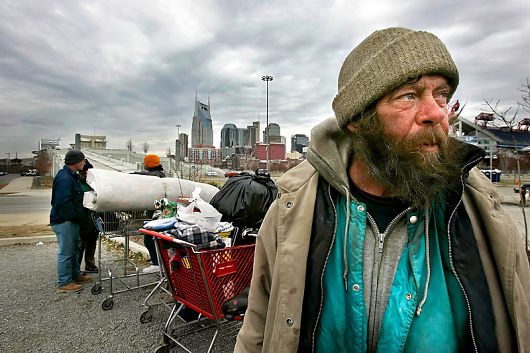
According to the U.S. Census Bureau, in the United States alone there are around six million more people living below the poverty line than there were in 2008. About 45 million Americans are registered as poor—around 15 percent of the country’s total population.

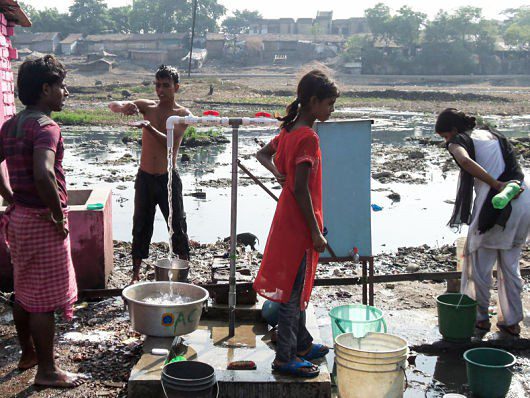
On a more global scale, according to UNICEF, 22,000 children die worldwide every day due to poverty-related causes. In 2014 alone, 98,000 died in India due to a lack of sanitation, clean drinking water and nutrition. In 2014, over 82 million people in China lived on less than $1 a day.

Still, even in the face of such pressing issues, the GOP candidates chose to spend their allotted speaking time by further alienating women, immigrants and the poor. According to The Huffington Post, the words “immigration” and “illegal” were spoken around 40 times during the debate, while “poverty” and “poor” chalked up only three and four mentions, respectively.

Presidential campaign debates should be a platform for discussing the country and the world’s most prominent issues. If this GOP debate was any indication, the current Republican Party presidential candidates care little about the world’s poor.

– Alexander Jones

Sources: Deutsch, McCoy, Redden
Photo: Flickr

August 17, 2015
https://borgenproject.org/wp-content/uploads/borgen-project-logo.svg 0 0 Borgen Project https://borgenproject.org/wp-content/uploads/borgen-project-logo.svg Borgen Project2015-08-17 13:44:302024-12-13 18:04:43Global Poverty Ignored at GOP Debate
Activism, Children, Global Poverty, Hunger

Celebrities Team Up with Feeding America

Feeding America
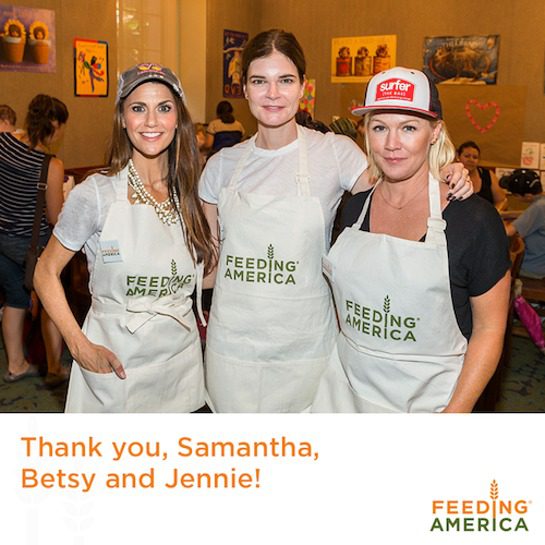
As part of a series by the organization Feeding America, “Say No to Summer Hunger” is teaming up with local food banks to serve much-needed summer meals to kids facing hunger.

In an event that was in partnership with the Los Angeles Regional Food Bank, Jennie Garth famous from the television show 90210 and actress Samantha Harris served free and nutritious lunches to dozens of kids and teens.

The event was located in a library is located in Los Angeles County, where the number of children living in food-insecure households ranks highest in the nation, with 591,000 children who may not know where they will find their next meal.

“Child hunger exists in communities all across America,” said Garth. “There should be no reason that a child in this country is allowed to go hungry.”

Nationally, upwards of 22 million children rely on free or reduced-priced meals to nourish them during the school year. However, during the summer months, only 2.7 million children have access to free or reduced-price meals through summer feeding programs. This creates a huge deficit in the amount of nutrition these children are receiving during a crucial period of their development.

As Samantha Harris said during the event, “Summer should be spent outside playing with friends, not worrying where or if you will eat lunch that day. Kids need energy, and food is fuel!”

This is why organizations like Feeding America exist: to feed America’s hungry through a nationwide network. Having celebrity members spread awareness by using their name, real change can be made, along with hopefully inspiring a call to action from other members of the community.

Feeding America’s “Say No to Summer Hunger” has and will hold events across the country for the duration of the summer months.

– Alysha Biemolt

Sources: Look to the Stars, Feeding America, Think Progress
Photo: Look to the Stars

August 9, 2015
https://borgenproject.org/wp-content/uploads/borgen-project-logo.svg 0 0 Borgen Project https://borgenproject.org/wp-content/uploads/borgen-project-logo.svg Borgen Project2015-08-09 01:30:002024-12-13 18:04:38Celebrities Team Up with Feeding America
Global Poverty

How to Pay for Healthcare When You Have No Money

Healthcare

If you are already poor and lacking cash, how do you pay for medical treatment? The answer is that there is a sizable chance that you cannot. In the United States, the biggest cause of bankruptcy is healthcare expenditures; in other words, people cannot pay their medical bills. What does this mean for countries who are not as well off as the United States?

In a country such as the United States, which is a rich, industrialized nation, a large number of people cannot afford medical treatments in part because of the soaring medical care costs and in part due to the system in place. Part of the problem, both in America and abroad, is that without insurance the out-of-pocket costs for healthcare can be huge. Being confronted with a huge lump sum to be paid after a medical service or good is received is often incredibly stressful and hard for many people. It strains the financial resources of the immediate family and leaves them having to decide between basic necessities and medical care–a choice no one should ever need to make. This effect is inevitable for the impoverished. It is already hard enough to save any money at all, let alone have an emergency fund for medical expenditures.

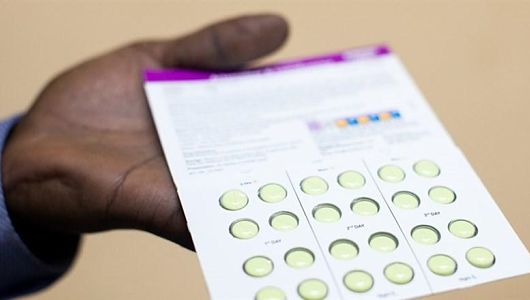
Novartis attempted to launch a new model of distributing and financing business with poorer families in India to address many of the concerns with existing healthcare distribution and payment systems. For example, to decrease the burden of out-of-pocket healthcare costs, Novartis began to distribute over-the-counter drugs in daily or multi-day packs rather than in larger quantities. This may seem trivial, but it actually began to work and eventually even turned a profit for the company–proving it to be a sustainable model. It worked because it allowed the out-of-pocket costs to be spread over a longer period of time for those who needed the drugs over multiple days or weeks while allowing those who only had a temporary need to get a quantity that fit their need most directly (one or two pills versus a large pack that cost much more). This benefits the people not only financially, but also physically. By distributing in smaller amounts and for proportionately smaller costs, this increases the likelihood that a sick person would seek to obtain medical care, knowing that the costs would be lower for sicknesses requiring only one or two pills to treat.

The Novartis example still doesn’t quite answer the question of how the poor pay for the healthcare costs they incur. The answer is that in many cases the poor will pay costs out-of-pocket, and endure financial hardships to do so. Another, possibly even worse method is to sell assets or borrow money to pay for the costs of healthcare. A study that looked at low- and middle-income countries that accounted for over 3 billion people found that approximately 25% of households borrowed money or sold assets to cover healthcare costs. While paying out-of-pocket is bad, needing to sell household items or borrow money can lead to even greater financial hardships over a longer period, in many situations.

Many developing countries lack the proper health infrastructure to provide for their populations at a reasonable cost that the local populace can afford. Even some developed countries such as the United States have trouble with these issues. The industry of healthcare is a complicated problem that involves a twisted entanglement of economics and human well-being in its most literal form.

– Martin Yim

Sources: CNBC, Reuters, Health Affairs
Photo: Marketing and Women

August 1, 2015
https://borgenproject.org/wp-content/uploads/borgen-project-logo.svg 0 0 Borgen Project https://borgenproject.org/wp-content/uploads/borgen-project-logo.svg Borgen Project2015-08-01 08:08:522024-06-05 03:46:39How to Pay for Healthcare When You Have No Money
Development, Global Health, Global Poverty

US to Increase Funding for Global Health Security Agenda

global_health_security_agenda
The U.S. developed the Global Health Security Agenda to prevent, detect and respond to disease threats. The goal is to stop outbreaks from ever becoming epidemics. Today’s biological threats include the emergence of new microbes, spread through globalization, drug resistance diseases, accidental release and illicit usage of disease. The latest challenges with Ebola prompted the U.S. to increase funding and aid for the Global Health Security Agenda.

One billion dollars have been donated to expand resources to allow countries to deal with biological threats on their own. Investment is desperately needed in the areas of infrastructure, equipment and skilled personnel. The radar includes 17 countries, bringing the total amount of countries to receive aid to at least 60. Countries in Asia and the Middle East to receive the money include Bangladesh, India, Pakistan and Vietnam.

Africa will be the main source of attention, with about half of the money being invested there. The money will contribute to improving or creating systems that prevent and mitigate outbreaks–whether they be intentional or natural–that report outbreaks, and that can respond to outbreaks. To accomplish these goals, the U.S. works directly with partner countries’ governments to create a five year plan.

Another part of the Security Agenda is to build African Centers for Disease Control and Prevention. The African Union stands behind these projects to help promote disease science and research in Africa. There will also be country specific Public Health Initiatives to boost specific countries health agendas and departments.

The one billion dollar investment will aid reaching the health targets set by the World Health Organization and the UN. The Security Agenda works within the global health frameworks to ensure that there is understanding across sectors and countries.

– Katherine Hewitt

Sources: GlobalHealth.gov, The White House 1, The White House 2
Photo: GEN

August 1, 2015
https://borgenproject.org/wp-content/uploads/borgen-project-logo.svg 0 0 Borgen Project https://borgenproject.org/wp-content/uploads/borgen-project-logo.svg Borgen Project2015-08-01 01:30:512024-12-13 18:04:35US to Increase Funding for Global Health Security Agenda
Global Poverty, Sanitation

Innovation Countdown 2030

Innovation_Countdown_2030

As many under-developed countries begin to enter the global market, the struggles their people face are becoming increasingly apparent. Luckily, an amazing NGO called Innovation Countdown 2030 is seeking to fund ideas today that may save the developing world tomorrow.

Innovation Countdown 2030 (IC2030) is an NGO that is mainly focused on advancing global health. In collaboration with PATH, one of the leading innovators in global health, IC2030 has created “a platform to identify, evaluate, and showcase high-impact technologies and interventions that can transform global health by 2030.” The ideas that they have supported include technologies that will add vitamins to rice, long-lasting injectable contraceptives, and devices that can help newborn baby’s breathe better. All of these ideas were the result of massive crowd-sourcing efforts and will inevitably help the world towards reaching the United Nations Sustainable Development Goals (SDGs). People from all over the world submitted their ideas and a panel of expert’s selected 30 innovations which they believed could feasibly change the world in the next 15 years.

For years, innovation has been focused on development. From new types of tractors all the way to robot vacuums, technology development has been focused on developing a better life for those living in developed countries. As the years have gone by, people have become increasingly aware of how reliant we are on one another and the importance of bringing up the developing world in order to benefit the whole world. We are living in a time where children still die from completely treatable diseases and malnourishment, but what if there was a way to provide a sustainable form of nourishment, and a reliable place of medicine? What if people no longer had to worry about basic survival and could instead focus on innovation of their own? This is the philosophy behind many development and global health NGOs, presumably including IC2030, and is one that can only lead to a more prosperous global community.

Much of IC2030’s work focuses on pregnant women and their newborn babies as in line with the SDGs. One invention in particular, a uterine balloon tampon, is predicted to save the lives of over 150,000 pregnant women. The idea was developed in the United States in Massachusetts General Hospital and essentially utilizes water pressure to prevent hemorrhaging in a mother who have just given birth. This device is made out of a simple condom and a catheter and can be filled with water to create pressure. It is low-cost and highly effective, making it an ideal candidate for IC2030’s top 30 devices.

Several of the innovations included on IC2030’s list have already been utilized in more rural areas of Africa and have already begun to save lives. The organization is being led by PATH and has received funding from the Bill & Melinda Gates Foundation, the U.S. Agency for International Development, as well as the Norwegian Agency for Development Cooperation.

Hopefully this organization gains more support, but so far it has succeeded in carrying out its goal of saving lives and promoting innovation throughout the world.

– Sumita Tellakat

Sources: IC2030, NPR
Photo: NPR

July 31, 2015
https://borgenproject.org/wp-content/uploads/borgen-project-logo.svg 0 0 Borgen Project https://borgenproject.org/wp-content/uploads/borgen-project-logo.svg Borgen Project2015-07-31 09:59:382020-07-06 12:32:25Innovation Countdown 2030
Global Health, Global Poverty, Malaria

President’s Malaria Initiative: Progress and Future

presidents_malaria_initiative
In 2005, George Bush launched the President’s Malaria Initiative (PMI) to work towards eradicating malaria across 15 high-risk African countries.

By acting quickly and efficiently, PMI has helped to reduce malaria mortality by 50 percent since 2005. Over 6 million people are alive today – without the influence of PMI, they would have died from malaria.

Since its creation, PMI has expanded and has helped hundreds of millions of people by core preventative strategies: providing people in high-risk zones with durable and insecticide-treated mosquito nets, antimalarial treatment options, fast-acting diagnostics, indoor anti-mosquito spray and prevention options for pregnant women.

Malaria is a disease carried by mosquitoes, which bite and infect people, leaving them ill with fevers, chills and symptoms associated with the flu. If the disease is not treated, people are at risk of death. In 2013, 198 million cases of malaria were reported, and of those, half a million people died. Many of these deaths were children under the age of 5.

The World Health Organization estimates that 106 countries and 3.4 billion people are at risk of malaria infection.

Mali is an example of where PMI has contributed to improving the quality of life of citizens through malaria treatment. The entire population of Mali is at risk of contracting malaria with 90 percent of citizens living in the central and southern regions where the disease is endemic.

People in transit, perhaps fleeing their homes due to displacement, are even more at risk because of their weaker immune systems. Malaria is the primary cause of death in Mali, especially for children under the age of five.

Despite malaria’s omnipresence in Mali, the devastation caused by malaria has diminished since PMI’s inception in 2005. The mortality rate of children under the age of 5 has decreased by 50 percent in 2013.

PMI’s success is not limited to Mali – the Initiative has made incredible progress across Africa. It has distributed over 31 million mosquito nets, sprayed over 5 million households with insecticides (impacting 18 million people), given over 13 million antimalarial medications for pregnant women and trained over 27,000 health workers.

According to the Bill and Melinda Gates Foundation on their website, Impatient Optimists, “Malaria is clever, resilient and capable of evading our most dependable interventions. If we aim for a malaria-free world, the global response must constantly evolve and adapt to challenges that don’t even exist yet.” The strategies that have worked in the past may not work in the future. Eradicating malaria fully will be a constantly transforming process.

In partnership with the President’s Malaria Initiative and other organizations, the Gates Foundation is committed to eradicating malaria in the future. On Impatient Optimists, the Foundation highlighted its goals broadly: “We need to expand access to prevention, diagnosis and treatment, which PMI has proven capable of doing on a massive scale. We also need to build stronger health systems and introduce new tools and strategies, an increasingly important part of PMI’s work in recent years.”

The reduction of malaria in the world so far illustrates the potential for completely eradicating malaria in the future — a goal that will save millions of lives.

– Aaron Andree

Sources: CDC, Impatient Optimists, PMI
Photo: Impatient Optimists

July 27, 2015
https://borgenproject.org/wp-content/uploads/borgen-project-logo.svg 0 0 Borgen Project https://borgenproject.org/wp-content/uploads/borgen-project-logo.svg Borgen Project2015-07-27 14:14:322024-06-04 03:53:07President’s Malaria Initiative: Progress and Future
Global Poverty

Stories from America’s Poor

America's-poor
The Huffington Post has started exploring the lives of America’s poor in a novel way. Rather than reporting on them, it asks the poor themselves to write about their experiences. All their stories are consolidated under a page entitled “All Work and No Pay: False Promises of the American Economy” on the Huffington Post’s website. While many are from people who live under the poverty line, others are from those who earn well above it–and still struggle to make ends meet. Here are a couple of common themes in these stories:

  1. You can work incredibly long hours for almost no money but still look for more opportunities for extra hours. You are almost always exhausted, and leisure time becomes impossible.
  2. Saving and planning for the long-term becomes very hard when you are living paycheck to paycheck. In addition, there’s a nagging fear of losing everything you have anyway. Disaster, often in the form of a simple unaffordable car crash, can be just around the corner.
  3. The struggle of the “in-betweeners.” You work multiple jobs to make ends meet, but by doing so, earn too much to qualify for government assistance. This creates multiple problems. For instance, you are not eligible for day-care assistance for your children but are yourself so busy that it is difficult to look after them.
  4. It can cost a lot of money just to keep your job or try and find a new one. Transportation and car maintenance costs are often unaffordable. A better job with longer-term prospects can be out of reach because it is simply too far away.
  5. Even if you have high qualifications and lower your standards drastically by agreeing to work for minimum wage, it is still very difficult to find work. Many employers shun “overqualified” or older people, believing they will be more demanding.
  6. You make shortsighted financial and health decisions because having small pleasures from time to time makes life worth living. For instance, you might pick up smoking to relieve your stress, while choosing to ignore its long-term effects.
  7. Investing in your future, such as going to school, can make your life more miserable. It adds to your stress and depression and makes it harder to pay your bills. Crippling student debt has driven people towards a lifetime of debt.
  8. It is difficult to socialize with friends because you are too busy and do not want to spend extra money.
  9. You often avoid basic medical treatments, like going to the dentist. Even when you are experiencing something more serious, the tendency is to avoid going to the doctor for as long as possible.
  10. Sometimes you just go hungry. Especially if you have kids and need to feed them instead.
  11. Having kids is something that needs to be a decision that is very carefully examined. Partners often realize that they cannot afford children and give up the dream of having them.

– Radhika Singh

Sources: Huffington Post 1, Huffington Post 2
Photo: Epic Times

July 27, 2015
https://borgenproject.org/wp-content/uploads/borgen-project-logo.svg 0 0 Borgen Project https://borgenproject.org/wp-content/uploads/borgen-project-logo.svg Borgen Project2015-07-27 14:08:072024-06-05 02:12:09Stories from America’s Poor
Aid, Foreign Aid, Global Poverty

Does the US Have an Obligation to Give Money Abroad?

Does the US Have an Obligation to Give Money Abroad?
Well, do we? This question is commonly debated among politicians, intellectuals and average U.S. citizens. Is it correct to only focus on our own citizens, or should we help other countries through aid, health services and advice? This article will explore common sentiments toward and factual evidence about the effectiveness of foreign aid.

Before considering moral obligations, we should consider how much foreign aid the United States gives to other countries. The United States gives less than 1% of our $4 trillion budget to foreign aid. The Kaiser Family Foundation conducted a poll where Americans were asked to guess how much the United States spends on foreign aid. On average, respondents guessed that 26% of the budget went to foreign aid.

About one-third, or $5.3 billion, of foreign aid goes to health. About $3.1 billion goes to HIV/AIDS projects. About one-sixth, or $2.7 billion, of foreign aid goes to economic development, such as building infrastructure. Another $2.7 billion goes to humanitarian assistance or helping refugees.

Among developed countries, the United States gives one of the lowest percentages of gross national income (GNI) to foreign aid. The United States gives about 0.2% of the GNI to foreign aid. Some developed countries, such as Sweden, Norway and Luxembourg, give about 1% of their respective GNIs to foreign aid.

In sum, most Americans think that we give more money abroad than we do. Additionally, the United States gives a small percentage of its GNI to foreign aid when compared to other developed countries. Does this mean that, according to public opinion and government policy, we do not think we have much of an obligation to give money abroad?

Some people argue that the United States should focus on helping its own citizens before helping people abroad. What they don’t seem to understand is that the two can occur simultaneously. The United States can focus on helping the poor both domestically and internationally.

It is also important to consider that the poorest people in America are significantly better off than most. A person in the bottom 5% of the American income distribution is richer than 68% of people in the world. This may mean that we have more of an obligation to donate abroad than we currently do.

Still, some people may think that the problem is too large to fix; they might think that the United States cannot make a significant difference.

Global poverty is a substantial issue. However, the United States has helped to improve the living conditions of people globally. For example, more than 3 million lives are saved every year through USAID immunization programs. As a result of USAID’s population program, more than 50 million couples use family planning. These are only a few examples of how U.S. foreign aid has helped reduce global poverty and related issues.

Some may argue that foreign aid will not benefit the citizens if it is given to corrupt governments. This implies that we do not have an obligation to give to corrupt countries.

Even if a country is corrupt, this does not negate a moral obligation to help disadvantaged people. Furthermore, the Millennium Challenge Corporation, a U.S. governmental organization, helps identify countries that are committed to good governance, economic freedom and investments in their citizens. This changes the way that the United States gives foreign aid. The United States can strive to give money abroad without supporting corrupt governments.

Intuitively, it seems as though the United States does have an obligation to give money abroad. The U.S. Government has the capability to give money abroad while still helping the impoverished in our country. The United States has already made significant strides in improving global health and alleviating poverty abroad. Presumably, the United States could help even more if we allocated more money to foreign aid.

– Ella Cady

Sources: Forbes, Giving What We Can, Millennium Challenge Corporation, NPR, Organisation for Economic Co-operation and Development, USAID
Photo: The Daily Beast

July 21, 2015
https://borgenproject.org/wp-content/uploads/borgen-project-logo.svg 0 0 Borgen Project https://borgenproject.org/wp-content/uploads/borgen-project-logo.svg Borgen Project2015-07-21 09:31:422024-12-13 17:51:49Does the US Have an Obligation to Give Money Abroad?
Page 13 of 17«‹1112131415›»

Get Smarter

  • Global Poverty 101
  • Global Poverty… The Good News
  • Global Poverty & U.S. Jobs
  • Global Poverty and National Security
  • Innovative Solutions to Poverty
  • Global Poverty & Aid FAQ’s
Search Search

Take Action

  • Call Congress
  • Email Congress
  • Donate
  • 30 Ways to Help
  • Volunteer Ops
  • Internships
  • Courses & Certificates
  • The Podcast
Borgen Project

“The Borgen Project is an incredible nonprofit organization that is addressing poverty and hunger and working towards ending them.”

-The Huffington Post

Inside The Borgen Project

  • Contact
  • About
  • Financials
  • President
  • Board of Directors
  • Board of Advisors

International Links

  • UK Email Parliament
  • UK Donate
  • Canada Email Parliament

Get Smarter

  • Global Poverty 101
  • Global Poverty… The Good News
  • Global Poverty & U.S. Jobs
  • Global Poverty and National Security
  • Innovative Solutions to Poverty
  • Global Poverty & Aid FAQ’s

Ways to Help

  • Call Congress
  • Email Congress
  • Donate
  • 30 Ways to Help
  • Volunteer Ops
  • Internships
  • Courses & Certificates
  • The Podcast
Scroll to top Scroll to top Scroll to top