Communities Fighting Elderly Poverty in Syria
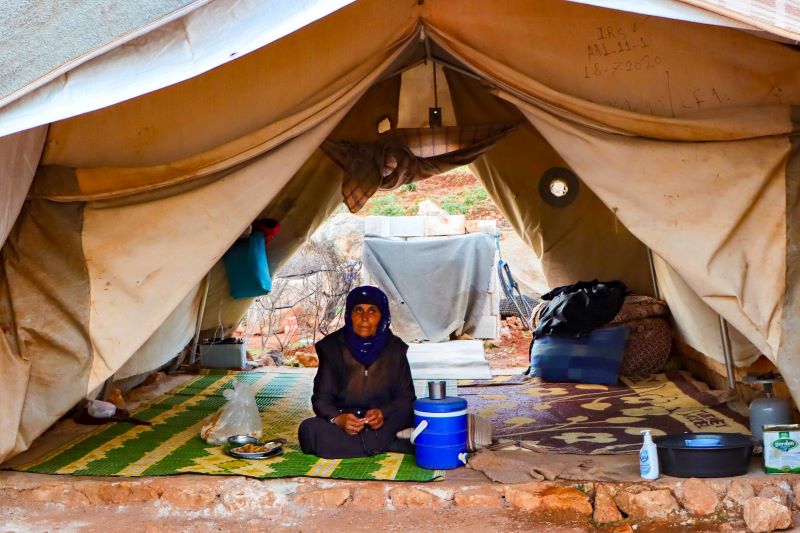 “It is alarming that a simple meal is beyond the reach of families across Syria, and this new data shows humanitarian assistance is the difference between putting a meal on the table and going to bed hungry. Lifesaving support has never been so crucial,” said the World Food Programme (WFP) Representative and Country Director Sean O’Brien. The price of a food basket in Syria was 70% more expensive than it was a year ago. Prices of key ingredients of the basket, such as rice and sugar, have increased from 70% to 140%.
Food that once fed families now leaves them exhausting their savings for every meal. Older persons struggle even harder to find jobs, especially as the conflict has pushed desperation to self-reliance, marginalizing older people and the traditional family structure. An elderly person from North-west Syria comments: “In the past, older people would reach retirement age, and the family would take care of them. However, currently, the responsibility they should rely on self-care […] has increased, placing the burden directly on them.”
Communities in Damascus
Fortunately, many community-led initiatives help fight elderly poverty in Syria. The Syrian Society for Social Development has a home-based care program for Seniors who have specific vulnerabilities. Collaborating with the United Nations High Commissioner for Refugees (NHHCR), a team of volunteers focuses on helping and provide safety to the older population. The program dedicates itself to helping people over the age of 60 through nursing, housekeeping, hygiene, medication organization, as well as food preparation.
Taking place in several community centers of Rural Damascus, care-giving volunteers not only provide different meals and learn to use blood pressure monitors but also socialize with older people through entertaining and engaging activities. Older people are no longer excluded from younger people, therefore improving both their mental and physical well-being. Because of this, elderly people struggle and spend less on medication and health check-ups, as well as food. These responsibilities help combat elderly poverty in Syria by including older people back into a supportive system and engaging the community.
Communities in Aleppo
People residing in Southern Aleppo were suffering from a damaged rainwater drainage network that had begun to flood the streets. There was a high risk of disease as large bodies of wastewater accumulated on the ground. Further threats would ensue if younger children and elderly people fell into the water. The cost of injury and the addition of medication prices would be detrimental to the elderly Syrian population who have a higher risk of suffering from poverty and marginalization.
Successfully, the local community came together to discuss and plan a new drainage foundation. Alongside the UNHCR, both a construction team and members of the local community contributed to the excavation and installation of a new drain filter. As a result, the filter not only improved the appearance of the town and the efficiency of the drainage system but benefited 3000 residents living in Abtein town. Because of this, the town demonstrated strong values of community and kindness. Their uniting demonstration challenges elderly poverty in Syria by preventing expensive medical prices through ensuring the health and safety of the entire community.
Fighting Elderly Poverty in Syria
In conclusion, conflict and soaring expenses have split up traditional family structures. Alienising older people from the young, the older Syrian population has lost a grounded support system and the elderly have been pushed further into isolated poverty. However, community-led projects such as fixing drainage systems, and organisations such as the Syrian Society for Social Development, help to care for the vulnerable population of elders and to protect them from further elderly poverty in Syria. Volunteers and townspeople come together to provide the elderly with entertainment and physical aid, as well as essentials such as food and medication that they might otherwise struggle to afford on their own.
– Chelsey Saya McLeod
Chelsey is based in Southampton, Hampshire, UK and focuses on Good News and Technology for The Borgen Project.
Photo: Unsplash
