5 Facts About Disability and Poverty in Uzbekistan
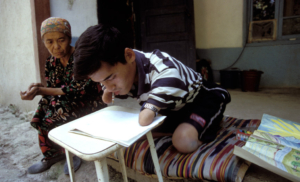 Uzbekistan is a country in Central Asia neighbored by Kazakhstan to the north, Kyrgyzstan to the northeast, Afghanistan to the south, Tajikistan to the southeast and Turkmenistan to the southwest. It is one of only two countries in the world that is doubly landlocked, or surrounded by other countries that are also landlocked. Disability and poverty in Uzbekistan often go together, with people having a tougher time participating in society. In recent years, the nation has made a concerted effort to improve the conditions of disabled people within its borders. Here are five facts you need to know about disability and poverty in Uzbekistan.
5 Facts About Disability and Poverty in Uzbekistan
- Disabled people make up about 2.5% of the population. In 2022, it was reported by KUN that 845,000 people were officially recognized by Uzbekistan as being disabled. More than half of people over the age of 60 have some kind of disability. Most disabled people live in rural communities across Uzbekistan, though a few live in cities like Tashkent. The largest region, Navoiy, also has the highest rate of disability in the nation, at 3.6%.
- Employment is difficult to come by for those with disabilities in Uzbekistan. In Uzbekistan, people with disabilities are 4.3 times less likely to have a full-time job than people without disabilities. Additionally, people with disabilities make just 74% the monthly wage of people without disabilities. Disability:IN reported that people with disabilities made 612,000 UZS per month ($47.55). In comparison, in 2019, people without disabilities made 827,000 UZS per month ($64.26).
- Some welfare is provided to those with disabilities in Uzbekistan. The World Bank reported that almost 700,000 people with disabilities in Uzbekistan were given pensions and other social benefits in 2019. However, many of those people survive only on those pensions because they find it difficult to gain full-time employment.
- There are organizations that are helping disabled people. Some organizations, like the Gulbahor Nurli Kelajak LLC, provide much-needed employment in the tailoring industry for disabled people. Gulbahor Nurli Kelajak has employed more than 50 disabled people, mostly women, since its founding in Termez, Uzbekistan in 2021. Additionally, the United Nations Development Programme (UNDP) works in Uzbekistan, with one of its goals being to alleviate disability and poverty concerns in the country.
- Laws are in place to protect people with disabilities in Uzbekistan. In 2020, Uzbekistan passed its first comprehensive law, “On the Rights of Persons with Disabilities”. The law aims to provide more opportunities and better conditions for people with disabilities. In 2021, the country ratified the UN Convention on the Rights of Persons with Disabilities, further enshrining protections.
Other Considerations
Alongside these five facts about disability and poverty in Uzbekistan, the country has recently been doing more to protect and give more opportunities for people with disabilities to participate in life. Universities give admission preference to students with disabilities. This is starting to show signs of improving disability and poverty in the country, with students having more opportunities than before.
However, activists across the country are disgruntled with the slow adoption of the law. Many wish more could be done to change the culture of pity toward people with disabilities. The infrastructure for equal facilities for people with disabilities is not yet in place and people still feel stigmatized from participating in events like elections or festivals. Although the International Day of Persons with Disabilities is celebrated like a holiday, activists in the country believe the day should be more about educating people about disabilities.
Looking Ahead
Together, these five facts about disability and poverty in Uzbekistan paint a picture of a country that is trying to bring reforms that bridge the gap between people with disabilities and people without disabilities. Although the reforms have happened within the last five years, Uzbekistan has shown willingness to improve conditions for its people.
– Julius Millan
Julius is based in New York, NY, USA and focuses on Global Health and Politics for The Borgen Project.
Photo: Flickr
