Telemedicine in Yemen: Health Care Amid War
 Yemen is one of the world’s vulnerable countries, with a GDP per capita of just $433. Decades of conflict, including a civil war that has killed more than 300,000 since 2014, have left millions of Yemenis without necessities. Health care in particular is lacking all over Yemen. The country has a mere 0.3 physicians per capita, below the global average.
Rates of vaccination against communicable diseases hover between 40% and 50%, compared to more than 90% in Western countries. Only 50% of the country’s medical facilities are functional. It comes as no surprise, then, that 80% of Yemenis face “significant challenges” in accessing health care.
The problem is even more dire in rural areas. The scarcity of health care in Yemen has fueled major outbreaks of preventable diseases such as cholera, diphtheria and polio. These outbreaks have caused thousands of deaths and cost the Yemeni economy millions of dollars.
A Modern Solution
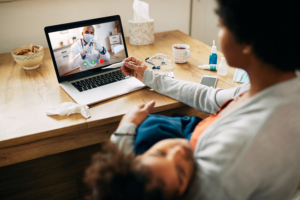
The enormous toll of treatable diseases in Yemen has given rise to a novel solution: telemedicine. Telemedicine is a form of low-cost health care in which physicians remotely diagnose and administer medical treatment to faraway patients. Physicians specifically utilize phone calls, text messages, online video-conferencing and other telecommunications technology to ensure their patients receive high-quality care.
Since its inception in the mid-1900s, telemedicine has proliferated—reaching millions of needy patients all over the world. In war-torn Yemen, several institutions have been using telemedicine since 1997. Leading the way are international companies, NGOs and medical associations. One example is SmartHealthTec, a Dubai-based medical equipment company that opened a branch in Yemen. The branch has recently inaugurated telemedicine platforms in the country to ensure the effective operation of its equipment “even in crisis conditions.”
Meanwhile, the international NGO Swinfen Charitable Trust has connected Yemeni doctors with medical consultants to address 85 complex cases across the country. This telemedicine approach enabled specialists to provide feedback to patients who otherwise had no access to such expertise. A 2020 study of a group of Yemeni patients and clinicians found general satisfaction with the Swinfen Charitable Trust’s telemedical consultations.
Similarly, the Eradication of Leishmaniasis [skin disease] from Yemen Project has successfully used telemedicine to reach vulnerable patients since 2013. Through WhatsApp and phone calls, Yemeni dermatologists have provided free medical recommendations to patients in different, often unreachable parts of the country. This has likely saved the lives of many patients who would have perished from skin-related conditions in a war-torn context without medical facilities.
Challenges Remain
Despite its success in reaching patients, telemedicine in Yemen still faces major limitations. Only 18% of Yemenis consistently use the Internet and just 55% have phone service. Reliable wi-fi infrastructure is also severely lacking. These barriers restrict who can access telemedicine in the first place.
Even with expanded Internet and wi-fi access, telemedicine will remain limited in scope. Severe medical conditions almost always require in-person treatment, such as surgery. Telemedicine cannot solve everything.
Telemedicine’s Potential
Regardless of its limitations, telemedicine can still strengthen health care in Yemen. Years of conflict have severely damaged the country’s physical health facilities. Yet international companies, NGOs and collaborative projects have successfully used telemedicine to reach patients in need. Its low-cost, remote nature, combined with advances in telecommunications, ensures that telemedicine will remain a vital part of Yemen’s health care system for decades to come.
– Pranav Kanmadikar
Pranav is based in Louisville, KY, USA and focuses on Technology and Global Health for The Borgen Project.
Photo: Freepik
