• Link to X
  • Link to Facebook
  • Link to Instagram
  • Link to TikTok
  • Link to Youtube
  • About
    • About Us
      • President
      • Board of Directors
      • Board of Advisors
      • Financials
      • Our Methodology
      • Success Tracker
      • Contact
  • Act Now
    • 30 Ways to Help
      • Email Congress
      • Call Congress
      • Volunteer
      • Courses & Certificates
      • Be a Donor
    • Internships
      • In-Office Internships
      • Remote Internships
    • Legislation
      • Politics 101
  • The Blog
  • The Podcast
  • Magazine
  • Donate
  • Click to open the search input field Click to open the search input field Search
  • Menu Menu

Tag Archive for: Sustainable Development Goals

Posts

Global Poverty, Sustainable Development Goals, United Nations

Updates on SDG Goal 1 in the Dominican Republic

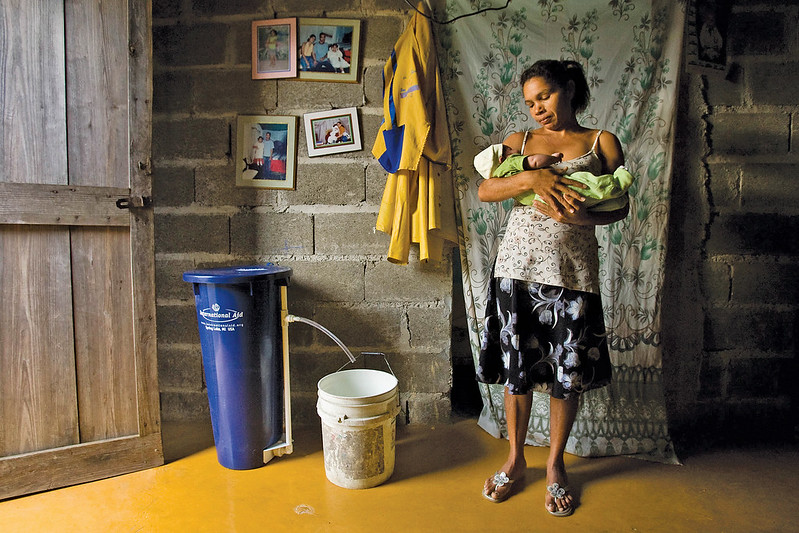
updates on sdg goal 1 in the dominican republicAccording to the Sustainable Development Report, the Dominican Republic is making good progress on eradicating poverty. This is the first of the U.N.’s Sustainable Development Goals (SDGs). The report states that 0.2 million Dominicans live under the poverty line of $1.90 a day, which is approximately 111 Dominican Pesos (DOM). This is an improvement from 2014, when 4.3 million Dominicans were making less than 111 DOM a day. Though the U.N. considers the Dominican Republic to have completed this goal, challenges remain for its second part. This would require the country to have every working Dominican earn more than $3.30 per day, which equals 187 DOM. Here are some important updates on SDG Goal 1 in the Dominican Republic.

Updates on SDG Goal 1 in the Dominican Republic

According to the report to the 2030 Agenda, the annual growth of real GDP in the Dominican Republic has been 5% annually since the 90’s. Additionally, poverty has declined from 40% in 2003 to 25.5%. The government claims that “Per Capita income has increased in the last decade, placing the country as a high middle-income economy.” Extreme poverty in the Dominican Republic is under 6%.

While financial poverty has improved, there is still multidimensional poverty influencing the small nation. Many residents face issues in public services, housing and regressing to poverty. Furthermore, this newfound economic boon is not distributed equally throughout the land. There are still greater amounts of poverty among kids and teenagers in rural areas and the unemployed.

To combat this, the Dominican government has promised to utilize its public policies to deepen its emphasis on universal social security, health care and education services. The government also wishes to address gender equality in the workforce. This would mean tackling the workplace wellbeing of the most vulnerable of the population, including women, children and those who work dangerous jobs. The government has also focused on reducing unemployment, which went down 2.6% between 2014 and 2017. While these numbers are good overall, women, teenagers and those in low-income housing still struggle to find jobs.

SDG Goal 1 Around the World

These updates on SDG Goal 1 in the Dominican Republic make it clear that this country is ahead of many others in terms of meeting this goal. While the SDG initiative has incentivized countries around the world to improve their citizens’ lives, there is still a lot of work to be done. 736 million people around the world still live in poverty, which means 10% of the global population is impoverished.

However, the number of people living in poverty around the world has decreased drastically since 1990. By the end of the decade, the SDG initiative will have hoped to “reduce at least by half the proportion of men, women and children of all ages living in poverty in all its dimensions according to national definitions.” Overall, the program aims to “ensure significant mobilization of resources from a variety of sources, including through enhanced development cooperation, to provide adequate and predictable means for developing countries, in particular, least developed countries, to implement programmes and policies to end poverty in all its dimensions.” It is fair to say that the Dominican Republic is on the right track to fulfill this goal.

– Pedro Vega
Photo: Flickr
September 19, 2020
https://borgenproject.org/wp-content/uploads/borgen-project-logo.svg 0 0 Kim Thelwell https://borgenproject.org/wp-content/uploads/borgen-project-logo.svg Kim Thelwell2020-09-19 11:34:502024-05-29 23:23:18Updates on SDG Goal 1 in the Dominican Republic
Development, Global Poverty, Sustainable Development Goals

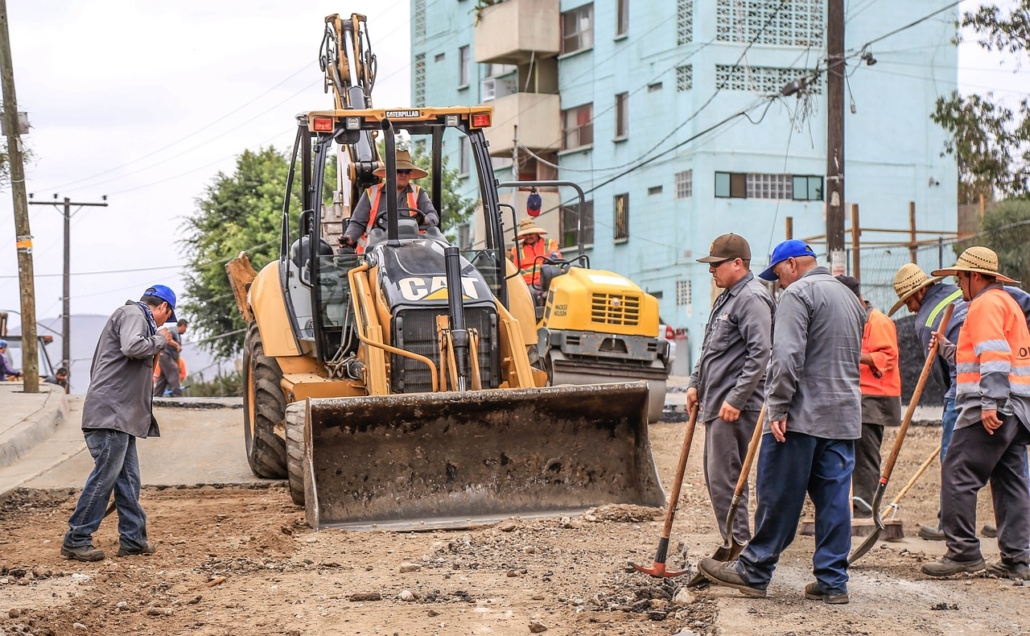
Engineers Against Poverty: Closing the Infrastructure Funding Gap

Engineers Against Poverty
Engineers Against Poverty mobilizes engineers around the globe to fight poverty through more effective, transparent and equitable infrastructure development. Founded with an engineering focus, the U.K.-based group has expanded its work to improve ways of life in low- and middle-income countries by advocating for ethical working conditions, mitigating the effects of climate change and reducing poverty worldwide. As a massive infrastructure funding gap stands in the way of global poverty relief, Engineers Against Poverty works to empower a multi-sector network to improve infrastructure policy and practices.

Infrastructure and Global Poverty

Engineers and infrastructure development play a vital role in the fight against global poverty. According to the Asian Development Bank, poverty reduction requires not only well-governed economic development, but also improved infrastructure for irrigation, electricity, water and sanitation and other basic needs. In 2016, Our World in Data reported that 40% of the globe experienced water scarcity and 13% of the world did not have electricity. In 2015 and 2016, one-third of the global population did not have access to an all-weather road. Engineers Against Poverty explains that infrastructure will play a vital role in achieving the United Nations Sustainable Development Goals, which were released in 2015 to be achieved by 2030.

“For EAP, its goal is to scale up influence on global infrastructure policy and practice to promote sustainable social, climate and economic impacts that contribute toward the elimination of poverty,” Engineers Against Policy Senior Communications Manager Charlotte Broyd said.

The Infrastructure Funding Gap

One of the greatest barriers to global poverty reduction is a massive infrastructure funding gap. At the 2015 release of the United Nations Sustainable Development Goals (SDGs), the World Economic Forum reported the infrastructure funding gap would prove the biggest challenge to meet the SDGs. The World Economic Forum explained that there exists a $15 trillion investment gap between the money needed and the existing funding to reach “adequate global infrastructure by 2040.” This gap, Engineers Against Poverty explains, must be tackled as a “governance challenge.” Up to one-third of global investment in infrastructure is lost to mismanagement in governance, particularly in low-income countries.

Broyd commented, “There is a role for many stakeholders in addressing the infrastructure investment gap (governments, international organizations as well as donors). For donors specifically, they can help by recognising the importance of transparency and accountability in the infrastructure sector and the need for support to initiatives and others promoting these principles. This is particularly important in the coronavirus pandemic and the ensuing economic crisis where any economic loss must be minimized.”

The World Bank has identified collaboration between the private and public sectors as a key approach to closing the infrastructure funding gap. The former managing director of the World Bank explained at the release of the SDGs that to help mitigate these investment hazards, investors and donors must make more comprehensive investments in policy, insurance, regulation and more to make their investments effective.

Engineers Against Poverty’s Infrastructure Transparency Initiative

Engineers Against Poverty’s global Infrastructure Transparency Initiative (CoST) is key to closing this infrastructure funding gap. CoST, which currently works in 19 countries, encourages collaboration between civilians, engineers and policy-makers to work toward “improving transparency and accountability in public infrastructure” to reduce investment losses to mismanagement and corruption.

CoST has already seen success in many countries, including Thailand, where transparency, competitive bidding, decreasing contract prices and more efficient fund management have saved the country $360 million in infrastructure spending since 2015. In Afghanistan, CoST-prompted contract reviews saved the country $8.3 million in just one year for road-network maintenance.

The initiative focuses on increasing infrastructure project transparency by improving data disclosure, ensuring data is accessible to the public, creating social accountability for decision-makers and empowering civilians and communities to advocate for better infrastructure governance and delivery. By 2018, CoST had helped disclose data on around 11,000 projects through accessible platforms. CoST has also established legal mandates and disclosure commitments with governments in many countries.

“Our experience indicates that informed citizens and responsive public institutions help drive reforms that reduce mismanagement, inefficiency, corruption and the risks posed to the public from poor quality infrastructure,” the CoST website explains.

A key feature of CoST is citizen engagement and media attention, which enables civilians to hold their policy-makers accountable and make the infrastructure funding gap a priority for civil society. “CoST has enabled citizens to advocate for quality infrastructure through community events in several of its countries including Uganda, Ghana, Malawi and Thailand,” Broyd said. “Simply by raising the issues affecting them, citizens give the media powerful stories to report, which has generated much good publicity.”

CoST therefore illustrates the importance of involving citizens in solving poverty locally, nationally and globally. The combined efforts of engaged civilians and Engineers Against Poverty stand to make important headway in the fight against global poverty.

– Emily Rahhal
Photo: Pixabay

September 18, 2020
https://borgenproject.org/wp-content/uploads/borgen-project-logo.svg 0 0 Kim Thelwell https://borgenproject.org/wp-content/uploads/borgen-project-logo.svg Kim Thelwell2020-09-18 08:02:442024-05-29 23:23:13Engineers Against Poverty: Closing the Infrastructure Funding Gap
Global Poverty

House Resolution 654 – Supporting the United Nations Sustainable Development Goals

House Resolution 654 - Supporting the United Nations Sustainable Development Goals

House Resolution 654 promotes governmental responsibility in addressing the U.N. Sustainable Development Goals, the program’s history of success and its strategies to fight global poverty. It also calls attention to other factors that inhibit a safe and sustainable way of life for poverty-stricken individuals and families.

House Resolution 654

House Resolution 654 expresses reasoning for the U.S. government’s support of the Sustainable Development Goals outlined in the U.N. 2030 Agenda. The resolution speaks to ideals of eradicating poverty, creating gender equality, providing accessible public health, improving the peace and prosperity of all people and protecting the planet.

The 17 Sustainable Development Goals are in line with many of the same ideals that U.S. citizens believe in promoting and that the U.S. government has proven to prioritize through its bipartisan support in past legislation under various presidential administrations. The U.S. provides strong leadership in the global community. The U.S. government choosing to uphold the goals posed by the U.N. Sustainable Development Goals is key in influencing other nations to reach the goals of the 2030 Agenda.

The Sustainable Development Goals pick up where the Millenium Development Goals left off. According to a 2015 report on the success of the Millenium Development Goals, the program proved to be the “most successful anti-poverty movement in history” due to its worldwide support. The world saw a 56% decline in extreme poverty in the years between 1990 and 2015, most of that improvement happening after the Millenium Development Goals were enforced in 2000. This resolution asks that Congress support the U.N. Sustainable Development Goals so that poverty eradication, food security, accessible education, environmental sustainability, gender equality and many other factors that hinder development can see further advancement and be implemented before 2030.

Sustainable Development Goals

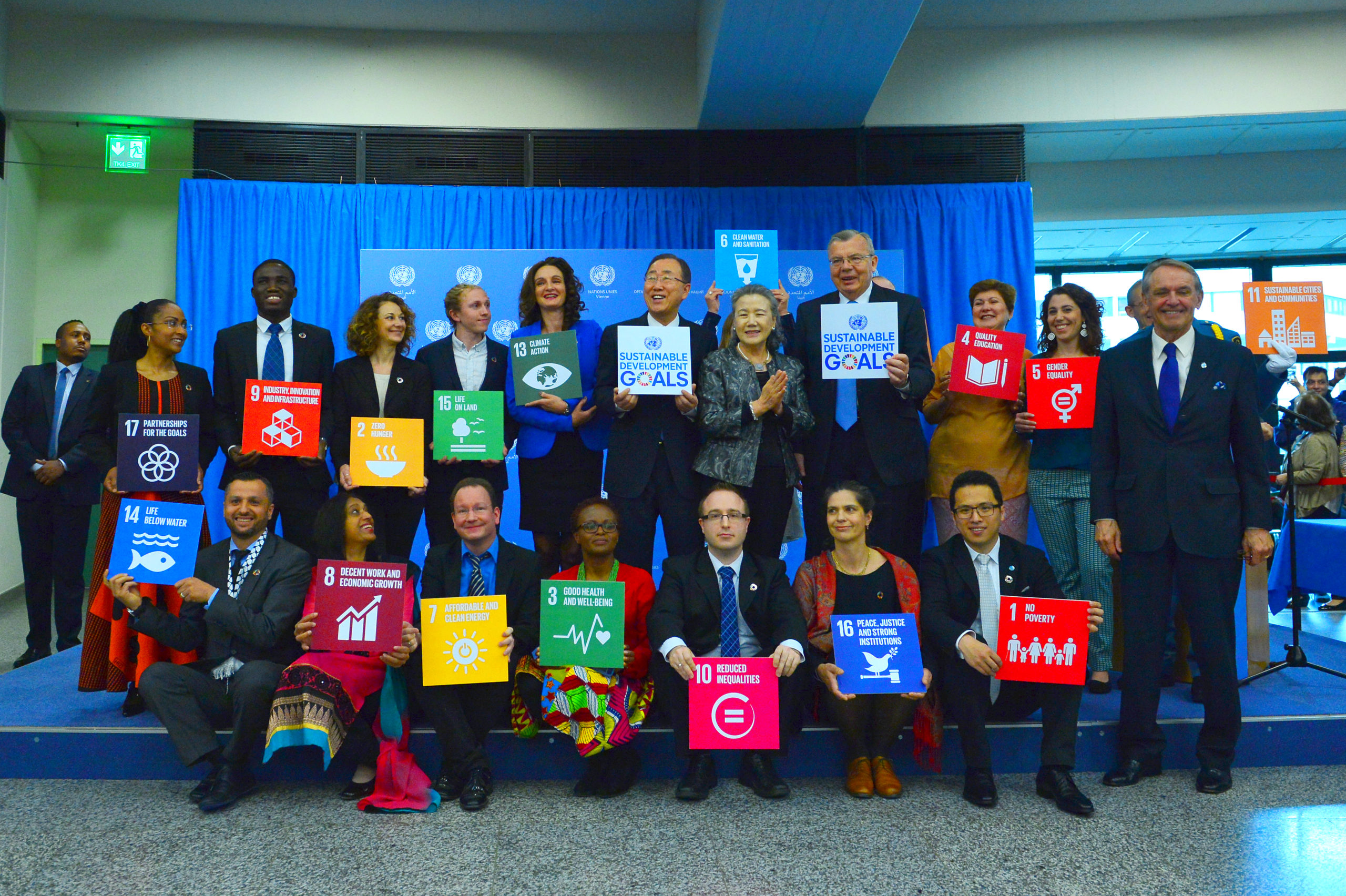
At the 2015 United Nations General Assembly, 193 nations agreed to adopt the Sustainable Development Goals outlined in the 2030 Agenda for Sustainable Development. On January 1, 2016, those goals were officially enforced.

The 2030 Agenda for Sustainable Development calls upon the governments of these 193 nations to adopt a universal plan of action to improve global poverty. It also asks the nations to enact strategies that promote key human rights which affect extreme poverty levels. The U.N. Agenda recognizes that fostering sustainable development across the globe requires a multifaceted approach which each country can uniquely apply to the economic, environmental, and social situation of its respective nation.

The U.N. 2030 Agenda poses 17 Sustainable Development Goals along with 169 targets for nations to strive to meet by the year 2030. Listed are summaries of some of the 17 Goals:

  • Goal 1: End all forms of global poverty
  • Goal 2: End hunger and achieving food security
  • Goal 4: Provide equal access to education
  • Goal 8: Promote sustainable economic growth and work opportunities
  • Goal 16: Promote accountability and strengthen inclusive institutions

These Goals, along with the other 12, build on the foundation provided by the previous Millenium Development Goals. The Sustainable Development Goals are set to achieve the goals that lacked completion by the Millenium Development Goals.

It is no coincidence that ending poverty is listed first in the Sustainable Development Goals. Global poverty eradication is crucial to achieving the other goals promoted by the 2030 Agenda. Today, the Coronavirus disproportionately affects those living in poverty and those vulnerable to falling below the poverty line. Now more than ever countries must collaborate in this global program which promotes accountable governments and economic strategies to fight global poverty.

Status Of the Resolution

House Resolution 654 was introduced in the House by Rep. Barbara Lee (D-CA) on October 24, 2019, and it has the support of 37 cosponsors. That same day, it was referred to the House Committee on Foreign Affairs. Currently, the resolution is still sitting in committee. About 25 percent of bills make it out of committee so there is hope for cosponsors and supporters of the U.N. Sustainable Development Goals that the resolution will receive congressional support.

The U.N. Sustainable Development Goals is an important and influential program in and of itself. It is equally important for legislation such as H.Res. 654 to continue to be proposed in Congress so that the U.S. government is kept aware of and responsible for supporting strategies that improve global poverty.

– Hanna Rowell
Photo: Flickr

September 12, 2020
https://borgenproject.org/wp-content/uploads/borgen-project-logo.svg 0 0 Kim Thelwell https://borgenproject.org/wp-content/uploads/borgen-project-logo.svg Kim Thelwell2020-09-12 11:12:102020-09-13 08:26:47House Resolution 654 – Supporting the United Nations Sustainable Development Goals
Global Health

Updates on SDG Goal 14 in Paraguay

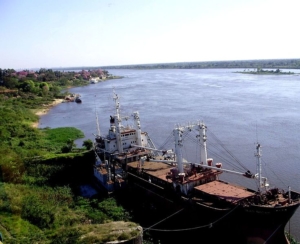
SDG Goal 14Paraguay, a landlocked country in central South America, relies heavily on the Paraguay River for water and marine resources. The river is vital for Paraguayans but is becoming increasingly vulnerable to pollution and overdevelopment. This led to the achievement of the U.N.’s Sustainable Development Goals (SDG). The Paraguay Ministry of Environment and Sustainable Development and the city of Asunción started the Asunción Green City of the Americas — Pathways to Sustainability project. It was started to protect the river and to help reach U.N.’s SDG Goal 14 in Paraguay called “life below water.”
Purpose of the Sustainable Development Goals

The UN introduced its 17 SDGs to lay out a blueprint to achieve a more sustainable future by 2030. Together they work to address social, economic and environmental challenges that the world faces and move towards a sustainable future. Goal 14 is to conserve and sustainably use the oceans, seas and marine resources. With more than three billion people dependent on marine resources globally, this goal is essential to a sustainable future.

Water quality, area of protected space, biodiversity threats and levels of overfishing and other indicators measure SDG Goal 14. Paraguay has struggled with water quality. Although it has some protected wildlife reserves near water, many species are critically endangered and biodiversity has been decreasing.

About the Paraguay River and Asunción

Paraguay is a landlocked country. As a result, achieving SDG Goal 14 in Paraguay requires protecting its freshwater and river systems. The Paraguay River flows from north to south throughout the entire country. It plays an important role in the freshwater system and its health is vital to the achievement of SDG Goal 14 in Paraguay. Farmers and fishermen rely on the river and it provides a significant portion of water to the Pantanal, the largest tropical wetland in the world.

Additionally, in recent decades the river has suffered from increased levels of development and pollution due to things like untreated sewage and garbage entering the river. Poor infrastructure and management of waste lead to these items entering the river system. This harms habitat and reduces water quality. These problems are particularly prevalent in the city of Asunción. Asunción is the capital of Paraguay located on the western side of the nation. The city sits on the bank of the Paraguay River and is home to a rich variety of bird species including many migratory birds during parts of the year. The wetlands near Asunción support many other species and protect the city from flooding. The river and wetlands benefit the community by providing a source of jobs including fishing and tours as well.

The Health of the Paraguay River

Furthermore, the health of the Paraguay River near Asunción has been a concern of the community for decades. Untreated sewage as well as garbage from many landfills make their way into the river. In 2005, the Ecological Reserve of Banco San Miguel and Bahía de Asunción was created to protect the wetland ecosystem along the river. It was also a place for endangered migratory birds to rest.

The creation of the reserve was an effective first step. However, the measures taken were insufficient. Few resources were used to reverse the existing damage. With the health of the river decreasing, Paraguay was not on track to meet SDG Goal 14 by 2030. The Ministry of Environment and Sustainable Development teamed up with city officials from Asunción. With support from the U.N., it created the Asunción Green City of the Americas — Pathways to Sustainability project.

The plan aims to address multiple issues including waste management, transportation and habitat protection in order to benefit the people and wild animals near Asunción. Improved bus systems as well as walking and bicycling networks would benefit the communities of Asunción and reduce harmful emissions. Better waste management will reduce citizens’ exposure to harmful chemicals. It will also help preserve the health of the river and wetland ecosystem.


Overall, adequate protection and maintenance of the ecological reserves on the river along with improved waste management and transportation are important. With them, the Paraguay River can maintain its essential role for ecosystems and the people of Asunción. The Ministry of Environment and Sustainable Development needs to continue to work hard to protect the Paraguay River and help achieve SDG Goal 14 in Paraguay.

– William Dormer
Photo: Wikimedia Commons

September 7, 2020
https://borgenproject.org/wp-content/uploads/borgen-project-logo.svg 0 0 Kim Thelwell https://borgenproject.org/wp-content/uploads/borgen-project-logo.svg Kim Thelwell2020-09-07 11:07:282020-09-07 11:07:28Updates on SDG Goal 14 in Paraguay
Global Poverty, Women's Empowerment

Empowering Women With HIV in Djibouti

HIV in Djibouti
According to the United Nations Development Program (UNDP), addressing poverty means first reaching those who feel the greatest impact; progress does not necessarily trickle down to the population that is most disadvantaged. The 2016 Human Development Report found that one-third of the world’s population lives in low human development circumstances. Furthermore, some sectors of society are more disadvantaged than others. Inequalities and social exclusion that people such as those living with HIV face present larger barriers to development and access to health programs. For this reason, the World Food Programme, alongside UNDP, UNAIDS and the national network of people living with HIV in Djibouti (RNDP+), have created an income-generation program that provides loans for people living with HIV. Such loans are empowering women with HIV in Djibouti to live dignified and successful lives.

Men and Women with HIV in Djibouti

As of 2017, 1.3 percent of the adult population in Djibouti was living with HIV, a decrease from 1.6 percent – or 9,900 people – in 2014. Social and cultural norms, destructive policies, improper medical services and restrictive laws impede HIV treatment and prevention measures. In Djibouti, women are most vulnerable to stigma and social exclusion and therefore often suffer the most.

The Income Generation Programme

The World Food Programme’s income-generation initiative supports and empowers women through longterm aid. By providing a regular, stable income, the World Food Programme is creating financial security for women with HIV in Djibouti. The money that women receive typically goes toward starting and running a retail business. These loans generally range from $141 to $148 per person and include a training program teaching effective business skills.

How it Works

Recipients of the loan become chosen from two networks in Djibouti that specifically support those living with HIV: ARREY and Oui à la Vie – Yes to Life. Oftentimes, those diagnosed with HIV are susceptible to deteriorating conditions, are unable to hold down a job and face discrimination, causing the citizens to be unwelcome in public sectors. Women with HIV in Djibouti that receive these loans are able to make a consistent income for themselves and overcome the stigma that some associate with HIV. Further, these women are able to take back control of the lives they previously led.

The Outcome

One such recipient of the loan stated that she was “no longer a desperate woman.” She now makes enough to support her family and other dependents. Additionally, once this loan gave her the capital to launch a sustainable business, she was able to repay the loan in only 10 months. During that time the recipient was also able to expand the retail business to include furniture and electronics.  

The World Food Programme’s income-generation initiative aids the Sustainable Development Goal of ending HIV by 2030, and furthermore, leaving no person behind. According to UNDP’s findings, development itself does not automatically ensure that the entire population is included. Programs such as this target the multidimensional factors involved in people receiving proper aid.

Empowerment is an essential part of development; without the ability to feel successful and fulfilled, women often lack the means to seek treatment and make educated decisions regarding health. The loan initiative empowers women living with HIV in Djibouti to combat the associated stigma and obtain financial investment necessary to develop a sustainable business. With a stable income, women are able to seek health services that might not have been previously accessible. 

– Laurel Sonneby
Photo: Flickr

April 10, 2020
https://borgenproject.org/wp-content/uploads/borgen-project-logo.svg 0 0 Lynsey Alexander https://borgenproject.org/wp-content/uploads/borgen-project-logo.svg Lynsey Alexander2020-04-10 01:30:162024-05-29 23:15:25Empowering Women With HIV in Djibouti
Global Health, Global Poverty, Health, Sustainable Development Goals

UN Program Aiding Women’s and Children’s Health

Women’s and Children’s health
In 2000, all 191 members of the United Nations officially ratified the Millennium Development Goals (MDG) which are eight, interdependent goals to improve the modern world. One of these goals included “promot[ing] gender equality and empower women; to reduce child mortality; [and] to improve maternal health,” emphasizing the need for increased focus on women’s and children’s health across the globe. In 2015, the Millennium Development Goals ended and the U.N. published a comprehensive report detailing the success of the MDGs. The report concluded that, during the length of the program, women’s employment increased dramatically, childhood mortality decreased by half and maternal mortality declined by nearly 45 percent.

Such success is, in part, due to another initiative, the 2010 Global Strategy for Women’s and Children’s Health, that aimed to intensify efforts to improve women’s and children’s health. Upon conclusion, the U.N. began developing a new program, the Sustainable Development Goals (SDGs), which includes 17 interconnected goals. Expanding on the success of the MDGs, the U.N. aims to tackle each goal by 2030. Similar to supportive programming to the MDGs, the U.N. has created another push for women’s and children’s health by establishing the 2016 Global Strategy for Women’s, Children’s and Adolescent’s Health.

The Global Strategy for Women’s, Children’s and Adolescent’s Health

The 2016 Global Strategy for Women’s, Children’s and Adolescent’s Health tackles a variety of critical global issues including maternal and childhood death, women’s workforce participation, women’s and children’s health care coverage, childhood development and childhood education. Being more robust, the 2016 Global Strategy is distinguished from the previous program as it “is much broader, more ambitious and more focused on equity than [the 2010] predecessor,” according to a U.N. report. The 2016 Global Strategy specifically addresses adolescents with the objective of encouraging youth to recognize personal potential and three human rights of health, education and participation within society.

Initiatives Supporting the SDGs

Many anticipate that achieving these global objectives will be a complex challenge. Therefore, the U.N. has established two groups to address women’s, children’s and adolescent’s health advancement: The High-level Steering Group for Every Woman Every Child and The Working Group on the Health and Human Rights of Women, Children and Adolescents.

The U.N. Secretary-General created the High-level Steering Group for Every Woman and Every Child in 2015. Seven areas of focus within the 2016 Global Strategy define the overall aim of this group. These include early child development, adolescent health, quality, equity, dignity in health services, sexual and reproductive health and rights, empowerment, financing, humanitarian and fragile settings.

The World Health Organization and the U.N. Human Rights Council created the Working Group on the Health and Human Rights of Women, Children and Adolescents in 2016, and it delivered recommendations to improve methods to achieving the 2016 Global Strategy. The group provides insight to “better operationalize” the human rights goals of the Steering Group in the report. 

In conjunction, these groups have accelerated and promoted the effectiveness of the 2016 Global Strategy. These groups effectively outline the idea that it is crucial to work as a team to tackle some of the world’s most complex problems concerning global poverty and health. U.N. Secretary-General, Ban Ki-Moon, believes these programs and groups will guide individuals and societies to claim human rights, create substantial change and hold leaders accountable.

Benefiting the Global Community

While the objective of the 2016 Global Strategy is to provide women, children and adolescents with essential resources and opportunities, the benefits of this integrated approach reach far beyond these groups. Developing strategic interventions produces a high return on resource investment. The reduction of poverty and increased public health leads to stimulated economic growth, thus increasing productivity and job creation.

Further, projections determine that the 2016 Global Strategy’s investments in the health and nutrition of women, children and adolescents will procure a 10-fold return by 2030, yielding roughly $100 billion in demographic dividends.

These high returns provide a powerful impetus for program support by local communities and government officials. Projected financial return can shed light on the global benefits of localized poverty reduction efforts. While the aim of poverty reduction should be in the interest of those most affected, understanding that such programs can provide a country with increased long-term growth is a major factor in the success of such initiatives, specifically in women’s and children’s health. 

The 2016 Global Strategy for Women’s, Children’s and Adolescent’s Health is indispensable during a time when women and children are providing the world with new innovations and perspectives. Each day, women across the world promote cooperation, peace and conversations within communities. Children will come to define the wellbeing of our world in the future. The success of U.N. programs today is a new reality for the world tomorrow.

– Aly Hill
Photo: Flickr

March 29, 2020
https://borgenproject.org/wp-content/uploads/borgen-project-logo.svg 0 0 Lynsey Alexander https://borgenproject.org/wp-content/uploads/borgen-project-logo.svg Lynsey Alexander2020-03-29 07:30:122024-05-29 23:15:15UN Program Aiding Women’s and Children’s Health
Global Poverty, Poverty, Poverty Reduction

How China Reduced its Poverty

China Reduced its Poverty
China reduced its poverty from 97 percent in 1978 to 1.7 percent in late 2018. In the late 1970s, China began focusing on poverty reduction and economic development. Through various economic efforts, China became market-oriented to decrease poverty, which subsequently grew the private sector, created modern banks, reformed the agricultural industry, developed the stock market and spurred foreign trade and investment. China aims to reduce poverty rates to 0 percent in 2020, which is in line with the U.N. Sustainable Development Goal of eliminating global poverty.

China’s Alleviation Method

The International Poverty Reduction Center in China reported lifting more than 850 million of its people out of poverty from 1981 to 2013. During that time period, extreme poverty decreased from 88 percent to 1.85 percent. To achieve a 0 percent poverty rate, China is using extensive expertise in helping Chinese nationals who reside in poorer regions. The current poverty rate of 1.7 percent primarily encompasses those in poor rural regions. 

Similar to the approach that China took in the 1970s and 1980s, it aims to increase efforts to open the economy for trade, diversify the marketplace, improve agricultural practices and implement education reform.

Poverty is still an issue throughout the agricultural industry, but the government is aiming to completely eliminate the Chinese poor. China created a poverty registration system that enables tracking of information relevant to those in poverty. It gathered data from more than 128,000 villages and 290,000 households that indicated that many of the poor reside in Guizhou, Yunan, Henan, Hunan, Guangxi and Sichuan. China aims to accomplish additional poverty reduction techniques through policies based on industrial development, relocation, eco-compensation, education and social security improvement. The Chinese government has managed to reduce poverty through direct involvement in hard-to-reach rural areas that have innately higher levels of poverty.

To support economic growth, the Chinese government is pushing for new industries in these poor regions, such as e-commerce and tourism. Furthermore, the relocation of poor families residing in areas prone to earthquakes or landslides has supported Chinese poverty reduction measures. The country is also emphasizing education and occupational training. Public health services will be available to the poor, especially in the remote mountainous regions. These actions indicate that China has reduced poverty not only through broad approaches but also through direct impacts.

Direct Progress

Progress is already underway in the government’s push for new industries. China has reduced poverty through these industries that benefit hundreds of thousands of Chinese citizens. China E-commerce centers, known as Taobao villages, enable the Chinese to sell their produce and specialties online. In 2015, 780 Taobao villages employed more than one million people and included more than 200,000 active online storeowners. Comparatively, in 2019, the number of Taobao villages grew to 4,310 and active online shops totaled to more than 660,000.

China’s Investments in Africa 

China also helps other countries with economic development and poverty reduction. As an economy grows, poverty trends to gradually lower; on the other hand, job growth, economic diversification and agricultural productivity improve. One can see a specific example of China’s method for poverty reduction through its investments in African countries to build foreign economies. China has provided more than $57 billion in financial aid to more than 170 countries. In 2018, China accounted for almost 20 percent of all infrastructure and capital project investment in Africa.

A Chinese Poverty-Reduction Model for Global Use

China reduced its poverty through economic development and direct impact. In 2016, China sent 775,000 officials to poor regions to alleviate poverty. The country sent these officials out to work in one to three-year posts. This direct impact demonstrates how a country can eliminate poverty through strong economic growth in remote regions. 

Brett Rierson, China representative for the World Food Program said, “China invested in agriculture to reduce poverty and successful agricultural projects were built up from the grassroots.” Rierson believes China is a good model for how to reduce poverty in developing countries.

Although China has been a positive influence on developing economies, one country alone cannot eliminate global poverty. Other developed countries could use China as a model for reducing poverty and improving living standards.

– Lucas Schmidt
Photo: Flickr

March 12, 2020
https://borgenproject.org/wp-content/uploads/borgen-project-logo.svg 0 0 Lynsey Alexander https://borgenproject.org/wp-content/uploads/borgen-project-logo.svg Lynsey Alexander2020-03-12 06:30:352020-03-12 10:22:46How China Reduced its Poverty
Global Poverty, Sustainable Development Goals, Technology

Technological Sustainability: Fixing World Problems 

Technological Sustainability
Technological innovations are changing the world. These innovations enable easier and more sustainable ways to support the Earth. Ensuring sustainable development includes technological innovations that improve the overall well-being of humans. It also requires a broad knowledge of technologies that can help advance people and organizations within the system. In order to create technological innovations for sustainability, there has to be a well-rounded understanding of the system. Once one has absorbed this knowledge, then they can create different technologies. These types of technologies include devices, methods, processes and actual practices. Technological innovations affect local communities in global areas as well.

Sustainable Development Goals

Technology is boosting the number of Sustainable Development Goals. This is creating solutions for social, economic and environmental threats. People have created many medical solutions through technological innovations. According to UNCTAD’s 2018 Technology and Innovations report, data analysis is aiding the response to disease outbreaks in different countries. In developing countries, some are using 3D printers to make custom-built prosthetic limbs for a cheap price.

Technological Innovation Devices

There are many other technological innovations that are promoting goals for the development of sustainability as well. Namely, one of those innovations includes the Zéphyr. Karen Assaraf, Julie Dautel and Cédric Tomissi created the Zéphyr, which acts as an eco-friendly generator. The device only uses water to inflate and capture solar energy from 165 feet in the air. Its purpose is to bring power to places that natural disasters have struck. In addition, the Groasis Waterboxx planting device is another technological innovation for sustainability. Pieter Hoff created the device which attempts to make growing crops in the desert possible and more efficient. It takes 90 percent less water than its traditional growing counterpart and people can use it in some extreme climates.

Initiatives for a Sustainable World

Along with technological innovations, there are also initiatives in place to create resources for a sustainable world. ENGIE Insight is a sustainable resource initiative working with businesses to reduce environmental impacts. ENGIE provides businesses with technology to support the reduction of their carbon footprint. So far ENGIE has worked with Gamestop and AMTRAK to assist in the creation of practices that reduce harm to the environment.

Additionally, in March 2018, the United Nations Industrial Development Organization (UNIDO) launched its Industrial Development Report. This report promotes industrial development and argues that mass consumption of manufacturers will set a “virtuous circle of industrial development – comprising income creation, demand diversification and massification of consumption.” The report also acknowledges that manufacturing is a key provider of quality goods and has a positive impact on living standards. Further, this contributes to the Sustainable Development Goals by ensuring the sustainability of the environment.

Technological advances that support sustainability are very important and are a part of the solution to change the world for the better. As the world becomes more sustainable, poor and marginalized communities should experience increased opportunities. In addition, improving sustainability through technology is impactful beyond the restraints of socioeconomic status. It all starts with technological innovations that require efforts from the people and political powers to set in motion.

– Jessica Jones
Photo: Flickr

December 15, 2019
https://borgenproject.org/wp-content/uploads/borgen-project-logo.svg 0 0 Jennifer Philipp https://borgenproject.org/wp-content/uploads/borgen-project-logo.svg Jennifer Philipp2019-12-15 13:30:042020-01-31 13:40:07Technological Sustainability: Fixing World Problems 
Developing Countries, Development, Education, Global Poverty

Internet Access in Afghanistan Key to Development

Internet Access in Afghanistan

One of the biggest issues facing developing countries is stunted infrastructure. Many developing countries lack the funds and institutions necessary to efficiently carry out mass infrastructure revamps that would connect all parts of these countries and enable more people to get safer, better-paying jobs. Of course, for developing countries like Afghanistan, this type of development also includes internet access as well. Internet access is so critical for long-term growth that the United Nations even listed it as a key outcome under its Sustainable Development Goals (SDGs).

Importance of Internet Access to Development

A lack of internet access can be stifling for economic growth in any country. Many international businesses are unwilling or hesitant to invest in countries that have no broadband connection. In this era, the internet is the medium through which many interactions essential for economic progress take place, such as:

  • Potential higher-paying employers can contact and hire employees.
  • Students can take classes, study, and turn in assignments.
  • Workers can unionize.
  • Citizens can keep educated about international events and help keep their representatives accountable.

However, this staple of modern development is widely not available to those who live in impoverished countries. Lack of internet access is especially a problem in the Middle East, as not only does terrain stifle modern development, but extremist groups like the Taliban oppose it as well. Afghanistan is one of these countries, as only about 17.6 percent of the population has access to the internet. The broadband that the population has access to costs about $80 per month for 1 Megabit per second (Mbps), making broadband access unaffordable for much of the population that has a Gross Net Income (GNI) per capita of $570.

Progress: Internet Access in Afghanistan

The good news is that there have been significant improvements within the past 10 years in Afghanistan’s internet infrastructure. In 2013, only 5.9 percent of the population had internet access, this means Afghanistani people have seen triple inaccessibility in just six years. Afghanistan now has a rather intensive fiber optics network laid down in 25 of its provinces with assistance from its neighboring countries, mainly Pakistan, as well as some international organizations like the International Telecommunication Union (ITU).

Due to these coordinated efforts, there are more than 8.7 million people using the internet in Afghanistan today. This number is expected to increase with de-escalation of the conflict in the region and further diplomatic talks with Afghanistan’s hegemonic neighbor China with plans to coordinate infrastructure development.

Internet access in Afghanistan still has a long way to go before it is considered comparable to any developed country, due in part to political, economic, social and even geographic reasons. Even so, the Chairman of Afghan Telecom Gul Aryobee remains optimistic about the prospect of further development in the Information Technology sector since the country has already seen such rapid improvements in less than a decade. He recognizes all the challenges that the internet in Afghanistan faces, but he remains strong in his conviction to meet the SDGs set by the United Nations and fully believes Afghanistan has the potential to develop exponentially with the continued assistance of other countries and international organizations.

– Graham Gordon
Photo: Flickr


October 23, 2019
https://borgenproject.org/wp-content/uploads/borgen-project-logo.svg 0 0 Kim Thelwell https://borgenproject.org/wp-content/uploads/borgen-project-logo.svg Kim Thelwell2019-10-23 11:22:092024-06-04 01:08:36Internet Access in Afghanistan Key to Development
Children, Developing Countries, Development, Education, Global Poverty

Keeping Girls in School

Keeping Girls In School
Right now, 130 million girls ages 6 through 17 are not in school. Fifteen million girls will never receive any kind of education. The international community has recognized the importance of rectifying this problem, including the elimination of gender inequality in education as a target of the Sustainable Development Goals. Despite the significant hurdles which remain, the number of girls in school has increased dramatically in recent decades indicating progress.

Between 1970 and 2017, the global average number of years a girl spends in school increased from 6.7 to 12.5. South Asia experienced the most amount of progress, tripling the average length from 3.8 to 12.

South Asia

Several countries in South Asia have implemented programs that target keeping girls in school. Efforts in India largely drove the increase in rates, where average years of schooling jumped from 4.1 to 13, exceeding the 12-year target. Many nonprofits have worked to improve the educational attainment of Indian girls. For instance, ConnectEd brings education to girls at home when their parents do not allow them to attend school. Additionally, the nonprofit organization CARE has worked with the Indian government to provide educational programs for girls who have dropped out of school and to strengthen early childhood education. CARE also advocates for the bolstering of legislation and policies which ensure safe and secure access to education.

Bangladesh has also made significant strides in keeping girls in school. Secondary school enrollment for girls went up from 39 percent in 1998 to 67 percent in 2017. In 2008, the government of Bangladesh initiated the Secondary Education Quality and Access Enhancement Project (SEQAEP) with the help of the World Bank. This program provides stipends and tuition payments to impoverished children, especially girls. Teachers have received additional training and incentives to ensure that at least 70 percent of their class passes. Additionally, Bangladesh has taken steps to improve sanitation and water facilities at schools. Before the implementation of SEQAEP, 50 percent of children completed primary school and only one-fifth of these went on to complete 10th grade. Now, 46 percent of students graduate from secondary school, including 39 percent of children from impoverished backgrounds. Girls have experienced a rise in enrollment rates in particular due to a number of specially targeted stipend programs. Between 2007 and 2017, the gender parity ratio for grades six to 10 improved from .82 to .90.

Sub-Saharan Africa

Sub-Saharan Africa also made significant gains in the number of years girls spend in school, more than doubling the average from 3.3 years to 8.8. However, this region remains the worst in terms of keeping girls in school. In many countries in the region, girls never even get a chance to attend primary school. In the Central African Republic, Chad, Mali and Niger, two-thirds of primary school-aged girls do not enroll in school. In Liberia, this number is 64 percent, while in South Sudan it reaches a staggering 72 percent.

Nigeria has driven the current progress. Since 2007, the Nigerian government partnered with the World Bank to distribute grants and resources to school systems in particularly struggling areas. Programs that provide free meals and uniforms have incentivized families to allow their girls to obtain an education. Additionally, resources such as textbooks and expanded class space have made class time more effective for students and assisted in graduation rates. In one state, primary school completion rates for girls rose from 17 percent to 41 percent.

These statistics show that change is possible. Advancements in these countries show that even small investments in girls’ education can drastically improve their prospects.

Clarissa Cooney
Photo: MaxPixel

October 5, 2019
https://borgenproject.org/wp-content/uploads/borgen-project-logo.svg 0 0 Kim Thelwell https://borgenproject.org/wp-content/uploads/borgen-project-logo.svg Kim Thelwell2019-10-05 06:50:412024-12-13 18:01:53Keeping Girls in School
Page 4 of 12«‹23456›»

Get Smarter

  • Global Poverty 101
  • Global Poverty… The Good News
  • Global Poverty & U.S. Jobs
  • Global Poverty and National Security
  • Innovative Solutions to Poverty
  • Global Poverty & Aid FAQ’s
Search Search

Take Action

  • Call Congress
  • Email Congress
  • Donate
  • 30 Ways to Help
  • Volunteer Ops
  • Internships
  • Courses & Certificates
  • The Podcast
Borgen Project

“The Borgen Project is an incredible nonprofit organization that is addressing poverty and hunger and working towards ending them.”

-The Huffington Post

Inside The Borgen Project

  • Contact
  • About
  • Financials
  • President
  • Board of Directors
  • Board of Advisors

International Links

  • UK Email Parliament
  • UK Donate
  • Canada Email Parliament

Get Smarter

  • Global Poverty 101
  • Global Poverty… The Good News
  • Global Poverty & U.S. Jobs
  • Global Poverty and National Security
  • Innovative Solutions to Poverty
  • Global Poverty & Aid FAQ’s

Ways to Help

  • Call Congress
  • Email Congress
  • Donate
  • 30 Ways to Help
  • Volunteer Ops
  • Internships
  • Courses & Certificates
  • The Podcast
Scroll to top Scroll to top Scroll to top