• Link to X
  • Link to Facebook
  • Link to Instagram
  • Link to TikTok
  • Link to Youtube
  • About
    • About Us
      • President
      • Board of Directors
      • Board of Advisors
      • Financials
      • Our Methodology
      • Success Tracker
      • Contact
  • Act Now
    • 30 Ways to Help
      • Email Congress
      • Call Congress
      • Volunteer
      • Courses & Certificates
      • Be a Donor
    • Internships
      • In-Office Internships
      • Remote Internships
    • Legislation
      • Politics 101
  • The Blog
  • The Podcast
  • Magazine
  • Donate
  • Click to open the search input field Click to open the search input field Search
  • Menu Menu

Tag Archive for: Sustainable Development Goals

Posts

Development, Foreign Relations, Global Poverty

UN Meets to Discuss the Doha Program of Action

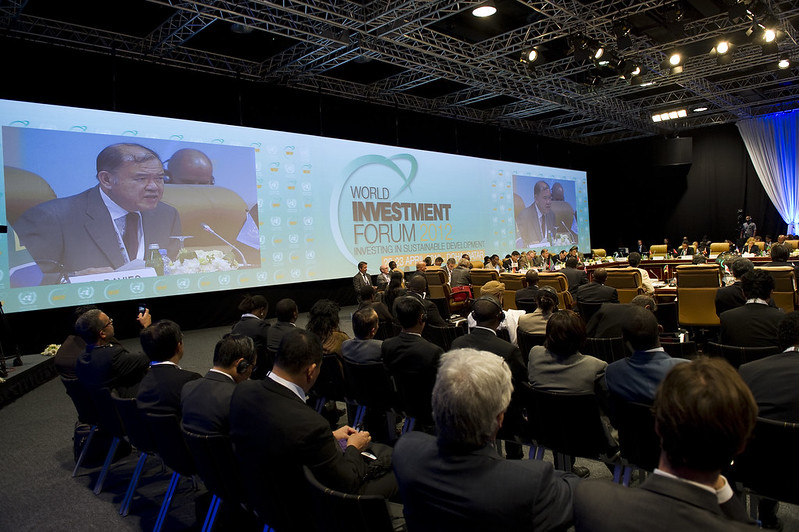
UN Meets to Discuss the Doha Programme of Action A United Nations (U.N.) meeting on the Doha Program of Action has wrapped up. The Qatar Fund for Development (QFFD) and the United Nations Office of the High Representative for Least Developed Countries, Landlocked Developing Countries and Small Island Developing Countries (UN-OHRLLS) organized the meeting. It spanned three days. Ministers, senior officials, development partners and representatives of international organizations convened to discuss how to help least developed countries (LDCs) graduate successfully.

For a country to graduate, it must reach a threshold of income, education and resilience. The Doha Program of Action aims to help 15 more countries reach graduation by 2031. LDCs face disproportionate risks from climate disruptions, conflict, financial distress and trade disturbances. Rabab Fatima, a U.N. high representative for LDCs, said that participants at the meeting exhibited “a strong collective will to ensure that graduation becomes a gateway to resilience, opportunity and sustainable prosperity.”

Doha Program of Action

The Doha Program of Action functions as a framework and coordination mechanism that sets shared goals and standards for least developed countries and guides how governments, international organizations and development partners provide support. It outlines six main focus areas. The first focuses on supporting people in LDCs by reducing poverty and expanding access to basic services. For the second focus area, it emphasizes science, technology and innovation as tools to address multiple vulnerabilities and advance the Sustainable Development Goals (SDGs). Next is promoting productive transformation as a driver of economic growth. The fourth encourages international trade among LDCs and strengthens regional cooperation. The fifth addresses climate change, environmental degradation and post-pandemic recovery while strengthening resilience to future shocks through risk-informed sustainable development. Finally, the sixth mobilizes international solidarity, renewed global partnerships and innovative mechanisms to support sustainable graduation.

Transition Strategies

Countries that are at or near graduation, such as Bangladesh, the Lao People’s Democratic Republic and Nepal, provided advice on transitioning. The three countries explained that LDCs should prioritize a national transition plan. Representatives emphasized that this step is crucial to reaching the graduation threshold. A coherent strategy will reduce reliance on targeted aid. Representatives said these policies should be pragmatic and centered on supporting the future of LDCs. The conference also examined how developing countries can increase output by implementing digital technology and environmentally sustainable industries. To support developing economies, participants identified expanding trade opportunities as a priority.

The Role of iGRAD

The iGRAD facility plays a key role in implementing the plan. The facility will help guide LDCs through the transition period. Qatar has pledged $10 million to support it. Fahad Hamad Al-Sulaiti, director general of the Qatar Fund for Development, said the conference illustrated the necessity of supplying LDCs with “the tools, resources and partnerships with confidence.”

International Support

In previous years, countries and international partners have provided assistance to LDCs, demonstrating commitment to the Doha Program of Action. Qatar committed to donating $60 million. Qatar allocated $10 million to support implementation of the plan and $50 million to build foundational strength in LDCs. Germany pledged 200 million euros to finance LDCs. Canada pledged $15 million to provide vitamin supplements for 15 LDCs, as well as ecosystem support efforts in Burkina Faso. The United Nations lists 44 countries as LDCs.

Looking Ahead

Overall, the gathering shows the U.N.’s effort to assist least developed countries in their journey toward graduation. Guidance from countries that have graduated, innovative financial mechanisms and a history of international support signal a promising future for the Doha Program of Action. If countries follow through on these commitments, more LDCs will have the means to graduate. Continued coordination and support will play a key role in the plan’s success.

– Sasha Banaei

Sasha is based in San Diego, CA, USA and focuses on Politics for The Borgen Project.

Photo: Flickr
January 12, 2026
https://borgenproject.org/wp-content/uploads/borgen-project-logo.svg 0 0 Precious Sheidu https://borgenproject.org/wp-content/uploads/borgen-project-logo.svg Precious Sheidu2026-01-12 03:00:322026-01-12 01:29:55UN Meets to Discuss the Doha Program of Action
Global Poverty, Sustainable Development Goals, Women's Empowerment

Updates on SDG 5 in Argentina

SDG 5 in ArgentinaArgentina has made significant progress in advancing gender equality, and according to the Sustainable Development Report, it is one of the few countries, not just in Latin America, but globally, that is on track to achieve SDG 5 by 2030. Argentina has implemented “100% of the legal frameworks under the SDG that promote, enforce and monitor gender equality.” This article dives into updates on SDG 5 in Argentina.

Sustainable Development Goal 5

In 2015, the Sustainable Development Goals (SDGs) replaced the Millennium Development Goals, aiming to transform the world. As part of the 2030 Agenda for Sustainable Development, all United Nations member states adopted the SDGs, which comprise 17 goals and 169 targets aimed at achieving development by 2030. 

 The fifth goal, or SDG ,5 aims to achieve gender equality and empower all women and girls. Its targets include ending all forms of discrimination, violence and harmful practices against women, among others. It also aims to ensure women’s equal representation in leadership at all levels of different spheres of life.

SDG 5 Progress in Argentina

The following section highlights recent updates on SDG 5 in Argentina, based on certain indicators of the goal. Among the indicators that the goal uses to measure progress, one focuses on the labor force participation of women by evaluating the ratio of female-to-male labor force participation. As of 2024, the rate was 73.73%, an increase from 67.59% in 2000, representing a slow but sustained rise.

Another indicator, measuring the ratio of the mean years of education that women and men aged 25 and older received, reached a peak of 104.92% in 2021. With relation to this indicator, the country has remained predominantly consistent over the last two decades, routinely surpassing the intended target of 100, demonstrating that, on average, women receive more years of education.

Meanwhile, a third indicator has shown a drastic improvement from the turn of the century. From holding less than 30% of seats in National Parliaments, the country, at its best, in 2024, witnessed nearly 45% of women leaders. There has been a slight dip in 2025, but so far it seems to be on track to achieve 50%.

Furthermore, the vulnerability of female employment in Argentina has also improved since 1991. As of 2023, the rates were 20.6% among women and 23.8% among men. In both cases, it is lower than the average rate in Latin America and the Caribbean. Lower vulnerable employment rates also have a relatively positive impact on poverty in the country, given that workers in vulnerable employment are more likely to fall into poverty.

Areas for Continued Growth

While Argentina has made notable progress in achieving SDG 5, certain areas require continued work to address necessary gaps. One such aspect that remains a challenge is physical and/or sexual violence. In 2018, among women aged 15-49 years, 4.5% reported that they had experienced physical and/or sexual violence by a current or former intimate partner in the previous 12 months.

With respect to labor, men spent 9.2% of their time on unpaid care and domestic work, while women and girls aged 15 and above spent more than 20%. The adolescent birth rate per 1,000 women aged 15-19 also rose to 0.9 in 2021. Though not a concerning figure, it was a slight increase from 0.8 in 2020.

Additionally, Argentina is working to close existing gender data gaps to fulfil its SDG 5-related commitments. A key area where data gaps exist is gender and poverty. Given that the female poverty rate is higher than the male poverty rate globally, this data could have a significant impact on empowering women and alleviating poverty in Argentina.

UN Women’s Initiative

Nonetheless, various initiatives have been and continue to be put in place to overcome these challenges. One such example is the Connected to the Future: The Potential of Digital Training to Accelerate Equality initiative, which U.N. Women launched in collaboration with Nokia aimed to bridge the digital divide. This multisector collaboration aims to enhance women’s access to employment in key sectors and to promote entrepreneurship through training and the development of local networks in Argentina.

As a part of the initiative, 80 women from across 52 municipalities in Puntos Mujer participated in the training surrounding cybersecurity, artificial intelligence, personal finance and digital violence, among others. The program also supports the U.N. Women Strategic Plan 2022-2025, particularly the digital inclusion strategy for Latin America and the Caribbean and encourages women’s economic empowerment in digital spaces, which is a feature critical for sustainable economic development in communities.

The Women’s Forum for Equal Opportunities

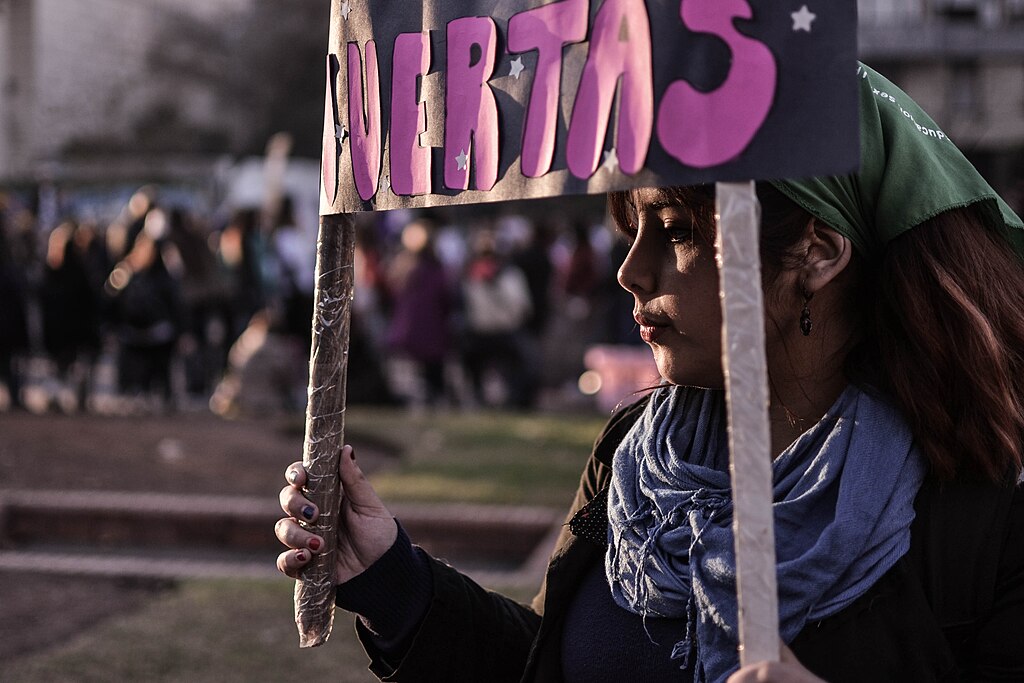
The citizens are also empowered, and they, too, are increasingly championing women’s rights throughout the country. For instance, indigenous and feminist women’s groups throughout Argentina are campaigning to stop racist sexual violence and femicide. The Women’s Forum for Equal Opportunities is one such organization. It has established women-led community networks by training local leaders on gender issues to assist survivors of violence. This has played a significant role in supporting survivors from regions with no access to telephone lines or the internet.

Looking Ahead

While Argentina faces some challenges in its path to achieving SDG 5, the programs and initiatives being implemented are working actively to bridge the gap by the end of the decade. 

– Priya Doshi

Priya is based in Edinburgh, Scotland and focuses on Good News and Politics for The Borgen Project.

Photo: Wikimedia Commons

October 22, 2025
https://borgenproject.org/wp-content/uploads/borgen-project-logo.svg 0 0 Jennifer Philipp https://borgenproject.org/wp-content/uploads/borgen-project-logo.svg Jennifer Philipp2025-10-22 03:00:362025-10-27 11:39:03Updates on SDG 5 in Argentina
Global Poverty, Health, Sustainable Development Goals

SDG 3 in Brazil: Advancing Health and Well-Being

SDG 3 in BrazilBrazil, Latin America’s largest country, faces a diverse and unequal health landscape. From urban favelas to remote Indigenous communities, access to care varies widely. Millions lack regular health services, and regional disparities in medical infrastructure persist. These challenges make Sustainable Development Goal 3 (SDG 3 in Brazil)—ensuring health and well-being for all—a particularly urgent priority.

SDG 3 includes targets to reduce maternal mortality, combat infectious diseases, improve mental health and ensure universal health coverage. Brazil has made significant progress in some areas, although gaps remain. The country is advancing this goal through a combination of public policy, innovation and grassroots action.

According to the Sustainable Development Report, Brazil is making steady progress on SDG 3 in Brazil, particularly in reducing child mortality and expanding access to primary health care. However, ongoing challenges in infrastructure and staffing call for targeted investment and coordination. Here are five ways Brazil is working to enhance the health and well-being of its people.

1. Expanding Universal Health Coverage

Brazil created the Sistema Único de Saúde (SUS) in 1988, declaring health a right for all citizens. SUS now provides free and universal health care to more than 200 million Brazilians, including vaccines, preventive care, childbirth support and HIV/AIDS treatment.

Despite challenges, Brazil continues to strengthen SUS through mobile health units, telemedicine and community outreach. These efforts, in particular, benefit rural and underserved populations in the Amazon and Northeast. SUS is a cornerstone of progress toward SDG 3 in Brazil, as it reduces inequality and ensures that all Brazilians—regardless of income or location—can access essential care.

2. CONASS and the Oral Health Care Network

Oral health inequality remains a serious issue in Brazil, particularly among low-income populations. Many families cannot afford dental services, and untreated oral diseases disproportionately affect people experiencing poverty. In response, the National Council of Health Secretaries (CONASS) and Conasems created the Oral Health Care Network (RASB) in partnership with the Ministry of Health.

This initiative aims to make comprehensive and preventive dental care accessible through the SUS network. The federal government increased investment in oral health programs from R$1 billion to R$4.5 billion, a fourfold rise. This funding supports public dental clinics, mobile services and training for oral health teams. By addressing an often-overlooked dimension of public health, this initiative helps Brazil advance SDG 3 in Brazil more equitably.

3. Addressing Doctor Shortages in Remote Areas

Remote regions of Brazil face a chronic shortage of doctors. In 2023, the government relaunched the Mais Médicos (More Doctors Program) to place trained physicians in underserved areas.

The program now includes incentives for long-term placements, expanded residency opportunities and support for Brazilian medical graduates. Its goal is to reduce turnover and strengthen primary health care delivery where it is most needed. Brazil advances SDG 3 by implementing strategies that enhance continuity of care and guarantee equitable access to health services across all regions.

4. Community-Led Health Outreach in the Amazon

Since 1987, Projeto Saúde e Alegria (PSA) has been working in the Amazon region to deliver health services to remote Indigenous and riverine communities. These groups often lack access to public clinics and face threats from illegal mining and environmental degradation.

PSA operates mobile clinics, provides clean water solutions, and trains community health agents. In response to mercury contamination from mining and the COVID-19 pandemic, PSA expanded its water and hygiene programs. Serving more than 30 villages, PSA shows how grassroots, community-led models can close health gaps and contribute directly to SDG 3 in Brazil.

5. Brazil’s Role in Global Health Policy

In 2024, Brazil hosted the G20 Health Working Group in Salvador, highlighting the need for sustainable financing in primary health care (PHC). To advance SDG 3 in Brazil, the Pan American Health Organization (PAHO), the World Bank and the Inter-American Development Bank (IDB) co-hosted the event, bringing together global leaders to discuss sustainable health financing.

At the summit, Brazil helped launch the Alliance for Primary Health Care in the Americas, a regional initiative to boost PHC investment and resilience. Brazil’s leadership showcased its commitment to building equitable health systems, both domestically and across Latin America. This international engagement reflects Brazil’s growing role as a health leader and its long-term investment in achieving SDG 3 in Brazil.

Progress and Outlook

Through programs such as SUS, Mais Médicos and PSA, Brazil has made significant strides toward achieving universal health coverage, particularly in marginalized regions. Oral health investments and regional partnerships further illustrate its multifaceted strategy to achieve SDG 3 in Brazil. According to recent SDG dashboards, Brazil is showing steady progress in reducing maternal and child mortality and expanding primary health care.

Challenges remain—particularly in infrastructure, staffing and rural care access—but Brazil’s combination of national policy and local innovation is producing measurable impact. Continued investment and coordination will be crucial to sustain progress and enhance the well-being of all Brazilians by 2030.

– Isaac Nelson

Isaac is based in Florianópolis, Santa Catarina, Brazil and focuses on Good News for The Borgen Project.

Photo: Unsplash

August 12, 2025
https://borgenproject.org/wp-content/uploads/borgen-project-logo.svg 0 0 Jennifer Philipp https://borgenproject.org/wp-content/uploads/borgen-project-logo.svg Jennifer Philipp2025-08-12 07:30:502025-08-11 13:11:55SDG 3 in Brazil: Advancing Health and Well-Being
Global Poverty, Water Sanitation

Updates on SDG 6 in Brazil

SDG 6 in BrazilThe United Nations General Assembly issued the Sustainable Development Plan in September 2015 with Sustainable Development Goal 1 being to “end poverty in all its forms everywhere.” The organization aims to assist nations worldwide in the fight against poverty. Brazil, the largest nation in South America, has been significantly influenced by limited access to essential resources like electrical energy that has contributed to the welfare of millions of people. When adult unemployment is taken into account, productivity drops to 33%. This implies that 67% of the country’s potential is missing. To stabilize Brazil’s economy and help its citizens, creative concepts and clear policies are essential in addressing issues like energy poverty and limited access to clean water. Here is information about poverty and efforts to address SDG 6 in Brazil, which is to provide adequate water and sanitation.

Poverty in Brazil

Brazilian poverty is a lasting issue with deep historical roots. The country’s population consists of of 205.3 million people. Despite being one of the largest sights in the world, Brazil’s huge income inequities have left much of its population in poverty. Low accessibility of healthcare and education are factors that explain its widespread levels of poverty. Even if poverty rates vary over time, there are millions of Brazilians who continue to live below the poverty line every day, just trying to meet minimum standards of decent food, housing and personal healthcare. Eradicating poverty in Brazil requires strategy to drive inclusive growth and humanitarian services. Some groups like Afro-Brazilians have limited accessibility in applying to schools and health clinics. Females are prone to discrimination in the working system. As a result, some people are attempting to resolve these issues in Brazil. 

Active Measures To Address Energy Poverty

Within the Paraguay-Brazil region, the UN Department of Economic and Social Affairs (UN DESA) joined Itaipu Bi-National in promoting water and energy resource preservation. To further advance Brazil’s agenda towards meeting the Sustainable Development Goals, the partnership designed a 2030 vision board.

Energy poverty is a very critical problem in Brazil, where a significant number of people have historically lacked access to electricity. Inadequate, reliable energy slows economic development, limits educational achievement and impacts the overall quality of life, particularly in rural and poor communities.

The partnership established sustainable energy solutions in an attempt to build a stronger foundation on better collaboration and speech dialogues to discuss energy connectivity. The plan is also to find any fundamental barriers or obstacles in the incorporation of these sustainability goals. Less helping hands discourages the development of home-based businesses and minimizes access to communication and data technologies, leading to a constant poverty cycle. However, with this partnership, the results should play out in the country’s favor.

The Necessity of Addressing SDG 6 in Brazil

Limited clean water is yet another significant challenge for people in Brazil. Lack of adequate infrastructure, pollution by industry and agriculture and climate change impacts are among the reasons for limited water and water pollution. With no clean sources of water, waterborne disease is more likely to occur, impacting productivity. In 2022, 23.9% of Brazilian citizens endured irregular water stock. One of the most shocking events Brazil experienced was Rio Grande do Sul’s floods in 2024 where several officials reported 54 confirmed cases of waterborne diseases or leptospirosis, causing four sudden deaths. Women and children are more likely to bear the bulk of water collection responsibilities, once again keeping them away from education. Water management improvement and access to clean water programs are critical to Brazilian society’s health and sustainable development.

The Agua Limpa Project

United Nations environmental activist and philanthropist Gisele Bündchen has contributed positively to Brazil through sustainable development of the Agua Limpa Project (Clean Water Project). In 2004, a passionate, nature-driven Bündchen visited the Xingu area of Brazil. As an eyewitness to river pollution, she has pushed for an end to ecological degradation. The project began in 2008, co-founded with Bundchen’s family, and they planted more than 40,000 trees near streams. She oversaw the country’s water quality when managing wildlife’s restoration. Bündchen’s work as a UN Environment Goodwill Ambassador in Kenya is another noteworthy aspect of her career. Her influence even extends beyond the publishing of her works, including the New York Times bestseller “Lesson: My Path to a Meaningful Life.” She shares her life experiences from exploring Brazilian lands and how it shaped her mind.

The Leonardo DiCaprio Foundation

Sustainability resources have also been accompanied by Hollywood star Leonardo DiCaprio, whose advocacy stands for nations like Brazil, in which they seek available natural resources. DiCaprio promotes conservation efforts through his Leonardo DiCaprio Foundation established in 1998. The organization has supported at least 100 and more special projects in 50 countries and has achieved success in increasing international funding for environmental causes, wildland protection, and ocean conservation. The foundation has offered funding grants worth $20 million to around 100 communities fighting for environmental issues like changing weather patterns.

While DiCaprio’s efforts are dedicated to big-time environmental preservation and changing weather, he also spoke out for poverty reduction through the conservation of natural resources upon which most communities base their primary livelihood. For instance, his foundation supports projects that protect forests, whose role in the livelihoods in Brazil  is significant. As of today his foundation continues to conduct additional research on specific projects in Brazil that would provide a lasting contribution to poverty alleviation in the nation. 

Looking Ahead

Ending poverty and addressing SDG 6 in Brazil requires a special approach that includes promoting access to clean energy, natural resource management and promoting collaborative work between international agencies, governments, and individuals. Initiatives like the UN DESA partnership, Brazil’s development in biofuel and hydropower and the ongoing activism by Giselle Bundchen and Leonardo DiCaprio all play a crucial role in driving Brazil towards an equitable future. 

– Janae Bayford

Janae is based in Centennial, CO, USA and focuses on Good News and Celebs for The Borgen Project.

Photo: Unsplash

June 7, 2025
https://borgenproject.org/wp-content/uploads/borgen-project-logo.svg 0 0 Jennifer Philipp https://borgenproject.org/wp-content/uploads/borgen-project-logo.svg Jennifer Philipp2025-06-07 01:30:552025-06-07 01:49:25Updates on SDG 6 in Brazil
Food & Hunger, Global Poverty, Sustainable Development Goals

Hunger in The Netherlands

Hunger in the NetherlandsAs a high-income European country and one of the most substantial influencers in agricultural viability, as well as one of the foremost exporters of agricultural products throughout the globe, the Netherlands is not a country that the world would easily associate with hunger.

1940s Hunger Winter

Yet, 80 years ago, the Netherlands faced a food scarcity experience that left an indelible stamp on its history. This was the Dutch famine of 1944-45, remembered as the “Hunger Winter,” and was one of the major European famines of World War II. The famine occurred in late 1944 and early 1945 in the urban west of the country, after the southern part of the country had been liberated by the Allies. And it affected “probably the wealthiest, best educated and most mobile victims of any famine in history.” Although mortality was relatively low, the long-term effects were significant. Perhaps it was this experience that has framed today’s approach to hunger by the Dutch. 

Poverty and Hunger Today

Since 2018, poverty has decreased in the Netherlands, from 7.1% to 5.1%. This decrease was due to COVID-19 support, compensation for higher energy prices, and an increase in the minimum wage. Nevertheless, in 2023, a third of the poor were in long-term poverty.

The Global Food Security Index 2022 reports that the Netherlands is in the top 5 of 113 countries: affordability (3rd), availability (14th), quality and safety (12th), sustainability and adaptation (13th). Similarly, the Global Nutrition Report indicates that the country is on course for most targets, but off course for childhood overweight and men’s and women’s obesity, and shows no progress or worsening for low birth weight and for anemia for women of reproductive age. 

So, although poverty and hunger are not severe in the country, they still must be addressed.

Local Attention to Hunger

In 2002, a small garage-based initiative to address both food waste and poverty began in Rotterdam and has since grown into the Netherlands’ largest volunteer organization, Voedselbanken Nederland, with 14,000 volunteers supporting 178 local food banks. October 2024 was the Week of the Food Banks—coinciding with World Poverty Day and World Food Day. Voedselbanken Nederland estimates that it needs to reach approximately 400,000 more people who are eligible for assistance but have not yet gotten to a food bank. This is an activity of Schuttelaar & Partners, a corporation dedicated to a healthy and more sustainable agrifood system and food choices, and to accelerating the energy transition. 

The Netherlands and Global Hunger and Health Initiatives

  • Seed Valley. One outgrowth of the Hunger Winter and its loss of over 20,000 lives, was the Netherlands’ investment in agricultural subsidies, industrialization and rural infrastructure with the goal of growing twice as much food with half the resources. This is personified in “Seed Valley,” not actually a valley, but an area of some of the world’s largest seed conglomerates, located an hour north of Amsterdam. The country now produces 6% of Europe’s food on 1% of the continent’s farmland, with a focus on sustainability, including dietary change. The innovations of Seed Valley are aimed at the challenges of climate change and food insecurity on a global level, to rectify the harms of agricultural intensification. 
  • Global Health Hub. In September 2023, the Ministry of Health, Welfare and Sport and the Ministry of Foreign Affairs joined more than 20 parties in the Dutch Global Health Pact, to improve public health worldwide. The global health strategy includes strengthening national health systems, improving global pandemic preparedness,and addressing the mutual impacts between public health and climate change. 
  • Optimal Nutritional Care for All (ONCA). ONCA is a European campaign focused on implementing nutritional risk screening and optimal nutritional care in participating countries. The Netherlands is one of 20 participating countries and one of 16 countries that participated in the 2024 Malnutrition Awareness Week (November 11-25). Several online activities include fact sheets and guidelines, a nutrition day, a long-term malnutrition campaign, a campaign to combat malnutrition in older adults and special podcasts. 
  • 2nd Global Harmonization Initiative World Congress. The 2nd GHI World Congress will be held in Rotterdam, NL June 25-27, 2025. Challenges to be addressed include food security, safety, health and sustainability, as well as disparities in access to safe food, rising hunger, unaffordable healthy diets, adequate dietary intake and diseases and mortality. The role of science and technology will be prominent. 

The Netherlands has thus built on its horrific WWII struggle with hunger to become a local and global force for change for food security.

– Staff Reports
Photo: Pixabay

December 7, 2024
https://borgenproject.org/wp-content/uploads/borgen-project-logo.svg 0 0 Kim Thelwell https://borgenproject.org/wp-content/uploads/borgen-project-logo.svg Kim Thelwell2024-12-07 13:30:132024-12-11 12:34:54Hunger in The Netherlands
Development, Global Poverty, Sustainable Development Goals

An End to Global Poverty by 2030?

End to Global PovertyThe United Nations (U.N.) banded together in September 2015 to solve global problems through the Sustainable Development Agenda. This agenda created a universal call to action to end global poverty while simultaneously promoting peace and prosperity. The U.N.’s Sustainable Development Goal (SDG) list is long. Now, almost nine years later, it begs the question of whether it will meet its goal of ending poverty in all of its forms by 2030.

Good News for Global Problems

The 2030 Agenda for Sustainable Development is not solely focused on ending global poverty. In fact, of the 17 goals of the U.N.’s Sustainable Development, only goals 1 (no poverty), 7 (affordable and clean energy) and 8 (decent work and economic growth) aim to end global poverty and promote good economic decisions specifically. In general, the U.N. Sustainable Development Agenda aims to help countries worldwide achieve peace and financial stability. Renewable energy, wind power and crop rotation are examples of sustainable development practices used around the world. Sustainable development is a critical part of poverty reduction because it ensures longevity in developing countries.

The UN’s Sustainable Development Agenda

The U.N. is an international organization focused on relief and humanitarian aid. Since October 24, 1945, the U.N. has provided philanthropic assistance and promoted international peace. Sustainable Development originated in 1972 at the U.N. Conference on the Human Environment, led by Maurice Strong. The 1987 Brundtland Report, “Our Common Future,” and the Earth Summit Conference in 1992 sparked interest in Sustainable Development. Predictably, when the Sustainable Development Agenda was introduced, it was unanimously adopted by every U.N. Member State back in 2015. Sustainable Development combines the idea of environmentally and economically safe Development for developing countries.

Reaching Sustainable Development Goals

The U.N. has been committed to addressing global poverty through sustainable development despite unaccounted-for economic fragility, climate and health emergencies. Despite these setbacks, sustainable development has improved in the past nine years, with critical improvements in access to electricity and clean water and increased immunity to certain diseases. Notably, global access to electricity rose to more than 90% in 2021 from 87% in 2015. Similarly, 74% of the world’s population has access to safely managed drinking water, compared to only 70% in 2015.

Although progress on the goals stalled, the U.N., through the 2023 SDG Summit, has reignited hope and optimism in member states about achieving the 2030 Agenda. The summit served as a crucial platform for renewing commitments, sharing innovative strategies and fostering international cooperation to overcome the challenges impeding progress. By bringing together diverse stakeholders, including governments, nongovernmental organizations and the private sector, the U.N. aims to accelerate actions and ensure that the ambitious targets of the SDGs are met.

– Audrey Deras

Audrey is based in Clayton, NC, USA and focuses on Good News and Global Health for The Borgen Project.

Photo: Flickr
July 16, 2024
https://borgenproject.org/wp-content/uploads/borgen-project-logo.svg 0 0 Lynsey 2 https://borgenproject.org/wp-content/uploads/borgen-project-logo.svg Lynsey 22024-07-16 07:30:122024-07-16 00:55:39An End to Global Poverty by 2030?
Developing Countries, Global Poverty, Sustainable Development Goals

Updates on SDG 1 in Algeria

SDG 1 in AlgeriaPoverty is a global issue as its consequences of disease and instability do not have borders and therefore, achieving SDG 1 is an important step not only for individual countries but the global community. Algeria has been steadily working to eradicate extreme poverty, and efforts to reduce multidimensional poverty are still ongoing. This article discusses updates on SDG 1 in Algeria, what the Sustainable Development Goals are and some of the projects that have contributed to achieving SDG 1 in Algeria.

Sustainable Developed Goals (SDG)

In 2015, the U.N. developed 17 Sustainable Development Goals (SDG) to “ensure that by 2030 all people enjoy peace and prosperity,” covering not only poverty but also hunger, disease and discrimination against women and girls among other issues. 

SDG 1 in Algeria and globally targets the poverty line and extreme poverty. Across different countries, there are different official poverty lines based on what is needed to survive in each country. However, extreme poverty is defined generally as having less than $2.15 per person per day and the poverty line is set at $3.65 (at 2017 purchasing power parity). 

Poverty in Alegria

According to the UNDP, in 2021 1.4% of Algeria’s population was multidimensionally poor, with another 3.6% vulnerable. This means that portions of the population while over the monetary poverty line may still have low standards of living, education and health.

For example, 43% of households have at least one child either not in education or training, or without the mandated nine years of free education, according to the Economic Research Forum (ERF). This is particularly significant as the poverty rate reduces in the population with higher levels of education, with rates being between 13% and 16% for those with only a primary education whereas rates are 1% and 2% for those with high education, ERF reports. Further, increased education reduces the difference in poverty rates between male and female Algerians. 

With regards to distribution, multidimensional poverty is not evenly spread throughout the country, with rural areas much more affected than urban areas with rates of more than 30% in the High Plateau Center, High Plateau East and High Plateau West regions, according to the ERF.

Achieving SDG 1 in Algeria

According to the SDG Index, SDG 1 in Algeria has been achieved, and the country is on track to maintain its (monetary) poverty headcount ratio at $2.15. Moreover, Algeria has reduced the percentage of the population living on less than $3.65 per day from 4.06% to 1.78% between 2010 and 2023. 

Algeria achieved SDG 1 through continued efforts that included investing in infrastructure, social politics and diversifying the economy away from relying on hydrocarbon production which currently accounts for 19% of GDP and 93% of exports, according to the World Bank.

Algeria has invested in several projects that aim to lift rural communities out of poverty and keep them there. One such project is the “integrated management project of the Guerbes Wetlands,” where the Algerian Ministry of Agriculture, Rural Development and Fisheries collaborated with the General Forest Authority, the UNDP and the WWF.

The U.N. Global Compact calls it “vital to the well-being of the local people and species” because of the impact on food sources as well as empowering rural women and youth economically, alongside its positive environmental benefits.

While the project mainly covered SDG 6, it did have positive outcomes for SDG 1. According to UNDP Algeria, Nadira Boukerma, a rural project manager, took about 10 unemployed young people and trained them in beekeeping. With their new knowledge and the introduction of modern hives, honey production in the region could significantly increase.

Utilizing Natural Ecosystems

Algeria’s push towards a more diversified economy also involves utilizing natural ecosystems to promote eco-tourism. Taza National Park, through the SEA-Med project, implemented sustainable tourism practices that had positive effects on the local people and engaged both private and non-profit stakeholders. Some achievements are; 

  • Nine new diving clubs established 
  • 412 dive certifications achieved 
  • 19 dive shops opened
  • Eight training courses with 15 people per course
  • Two exchange visits to France totalling 14 participants

While the area received more than 5 million visitors a year, the SEA-Med project also encouraged tourism from within Algeria. For example, in 2011 local diving clubs organised the first underwater photo and video contest on the Jijelian coast in collaboration with park authorities, according to the World Wildlife Fund (WWF) report.

The Future

According to WorldPoverty.io, in 2023 Algeria had 15%% of its population categorized as “living in highly vulnerable conditions” i.e. under $6.85 per day per person. A reduction of this percentage could be the next step in continuing to achieve SDG 1 in Algeria. 

– Rachael Denton-Snape
Photo: Wikimedia Commons

May 3, 2024
https://borgenproject.org/wp-content/uploads/borgen-project-logo.svg 0 0 Jennifer Philipp https://borgenproject.org/wp-content/uploads/borgen-project-logo.svg Jennifer Philipp2024-05-03 01:30:382024-12-13 18:03:10Updates on SDG 1 in Algeria
Child Poverty, Global Poverty

Disability and Poverty in Vietnam

Poverty in VietnamAccording to research, 37% of children in Vietnam live in poverty. This stark disparity becomes even more pronounced when compared with the United Nations Children’s Fund (UNICEF) findings, highlighting that only 10% of children in Vietnam benefit from cash transfers or assistance. This staggering statistic underscores the alarming gap in essential cash support for many of the child population. Mainly disconcerting is the situation faced by ethnic minority children residing in rural areas, who confront age-specific risks such as malnutrition.

Poverty in Vietnam

While Vietnam has dramatically reduced its malnutrition rate since 2004, an unfinished agenda remains. While making strides, the present social protection system reveals inherent gaps in cohesiveness, marked by limited coverage and benefits lacking in progressiveness and child sensitivity. As a result, the system cannot address the multiple disadvantages and vulnerabilities affecting children’s well-being.

Reports on development in Vietnam highlight a noteworthy disparity in poverty rates between the majority of Kinh people, constituting more than 88% of the population and ethnic minorities, comprising less than 15%. The poverty rate among the Kinh population in Vietnam stands at a mere 2.9%, showcasing a relatively favorable economic situation. However, a stark contrast emerges among ethnic minorities, where nearly half grapple with the harsh realities of poverty.

Social Protection

For decades, UNICEF has been steadfast in its mission to advance the rights and well-being of the world’s most marginalized and excluded children. This  includes those with disabilities. With a dedicated commitment to securing the full realization of their human rights, UNICEF strives to create environments that uphold quality and inclusiveness. The organization is committed to its pursuit of a world where children, irrespective of disabilities, can thrive, liberated from the shackles of discrimination, stigma, exclusion and violence.

In alignment with this vision, UNICEF actively supports governments, notably in developing child-sensitive social protection systems. This strategic involvement seeks to lay the foundation for a framework that not only safeguards the rights of every child but also addresses the unique needs and challenges faced by those with disabilities.

Children with disabilities are one of the most excluded and marginalized groups. They often face multiple challenges in realizing their human rights. However, UNICEF, through its Disability Inclusion Policy and Strategy (DIPAS) initiative, has committed to “delivering disability-inclusive support and services for children in their communities,” including those in Vietnam. In 2022, the initiative reached 4.5 million children with disabilities across 142 nations, ensuring “every child has the support they need to be healthy, educated, respected and protected.”

Final Remark

Inclusion of all children with disabilities is one of the goals to achieve sustainable development. To achieve this objective, it is imperative to fortify legal, policy and institutional frameworks when embarking on national social protection reforms, using universal and life-cycle approaches. This strategic approach ensures that the diverse needs of children at different stages of life are comprehensively addressed. The work of UNICEF in Vietnam has led to the development of a child protection system that serves the interests of all children, particularly the most vulnerable.

– An Tran
Photo: Unsplash

March 16, 2024
https://borgenproject.org/wp-content/uploads/borgen-project-logo.svg 0 0 Lynsey 2 https://borgenproject.org/wp-content/uploads/borgen-project-logo.svg Lynsey 22024-03-16 07:30:162024-03-15 04:22:33Disability and Poverty in Vietnam
Charity, Global Poverty, Poverty Reduction

Sustainable Development Goals (SDGs) and Poverty Reduction in South Africa

Poverty Reduction in South AfricaIn 2015, all United Nations (U.N.) members adopted the 2030 Agenda for Sustainable Development, which outlines 17 Goals in an urgent call to action by all states. The primary focus was on poverty reduction, sustainability, hygiene education and quality education. In 2019, the South African government finalized the U.N.’s Sustainable Development Cooperation Framework for 2020-25, which includes a multidisciplinary approach to tackling poverty in South Africa through consultation with civil society, academia, the private sector and others.

No Poverty

Goal 1, No Poverty, is a priority for many nations because of its pressing nature. Goal 1 includes eradicating all extreme poverty, to ensure people are living on at least $1.25, the benchmark, per day. In South Africa, there has been concern, as elsewhere in the continent, that the COVID-19 pandemic has pushed more people into poverty and has created more inequality between the rich and the poor.

The World Bank estimates that poverty in South Africa was 63% in 2022, based on the upper-middle-income country poverty line. Severe electricity shortages caused by ‘power rationing’ by the government of up to nine hours per day have also impacted and halted the economy since many sectors such as IT, water and service delivery cannot function. Alongside this, South Africa’s history of Apartheid still lingers today through inequality and poverty. For example, the 2020 multidimensional poverty report by UNICEF revealed that Black children were almost seven times more likely to live in poverty.

Taking Action

The South African government has taken some steps toward poverty reduction in South Africa. In 2012, the government adopted Vision 2030, a National Development Plan (NDP) aiming to eliminate poverty and reduce inequality by 2030. In the NDP, 74% of the SDG targets are directly addressed, showing a good alignment of the plan in tackling poverty in South Africa.

Focus areas of the National Development Plan included poverty reduction in South Africa, alongside the creation of employment and sustainability. The government administered financial assistance to around 17 million people, including grants to pensions, child support, disability and more, within the NDP. Despite these attempts, poverty continues to persist.

The Intervention of Charity Organizations

Charities have also been extremely important in realizing and helping to implement the SDGs. The Borgen Project spoke with Iris Salemi, an International Intern for the charity Where Rainbows Meet, who spent a month working in South Africa and witnessing first-hand the impact of poverty. Where Rainbows Meet provides weekly computer, sewing, gardening and business lessons, alongside CV and child education workshops to increase the employability of young people in the Vrygrond area in Cape Town. Daily power cuts have hindered the ability of charities such as Where Rainbows Meet to carry out crucial work that impacts poverty reduction in South Africa. For example, charities cannot provide computers during power cuts, the kitchen is out of use and the education programs cannot happen without electrical power. For Iris, charities need more government support in order to fight unemployment in a community-based manner.

Other charities also operate and work to reduce poverty in South Africa with the SDGs in mind. These include Nkosi’s Haven, which supports HIV-infected mothers and children through residential and holistic care and provides education to affected communities. For example, it developed Nkosi’s Haven Village, a 2.5-acre plot of land south of Johannesburg that accommodates 22 mothers and 121 children. Operation Hunger also operates in the country and provides food parcels all over South Africa for the most vulnerable. While these are just a few examples, they show the meaningful and crucial ongoing work to address poverty-related issues in South Africa in line with the SDGs.

The Interlinkage of the SDGs

The connection and overlapping of the SDGs are extremely important in addressing multidimensional poverty. For example, quality education (Goal 4) is linked to reducing poverty (Goal 1), as is decent work (Goal 8) and reduced inequalities (Goal 10). Salemi outlined this during her work in the Vrygrond community, saying that “tackling youth education is, as I see it, the most effective way to fight poverty”.

In South Africa, the 2020 multidimensional poverty report revealed that, as of 2021, 50% of individuals aged 15 to 24 were without employment. In her research, Salemi discovered that many individuals grappled with issues related to self-confidence, belief in their abilities and a lack of understanding about what constitutes success. For instance, some young learners struggled to discern the value of education, while others found themselves drawn into negative influences such as gangs. Additional factors contributing to this predicament encompass subpar educational opportunities and skill development, insufficient career guidance within educational institutions and the financial burdens associated with job-seeking, particularly for those residing in rural regions.

Where Rainbows Meet set up workshops in order to help more young people realize their ambitions and see their own value. With better work opportunities and quality education, there is hope for achieving poverty reduction. The role of the government and the work local charities do are consequently imperative in helping South Africa achieve the SDGs.

Taytin’s Experience

The interlinkage of the SDGs is shown in the case of Taytin, whom Iris met during her internship. Coming from a family engaged in drugs and gangs, Taytin’s only option to avoid engagement in this was the street, where he, his brother and father spent all of Taytin’s childhood. Taytin went to Where Rainbows Meet and is now a computer teacher at the charity, and Iris states, “he has helped so many kids and so many adults find a brighter path.” This personal story allows one to observe the importance of achieving the SDGs, all of which influence each other.

Looking Ahead

The pursuit of the U.N.’s 2030 Agenda for Sustainable Development is a complex and urgent task. Exacerbated by the pandemic, its historical inequalities and electricity shortages, South Africa faces challenges in reducing poverty. Charities have made meaningful and impactful strides toward addressing poverty-related issues, in line with the SDGs. In addressing poverty and implementing the framework necessary for its alleviation, South Africa can work toward meeting many of the other SDGs simultaneously, as underscored by the work of charities in the country.

– Rosie Lyons
Photo: Flickr

September 21, 2023
https://borgenproject.org/wp-content/uploads/borgen-project-logo.svg 0 0 Yuki https://borgenproject.org/wp-content/uploads/borgen-project-logo.svg Yuki2023-09-21 01:59:202023-09-22 04:31:45Sustainable Development Goals (SDGs) and Poverty Reduction in South Africa
Global Poverty

Tea Production in Developing Countries and the SDGs

Tea Production in Developing CountriesMillions of people in developing countries such as India, Sri Lanka, Kenya and Turkey rely heavily on the labor-intensive job of cultivating and tea production for their livelihoods. The tea industry also creates jobs, particularly in rural and underdeveloped areas. The United Nations (U.N.) notes that tea “can play a significant role in rural development, poverty reduction and food security in developing countries, being one of the most important cash crops,” thereby contributing to meeting the U.N. Sustainable Development Goals (SDGs).

Meeting the SDGs

The production and processing of tea hold the potential to significantly contribute to the 2030 Agenda for Sustainable Development, which outlines the 17 SDGs and provides a “shared blueprint for peace and prosperity for people and the planet, now and into the future,” the U.N. highlights.

Tea production in developing countries can help meet several SDGs. For instance, eliminating extreme poverty (SDG 1), zero hunger, (SDG 2), female empowerment (SDG 5) and the sustainable use of terrestrial ecosystems (SDG 15). By further improving the tea value chain, the tea industry can play an even greater role in global development.

International Tea Day

The U.N. General Assembly has marked May 21 as International Tea Day. The day aims to encourage group efforts to carry out initiatives in support of the “sustainable production and consumption of tea and raise awareness of its importance in fighting hunger and poverty,” the U.N. website highlights. The day also aims to recognize the important role of tea in contributing to the U.N. SDGs.

According to a 2022 publication by the Food and Agriculture Organization (FAO), the leading black tea exporter is Kenya, followed by India and Sri Lanka. The FAO says “Global tea production amounts annually to over $17 billion, while world tea trade is valued at about $9.5 billion, accounting for an important source of export earnings.” Furthermore, smallholder farmers contribute to 60% of global tea production, indicating that the tea industry contributes to income and food security in disadvantaged communities.

The FAO also highlights that global tea per capita consumption has risen by 2.5% over the past 10 years, with notable growth occurring in tea-producing nations. However, the Russia-Ukraine conflict has negatively impacted the tea industry as Russia stood as “the largest importer of Indian tea, the third largest importer of Sri Lankan tea and the fifth largest importer of Kenyan tea,” the FAO notes. Additionally, the increase in prices of and limited availability of fertilizers due to the Russia-Ukraine conflict also impacts tea-growing countries.

The Ethical Tea Partnership (ETP)

The Ethical Tea Partnership is an organization that ensures equity and fair treatment for workers in the tea industry. Its efforts look to advance the SDGs in tea-growing areas through its Strategy2030, which looks to ensure equality among workers, economic fairness and environmental sustainability. For instance, ETP’s Improving Lives program in partnership with UNICEF has benefited 250,000 people. It has also impacted about 25% of all tea estates in the tea-producing state of Assam, India. The program’s achievements on these tea estates include reducing child marriage and exploitative child labor, promoting children’s education, establishing safe and accessible hygiene and sanitation facilities for girls and women and improving nutrition in communities.

Growing Tea Demand

The FAO forecasts that tea consumption will increase significantly over the next decade due to the rise in demand from developed and emerging countries. The report also highlights how demographics affect tea demand and consumption. People with better access to education have increased health awareness and, therefore, realize the health benefits of a cup of tea.

Popular for its anti-inflammatory and immune-boosting effects, tea holds many health benefits, such as increasing antioxidants in the body, maintaining good heart health and lowering the risk of cancer. According to a study by Castellana and others, during the COVID-19 pandemic tea consumption marked a 70% increase. The hot beverage is still popular as more people look for solutions to boost immunity naturally.

Looking Ahead

Tea production provides economic possibilities for tea growers in underdeveloped nations. And increased tea consumption carries the potential to create new rural income opportunities and improve food security in tea-producing countries.

– Ralitsa Pashkuleva
Photo: Wikimedia

May 24, 2023
https://borgenproject.org/wp-content/uploads/borgen-project-logo.svg 0 0 Kim Thelwell https://borgenproject.org/wp-content/uploads/borgen-project-logo.svg Kim Thelwell2023-05-24 03:29:592024-05-30 22:31:08Tea Production in Developing Countries and the SDGs
Page 1 of 12123›»

Get Smarter

  • Global Poverty 101
  • Global Poverty… The Good News
  • Global Poverty & U.S. Jobs
  • Global Poverty and National Security
  • Innovative Solutions to Poverty
  • Global Poverty & Aid FAQ’s
Search Search

Take Action

  • Call Congress
  • Email Congress
  • Donate
  • 30 Ways to Help
  • Volunteer Ops
  • Internships
  • Courses & Certificates
  • The Podcast
Borgen Project

“The Borgen Project is an incredible nonprofit organization that is addressing poverty and hunger and working towards ending them.”

-The Huffington Post

Inside The Borgen Project

  • Contact
  • About
  • Financials
  • President
  • Board of Directors
  • Board of Advisors

International Links

  • UK Email Parliament
  • UK Donate
  • Canada Email Parliament

Get Smarter

  • Global Poverty 101
  • Global Poverty… The Good News
  • Global Poverty & U.S. Jobs
  • Global Poverty and National Security
  • Innovative Solutions to Poverty
  • Global Poverty & Aid FAQ’s

Ways to Help

  • Call Congress
  • Email Congress
  • Donate
  • 30 Ways to Help
  • Volunteer Ops
  • Internships
  • Courses & Certificates
  • The Podcast
Scroll to top Scroll to top Scroll to top