• Link to X
  • Link to Facebook
  • Link to Instagram
  • Link to TikTok
  • Link to Youtube
  • About
    • About Us
      • President
      • Board of Directors
      • Board of Advisors
      • Financials
      • Our Methodology
      • Success Tracker
      • Contact
  • Act Now
    • 30 Ways to Help
      • Email Congress
      • Call Congress
      • Volunteer
      • Courses & Certificates
      • Be a Donor
    • Internships
      • In-Office Internships
      • Remote Internships
    • Legislation
      • Politics 101
  • The Blog
  • The Podcast
  • Magazine
  • Donate
  • Click to open the search input field Click to open the search input field Search
  • Menu Menu

Tag Archive for: Sustainable Development Goals

Posts

Developing Countries, Global Poverty, Poverty Reduction, Sustainable Development Goals

Public Development Banks Unite to Reach SDGs

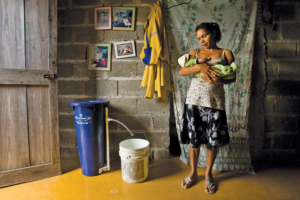
Public Development BanksIn November 2020, the world’s 450 Public Development Banks (PDBs) gathered at the first-ever global summit, the Finance in Common Summit. The summit emphasized that PDBs have an essential role in meeting the U.N. Sustainable Development Goals (SDGs) that encompasses both short-term responses and sustainable recovery measures. The commitment of PDBs to a joint effort in support of vulnerable communities around the world is an unprecedented step toward inclusive global development.

Public Development Banks

Public Development Banks are essential to the global economy and play a key role in fighting extreme poverty and hunger by bridging finance and public policy. PDBs are supported or controlled by governments but are legally and financially independent. Investments by PDBs made up 10% of yearly public and private investments in 2018, though all PDB investments are public, allowing the banks to openly and actively direct finances toward the evolution of international economic order and inclusion of declining countries with fewer limitations. This makes PDBs especially effective at supporting change for institutions, economies and infrastructure that reflects their public mandate to work in favor of entrepreneurs and vulnerable groups, such as women and children. None of the financing done by PDBs is related to consumers, individual accounts or credit.

A Cause for Cooperation

Conditions in areas suffering from extreme poverty are declining due to climate change and COVID-19. Developing countries have limited capacity to adapt their unstable agricultural methods and systems to changing climates. The capacity that does exist, including aid received, has been strained by the COVID-19 pandemic and the economic and social issues that accompany it. Common hardships have shed light on the need for united relief efforts that reach all regions and societies, and Public Development Banks have taken action by joining in unprecedented discussion and collective decisionmaking. The desired outcome was a diverse and collaborative movement to achieve the SDGs and respond to the challenges arising from COVID-19 and climate change.

The Future of PDB Financing

The developments made at the Finance in Common summit are clearly communicated in a joint declaration made by all 450 PDBs. The Public Development Banks came to a consensus for aligned strategies and investments that will support sustainable growth in societies and the global economy, all while prioritizing eco-friendliness. Future activity of PDBs will be targeted at attaining the SDGs and responding to a changing climate. Another outcome of the summit was a group of PDBs that will focus investments on rural sectors and agriculture around the world to help eradicate poverty and hunger.

Steps that PDBs have committed to taking together include transitioning investments to support low-carbon and climate-resilient solutions, renewable and clean energy and ecosystem restoration. Also on the global PDB agenda is improving the accessibility of education, housing, hygiene and sanitation as well as advancing social and financial inclusion. These measures were developed with the world’s most vulnerable in mind: young people and the elderly, members of rural communities, refugees and small-scale producers, among others. The alliance of PDBs is dedicated to achieving these goals while upholding best practices in finance and global inclusion.

PDBs Fighting Global Poverty

Public Development Banks have displayed a capacity to serve as leaders in the fight against extreme poverty and hunger. Their landmark summit can be a model for future progress toward equality in all parts of the world. In the middle of widespread crisis and instability, such international cooperation is needed more than ever.

– Payton Unger
Photo: Flickr
January 13, 2021
https://borgenproject.org/wp-content/uploads/borgen-project-logo.svg 0 0 Yuki https://borgenproject.org/wp-content/uploads/borgen-project-logo.svg Yuki2021-01-13 01:30:182021-01-13 04:23:39Public Development Banks Unite to Reach SDGs
Global Poverty

Gender Equality in the Dominican Republic: An Update


Gender equality in the Dominican Republic has been shown by the Sustainable Development Report to be on the rise and on its way to achieving and maintaining the SDG quota for achievement. Of the four criteria to meet, the The Dominican Republic has met two. But is the Dominican Republic truly the progressive country it is touting itself to be?

Gender Equality and Domestic Violence

Although by SDG’s empirical data, the Dominican Republic is a progressive country when it comes to gender equality, there are still many cultural norms that keep women being truly equal to the opposite gender. The country has a high rate of violence against girls and women, as well as a high rate of maternal mortality and teen pregnancy. It took until January 2010 for the Dominican Republic to amend its constitution to make it more inclusive and favorable for women. This includes Article 39, which condemns domestic and gender-based violence. Perhaps the most iconic and historic act of gender-based violence occurred when the Mirabal Sisters were murdered under the orders of Trujillo because of their public dissent against the dictator.

Over the past two years, there have been over 15,000 reported cases of domestic violence against women in the capital city of Santo Domingo, this makes domestic violence 23% of the reported crimes in the city – the most reported crime. 46% of the femicides reported in the last year were results of domestic violence. Before January 1997, when the law against domestic violence was enacted, domestic violence was legal and was not considered a violation of human rights. Wealth and social standing do not make women immune to domestic violence. Even women of higher social strata are beaten and abused by their husbands, who use their wealth and power to send them out the country to hide their misdeeds.

Sex Trafficking

Another problem plaguing the women in Quisqueya is sex trafficking. According to a 2019 report from the U.S. Department of State, while the Dominican Republic is making significant efforts to eliminate sex trafficking, it does not meet the minimum standard to eradicate sex trafficking. Like in many other areas of governing, the country has shown effort and improvement but not enough to make significant headway. The efforts included convicting more traffickers and doling out more severe penalties to traffickers, enacting a national action plan and increasing the effort to combat labor trafficking. However, the government did not meet these standards in some areas, such as investigating and prosecuting and then issuing inadequate sentences to those of convicted. Not only did the Dominican government fail at prosecuting the criminals, but it also failed the victims of trafficking. The government did not offer enough specialized services to assist the victims.

Foreign Organizations Stepping In

While the Dominican government itself is failing its women, foreign organizations are attempting to combat domestic violence and sex trafficking. The United Nation’s Women charter (UN Women) has worked to mainstream gender in national planning and policymaking by providing assistance, support and advice to the Dominican government. They have been developing strategies and instruments to interject gender in plans, programming and projects in all levels of government. UN Women also plans on closing gender gaps in social protection and security. Together with the United Nations Development Programme, International Labour Organization, UN Women has contributed to and promoted investigation and analysis into the social protection of women. The purpose of gender protection is to overcome social inequalities. It also promotes gender equality and women’s rights through advocacy campaigns which include the Beijing+20 platform and HeForShe, hosting workshops with civil society organizations, distributing information through social media and national events. UN Women established their training center in the Dominican Republic where it offers high-quality training for gender equality by offering courses, tools and services on topics like gender-based violence, the care economy and masculinity.

United States Government Recommendations

The United States Department of State has recommended various ways to combat sex trafficking. The State Department recommends that the government convict traffickers indiscriminately including government officials, fully fund, and implement a new national action plan. They also need to provide adequate support, resources and training to combat trafficking, especially in areas outside of Santo Domingo. The Department of State recommends implementing protocols to identify adult and child trafficking victims and get them protective services. It suggests that the Dominican government amend the 2003 anti-trafficking law so that proving force, fraud and coercion in victims under the age of 18 are no longer required; thus joining the international stage when it comes to sex trafficking.

The Dominican government’s response when it comes to victims of sex trafficking has been abysmal. The government has reportedly spent $545,500DOM when it comes to victim assistance, this equals to $10,920USD. NGOs have stated that victims’ services were “… ad hoc, minimal, and not well coordinated or specialized.”

Looking Forward

With so many members of the international community offering aid and advice on how to combat sex trafficking, it will be interesting to see of the new PRM administration under President Luis Abinader will continue to reject assistance or finally embrace it.

– Pedro Vega
Photo: Flickr

December 3, 2020
https://borgenproject.org/wp-content/uploads/borgen-project-logo.svg 0 0 Kim Thelwell https://borgenproject.org/wp-content/uploads/borgen-project-logo.svg Kim Thelwell2020-12-03 15:02:232024-05-30 07:52:48Gender Equality in the Dominican Republic: An Update
Global Poverty, Poverty Eradication

Certified B Corporation Fights Global Poverty in 2020

Certified B Corporation
Business Fights Poverty, a Certified B Corporation, began in 2005 to provide a network for businesses, organizations and other professionals. This organization believes in the principle of purposeful collaboration. It aims to unite influential businesses to add social change to the list of successes of groups across the world. Business Fights Poverty recognizes the underlying potential of uniting worldwide businesses to battle social issues such as poverty. Business Fights Poverty has implemented several influential actions during 2020. Here are four impressive examples of actions that Business Fights Poverty has taken to combat global poverty:

4 Initiatives of Business Fights Poverty During 2020

  1. Business Fights Poverty created a network of more than 28,000 businesses and organizations fighting poverty. The staff and content creators of this Certified B Corporation span across the globe. Moreover, this organization has a long list of partners with global influence. Among these partners are Walmart, Nestlé, the Mastercard Center for Inclusive Growth and Visa. Business Fights Poverty also partnered with content creating organizations to expand the reach of its content. Also, this is to increase collaboration among organizations fighting for social change. This extensive network of partners allows Business Fights Poverty to collaborate with organizations that hold different business goals and different content creators, to increase awareness surrounding global poverty.
  2. Business Fights Poverty holds free online conferences with influential business leaders to educate people on collaborative impact. Easily accessible from its website, Business Fights Poverty releases a weekly calendar of live-streamed conferences and webinars. Additionally, a major perk here is that if people cannot watch these conferences in real-time, they can watch them on the website. Previous conferences include discussions with business professors from Harvard University and the University of Oxford about the relation between social inequality and poverty. The future ones include discussions with members of the U.N. General Assembly in New York City. These free conferences provide an accessible way for people across the globe to educate themselves and learn from influential leaders in business, education and other Certified B Corporations.
  3. Business Fights Poverty offers opportunities for individuals to contribute to its website via content creation or discussion forums. The idea of collaboration spans further than collaboration among worldwide businesses. Business Fights Poverty offers numerous ways for any individual to collaborate. For instance, the ability to apply for freelance work and online forums of open discussion with experts in different fields. This again serves as a way for individuals to educate themselves through discussion with professionals. Additionally, it allows them to delve deeper into becoming involved with the organization. Business Fights Poverty makes its purposeful collaboration accessible through a few clicks on its website. This has contributed to its growth in global partners.
  4. Business Fights Poverty motivates contributors and partners to move towards the Sustainable Development Goals (SDGs). The Sustainable Development Goals are 17 goals developed by the U.N. to foster a more sustainable, global future. Two of these goals include no poverty and zero hunger. Business Fights Poverty considers one of its organization challenges as advancing toward a world that reaches these goals. By advocating for this change, the organization contributes to a global plan to combat poverty and hunger. The SDGs remain a focus in the conversation and content present on Business Fights Poverty’s website.

The Outcomes

The major outcomes of Business Fights Poverty have been reflected in the businesses and corporations it collaborates with. For example, since its involvement with Business Fights Poverty, Walmart paid its full-time workers $3 above the living wage of an adult in the U.S. in 2019. Also, it has the goal of training millions of employees in career growth strategies by 2025. Since 2015, Visa has assisted over 160,000 lower-income individuals in creating accounts and becoming involved in the financial system. Moreover, Business Fights Poverty has created a network of awareness. The actions of these major corporations set a positive example for customers and smaller businesses. This example urges people to stay aware and improve their strategies to assist those battling poverty, among other personal financial struggles.

Business Fights Poverty recognizes the impact that a Certified B Corporation, large-scale businesses and general corporations can have on battling the poverty crisis. Through education, collaboration and progress towards a common goal — this organization has dedicated itself to making a social change. As the network grows from its already substantial start, businesses can find success in assisting in the fight to combat world hunger and poverty. Finally, as for individuals, the organization’s website offers many ways to get involved that are worth exploring.

– Evan Coleman
Photo: Flickr

October 31, 2020
https://borgenproject.org/wp-content/uploads/borgen-project-logo.svg 0 0 Kim Thelwell https://borgenproject.org/wp-content/uploads/borgen-project-logo.svg Kim Thelwell2020-10-31 01:30:102020-10-30 19:02:29Certified B Corporation Fights Global Poverty in 2020
Global Poverty, Sustainable Development Goals, United Nations, World Hunger

4 Major Accomplishments by Business Fights Poverty in 2020

Business Fights Poverty
Business Fights Poverty began in 2005 with the goal of providing a network for businesses, organizations and other professionals. This organization believes in the principle of purposeful collaboration and aims to unite influential businesses to add social change to the list of successes across the world. The poverty-fighting organization also recognizes the underlying potential of uniting worldwide businesses to battle social issues such as poverty. Its actions have been influential during 2020. Here are four impressive examples of actions Business Fights Poverty has taken to combat global poverty.

Global Network

Business Fights Poverty created a network of over 28,000 businesses and organizations fighting poverty: In addition to its staff and content creators spanning across the globe, this organization has a long list of partners with global influence. Among these partners are Walmart, Nestlé, the Mastercard Center for Inclusive Growth and Visa. The poverty-fighting organization has also partnered with content creating organizations to expand the reach of its content and increase collaboration among organizations fighting for social change. This extensive network of partners allows Business Fights Poverty to collaborate their views of organizations with different business goals and different content creators to increase awareness surrounding global poverty.

Educator on Social Inequality and Poverty

The organization also holds free online conferences with influential leaders in business to educate on collaborative impact. Easily accessible from its website, Business Fights Poverty releases a weekly calendar of live-streamed conferences and webinars. A major perk here is that if one is unable to watch these conferences in real-time, they are recorded and uploaded to the website. Previous conferences include discussions with business professors from Harvard University and the University of Oxford about the relation between social inequality and poverty. Future talks include discussions with members of the U.N. General Assembly in New York. Therefore, these free conferences provide an accessible way for people across the globe to educate themselves and learn from influential leaders in business and education.

Individual Contribution Opportunities

The global network also offers opportunities for individuals to contribute to its site through content creation or on discussion forums. The idea of collaboration spans further than collaboration among worldwide businesses. Business Fights Poverty offers numerous ways for any individual to collaborate, such as the ability to apply for freelance work and online forums of open discussion with experts in different fields. This again serves as a way for individuals to educate themselves through discussion with professionals. It also allows them to delve deeper into becoming involved with the organization. The organizations also makes its purposeful collaboration accessible through a few clicks on its websites.

Progress in SDGs

The company also motivates contributors and partners to move towards Sustainable Development Goals. The U.N. developed the 17 Sustainable Development Goals to foster a more sustainable global future. Two of these goals include no poverty and zero hunger. Business Fights Poverty considers one of its challenges as advancing toward a world that reaches these goals. By advocating for this change, the organization is able to contribute to a global plan to combat poverty and hunger. The Sustainable Development Goals remain a focus in the conversation and content present on Business Fights Poverty’s website.

Outcomes

The major outcomes of Business Fights Poverty have reflected in the businesses and corporations it has collaborated with. For example, since its involvement with Business Fights Poverty, Walmart paid its full-time workers $3 above what people consider to be a living wage of an adult in the U.S. in 2019 and has the goal of training millions of employees in career growth strategies by 2025. Since 2015, Visa has assisted over 160,000 lower-income individuals in creating accounts and becoming involved in the financial system. Business Fights Poverty has created a network of awareness. The actions of these major corporations set a positive example for customers and smaller businesses to improve their strategies to assist those battling poverty.

In conclusion, Business Fights Poverty recognizes the impact that large scale businesses and corporations can have on battling the poverty crisis. Through education, collaboration and progress towards a common goal, this organization has dedicated itself to making a social change. As the network continues to grow, businesses can find success in assisting the fight to combat world hunger and poverty. As for individuals, this organization’s website offers many ways to get involved that are worth exploring.

– Evan Coleman
Photo: Flickr

October 24, 2020
https://borgenproject.org/wp-content/uploads/borgen-project-logo.svg 0 0 Kim Thelwell https://borgenproject.org/wp-content/uploads/borgen-project-logo.svg Kim Thelwell2020-10-24 10:00:482024-05-30 07:52:304 Major Accomplishments by Business Fights Poverty in 2020
Global Poverty

Poverty Alleviation in Muslim-Majority Communities through Zakat

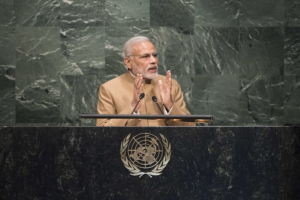
poverty alleviation in muslim majority communitiesZakat refers to the religious obligation for all Muslim individuals to donate a set percentage of their income each year to charitable causes. Due to the size of the global Muslim population, zakat could play a major role in poverty alleviation in Muslim-majority communities around the globe. Muslims make up about 22% of the world’s population. However, estimates suggest that roughly 35% of the 2 billion people facing poverty worldwide are in Muslim-majority countries. In their 2014 study on zakat, Isahaque Ali and Zulkarnain Hatta reported that over half of the population in Muslim countries are very poor. Further, the regions of the world with the most significant Muslim populations, including Africa and Asia, are facing increasing poverty levels.
What Is the Purpose of Zakat?

Zakat is one of the five pillars of Islam. As such, it is mandatory for all Muslims who have the means to meet their basic annual needs. Zakat is generally set at a minimum amount of 2.5% of income and total wealth. Muslims believe that giving zakat purifies the giver. Megan Abbas, assistant professor of Middle Eastern Studies and Islamic Civilization at Colgate University, spoke to The Borgen Project about zakat.

“The Arabic term ‘zakat’ can be loosely translated as purification, a fact that helps us understand the spiritual components of this practice,” Abbas said. “Specifically, giving zakat is often seen as a way to purify the soul of selfishness and to remind Muslims that their worldly wealth is not really theirs at all but rather exists thanks to the mercy and kindness of God.”

Many Muslims see poverty as both a social and religious problem. As a result, giving zakat aims to alleviate poverty and achieve socio-economic justice. Further, the Quran explains that zakat should reach certain groups of people in need. This includes those who have no or few means of livelihood, zakat workers, new Muslims, those who are indebted, stranded travelers and enslaved people.

“Zakat is also tied to Islamic conceptions of egalitarianism and socio-economic justice because it mandates economic redistribution from the wealthy to the marginalized and poor every year,” Abbas said. “This redistributive function complements other aspects of Islamic economics, including the prohibition on interest-bearing loans and exhortations to engage only in fair and transparent business contracts.”

The Potential Impact of Zakat

Zakat is an underutilized resource for poverty alleviation in Muslim-majority communities and non-Muslim communities around the world. The Guardian reported that zakat is one of the largest redistributions of wealth. Estimates suggest that between $200 billion and $1 trillion goes to zakat annually. In comparison, experts predict that ending global poverty would cost only $175 billion per year for 20 years. As states within the Organization of Islamic Cooperation increase their amount of humanitarian aid to 14%, zakat will rise. As such, the potential of zakat for poverty alleviation in Muslim-majority communities increases as well.

Noor and Pickup of The Guardian believe zakat address the United Nations Sustainable Development Goals (SDGs). This would help meet the $2.5 to $3 trillion annual funding gap to achieve the SDGs. Importantly, this aligns with zakat’s socio-economic goals. The World Bank also acknowledges the potential of Islamic financing to achieve the SDGs. Specifically, zakat can help by closing financing gaps and building affordable housing with the help of technology to organize zakat funds.

How Zakat Can Help Fight Global Poverty

The Guardian reported that only one-quarter of global zakat goes to formal donations. In fact, Muslims give the majority of zakat individually and casually. This leaves an opportunity for a more organized donation system. Such a system could have a greater, sustained impact on poverty alleviation in Muslim-majority communities.

There are a variety of ways to collect formal zakat. One way is through the government, in a system that may resemble a tax or state collection directly from bank accounts. Organized zakat could also go through independent collection agencies specific to a chosen cause. Finally, mosques could collect funds to spend themselves or redistribute to other organizations.

Chloe Stirk of Development Initiatives outlines important steps to increase the impact of zakat. Stirk promotes greater collaboration between humanitarian organizations, Islamic scholars and academics. This would improve collection and distribution as well as increase revenue. In addition, Stirk’s process encourages more tracking and documentation of zakat. This could create a zakat fund, allowing for streamlined distribution locally and internationally. However, the logistical and ideological challenges of streamlining zakat extend beyond the global Muslim community.

In the Journal of Global Entrepreneurship Research, three researchers propose that zakat could best be used in a “small business entrepreneurial framework.” Instead of a zakat fund, they suggest global interest in entrepreneurship to address poverty. Few entrepreneurs in the Muslim world make this an ideal space for development.

Demonstrated Success of Zakat

Case studies on zakat funds show immense success and powerful potential in poverty alleviation in Muslim-majority communities. Indonesia, home to the world’s largest Muslim population, demonstrates this. There, zakat has an estimated value of 1.59% and 3.82% of the country’s GDP. This equates to $13.8 billion to $33.2 billion each year.

Indonesia has already begun to incorporate zakat into poverty alleviation systems with two centralized zakat organizations. As a result, zakat is an essential method of redistributing wealth to support those in poverty in Indonesia. Further, the amount of zakat collected by institutions continues to rise. Indonesia’s success with zakat suggests that this is a promising method of poverty alleviation in Muslim-majority communities worldwide.

– Emily Rahhal
Photo: Flickr

October 23, 2020
https://borgenproject.org/wp-content/uploads/borgen-project-logo.svg 0 0 Kim Thelwell https://borgenproject.org/wp-content/uploads/borgen-project-logo.svg Kim Thelwell2020-10-23 14:31:392020-10-23 14:31:39Poverty Alleviation in Muslim-Majority Communities through Zakat
Development

Updates on SDG Goal 9 in India

SDG Goal 9 in India
The 17 Sustainable Development Goals (SDGs) of the 2030 Agenda for Sustainable Development were officially affected on January 1, 2016, including 169 targets. The effective plan aspires to improve the world in its endeavors, without causing environmental harm by 2030. The ninth goal focuses on industry, innovation and infrastructure. More specifically, this means building more resilient infrastructure, promoting inclusive and sustainable industrialization and fostering innovation. Regarding the countries working to implement these goals, there are updates on SDG Goal 9 in India.

Challenges with Industry and Infrastructure

The trade industry is crucial to have a prosperous economy with job growth, firm partnership and a wider variety of product availability. The quality of trade and transport infrastructure has not improved. It has remained at a steady ranking of 2.91 out of five. Manufacturing has remained stationary and has not experienced any growth. This particular industry also has the opportunity to contribute to economic prosperity. India’s industrial growth rate shows these determinants, which has decreased by 0.8% from 2016 to 2019. India’s industries as a whole also produce lots of hazardous waste as well as water waste, which contradicts the idea of sustainability.

Challenges with Innovation

An increase in the research and development budget is crucial for scientific innovation. However, the expenditure on research and development has made no recent improvements, remaining at 0.6% to 0.7%. As of 2018, the number of scientific or technical journal articles published has a ranking of 0.10 in comparison to 0.9 in 2017, and the goal is to rank at 1.2. Nuclear technology, nanotechnology and technology-driven Green Revolution are all fields with massive growth potential. Nonetheless, this would require an increase in the research and development sector controlled by the public sector.

Improvements in Innovation

Education and universities have a massive role in consistently contributing to the innovation of their country, and India has already made improvements. As of 2020, India’s top three universities scored 44.9 through the World University Rankings. This is very close to the final goal of reaching a score of 50. The accessibility to information and, therefore, the betterment of education for all has also progressed through widespread internet access. India’s population using the internet has grown from 17% in 2015 to 34.45% in 2017. It has doubled since the implementation of the sustainable development goals.

Improvements in Infrastructure

There has been a massive success in providing accessibility for the many rural areas within India. As of 2017, 70% targeted rural areas to give them access to all-weather roads. Generally speaking, the overall construction of national highways has more than doubled, going from 4,410 kilometers in 2015 to 10,824 kilometers in 2019. This is a massive increase in attention to infrastructure and what it can do for a country’s connectivity. 12 significant ports’ capacity to handle cargo has improved by 84% from 2015 to 2019. This provides the potential for trade and shipment performance to be at a much higher level.

Improvements in Industry

Furthermore, to meet SDG Goal 9 in India, it has focused on making the business industry easier to enter, encouraging new businesses and growth. The country has implemented business reform to improve its rank within the World Bank’s Ease of Doing Business. As a result, in 2019, it ranked 63rd in comparison to 2015’s 142nd world ranking. Product development and design have also massively increased. The number of design patents quadrupled from 2015 to 2019. This is a precursor to industry growth.

Overall, there have been massive strides toward reaching SDG Goal 9 in India. It has averaged a gross domestic product growth of 7.2% between the years 2018 and 2019. India has also upheld not only the goal of improving the industry, innovation and infrastructure but of keeping it sustainable and environmentally friendly. It successfully managed to have one of the lowest per capita carbon emissions in the world.

– Adelle Tippetts
Photo: Flickr

October 23, 2020
https://borgenproject.org/wp-content/uploads/borgen-project-logo.svg 0 0 Kim Thelwell https://borgenproject.org/wp-content/uploads/borgen-project-logo.svg Kim Thelwell2020-10-23 07:30:442024-05-30 07:52:48Updates on SDG Goal 9 in India
Global Poverty, United Nations

Updates on SDG Goal 15 in Mauritius

updates on sdg goal 15 in mauritiusMauritius is an island nation of 1.3 million people situated in the Indian Ocean about 700 miles to the east of Madagascar. The island is home to incredibly unique and rare species found nowhere else on the planet, although many have gone extinct in recent decades. One of Earth’s most famous extinct species, the dodo, was a flightless bird endemic to Mauritius. Unfortunately, updates on SDG Goal 15 in Mauritius reveal ongoing problems for biodiversity in the country.
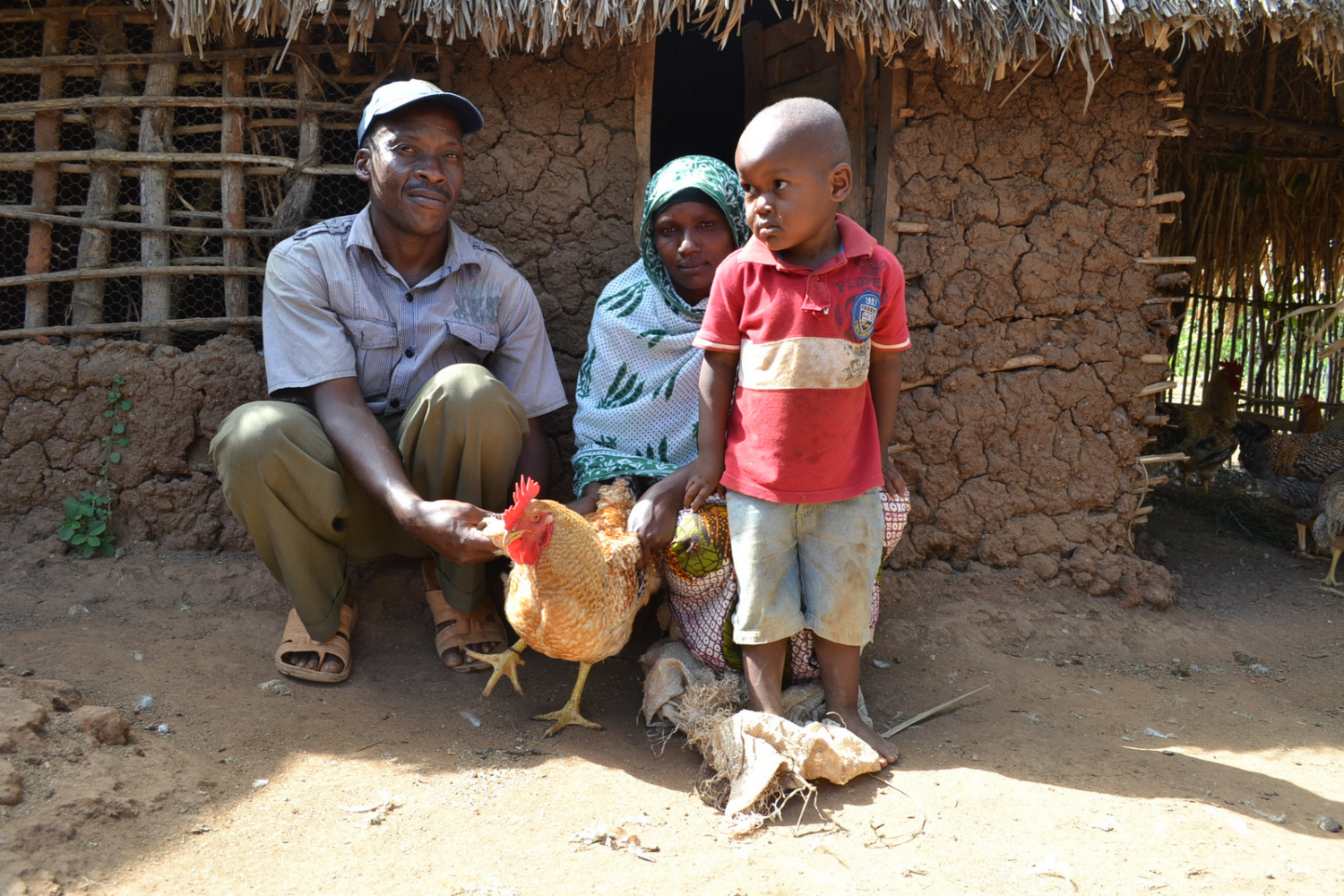
The U.N. Sustainable Development Goal (SDG) 15, Life on Land, tracks each nation’s attempt to “protect, restore and promote sustainable use of terrestrial ecosystems, sustainably manage forests, combat desertification, and halt and reverse land degradation and halt biodiversity loss.” For this goal, Mauritius has the dire U.N. classification of “major challenges remain.” Still, valiant organizations are striving to protect the stunning species and ecosystems found in Mauritius. Here are four updates on SDG Goal 15 in Mauritius.

4 Updates on SDG Goal 15 in Mauritius

  1. The mean area protected in terrestrial sites is important to biodiversity. This statistic is particularly important in Mauritius’s case due to the array of endemic species found on the island. The average area protected for these crucial sites is just over 9%. However, limited protection poses major challenges for protecting biodiversity and preventing native species from going extinct. Despite the efforts of groups like the Mauritian Wildlife Foundation, the average protected area has risen by less than 1% since 2000. The fascinating species found within these habitats, like the extraordinary Mauritian flying fox, contribute to the beauty and wonder of the natural world. This may disappear if protected areas do not grow.
  2. Mauritius’ score on the Red List of species survival is getting worse. The Red List measures “the change in aggregate extinction risk across groups of species” with zero being the worst rating and one being the best. Mauritius comes in at 0.39 with its score decreasing steadily each year. Unfortunately, more and more species in Mauritius go extinct every year. There are, however, some success stories. For example, the Saint Telfair’s skink is an abnormally large species of skink (a type of lizard) only found on islands off the coast of Mauritius. The skink used to be dangerously near-extinct, with just 5,000 individuals. But the Mauritian Wildlife Foundation and the Durrell Wildlife Conservation Trust‘s careful recovery efforts have raised the population to 50,000 individuals. Thus, NGOs are fighting to save species from extinction in Mauritius.
  3. Mauritius struggles with the effects of permanent deforestation. This phenomenon occurs when people cut down trees for urbanization or agriculture with no plan to re-plant them. Updates on SDG Goal 15 in Mauritius are the most positive for this statistic. However, challenges remain, as less than 2% of Mauritius’ original forest coverage survives. According to Douglas Adams in “Last Chance to See,” “[v]ast swathes of the Mauritius forest have been destroyed to provide space to grow a cash crop [sugar] which in turn destroys our teeth.” Thankfully, NGOs like Fondation Ressources et Nature are carrying out reforestation projects in Mauritian biodiversity hotspots. The One Million Trees Project also aims to plant one million trees in Mauritius by 2030.
  4. Imports threaten terrestrial and freshwater biodiversity in Mauritius. There is only one nation (Guyana) in the entire world that has a worse ranking than Mauritius in this category. Industrialized nations like the U.S., Canada, Japan and many E.U. countries also struggle with this goal. However, none come close to Mauritius’s ranking. Furthermore, imports that threaten biodiversity in Mauritius only compound the rest of the island’s ecological problems.

Moving Forward

Overall, the forecast for life on land and in Mauritius is grim. Biodiversity hotspots are severely threatened, leading to more species going extinct each year. Additionally, permanent deforestation decimates habitats, and Mauritians’ dependence on imports ravages native species. The country needs to make a concerted effort to save its amazing organisms and environments found nowhere else on Earth. Organizations like the Mauritian Wildlife Foundation are already doing this work, and they could use more international support if Mauritius is to progress on SDG Goal 15.

– Spencer Jacobs
Photo: Needpix

October 16, 2020
https://borgenproject.org/wp-content/uploads/borgen-project-logo.svg 0 0 Kim Thelwell https://borgenproject.org/wp-content/uploads/borgen-project-logo.svg Kim Thelwell2020-10-16 07:44:422024-05-30 07:52:21Updates on SDG Goal 15 in Mauritius
COVID-19, Global Poverty

Updates on SDG Goal 1 in the United Republic of Tanzania

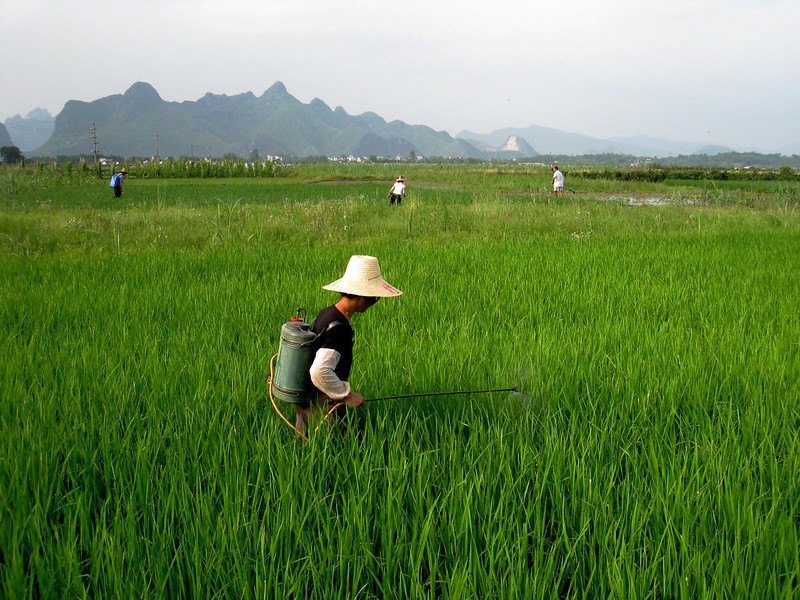
SDG 1 in the United Republic of TanzaniaAs of July 1, 2020, the World Bank reclassified the United Republic of Tanzania from a “low-income” nation to a “lower-middle-income” nation. This new status results from a variety of indicators that inform the nation’s Gross National Income (GNI) per capita, such as economic growth, exchange rates and more. While GNI per capita is not a direct measurement of poverty reduction, it does indicate that Tanzania’s economy is progressing in the right direction to meet the U.N.’s first Sustainable Development Goal (SDG) to eradicate poverty globally by 2030. Updates on SDG Goal 1 in the United Republic of Tanzania make it clear that while the country has not met the goal yet, it has overseen a significant reduction in extreme poverty in the last few decades. Here are some updates on SDG Goal 1 in the United Republic of Tanzania.
Updates on SDG Goal 1 in the United Republic of Tanzania

The World Bank’s 2019 Mainland Poverty Assessment found that extreme poverty in the United Republic of Tanzania fell from 11.7% in 2007 to 8.0% in 2018. This significant improvement comes with the finding that the severity of poverty has also declined during this period, meaning that Tanzanians living under the poverty line have become less poor on average.

However, while a smaller proportion of the Tanzanian population lives in extreme poverty today, many remain vulnerable. For every four people who can move out of poverty in Tanzania, three individuals fall into poverty. This demonstrates the constant financial instability that many non-poor Tanzanians face. It also illustrates the importance of effective social welfare programs in reducing vulnerability.

The Importance of Investing in the Rural Economy

One of the initiatives that has contributed to these updates on SDG Goal 1 in the United Republic of Tanzania is a project funded by the African Development Bank. The program, which rolled out in stages between 2012 and 2017, developed market infrastructure and improved the financial security of rural Tanzanians. Its $56.8 million budget allowed it to reach 6.1 million Tanzanians spanning 32 districts. The multifaceted program had a significant impact on the livelihoods of its recipients. Approximately 78% reported an increase in their income after participating in the program. Indeed, the program raised beneficiaries’ average income from $41 in 2012 to $133 in 2017.

In the last few decades, most poverty reduction in Tanzania occurred in rural areas. This is significant because of the persistent disparity in living standards and wealth between rural and urban areas. Although rural households still lag behind urban ones on most indicators of wealth, poverty reduction programs in rural Tanzania helped to narrow this gap. The African Development Bank’s program, for example, refurbished roads and created warehouses in rural areas. This reduced transportation costs for Tanzanian farmers and led to a drop in “post-harvest losses.”

Reforming the Private Sector for Poverty Reduction

The majority of Tanzanians work in the informal sector. Unfortunately, this lack of access to formal finance limits small business owners’ ability rise out of poverty. In order to continue making progress on eliminating extreme poverty in Tanzania, the government and external actors must remain focused on this issue.

Recently, the African Development Bank announced that it will focus its efforts on economic growth in Tanzania’s private sector. In December 2019, the Bank approved a $55 million facility support to the government in implementing regulatory reforms in the private sector. The Bank believes this is a necessary step toward creating an inclusive business landscape in the nation. Additionally, this effort should help Tanzania progress toward SDG Goal 1 by creating more equal and plentiful employment opportunities for Tanzanians.

COVID-19 and Updates on SDG Goal 1 in the United Republic of Tanzania

Due to its focus on economic growth, the Tanzanian government has enacted a relatively lax response to COVID-19 compared to neighboring countries. However, tourism made up 11.7% of Tanzania’s GDP in 2019. Because the pandemic has hit the tourism industry hard, Tanzania’s economy has suffered. In addition, a reduction in agricultural exports has greatly affected the Tanzanian economy. The combination of these factors will inevitably impact the nation’s poor. A study by the International Growth Centre shows that the COVID-19 pandemic and the subsequent social distancing and lockdown measures have put approximately 9.1% of sub-Saharan Africa back into extreme poverty. As such, the pandemic has certainly hindered Tanzania’s progress on SDG Goal 1.

Looking forward, Tanzania will need a collaborative effort to lift Tanzanians out of extreme poverty once the pandemic is over. The Tanzanian government as well as international actors must work together to recoup Tanzania’s progress toward achieving SDG Goal 1. Though the pandemic has caused some setbacks, Tanzania must continue to focus on poverty eradication in order to meet this goal.

– Leina Gabra
Photo: Flickr

October 9, 2020
https://borgenproject.org/wp-content/uploads/borgen-project-logo.svg 0 0 Jennifer Philipp https://borgenproject.org/wp-content/uploads/borgen-project-logo.svg Jennifer Philipp2020-10-09 07:28:462020-10-09 07:28:46Updates on SDG Goal 1 in the United Republic of Tanzania
Developing Countries, Global Poverty, Sustainable Development Goals

Updates on SDG Goal 1 in China

updates on SDG Goal 1 in ChinaSDG is short for Sustainable Development Goals, or the blueprints set by the United Nations to achieve global sustainable development. This initiative motivates every country to fight against social issues including hunger, global poverty, gender inequality and more. The first objective of the SDG is to “End poverty in all its forms everywhere.” Here are some updates on SDG Goal 1 in China.

Chinese Government’s Endeavor to Eliminate Domestic Poverty

Among important updates on SDG Goal 1 in China is the fact that some researchers believe that China is on its way to eliminating poverty. According to China’s National Bureau of Statistics, the population of rural citizens in poverty has declined from 100 million in 2012 to 16.6 million in 2019. The poverty line set by the government is an annual income of 2,300 yuan, or about 6 yuan a day. This reduction in poverty in China is due to political support: the Chinese government aims to end poverty by 2020 and complete the establishment of a “moderately prosperous society.”

Another key part of updates on SDG Goal 1 in China is the government’s new actions to reduce poverty. Since 2012, China has employed targeted poverty alleviation methods focusing on relatively impoverished areas. As a result, the average annual income for citizens in rural areas increased to nearly 10,000 yuan in 2018. The Chinese government has also employed “Internet Plus” strategies by encouraging the development of e-commerce centers in rural areas. Accordingly, many cities have become “miracles” for poverty alleviation: statistics show that 2.54 million people have escaped from poverty in China in 2019.

Challenges During COVID-19

COVID-19 is a special challenge that the world, and especially developing countries, must confront. It is not only a health crisis but also a social and economic crisis. As such, it affects updates on SDG Goal 1 in China. For China, COVID-19 presents a barrier to achieving the goal of eliminating poverty. COVID-19 restricts agricultural development because farmers cannot return to their lands. Meanwhile, due to interruptions in transportation, migrant workers are also unable to work. The combination of these challenges has caused an economic decline in China. In addition, healthcare issues and economic distress have resulted in poverty in China.

Some of China’s poverty alleviation strategies are also no longer appropriate during the pandemic. In 2013, China encouraged “wildlife breeding and domestication” in specific areas and created a market value of 521 billion yuan. Many impoverished areas depend on raising wild animals for economic growth; however, the Chinese government banned the industry due to its link to the spread of COVID-19 and the suspicion that wild animals can infect people. Thus, perpetuating this industry in the midst of COVID-19 presents a severe challenge for undeveloped areas.

Looking Forward

China’s endeavors in poverty alleviation are significant for both the nation and the world. Other countries can learn from China’s successes in fighting against poverty, which helped 602.7 million people escape poverty. If China can achieve SDG Goal 1 in 2020, it will be 10 years ahead of the United Nations’ commitment to eradicating global poverty.

– Yilin Che
Photo: Flickr

October 2, 2020
https://borgenproject.org/wp-content/uploads/borgen-project-logo.svg 0 0 Kim Thelwell https://borgenproject.org/wp-content/uploads/borgen-project-logo.svg Kim Thelwell2020-10-02 12:00:582020-10-02 12:01:17Updates on SDG Goal 1 in China
Global Poverty, Sustainable Development Goals, United Nations

5 Takeaways from the Recover Better Publication


Recover Better Publication
The COVID-19 pandemic has worsened the conditions that the world’s most vulnerable populations continually face. Social distancing and mobility restrictions are changing consumer behavior, disrupting supply chains and straining certain sectors, like tourism. These social and economic challenges are disrupting, and in some places halting, progress toward meeting the United Nations’ Sustainable Development Goals. Through these unprecedented challenges, the U.N. is emphasizing the importance of using the global response to “recover better.”

The U.N. Department of Economic and Social Affairs released a new publication entitled Recover Better: Economic and Social Challenges and Opportunities in late July 2020. The report outlines plans for achieving the Sustainable Development Goals while taking into account the effects of the COVID-19 pandemic. Written by members of the U.N. High-level Advisory Board on Economic and Social Affairs, the Recover Better publication comprises of seven essays, each addressing a different region or sector.

5 Takeaways from the Recover Better Publication

  1. New technologies and automation present great potential for developing countries. Their introduction has improved the quality and accessibility of communication, basic necessities and medical care. However, many unintended consequences may follow the implementation of new technologies in developing countries. For example, technology can add pressure to employment in human-labor reliant industries, exacerbate the digital divide and raise ethical issues. These include increasing inequality and data privacy issues, particularly with medical data. Considering the social and economic environment into which technology is introduced is a critical step in effective integration.
  2. As the global economy faces high levels of uncertainty, it is important to contextualize its current state by taking into account past patterns. Making recommendations for the future requires understanding the trends that were in place leading up to the pandemic. The global economy saw a deceleration in growth in 2019, which was particularly pronounced in developing countries. Both inefficient labor allocation and a lack of investment in research and development contributed to this slowdown. Importantly, the events of early 2020 exacerbated these issues.
  3. Allocating labor and resources toward a country’s strongest, most productive sectors is a critical factor in reducing income inequality between developed and developing countries. Utilizing comparative advantage in this way can maximize potential economic growth, leading to an increase in employment and higher wages. This way, countries can increase productivity in their strongest sectors while maintaining internal income equality.
  4. Natural resource management and sustainability should be at the forefront of each country’s socio-economic development plans. Recent industrialization has spiked carbon emissions and placed many environmental pressures on countries. In order to promote sustainable development, it is critical to improving the efficiency of natural resource use so that it is not surpassed by labor productivity and demand. The adoption and creation of sustainable technologies can help achieve that.
  5. The pandemic intensifies the challenges that low-income and vulnerable populations face. Nearly 71 million people will return to a state of poverty due to many socioeconomic factors, including job loss and recession. This will cause the first increase in global poverty rates since 1998. Among those groups most at risk for falling behind are inhabitants of conflict and post-conflict settings, youth, older persons, women, refugees, indigenous persons and those with disabilities.

While the Recover Better publication provides specialized insight into distinct areas of concern, it develops the general message that the Sustainable Development Goals can act as guidelines during recovery from the COVID-19 crisis. The principles shared in Recover Better can leverage COVID-19 recovery efforts to inform existing strategies used to promote sustainable global development.

– Sylvie Antal
Photo: Flickr

September 22, 2020
https://borgenproject.org/wp-content/uploads/borgen-project-logo.svg 0 0 Kim Thelwell https://borgenproject.org/wp-content/uploads/borgen-project-logo.svg Kim Thelwell2020-09-22 07:30:312024-05-29 23:23:195 Takeaways from the Recover Better Publication
Page 3 of 12‹12345›»

Get Smarter

  • Global Poverty 101
  • Global Poverty… The Good News
  • Global Poverty & U.S. Jobs
  • Global Poverty and National Security
  • Innovative Solutions to Poverty
  • Global Poverty & Aid FAQ’s
Search Search

Take Action

  • Call Congress
  • Email Congress
  • Donate
  • 30 Ways to Help
  • Volunteer Ops
  • Internships
  • Courses & Certificates
  • The Podcast
Borgen Project

“The Borgen Project is an incredible nonprofit organization that is addressing poverty and hunger and working towards ending them.”

-The Huffington Post

Inside The Borgen Project

  • Contact
  • About
  • Financials
  • President
  • Board of Directors
  • Board of Advisors

International Links

  • UK Email Parliament
  • UK Donate
  • Canada Email Parliament

Get Smarter

  • Global Poverty 101
  • Global Poverty… The Good News
  • Global Poverty & U.S. Jobs
  • Global Poverty and National Security
  • Innovative Solutions to Poverty
  • Global Poverty & Aid FAQ’s

Ways to Help

  • Call Congress
  • Email Congress
  • Donate
  • 30 Ways to Help
  • Volunteer Ops
  • Internships
  • Courses & Certificates
  • The Podcast
Scroll to top Scroll to top Scroll to top