• Link to X
  • Link to Facebook
  • Link to Instagram
  • Link to TikTok
  • Link to Youtube
  • About
    • About Us
      • President
      • Board of Directors
      • Board of Advisors
      • Financials
      • Our Methodology
      • Success Tracker
      • Contact
  • Act Now
    • 30 Ways to Help
      • Email Congress
      • Call Congress
      • Volunteer
      • Courses & Certificates
      • Be a Donor
    • Internships
      • In-Office Internships
      • Remote Internships
    • Legislation
      • Politics 101
  • The Blog
  • The Podcast
  • Magazine
  • Donate
  • Click to open the search input field Click to open the search input field Search
  • Menu Menu

Tag Archive for: Poverty In Yemen

Posts

Developing Countries, Food Insecurity, Global Poverty

How Poverty and Hunger in Yemen Are Interconnected

Hunger in YemenYemen has triumphed through a difficult past. Unfortunately, remnants of this politically complex past, from civil wars to foreign interference, continue to affect the population today. Hunger in Yemen is rampant – out of a population of 33.7 million, 17 million are food insecure, with 18.6 million also requiring humanitarian assistance. Poverty and hunger in Yemen are not mutually exclusive, with food prices rising by 45% and the expensive scramble to eat resulting in more than 70% of the population residing below the poverty line. Having already withstood numerous injustices, the population shines in their ability to cope, but this does not mean hunger in Yemen can be overlooked, and these harrowing statistics raise the critical question of what must be started, or reinforced, to ensure that Yemen can recover from its rocky past.

Hunger and Poverty in Yemen

Conflict since 2015, from civil to proxy, has resulted in unfortunately growing hunger in Yemen as well as poverty extremes. Around 4.5 million people are internally displaced, with the majority residing in camps. In the 2023 Global Hunger Index, Yemen had a score of 39.9, with the range of 35.0 to 49.9 labelled as “Alarming.”

However, this score of 39.9 has dropped from the score of 42.1 in 2015, proving that global action to subvert this crisis as much as possible has been slightly beneficial.

Additionally, more than 308,000 migrants, mainly from Ethiopia and Somalia, are currently in Yemen while migrating through the Eastern Route, according to the INTERSOS. Escaping conflict of their own, these migrants only add to the mouths to feed within the country and intensify the hunger crisis.

Subverting Poverty

Bearing this in mind, The World Food Programme (WFP) and other subsets of the United Nations, have played a critical role in attempting to alleviate hunger and poverty in Yemen. According to WFP, it provides food over 4,360 distribution points across the country, covering all 333 districts of Yemen. Close to 2 million students across 4,600 Yemeni schools received fortified date bars or biscuits every day, under the Healthy Kitchens project.

Each month, the WFP distributes close to “100,000 metric tons of food commodities at more than 5,000 points, reaching more than 8 million Yemenis.”

Reinforcing These Initiatives

In December 2023, the WFP notified the world of a halt in food distribution due to limited funding and no agreement with local authorities on the best way to proceed with food deliveries. Considering the slow yet positive impact of the initiatives mentioned above, it is imperative to intensify the funding to the WFP, taking global action towards mitigating hunger.

Bearing this in mind, increasing WFP funding efforts and encouraging greater food distribution will help ensure the gradual mitigation of hunger in Yemen. Raising awareness, engaging with the WFP and interacting with Yemenis will help drive efforts to resume food distribution and convey the seriousness of arriving at funding agreements.

– Disheta Anand

Disheta is based in Dubai, United Arab Emirates and focuses on Politics for The Borgen Project.

Photo: Pixabay

July 29, 2024
https://borgenproject.org/wp-content/uploads/borgen-project-logo.svg 0 0 Jennifer Philipp https://borgenproject.org/wp-content/uploads/borgen-project-logo.svg Jennifer Philipp2024-07-29 03:00:332024-07-29 00:50:55How Poverty and Hunger in Yemen Are Interconnected
Aid, Child Malnutrition, Global Poverty

4 Countries Improving Malnutrition with RUTF

4 Countries Improving Malnutrition with RUTFThe global malnutrition crisis significantly impacts millions in underdeveloped nations. According to the World Food Programme, severe food insecurity affects more than 309 million people across 72 countries. This crisis stems from factors beyond poverty, including inadequate dietary intake, limited healthcare services and a lack of access to safe drinking water and resources. Ready-to-use therapeutic Food (RUTF) has become a key intervention in combating global malnutrition effectively.

Improving Malnutrition with RUTF

André Briend and Michel Lescanne developed RUTF more than 25 years ago to offer effective nutritional treatment for malnourished children. This high-energy paste includes ingredients like powdered milk and peanuts, along with essential vitamins, providing substantial nutritional value without the need for water or concerns about rapid spoilage. UNICEF reports that consuming three packets of RUTF daily for six to eight weeks can significantly address acute malnutrition in children and the agency currently distributes approximately 80% of the global supply. Additionally, numerous nongovernmental organizations are involved in distributing RUTF. Several countries have revealed notable improvements in the nutritional status of children and adults facing chronic malnutrition through the use of RUTF.

Yemen

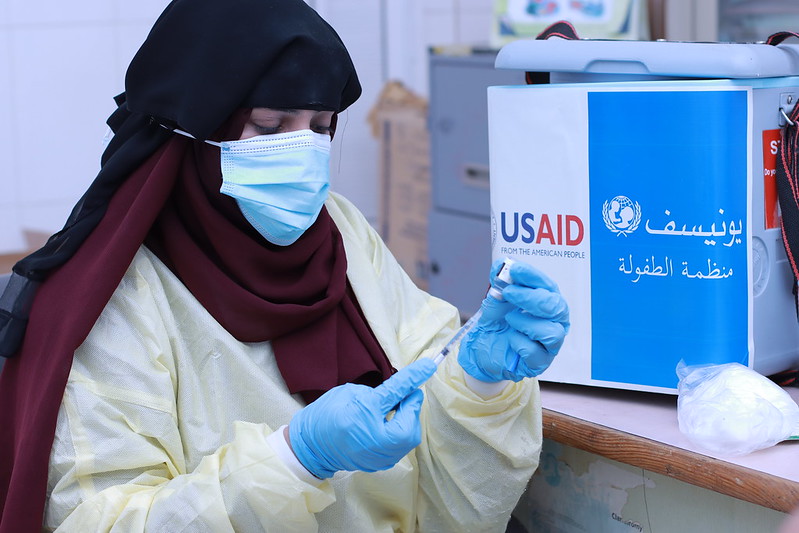
Yemen faces a severe food security crisis, with 56% of its population lacking proper nutrition and nearly 500,000 children suffering from acute malnutrition. In response, UNICEF has partnered with USAID’s Office of Food for Peace and the Bureau for Humanitarian Assistance to combat starvation among children using RUTF. In the Tur Al Bahah district’s Al-Khatabiah area, 20% of children are acutely malnourished. Local health centers, supported by UNICEF, screen for malnutrition, provide RUTF treatment and conduct follow-up check-ups. The treatment has significantly aided recovery, improving conditions for affected families. USAID/BHA has supplied RUTF to address more than 144,000 cases of malnutrition in Yemen, underscoring the critical role of RUTF in combating the nation’s food insecurity.

Haiti

In Haiti, the struggle against malnutrition intensifies amid natural disasters, poor sanitation and economic challenges. With a population of 11.7 million, nearly 4.3 million face acute malnutrition and more than 22% of children under age 5 experience chronic hunger. The country’s escalating violence often hampers access to healthcare centers. To combat this, nongovernmental organizations, like Meds and Food for Kids, deliver nutritional support with their RUTF known locally as “Medika Mamba” or “Peanut Butter Medicine.” This product effectively restores essential micronutrients and is produced following standards set by PlumpyField and Nutriset, global leaders in nutritional solutions. Annually, Meds and Food for Kids produces more than 1000 metric tons of RUTF, achieving a 92% treatment success rate for malnourished children within 8 to 12 weeks.

Ethiopia

In Ethiopia, environmental challenges such as droughts and declining livestock productivity exacerbate food insecurity. The COVID-19 pandemic’s lockdown measures further worsened the situation as nearly one million children lost access to school feeding programs. This has led to acute malnutrition and a rise in micronutrient deficiencies, including iron deficiency anemia and Vitamin A deficiency. To combat this, Ethiopia’s government and UNICEF have committed to protecting vulnerable populations, such as children and pregnant women. Since 2007, Hilina Enriched Foods has collaborated with UNICEF to distribute RUTF to communities in urgent need. This partnership leverages ‘last-mile distribution’ strategies to deliver RUTF directly to health facilities, ensuring timely supply across 240 districts and improving malnutrition management in hard-to-reach areas.

Democratic Republic of Congo

In the Democratic Republic of Congo (DRC), malnutrition affects 40% of children. From June 2023 to June 2024, about 1.1 million children ages 6 to 59 months and 605,000 pregnant women experienced high rates of acute malnutrition. The World Health Organization (WHO) defines child wasting as rapid weight and muscle loss due to insufficient nutrient intake, often exacerbated by inadequate feeding practices and scarce resources. To combat this, the DRC has integrated RUTF into its national healthcare strategy, including listing it on the Essential Medicines List. UNICEF, the Bureau for Humanitarian Assistance (BHA), the World Bank and various NGOs with private funding have supplied RUTF.

Moving Forward

UNICEF has acknowledged the integration of RUTF in national clinical guidelines for malnutrition management across 71 countries. This adoption underscores a growing reliance on RUTF to combat global malnutrition effectively. Nations such as Yemen, Haiti, Ethiopia and the Democratic Republic of Congo have made significant strides by incorporating RUTF into their health strategies, revealing marked improvements in severe malnutrition cases. The support from UNICEF, USAID and various nongovernmental organizations has been instrumental in these ongoing efforts. Continued investment and focus on the programs could be essential for reducing malnutrition and improving health outcomes globally.

– Abigail Lobo

Abigail is based in Mississauga, Ontario, Canada and focuses on Good News and Global Health for The Borgen Project.

Photo: Unsplash
July 5, 2024
https://borgenproject.org/wp-content/uploads/borgen-project-logo.svg 0 0 Precious Sheidu https://borgenproject.org/wp-content/uploads/borgen-project-logo.svg Precious Sheidu2024-07-05 01:30:482024-07-04 03:43:114 Countries Improving Malnutrition with RUTF
Global Poverty, Government, Politics

The Joint Efforts to Support the Hudaydah Agreement

The Joint Efforts to Support the Hudaydah Agreement The Hudaydah port in Yemen plays an impactful role, handling 70% of the nation’s imports, including crucial humanitarian aid and commercial supplies. The ongoing conflict has disrupted operations at Hudaydah and the nearby Saleef port, drastically affecting more than eight million Yemenis who rely on these imports. To mitigate this humanitarian crisis, the conflicting parties established the Hudaydah Agreement, which aims to shield the ports from conflict. The United Nations (U.N.) monitors this agreement to ensure compliance and maintain the essential flow of goods.

Strengthening the Hudaydah Agreement

On June 14, 2024, Saudi Arabia’s Ambassador to the U.N., Abdulaziz AlWasil, met with Michael Beary, Head of the U.N. Mission to Support the Hudaydah Agreement (UNMHA), in New York City. The meeting focused on reinforcing the agreement that plays a crucial role in maintaining the flow of humanitarian aid through Yemen’s vital Hudaydah ports. Both Saudi Arabia and the U.N. have committed to ensuring the stability and security of these ports and advancing peace throughout Yemen. Their diplomatic efforts, including the Hudaydah Agreement, exemplify ongoing initiatives to resolve the conflict and promote recovery in Yemen.

Saudi Arabia’s Role in Yemen’s Diplomacy

The Kingdom of Saudi Arabia, in collaboration with allied nations and the U.N., is vigorously advocating for a diplomatic solution to the conflict in Yemen. Over the past year, Saudi Arabia has facilitated negotiations between Yemen’s internationally recognized government based in Aden and the Houthi rebels. These ongoing discussions aim to cease the fighting and ensure the full reopening of ports critical for importing humanitarian aid. The efforts of Saudi Arabia to secure a ceasefire and safeguard the Hudaydah ports received commendation from Hans Grundberg, the U.N. Special Envoy for Yemen, who described them as a “step change.” According to U.N. and Saudi officials, the diplomatic initiatives supporting the Hudaydah Agreement are making progress and have been ongoing for an extended period.

The United Nation’s Diplomatic Initiatives

In collaboration with Saudi Arabia, the U.N. has been intensively engaged in diplomatic efforts to ensure the ongoing delivery of aid to Yemen through the Hudaydah ports and other channels. On December 26, 2023, U.N. Special Envoy Hans Grundberg announced ongoing discussions with both the Yemeni government in Aden and the Houthi rebels. These talks aim to create a peace roadmap for Yemen that can potentially benefit all citizens, particularly those in dire need. Key elements of the roadmap include a nationwide ceasefire, the reopening of roads in various regions and reducing restrictions on essential ports like those in Hudaydah.

A Unified Approach to Resolve Yemen’s Crisis

The collaboration between Saudi Arabia and the U.N. exemplifies a unified approach to addressing the complex challenges in Yemen. Through sustained diplomatic efforts and strategic interventions, both entities aim to secure a stable and peaceful environment in Yemen, ensuring that aid reaches those in dire need and paving the way toward a resolution of the protracted conflict.

– Abdullah Dowaihy

Abdullah is based in Riyadh, Saudi Arabia and focuses on Good News, and Politics for The Borgen Project.

Photo: Unsplash

June 29, 2024
https://borgenproject.org/wp-content/uploads/borgen-project-logo.svg 0 0 Precious Sheidu https://borgenproject.org/wp-content/uploads/borgen-project-logo.svg Precious Sheidu2024-06-29 07:30:222024-06-28 09:33:36The Joint Efforts to Support the Hudaydah Agreement
Global Poverty, Humanitarian Aid, USAID

USAID Programs Push Yemen toward National Stability 

USAID ProgramsYemen has one of the world’s worst humanitarian crises due to prolonged instability after Houthi insurgents took control of Yemen’s capital and largest city in 2014. Now, out of the 35.2 million Yemeni citizens, at least 18.2 million live in severe poverty and rely on foreign aid. The United States government actively provides humanitarian aid to Yemen. In 2024, it announced nearly $220 million in funding to advance Yemen’s transition toward stability. USAID programs in Yemen target key areas that require development and support and are integral to the survival of the Yemeni population.
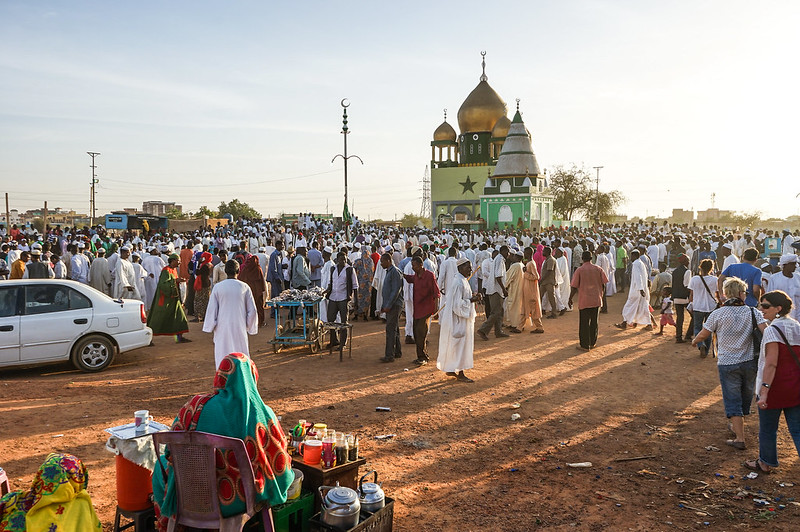
Food Security

In Yemen, 17.6 million people face high levels of food and nutrition insecurity. USAID funding supports the efforts of the World Food Programme (WFP) and seven NGOs to provide food assistance across Yemen. The funding provides communities with U.S. and locally sourced commodities and cash vouchers for individuals without enough money to shop at local markets, according to a 2024 USAID fact sheet.

In October 2023, USAID contributed $10.1 million for ready-to-use therapeutic food (RUTF) providing for 144,000 cases of treatment to severe and acute malnutrition.

Health

Years of conflict have left more than 30 million people in need of humanitarian assistance, yet 50%, of health facilities in Yemen are non-functioning or only partly functioning due to a lack of funds, medicines, supplies electricity, and equipment. USAID funding provides primary care and nutrition services to Yemen through static and mobile medical facilities. Additional funding equips health facilities with medical supplies and pharmaceuticals, according to a 2024 USAID fact sheet. USAID funding enabled the World Health Organization (WHO) to provide medical oxygen to more than 1 million patients at 25 hospitals in Yemen during 2021 and 2022.

Water Sanitation

Ongoing conflicts in Yemen increasingly destroy the country’s water and hygiene infrastructure. Now, Yemen faces one of the world’s worst water crises with 16 million people in urgent need of water sanitation and hygiene. With the help of USAID, an additional 1.8 million Yemenis have access to clean water and improved sanitation services in 2024. USAID funds the rehabilitation of water systems, improved sanitation services such as repaired sewage networks, and the installation of toilets and handwashing facilities in homes and health facilities.

Education

A lack of reliable school facilities and resources leaves millions of Yemeni children uneducated. USAID funding in Yemen reached 275,000 children across 676 formal and informal educational settings in 2024, according to the Yemen Country Profile. Aid funds teacher training, educational equipment, teaching materials, child protection, water sanitation and hygiene activities. Due to conflicts and natural disasters, USAID funds home learning programs to maintain education in communities battling school closures.

National Economy Support

USAID programs focus on strengthening the Yemeni economy hoping a stable national economy will increase overall stability in Yemen. USAID helped Yemen establish its first foreign exchange auctions, increasing transparency and stabilizing previously volatile exchange rates, while also supporting the implementation of 17 World Trade Organization (WTO) trade facilitation agreements. Additionally, USAID facilitated more than $2 million in export sales agreements. USAID works to strengthen economic institutions such as the Central Bank of Yemen.

Despite the severe humanitarian crisis and ongoing conflicts, the United States remains committed to providing crucial humanitarian support via USAID programs in Yemen. Through multi-faceted programs addressing food security, health, water and sanitation, education, and economic development, this assistance aims to alleviate suffering, build resilience, and support Yemen’s fragile transition towards stability. While challenges persist, this comprehensive approach demonstrates the international community’s dedication to helping Yemen overcome adversity and create a more promising future for its citizens.

– Lauren Thompson

Lauren is based in San Francisco, CA, USA and focuses on Good News and Global Health for The Borgen Project.

Photo: Flickr

June 24, 2024
https://borgenproject.org/wp-content/uploads/borgen-project-logo.svg 0 0 Jennifer Philipp https://borgenproject.org/wp-content/uploads/borgen-project-logo.svg Jennifer Philipp2024-06-24 01:30:322024-06-23 13:19:25USAID Programs Push Yemen toward National Stability 
Aid, Foreign Aid, Global Poverty, Government, NGOs, WHO

KSRelief-WHO Funding Agreement for Sudan, Syria and Yemen

KSRelief-WHO Funding Agreement for Sudan, Syria and Yemen Ongoing conflicts in Sudan, Syria and Yemen have devastated public health institutions and affected millions. In Sudan, more than two-thirds of main hospitals are out of service, leaving 11 million people in need of urgent health care since April 2023. Syria faces a similar crisis, with more than 12.2 million people needing immediate medical attention due to inadequate health facility services. In Yemen, about 46% of health facilities are nonfunctional or partially operational, affecting 21.6 million people, at least two-thirds of the population. In response, the King Salman Humanitarian Aid and Relief Centre (KSRelief) is actively providing crucial support and resources to address these health care challenges.

International Aid and Collaboration

On May 25, 2024, KSRelief signed an agreement with the World Health Organization (WHO) to fund WHO’s critical health response operations in Sudan, Syria and Yemen to the amount of $19.4 million. Before signing the funding agreement, both organizations worked extensively to alleviate the pain the people in Sudan, Syria and Yemen endured.

At Jordan’s Zaatari camp for Syrian refugees, KSRelief has been operating medical clinics where doctors have provided health care assistance, including treatment for sinus and middle ear infections, to 2,349 Syrian patients. Similarly, WHO has been reinforcing disease surveillance in Sudan and Yemen to help countries such as the Kingdom of Saudi Arabia respond effectively to the health crises in these countries. KSRelief’s funding support to WHO’s critical health operations in Sudan, Syria and Yemen facilitates medical care on the ground.

Funding Dialysis Treatments in Sudan

KSRelief’s efforts includes providing $5 million to supply 100 dialysis machines and strengthen dialysis centers in Sudan. Currently, 77 renal dialysis centers in Sudan are only partially functioning and cannot provide life-saving dialysis treatment for the Sudanese people. According to the International Society of Nephrology, there are approximately 8,000 Sudanese people and more who have been relying on dialysis to stay alive since the conflict started. 

Healing Syria After the Earthquakes

On Feb. 6, 2023, a devastating earthquake in Syria destroyed many buildings, including essential hospitals and health clinics, affecting 8.8 million Syrians and resulting in the deaths of 5,954 Syrians. KSRelief supported WHO with a $4.75 million contribution to provide necessary medications and supplies to around 350,000 Syrians in need urgent health care. The funds allocated to Syria will also help WHO restore diagnostic capacity and ambulance services, assisting an estimated 4.1 million Syrians.

Countering Disease Outbreaks in Yemen

KSRelief is providing $9.5 million to support WHO’s operations in Yemen, focusing on strengthening responses to disease outbreaks like cholera and measles. Yemen currently faces over 40,000 suspected cholera cases and more than 34,000 cases of measles and rubella as of August 31, 2023. This funding also aims to help WHO enhance health care facilities in Yemen by improving their sanitation and hygiene services, thereby boosting their capacity to tackle disease outbreaks. These ongoing efforts are expected to benefit approximately 12.9 million Yemenis in urgent need of care due to the public health crisis.

Multilateral Collaboration to Address Critical Health Issues

KSRelief’s critical financial support to WHO’s health operations aims to ensure the safety of Sudanese, Syrian and Yemeni people who dream of a stable and secure future. The ongoing efforts highlight the impact multilateral collaboration between countries and organizations could have in addressing global health issues.

– Abdullah Dowaihy

Abdullah is based in Riyadh, Saudi Arabia and focuses on Good News and Global Health for The Borgen Project.

Photo: Flickr

June 21, 2024
https://borgenproject.org/wp-content/uploads/borgen-project-logo.svg 0 0 Precious Sheidu https://borgenproject.org/wp-content/uploads/borgen-project-logo.svg Precious Sheidu2024-06-21 01:30:352024-06-20 03:42:08KSRelief-WHO Funding Agreement for Sudan, Syria and Yemen
Global Poverty, Nonprofit Organizations and NGOs, UNICEF

Yemen’s Water Crisis

Yemen's Water CrisisYemen, strategically located on the Southern Arab peninsula, has a rich history shaped by thousands of years of societal and dynastic changes, resulting in a diverse society. However, modern warfare and harsh weather conditions have contributed to significant water insecurity. In 2023, Human Rights Watch reported that 15.3 million Yemenis face water crisis, while other estimates suggest the number could be as high as 20 million. This makes Yemen one of the most water-scarce countries in the world.

Causes of the Water Crisis

The American Education Global Majority Journal identifies five primary causes for Yemen’s water crisis: high population growth, misguided agricultural policies, water consumption for qat cultivation, lack of law enforcement in water regulation and high vulnerability to climate change. Additionally, the ongoing conflict since 2014 has severely disrupted water and agricultural systems, particularly in peri-urban and internally displaced persons (IDP) areas. It impedes the construction of responsive infrastructure and diverts internal funding away from water projects. Understanding these dynamics is essential for addressing Yemeni security challenges.

Impact of the Water Crisis

The destruction of water and sanitation systems during wartime in Yemen has facilitated the spread of water-borne diseases. For instance, a cholera outbreak in 2016 spread across 19 governorates, affecting 53,000 people and it is estimated that half a million children suffer from diarrhea at any given time. Additionally, UNICEF predicts that 2 million boys and girls in Yemen are denied an education due to the scarcity of wells and flowing water networks. The need to travel miles for water often falls on children, pulling them away from their education. In the Dhamar governorate, for example, the water network has suffered significantly due to limited financial resources and the ongoing crisis, forcing many students to leave school to help fetch water from remote areas to support their families.

Currently, 257,000 hectares of Yemen’s agricultural land reveal signs of distress. Water scarcity not only reduces agricultural production but also exacerbates food and nutrition security issues, leading to widespread health problems. This is compounded by ongoing conflict that has disrupted agrifood systems throughout the country.

Local Efforts to Alleviate Yemen’s Water Crisis

Saba Relief, one of many local charity organizations in Yemen, provides water wells, family water tanks and public water tanks funded by public donations. This support enables families to access water without traveling long distances, freeing up time for other opportunities, such as schooling for children.

International Aid and Technological Innovations

International charities like Muslim Aid USA are leveraging scientific advancements such as solar water disinfection. Unlike conventional well pumps that use grid electricity, a solar-powered pump operates on free energy from the sun. Solar water wells use this solar energy to purify biologically contaminated water, significantly reducing disease risk and bringing stability to communities in drought-prone areas affected by wartime migration.

Another benefit of international involvement is the sharing of techniques and methods to tackle the water crisis in Yemen. For example, the Ministry of Foreign Affairs of the Netherlands has successfully implemented water-saving measures in agricultural practices, reducing usage by 19% from 72.6 cubic meters per hectare a year (approximately the volume of a one-car garage) to 58.56 cubic meters (about twice the volume of a large U-Haul truck) per hectare per year. The project began by importing modern irrigation equipment into the Sana basin. A second ongoing project builds on this success and aims to enhance water use efficiency further.

Strengthening Local Governance and Infrastructure

In 2023, the United Nations (U.N.) initiated the ‘Strengthening Inclusive Local Governance and Peacebuilding in Yemen’ project, which successfully rehabilitated the main water networks in Maghrib Ans and Al-Jadad. Samira Al-Qanoun, member of the Consultation Committee in Dhamar Governorate, praised the project, noting, “The rehabilitation of the network allows us access to clean and safe water, enhances our community safety and improves the overall living conditions of families.” Currently serving 420 households, the newly rehabilitated water network is set to expand service to more than 800 households, setting the stage for future community projects supported by international aid.

Toward a Sustainable Solution

As stated by Ahmed Ali Al-Dourani “We cannot achieve peace without providing access to clean and safe water to every community member.” Efforts to combat Yemen’s water crisis reveal promise through local initiatives and crucial international support. By continuing to embrace technological innovations and strengthening governance, Yemen could further enhance water access for its citizens.

– Kathryn Dodd

Kathryn is based in the UK and focuses on Global Health for The Borgen Project.

Photo: Flickr

June 19, 2024
https://borgenproject.org/wp-content/uploads/borgen-project-logo.svg 0 0 Precious Sheidu https://borgenproject.org/wp-content/uploads/borgen-project-logo.svg Precious Sheidu2024-06-19 01:30:592024-06-18 14:09:02Yemen’s Water Crisis
Global Health, Global Poverty, WHO

Neglected Tropical Diseases in Yemen

Neglected Tropical Diseases in Yemen Amid the civil conflict in Yemen, neglected tropical diseases such as dengue, leishmaniasis and schistosomiasis are severely impacting citizens and challenging the country’s public health sector. For a time, these diseases became prevalent across Yemen. Fortunately, interventions by international NGOs, including the World Health Organization (WHO) and the Drugs for Neglected Diseases initiative (DNDi), have been instrumental in curbing the spread of these diseases.

Dengue in Yemen

Dengue fever has significantly impacted Yemen, particularly over the past decade, with major outbreaks occurring in 2015 and 2019. Efforts to control the disease’s spread among Yemen’s conflict-affected population have been ongoing. In 2015 alone, Yemen experienced an unprecedented surge in dengue cases, with more than 6,777 suspected instances reported.

In 2019, Yemen reported 76,768 suspected dengue cases and 271 deaths, with 71% of all cases occurring in the Al Hodeidah region. This region alone recorded 5,524 cases and 11 deaths in the first month of 2019. Following the 2019 outbreak, the number of suspected dengue cases in 2020 surged to seven times the figures from 2019 and six times those from 2018.

Leishmaniasis

Leishmaniasis remains another neglected tropical disease in Yemen, which reports some of the highest case numbers worldwide. It is particularly prevalent in rural areas, with about 4,440 cases recorded in 2019. A 2023 study found that 33% of participants had active skin lesions or scars meeting the clinical criteria for leishmaniasis and 14.7% displayed suspected active lesions. The study confirmed a high prevalence of leishmaniasis in Yemen.

Schistosomiasis

Schistosomiasis remains a critical but neglected tropical disease in Yemen that urgently requires attention. In 2013, it was identified as the second leading cause of death after malaria, with an estimated 3 million cases. As of 2021, a survey revealed that the disease continues to affect a significant portion of the population. However, the risk of contracting schistosomiasis has decreased from one in five residents to fewer than one in 15.

Efforts of WHO and DNDi Programs

International organizations such as the WHO have long worked to address neglected diseases in Yemen. The WHO runs an elimination program for schistosomiasis and a control program for cutaneous leishmaniasis. These programs provide guidelines for case management, treatment, and mass drug administration, where appropriate, aiming to eradicate these neglected tropical diseases in Yemen.

The DNDi, a nonprofit organization, develops new treatments for neglected tropical diseases that primarily affect impoverished populations. It continues to research how to produce effective drugs and vaccines to treat and prevent neglected tropical diseases globally, with Yemen among the potential beneficiaries.

The ongoing conflict and humanitarian crisis in Yemen pose significant challenges to implementing and advancing programs for neglected tropical diseases. Despite these obstacles, WHO, in collaboration with local partners, continues to prioritize and support efforts to combat these diseases in the country.

Looking Forward

The combined efforts of WHO and DNDi are setting a hopeful trajectory toward mitigating neglected tropical diseases in Yemen. The innovative health strategies hold promise for improving the lives of Yemen’s most vulnerable populations.

– Olusegun Odejobi

Olusegun is based in Norwich, UK and focuses on Global Health for The Borgen Project.

Photo: Flickr

April 19, 2024
https://borgenproject.org/wp-content/uploads/borgen-project-logo.svg 0 0 Precious Sheidu https://borgenproject.org/wp-content/uploads/borgen-project-logo.svg Precious Sheidu2024-04-19 01:30:012024-04-18 05:19:13Neglected Tropical Diseases in Yemen
Food Insecurity, Global Poverty, Humanitarian Aid

The Yemen Crisis: The Largest Global Humanitarian Crisis

The Yemen CrisisSince 2015, Yemen has been experiencing the largest humanitarian crisis in the world. There is an ongoing civil war which is the cause of the outspread of food insecurity and the economic downfall of Yemen that is currently happening. This has left the people of Yemen with a lack of resources such as food, water and medical assistance. There are currently 23.4 million in need of humanitarian assistance in Yemen. On top of that, the Yemen crisis has led to more than 17.4 million people in Yemen being food insecure and do not have stable access to food and water while an additional 1.6 million are in a state of emergency in terms of hunger.

A Crisis On Children

Due to Yemen experiencing the largest famine in the world, this also means the rate of child malnutrition is high as well. This is one of many serious problems Yemen is facing right now. Estimates have indicated that every 10 minutes, a child in Yemen loses their life because of malnutrition. Around half a million children are experiencing severe starvation with the death toll being 85,000 due to starvation in children. In 2022, predictions indicated that an estimated 450,000 would experience severe malnutrition and possibly die.

Why The Yemen Crisis Matters

Adequate access to resources like food, water and health care is essential to living a healthy life as well as avoiding disease. The people in Yemen have not been able to have adequate access to these essentials for years which is a major problem. Yemen is also the poorest country in the Middle East, making it more difficult for the people there to receive opportunities to live better and healthier lives. They are being affected in all health aspects from being unable to eat or drink enough, to lack of proper medical attention when people are experiencing malnutrition and diseases like malaria and respiratory infections which are very prevalent in Yemen.

UNICEF’s Work

The situation in Yemen calls for an immense amount of support as well as a lot of funding from large stakeholders to help provide aid to the people in Yemen. One effective solution that can help support the people in Yemen is by spreading awareness. UNICEF is a large organization that has helped in assisting Yemen by spreading awareness of the crisis in Yemen and also providing aid. UNICEF’s mission is to provide support to those who are less fortunate.

UNICEF is an organization that helps with global humanitarian problems. It has individuals in the field of medicine and education that are assisting in providing food and education for the children while they have other individuals from UNICEF restabilizing damaged schools and hospitals. While UNICEF has supported Yemen greatly with the aid it was able to provide to
Yemenis there is still more that needs to occur. UNICEF inquires that in order to continue giving its support in Yemen, it need an estimated $484.4 million which it have raised $77.8 million in funding for aid.

Save the Children’s Efforts

Another organization that has supported Yemen is Save the Children. Save the Children is an organization targeted to support children in need. It helps children all around the world with many things like food, education, protection and health. It has been giving support in Yemen to Yemeni children since 1963 and were one of the first organizations to reach out when the war started in 2015.

Looking Ahead

The crisis in Yemen is not a national problem but a global one. They are battling multiple problems. The severity of the crisis Yemenis are experiencing is something that will take years to recover from which means they need all the awareness and support they can get. There is great importance in understanding social determinants of health in public health. This is because the occurrence of many public health issues can be addressed through social determinants of health and can explain why they happen. The heartbreaking state of Yemen is due to the fact they are lacking many of those social determinants and the main forms of support that individuals can give to them is through contacting officials and raising as much awareness as they can.

– Munira Said
Photo: Flickr

March 27, 2024
https://borgenproject.org/wp-content/uploads/borgen-project-logo.svg 0 0 Jennifer Philipp https://borgenproject.org/wp-content/uploads/borgen-project-logo.svg Jennifer Philipp2024-03-27 07:30:132024-03-31 08:39:07The Yemen Crisis: The Largest Global Humanitarian Crisis
Global Poverty

Everything You Need to Know About Poverty in Yemen

Everything You Need to Know About Poverty in YemenThe Republic of Yemen occupies the southern end of the Middle East’s Arabian Peninsula. Bordering the Red Sea and the Gulf of Aden, Yemen was once the crossroads between Africa, Asia and the Middle East. From 1918 to 1990, Yemen was separated into two competing countries including independent North Yemen and British-backed South Yemen. In 1990, both countries unified to create The Republic of Yemen. However, despite these advances in government, the Yemeni political climate radically destabilized in 2011, as the Arab Spring swept across neighboring countries. Since 2014, a brutal civil war has gripped Yemen, leaving its population of 33 million vulnerable to disease, food shortage and overwhelming poverty. Today, Yemen is the second-poorest nation in the Middle East, and more than 80% of Yemenis live below the poverty line.

Here is everything you need to know about poverty in Yemen.

1. The Yemeni Civil War has destabilized the government

The Yemeni Civil War is a conflict primarily between Yemen’s internationally recognized government and the Houthi rebel movement, which claims its stronghold in Yemen’s northern territories. In 2011, uprisings forced Yemen’s authoritarian president, Ali Abdullah Saleh, to cede power to his deputy, Abdrabbuh Mansur Hadi. However, Hadi struggled to address the country’s corruption, food insecurity and militant incursions. In 2014, the Houthi rebel movement, allied with former president Saleh, seized control of Sana’a, Yemen’s capital and most populous city. The Houthis are an Iranian-backed Shiite group that has long undermined Yemen’s predominantly Sunni government. In 2015, Saudi Arabia and 8 other Sunni states with the help of U.S., U.K. and French aid, launched air attacks, hoping to restore president Hadi to power. The ensuing civil war has prompted a large-scale humanitarian crisis and has claimed the lives of over 15,000 civilians. Those remaining have been challenged with famine, poverty and disease outbreak.

2. The Yemeni economy continues to fail

Even before the outbreak of its civil war, Yemen struggled to keep pace with changing markets. Political corruption hampered Yemen’s economy, while revenues from oil and gas reserves continued to decline. The civil war has further damaged economic infrastructure, contributing to high unemployment and poverty rates, while also alienating international investment. Since the conflict’s onset, the Yemeni economy has shrunk by half.

3. Many Yemenis have been displaced by conflict

Civilian vulnerability to military attack has forced an estimated 4.5 million people or 14% of Yemen’s population to flee their homes. Many Yemenis have been displaced multiple times since 2015, ranking Yemen in the top six of internal displacement crises worldwide. As Yemenis continue to live in exile, they strain already limited food, water and sanitation resources. 

4. Yemen nears famine

As a food-deficient country, Yemen has often relied upon imports to nourish its population. However, its civil war has stymied international trade and weakened its access to food supplies. Food prices have soared, hindering accessibility for Yemen’s poverty-stricken population. As a result, hunger is rampant, with many Yemenis forced to skip meals or to severely restrict portion size. Some have pawned belongings and sold assets to raise money for adequate food supplies. Oftentimes, Yemeni women struggle the most, giving portions to children and family members at the expense of their own nourishment. 

5. Poverty in Yemen affects women and girls disproportionately

Women and children make up 80% of Yemen’s displaced population, with women heading 26% of displaced households. In the midst of such upheaval, women and girls are especially vulnerable to gender-based violence, often falling victim to child marriage and human trafficking. Widespread food insecurity and an eroding health care system have led to a severe increase in the maternal mortality rate: one woman dies in childbirth every two hours. 

6. Communities are vulnerable to infectious diseases

Both the civil war and COVID-19 have strained Yemen’s already fragile healthcare system. 46% of healthcare facilities across the country are only partially functioning or completely defunct, due to insufficient staff, funding and medical resources. Similarly, large-scale displacement and infrastructure collapse has hampered access to clean water and sanitation facilities, with 9.4 million people in acute need of water, sanitation and hygiene services. As a result, communicable diseases have run rampant, including measles, diphtheria and polio. Yemen is also reporting an unprecedented cholera outbreak. From 2012 to 2021, Yemen reported an estimated 2.5 million cholera cases, with 4,000 cholera-related deaths. 

7. Humanitarian aid combats poverty in Yemen

The crisis in Yemen has caught the attention of the international humanitarian community. With 21.6 million Yemenis in need of aid, the UN has designated Yemen the worst humanitarian crisis in the world. Despite Houthi attempts to block aid packages, several leading organizations have joined the effort to improve food access, water availability and medical services. For instance, UNICEF is supplying therapeutic food to treat acute malnutrition in children. Similarly, the United Nations Population Fund hopes to allocate $7 million to improve women’s access to reproductive and neonatal care, reaching an estimated 3.9 million people. 

A Look Ahead

Though the civil war in Yemen continues to deny the Yemeni population economic security, adequate food supplies and basic health services, there is some chance of peace. In 2022, the UN brokered a ceasefire between Houthi rebels and the Yemeni government, which was renewed to extend from April to October 2022. Though the truce has technically expired, a mutual diplomacy has slowed the conflict, allowing back-channel discussions between Saudi and Houthi representatives to continue, albeit slowly. As the negotiations unfold, civilians hope for an escape from hunger, violence and poverty in Yemen. 

– Sydney Verdi
Photo: Flickr

January 30, 2024
https://borgenproject.org/wp-content/uploads/borgen-project-logo.svg 0 0 Yana Chukur https://borgenproject.org/wp-content/uploads/borgen-project-logo.svg Yana Chukur2024-01-30 01:30:412026-04-16 10:12:47Everything You Need to Know About Poverty in Yemen
Global Poverty, Period Poverty

Addressing Period Poverty in Yemen 

Period Poverty in Yemen Due to an almost decade-long civil war, Yemen is one of the poorest countries in the Middle East. With almost 80% (approximately 26.38 million) of the country’s population now living in poverty, girls and women are not able to always have access to menstrual products. For girls living in poverty in Yemen, getting their period could completely change their lives. The effects of poverty on menstruating women are often a neglected topic. ‘Period poverty’ refers to the situation where menstrual products and other necessities may not be obtainable. In some cases, period poverty may be a factor driving many people further into extreme poverty. 

Education and Mental Health

As of October 2023, UNICEF reported that there were already more than 2.7 million children in Yemen out of school. The budget for schools and the education sector have not received significant attention due to the economic crisis and conflict. Therefore, when at school, children lack the basic resources they need to have a safe and comfortable learning experience. 

Due to the poor levels of sanitation, many of the schools will not have access to toilets or sanitary products. This means that many girls will stay home and have to miss days of school every month, to cope with their period safely at home, often resulting in them falling behind and failing their classes. Some young women may even have to leave their education as they would not be able to efficiently continue with their studies while doing this every month. Leaving school may lead a girl’s family into further poverty as there would be fewer chances to earn money without an education. 

The World Bank Group has been working to help period poverty in Yemen by constructing sanitation facilities in schools, allowing girls to be able to stay in school and have proper access to toilets and sanitation, therefore reducing the number of girls dropping out.

Period poverty may also lead to severe mental health issues. Mood is heavily affected during a woman’s cycle and some even fall into deep depression as a symptom of premenstrual syndrome (PMS). Living in poverty may have already taken a toll on a woman’s mental health, but experiencing their period monthly further affects their quality of life.

Cultural Impacts 

Along with the current civil conflict, the role of being a woman further adds to how vulnerable a person is in Yemen. Many countries in the Middle East still carry a stigma concerning periods. These countries, like Yemen, may refrain from seeing periods as a natural process but rather as something unclean or something to be ashamed of. Due to the way many view periods, it is often easy for them to not discuss the topic at all. This means that many girls do not learn about their periods, and how to prepare for the day it arrives. Due to both cultural and religious taboos, women may experience exclusion from activities or segregated from men, meaning that they may not always get the help they would need during this time i.e. the help of a male doctor. This limits their ability to educate themselves on menstruation. 

In Yemen, the responsibility of the household usually falls on the women. Expectations are that they cook, clean, fetch water and take care of the children. Since the beginning of the civil war in 2014, the number of female-led households has risen. This has made it increasingly harder for those living in poverty to cope with these tasks while on their period. Those who have had to leave education due to their period may have to enter into marriages for the financial benefit of their families. 

Sanitary Products and Hygiene

The severity of period poverty in Yemen means that there is minimal access to sanitary products for females living in poverty. The women often will not have a supply of pads and tampons and are not likely to be able to afford them. Some may even stand for a prolonged time just so they do not sit and stain anything with blood. Limited resources mean that many women have to use rags and pieces of cloth that may not always be clean.

The shortage of drinkable water also affects the periods of women. The World Bank declares Yemen as one of the world’s most “water scarce” nations in the world, with more than 18 million people in the country not having access to clean drinking water. The need for clean water is not only for consumption, as it is also necessary for hygiene purposes. Poor hygiene and the use of unclean products can be very harmful leading to irritation, infection or even Toxic Shock Syndrome. 

The French NGO Premiere Urgence Internationale, has been fighting period poverty in Yemen by distributing reusable pads. It began their distributing pads in the north of the country, and as of 2022, were able to hand out this product to those in the southern city of Aden. They have also used this as an opportunity to teach some women how to create reusable pads. This has helped some women gain an insight into menstruation that they may have had before. Making these pads also allows them to educate more young women on their periods and even how to produce their own sanitary pads. 

Looking Ahead

The fight against period poverty in Yemen has only gotten more intense as the country’s conflict continues. Girls and women have struggled thus far for sanitary products, and the future of menstruation in Yemen is still uncertain. However, with the help of organizations like Premiere Urgence Internationale, women in Yemen can at least have more support and education about their periods, allowing their time of the month to be a little more bearable. 

– Fejiro Efih
Photo: Flickr

January 11, 2024
https://borgenproject.org/wp-content/uploads/borgen-project-logo.svg 0 0 Jennifer Philipp https://borgenproject.org/wp-content/uploads/borgen-project-logo.svg Jennifer Philipp2024-01-11 07:30:292025-10-07 23:05:46Addressing Period Poverty in Yemen 
Page 3 of 41234

Get Smarter

  • Global Poverty 101
  • Global Poverty… The Good News
  • Global Poverty & U.S. Jobs
  • Global Poverty and National Security
  • Innovative Solutions to Poverty
  • Global Poverty & Aid FAQ’s
Search Search

Take Action

  • Call Congress
  • Email Congress
  • Donate
  • 30 Ways to Help
  • Volunteer Ops
  • Internships
  • Courses & Certificates
  • The Podcast
Borgen Project

“The Borgen Project is an incredible nonprofit organization that is addressing poverty and hunger and working towards ending them.”

-The Huffington Post

Inside The Borgen Project

  • Contact
  • About
  • Financials
  • President
  • Board of Directors
  • Board of Advisors

International Links

  • UK Email Parliament
  • UK Donate
  • Canada Email Parliament

Get Smarter

  • Global Poverty 101
  • Global Poverty… The Good News
  • Global Poverty & U.S. Jobs
  • Global Poverty and National Security
  • Innovative Solutions to Poverty
  • Global Poverty & Aid FAQ’s

Ways to Help

  • Call Congress
  • Email Congress
  • Donate
  • 30 Ways to Help
  • Volunteer Ops
  • Internships
  • Courses & Certificates
  • The Podcast
Scroll to top Scroll to top Scroll to top