• Link to X
  • Link to Facebook
  • Link to Instagram
  • Link to TikTok
  • Link to Youtube
  • About
    • About Us
      • President
      • Board of Directors
      • Board of Advisors
      • Financials
      • Our Methodology
      • Success Tracker
      • Contact
  • Act Now
    • 30 Ways to Help
      • Email Congress
      • Call Congress
      • Volunteer
      • Courses & Certificates
      • Be a Donor
    • Internships
      • In-Office Internships
      • Remote Internships
    • Legislation
      • Politics 101
  • The Blog
  • The Podcast
  • Magazine
  • Donate
  • Click to open the search input field Click to open the search input field Search
  • Menu Menu

Tag Archive for: Poverty In Yemen

Posts

Global Poverty

5 Updates on the Yemen Crisis

Yemen CrisisYemen has been in the grips of one of the worst humanitarian crises since the conflict broke out in early 2015. In the years since, the Yemen crisis has been defined by the displacement of millions of Yemenis as well as an unstable economy which has driven the prices of food, fuel and other vital resources to an unattainable price for the majority of citizens. However, the arrival of a ceasefire in April 2022 provided refuge to the Yemeni people and an opportunity for progress.
The Crisis in Yemen

The Republic of Yemen is located at the southern tip of the Arabian Peninsula with approximately 29 million inhabitants. Yemen has long been the poorest country in the Middle East and North Africa (MENA) region, with half of the population living in poverty even before the outbreak of conflict. In early 2015, a civil war erupted in the country between the Yemeni government and the Houthis, a political organization originating in the northwestern province of Saada. Since then, the unrelenting fighting has destabilized the economy and destroyed much of the local infrastructure, driving the poverty rate up to as high as 78% of the population. 

This conflict has resulted in mass displacement, food shortages and famine with 16.2 million residents at risk of malnutrition due to food insecurity. Furthermore, because of large-scale displacement and poor sanitation, there have been a series of disease outbreaks over recent years including outbreaks of cholera, measles and diphtheria, all of which have been eradicated across much of the rest of the world. 

In April 2022, the United Nations announced that a two-month cease-fire had been agreed upon by opposing sides. In a progressive move, this truce was renewed a further two times before officially ending in October of the same year. Despite the end of the cease-fire, fighting has not resumed to the same extent as before, providing Yemen and its inhabitants with a period of relative stability and the opportunity to receive foreign aid.

Visible Progress

With the country finding some degree of stability in the wake of the six-month truce in 2022, the people of Yemen have been able to receive aid from international organizations such as UNICEF.

Here are five updates on the progress visible amid the Yemen crisis since the truce period in 2022.

  1. Peace: Several steps have been taken towards establishing peace with both sides participating in peace talks and a significant prisoner trade. Furthermore, in another step towards peace in the region, the Houthis — the internationally recognized government — have participated in peace talks with neighboring Saudi Arabia.
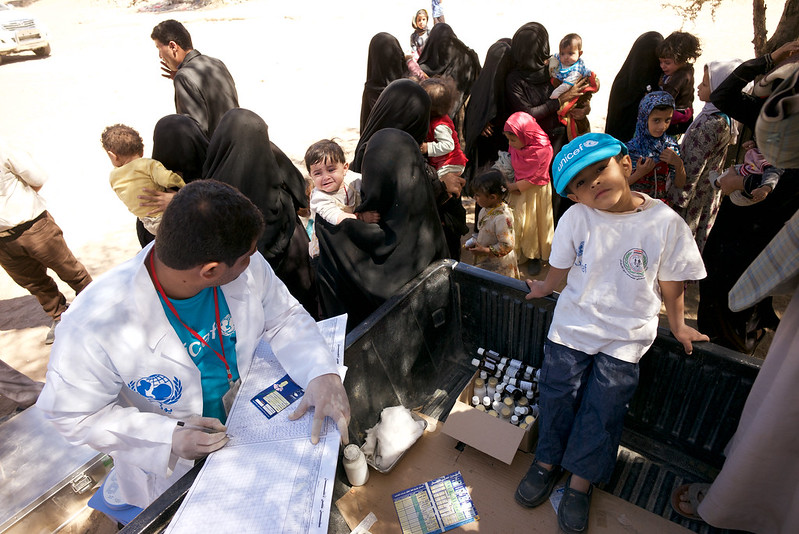
  2. Health: With the input of international organizations such as UNICEF, the truce has allowed for the deployment of health workers to rural areas as well as the dispersal of additional resources to all regions including providing nearly 3,000 health facilities with the necessary personal protective equipment such as gloves and masks.
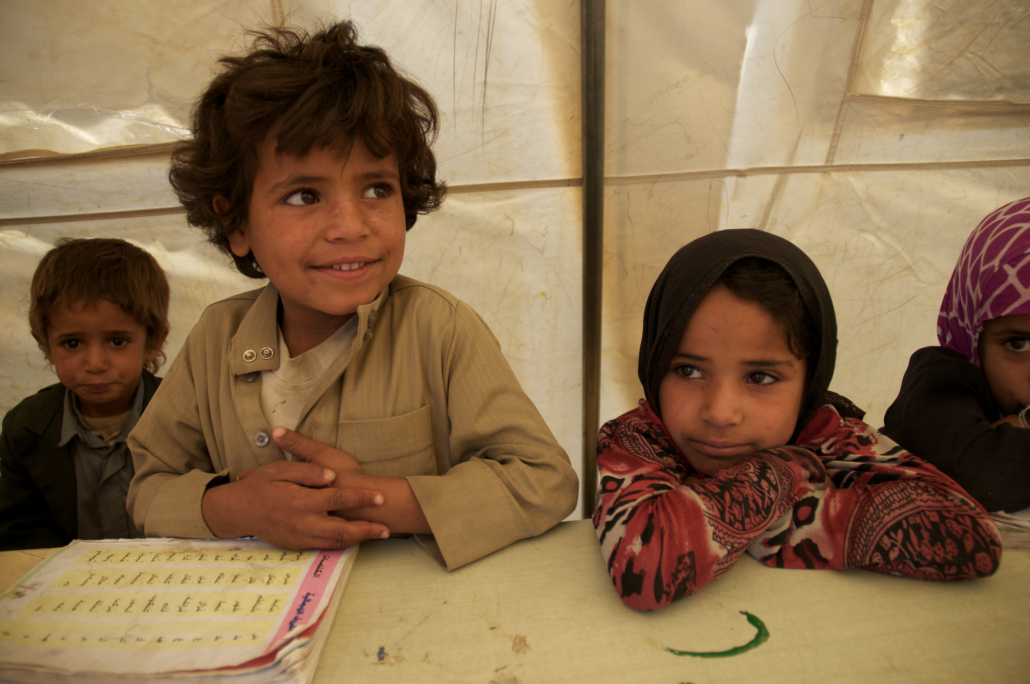
  3. Education: Similar to health care, UNICEF has invested in the reopening of education facilities by providing cash incentives to close to 35,000 teachers and other school staff. Additionally, UNICEF has been providing further training and support on topics such as nutrition and hygiene to school staff. 
  4. Housing: As the Yemen crisis continues, there is still approximately 14% of the Yemeni population who are displaced. Despite this, international organizations such as UNICEF and the U.N. Refugee Agency are continuing to assist thousands of displaced families across all governorates by providing essential items such as blankets, sleeping mats and mattresses. 
  5. Food and Water: While there is still widespread food insecurity in the country with approximately 18 million Yemeni living without access to safe water sources, progress is being made. For example, 120,000 children were treated for malnutrition by UNICEF in the first quarter of 2023 alone. Furthermore, efforts to rehabilitate water points and provide water tanks to those who are displaced have also continued.

Initially, the Yemen crisis was heavily publicized; however, media coverage and charitable appeals have dwindled by comparison in the years since. Because of this, it is easy to be disillusioned about the current struggles the Yemenis are facing. In spite of this, progress has continued to occur at an accelerated rate in the wake of a temporary ceasefire which scaled back significant proportions of the fighting and has created a fragile state of stability across the country.

– Holly Coop
Photo: Unsplash

November 11, 2023
https://borgenproject.org/wp-content/uploads/borgen-project-logo.svg 0 0 Yuki https://borgenproject.org/wp-content/uploads/borgen-project-logo.svg Yuki2023-11-11 15:00:162023-11-10 03:56:345 Updates on the Yemen Crisis
Children, Global Poverty

Child Malnutrition in Yemen: Hope Among the Conflict

Child Malnutrition in Yemen
The Middle Eastern nation of Yemen has been plagued by eight years of devastating conflict disproportionately affecting its children. The Yemeni conflict remains one of the largest humanitarian crises in the world, with more than 11 million children in need of humanitarian assistance. Child malnutrition in Yemen, alongside food insecurity and hunger, has reached alarming levels in the heart of this turmoil. Xavier Joubert, Save the Children’s Country Director for Yemen, underscores the harsh reality facing Yemeni children:

“Hunger in Yemen is an entirely human-made legacy of this war, and the increase in child malnutrition levels around conflict lines shows the impact of this brutal conflict on children.”

Despite the ongoing conflict, hope is emerging from the efforts of numerous organizations. This article sheds light on the dire challenges these children face daily while highlighting the unwavering dedication of organizations working to mitigate their suffering. 

The Impact

Amidst Yemen’s enduring conflict, the crisis affecting its children has reached catastrophic proportions. This nation is grappling with one of the world’s most significant humanitarian crises, where more than 11 million children are in dire need of humanitarian assistance. Child malnutrition in Yemen has surged to alarming levels, with nearly 2.2 million children under the age of five in Yemen acutely malnourished, and more than 500,000 facing severe malnutrition. 

The repercussions of this crisis on Yemen’s children are profound and enduring. Malnutrition not only jeopardizes their immediate well-being but also their long-term growth and cognitive abilities. The compounding effect of malnutrition and the ongoing conflict leaves so many children without access to essential health care, clean water and adequate sanitation. This is further exacerbated by the scarcity of essential food items and the destruction of critical infrastructure. Yemen’s children are carrying the heaviest burden amid the ongoing conflict, and the repercussions on their health and future are immeasurable.

Working for Change

Amidst the seemingly bleak landscape, various organizations have stepped forward to combat the malnutrition epidemic to alleviate the suffering occurring within this nation. The organization War Child is a prime example of the life-changing work occurring to improve these children’s lives. War Child has been tirelessly working to provide access to healthcare, clean water and nutritional support to children in need. UNICEF is also a notable organization instrumental in providing health care, education and nutrition support to the vulnerable young children in Yemen. Continued is their unwavering efforts to save young lives and build a better and sustainable future. 

Stories of Hope

Despite the immense challenges and continued conflict within Yemen, stories of hope and resilience are emerging. Children who have received critical support from these organizations are on their way to recovery. Their strength and the unwavering commitment of these organizations showcase the resilience of the human spirit, even in the face of the harshest circumstances. 

The World Health Organization (WHO) has played a crucial role in this effort. WHO has trained almost 400 health workers on managing medical complications in children suffering from severe acute malnutrition. To increase families’ awareness and knowledge of basic nutritional and preventive health requirements for children, as well as to promote the importance of the continuity of breastfeeding, WHO trained 1,277 community health and nutrition volunteers and midwives. These trained individuals communicate key health and nutrition messages to the most affected vulnerable communities in 28 districts. 

In addition to this, WHO has developed awareness messages for TV and radio, ensuring that these important messages reach a wider audience. It has also engaged communities through various platforms, including religious, youth and women’s groups. These comprehensive efforts are making a tangible difference in the lives of Yemen’s children — offering them hope and the prospect of a brighter and healthier future. 

Moving Forward

While child malnutrition in Yemen remains a pressing issue, and the ongoing conflict only exacerbates the situation, the dedicated efforts of organizations working in Yemen provide a glimmer of hope. With continued support and awareness, there exists a possibility for positive change in the lives of Yemen’s children. The world must remain engaged in addressing this crisis, as the future of Yemen’s children depends on it. Together, we can make a difference and bring hope to a nation facing immense challenges.

– Phoebe Abrahams
Photo: Flickr

November 4, 2023
https://borgenproject.org/wp-content/uploads/borgen-project-logo.svg 0 0 Yuki https://borgenproject.org/wp-content/uploads/borgen-project-logo.svg Yuki2023-11-04 03:00:442023-11-03 01:47:05Child Malnutrition in Yemen: Hope Among the Conflict
Global Poverty

How Remittances to Yemen is Making a Difference

Remittance to YemenEight years of civil war have thrust Yemen into a state of economic and humanitarian emergency. The conflict has left 2.3 million children acutely malnourished, giving the media and nonprofits alike no choice but to report a dismal picture. There is, however, an untold story at play. The story of remittance to Yemen demonstrates that familial solidarity remains steadfast in times of crisis.
In short, remittance to Yemen refers to money transfers sent home by Yemenis who are working overseas, usually from the Gulf states, the U.S. and the U.K. More than 200 million migrants worldwide send remittances home to their families every year.

The World Bank estimates that, as of 2023, 24.1 million people in Yemen were at risk of hunger and disease. A further 14 million required acute assistance. It is these statistics that set the precedent for the importance of remittance for alleviating the country’s humanitarian emergency. Here is an overview of just some of the ways that remittance to Yemen is making a difference. 

Preventing Hunger and Starvation

The World Bank has declared that vast numbers of Yemenis are living on the verge of famine. “My daughter had malnutrition due to our harsh living conditions and lack of income”, Waleed Al-Ahdal told UNICEF. Al-Ahdal’s story is one of many. With countless others surfacing, it is unsurprising that UNICEF has warned that “no place in Yemen is safe for children.”

However, without the security of remittance payments, the situation would be even more grave. Oxfam’s Yemen Country Director, Muhsin Siddiquey, has warned that Yemenis would have to rely on international aid “without the safety net of remittances.” With one in 10 people in Yemen relying solely on money transfers to meet their basic needs, the cruciality of remittance to Yemeni survival becomes clear. 

A Display of Solidarity

As well as combatting starvation, overseas Yemenis supporting their families to fend for themselves shows solidarity. The International Day of Family Remittances falls on June 16 every year and is a universally-recognized observance. This symbolic day celebrates migrant workers’ dedication to the well-being of their loved ones. 

Just 20 years ago, remittances were unaccounted for in international statistics — as were the sacrifices of migrant workers. Acknowledging remittance to Yemen as a powerful tool of poverty prevention is setting the precedence for the international community to follow suit and take humanitarian action. 

Setting the Precedence for Foreign Aid

The necessity for overseas money transfers to meet basic needs has put Yemen’s humanitarian crisis on the international radar. When allied with remittance payments, global action is having a real impact on the ground.

For example, The Yemen Social Fund for Development’s Cash for Nutrition program targets pregnant women and women with children less than 5 years old, teaching them about child nutrition and providing them with money for food. The World Bank estimates that 165,000 pregnant or lactating women and 175,000 children have been reached by the project so far.

An Economic Investment

Gilbert Houngbo, chief of IFAD, has described remittances sent by migrant workers as a “win-win solution”. He explains that remittance payments are positive for the workers’ countries of origin as well as the host countries. Houngbo estimates that 15% of each salary earned by overseas migrants in a host country is sent home in the form of remittance. The significance here is that this leaves an average of 85% of migrant income circulating in the host country, contributing to the national GDP. 

Of course, the humanitarian necessity of remittance is more pressing, but the economic benefits play a key part in encouraging states and service providers to facilitate the money transfers of migrants into and out of their countries. Economically speaking, remittance is a mutually beneficial enterprise. 

More Needs To Be Done

Remittance payments have their drawbacks. They do not target the root causes of extreme poverty in Yemen. Instead, they merely counteract the devastating impact war has had on the population’s basic needs. 

Moreover, the flow of remittance into Yemen is an unstable source of aid. One remittance service provider in Sa’ada saw a reduction in migrant money transfers of 96% between January 2020 and April of the same year. Likely a result of the COVID-19 pandemic, the global crisis exposed the insecurity of remittance with devastating consequences.

“I purchase food on credit from the grocery and have two months overdue rent,” Abu Ameer told Oxfam. Ameer’s plight worsened when his son stopped working due to the lockdown. As a result, Ameer’s son ceased payments to his father from Saudi Arabia. Ameer’s reliance on his son’s income laid bare the fragility of remittance as a method of reducing extreme poverty. 

While remittance to Yemen has evidently not ended the civil war, nor has it eradicated extreme poverty in the country, it remains a symbol of unity and a provider of aid for those most in need.  

– Imogen Townsend
Photo: Flickr

August 8, 2023
https://borgenproject.org/wp-content/uploads/borgen-project-logo.svg 0 0 Lynsey Alexander https://borgenproject.org/wp-content/uploads/borgen-project-logo.svg Lynsey Alexander2023-08-08 07:30:362024-12-13 18:02:56How Remittances to Yemen is Making a Difference
Global Poverty

Poverty in Yemen or Potential Investment?

Poverty in Yemen
Yemen has become increasingly war-torn since 2014, and as a result, poverty in Yemen has significantly increased. In 2014, poverty in Yemen was at 45%. The percentage should reach 75 by the end of 2019.

This war-torn region has not yet recovered from political instability. Because of this, the United Nations Development Programme (UNDP) estimates that it has lost 21 years of development.

The UNDP published a report, Assessing the Impact of War in Yemen on Achieving the Sustainable Development Goals, on September 26, 2019, which is the result of five years of research on how war has impacted Yemen’s social and economic structure and how the international community can successfully invest in Yemen.

Poverty in Yemen

The UNDP report found that the instability in Yemen has had disastrous effects on the Yemenese people. It reported that 11.7 million individuals have become impoverished as a result of the war. In addition, 4.9 million are malnourished. Of this number, 600,000 are children under the age of 5. The report also found that the war reduced economic growth in Yemen by $88.8 billion. This resulted in Yemen’s status as the world’s second least equal country in the world in terms of income. Without any change in the status quo, Yemen will become the world’s most impoverished country by 2022.

Yemen is largely reliant on food and imports for economic stability. Because of this, the economy has been unable to recover quickly without international intervention. The public sector employed 30% of the Yemenese population. However, a crash in the availability of assets left those individuals unemployed and unable to contribute to a jumpstart in the economy that would feed, clothe and put money in the hands of the impoverished.

The report concludes that the international response to the extreme poverty, economic crises and inequality in Yemen must be holistic and address both the root of the problem and the result of the issue.

Potential Investment in Yemen

The report examined four criteria: poverty, work and economic growth, hunger and inequality. Increasing international aid and investment can help with all four criteria. The article outlines a method of aid for addressing each area. A combination of efforts would resolve each criterion and address the issue of poverty overall. Increasing household consumption to pre-war levels which reflect “the spirit (though not the magnitude) of current cash-transfer programmes operating in Yemen,” can also combat hunger according to the report. This, combined with the distribution of food that would provide sufficient caloric intake and support Yemenese food exports, would alone prevent 73,600 death by 2030. A focus on improving access to clean water via changes to food prices through sanctions and providing sanitation implementation would save 255,000 lives by 2030.

Direct foreign investment into the Yemenese economy would significantly improve the everyday living conditions of Yemenese citizens. Without increased aid, Yemen will continue to stay on track to becoming the world’s most impoverished country by 2022. Direct aid programs and an increased amount of liquid capital poured into the economy would decrease poverty in Yemen, jumpstart the economy and improve the overall standard of living.

– Denise Sprimont
Photo: Flickr

November 21, 2019
https://borgenproject.org/wp-content/uploads/borgen-project-logo.svg 0 0 Lynsey Alexander https://borgenproject.org/wp-content/uploads/borgen-project-logo.svg Lynsey Alexander2019-11-21 01:30:342022-04-11 14:50:31Poverty in Yemen or Potential Investment?
Developing Countries, Global Poverty, Poverty Reduction, United Nations, Water Sanitation

7 Facts About Poverty in Yemen

Facts About Poverty in Yemen
Yemen demonstrates extremely poor standards of life expectancy, education and overall living. Yemen’s ongoing political unrest has been a major cause of the country’s poverty. Regardless of the cause, poverty in Yemen is frightening. Here are seven facts about poverty in Yemen.

7 Facts About Poverty in Yemen

  1. Poor Country: Even prior to its political instability, Yemen was already the poorest country in the region spanning the Middle East to North Africa. It exhibits the lowest rank on the Human Development Index (HDI) among Arab states. Yemen also ranks 178 out of 189 countries on the HDI.
  2. Hunger and Malnutrition: The U.N. estimates that approximately 80% of Yemenis are vulnerable to hunger. About 14.3 million are in need of medical assistance to combat malnutrition along with other issues. Starvation, cholera, measles and dengue fever are some of the main culprits. Roughly 2 million children in Yemen are in immediate need of medical help because of acute malnutrition.
  3. Infant Mortality Rate: Poverty in Yemen contributes to its remarkably high infant mortality rate of 55.4 deaths under age 5 per 1,000 births. In comparison, the United States has a healthier infant mortality rate of 5.8 deaths per 1,000 births. Malnutrition contributes in large part to this statistic.
  4. Water: Almost 18 million Yemeni citizens simply have no access to clean water. UNICEF reports that only around 30% of the population uses piped drinking water services. Contaminated water results in many infant deaths. UNICEF does its best to keep this issue to a minimum in Yemen. It maintains the operational water supply systems in Yemen. It also monitors and disinfects the water supply in urban areas and provides WASH (water, sanitation and hygiene) humanitarian aid to displaced Yemeni citizens.
  5. Humanitarian Crisis: Consistent waves in currency depreciation continue to chip away at Yemen’s economy. As a result, inflation threatens and terrorizes the economy and its consumers. It also exacerbates this humanitarian crisis. The Yemeni rial, the official currency of Yemen, lost 75% of its value in the past four years. With a GDP of around $27 billion, Yemen must rely on humanitarian aid.
  6. Education: As poverty in Yemen continues to worsen, about 2 million children remain out of school. Unfortunately, this is due to a lack of teachers and schooling facilities. Without an educated population, Yemen will continue its impoverished conditions. Thankfully, UNICEF secured approximately $70 million for cash incentives for teachers in Yemen. In its efforts, UNICEF also provided access to education for more than 200,000 Yemeni children through the reconstruction of 18 schools and 218 school latrines.
  7. The Economy: Such a blow to the economy devastated Yemeni citizens on an individual level as well. The World Bank reports that more than 40% of households lost their main source of income, placing people under the poverty line. The country is struggling to lift its people out of impoverished conditions. However, the World Bank has several large-scale emergency grants dedicated to Yemen during its crisis. These grants will work with health and nutrition as well as electricity and agriculture.

Looking Ahead

Poverty in Yemen stems from a range of unfortunate events, primarily its state of political instability under Abdrabbuh Mansur Hadi. Such instability affects sanitation, infrastructure, economy and medical assistance. These seven facts about poverty in Yemen demonstrate areas of weakness where humanitarian aid can effectively assist. Organizations like UNICEF and the U.N. are already doing their part in the pursuit of aiding and providing for not only Yemen but many countries in similar situations. With UNICEF and the U.N.’s help, Yemen has a better chance of sustaining itself.

– Colin Crawford
Photo: Flickr

October 31, 2019
https://borgenproject.org/wp-content/uploads/borgen-project-logo.svg 0 0 Jennifer Philipp https://borgenproject.org/wp-content/uploads/borgen-project-logo.svg Jennifer Philipp2019-10-31 07:30:562024-05-29 23:13:317 Facts About Poverty in Yemen
Child Soldiers

Top 10 Facts About Yemen Child Soldiers

Top 10 Facts About Yemen Child Soldiers
Yemen, a relatively small country located south of Saudi Arabia and east of the Red Sea, currently has one of the worst humanitarian crises on the planet. Similar to situations is most conflicts, Yemeni children have suffered immensely since the war began in 2014. In particular, Yemen has seen the recruitment of child soldiers as a common practice. Since this is a very serious issue, in the text below top 10 facts about Yemen child soldiers are presented.

Top 10 Facts About Yemen Child Soldiers

  1. The year 2014 witnessed the beginning of the crisis in Yemen when Iranian-backed Houthi rebels took over most of the country’s cities, including the capital Sanaa. In response, Saudi Arabia has led a coalition in support of the government that was led by Abdu Rabu Mansour Hadi.
  2. Saudi Arabia and its coalition partners have mainly waged a campaign of air strikes and an ongoing land, air and sea blockade. According to the World Health Organisation, as of early 2018, over 8,600 people have died and around 50,000 have been injured. In addition to this fact, Yemen is experiencing one of the worst modern world’s cholera outbreak.
  3. Although both Houthi forces and pro-government forces claim child soldiers are frowned upon on, the number of child soldiers has increased in Yemen over the years. The U.N. reports that an estimated 517 children were recruited in Yemen during 2016. In 2017, however, this number expanded to 842. This includes children as young as 11 years old. In total, an official tally approximates that around 2,369 children have been used in combat since 2015.
  4. Of these confirmed cases, Houthi rebels share the most responsibility for the recruitment of Yemeni children. Out of the 842 recruited child soldiers in 2017, 534 fought under the Houthi rebels. Of course, Houthi rebels are not the only ones who participate in using child soldiers for their cause, since another, pro-government side, recruits child soldiers as well.
  5. Poverty has become a significant factor for child recruitment in Yemen. The USAID reports that 80 percent of Yemenis need humanitarian assistance. Consequently, the recruitment of children becomes an economic exchange. These young boys are voluntarily and involuntarily recruited for the purpose of bringing the money home. With families living in poverty and in war-torn areas, fighting for the rebels or pro-government forces becomes one of the few ways to make a living at such a young age. In fact, Amnesty International stated that Houthi forces would offer to pay $80 to $120 in monthly pensions to the family of a killed child soldier.
  6. The degradation of Yemen’s educational system has also resulted in a major recruitment boom for local forces. As of March 2018, the U.N. estimated that around 2 million school-aged children were out of school and 2,500 schools were left in rubbles. The United Nations International Children’s Emergency Fund has concluded that the risks or children recruitment for war purposes rapidly increase when there is no educational or social security net for them to grow up in. Armed groups are able to distort the perceptions of parents and children into thinking that recruitment is the only path left for the future, in order to gain cheap soldiers.
  7. While Yemen child soldiers are increasingly being recruited in the current crisis, international groups are using foreign aid to stop and eventually reverse this trend. For instance, UNICEF has recently launched a campaign that emphasizes education and advocacy. It is their plan to rebuild Yemen’s educational system and make sure that children at-risk always have schooling as the best option for their future. Moreover, the U.N. has called on all parties of the conflict to return these children to schools and better protect them and their futures.
  8. The U.S. Agency for International Development has initiated numerous projects for keeping children educated and protected. As of 2017, USAID has funded the day-to-day expenses and repairs for over 200 schools, resulting in 70,000 children staying in school and receiving a basic education. Working alongside the Yemen Ministry of Education, 15,000 high-risk children were able to continue their education at home when the security environment proved too dangerous for schools. S.A.I.D. and local governments are continuously developing security and emergency plans for over 100 schools in order to better protect school children across the country.
  9. The King Salman Humanitarian Aid and Relief Center (KSRelief) was launched in Yemen’s Marib province with the hope of helping former child soldiers recover from the emotional and phycological scars of combat. As of 2017, 215 children were rehabilitated in addition to 2,000 that are currently undergoing treatment.
  10. The U.N.’s Humanitarian Coordinator for Yemen stated he was “deeply disturbed” by the conflict and the “complete disregard for human life that all parties, including the Saudi-led coalition, continue to show in this absurd war.”

With the deadly conflict still raging in Yemen with no end in sight, it may be easy to lose hope. However, humanitarians at home and abroad are continuing to fight, especially for the children that are being manipulated into seeing their future as soldiers as the only way out. The hope is still alive that the joint effort of local authorities and international organizations will secure that these children go to school, not armories.

– Tanner Helem
Photo: Flickr

November 9, 2018
https://borgenproject.org/wp-content/uploads/borgen-project-logo.svg 0 0 Borgen Project https://borgenproject.org/wp-content/uploads/borgen-project-logo.svg Borgen Project2018-11-09 01:30:242024-05-29 22:57:29Top 10 Facts About Yemen Child Soldiers
Global Poverty, Hunger

Poverty in Yemen: An Exploration of Why the Country is So Poor

Poverty in Yemen : Why the Country Is So Poor?
Poverty in Yemen holds one of the highest rates in the Arab world. Half of the population lives on less than two dollars per day.

The main reason for poverty in Yemen is a lack of basic resources, such as water, healthcare and education. Rural and remote areas make it physically, intellectually, economically and socially isolated from rest of the region.

Beyond this, Yemen faces may other problems as well. Most of the population does not have access to clean water and proper sanitation. Ten million people–nearly half of the population–go without enough food to eat. Child malnutrition rates are the highest in the world. Half of the children under the age of five are stunted. Girls often get married before the age of 15 and never receive a formal education. Illiteracy among women is currently at 49 percent. Yemen ranks 140th out of 182 countries on the United Nations Development Programme Human Development Index.


Exploring Leading Causes of Poverty in Yemen


The poverty crisis is related to the violence and chronic hunger in Yemen. An 18-month civil war in Yemen has killed 10,000 people. It pushed the country toward a famine and increased the poverty in Yemen. Eighty percent of the population requires humanitarian assistance.

The civil war has made conditions difficult for economic growth. There are two internal conflicts in the country. The southern conflict is between the government and extremist religious groups called the Houthis. The north of Yemen faces a conflict between the government and Al Qaeda. This conflict has lasted for more than 10 years.

Government corruption and nepotism is also widespread, and government officials only elect relatives or those who are going to pay bribes. A lack of jobs even among graduates has forced young adults to the streets, leading to even more widespread poverty in Yemen.

Furthermore, the country’s infrastructure is very inadequate, and only 15 percent of the rural population is covered by the national electric grid. Transportation is expensive and the poor road networks obstruct travel.

The Gulf crisis led to the massive return of migrant workers who do not have an income or prospects of employment, further exasperating poverty rates in Yemen.

The United Nations World Food Programme delivers hope by working to fight poverty in Yemen. The organization reaches six million Yemenis with lifesaving food, meals for school children and sustainability projects such as rainwater conservation and irrigation. Ending poverty in Yemen will require the government to take responsibility of its citizens at the end of the civil war.

– Aishwarya Bansal

Photo: Flickr

June 23, 2017
https://borgenproject.org/wp-content/uploads/borgen-project-logo.svg 0 0 Borgen Project https://borgenproject.org/wp-content/uploads/borgen-project-logo.svg Borgen Project2017-06-23 07:30:592024-12-13 17:58:09Poverty in Yemen: An Exploration of Why the Country is So Poor
Children, Development, Education, Global Poverty

The Youth of Yemen Promote Peace

The Youth of Yemen Promoting Peace

Yemen has been through a whole lot in the past few years. While political unrest has plagued the nation for years, in the recent months, the country has been dealing with ongoing airstrikes.

“Some days it’s calm, and some days it’s not. It’s so unpredictable. Right now, we’re on day four with no electricity. When it does come on, it will only be one for an hour,” Hana reports. At 26-year-old, Hana is a youth assistant project manager for the Foundation for Peace project.

The project was founded in 2012 by the Cooperative for Assistance and Relief Everywhere (CARE), with the goal of teaching members of the community to effectively prevent and resolve conflicts. They focus on women and youth that typically do not have the opportunity to be influential or participate in dialogue.

So far, 560 youth, women, and local community leaders have received training. In addition, CARE has provided 15 water tanks for poor neighborhoods.

Many people in the country do not have nearby access to water sources and have to walk for miles every day. The limited amount of water sometimes results in clashes within communities.

In the past, wealthy business owners and merchants have paid for trucks to bring water to the poor. However, the trucks wasted a lot of water since they did not offer an effective method of collection. To rectify this inefficiency, the water tanks that CARE installed are permanent. They allow for people to obtain water with ease and less conflict.

Airstrikes and a naval blockade, however, have been preventing essential supplies, such as fuel and food, from reaching Yemen. Because of the lack of fuel, prices have soared and the cost to ride the bus has doubled. Service has also become undependable and people have switched to riding bikes for transportation.

The closure of many Yemeni schools poses another issue. Yemen has a very large population of young people and the majority of them are unemployed and out of school. This leaves them susceptible to recruitment into dangerous militant groups.

Yet, Yemen’s youth are finding ways to stay out of trouble and bring about dramatic change. For example, they initiate groups that spread awareness about issues like women’s rights. Women are fighting for the right to ride bicycles, which is traditionally not allowed in Yemen.

They turn destroyed buildings and windows into art and paint messages of peace all over their cities. Young people are passionate about promoting peace and developing their nation.

The United Nations Development Program gives out a yearly National Award for the Best Innovative Small Business Plan to Yemeni youth. Young people are able to submit smart business ideas for a chance to make their ideas into an entrepreneurship opportunity.

The goal of the award is to kick start the motivation and genius of Yemen’s youth, as well as generate new opportunities for employment. With the award, young people start their own businesses to contribute to their community and the nation’s developing economy.

The youth’s ability to take their lives and future into their own hands also grants them a hearty amount of satisfaction and self-esteem. There are five winners chosen who each are given $20,000 and support from the UNDP while executing their idea.

At the moment, Yemen receives funding from organizations like CARE. But even without aid in the future, the youth hope to keep inspiring progress and peace.

– Lillian Sickler

Sources: CARE, Yemen Innovation And Creativity Award, The Globalist
Photo: Care

July 9, 2015
https://borgenproject.org/wp-content/uploads/borgen-project-logo.svg 0 0 Borgen Project https://borgenproject.org/wp-content/uploads/borgen-project-logo.svg Borgen Project2015-07-09 10:25:302024-05-24 23:48:54The Youth of Yemen Promote Peace
Food & Hunger, Global Poverty, Politics and Political Attention, Water

5 Facts about Poverty in Yemen

Poverty in Yemen
As one of the poorest countries in the Middle East, Yemen is currently faced with some of the most extreme poverty issues in the world. There are several issues that are unique to Yemen that contribute to this magnitude of poverty, issues that are on track to only get worse unless direct action is taken to mitigate these circumstances. If basic problems, such as lack of access to water, are not properly addressed, other matters, such as sub-par literacy rates, will continue to plague the region and exacerbate poverty in Yemen.


Top 5 Facts about Poverty in Yemen


1. Yemen’s population stands at 25.4 million and approximately 54% of those people live in poverty.  In other words, 54% of the population survives on fewer than 2 dollars per day.

2. Approximately 45% of the population is malnourished.

3. Life expectancy in Yemen is 64 years old, 14 years younger than the average life expectancy in the United States.

4. Major infectious diseases plaguing the country include Bacterial diarrhea, Typhoid fever, Dengue fever and Malaria, all of which are preventable, curable and in some cases largely unheard of anymore in the western world.

5. There is less than 1 physician for every 1,000 people in Yemen.


Major Causes Behind Poverty in Yemen Today


  • The dire water shortage: The use of the word ‘dire’ cannot be stressed enough. According to Maplecroft, a global risk analysis organization, Yemen is ranked as the seventh most water-stressed country on the planet. Even though there is a water shortage in Yemen, approximately 90% of the country’s water is put towards its largely ineffective agricultural practices. In Yemen’s capital city, Sana’a, tap water is only available once every four days for its 2 million people. Even worse, in Taiz, a major city in the south, tap water is only available every 20 days. It is estimated that in 10 years, Sana’a will literally run out of water for its citizens.
  • On the brink of famine: In mid-2012, several major humanitarian relief organizations issued a warning that 44% of the population’s food needs are not currently being adequately met. Five million of these malnourished Yemeni citizens require emergency aid and immediate action. The warning cited a surge in food and fuel prices and political instability as the cause behind the number of malnourished people doubling since 2009. Though there is food available in some cases, many Yemenis cannot afford to buy nourishment because they have been displaced from their homes due to conflict.
  • Lingering political instability: Like most of the Middle East, Yemen felt the effects of the Arab Spring in 2011. The initial uprising was centered on protesting high unemployment, economic conditions and government corruption, which included the then president’s plan to alter the constitution to allow the direct transfer of power to his son. Al-Qaeda also has a presence in the region, which further contributes to political instability. For these reasons and many others, the attempt to reach stability within the government and the region is an ongoing process. After significant fighting and the displacement of hundreds of thousands of citizens, a new president was placed in power after running uncontested in an election. The new president is responsible for overseeing the drafting and implementation of a new constitution and further presidential and parliamentary elections in 2014.

– Colleen Eckvahl


Sources: BBC: Yemen’s President cedes power, BBC: Yemen on brink of food crisis, Green Profit, Maplecroft, The World Bank


December 11, 2013
https://borgenproject.org/wp-content/uploads/borgen-project-logo.svg 0 0 Borgen Project https://borgenproject.org/wp-content/uploads/borgen-project-logo.svg Borgen Project2013-12-11 09:00:582018-01-11 14:34:255 Facts about Poverty in Yemen
Page 4 of 41234

Get Smarter

  • Global Poverty 101
  • Global Poverty… The Good News
  • Global Poverty & U.S. Jobs
  • Global Poverty and National Security
  • Innovative Solutions to Poverty
  • Global Poverty & Aid FAQ’s
Search Search

Take Action

  • Call Congress
  • Email Congress
  • Donate
  • 30 Ways to Help
  • Volunteer Ops
  • Internships
  • Courses & Certificates
  • The Podcast
Borgen Project

“The Borgen Project is an incredible nonprofit organization that is addressing poverty and hunger and working towards ending them.”

-The Huffington Post

Inside The Borgen Project

  • Contact
  • About
  • Financials
  • President
  • Board of Directors
  • Board of Advisors

International Links

  • UK Email Parliament
  • UK Donate
  • Canada Email Parliament

Get Smarter

  • Global Poverty 101
  • Global Poverty… The Good News
  • Global Poverty & U.S. Jobs
  • Global Poverty and National Security
  • Innovative Solutions to Poverty
  • Global Poverty & Aid FAQ’s

Ways to Help

  • Call Congress
  • Email Congress
  • Donate
  • 30 Ways to Help
  • Volunteer Ops
  • Internships
  • Courses & Certificates
  • The Podcast
Scroll to top Scroll to top Scroll to top