• Link to X
  • Link to Facebook
  • Link to Instagram
  • Link to TikTok
  • Link to Youtube
  • About
    • About Us
      • President
      • Board of Directors
      • Board of Advisors
      • Financials
      • Our Methodology
      • Success Tracker
      • Contact
  • Act Now
    • 30 Ways to Help
      • Email Congress
      • Call Congress
      • Volunteer
      • Courses & Certificates
      • Be a Donor
    • Internships
      • In-Office Internships
      • Remote Internships
    • Legislation
      • Politics 101
  • The Blog
  • The Podcast
  • Magazine
  • Donate
  • Click to open the search input field Click to open the search input field Search
  • Menu Menu

Tag Archive for: Poverty In Yemen

Posts

Agriculture, Food Security, Global Poverty

Food Systems in Yemen

Food Systems in YemenYemen is enduring one of the most severe and unprecedented humanitarian crises of the 21st century. After years of economic collapse, political corruption and civil war, around half of the population now depends on humanitarian aid to survive. Here is information about the food systems in Yemen and efforts to improve them amidst the country’s crisis.

A Nation in Crisis

In the wake of decades of tribal alliances, the pursuit of land and misuse of national resources, the people of Yemen are suffering among the most complex conflicts in the Middle East, with around a total of 20 million Yemenis facing inadequate access to clean water, sanitation or hygiene services.

Following over a decade of conflict, a UN report estimates that the total death toll stood at 377,000, with at least 150,000 killed as a direct consequence of violence by the beginning of 2022. Many more have since perished due to the ongoing humanitarian crisis.

With a rapidly rising population, widespread poverty and major damage to public infrastructure, food prices in Yemen have also soared by 300% in the last 10 years with families in rural areas and those displaced among the worst affected.

Ranked 10th lowest on the Human Development Index (HDI), food shortages are now at an all time high with outbreaks of vaccine-preventable diseases constantly being exacerbated by scarcity and poor nutritional standards.

Food Insecurity in Yemen

While Yemen hosts some of the most fertile land in the Arabian peninsula, the economic, social and environmental functions of its agriculture are being shattered. 

Once a thriving agrarian society, Yemeni agriculture is not just an important economic sector, but a way of life that is under imminent threat. With around one in two children under the age of 5 facing malnourishment, this decline is directly affecting food security throughout the region.

Due to these challenges, Yemen is increasingly reliant on imported food supplies with around 90% of its wheat acquired overseas. Here, an ongoing Saudi-imposed naval blockade is also majorly compounding scarcity and starvation due to the ongoing conflict. 

Despite the risks of famine and poverty spreading, around 30% of Yemen’s national irrigation water is currently used to grow Khat, a mild stimulant that not only uses up valuable water but also crowds out food crops as climate change decreases access to arable land.

Reviving Family Farming in Yemen

In line with a report from the United Nations in 2022, the fragmented Yemeni government is now endorsing a plan to develop its family farming industry, identifying agro-ecological conditions and improved knowledge and access to terrain and markets as key drivers for future agricultural developments.

In light of Yemen’s growing dependence on imports, improved domestic farming has the potential to contribute more significantly to the nation’s long-term food security, as its real gross domestic product (GDP) could potentially fulfill up to 25% to 30% of its needs.

Though improving food systems in Yemen remains a formidable challenge, greater efforts are now being taken to allow local farmers to engage more comprehensively in these processes, with strategies tailored to the obstacles they are facing in their everyday lives.

Yemen’s Fishing Industry

Prior to the war, the fishing industry was Yemen’s second largest export, employing more than half a million people. With financial support from the European Union, the Norwegian Refugee Council (NRC) is now actively supporting the coastal community in Aden and other areas in the south. 

With a coastal strip extending around 2,500 kilometers, fishing is re-emerging as a promising sector in improving Yemen’s food supply, enriching nutrition levels whilst stimulating the economy through increased trade.

For instance, a fish market at Al Hotta Lah was recently rebuilt and is now in use after being destroyed during the war. Around 100 tonnes of fish are sold there per month with an estimated value of $18,000 and more than 100 traders and retailers using it daily.

As a result, understanding the roles of local traders, farmers and fishermen in improving Yemen’s food systems is underpinning the importance of combining humanitarian relief with development responses that can support small businesses and empower local economies at a time of growing crisis.

In any case, as the humanitarian disaster persists, it has become clear that improving Yemen’s fishing and agriculture must play a vital role in improving food systems in Yemen, whilst also assisting the economic and social conditions of a nation ravaged by war and political uncertainty.

– Gabriel John Gunn

Gabriel is based in Paisley, Scotland and focuses on Technology and Global Health for The Borgen Project.

Photo: Unsplash

July 12, 2025
https://borgenproject.org/wp-content/uploads/borgen-project-logo.svg 0 0 Jennifer Philipp https://borgenproject.org/wp-content/uploads/borgen-project-logo.svg Jennifer Philipp2025-07-12 03:00:082025-07-11 11:51:32Food Systems in Yemen
Development, Global Poverty, Technology, Water Crisis

Satellite Technology Combating Yemen’s Drought Crisis

Satellite Technology Combating Yemen’s Drought Crisis Years of conflict in Yemen have destroyed vital infrastructure, leaving 20.7 million people in need of humanitarian aid, including 15 million without reliable access to clean water. The severity of these conditions has raised the demand for innovative solutions such as satellite technology.

Satellite technology sparks hope as a pivotal tool in transforming humanitarian disasters, enabling remote sensing to monitor, assess and respond to water scarcity. It creates access to clean water through satellites capturing vital data on rainfall patterns, soil moisture and land use, providing updated insights in a country with limited on-the-ground access. Thus, integrating satellite technology to combat Yemen’s drought crisis could lay the groundwork for long-term resilience in one of the world’s most water-insecure regions. 

Yemen’s Ongoing Water Shortage

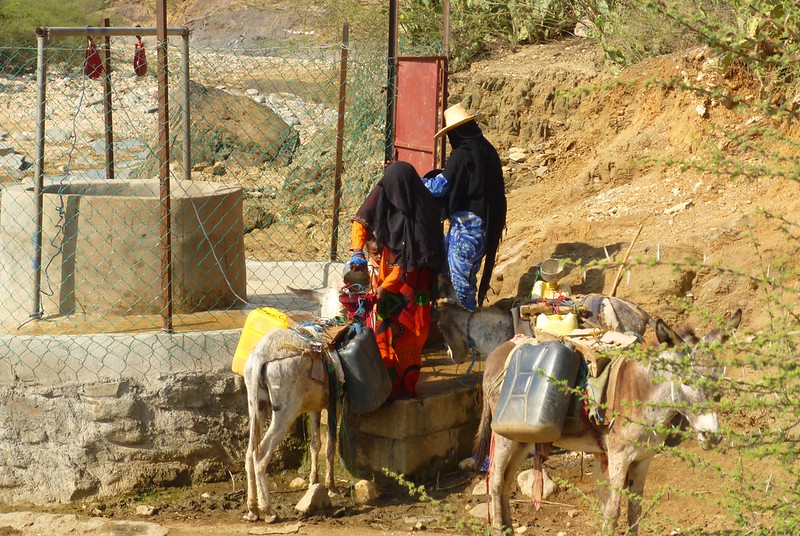
Yemen faces one of the most severe water crises worldwide, with groundwater depletion occurring at twice the natural recharge rate. The cultivation of Qat, which consumes more than 40% of the country’s renewable water resources and 32% of all groundwater withdrawals, is a major driver of the depletion. Nearly 17.8 million people lack access to safe water and adequate sanitation services. Conversely, the national water network reaches less than 30% of the population, forcing many, especially women and children, to walk long distances only to fetch water. Overall, this scarcity has triggered major health crises, including the worst cholera outbreak in modern history, with more than 2.5 million reported cases and at least 4,000 deaths since 2016.

The ongoing conflict and political instability have further exacerbated water access and management, as infrastructure deteriorates and institutional oversight weakens, aggravating the crisis of water scarcity and aridity. The International Committee of the Red Cross has responded to this issue by rehabilitating boreholes and water stations, allocating chlorine tablets and supplying more than 3 million liters of water with 17 generators to prisons, hospitals and water projects to help reduce waterborne disease outbreaks. Despite these critical interventions, the continuous droughts highlight a growing humanitarian call for global concern driven by environmental, social and political challenges that demand urgent, coordinated action through satellite technology to combat Yemen’s drought crisis.

Remote Sensing Water Displacement

Advancements in satellite technology are revolutionizing Yemen’s approach to managing its prolonged water crisis. With nearly 80% of the population requiring humanitarian aid, traditional methods of monitoring groundwater levels have become increasingly challenging due to ongoing conflict and infrastructure degradation. Remote sensing tools, such as the Surface Energy Balance Algorithm for Land, have been pivotal in providing high-resolution data on evapotranspiration and irrigated areas, offering a comprehensive understanding of water usage. For instance, the Groundwater and Soil Conservation Project, founded in 2009, initiated implementing the use of satellite imagery to assess crop water consumption in areas such as Siham, Abiyan, Dhamar and Rada.

 The findings revealed that single-season crops, which constitute 76% of irrigated land, have a significantly higher evapotranspiration rate compared to rainfed crops, highlighting areas where water conservation efforts can be most effective. This data-driven technique, derived from the integration of satellite-based systems, enables real-time monitoring of groundwater recharge and abstraction rates, facilitating the identification of regions most at risk of depletion. This approach empowers local authorities and humanitarian agencies to plan targeted interventions, such as promoting water-efficient irrigation techniques and sustainable crop selection.

NGO Satellite Solutions

A consortium led by HR Wallingford is deploying an advanced satellite-based system to monitor Yemen’s groundwater remotely. Using data on rainfall and cropland, the system estimates groundwater recharge and usage in real-time, providing pivotal information to nongovernmental organizations (NGOs) amid limited ground access due to conflict.

This technology overcomes traditional monitoring challenges by enabling continuous tracking of aquifer depletion and forecasting future water availability under climate change scenarios. It supports preventive measures such as early detection of shortages and promoting efficient irrigation and crop management to reduce water stress. NGOs utilize this data to target vulnerable communities, coordinate relief efforts and implement on-the-ground conservation programs.

By offering transparent, scalable monitoring, the system fosters collaboration between NGOs and international partners, enhancing Yemen’s capacity to manage its severe drought crisis effectively and ensure a more ecologically balanced future. 

What’s Next?

By providing a comprehensive and up-to-date overview of water resources, satellite technology plays a crucial role in mitigating the impacts of Yemen’s water crisis and steering the nation toward a more sustainable future.

– Hibah Iqbal

Hibah is based in Houston, TX, USA and focuses on Global Health for The Borgen Project.

Photo: Flickr
July 11, 2025
https://borgenproject.org/wp-content/uploads/borgen-project-logo.svg 0 0 Precious Sheidu https://borgenproject.org/wp-content/uploads/borgen-project-logo.svg Precious Sheidu2025-07-11 03:00:282025-07-11 04:25:21Satellite Technology Combating Yemen’s Drought Crisis
Artificial Intelligence (AI), Education, Global Poverty

AI in Higher Education in Yemen

AI in Higher Education in YemenSince March 2015, the civil war between the Yemeni government and the Houthis has worsened life conditions for innocent civilians in Yemen. About 14% of the population is estimated to be internally displaced and more than 18.2 million require humanitarian aid. Millions of Yemeni children lack necessities like shelter and food, making access to education, often seen as a secondary need in crisis, increasingly out of reach.

Education in Yemen

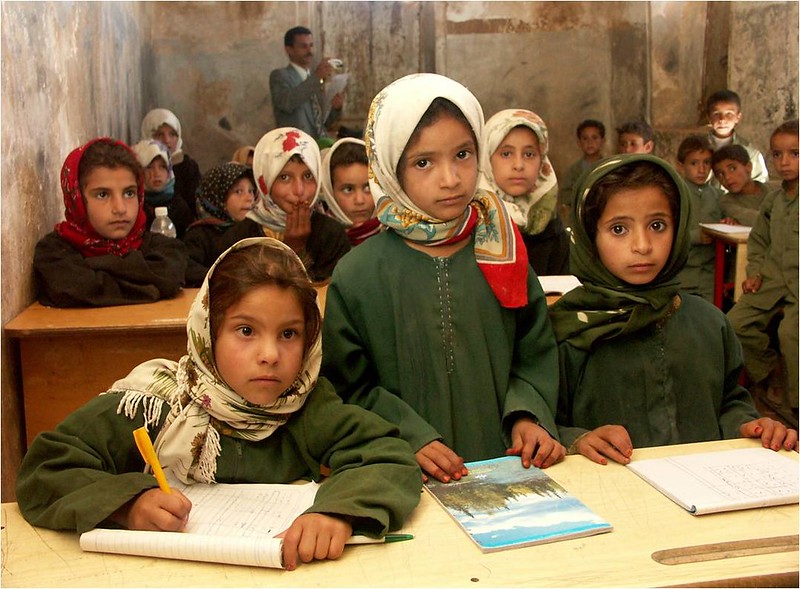
Seven years into the conflict, 2,916 schools were destroyed, partially damaged or used for noneducational purposes and around 172,000 teachers were irregularly paid or sought better income sources. Two million children were out of school before COVID-19 and the pandemic hindered access to education furthermore.

With forced displacements, bombings and lack of female teachers making schooling a challenge, the frail access to education endangers these children’s futures; in some cases, early marriage for girls and armed group recruitment for boys is the only path forward. Amid this disruption and displacement, digital technology offers new ways to keep learning alive, even in the most challenging conditions.

In recent years, AI has revolutionized the modern world in various fields, including education. Since the COVID-19 pandemic, education worldwide has quickly shifted to online platforms and technological tools. In November 2022, OpenAI introduced ChatGPT to the world; students commonly use this chatbot as it is known to enhance education by providing personalized and interactive learning and ongoing feedback.

These emerging tools do not exclude war-torn countries. AI in higher education in Yemen is relatively common; despite the crisis, students utilize AI tools to facilitate learning and aid them in attaining their academic goals.

AI Usage in Yemeni Universities

A study at the University of Science and Technology in Aden found that 95.8% of respondents use AI tools for educational purposes. Usage frequency varied: 21.1% reported daily use, 30.5% used AI a few times a week, 28.4% used it once a week and 20% used it rarely. Only 4.1% of respondents had never used educational AI tools.

Though the educational AI tools are various, this university’s students primarily lean toward ChatGPT; the study reported that they use ChatGPT at 78.9%, as opposed to 8.4% for Gemini, 1.1% for Claude and 11.6% for other AI tools. Another study on EFL Yemeni students showed that a third of the respondents use AI tools daily. Their tool of choice for English learning is ChatGPT at 42%, which exceeds tools specifically designed for language learning like Duolingo at 24%.

Perceived Benefits and Drawbacks

AI in higher education in Yemen has proven very effective in helping students grow throughout their curriculum. The EFL students noted that AI facilitated their understanding by providing interactive and faster learning, flexibility, convenience and immediate feedback. These students believe that AI tools enhance their practical and technical skills, improve their critical thinking abilities and increase their motivation to learn.

However, several drawbacks to using AI tools for education show that full integration into Yemeni universities is still out of reach. Financial constraints limit access to AI. Engineering students specifically reported a lack of funding, insufficient technological resources and poor training on effectively using AI tools for personalized learning.

Skepticism about AI’s accuracy is another major drawback; many students have expressed that ChatGPT, the most used AI tool, can provide unreliable information, false references, gradually weaker answers and logical errors and contradictions.

Conclusion

AI in higher education in Yemen is widely used across various fields of study. ChatGPT has much positive feedback for facilitating learning and providing remote, personalized education. Many aspects regarding the inaccurate nature of the chatbot, as well as the financial limitations and threatened internet access, diminish the potential benefits of the tool. Nevertheless, continuous technological improvements and increased international support to Yemeni educational establishments and students can help break the barriers to education in Yemen.

– Yasmine Belabed

Yasmine is based in Boumerdes, Algeria and focuses on Technology and Global Health for The Borgen Project.

Photo: Flickr

July 10, 2025
https://borgenproject.org/wp-content/uploads/borgen-project-logo.svg 0 0 Lynsey 2 https://borgenproject.org/wp-content/uploads/borgen-project-logo.svg Lynsey 22025-07-10 01:30:362025-07-08 01:53:52AI in Higher Education in Yemen
Disease, Global Health, Global Poverty

Variant Poliovirus Outbreaks and Vaccination rates in Yemen

vaccination rates in YemenYemen, a West Asian country with a population of 40 million, has seen a troubling decline in polio immunization rates. While Yemen was polio-free before 2020, according to the World Health Organization (WHO), national polio immunization coverage dropped from 58% in 2022 to 43% in 2023. This decrease reflects the fragility of Yemen’s health system amid ongoing social, political and security crises. Over the past three years, health officials have reported 273 cases of variant poliovirus outbreaks, a situation exacerbated by the humanitarian crisis and falling vaccination rates in Yemen.

Global Health in Yemen

According to USAID, 19.7 million people in Yemen do not have access to basic health services. In Yemen, only 52% of health facilities are fully functional and most of these lack equipment, essential medicines and specialist physicians—a slight improvement from 2014, when only 46% of health facilities were partially functional. The mortality rate for children under 5 stands at 41.3 deaths per 1,000 births. The deteriorating state of the health care system has facilitated the re-emergence of preventable diseases like polio. UNICEF and WHO are actively collaborating with the country’s health systems to improve these conditions. Furthermore, more than 17 million people in Yemen struggle with food insecurity and 4.5 million are internally displaced due to ongoing violence, economic crises and recurring outbreaks of disease exacerbated by climate events, contributing to the near collapse of the country’s health care infrastructure.

UNICEF Vaccinations 

UNICEF announced a second round of oral polio vaccines for 1.3 million children under the age of 5 from July 15 to July 17, 2024, following a successful first round in Feb. that reached 1.2 million children. In collaboration with WHO and Yemen’s Ministry of Public Health and Population, the organization also distributed vitamin A supplements to boost children’s natural immunity against diseases. The immunization campaign targets 12 southern governorates and 120 districts, with approximately 9,000 health workers trained for house-to-house vaccination. This effort is a response to a polio outbreak that left 257 children paralyzed.

Health Initiatives

Peter Hawkins, the UNICEF representative to Yemen, stated that eradication of diseases is achievable if every child receives vaccinations against poliovirus and other preventable diseases. In collaboration with various partners and organizations, UNICEF is pushing forward the Big Catch-up initiative, aiming to restore and accelerate routine vaccines and immunization services missed during COVID-19. Additionally, health partners and authorities have initiated the Health Emergency Expansion Resource (HEER) initiative to extend integrated primary health care services, including vaccinations, to address polio and measles outbreaks.

Looking Ahead

Collaborative efforts by global health organizations are essential to restoring Yemen’s health care system and halting the spread of preventable diseases. Recent campaigns and health initiatives demonstrate a concerted push to increase vaccination rates in Yemen and enhance primary care access for millions. As these initiatives progress, they offer renewed hope for improving the resilience of Yemen’s health care infrastructure and protecting vulnerable populations, especially young children, from further outbreaks.

– Indira Smith

Indira is based in Manchester, UK and focuses on Global Health for The Borgen Project.

Photo: Flickr

November 5, 2024
https://borgenproject.org/wp-content/uploads/borgen-project-logo.svg 0 0 Precious Sheidu https://borgenproject.org/wp-content/uploads/borgen-project-logo.svg Precious Sheidu2024-11-05 01:30:592024-11-05 00:57:48Variant Poliovirus Outbreaks and Vaccination rates in Yemen
Aid, Global Poverty, Health

Bridging the Gap: Poverty and Maternal Health in Yemen

Maternal Health in YemenYemen is facing a catastrophic humanitarian crisis. Maternal health issues and extreme poverty have become some of the deadliest threats in the region. According to the United Nations Children’s Fund (UNICEF), one woman and six newborns die every two hours in Yemen due to complications during pregnancy or childbirth. The country’s health care system has been severely compromised by prolonged and intense fighting. Since the conflict escalated between the Saudi-led government coalition and Houthi rebels, maternal mortality rates have skyrocketed.

The ongoing conflict has not only destroyed medical facilities but also led to a severe shortage of medical supplies and personnel. As a result, only approximately half of the country’s health facilities are functional and even fewer are equipped to provide adequate maternal and child health services. This scarcity of resources has left millions of women without access to essential reproductive health care, including prenatal check-ups, safe delivery options and postnatal care.

The crisis is further emphasized by widespread food insecurity and malnutrition, which disproportionately affect pregnant women and new mothers. With the economy struggling, many families struggle to afford necessities, let alone specialized medical care. This economic hardship has created a vicious cycle where poverty and poor health outcomes reinforce each other, with devastating consequences for maternal and infant well-being.

Collapsed Health Care System

The conflict has caused a breakdown of Yemen’s health care system. As of 2024, 17.8 million people require health assistance, with one-quarter being women. Among them, 5.5 million of reproductive age, including pregnant and lactating women, struggle to access necessary health services. This is largely due to a shortage of female doctors and nurses, as well as a lack of essential medical supplies. Currently, only one in five functioning health clinics can provide maternal and child health services.

In addition, more than 2.7 million pregnant and breastfeeding women in Yemen are estimated to require treatment for acute malnutrition. Food shortages and insecurity increase the risks of giving birth to newborns with stunted growth and malnourished infants. The lack of medical infrastructure has left millions of women without access to essential health care services.

Economic Impact

The severe economic conditions in Yemen have left 80% of the population struggling to meet basic needs, which directly impacts maternal and infant health through malnutrition and lack of access to care. The economic crisis has worsened the situation for pregnant women and new mothers. The devaluation of the Yemeni Rial and high inflation rates have severely restricted families’ ability to afford nutritious food.

Additionally, the crisis has led to widespread displacement, with 73% of the 4.2 million displaced people being women and children. Despite the Ministry of Public Health and Population’s policy of free access to health care, Yemenis still pay more than 50% of their health expenditures out of pocket.

International Aid

The United Nations Population Fund (UNFPA) has played a crucial role in addressing Yemen’s maternal health crisis by:

  • Being the sole provider of life-saving reproductive health services in the country.
  • Leading the coordination and provision of women’s reproductive health and protection services nationwide.
  • Supporting emergency obstetric and maternal health care at more than 100 health facilities.
  • Offering services to prevent and respond to gender-based violence through 36 safe spaces, eight shelters and seven specialized mental health centers.
  • Leading a rapid response mechanism in partnership with the World Food Programme (WFP) and UNICEF to provide emergency relief to newly displaced persons.

The European Union (EU) has also been a significant contributor to Yemen’s humanitarian efforts by:

  • Allocating more than $130 million in humanitarian funding to address the most pressing needs in the country.
  • Contributing nearly $1.6 billion since 2015 to address the Yemeni crisis, including more than $1 billion in humanitarian aid.
  • Recognizing 13 humanitarian Air Bridge flights since February 2024 to respond to the urgent health crisis triggered by outbreaks of infectious diseases, including cholera.
  • Funding the refurbishment of health centers, such as the Shahir Health Center in Hadramout.

Additionally, the United States Agency for International Development (USAID) has been involved in improving maternal and child health in Yemen. The agency-funded Systems Health and Resiliency Project (SHARP) has made strides in improving maternal and child health services in 14 districts across three governorates. SHARP has reached more than 1.8 million Yemeni people with activities aimed at improving their health. The project has trained and partnered with community midwives, reproductive health volunteers, health facility workers and community members to provide essential health care and support.

Conclusion

Addressing Yemen’s maternal health and poverty crisis requires urgent via coordinated international assistance. Many organizations have contributed to aid and support, but the scale of the issue is demanding and requires a greater response to save lives and break the cycle of poverty and ill health.

– Hannah Ravariere-Moakes

Hannah is based in London, UK and focuses on Politics and Global Health for The Borgen Project.

Photo: Flickr

October 29, 2024
https://borgenproject.org/wp-content/uploads/borgen-project-logo.svg 0 0 Lynsey 2 https://borgenproject.org/wp-content/uploads/borgen-project-logo.svg Lynsey 22024-10-29 01:30:332024-10-29 11:47:22Bridging the Gap: Poverty and Maternal Health in Yemen
Children, Conflict, Global Poverty

Aid in Gaza and Yemen: UK Government’s Partnership with Kuwait

Aid in Gaza and YemenIn a press release from September 4, 2024, the U.K. government announced a new partnership with Kuwait. This will consist of a joint funding totaling £4.5 million delivered to UNICEF that will allow them to continue their lifesaving aid in Gaza and Yemen.

The U.K.’s Minister for the Middle East, Hamish Falconer, highlighted the U.K. and Kuwait’s “shared commitment” to dealing with international humanitarian crises. Falconer also acknowledged the role that conflict has had to play in the crises in both Gaza and Yemen, declaring that the U.K. is “pushing for more lifesaving aid to reach those in desperate need,” the U.K. Government reports.

Conditions in Gaza

As an organization centered around children in need, Gaza is a priority for UNICEF. Approximately nine in 10 of Gaza’s population are internally displaced, and half of those 1.9 million people are children.

Children in Gaza are facing countless challenges. From lack of water and food, to fuel and medicine. They are left with injuries and struggle with displacement due to the destruction of their homes and have more than likely lost loved ones. The latest figure by the Palestinian Ministry of Health estimates that more than 14,000 children have been killed in Gaza, UNICEF reports. The conditions for those left are abysmal, meaning UNICEF’s aid in Gaza is essential now more than ever.

Obstacles to delivering aid have made UNICEF’s work in Gaza more difficult. Israel restricted the shipments of food and medicine into the region and this has created famine and starvation as land routes for aid are under strict inspection.

Despite this, UNICEF has been able to dispatch emergency supplies to those in Gaza – this includes water, medicine, and medical equipment. The organization’s programs are also facilitating basic mental health facilities to support children through the unimaginable horror of growing up amidst conflict and destruction, according to its website.

The Need for Aid in Yemen

The humanitarian crisis in Yemen is significant, with around 9.8 million children requiring at least one form of humanitarian assistance. Since April 2022, Yemen has witnessed a reduction in active conflict, meaning civilian casualties specifically have become less of a pressing concern. However, the country naturally continues to suffer as a result of living through nine years of conflict.

Issues in Yemen are numerous, with socioeconomic instability at the core of the country. During the ongoing struggle, children are particularly vulnerable to exploitation, abuse and child labor, according to UNICEF. Families struggle with displacement and exposure to the outbreak of disease. Millions, including children, face daily life with a lack of safe water and adequate sanitation and hygiene. Food is also scarce, causing a nutrition crisis, according to UNICEF.

UNICEF is on the ground to provide aid in Yemen, providing invaluable food and medical supplies that are treating severe acute malnutrition in children. The organization has managed to provide more than 2.5 million children with Vitamin A supplements every six months to combat malnutrition and has vaccinated more than 815,000 children against measles, according to its website.

What the Money Means for UNICEF

The combined £4.5 million will provide vital aid in Gaza and Yemen. The press release specified that this funding will contribute to efforts by UNICEF to restore water and sanitation systems in Gaza and support primary health care services in Yemen, according to the U.K. Government.

With the support of this funding, UNICEF’s work could aid 1 million people in need in Gaza, and a further 1.45 million in Yemen. The organization has publicly expressed its gratitude to the U.K. and Kuwait following the announcement. UNICEF Representative to the Gulf Area, Eltayeb Adam, described the funding as a “beacon of hope” that will “have a transformative impact on the lives of children and families in Gaza and Yemen,” the U.K. Government reports.

– Maeve Relihan

Maeve is based in Birmingham, UK and focuses on Global Health and Politics for The Borgen Project.

Photo: Unsplash

September 22, 2024
https://borgenproject.org/wp-content/uploads/borgen-project-logo.svg 0 0 Naida Jahic https://borgenproject.org/wp-content/uploads/borgen-project-logo.svg Naida Jahic2024-09-22 01:30:282024-09-22 22:33:54Aid in Gaza and Yemen: UK Government’s Partnership with Kuwait
Aid, Global Poverty

3 NGOs Operating in Yemen

NGOs Operating in YemenViolent internal conflict, malnourishment and severe weather conditions have resulted in a state of crisis for Yemen. The United Nations Sustainable Development Goals (SDG) Index ranks Yemen as the 163rd least developed country out of 166 countries in the U.N. index ranking. Internal conflict has led to about half of Yemen’s population, around 18 million, in need of humanitarian assistance with another 4.5 million internally displaced, and in just one year 89 schools and hospitals were bombed highlighting the urgency of the crisis. According to the United Nations SDG Index and the Human Development Index (HDI), Yemen’s consistently increasing poverty rates, worsening food insecurity and the continual destruction of clean water and health care infrastructure indicate a grave need for humanitarian aid. Here are three of the most prominent non-governmental organizations (NGOs) operating in Yemen today.

Save the Children

Save the Children is one of Yemen’s largest and longest-standing organizations working towards development and relief. As suggested by the name, Save the Children prioritizes funds and initiatives geared towards bettering the futures of the world’s children whether that be through education, health and medicine, policy and advocacy and emergency response programs, according to its website.

In response to the ongoing crisis in Yemen, Save the Children has been working on the ground and raising funds to bring much-needed resources to those most vulnerable. The organization has been operating in the country since 1963 and has been recognized as one of the largest NGOs operating in Yemen. Save the Children has delivered life-saving assistance to more than 5 million children in need since March 2015, and has supported more than 200 health facilities in providing vital resources for babies and children across the country, according to its website.

Youth for Homeland

Youth for Homeland (YFH) is an independent youth organization based in Yemen that works alongside its partners and relevant local governments to work towards a more developed future for Yemen. Established in 2013 with two branches, more than 150,000 indirect beneficiaries and 66,000 direct beneficiaries, YFH maintains goals of building economic stability and strong infrastructure across the country. The NGO works with other NGOs and INGOs along with relevant local governments to improve the lives of the Yemeni people.

YFH is actively working towards development in sectors ranging from sanitation and clean water to food security and youth empowerment. Some of the central projects of the organization include campaigns to provide food to vulnerable families, building better water infrastructure for clean water sources, and creating friendly and safe spaces for children in conflict-ridden regions to provide educational opportunities and improve health in the Yemeni youth.

Yemen Relief and Reconstruction Foundation

Advocating for awareness and policy change to U.S. politicians and policymakers while simultaneously working on the ground in Yemen to bring relief to those in need is what the Yemen Relief and Reconstruction Foundation (YRRF) values at its core. The YRRF’s mission statement surrounds the central value of rejecting war and violence and focusing completely on fostering peace, a moral principle reflected in each of the foundation’s projects both on the ground and abroad.

With about 18 million Yemeni lacking access to clean water, improving water infrastructure and funding innovative clean water solutions are a top priority for the Yemen Relief and Reconstruction Foundation. Since April 2024, YRRF fed more than 1,000 malnourished kids, their families received food baskets and caretakers learned proper feeding techniques. Furthermore, the foundation has changed the lives of 354 Yemeni orphans under the age of 18 through the YRRF’s orphan sponsorship program, thus enabling families to pave the way to brighter futures for themselves and their children.

These select initiatives only scratch the surface of the impact that the YRRF has had on the country. Offering cash transfer programs, delivering clean water tanks, training midwives to encourage safer health practices and supporting economic entrepreneurship are all programs that the foundation promotes across Yemen bringing about change on the ground and advocating for international awareness.

NGOs Operating in Yemen: Making a Change

NGOs operating in Yemen have prioritized support to those who are most vulnerable and advocated for awareness and policy change regarding the crisis. Save the Children, Youth for Homeland and the Yemen Relief and Reconstruction Foundation along with their partners and many more charitable organizations both national and worldwide represent hope and dedication to a better future for Yemen and the developing world in its entirety.

– Juliana Granville

Juliana is based in Brooklyn, NY, USA and focuses on Technology and Good News for The Borgen Project.

Photo: Flickr

September 12, 2024
https://borgenproject.org/wp-content/uploads/borgen-project-logo.svg 0 0 Naida Jahic https://borgenproject.org/wp-content/uploads/borgen-project-logo.svg Naida Jahic2024-09-12 07:30:022024-09-10 23:42:013 NGOs Operating in Yemen
Aid, Food & Hunger, Global Poverty

Aid in Yemen: Three Charities Providing Support

aid in yemenAs the civil war in Yemen remains ongoing, so does the world’s largest humanitarian crisis. Since 2014, violence offset by the civil war has led to the deaths of 377,000 people in Yemen, including 10,000 children, as of 2022. The impact of the violence reflects through the depletion of resources and economic collapse, leaving 23.4 million people in need of humanitarian assistance and 17.4 million without stable access to food. The rate of malnutrition in children is also incredibly concerning, with estimates suggesting that every 10 minutes a child will lose their life through malnutrition.

Aid in Yemen

UNICEF report from August 2024 suggests that acute malnutrition in Yemen is “rapidly increasing.” It states that the rate of acute malnutrition in Yemen threatens to surge during the lean-season months between July and October, where agricultural activity is minimal. Continuing the provision of aid in Yemen is therefore more important than ever. Numerous charities are doing crucial work to ensure the delivery of aid in Yemen. Islamic Relief Worldwide, Doctors without Borders and Yemen Relief U.K. are all notable examples of charities whose ongoing work is incredibly important, particularly during these critical upcoming months.

Islamic Relief Worldwide

Founded in 1984, Islamic Relief Worldwide is one of the world’s largest relief and development charities and provided £193 million worth of aid in 2022 alone.

Islamic Relief has been active in Yemen since 1998, having strengthened its programming significantly since the outbreak of the civil war. The organization has helped 800,000 people gain access to safe drinking water, providing support for children and establishing 167 new health facilities in the country. Islamic Relief provided food aid in Yemen to at least 2 million people each month until the World Food Programme (WFP) paused its food distribution into the northern regions of Yemen last December.

Doctors Without Borders

Medecins Sans Frontieres (MSF), also known as Doctors Without Borders first started in 1971 in France. MSF provides medical care in situations of unprecedented humanitarian disaster, including during disease outbreaks, natural disasters and conflict. It takes care to be impartial in providing medical care and prioritizing assistance to those most in need. It is currently active in more than 70 countries across the world

In 2023, MSF provided significant medical aid in Yemen, supporting 17 hospitals and 18 health facilities across the country. This includes the support of feeding centres in response to the rising rates of acute malnutrition. For instance, they expanded the therapeutic feeding centre in Abs General Hospital in Hajjah from 45 beds to 88. https://www.doctorswithoutborders.org/what-we-do/where-we-work/yemen

A recent MSF publication describes how a health care facility in the neglected mountain town of Mafraq Al Mokha now provides care free of charge, thanks to the support of MSF since 2022.

Yemen Relief UK

Yemen Relief U.K. is a U.K.-based charity solely that focuses on providing humanitarian assistance, alleviating poverty and easing suffering in Yemen. It undertakes several programs and projects to provide support.

It provides a charity bakery through the support of donors, supplying bread to thousands of families daily to tackle food insecurity. Yemen Relief also provides food packs and clean water wells through the support of donors. In Yemen, 1.1 million children have lost a parent in the ongoing conflict, leaving many dependent on humanitarian aid to survive. Willing donors can also sponsor an orphan through Yemen Relief U.K.

Willing donors can also sponsor an orphan through Yemen Relief UK. 1.1 million children have lost a parent in the ongoing conflict, leaving many dependent on humanitarian aid to survive. https://www.yemenrelief.org.uk/yemen-orphan-sponsorship/

The Future of Aid in Yemen

As UNICEF highlights, the continued support of Yemen is crucial in the next couple of months when acute malnutrition threatens to rise.

The rising rate of malnutrition can be mitigated if charities such as Islamic Relief, MSF and Yemen Relief U.K. continue to be supported in providing medical care and aid in Yemen. These charities, among many others, have already had a positive impact on the livelihoods of thousands of families in Yemen. The world’s largest humanitarian crisis has been devastating, yet there is hope for Yemen’s future thanks to the continued charitable work and support being done in the country.

– Joshua Marriott

Joshua is based in Cardiff, Wales and focuses on Technology and Politics for The Borgen Project.

Photo: Flickr

August 31, 2024
https://borgenproject.org/wp-content/uploads/borgen-project-logo.svg 0 0 Naida Jahic https://borgenproject.org/wp-content/uploads/borgen-project-logo.svg Naida Jahic2024-08-31 01:30:182024-08-30 06:35:26Aid in Yemen: Three Charities Providing Support
Global Poverty, Sanitation, Water

Enhancing WASH Services in Yemen

WASH Services in YemenThe people of Yemen, a country devastated by conflict, struggle with the lack of access to sanitation services and clean water, also known as Water, Sanitation and Hygiene Services (WASH). According to the United Nations Children’s Fund (UNICEF), more than 16 million Yemenis urgently need WASH services.

One of the main factors that increase the need for WASH services in Yemen is displacement as a result of conflict, natural disasters and epidemic outbreaks. Another factor is the disruption of public services in Yemen, which left only one-third of the Yemen population connected to a piped water network. Therefore, countries and international organizations have been working together to provide and facilitate access to WASH services.

Saudi Arabia-WHO WASH Services in Yemen

On July 30, 2024, the World Health Organization (WHO) and the King Salman Humanitarian Aid and Relief Centre (KSRelief), Saudi Arabia’s humanitarian aid agency, announced a $3.75 million project to enhance WASH services in Yemen to help the most vulnerable populations across the country.

The project will upgrade WASH infrastructure in two hospitals, enabling 10 health facilities to sustain water and water services in 60 other facilities. An estimated 580,231 internally displaced people and vulnerable groups will benefit from this project, which will also improve maternal health and disease prevention. This project aligns with the United Nations’ (U.N.) “Yemen Humanitarian Response Plan 2024,” which seeks to provide more relief and assistance to vulnerable groups in Yemen.

KSRelief’s Efforts to Support WASH Services in Yemen

Before the announcement of this joint project with WHO, Saudi Arabia provided support for enhancing WASH services in Yemen. On December 22, 2023, KSRelief pumped more than 39 million liters of water for the people in the Hajjah and Sa’adah governorates in Yemen to support WASH services in the country. In Hajjah, 3.443 million liters of the 39 million liters were used as potable water and 35.013 million were used as usable water.

Furthermore, in Hajjah, KSRelief provided 308 waste transportation services and conducted nine insecticide spraying campaigns. In Sa’adah, 300,000 liters of water were used as both portable and usable water, benefiting 30,100 people. Although these efforts were large in scale, Saudi Arabia also required collaboration with international organizations with the resources to expand its support for WASH services.

International Organizations’ Key Role in WASH Services

Enhancing WASH services in Yemen requires the collective power of international humanitarian organizations such as WHO and UNICEF, which have a record of facilitating Yemenis’ access to WASH services. For example, in 2021, UNICEF managed to help primary health care facilities (PHCF) and schools in Yemen rehabilitate and upgrade their water and sanitation systems with funding from the World Bank. The total number of PHCFs supported was 496 and the number of schools supported was 118 as of October 2021.

Similarly, from 2017-2021, the WHO conducted WASH rehabilitation in 70 hospitals across Yemen and provided 1,100 million liters of chlorinated water to 42 governorate hospitals, district hospitals and inner-district hospitals. All of this has benefitted 5.5 million Yemenis, highlighting the necessity for countries to work with international organizations to provide greater access to WASH services to more vulnerable individuals.

Access to Water and Hygiene Services

Enhancing WASH services in Yemen is important because it helps prevent global disease outbreaks, given the existing epidemics in Yemen, such as Cholera. Therefore, seeing countries like Saudi Arabia and organizations such as WHO work together on large-scale projects aimed at rehabilitating and facilitating access to WASH services is proof that there are good people to protect public health globally. However, given the numerous issues in Yemen, more has to be done to support WASH services.

– Abdullah Dowaihy

Abdullah is based in Riyadh, Saudi Arabia and focuses on Good News and Technology for The Borgen Project.

Photo: Flickr

August 13, 2024
https://borgenproject.org/wp-content/uploads/borgen-project-logo.svg 0 0 Lynsey 2 https://borgenproject.org/wp-content/uploads/borgen-project-logo.svg Lynsey 22024-08-13 01:30:372024-08-12 12:04:36Enhancing WASH Services in Yemen
Developing Countries, Global Poverty, Humanitarian Aid

Youth Organizations in Yemen and Myanmar

Youth OrganizationsYemen and Myanmar face significant humanitarian issues. The issue is due to governments imposing restrictions and regulations preventing assistance. The threat of economic collapse also hinders the delivery of resources needed to rebuild broken communities. It is not just the work of today’s older generations that can stop these unnecessary hardships but also the help of younger minds who amplify their voices through youth organizations to bring about the needed change. Adolescents in humanitarian action provide more support to nations in need through their contributions and by leading solutions that call for change to stop negative possibilities.

Yemen

A 23-page report titled “Progress Study on Youth, Peace and Security” written by Youth4Peace reflects the views of more than 4,000 people and the impact the younger generation makes on the world. Youth organizations play a crucial role in turning young people’s ideas into reality, significantly impacting and revitalizing broken communities.

Yemen Youth Lead is considered an important initiative for effecting change in Yemen’s climate. In association with Partners Global, Yemeni youth have successfully highlighted to government officials and international donors the importance of including young people in policy conversations to affect communities in need positively. Mohammed Al-Shami, a Yemen-born computer engineer turned advocate and guest blogger for Partners Global, volunteered with local communities and civil societies before partnering with Yemen Youth Lead. “I have personally witnessed the fearlessness, hope and commitment that the youth of Yemen had to offer,” he said, “I know firsthand Yemen’s transformation will come through the efforts of the youth.”

The Youth Without Borders Organization for Development is another nonprofit Yemeni foundation focusing on socially empowering Yemeni youth. Part of its mission is to work with passionate professionalism to provide an environment conducive to young people playing more significant roles later in life. Based on its belief that youth play a major part in public decision-making, the organization seeks to empower them through sustainable programs designed for the Yemeni reality. It cooperates with local and international partners to enhance community work, delivering effectiveness in public life and peacebuilding in Yemen.

Additionally, the Yemen Relief and Reconstruction Foundation aims to increase public awareness of humanitarian crises in Yemen, support relief and reconstruction efforts and facilitate campaigns to bring peace to the country through U.S. lobbying and policymakers. Its best strategic aim is promoting broad awareness of grave health and security issues by raising funds to support critical needs and relief efforts. Ultimately, this accumulates into advocating and facilitating support for the Yemeni people during the reconstruction efforts. The organization’s president, Aisha Jumaan, a Yemeni-born citizen, uses her experiences to help build health-related development and training activities to improve the living conditions of Yemeni citizens.

Myanmar

In Myanmar, the Myanmar Youth Empowerment Opportunities (MYEO) offers a mobile-based platform to reach out to the country’s youth and provide the skills necessary for being ready for future employment. The organization’s app delivers social media content that includes jobs, internships and volunteering, complete with online training, mobile partners and membership programs at an affordable cost.

Another Myanmar program that offers support is Peace Point Myanmar (PPM). PPM is a group of Myanmar’s youth that offers different kinds of support and empowerment training to develop skills later in society. PPM offers human rights programs along with peace-building and youth development. One of its greatest strengths as an organization is the ability to deliver library projects that educate those vulnerable by promising fun activities and learning materials to all. PPM’s library project greatly reduces anger and tension among the youth and encourages more moderate positions with social cohesion.

Youth Organizations in Yemen and Myanmar

The efforts to make a change in both countries with the youth in mind are progressing slowly. While these efforts are taking longer due to increasing global issues, Yemen and Myanmar represent the first steps toward building a better future for the world’s youth.

– Jacob Barker

Jacob is based in Ames, IA, USA and focuses on Good News and Technology for The Borgen Project.

Photo: Flickr

August 7, 2024
https://borgenproject.org/wp-content/uploads/borgen-project-logo.svg 0 0 Lynsey 2 https://borgenproject.org/wp-content/uploads/borgen-project-logo.svg Lynsey 22024-08-07 07:30:062024-08-07 05:15:29Youth Organizations in Yemen and Myanmar
Page 2 of 41234

Get Smarter

  • Global Poverty 101
  • Global Poverty… The Good News
  • Global Poverty & U.S. Jobs
  • Global Poverty and National Security
  • Innovative Solutions to Poverty
  • Global Poverty & Aid FAQ’s
Search Search

Take Action

  • Call Congress
  • Email Congress
  • Donate
  • 30 Ways to Help
  • Volunteer Ops
  • Internships
  • Courses & Certificates
  • The Podcast
Borgen Project

“The Borgen Project is an incredible nonprofit organization that is addressing poverty and hunger and working towards ending them.”

-The Huffington Post

Inside The Borgen Project

  • Contact
  • About
  • Financials
  • President
  • Board of Directors
  • Board of Advisors

International Links

  • UK Email Parliament
  • UK Donate
  • Canada Email Parliament

Get Smarter

  • Global Poverty 101
  • Global Poverty… The Good News
  • Global Poverty & U.S. Jobs
  • Global Poverty and National Security
  • Innovative Solutions to Poverty
  • Global Poverty & Aid FAQ’s

Ways to Help

  • Call Congress
  • Email Congress
  • Donate
  • 30 Ways to Help
  • Volunteer Ops
  • Internships
  • Courses & Certificates
  • The Podcast
Scroll to top Scroll to top Scroll to top