• Link to X
  • Link to Facebook
  • Link to Instagram
  • Link to TikTok
  • Link to Youtube
  • About
    • About Us
      • President
      • Board of Directors
      • Board of Advisors
      • Financials
      • Our Methodology
      • Success Tracker
      • Contact
  • Act Now
    • 30 Ways to Help
      • Email Congress
      • Call Congress
      • Volunteer
      • Courses & Certificates
      • Be a Donor
    • Internships
      • In-Office Internships
      • Remote Internships
    • Legislation
      • Politics 101
  • The Blog
  • The Podcast
  • Magazine
  • Donate
  • Click to open the search input field Click to open the search input field Search
  • Menu Menu

Tag Archive for: Poverty in the Philippines

Posts

Developing Countries, Global Poverty, Poverty Reduction

Understanding Poverty Reduction in the Philippines

Poverty Reduction in the PhilippinesIn the Philippines, poverty has been prevalent in the lives of millions, with 22.4% of its population living below the national poverty line and 9.79 million Filipinos unable to meet their basic food needs. However, due to the efforts of poverty reduction in the Philippines, there has been a notable decrease from 2021, which saw a poverty rate of 23.7%.

With increasing urbanization and a growing middle class, poverty reduction in the Philippines is a crucial pathway toward understanding development goals and uncovering opportunities for advancement. This article will delve into the multifaceted approaches in the Philippines’ poverty reduction, analyze the strategies put in place so far and identify challenges to achieving President Ferdinand Marcos Jr’s plan to bring poverty in the Philippines down to 9% by 2028.

Current State

As evidenced by the Philippine Statistics Authority (PSA) and the Asian Development Bank (ADB), the current state of poverty in the Philippines is one of slow but resilient progress. According to the PSA, the Proportion of Poor among families has fallen from 18% to 16.4% between 2021 and 2023, highlighting some initial progress in poverty reduction efforts.

However, the PSA’s data also indicates that urban areas, such as Manila, which has a Poverty Incidence of 5.7%, have much lower levels of poverty than rural areas, such as Leyte, which has a Poverty Incidence of 31.3%, indicating a significant urban-rural gap. By addressing factors such as access to education, health care and employment opportunities and recognizing these disparities between urban and rural areas, we can implement effective policies to foster inclusive poverty reduction in the Philippines.

Government Initiatives

Regarding government initiatives, the Philippines’ Department of Social Welfare and Development (DSWD) has implemented a program known as the Pantawid Pamilyang Pilipino Program (4Ps). This program promises to provide conditional cash grants to poorer households to improve the health and education of children living below the national poverty line. As of August 2015, program recipients received P27.15 billion ($0.48 billion) in cash grants.

Meanwhile, another government initiative, the Sustainable Livelihood Program (SLP), started in 2011. This program generated employment among poor households and moved highly vulnerable households into more sustainable livelihoods, intending to expand poverty reduction in the Philippines. The program has grown from serving 46,000 families in 2011 to serving 166,000 families in 2017. Despite these efforts, challenges such as limited resources persist. However, sustainable poverty reduction is possible through monitoring and evaluating program performance and fostering transparency.

Nongovernmental Efforts

In addition to government initiatives, several nongovernmental organizations (NGOs) play a crucial role in poverty reduction in the Philippines. Organizations such as the Zero Extreme Poverty PH 2030 (ZEP) are actively involved in addressing the root causes of poverty, focusing on eight themes: Health, Education, Environment, Livelihood and Employment, Agriculture and Fisheries, Housing and Shelter, Peace and Human Security and Social Justice.

Zero Poverty PH has achieved many notable accomplishments in poverty reduction efforts. It installed a water system in Tayabasan, benefiting more than 215 families by giving them clean drinking water. Moreover, its goal to have two million Opportunity Youth in employment or self-employment by 2030 is already in progress. For example, Jonalyn, age 17, who had to drop out of school to support her family, is now receiving support from ZEP to continue her education at Hilamonan Elementary School, along with 300 other students. By working closely with communities, nongovernmental organizations can implement targeted goals that address specific needs and challenges.

Economic Challenges and Future Directions

However, alongside socioeconomic disparities, the Philippines also faces several environmental challenges from changing weather patterns, like typhoons and floods. These disasters have tragic consequences for people experiencing poverty, resulting in loss of livelihoods or homes and further deprivation. Furthermore, environmental factors such as pollution and deforestation threaten food security and create health risks.

As the lead plastic polluter in 2019, the Philippines is responsible for 36.38% of global oceanic plastic waste. Undoubtedly, this is having dire effects on those in poverty. Whether through water-transmitted illnesses or threats to livestock due to the endocrine-disrupting chemicals in the plastic, which are linked to several issues such as infertility, cancer, diabetes and increased risk of cardiovascular disease and strokes.

Moreover, government initiatives such as the Extended Producer Responsibility Act (EPRA), introduced in 2022, which requires companies to create EPR programs for plastic waste reduction, recovery and diversion, have set an expectation for an 80% decline in their plastic product footprint. Furthermore, the Philippine government has implemented a National Plan of Action for the Prevention, Reduction and Management of Marine Litter to achieve zero waste in Philippine waters by 2040. This plan will create a wide range of policies, such as improving public awareness about marine pollution and participating in international coastal clean-ups, highlighting a wide approach towards their goal.

This is important for poverty reduction as plastic pollution can affect health through cancer, cardiovascular disease and more. Furthermore, plastic pollution affects farm animals and fish through choking or entanglement, which affects not only the amount of food around but also causes a massive dip in income for those who rely on this livelihood and fishing for income.

Final Remark

Poverty reduction in the Philippines requires multifaceted approaches that cover social, economic and environmental angles. While progress is being made through government and NGO initiatives, challenges continue to persevere. By prioritizing inclusive and sustainable policies, there is a strong chance that the Philippines will continue striving toward a prosperous future.

– Emily Weir
Photo: Flickr

March 30, 2024
https://borgenproject.org/wp-content/uploads/borgen-project-logo.svg 0 0 Jennifer Philipp https://borgenproject.org/wp-content/uploads/borgen-project-logo.svg Jennifer Philipp2024-03-30 01:30:142024-03-29 05:36:39Understanding Poverty Reduction in the Philippines
Global Poverty, Poverty Eradication

Informal settlements and Slum Upgrading in the Philippines

informal settlementsThe Philippines is an archipelagic country in Southeast Asia, about 500 miles off the coast of Vietnam. In 2018, almost 43% of the urban population lived in informal settlements. These slum communities endure cramped living spaces, insecure tenure and inadequate access to essential services such as water and sanitation.
President Marcos’ urban development initiative

In 2023, President Marcos launched a flagship urban development initiative. The ambitious project set out to construct six million housing units by 2028 to benefit 30 million Filipinos and generate employment opportunities. Demonstrating a commitment to collaborative efforts, the government has successfully entered into memorandums of understanding with 47 local government units to facilitate cooperation on this housing initiative. Ten months in, the Department of Human Settlement and Urban Development reported 1.2 million housing units built across the country, exceeding program targets.

Community-based development is effective

Poor urban populations that work with rather than receive aid from institutions have been successful in the Philippines. According to the World Resources Institute, one participatory housing program in Iloilo City relocated two-thirds of the population to safer areas without evictions. With the help of the local government’s community-based housing programs, 1,250 households in Iloilo could relocate to safer places. This 2022 approach became a model for programs in other parts of the Philippines and Asia.

Reliable data is lacking

About 4.5 million people are homeless or living in informal settlements in the Philippines. Three million of this population are in Metro Manila, “the capital region and largest metropolitan area of the Philippines.” Due to the consistent risk of eviction, occupants are unwilling to give information for surveys on informal settlements.

Residents do not have formal addresses and there is no consistent data collection method for recording the size of squatting communities. As a result, most statistics given are low estimates. Prominent studies highlight the lack of data on urban poverty, hindering effective policies for people experiencing poverty.

Half of the population lives in urban areas

Rural-to-urban migration patterns are rapid and driven by the need for work. In the Asia-Pacific region alone, 150,000 people migrate daily to cities. This migration is driven by economic opportunity, a lack of jobs in rural areas and the allure of a better lifestyle. Many Filipinos from rural regions relocate to urban centers like Metro Manila, Cebu City and Davao City in search of employment, education, health care and more.

Cities are only sometimes built to handle this constant influx from rural areas. Due to overcrowding in city centers, the government continues to encourage rural development. Urban migration has led to nearly 115,000 units of public housing lying empty in rural areas. Efforts to address this migration include initiatives to promote rural development, create job opportunities outside major cities and improve living conditions in rural and urban settings.

Housing affordability is key

According to the Philippines Institute for Development Studies, low-income households cannot afford housing priced at 30% of their income, while middle-income households can. Coupled with rapid urbanization, this results in a need for more affordable housing near jobs for lower-income populations.

When housing costs are too high, families may be forced to live in inadequate or unsafe conditions, compromising their health and overall quality of life. Moreover, high housing costs can lead to financial strain, limiting individuals’ ability to save, invest or spend on other essential needs. Addressing housing affordability is crucial for promoting social inclusion, reducing poverty and fostering sustainable economic development in the Philippines.

Up to 20 typhoons and 150 earthquakes each year

In addition to flooding and active volcanoes, the Philippines is highly susceptible to natural disasters. It is located along the Pacific Ring of Fire and in the path of typhoons. Coastal and low-lying areas are particularly prone. Additionally, the country’s many active volcanoes, such as Mayon and Taal, pose risks of eruptions.

Informal settlements are among the most vulnerable to natural disasters. However, nonprofits like Habitat for Humanity, Build Change and CARE Philippines are spearheading projects to replace informal settlements with typhoon-resistant housing units so that communities don’t have to spend months every year rebuilding their homes.

– Ava Johnson
Photo: Unsplash

March 6, 2024
https://borgenproject.org/wp-content/uploads/borgen-project-logo.svg 0 0 Lynsey 2 https://borgenproject.org/wp-content/uploads/borgen-project-logo.svg Lynsey 22024-03-06 03:00:512024-03-06 06:39:23Informal settlements and Slum Upgrading in the Philippines
Foreign Aid

How The Taal Volcano Eruption Affected Poverty In The Philippines 

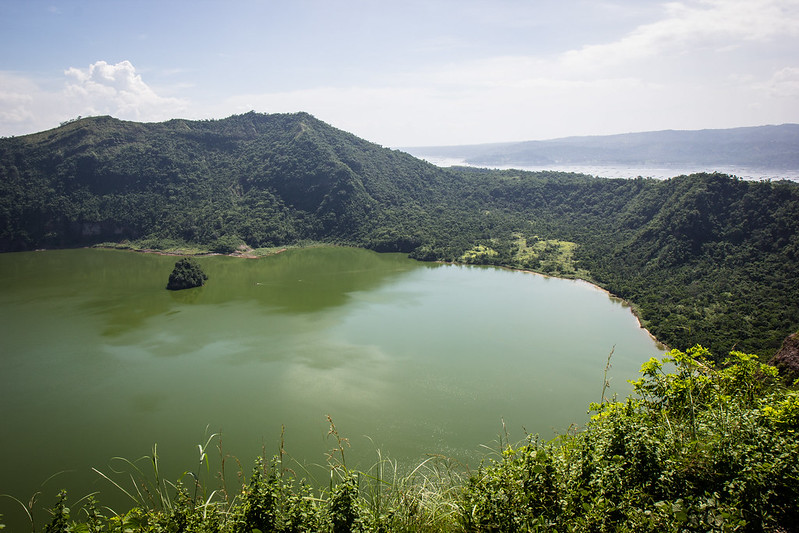
Taal Volcano EruptionThe Taal Volcano eruption in January 2020 significantly impacted poverty in the Philippines, most notably in the Batangas province where the active volcano is. The eruption caused widespread damage to homes, livelihoods and infrastructure, with vulnerable communities taking the most hit.

Per the Philippine Statistics Authority (PSA), poverty in the Batangas region affects 10.2% of the population, which translates to 1.68 million Filipinos who cannot meet “basic food and non-food” needs. Poverty incidence among families stood at 7.2% of the population or 296 thousand families.

Agriculture and Tourism

In 2020, the Department of Agriculture revealed the damages to the agricultural sector reached approximately $54 million, affecting 15,790 hectares of farmland. The loss of money was attributed to the destruction of crops, farm infrastructure and displacement of livestock. Unfortunately, setbacks in the agricultural sector put vulnerable rural communities and workers in the Batanga province at risk.

The Taal Volcano is a popular tourist destination and the eruption in 2020 led to the closure of the area to tourists, resulting in a decline in tourism and tourism-related businesses. Tourism sites within a 14-kilometer zone suffered an estimated damage of $1.5 million and an estimated loss of $2.1 million. The Taal volcano eruption affected poverty and tourism in the area for many years to come.

Vulnerable Communities

Exposure to volcano smog (sulfur dioxide gas emissions) can cause symptoms such as irritated/swollen eyes and irritations to the throat. Those with pre-existing health conditions, the elderly, pregnant women and children were most susceptible to its effects. It affected 736,000 people in the Calabarzon region, Central Luzon region and the National Capital regions, and this led to an “evacuation of more than 135,000 residents due to infrastructure and disruption of essential resources and services such as water, food supplies and education.” The displacement and consumption of dangerous gasses have impacted families’ livelihoods and income as well as increasing respiratory problems and malnutrition among the most affected.

Foreign Aid

The Japanese Government donated 425 metric tonnes of rice to the National Food Authority (NFA) to assist those who the natural disaster affected. This is following Japan’s donation of 560 metric tons of rice in 2019 after the Philippines experienced Typhoon Jenny.

The United States Agency for International Development (USAID) provided $100,000 in humanitarian support, providing soap, toothbrushes, sleeping mats and blankets for 7,600 displaced residents that were staying at evacuation centers in the Batangas province.

Following the 2020 volcanic eruption, the EU announced a donation of €750,000 to provide humanitarian aid to the Batangas province. With over 931,400 residents in the area the EU’s donation funded the Spanish Red Cross which delivered immediate support through emergency shelters, essential items, hygiene kits and access to clean water. This was alongside psychosocial support services and child protection activities.

Looking Ahead

In the face of the devastating Taal Volcano eruption, international aid and support from countries like Japan, the United States and the European Union have played a crucial role in providing relief to affected communities in the Batangas province. Donations of rice, humanitarian supplies and financial assistance have helped address immediate needs and support the recovery process. These acts of solidarity demonstrate the power of global collaboration in alleviating poverty and rebuilding lives in the aftermath of natural disasters.

– Joshua Rogers
Photo: Flickr

June 1, 2023
https://borgenproject.org/wp-content/uploads/borgen-project-logo.svg 0 0 Jennifer Philipp https://borgenproject.org/wp-content/uploads/borgen-project-logo.svg Jennifer Philipp2023-06-01 07:30:532024-05-30 22:31:04How The Taal Volcano Eruption Affected Poverty In The Philippines 
Global Poverty

Poverty in Rural Eastern Asia 

Poverty in Rural Eastern Asia Around 75% of the rural Eastern Asian population struggles to afford food, with an estimated 320 million living on less than $2.15 a day. The employed population in the region largely works in the agriculture sector where three out of four people in rural communities are poor. Families cannot afford to relocate to well-paid urban jobs. As a result, they continue to live in a poverty cycle. Countries such as Vietnam and Cambodia have up to 90% of their rural population living in poverty. Factors such as hunger issues, natural disasters and health care impact poverty in rural Eastern Asia greatly.
Poverty in Rural Eastern Asia

  • Mongolia: Rural areas of Mongolia have a poverty rate of 30.8% according to the World Bank, with two out of every five children living in poverty. Education heavily impacts poverty in Mongolia, as only 10% of Mongolians are able to complete university-level education. A lack of education and skills affects the jobs people can send in applications for, and this impacts Mongolians as it’s harder for many of them to enter urban employment for better-paid jobs.
  • Philippines: Half of the 100 million people in the Philippines live in rural areas with the main source of income consisting of agricultural employment such as fishing and farming. Illiteracy, unemployment and poverty are more common in Indigenous people and people living in upland areas. With an overall poverty rate of 25%, a decrease in agricultural productivity and unprofitable farming businesses stand as leading causes due to limited access to technology and knowledge.
  • Thailand: Despite major efforts to reduce poverty in Thailand, its rural sector, including agricultural households, remains poor with a poverty rate of 79%. Impacts from the COVID-19 pandemic affected the rural economy much greater than the urban, with the World Bank reporting that 70% of rural households reported decreased income levels since March 2020. The average monthly income is 68% of urban households. With the highest income inequality rate in Eastern Asia and the Pacific as well as the impacts of droughts, Thailand’s agricultural sector has been impacted heavily by economic and environmental factors. These recent droughts have caused dried-up land/soil impacting the production and quality of farming in these areas.

Improving the Socioeconomic Impacts in Mongolia

Asian Development Bank (ADB) donated $73 million toward easing Mongolia’s socioeconomic impacts from COVID-19. It also provided a $30 million loan to improve livestock production in central Mongolia. These donations have been effective in strengthening food security and traceability for communities.

Agricultural Development Projects in the Philippines

Since 1978 the International Fund for Agricultural Development (IFAD) has donated $243.7 million to fund 15 agricultural development projects in the Philippines, directly benefiting 1,742,000 households and enabling poverty-ridden rural communities to improve their income and food security as well as education and health care. IFAD also supported technology operations to improve soil and water management through the use of micro-catchment techniques that will support local fishermen.

The Baan Mankong Program in Thailand

The Baan Mankong program was one of many that transformed Thailand’s poverty rates. The program focused on improving housing, communication between citizens and the government and improving drainage systems. With $191 million, it supported 320 cities/districts, many of whom reside in the city.

Looking Ahead 

Despite negative outlooks on rural poverty in Eastern Asia, its rapid economic progress has been notable, lifting millions out of poverty. Between 2008 to 2018, GDP per capita grew at a rate of 6.7% each year, beating the global rate of 1.5%.

Organizations like ADB have contributed massively throughout COVID-19 and afterward to continue to improve rural communities through better health care, sustainable equipment, improved technology and food security. East Asia has contributed to the global reduction of extreme poverty with countries such as China, Thailand and Malaysia securing poverty rates below 1%. However, with many people still not economically stable in Eastern Asian countries, there appears to be room for more progress.

– Joshua Rogers

Photo: Flickr

May 18, 2023
https://borgenproject.org/wp-content/uploads/borgen-project-logo.svg 0 0 Naida Jahic https://borgenproject.org/wp-content/uploads/borgen-project-logo.svg Naida Jahic2023-05-18 07:30:402023-05-16 14:06:36Poverty in Rural Eastern Asia 
Global Poverty

Everything To Know About Hunger in the Philippines

Hunger in the PhilippinesThe Philippines is an archipelago in Southeast Asia. Comprised of more than 7,600 islands, the nation’s natural beauty and beaches have made it an international tourist destination. However, the country faces a major hunger problem. According to an October 2022 World Food Programme (WFP) survey, one in 10 Philippine households experiences food insecurity. A volatile climate, social inequality and uneven wealth distribution have contributed to the country’s ongoing hunger crises. Here is everything to know about hunger in the Philippines.
History of Hunger in the Philippines

Food scarcity in the Philippines is not a new phenomenon. In recent history, repeated disasters and famines have had detrimental effects both regionally, on specific Philippine islands and regions, and nationally. For example, in 1972, successive typhoons led to mass starvation, social upheaval and disease across the main island of Luzon, with Pampanga and surrounding provinces in Central Luzon being particularly affected. The 1972 disaster was also detrimental to the nearby Pangasinan province, in Luzon’s Ilocos Region, that it resulted in the homelessness of some 250,000 people and the near starvation of over 50,000 families.

In early 1994, another series of typhoons devastated Southern Luzon’s Bicol Region along with the Visayas and the northeastern portion of Mindanao. The disasters drove an estimated 600,000 Filipinos into homelessness and an estimated 100,000 into starvation, exacerbating poverty and food insecurity in the country.

How the Hunger Problem Disproportionately Affects the Philippines’ Poorest

While many in the Philippines face hunger, hunger inordinately afflicts the country’s poorest people. One reason for this is that the country’s poorest rely upon agriculture for income and sustenance, making them particularly vulnerable to extreme weather conditions and the destruction caused by natural disasters. The WFP estimates that 25% of agricultural households in the Philippines suffer from food insecurity, a percentage substantially higher than the 9% of non-agricultural Philippine households.

Uneven wealth distribution also contributes to the nation’s poorest suffering worse from hunger. According to the World Bank, 1% of the population earns 17% of the Philippines’ national income, while the bottom 50% of earners share just 14% of the national income. Consistent with this disparity, globally rising food and energy costs have been especially devastating in the Philippines’ poorest regions, where access to food and other resources is becoming increasingly limited. Not surprisingly, the three most food-insecure regions in the Philippines are among the seven poorest in the country.

Hunger in the Philippines Has Worsened in Recent Years

Statistics published by the Food and Agriculture Organization (FAO) of the United Nations show that the hunger problem in the Philippines has worsened in recent years. The 2020 State of Food Security and Nutrition in the World Report indicated that more people in the Philippines suffered from food insecurity than in any other Southeast Asian nation between 2017 and 2019. During that period, a recorded 59 million Philippine people suffered from food insecurity, a substantial increase from the recorded 44.9 million Filipinos who experienced food insecurity from 2014 to 2016. The FAO cited an “increasing population, limited resources and natural disasters” as contributing to the country’s worsening hunger problem, which has been further exacerbated by the COVID-19 pandemic.

Impact of the Hunger Crisis on Filipino Children

In light of these factors, Filipino children increasingly face serious undernutrition. In 2019, 29% of Filipino children between the ages of 0 and 5 experienced stunting due to undernutrition. The Philippines has one of the ten highest rates of stunting among children globally, with over 40% of children suffering from stunting in the Bangsamoro Autonomous Region of Muslim Mindanao (BARMM) and Southwestern Tagalong Region.

Many Filipino children also suffer from micronutrient undernutrition, which is the insufficient intake of essential vitamins and minerals. Micronutrient undernutrition afflicts around 38% of infants 11 months old and younger and 26% of 12-to-23-month-old children. As of 2018, almost 17% of children between 6 months and 5 years old were vitamin A deficient. In addition to posing major physical health risks, undernutrition severely hinders children’s cognitive development and is detrimental to the country’s human and economic development as a whole.

Relief Efforts and International Aid To Feed Those Most in Need

On-the-ground work by organizations like the WFP has helped feed many people facing food insecurity in the Philippines. Notably, the WFP has been partnering with local governments and communities to provide nutritious school meals to undernourished children while supporting the country’s poorest and most vulnerable communities. As a result of the initiative, all 100 children who attend Bisang Elementary, in BARMM, now receive nutritious meals daily. The initiative complements WFP’s ongoing work to provide nutritious meals and improved health care for 6-month-old to 5-year-old Filipino children, mitigate poverty and food insecurity in the Philippines and alleviate the devastation caused by national disasters and conflict.

Furthermore, Action Against Hunger helped nearly 200,000 people in the Philippines in 2022. Initiated in 2000, the organization’s branch in the Philippines has emphasized diversifying livelihoods, building “resiliency to disaster” and improving sanitation and nutrition.

In 2022, the U.S. also provided over $192 million in aid to the Philippines. Out of this sum, $29 million went toward emergency responses and another $28 million was invested in basic health needs.

Looking Ahead

The Philippines currently faces a pressing hunger problem. While factors including the pandemic, frequent natural disasters and social inequity have exacerbated hunger in the Philippines in recent years, international and local efforts to reverse the trend are making an impact. With continued aid and collaboration, there is hope for the eradication of hunger in the Philippines.

– Max Steventon
Photo: Flickr

May 8, 2023
https://borgenproject.org/wp-content/uploads/borgen-project-logo.svg 0 0 Naida Jahic https://borgenproject.org/wp-content/uploads/borgen-project-logo.svg Naida Jahic2023-05-08 07:30:592023-05-07 13:11:56Everything To Know About Hunger in the Philippines
Global Poverty

UNDERSTANDING TUBERCULOSIS IN THE PHILIPPINES

Tuberculosis in the PhilippinesAlongside malaria and HIV, tuberculosis (TB) is one of the main communicable diseases wreaking havoc on the lives of vulnerable populations in developing countries. In the Philippines, the situation is particularly challenging – the WHO estimates that in 2019, up to 1 million Filipinos had active TB, the third highest prevalence in the world. Around 70 people die in the country every day from this completely curable disease.
Solutions are not far from reach, but understanding the multifaceted reasons why TB persists in the Philippines is key to implementing effective measures to combat the spread of the disease.

Tuberculosis: An Overview

Tuberculosis is a bacterial infection that typically attacks the lungs, resulting in coughing, chest pain, fatigue and fever symptoms. It is spread through airborne droplets released through coughing, sneezing and even speaking, making it highly transmissible. As with any bacterial disease, those with weakened immune systems are most at risk of severe illness or death. People who suffer from malnutrition or who already have conditions like HIV or diabetes are particularly vulnerable.

With a rapidly growing HIV epidemic and the World Food Programme reporting that 64% of its population is “chronically food insecure,” it is not surprising that TB is so prevalent in the Philippines.

Links to Poverty

The organization Health Poverty Action puts it simply: “Poverty and TB are closely linked.” The spread of tuberculosis in the Philippines is closely associated with the living conditions of its sufferers – the Philippine National Health Research System (PNHRS) states that TB is particularly common among the urban poor, who often have inadequate access to health care.

A report from the Philippine Institute for Development Studies also cites overcrowded living conditions as a factor that exacerbates the spread of TB among the urban poor.

Another issue standing in the way of eradicating TB is the financial barriers to treatment. A 2022 study published in ‘Global Health’ surveyed Filipinos living in a high-TB area and found that many cited “indirect expenses,” like the cost of transportation, as a factor that would incite them to avoid seeking care.

As drug-resistant TB becomes an ever-growing problem, many Filipinos are forced to travel to multiple different hospitals and health facilities to collect different prescriptions, at significant personal cost. This is because drug-resistant TB requires sufferers to cycle between different drugs in order to treat the disease. This type of treatment is expensive, especially since health services and the National Tuberculosis Program are “crucially underfunded,” according to researchers from the University of the Philippines.

The ‘Global Health’ study also noted the risk of unemployment as an important barrier to treatment – many respondents of the survey feared that they would be forced to take leave from their jobs if it was revealed that they were infectious, or that they would be unable to work due to side effects from treatment. In short, many simply could not afford to not work.

Fighting For Change

Although the Filipino government has made efforts to mitigate the cost to low-income households of TB treatment with its aforementioned National Tuberculosis Program, a 2022 study found that 42% of households with TB were still suffering “catastrophic costs” associated with the disease.

However, there have been some moderate steps forward. For example, during the COVID-19 pandemic, the Global Fund and the Philippine Business for Social Progress (PBSP) expanded an existing initiative that employed motorcycle riders to transport specimens from patients’ homes to hospitals for evaluation – they can now transport medication from health care facilities to patients’ homes, alleviating the financial burden of transportation for TB patients.

In addition, in 2020, the Filipino Department of Health and the WHO Country Office in the Philippines created a “package of digital solutions,” aiming to collect more data and facilitate the reporting of TB cases, an area that still needs work. The applications do not require an internet connection and are able to track patient progress, allowing health care providers and patients easier access to information about TB treatment. This way, patients do not need to travel to the hospital just to remain informed about their treatment plans.

Looking Ahead

Eradicating tuberculosis in the Philippines is an achievable goal, but it will take a lot of time, effort and funding. Poverty is a key driver of communicable diseases, and the case of tuberculosis in the Philippines exemplifies this fact. A 2018 study found that eradicating global poverty would result in a 33% reduction in tuberculosis cases. Working towards this goal will be instrumental in saving lives, increasing productivity and eliminating tuberculosis in the Philippines for good.

– Abbi Powell
Photo: Flickr

November 20, 2022
https://borgenproject.org/wp-content/uploads/borgen-project-logo.svg 0 0 Naida Jahic https://borgenproject.org/wp-content/uploads/borgen-project-logo.svg Naida Jahic2022-11-20 01:30:342024-05-29 22:59:39UNDERSTANDING TUBERCULOSIS IN THE PHILIPPINES
Global Poverty

Combating Poverty in the Philippines

Poverty in the PhilippinesThe Philippines has a fairly high poverty rate with more than 16% of the population living below the poverty line. Because of the many people reliant on agriculture for an income and inequality in wealth distribution, about 17.6 million Filipinos struggle to afford basic necessities. From 2015 to 2020, the rate of poverty declined from 21.6% to 16.6%. Philippine President Rodrigo Duterte aims to reduce the rate of poverty to 14% by 2022. Through its strategy, AmBisyon 2040, the Philippine government plans to eradicate extreme poverty by 2040. Furthermore, the government has implemented various programs and reforms to reduce poverty by targeting education, healthcare and the overall economy. Here are five ways the program is combating poverty in the Philippines.

Combating Poverty in the Philippines

  1. Greater Access to Education: A factor of systemic poverty is a lack of access to education in impoverished areas. People gain basic skills and increased job opportunities through education, which can help to combat poverty in the Philippines. Therefore, the Philippines signed the Universal Access to Quality Tertiary Education Act in 2017 to encourage more people to enroll in higher education and to address the issue of education inequality. The government subsidizes the cost of tuition for State Universities and Colleges (SUCs) students as well as other expenses such as school supplies. Private institutions also have access to a tuition subsidy. The Act aims to decrease the number of dropouts in higher education and promote the idea that higher education is available to all.
  2. Greater Access to Healthcare: In an effort to improve the healthcare system, President Duterte signed the Universal Healthcare Act in February 2019. The UHC Act provides access to the full spectrum of healthcare by enrolling citizens in the National Insurance Program and granting health coverage to all. While healthcare is not completely free, those in poverty will have more access to health services. To ensure the effectiveness of healthcare, the Act will form the Health Technology and Assessment Council (HTAC). The Council will consist of health experts who will assess health developments, such as technology, vaccines and other advancements. Additionally, the Philippines will allocate more funds to PhilHealth, which will improve the quality of service and lower the cost of medicine.
  3. Family Aid: To further efforts to support citizens, the government implemented the Pantawid Pamilyang Pilipino Program (4Ps) in 2007. The 4Ps is is a conditional cash transfer program for impoverished households. The program gives households grants so long as they meet certain requirements, including keeping the children in school, having regular health check-ups and having parents or guardians attend Family Development Sessions. The 4Ps program benefits about 20 million Filipinos, 9 million of whom are children. Therefore, the program reaches about 20% of the population with the goal of greater poverty reduction.
  4. Economic Improvement: With the goal of reducing poverty by strengthening economics, President Duterte signed the Rice Tariffication Law in February 2019, amending the Agricultural Tariffication Act of 1996. The Law places a 35% tariff on imported rice with the goal of prioritizing local rice production for the population by stabilizing the supply. The tariff also aims to benefit local farmers by creating a more efficient and competitive agricultural system.
  5. Build, Build, Build: Additionally, the Duterte administration created the “Build, Build, Build” infrastructure plan in 2017. The initial goal of the program was to complete 75 projects, but Duterte revised the plan to instead target finishing 100 projects. Some projects include new public transportation and airport renovations. The government has put about 34% of the projects into action and is expecting to complete 56% by 2022. By 2019, the government had completed two of the initial 75 projects. With support from loans, the Philippines will rely on Build, Build, Build as a strategy to aid the country in recovering from the COVID-19 pandemic. The government’s hope is that combatting the effects of the pandemic by improving the country’s infrastructure will stimulate the economy and create more jobs. However, the program has received criticism due to its slow execution as a result of underspending.

Unfortunately, poverty is expected to increase in the Philippines because of the coronavirus crisis. This will lead to a decrease in consumption growth and further income losses. Therefore, greater efforts are necessary to combat poverty in the Philippines amid the pandemic, which has hit the impoverished the hardest.

– Zoë Nichols
Photo: Flickr

September 25, 2020
https://borgenproject.org/wp-content/uploads/borgen-project-logo.svg 0 0 Borgen Project https://borgenproject.org/wp-content/uploads/borgen-project-logo.svg Borgen Project2020-09-25 09:30:022024-12-13 17:51:15Combating Poverty in the Philippines
Global Poverty

Sheltering the Poor: Bamboo Houses in the Philippines

Bamboo HousesOne young and ambitious entrepreneur is rising to the occasion in response to the Philippines’ problem of poverty with the invention of bamboo houses.

Poverty in the Philippines

Although the island’s poverty rate has recently fallen from 26.6 percent in 2006 to 21.6 percent in 2015, it still saw approximately 22 million living below the national poverty line. That is over one-fifth of the population.

The creation of jobs outside of agriculture is helping lift the nation out of impoverishment. Unfortunately, constraints like inequality of income and opportunities, the effects of natural disasters and an increasing population prevent many families from achieving a higher quality of life.

Homelessness is something that many Filipino citizens contend with. The Philippines has a rapidly increasing population. In fact, it is estimated to reach 12 million by 2030. Currently, 44 percent of people residing in urban environments live in slums. Furthermore, 1.2 million children are homeless throughout the islands. Manila, the capital, holds 3.1 million homeless Filipinos. Of these residents, 70,000 are children. An imminent need for affordable and durable houses is upon the nation.

The invention of bamboo houses is an innovative solution to finally aid this country’s poverty and homeless crisis.

Cubo Bamboo Houses in the Philippines

A recent graduate from Ateneo de Manila University, Earl Forlales, has conceptualized a fast way to easily assemble affordable houses out of bamboo. Bamboo grows quickly and abundantly on the islands. It is able to be processed into sturdy building material. Forlales said he got the idea for what he’s named “Cubo units” from the structure of nipa huts. These are native houses popular in the rural Philippines.

“The Cubo unit itself is a standard three-by-four-meter studio meant to house two residents,” Forlales explained. “The prefabricated modules only take four hours to install on-site and would only cost roughly Php 4,200 (around $82) per square meter.”

These bamboo houses may be compact, but they are designed to last for around 50 years. Aside from the residential units, Cubo blueprints for daycare and community centers are also being designed. With the versatility of these designs, a small neighborhood will be able to be revitalized in a matter of days.

Today, Forlales’ Cubo units are closer to actual construction than ever before. The young entrepreneur recently won the United Kingdom’s Cities for Our Future competition, winning over 1,200 entries and walking away with enough prize money to help him jump-start his business. Now, Forlales has a website up-and-running for the company. Additionally, he is working to assemble a five-star team that will help his award-winning visions into reality.

Bamboo Houses: The Big Picture

Although Cubo bamboo houses were created with low-income Manila neighborhoods in mind, the designs are applicable to any region where bamboo can be grown. The potential of the idea has no limit and can help hundreds of disadvantaged families live comfortably where they had once been victimized.

Forlales’ vision is something to be admired. He is more than ready to set his plans into motion and begin construction.

“My ultimate dream [is a] Philippines with no slums…I really just want to do something that would impact peoples’ lives, and ideally that something would outlive me.”

Though it may be too early to tell, it seems that his bamboo houses may just set the new norm for living conditions in urban Manila. One idea will positively affect its residents for generations to come.

– Haley Hiday
Photo: Flickr

June 22, 2019
https://borgenproject.org/wp-content/uploads/borgen-project-logo.svg 0 0 Kim Thelwell https://borgenproject.org/wp-content/uploads/borgen-project-logo.svg Kim Thelwell2019-06-22 08:02:502024-06-06 00:15:31Sheltering the Poor: Bamboo Houses in the Philippines
Family Planning and Contraception, Global Poverty, Poverty Reduction

New Programs to Reduce Poverty in the Philippines

Poverty in the Philippines
As of 2015, poverty in the Philippines was prevalent with 22 million Filipinos living in the depths of poverty. That equates to one-fifth of the population. Poverty presents itself in a vicious cycle affecting mainly the uneducated population who tend to live in large family units. These family units usually have only one head of the household who provides income for the entire family.

The Filipino government is actively trying to speed up its poverty reduction plan. Its long-term goal is to be able to provide more economic prospects, which in turn would help many of their citizens earn a higher and more stable income. A World Bank report has shown how this economic growth helped decline the rate of poverty. Poverty in the Philippines dropped from 26.6% in 2006 to 21.6% in 2015.

Key Programs to Help Reduce Poverty in the Philippines

Some factors that resulted in the drop in poverty are the expansion of jobs outside the agriculture sector, government transfers and getting qualified Filipinos to help through the Pantawid Pamilyang Pilipino Program. This particular program which is a government cash-handout project has helped reduce poverty by 25%.

Most of the Philippines experience massive typhoons and armed conflict. These scenarios are a real struggle for the everyday worker who, even after a long day, still goes back home poor. Due to these factors, many citizens end up leaving behind farm work and going to find work in manufacturing hubs in the urban areas of the country. These jobs outside the agricultural dome have accounted for two-thirds of the progress in reducing poverty in the Philippines.

One of the key strategies to help bring down poverty in the Philippines is providing birth control to the poor. In a radical move for the heavily populated Catholic country, the President made readily available birth control to nearly 6 million women who cannot afford it.

Providing birth control is a powerful tool for families who now have full control over family planning. The hope is that by giving the women and family units more control, they will have fewer children. This, in turn, will mean that families can provide more responsibly. This new policy will help the government reach its goal of reducing poverty by 13% by 2022.

The current Filipino population is at 104 million and continues to rise at an alarming rate of 1.7% each year. This new law will enable families to control how many children they want. It will also hopefully take down the population rate to 1.4% each year once the law undergoes full execution.

Government Hopeful About Achieving its Aim

Even though the Philippines have worked hard in the past to reduce their poverty and keep up with their neighbors China, Vietnam and Indonesia, they still have a long way to go. Marak K. Warwick of The World Bank believes that with a solid foundation there is a reason to be optimistic that the Philippines can achieve its goal.

The goal of the Philippine government is to create more jobs, improve productivity, invest in health and nutrition while focusing on reducing poverty. If the government is able to execute its plans successfully, it is capable of reducing poverty in the Philippines by 13% to 15% by 2022.

– Jennifer O’Brien
Photo: Flickr

February 24, 2019
https://borgenproject.org/wp-content/uploads/borgen-project-logo.svg 0 0 Kim Thelwell https://borgenproject.org/wp-content/uploads/borgen-project-logo.svg Kim Thelwell2019-02-24 07:30:062024-06-11 23:17:16New Programs to Reduce Poverty in the Philippines
Global Poverty

7 Facts about Fishermen Poverty in the South China Sea

Fishermen Poverty in the South China Sea
The South China Sea represents more than just a geopolitical struggle; it is a hotspot for fishing. Beijing claims that its historic rights give it ownership inside the so-called Nine-Dash Line, covering around 80 percent of the South China Sea. These claims contradict maritime laws, among them The United Nations Convention on the Law of the Sea, and have received backlash from several Southeast Asian countries.

For example, China, Taiwan, the Philippines, Malaysia, Brunei and Vietnam all hold overlapping claims over the Spratlys Islands, a group of islands, archipelagos and reefs. Aggression from all sides and a lack of cooperation on fishing regulations have endangered the livelihoods of fishermen, who rely on the South China Sea for sustenance. Here are seven facts about fishermen poverty in the South China Sea:

7 Facts about Fishermen Poverty in the South China Sea

  1. The South China Sea fisheries constitute the economic lifeblood of claimant states. They are the home of upwards of 3,365 species of marine fish, and 55 percent of marine fishing vessels operate in the South China Sea. Moreover, approximately 12 percent of global fishing catches occur there. In addition to being a source of nutrition, the fisheries provide employment to at least 3.7 million people.

  2. Overfishing has depleted the fishing reserves of the South China Sea. A Stimson report released in December 2012 found that shallow reefs and shoals have been exploited to their limit. Relative to other regions of Earth, portions of the South China Sea are among the most highly affected marine ecosystems.

  3. Coastal development has further aggravated marine species. Mangroves, for example, occupy a mere 70 percent of their original land area in the South China Sea, and seagrass beds have shrunk to 50 percent of pre-industrial levels. Industrial pollutants, tourism and sediment runoff have endangered marine species, which use coastal habitats for spawning purposes. When these coastal habitats become depleted, fishermen venture beyond national limits, leading to confrontations at sea.

  4. Overexploitation of stocks has forced fishermen to turn to dangerous fishing techniques. In order to make up for economic losses, fishermen have used explosives and cyanide to boost yields. Some have resorted to blast fishing, in which dynamite is used to kills schools of fish. This allows for easy collection, but it seriously harms the coral reefs and seabed in the process. In Indonesia alone, fishing explosives have cost up to $3.8 billion between 1980 and 2000.

  5. Fishermen poverty is a common type of poverty in countries surrounding the South China Sea. 80 percent of Indonesian fishing households earn incomes below the country’s poverty line. In the Tay Ninh province of Vietnam, people working in the fisheries sector made up 88 percent of very low-income households in 1999. Moreover, poverty is more prevalent in Filipino fishing households than in the average Filipino household.

  6. Legal uncertainty about the status of artificial islands and false claims in the South China Sea have exacerbated tensions between fishermen from different Southeast Asian nations. Maritime border disputes have prevented countries from establishing a framework for cooperation. With no regulation of fishing activities, illegal and unreported fishing has gone rampant in the South China Sea.

  7. Border disputes have put the lives of Southeast Asian fishermen in danger. CNN reported that, in 2015, Chinese vessels attacked 200 Ly Son (Vietnamese) fishermen and 17 fishing boats. Starting in 2005 and lasting seven years, Chinese government ships kidnapped Vietnamese fishers for ransom near The Paracel Islands. Romel Cejuela, a Filipino fisherman, explained that the Chinese Coast Guard personnel “board our boats, look at where we store the fish and take the best ones.” China is not the sole perpetrator of these acts of violence and robbery. In 2017, Reuters article Indonesia’s navy shot four Vietnamese fishermen on a fishing boat in the South China Sea.

On June 27, 2018, representatives from the member states of The Association of Southeast Asian Nations (ASEAN) and China met in Changsha to negotiate a “code of conduct” for vessels traveling through the South China Sea. For the first time, China and ASEAN reached a consensus on a set of maritime rules and planned to hold joint maritime exercises in the future. While some critics dismiss the meeting as a Chinese ploy, agreements like this one are necessary for fishermen whose lives depend on stability in the South China Sea.

To alleviate fishermen poverty and create an environment more conducive to cooperation and sustainable fishing, it is essential that Southeast Asian nations delineate territorial claims and abide by a rules-based international order. With the negotiations currently underway, this may occur sooner than originally anticipated.

– Mark Blekherman
Photo: Flickr

November 4, 2018
https://borgenproject.org/wp-content/uploads/borgen-project-logo.svg 0 0 Kim Thelwell https://borgenproject.org/wp-content/uploads/borgen-project-logo.svg Kim Thelwell2018-11-04 01:30:462019-08-13 13:13:147 Facts about Fishermen Poverty in the South China Sea
Page 5 of 6«‹3456›

Get Smarter

  • Global Poverty 101
  • Global Poverty… The Good News
  • Global Poverty & U.S. Jobs
  • Global Poverty and National Security
  • Innovative Solutions to Poverty
  • Global Poverty & Aid FAQ’s
Search Search

Take Action

  • Call Congress
  • Email Congress
  • Donate
  • 30 Ways to Help
  • Volunteer Ops
  • Internships
  • Courses & Certificates
  • The Podcast
Borgen Project

“The Borgen Project is an incredible nonprofit organization that is addressing poverty and hunger and working towards ending them.”

-The Huffington Post

Inside The Borgen Project

  • Contact
  • About
  • Financials
  • President
  • Board of Directors
  • Board of Advisors

International Links

  • UK Email Parliament
  • UK Donate
  • Canada Email Parliament

Get Smarter

  • Global Poverty 101
  • Global Poverty… The Good News
  • Global Poverty & U.S. Jobs
  • Global Poverty and National Security
  • Innovative Solutions to Poverty
  • Global Poverty & Aid FAQ’s

Ways to Help

  • Call Congress
  • Email Congress
  • Donate
  • 30 Ways to Help
  • Volunteer Ops
  • Internships
  • Courses & Certificates
  • The Podcast
Scroll to top Scroll to top Scroll to top