The Realities of Child Poverty in the Philippines
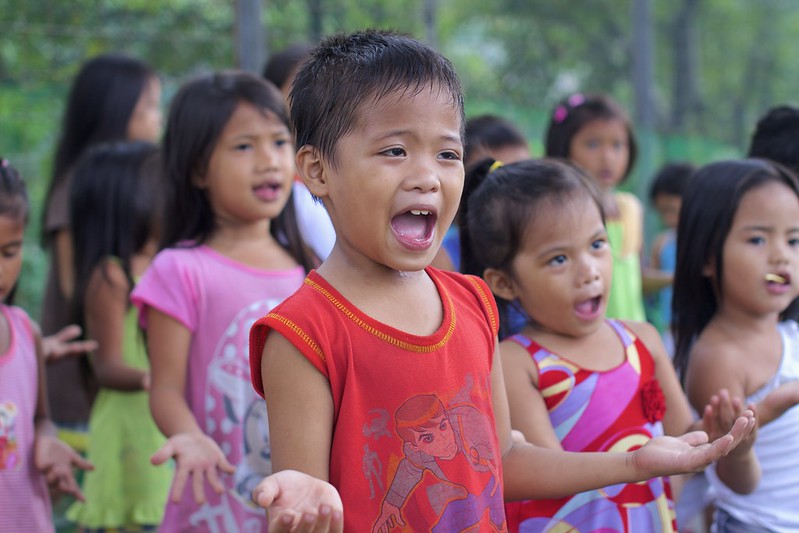 Child poverty in the Philippines remains a pressing concern that affects children’s physical and mental development. While the overall poverty rate in the country has declined, the child poverty rate continues to increase. According to a 2022 policy research report by the World Bank and UNICEF, approximately 5.14 million Filipino children—about 12.4%—live in extreme poverty.
Root Causes and Response Initiatives
Causes, familiarity and socio-economic conditions contribute to the rising number of children living below the poverty line. Advocacy organizations and programs like the Pantawid Pamilyang Pilipino Program (4Ps) and Childhope Philippines Foundation work to ensure that children living on less than $2.15 per day can access education, health care, housing and other resources needed to break the poverty cycle. The Philippines continues to pursue its goal of becoming an upper-middle-income country. However, poverty in the country stems from multiple interconnected issues. The long-term effects of child poverty extend beyond the affected children to wider society.
Several factors, including limited employment, inadequate access to quality education and health care and regional conflict, contribute to the persistence of poverty among children.
Child Labor
Low household income remains a key driver of child labor. To support their families, many children either drop out of school or divide their time between work and school. According to the Philippine Statistics Authority (PSA), in 2023, around 1.09 million children aged 5 to 17 were working and 678,000 of them were not eligible to work legally. Although the number of working children has decreased from previous years—935,000 in 2021 and 828,000 in 2022—child labor remains a significant concern. Many children leave school due to financial hardship, creating a cycle of poverty that could persist across generations.
Education
Education plays a vital role in national development. The Philippine government mandates a 13-year basic education system from kindergarten through 12th grade, known as the K–12 program. Despite this, many Filipino children face a learning crisis marked by poor performance in international assessments and high levels of learning poverty. According to UNICEF, children in the Philippines lag five to six years behind students in countries with similar economic profiles.
The education system is governed by three agencies: the Department of Education (DepEd), which manages the K–12 public school system; the Commission on Higher Education (CHED), which oversees universities; and the Technical Education and Skills Development Authority (TESDA), which supervises vocational training programs. While enrollment has increased, access to quality education remains uneven, especially in rural areas. Addressing inaccessibility through advocacy and investment could help children build a better educational foundation.
Child Poverty Reduction Solutions
Governmental and nongovernmental organizations (NGOs) programs, such as the Conditional Cash Transfer (CCT) programs and Childhope Philippines Foundation, work to combat child poverty in the Philippines. Government programs provide financial support to low-income families, help ensure that every child can attend school and receive necessary health care, while NGOs offer educational solutions, food assistance and community development projects. Expanding and implementing these solutions can potentially get every individual to work together to fight against child poverty effectively, for an increase in opportunities for children as they grow older.
Pantawid Pamilyang Pilipino Program (4Ps)
The Pantawid Pamilyang Pilipino Program (4Ps) serves as the country’s flagship poverty reduction strategy. Implemented by the Department of Social Welfare and Development (DSWD), the program provides financial aid to poor households for up to seven years. Conditions include children’s school attendance, regular health visits and participation in family development sessions.
The 4Ps is the fourth-largest CCT program globally and funds 4,177,476 loan recipients, with 870,865 newly registered households. The strategy covered 75% of the country’s population alongside the Philippine government and the Millennium Development Goals (MDGs), eradicating extreme poverty and hunger, achieving quality education, advancing gender equality, decreasing child mortality and upgrading maternal health care. The 4Ps’ accomplishments have resulted in a poverty reduction of 1.4 percentage points per year or 1.5 million fewer poor Filipinos. In the end, more than 600,000 Filipino families accomplished self-sufficiency with help from the 4Ps.
Childhope Philippines Foundation
Childhope Philippines is a renowned NGO that aims to promote the welfare, uphold and protect the rights of street children in the Philippines. The organization provides education, health services and livelihood opportunities for the impoverished youth. Established in 1995, Childhope empowers children with skills and resources to achieve a brighter future. It encourages everyone to become a united community where individuals play a role in raising awareness of child poverty in the country.
Nationally and internationally, the foundation encourages people to send donations and participate in volunteer work to become a beacon of hope for 50,000 to 70,000 Filipino children who live and work on the streets of Metro Manila, Philippines. Throughout the years, Childhope transformed the lives of approximately 10,500 street children with long-lasting impacts through its partnerships and projects.
Looking Ahead
Every child deserves access to basic rights and opportunities for a better future. Child poverty in the Philippines requires comprehensive strategies that address economic hardship, improve education and expand social welfare. Efforts by both the government and NGOs play a crucial role in reducing hardship and supporting children’s development. Ongoing commitment from all sectors could help build a society where every child can thrive and contribute meaningfully to national growth.
– Makayla Johnson
Makayla is based in Cary, NC, USA and focuses on Good News for The Borgen Project.
Photo: Flickr
