Philippines National Housing Authority and Population Growth
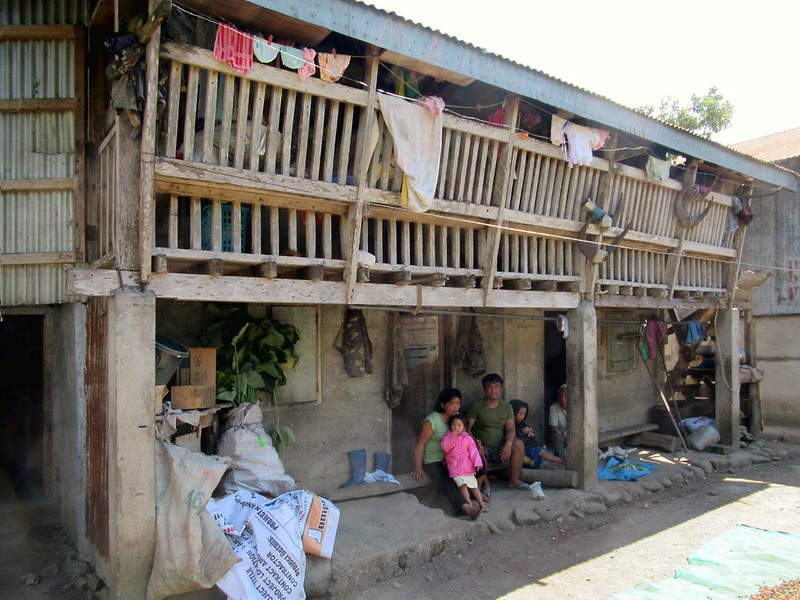 As of 2025, the Philippines has a population of approximately 121 million people. However, the country faces a housing shortage of 6.5 million units, a figure projected to rise to 22 million by 2040 if unaddressed. This significant gap leaves millions of families enduring substandard living conditions.
Several factors contribute to this housing crisis, including poverty, rapid population growth and limited land availability. In 2023, the Philippines constructed more than 100,000 residential structures. However, the number of households increased by 3.42 million from 22.98 million in 2015 to 26.39 million in 2020, averaging about 684,000 new households per year during that period. This construction rate falls short of meeting the growing demand. Urban areas, in particular, experience intensified pressure as more individuals migrate to cities in search of better opportunities, leading to overcrowded informal settlements and straining existing infrastructure.
Philippines National Housing Authority
To meet the growing demand, the Philippines National Housing Authority (NHA) initiated several projects. In 2023, the NHA launched five new projects that will provide 3,651 housing units to those impacted by national infrastructure developments. In total, the NHA started 9,600 housing units and completed 15,856, achieving 118% of its target for starts (8,123 units) and 42% of its target for completions (37,913 units). Despite these ongoing efforts, the NHA operates with an annual budget of about 2 billion pesos, which constrains its capacity to effectively address the housing backlog.
Budget Disparities and Challenges
In contrast, the Department of Education received a 2025 budget of 977.6 billion pesos (approximately $17.5 billion). This disparity highlights the limited financial resources allocated to housing initiatives. Given these constraints, the Philippine government may need to explore external support and innovative financing solutions to bolster housing development. In addition, public-private partnerships and international collaborations could provide additional funding and expertise to accelerate housing projects.
Promising Projects on the Horizon
A significant initiative is the Pambansang Pabahay Para sa Pilipino Program, a housing project launched in September 2022. The program aims to build 6 million housing units by 2028.
The program initially aimed to build about 1 million houses annually, totaling 6 million units by the end of President Ferdinand Marcos Jr.’s term. However, as of August 2024, the Department of Human Settlements and Urban Development (DHSUD) adjusted its target to launching 4 million housing units by 2028, citing construction issues and delayed loans.
The Pambansang Pabahay Para sa Pilipino Program offers affordable housing solutions for low-income families, with units priced up to 1.4 million pesos. Beneficiaries can access subsidized interest rates through the program, reducing their monthly amortization costs and making homeownership more attainable. Local government units (LGUs) play a crucial role in implementing these projects by identifying housing sites, developing project concepts with chosen developers and contractors and endorsing housing proposals to DHSUD. If successful, the initiative could serve as a model for future government-led housing programs.
Looking Ahead
Addressing the Philippines’ housing shortage requires a multifaceted approach involving increased funding, policy reforms and international cooperation. Strengthening partnerships with private sector entities and international allies could provide the necessary resources and expertise to accelerate housing development. Additionally, implementing policies that streamline construction processes and promote affordable housing could help bridge the gap between supply and demand. Through concerted efforts, the Philippines can potentially work toward providing adequate housing for its growing population, thereby improving living conditions and fostering national stability.
– Nicholas East
Nicholas is based in Ashby, MA, USA and focuses on Politics for The Borgen Project.
Photo: Flickr
