Recent Efforts to Improve Water Quality in the Philippines
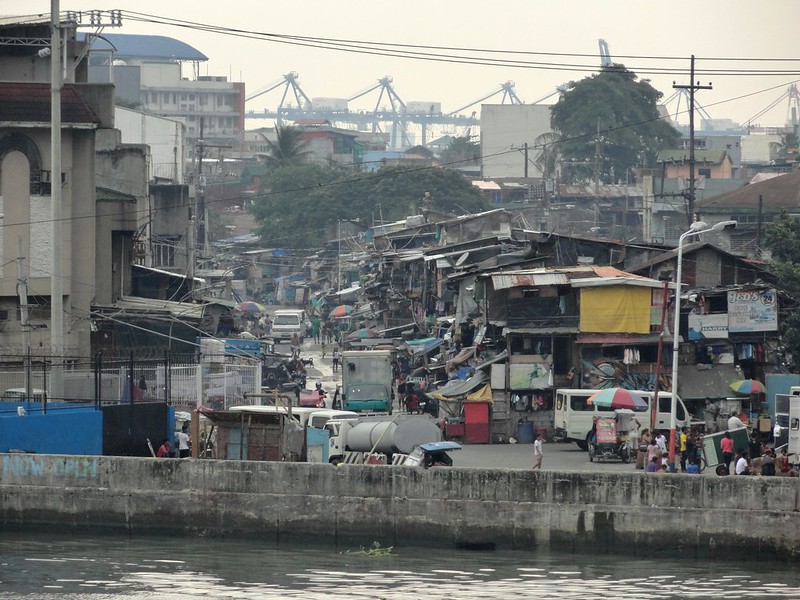 The Philippines has struggled with water quality for years. Recently, many efforts have been made to improve water quality in the Philippines, through new infrastructure, community-led behavioral changes, and more beyond water quality.
Water in The Philippines
Home to nearly 115 million people, the Philippines consists of more than 7,000 islands in Southeast Asia. Surrounded by oceans and with stunning rivers running throughout, it is especially troubling that the Philippines struggle with water quality and pollution. In fact, the Philippines is the world’s leading plastic polluter of the ocean. Of the country’s major bodies of water, 56% are polluted, alongside 43% of rivers.
More than half of the country lives without access to clean drinking water. While some regions have access to safe water, this access is not widespread, and only 48% of the nation has safe drinking water at home. Easy access to safe, clean drinking water is important, as it can prevent many waterborne diseases. Between 2010 and 2019, almost 50,000 people were diagnosed with a waterborne disease each year, according to Energy Tracker Asia.
Efforts to Improve Water Quality in The Philippines
There have been many efforts to improve water quality in the Philippines in recent years. The Sustainable Development Goals Fund (SDGF) recognized that poor water quality in the Philippines is a result of pollution, poor sanitation and open defecation, and also significantly impacts socioeconomic development. According to the SDGF, more than 30% of rural communities in the Philippines practice open defecation, which disproportionately affects women and girls who utilize water for sanitation and hygiene.
SDGF aims to improve water access, sanitation, and hygiene in six provinces in the Philippines with significantly low water-access rates. Its program, Integrated Safe Water and Hygiene (iWaSH), approaches these issues at the local level. Since its launch in 2015, iWaSH has been a priority in water safety by local governments. In 2015, 46% of The Philippines had access to clean water. In 2017, 91% had access to basic water services.
WASH Master Plan
More recently, the Philippine government has made strides in addressing the inequities in water access throughout the country. In the Philippine Water, Sanitation, and Hygiene (WASH) Master Plan, the government aims to achieve WASH access universally by 2028. To do this, it has an integrated approach that is creating and improving pre-existent sanitation facilities to combat open defecation, promoting hygiene and sanitation, and creating safe water management.
The Philippine government has also made several efforts to infrastructure to improve both water quality and access throughout the Philippines. For example, it has introduced new standards that regulate the release of untreated waste from treatment facilities into rivers and other bodies of water, to preserve clean water and reduce pollution.
Rainwater Harvesting
The Philippines has up to more than 4,000 millimeters of rain each year. To collect safe, clean water (and prevent flooding,) local governments have turned to rainwater harvesting. There are different ways rainwater harvesting may occur. There are large tanks that may be placed by the government to collect rainwater, but it can also occur on a much smaller, but still effective, scale.
Gutters on a roof can direct rainwater into a storage system on the ground where rainwater will collect. Simple mesh filters may be placed in the storage containers to prevent contamination. Individuals gain access to this water through a tap on one of their storage containers, or in more complex setups, the water will flow directly into their home’s plumbing.
In many efforts, the Philippines has worked to improve water quality and access throughout the country by implementing new initiatives, integrated programs and new infrastructures. The WASH Master Plan and iWaSH have both effectively increased access to safe water across the Philippines. New infrastructure, such as new sanitation buildings and rain harvesting systems, have also played a positive role in combatting the water access inequities that plague the Philippines.
– Hannah Pacheco
Hannah is based in Boston, MA, USA and focuses on Good News and Global Health for The Borgen Project.
Photo: Flickr
