Reduced Poverty in the Philippines
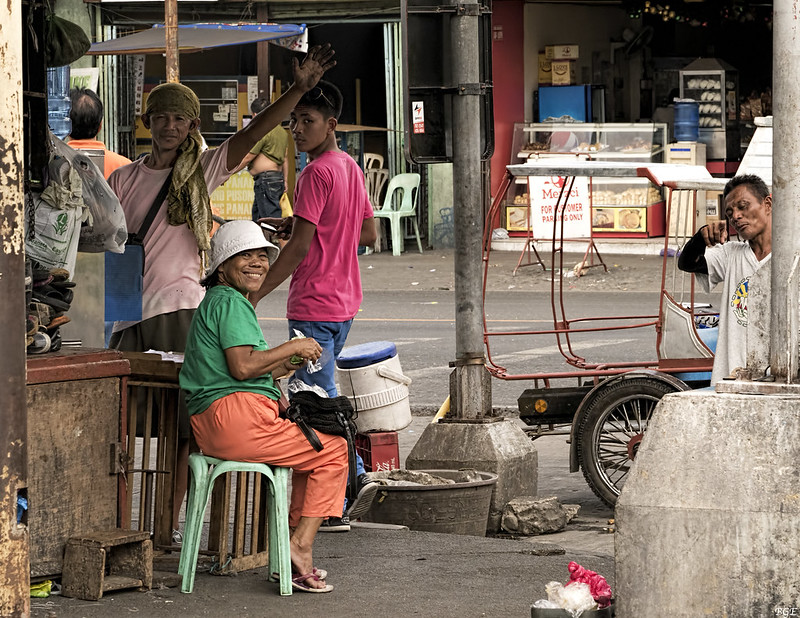 In July 2024, the Philippine Statistics Authority released the official poverty statistics showing that the 2023 poverty rate stood at 15.5%. In 2021, the poverty in the Philippines stood at 18.1%. This 2.6% drop has surpassed the target from the Philippine Development Plan and means that 2.45 million Filipinos are no longer living in poverty. Also since 2021, there has been a significant fall in the family poverty incidence. In 2021, the rate was 13.2%, and in 2023, the rate fell to 10.9%. This means that there are now 3 million families out of poverty.
Poverty in the Philippines: Single-Digit by 2028
President Ferdinand R. Marcos Junior has a goal to reduce poverty in the Philippines to a single-digit rate by 2028. With the significant drop from 2021 to 2023, it seems like that goal may be possible. The Philippines has one of the best-performing economies in Asia, with its GDP growth rate averaging 5.5%. Its economic growth has been driven by the domestic domain and the expansion of some major sectors. This is helping provide secure and well-paying jobs to Filipinos.
The Philippines government has also implemented a targeted cash transfer program to help alleviate poverty. This program assists poor households, giving them cash grants for six months, with 12.4 million households qualifying for the program. With the fuel prices rising, the government has also started a fuel subsidy program. This program provides financial assistance to jeepney drivers as well as taxis, shuttle buses, minibuses, etc. There are currently 377,443 beneficiaries of the subsidy. There is also a fuel discount program, which offers a discount on fuel to fishermen and farmers.
Social Protection Floor
Although the inflation rate hit a 22-month low of 3.9% in December 2023, inflation is still high in the Philippines, according to the Philippine News Agency (PNA). To help keep prices stable, Executive Order 50 was signed, which reduced tariffs on key agricultural products. These products include corn, pork and rice. Keeping prices stable on these commodities helps ensure that Filipinos can afford them.
President Marcos approved a Social Protection Floor (SPF) that will protect and guarantee basic social security. The SPF will protect the vulnerable against poverty in the Philippines. It will help ensure that everyone has access to basic health care and social services.
One of the goals of SPF is universal health care for the Philippines. There is also a focus on children and ensuring that they are meeting their nutritional needs. Part of the SPF includes initiatives such as emergency employment, social insurance coverage, employee compensation benefits for overseas workers and integrated health services for older persons.
Walang Gutom 2027
The government also implemented the Walang Gutom 2027 Food Stamp Program to help alleviate poverty in the Philippines. This initiative aims to feed 1 million food-poor families by 2027. Initially, the food stamp program was rolled out to 2,300 households and now has reached 300,000 households. The food stamp program reduces hunger by providing monetary-based assistance in the form of Electronic Benefit Transfer (EBT) cards. The ultimate goal is to reduce the incidence of malnutrition and hunger. For families to be a part of the program, they must attend a nutrition education program.
With more opportunities for jobs, government assistance programs to help alleviate the burden of costs of essentials such as food and fuel, better access to health care and an active effort by the Philippine government to reduce poverty, poverty in the Philippines has been reduced significantly since 2021.
– Rachel Padden
Rachel is based in Baltimore, MD, USA and focuses on Good News for The Borgen Project.
Photo: Flickr
