Posts

Justice, Compassion, Love: The success of ADRA Mongolia in protecting vulnerable communitiesThe Adventist Development and Relief Agency (ADRA) was established in 1983 as the humanitarian branch of the Seventh-day Adventist Church. In 1994, ADRA became the first NGO to open a branch in Mongolia following the nation’s regime change. During this period of civil unrest, the charity focused on providing basic necessities. However, as the country stabilized, the charity’s mission expanded. This makes it important to understand the success of ADRA Mongolia in protecting vulnerable communities, as the NGO provides a model of proactive survival techniques and long-term community development.

The Mission

For 32 years, ADRA Mongolia’s mission has been to support Mongolia’s most vulnerable communities, particularly rural nomadic populations living in ecologically dangerous regions. To better support Mongolia’s poorest communities and their varied needs, the charity divided its mission into five categories: health, livelihood, agriculture, emergency and outreach.

Protecting Vulnerable Communities

  • Health Programs. ADRA states that “health is at the heart of so much of the world’s poverty and suffering.” For this reason, ADRA Mongolia spends significant resources connecting rural families with physicians and medical facilities. Health concerns in the region also prompted the NGO to provide citizens with practical health information. This approach appears in ADRA Mongolia’s recent health project, “Next Gen Celebrations,” which focuses on teaching children ages 12-15 about noncommunicable diseases and prevention strategies.
  • Livelihood Support. ADRA Mongolia also supports the livelihoods of households across Mongolia, some of which survive on as little as $1.90 a day. Financial insecurity remains a significant challenge in Mongolia, where women have only recently gained formal rights and many still struggle to engage with financial systems. By 2021, ADRA Mongolia had supported 3,636 households, helping prevent them from falling below the extreme poverty line. The NGO also runs sustainable livelihood programs that teach rural farmers and herders improved techniques to increase long-term economic stability.
  • Agricultural Programs. Although agriculture forms part of its livelihood programs, ADRA Mongolia treats agriculture as a separate focus because of the region’s harsh ecological conditions. In the Mongolian province of Bayan-Ölgii, winters can reach −50°C, rainfall is scarce and weather conditions can change rapidly. Despite these challenges, ADRA Mongolia runs the CANSAP program in the region, teaching farmers how to extend the growing season and protect crops from failure.
  • Emergency Response. Mongolia faces severe emergency conditions known as the “dzud phenomenon,” during which shifting and dangerous weather places up to 90% of the population and livelihoods at risk. ADRA Mongolia identifies the dzud crisis as one of its central priorities, as Mongolia lost 5,900,000 livestock to the phenomenon in 2024 alone. To deliver emergency relief, ADRA Mongolia launched the “Dzud Emergency Response,” which provided support to 167 of the most severely affected households.
  • Outreach Programs. The final focus category for the charity is outreach, which remains important in Mongolia, where 50% of the population lives in the capital, while the remainder lives across the vast steppes. Outreach work for the NGO includes identifying vulnerable communities and individuals and providing them with a space to voice their needs. To support this effort, ADRA Mongolia established the “ChEMP” program, which equips local churches with disaster management training and regular meetings. These centers serve as community anchor points where people can seek support.

Looking Ahead

ADRA Mongolia differs from many religious charities because it serves people regardless of background or religion. The success of ADRA Mongolia in protecting vulnerable communities demonstrates the impact of multi-layered approaches to poverty reduction and disaster preparedness, supporting thousands of households facing economic and environmental challenges.

– Eli Thomson

Eli is based in Preston, UK and focuses on Good News, Technology and Solutions, Politics for The Borgen Project.

Photo: Flickr
Digital Development in MongoliaMost of Mongolia’s population resides in the country’s capital, Ulaanbaatar, which serves as a large urban area; the Asian country can be categorized into two different areas: urban and rural. In fact, one of the things Mongolia is most known for is its population of grazing livestock, due to the fact that about three-fourths of the country is made up of pastureland. As of 2025, the country has over 3.5 million citizens, spanning over three topographical zones.

Background

As late as 2018, 90% of the population in Mongolia had access to the internet, along with widespread 3G and 4G. In fact, in the last 10 years, the use of technology, particularly among younger citizens, has only increased. This statistic includes Mongolia’s more nomadic communities, who are a part of more rural, isolated areas, where civilians may not get the same speedy internet connection as soon as the more urban communities have.

While it is evident that Mongolia is not as technologically advanced as other countries are in this day and age, such as China or the U.S., the country is working to change that, especially when it comes to its more remote communities.

e-Mongolia

Teamed up with the e-Mongolia Initiative, a platform in Mongolia that works to deliver public services to every single area of the East-Asian country, the Government’s Digital Nation Strategy is working to increase the overall digital literacy in Mongolia. As the e-Mongolia Initiative works to serve the most remote and nomadic areas of the country, the Mongolian government plans to help increase digital literacy within those specific communities.

In addition to the government’s plans with the country-wide internet services, the Resident Coordinator’s Office (RCO), with UNDP and UNICEF are all partnering with the government for this project. With this collaboration, the UNDP, RCO, and UNICEF are hoping to help the specific areas of DarkhanUul, Khentii, Dornod, and Ulaanbattar in expanding their digital literacy.

Digital Literacy

While the United Nations Sustainable Development Group (UNSDG) never states that Mongolia needs more digital literacy, it points out the positives that come with a more technologically advanced society.

The Head of the Government E-Services Department in the Darkhan-Uul Province, Soyolmma Namkhajav, stated, “We are happy to collaborate on this project to deliver faster and more accessible online public services to citizens.”

These partnerships work to improve digital literacy within the country, in order to improve the public online services that are already available throughout the country, particularly in nomadic areas. In addition to improving already available services, the government hopes to improve education with technology.

The UNSDG held information training session for 60 teachers across thirty schools in Mongolia for a year in 2024. Citing one of the teachers who participated in the session, in addition to helping schools integrate technology into their students’ learning, education leaders are learning how to teach their students how to be safe when browsing the internet.  In addition to serving schools, the government is hoping to make training and other valuable resources more accessible online for public servants and local communities.

The Future

Recently, the RCO has been mobilizing resources with the United Nations to help support the digital future in Mongolia, including the Ministry of Digital Development, Innovation, and Communications of Mongolia, which is persistent in making sure that this program that focuses on national priorities and government ownership. Relevant governmental ministries are hoping to train at least 3,000 citizens, 1,500 women in particular, apart of three different regions, including Uaanbattar, to learn these important digital skills.

– Megan Akers

Megan is based inFredericktown, OH, USA and focuses on Technology and Solutions for The Borgen Project.

Photo: Flickr
DzudKnown locally as the ‘white death’, a dzud is an extreme weather event that occurs in Mongolia when a harsh winter follows a summer drought. Temperatures can plummet to below -30 degrees and heavy snowfall blankets the country. Traditionally occurring every few years, climate change has impacted the frequency of this catastrophic weather event, causing some regions to experience it annually. The consequences can be particularly devastating for rural populations who rely on livestock for food and income.

The Impact of Dzud

The winter of 2022-2023 was particularly brutal. Mongolia saw 90% of its territory covered in a thick layer of snow, making it the heaviest snowfall the country had seen in 49 years. Millions of livestock died from the extreme cold, but many also died of malnutrition as only a minimal amount of food had been cultivated over the summer months due to the droughts the country faced. Unfortunately, it is the country’s herding population that suffers the hardest impact. The death of livestock often means a loss of livelihood for many, as it is through selling their produce that many families make a living.

The heavy snow also makes it difficult to get to markets during the winter and the reduction in food supply drives up market prices, making many at risk of suffering from malnutrition. According to the World Health Organization (WHO), 5.9 million people died in 2023 as a result of the dzud and 9% of the country’s total herd was lost.

When the snow eventually melts, the remaining water leads to widespread flooding across the country. These floods cause further destruction, damaging infrastructure and grazing land, while also increasing the risk of food and waterborne diseases, particularly in poorer regions with simple sanitation systems. The dzud is therefore not only a natural disaster but also a social and economic crisis.

Ongoing Intervention Efforts

Many aid organizations and government officials have been assisting the country. The WHO and World Bank have collaborated with the Mongolian Ministry of Health to ensure those in rural areas receive the help they need. Frontline health workers with medical supplies and the capacity to offer psychological support to those affected have been offering aid in the 21 affected provinces.

The World Bank has also been working alongside the meteorological and environmental monitoring agency to compile a comprehensive disaster risk financing strategy. Weather data gathered is used to trigger the release of funding ahead of catastrophic weather events, ensuring herding families are protected with financial assistance before the dzud even begins.

One year after the 2024 dzud, the Mongolian Red Cross Society has been particularly helpful. It has continued to help herder households get back on their feet, delivering critical humanitarian assistance where needed and offering services such as psychological support to the families who suffered the hardest hit.

Looking Ahead

The dzud remains one of Mongolia’s most pressing climate challenges, threatening both livelihoods and long-term stability. Yet the efforts of organizations like the WHO, World Bank and Mongolian Red Cross Society show that early intervention, social protection programs and community support can make a difference.

– Niamh Trinder

Niamh is based in Leicester, UK and focuses on Good News for The Borgen Project.

Photo: Flickr
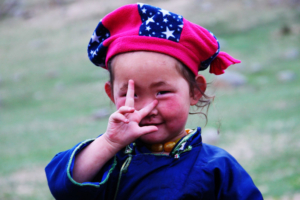
hunger in mongoliaHome to around 3.5 million people, Mongolia adopted the 2030 Sustainable Development Goals (SDGs) Agenda in 2015. In 2021, the U.N. reported that the Mongolian Government was “stepping up its efforts to achieve food security”. Since then, fighting hunger in Mongolia has gained momentum thanks to government initiatives and grassroots organizations collaborating.
Hunger and Poverty in Mongolia

Malnutrition continues to affect many Mongolians, particularly children. In 2017, 27% of children under 5 were anemic, 21% had iron deficiencies, 70% lacked sufficient vitamin A levels and 90% experienced inadequate vitamin D levels. Household food insecurity affected 65% of households in 2018, with 23% experiencing severe food insecurity. By 2022, one in four Mongolians still experienced moderate to severe food insecurity. In 2023, approximately 213,000 people endured limited food, largely due to dzuds (extreme winter weather) killing livestock, consequently causing significant challenges with food production.

Poverty compounds these challenges.Mongolia’s national poverty rate was 28.4% in 2018, but only 0.5% of citizens lived below the international poverty line. In 2021, 22% of the Mongolian population did not have access to sufficient dietary energy daily, making it challenging to live normal, active lifestyles. As the U.N. emphasized, food insecurity is largely due to economic struggles rather than physical and social access.

Lamp Of The Path

Established in 2003, Lamp of the Path (LOP) is the Foundation for the Preservation of the Mahayana Tradition’s (FPMT) social project. The name in itself represents the light of the Buddhist teachings, guiding people on their way to the higher goal of all Mahayana Buddhists – the state of enlightenment. LOP aims to follow in the footsteps of historic Buddha Shakyamuni, who found enlightenment under the Bodhi Tree in India, later finding a medicine to cease all types of suffering.

Running for 22 years, LOP has supported some of the most vulnerable people in Ulaanbaatar, Mongolia’s capital. Different food projects are run, providing both immediate food relief and sustainable nutrition, successfully fighting hunger in Mongolia. The project also provides clothing, health checks at home or in their clinic, along with toothbrushes and other essentials – helping in the fight against homelessness and poverty too.

LOP Projects

LOP opened its first project, the Soup Kitchen, in August 2003. In 2019, the kitchen served 14,793 bowls of soup to between 50 and 70 people each day. During winter, volunteers increase output to 60 liters of soup being served between 11 am and 1:30 pm. For many visitors, this remains their only guaranteed hot meal of the day, an essential step in fighting hunger in Mongolia.

In 2022, LOP expanded its reach with the Mobile Kitchen Project. After identifying extreme poverty in nearby areas, volunteers began delivering 20 hot meals to elderly and disabled people, along with fresh fruit and vegetables from the gardens. This often extends to those who simply cannot visit the Soup Kitchen, ensuring inclusivity in fighting hunger in Mongolia.

In the past decade, LOP launched a Vegetable Garden Project that produces fresh vegetables and fruit for both their Soup Kitchen and Mobile Kitchen. The Vegetable Garden supplements meals for vulnerable families and reduces reliance on imported produce. Because of dzuds, LOP grows their fruit and vegetables in summer, focusing on crops that can be preserved for the winter. This Project is a crucial step in fighting hunger in Mongolia year-round.

Conclusion

Lamp Of The Path demonstrates how grassroots organizations can provide both emergency relief and long-term solutions. Through its Soup Kitchen, Mobile Kitchen and Vegetable Garden Projects, LOP directly supports vulnerable communities while reducing poverty and malnutrition. By combining compassion with practical action, the organization continues to play a vital role in fighting hunger in Mongolia and building resilience for the future.

– Rebecca Lamb-Busby

Rebecca is based in Hull, UK and focuses on Good News and Global Health for The Borgen Project.

Photo: Flickr

HIVAIDS in MongoliaMongolia is a vast country in East Asia, bordered by China and Russia, with a population of about 3.5 million people, nearly half of whom live in the capital city, Ulaanbaatar. Once part of the Mongol Empire and later a Soviet satellite, Mongolia has undergone a rapid political and economic transformation since the 1990s. Today, it is a democratic state with a growing, resource-based economy. However, the country still faces infrastructure gaps, urban-rural inequality and a fragile health system stretched across immense distances.

In the context of public health, Mongolia has been largely spared from large-scale epidemics. HIV prevalence remains low, but that does not mean the risk is absent. For a nation often overlooked in global health discussions, Mongolia’s quiet battle against HIV is a story of early success—and urgent, unfinished business. Here is information about HIV/AIDS in Mongolia and efforts to combat it.

The Prevalence of HIV/AIDS in Mongolia

Mongolia has maintained a low overall HIV prevalence, estimated at around 600 people living with HIV in 2023. Men account for a significantly larger proportion of cases than women. While the numbers remain low compared to other countries, the number of cases has been slowly increasing over time. This highlights the need for sustained prevention efforts and real awareness campaigns.

The country reports fewer than 100 AIDS-related deaths annually, a reflection of progress in raising awareness, early detection and improved access to antiretroviral therapy (ART). However, treatment coverage remains below international targets; approximately 39% of people living with HIV receive ART, falling short of the UNAIDS 95-95-95 goals aimed for 2030. Without adequate treatment, the virus risks spreading further, especially among vulnerable populations.

Key Populations Most Affected by HIV/AIDS

Sexual contact is the primary mode of transmission. Certain groups carry a disproportionate burden of HIV infection:

  • Men who have sex with men face stigma and discrimination, which discourages them from seeking timely treatment.
  • Sex workers are at higher risk due to multiple partners and inconsistent condom use, compounded by social barriers to health care.
  • Transgender people experience similar stigma, limiting their access to prevention and treatment services.
  • People who inject drugs face heightened risk due to needle sharing, with limited awareness of safe injection practices in Mongolia.

Poverty and HIV/AIDS in Mongolia

Poverty exacerbates vulnerability to HIV infection and limits access to health care services in Mongolia. Many people living in poverty, particularly in rural and ger (traditional tent) districts around Ulaanbaatar, face barriers such as transportation costs, limited health care infrastructure and social stigma. These challenges reduce access to testing and treatment, increasing the risk of undiagnosed and untreated infections.

Mongolia’s Efforts To Address HIV/AIDS

To address these challenges, Mongolia has implemented several programs focused on vulnerable populations and poverty reduction:

  • Since August 2023, the Payment-for-Results model has incentivized NGOs to increase HIV testing and outreach among key populations, linking funding to performance outcomes.
  • The Undarga microfinance program, piloted since 2010, targets women engaged in sex work, offering financial education and savings services to reduce reliance on risky income sources.
  • Mobile health clinics that have support from the World Health Organization (WHO) and international partners bring HIV testing and health care services to rural and nomadic communities, overcoming geographic and economic barriers.

Looking Ahead

Mongolia has kept HIV prevalence and AIDS-related deaths relatively low, but a slow rise in new cases, especially among impoverished and stigmatized groups, presents ongoing challenges. Addressing poverty’s role in HIV vulnerability and improving health care access through innovative programs and sustained investment will be essential for Mongolia to sustain its progress and meet international targets. With continued commitment, Mongolia can look forward to a healthier future.

–  Julia Skowrońska

Julia is based in Wrocław, Poland and focuses on Global Health for The Borgen Project.

Photo: Flickr

Mongolia’s Vision 2050 Vision 2050 is a long-term policy plan that focuses on a country’s growth by setting up milestones and windows of time to devote resources for specific projects. Multiple countries have a Vision 2050 policy, including Papua New Guinea, Lithuania, and India. Specifically, the policy generally involves making more eco-friendly use of resources, creating more ideal uses of social services, and reducing poverty significantly.

Mongolia’s Vision 2050 was first introduced as a response to the COVID-19 pandemic in May 2020. During 2020, Mongolia experienced an economic reduction of 10%, strikingly fast, unlike previous years. The lockdown on homes also revealed the vulnerability of citizens to poverty, with food insecurity, easy job loss, and a decrease in agricultural products. The policy has three phases: phase one from 2021 to 2030, phase two from 2031 to 2040, and finally from 2041 to 2050.

Mongolia’s Poverty Goals for 2050

Mongolia’s Vision 2050 has many objectives for different parts of the culture and government. For poverty specifically, Mongolia plans to reduce national poverty to 15% by 2030 and 5% by 2050. The first phase, 2021-2030, involves bolstering an economic environment that supports entrepreneurship, expanding the job market by moving many financially unstable citizens to the middle class, and providing at least 75% of herders and farmers with decent equipment and technology to support a stable business flow. On top of this, Mongolia plans to resolve any overdue external debt the government owes while maintaining a stable economy.

By resolving external debt, foreign trade and investment are stronger and less risky, which in turn helps create a steady stream of employment for citizens. If the country improves job opportunities, many Mongolian citizens could transition from poverty into the middle class. One of Mongolia’s Vision 2050 goals is to make the middle class a predominant economic group to encourage job creation and innovation.

The second and third phases, 2031-2050, will foster a competitive nature in business to keep cash flows going smoothly and to prompt innovation among citizens to improve the culture and economy. Alongside these goals is to improve credit ratings and increase national savings. In the last phase, 2041-2050, Mongolia hopes to make the middle class a predominant economic group. With many citizens transitioning to the middle class with a lucrative job environment and encouraging entrepreneurship, inflation should drastically decrease, while employment skyrockets. One of the most ambitious goals in this final stage of Mongolia’s Vision 2050 is to create at least one city completely free of poverty.

Strides in Progress

One of the fastest results that Mongolia’s Vision 2050 accomplished was improved air quality in 2020. This problem partly predated the implementation of Vision 2050, where in 2019, Mongolia’s Voluntary National Review raised the question of growing air pollution, and started taking steps to reduce it. However, thanks to the urgency and efforts of Mongolia’s Vision 2050, in 2020, Mongolia cut air pollution down by 40%.

Halfway through phase one, Mongolia’s Vision 2050 has already yielded some promising results for the rest of the policy plan. The creation of the E-Mongolia app is an e-government service that has been designed for public use. Essentially, the app allows citizens to look up vehicles and property for purchase in a given area. The app also allows citizens to look at personal medical records, prescriptions, and accurate data on floods. The app has made strides in making data, accessibility, and communication easier for citizens and political officials in Mongolia. In other words, the app has improved the quality of life through access and clarification while making political dealings faster and easier.

Value chains for livestock have also improved drastically from 2020 to 2025. Animal husbandry has experienced increases in quality, which has driven down price volatility in Mongolia, specifically for products like cashmere, meat and dairy. The economic potential for livestock bolstering is promising, with many more Mongolian politicians showing an interest in the sector in recent years, and continuing to pour resources and effort into the chain to create a stable pillar of economic income.

The Future

Mongolia’s Vision 2050 continues to work towards the ambitious goals of reducing national poverty to 5% and creating a poverty-free city by 2050. With the swift result of decreased air pollution, the growing focus on the farming economy, and the ease and quality of life improvement brought about by the E-Mongolia app, future success looks tangible and bright for Mongolia.

– Russell Bivins

Russell is based in Phoenix, AZ, USA and focuses on Good News for The Borgen Project.

Photo: Flickr

Mongolia Recycles Industrial Wastewater to Ease Water CrisisMongolia, a country in East Asia rich in history and culture, has long viewed water as a precious resource. However, the nation continues to face major water access challenges. According to UNICEF, 30% of the population lacks access to safe drinking water and only 56% of water cleansing facilities are operational, leaving certain districts especially vulnerable. In response to increasing water scarcity, Mongolia is implementing innovative solutions by recycling industrial wastewater from Coca-Cola’s bottling operations. The Mongolian government, MCS Coca-Cola and the Millennium Challenge Corporation (MCC) have backed the initiative as part of a broader national effort to promote sustainable water practices and reduce pressure on limited groundwater reserves.

A Creative Response to Growing Water Demand

Over the past two decades, Mongolia’s population has increased by 70%, which has driven significantly higher water usage. Much of the country relies on groundwater and around 500 factories discharge 44,000 cubic meters of wastewater daily, which has intensified the challenge of securing safe and sustainable water sources. In response, MCS Coca-Cola treats more than 500 cubic meters of wastewater per day and plans to supply the Amgalan Thermal Power Plant in Ulaanbaatar. The city plans to use the treated water as a cooling resource during the heating season—a cost-effective, climate-friendly alternative to freshwater.

Investments in Infrastructure and Water Security

The wastewater reuse initiative supports Mongolia’s broader effort to build resilient water infrastructure. The government has committed $111.8 million to support sustainable water systems as part of the $462 million Mongolia Water Compact, jointly funded with the United States (U.S.) Millennium Challenge Corporation.

A major component of the compact is the construction of a new Wastewater Recycling Plant, which will treat up to 50,000 cubic meters of effluent daily. The recycled water is expected to reduce freshwater demand by more than 50 million cubic meters annually, benefiting combined heat and power plants and easing stress on urban water sources. In addition, infrastructure upgrades—including pipelines from factories to treatment plants—are in development to ensure efficient transfer and monitoring of treated water. These improvements are designed to uphold high water quality standards while encouraging other industries to adopt similar recycling practices.

The effort also reflects a shift toward climate-adaptive public works, where water reuse systems support both environmental sustainability and future-ready urban infrastructure in rapidly growing areas like Ulaanbaatar.

Toward a More Water-Secure Future

Recycling wastewater from industrial operations like Coca-Cola’s not only addresses immediate shortages but also establishes a precedent for circular water economy models in Mongolia. It removes the need to rely on unsafe alternatives—some of which may contain contaminants such as lead, arsenic or copper—and enhances public health. By reducing dependence on fragile freshwater sources and investing in recycling systems, Mongolia is taking critical steps toward achieving water security for future generations. With the support of the government, private companies and international partners, this initiative could serve as a blueprint for water-stressed countries around the world.

– Anastasia Flerchinger

Anastasia is based in Richland, WA, USA and focuses on Good News and Politics for The Borgen Project.

Photo: Unsplash

Air Pollution in UlaanbaatarAccording to the World Bank, Ulaanbaatar, the capital of Mongolia, contains 39% of the country’s population and generates upwards of 60% of the Mongolian GDP. This population and economic growth, however, is sustained by a heavy reliance on raw coal, which is essential to surviving harsh winters but has also fueled the crisis of air pollution in Ulaanbaatar.</p><h2>Air Pollution in Ulaanbaatar

Pollution from coal-burning disproportionately impacts Mongolians who live in poverty in yurts known as gers on the outskirts of the city. It is estimated that upwards of 80% of pollution in the city comes from the ger district, where residents rely on coal-fired stoves for cooking and heating. In 2018, UNICEF reported that Ulaanbaatar’s PM-2.5 levels, which measure the content of dangerous tiny particles in the air, sometimes reach up to 133 times the World Health Organization (WHO)-certified safe maximum.

Children in Mongolia especially struggle with lung problems, bronchitis and pneumonia, which is the second leading cause of death for Mongolian children under 5. In 2018, UNICEF reported that the past 10 years have seen a 2.7-fold increase in respiratory infections. The outsized impact of air pollution on Ulaanbaatar’s youngest and most vulnerable formed part of the impetus behind the Mongolian government’s 2017 decision to declare air pollution a state of emergency.

Making a Change

Founded in the wake of a 2018 protest movement in New York City, Breathe Mongolia is a loose coalition of advocates and volunteers seeking to end air pollution in Mongolia. The nonprofit’s three-fold approach prioritizes acting as a watchdog, increasing transparency and serving as a platform for collaboration.

While Breathe Mongolia emerged as a grassroots movement, Switch Off Air Pollution is a part of the EU-funded SWITCH-Asia program. Founded in 2007, SWITCH-Asia seeks to promote sustainable development and green technology through a grants scheme that funds relevant pilot projects.

Switch Off Air Pollution seeks to combat air pollution in Mongolia through investing in sustainable consumption and energy efficiency in the housing sector. From 2018 to 2021, Switch Off Air Pollution aimed to retrofit 1,000 houses, saving an estimated 1,600 metric tons of coal and preventing the emission of 6,000 TeqCO2. Upon the project’s completion in 2022, 73 newly trained construction brigades had successfully retrofitted 1,546 households, saving 5,665 CO2 emissions. A new phase of the project is working to further improve energy efficiency.

Although Ulaanbaatar is facing a momentous challenge in the form of its air pollution crisis, these nonprofits are working hard to solve the problem. This innovative combination of grassroots and institutionally funded approaches, channeled through the infrastructure of nonprofit organizations, is bringing hope to the fight against air pollution in Ulaanbaatar and globally.

– Josephine Koch

Josephine is based in New York City, NY, USA and focuses on Good News and Politics for The Borgen Project.

Photo: Flickr

Desert AgricultureDesertification occurs when land near desert and arid regions becomes barren and dry due to human activities or adverse weather conditions. In the past 20 years, thousands of acres of fertile farmland and grazing land have been lost to desertification. Several internationally funded projects have been initiated to combat this issue, the most famous being the Great Green Wall.

Developed in 2007, the Great Green Wall project aims to halt the expansion of the Sahel and stretch from Senegal to Djibouti. While the international community initially lauded the project as a great example of environmental restoration, the World Agroforestry Center has critiqued the plan. It is a tree-planting-centric model that scientists argue is ineffective in attempting to recover desert land. Instead, the areas along the project’s route that have seen success have seen little from the original initiative and instead have found new life in the hands of local farmers and communities.

Through indigenous communities, the land’s revitalization has begun to take shape. In Niger, farmers are using the Faidherbia albida tree, along with native low-brush plants, to assist with soil nutrients. The Great Green Wall is considered one of the most well-known plans to combat desertification. However, other plans are currently in action; some are taking inspiration and others are developing more applicable solutions to desert agriculture.

Mongolia

As of 2017, more than 70% of Mongolian land is considered to be desertified to some degree. Significant drought periods have exacerbated the spread of desertification in Mongolia’s Dornod and Khentii grasslands. While Mongolia has always been classified as arid and semi-arid, the large-scale grasslands have allowed a long-standing animal husbandry tradition to dominate the Mongolian economy.

The Mongolian Great Green Wall plan was launched in 2008 to combat this. However, like its African counterpart, it was largely unsuccessful and primarily abandoned in favor of other preventative methods. One indigenous solution to desert agriculture has been to change animal grazing timelines to ensure proper recovery time and prevent overgrazing. Between an increase in protective land policies and the nomadic communities remaking animal grazing patterns, there is a high possibility that the increased desertification along the Steppe can be reduced and managed with proper collaboration between local communities and government agencies.

Iraq

In the last three decades, the country has seen an increase in desertification due to deforestation during regional conflicts, water scarcity and the removal of brush cover, which has exacerbated the desertification in Iraq. The United Nations Convention to Combat Desertification (UNCCD) reports that as of 2019, 2.89 million hectares of land in Iraq are classified as degraded. This degradation, primarily affecting the agricultural sector, is caused by water salinity from the Tigris and Euphrates rivers and the lack of alternative irrigation sources. As a result, many farmers have abandoned their lands and migrated to densely populated urban areas for employment.

There are currently no active UNCCD projects in Iraq. However, a comprehensive analysis was produced in 2022, which gave several strategic suggestions to boost vegetation cover and revitalize local agricultural lands by planting lichen and other microorganisms to strengthen top soils, provide necessary nutrients and improve desert agriculture. The UNCCD recommends spearheading projects by local communities and generational farmers to ensure the land is cared for by those who understand the human-land balance more intimately than government bodies.

– Jamie Sackett

Jamie is based in Hutto, TX, USA and focuses on Global Health and Politics for The Borgen Project.

Photo: Flickr

Mongolia's Sovereign Wealth FundMongolia is among the least densely populated countries in the Eastern world, with approximately 3.5 million people separated across close to 604,000 square miles. Of this population, 27% currently suffer from poverty. Like many nations, those most commonly affected are young and codependent people who struggle to afford a mortgage or bring food to the dinner table. Much of the land is uninhabitable and easy to mine. However, the lack of population concentration makes it difficult to spread resources across the country. Mongolia’s Sovereign Wealth Fund is aimed at improving the quality of life for its citizens.

The Sovereign Wealth Fund

In May 2024, Prime Minister Oyun-Erdene Luvsannamsrai and the Central Bank of Mongolia passed a bill to enter Mongolia’s Sovereign Wealth Fund into legislation. The program allows profits from the mining industry, which accounts for around a third of the national annual budget, to contribute to three separate pots of funds: the future heritage fund, the development fund and the savings fund.

The savings fund is the most important for creating a more sustainable outlook for the economy. This initiative was formed in response to the main directions and aims established by the government in 2021 to combat the impact of the COVID-19 pandemic. The pandemic created a precarious job market and an even more precarious living situation for many residents.

Impact of the Fund

The Mongolian government has always been proactive in its efforts to fight poverty, but only now has its work resulted in problems being solved and, perhaps, eventually, resolved Erdenes Mongol LLC, which oversees government investment in mining enterprises, has taken advantage of its position as a country with one of the highest mineral resources per capita in the world and contributed to a promising program.

The money redistributed to the Mongolian central bank will be used to increase investment in health care, education and housing. The priority involves supporting the 10,000 families currently on the waiting list for the Housing Loan program, paving the way for greater financial equality in line with the United Nations (U.N.) 17 development goals.

The wealth fund is only in its early stages and will have more of a considerable impact with time. However, the Mongolian government could still take other routes to enhance its plans since mining resources are far from the only strength of the Mongolian economy. About 40% of employment comes from nomadic roles such as herding livestock, so using the money earned from exports in agriculture could further the benefits reaped by the wealth fund and lessen the burden on struggling civilian families.

Considering the initiative promises to improve prospects for many, Mongolia’s efforts could potentially lead neighboring countries like India and China to use a Robin Hood strategy. This strategy involves taking money from the most profitable areas of the economy and redistributing it to the most disadvantaged.

Final Remark

Mongolia needs to be prepared to adapt its plan to any future circumstances, as other countries may have different economic demands and leadership styles. Additionally, carbon emissions have a potentially detrimental impact on a large scale. Mongolia could solve one problem by contributing to another. However, its efforts so far have relied solely on using what the country already has and would have produced to address the obstacles to its ability to thrive.

There are debates over whether the fund justifies corruption and conglomeration. However, the long-term benefits of such an initiative could outweigh the short-term setbacks and eventually set Mongolia onto a more sustainable playing field.

– Lewis Eyre

Lewis is based in Bournemouth, UK and focuses on Politics for The Borgen Project.

Photo: Unsplash