Everything To Know About HIV/AIDS in Mongolia
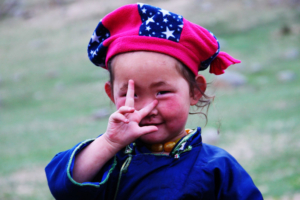 Mongolia is a vast country in East Asia, bordered by China and Russia, with a population of about 3.5 million people, nearly half of whom live in the capital city, Ulaanbaatar. Once part of the Mongol Empire and later a Soviet satellite, Mongolia has undergone a rapid political and economic transformation since the 1990s. Today, it is a democratic state with a growing, resource-based economy. However, the country still faces infrastructure gaps, urban-rural inequality and a fragile health system stretched across immense distances.
In the context of public health, Mongolia has been largely spared from large-scale epidemics. HIV prevalence remains low, but that does not mean the risk is absent. For a nation often overlooked in global health discussions, Mongolia’s quiet battle against HIV is a story of early success—and urgent, unfinished business. Here is information about HIV/AIDS in Mongolia and efforts to combat it.
The Prevalence of HIV/AIDS in Mongolia
Mongolia has maintained a low overall HIV prevalence, estimated at around 600 people living with HIV in 2023. Men account for a significantly larger proportion of cases than women. While the numbers remain low compared to other countries, the number of cases has been slowly increasing over time. This highlights the need for sustained prevention efforts and real awareness campaigns.
The country reports fewer than 100 AIDS-related deaths annually, a reflection of progress in raising awareness, early detection and improved access to antiretroviral therapy (ART). However, treatment coverage remains below international targets; approximately 39% of people living with HIV receive ART, falling short of the UNAIDS 95-95-95 goals aimed for 2030. Without adequate treatment, the virus risks spreading further, especially among vulnerable populations.
Key Populations Most Affected by HIV/AIDS
Sexual contact is the primary mode of transmission. Certain groups carry a disproportionate burden of HIV infection:
- Men who have sex with men face stigma and discrimination, which discourages them from seeking timely treatment.
- Sex workers are at higher risk due to multiple partners and inconsistent condom use, compounded by social barriers to health care.
- Transgender people experience similar stigma, limiting their access to prevention and treatment services.
- People who inject drugs face heightened risk due to needle sharing, with limited awareness of safe injection practices in Mongolia.
Poverty and HIV/AIDS in Mongolia
Poverty exacerbates vulnerability to HIV infection and limits access to health care services in Mongolia. Many people living in poverty, particularly in rural and ger (traditional tent) districts around Ulaanbaatar, face barriers such as transportation costs, limited health care infrastructure and social stigma. These challenges reduce access to testing and treatment, increasing the risk of undiagnosed and untreated infections.
Mongolia’s Efforts To Address HIV/AIDS
To address these challenges, Mongolia has implemented several programs focused on vulnerable populations and poverty reduction:
- Since August 2023, the Payment-for-Results model has incentivized NGOs to increase HIV testing and outreach among key populations, linking funding to performance outcomes.
- The Undarga microfinance program, piloted since 2010, targets women engaged in sex work, offering financial education and savings services to reduce reliance on risky income sources.
- Mobile health clinics that have support from the World Health Organization (WHO) and international partners bring HIV testing and health care services to rural and nomadic communities, overcoming geographic and economic barriers.
Looking Ahead
Mongolia has kept HIV prevalence and AIDS-related deaths relatively low, but a slow rise in new cases, especially among impoverished and stigmatized groups, presents ongoing challenges. Addressing poverty’s role in HIV vulnerability and improving health care access through innovative programs and sustained investment will be essential for Mongolia to sustain its progress and meet international targets. With continued commitment, Mongolia can look forward to a healthier future.
– Julia Skowrońska
Julia is based in Wrocław, Poland and focuses on Global Health for The Borgen Project.
Photo: Flickr
