Posts

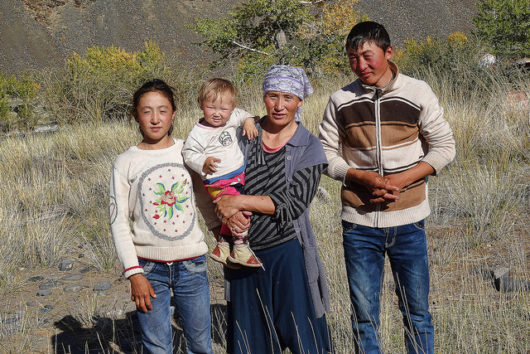
Disabled in MongoliaLooking at the developing world on a global scale, persons with disabilities (PWD) show a higher likelihood of poverty and lower human development indicators. The resources allocated to PWD in impoverished nations- specifically Asian countries- are fragmented. Studies show that an increase in inclusivity and betterment of infrastructure can improve the statistics of disabled people living in poverty- specifically in countries such as Mongolia. 

Little Information Available

One can attribute an increasing amount of recognition of the rights of PWD to Conventions on the Rights of Persons with Disabilities. This convention has been a catalyst for change in terms of inclusive societies that allocate resources to helping PWD, specifically in Asian countries since there is little information available for analysis on behalf of how disabilities affect impoverished communities.  

It is hard to determine the progress because of deep-rooted stigmas and cultural stereotypes that hinder the acknowledgment of PWD. Mongolia specifically shows interesting statistics that show just how society deals with disabled people where the culture hinders the recognition of disabilities. Firstly, there is a decrease in reported disability in the ages of individuals who are legally allowed to receive pensions. Secondly, statistics show that it is more likely for men to have disabilities in these societies than women, who simultaneously also tend to live longer than their male counterparts, according to a 2019 Asian Development Bank (ADB) report.

With a reported 4% of Mongolian citizens living with a disability, the poverty incidence is “more than doubled” within these households. On top of this, “70% are not working compared to 36% of working-age people without disabilities,” ADB reports. Although specific classifications in Mongolia clarify what specifically qualifies as a disability, these classifications have historically recognized mainly adults. Children with disabilities are often never sent to aimags, or hospitals where the formal recognition of disabilities starts. Poverty and disability in Mongolia continue to grow because of a lack of recognition in the early stages of the affected demographics’ lives. 

Hard-To-Reach Populations

Because external and internal factors (increasing unregistered urbanization, internal migration and capacity and resource constraints) create hard-to-reach populations that have seen increased recognition of the rights of persons with disabilities, it’s a recognized struggle to provide social services to individuals with disabilities in these hard-to-reach populations, according to ADB. This manifests itself in the stunting of systematic delivery of social services, namely residential care settings, which are the primary type of services PWD get in Mongolia. It is through the inclusion of individuals who fall within these populations that progress starts. 

Development centers are a viable option for improving disability and poverty in Mongolia. The ADB and Mongolia’s Government have moved towards implementing centers for PWD. Prime Minister Oyun-Erdene Luvsannamsrau attended the openings of said developments, and it is with the intention that all 21 provinces and nine districts of Ulaanbaatar will have such centers in the future. Poverty and disability in Mongolia started to see remedies within the cause itself as authoritative figures brought attention to the cause.

Moving Towards Inclusion

Targeting aimags as places disabled people in Mongolia can go to to obtain resources and simply recognition for their disabilities is a common and effective example of how a change in infrastructure can help to tackle the 4% of Mongolia’s population of persons with disabilities that exist in poverty. 

While there are some recognized hindrances of disability outreaches in Asian countries such as Mongolia, this is not to say that there is no future of change. Although it is hard to change populations of people that their culture and stigma hold back, Mongolia is in a “phase of transition,” and moving towards a more inclusive social climate and progressive disability-centric infrastructure, according to ADB.

– Hailey Nurry

Hailey is based in Avondale, PA, USA and focuses on Technology and Global Health for The Borgen Project.

Photo: Pixabay

Responsible TourismMongolia, the birthplace of Genghis Khan and home to a sweeping landscape of plains and nomadic traditions, transferred to a market economy in the ’90s, resulting in privatization and, unfortunately, increased poverty. More than 6% of the population lived in poverty in 2018 and it has become significantly worse since COVID-19.

Responsible tourism is a way to address this and experience a once-in-a-lifetime trip. Responsible or ethical tourism, refers to holidaymakers and travelers spending their money respectfully and consciously. This can include staying in local accommodations, residing with families from the respective countries, or opting for package deals that support excavations without exploiting the culture, environment or people.

According to the World Bank, tourism and hospitality is the third largest sector in the country. Here are some ways in which to be a responsible tourist.

Sleeping Like a Local

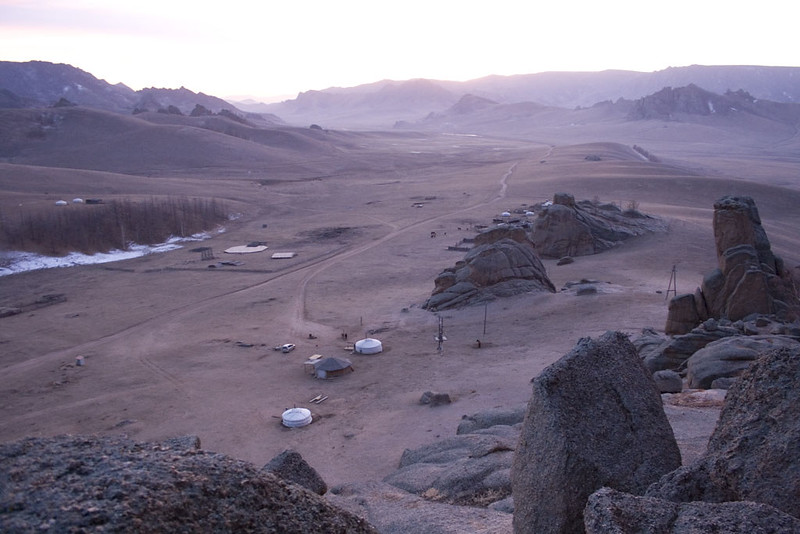
Poverty is more prevalent in urban areas than in rural areas and traditional nomads are experiencing the most significant impact. An effective way to support them is by actively engaging with their communities, such as by sleeping among them. More than half of the Mongolian population resides in portable homesteads known as “gers,” a round open structure without walls that symbolizes the country’s nomadic history.

Choosing to stay with nomadic families in their homesteads or “gers,” not only offers an authentic experience of traditional life but also benefits the local population. This choice provides income to herders and families while fostering cultural exchange. Furthermore, visitors can contribute financially and through labor, as specific travel organizations like Projects Abroad offer working holidays where tourists actively participate in the daily workload.

Support Local Communities

By purchasing local food, produce and locally crafted souvenirs, individuals actively support local businesses and contribute to the income of rural families. This practice also aids in reducing urban migration and fostering business growth. Numerous tour operators collaborate with community-driven projects, ensuring that a portion of their profits is invested in the community through health care, education or infrastructure development in remote regions.

For instance, “Tour Mongolia” operates a “nomad library,” supplying books to rural children who may not otherwise have access to education. Another example is “Mongolian Travel and Tours,” which directly and fully compensates families providing services for tourists.

Stay Green

Incorporating a green agenda into tourism is possible and the two concepts complement each other. For instance, in the Khovsgol province, a joint effort between the local government and nongovernment organizations has led to a community-based ecotourism initiative. This initiative offers accommodations, such as staying in a ger with a local family and extends to actively contributing to the preservation of the area’s distinctive ecosystem.

Similarly, in Ulaanbaatar, the capital, investment and initiative in green infrastructure have resulted in the installation of solar panels and green roofs. This initiative is worth exploring for those seeking an education on sustainable living.

Whether through choosing an ethical tour operator or making a conscious decision to be a responsible tourist, it is possible for a once-in-a-lifetime trip not only to bring happiness to the traveler but also to impact the communities visited positively.

– Jack Timmins
Photo: Pixabay

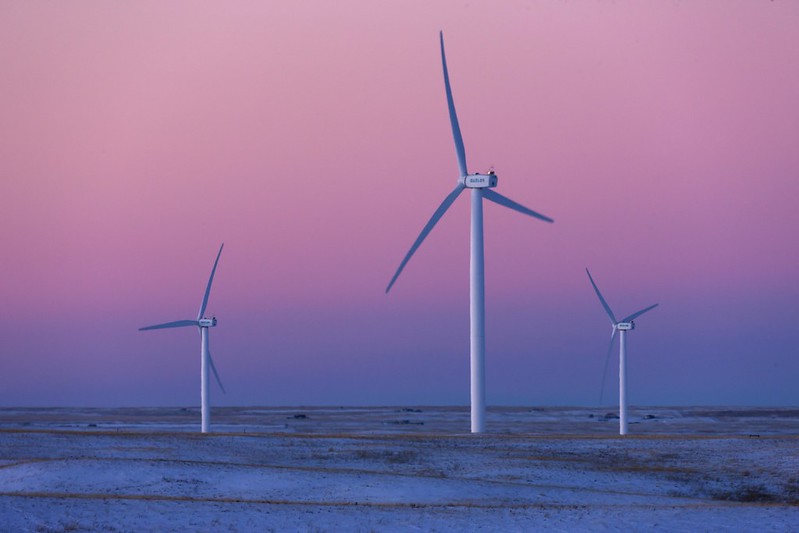
Poverty in Rural Eastern Asia Around 75% of the rural Eastern Asian population struggles to afford food, with an estimated 320 million living on less than $2.15 a day. The employed population in the region largely works in the agriculture sector where three out of four people in rural communities are poor. Families cannot afford to relocate to well-paid urban jobs. As a result, they continue to live in a poverty cycle. Countries such as Vietnam and Cambodia have up to 90% of their rural population living in poverty. Factors such as hunger issues, natural disasters and health care impact poverty in rural Eastern Asia greatly.
Poverty in Rural Eastern Asia

  • Mongolia: Rural areas of Mongolia have a poverty rate of 30.8% according to the World Bank, with two out of every five children living in poverty. Education heavily impacts poverty in Mongolia, as only 10% of Mongolians are able to complete university-level education. A lack of education and skills affects the jobs people can send in applications for, and this impacts Mongolians as it’s harder for many of them to enter urban employment for better-paid jobs.
  • Philippines: Half of the 100 million people in the Philippines live in rural areas with the main source of income consisting of agricultural employment such as fishing and farming. Illiteracy, unemployment and poverty are more common in Indigenous people and people living in upland areas. With an overall poverty rate of 25%, a decrease in agricultural productivity and unprofitable farming businesses stand as leading causes due to limited access to technology and knowledge.
  • Thailand: Despite major efforts to reduce poverty in Thailand, its rural sector, including agricultural households, remains poor with a poverty rate of 79%. Impacts from the COVID-19 pandemic affected the rural economy much greater than the urban, with the World Bank reporting that 70% of rural households reported decreased income levels since March 2020. The average monthly income is 68% of urban households. With the highest income inequality rate in Eastern Asia and the Pacific as well as the impacts of droughts, Thailand’s agricultural sector has been impacted heavily by economic and environmental factors. These recent droughts have caused dried-up land/soil impacting the production and quality of farming in these areas.

Improving the Socioeconomic Impacts in Mongolia

Asian Development Bank (ADB) donated $73 million toward easing Mongolia’s socioeconomic impacts from COVID-19. It also provided a $30 million loan to improve livestock production in central Mongolia. These donations have been effective in strengthening food security and traceability for communities.

Agricultural Development Projects in the Philippines

Since 1978 the International Fund for Agricultural Development (IFAD) has donated $243.7 million to fund 15 agricultural development projects in the Philippines, directly benefiting 1,742,000 households and enabling poverty-ridden rural communities to improve their income and food security as well as education and health care. IFAD also supported technology operations to improve soil and water management through the use of micro-catchment techniques that will support local fishermen.

The Baan Mankong Program in Thailand

The Baan Mankong program was one of many that transformed Thailand’s poverty rates. The program focused on improving housing, communication between citizens and the government and improving drainage systems. With $191 million, it supported 320 cities/districts, many of whom reside in the city.

Looking Ahead 

Despite negative outlooks on rural poverty in Eastern Asia, its rapid economic progress has been notable, lifting millions out of poverty. Between 2008 to 2018, GDP per capita grew at a rate of 6.7% each year, beating the global rate of 1.5%.

Organizations like ADB have contributed massively throughout COVID-19 and afterward to continue to improve rural communities through better health care, sustainable equipment, improved technology and food security. East Asia has contributed to the global reduction of extreme poverty with countries such as China, Thailand and Malaysia securing poverty rates below 1%. However, with many people still not economically stable in Eastern Asian countries, there appears to be room for more progress.

– Joshua Rogers

Photo: Flickr

Investing in Renewable Energy in MongoliaEnergy access has surged in Mongolia in recent years. From 2010 to 2018, the percentage of the population that had access to energy in Mongolia increased from 78.5% to 98.1%. In rural areas, the percentage of people who had access to electricity in 2010 was roughly 41.9% and that number grew to about 94.6% in 2018. This increase in energy access coincides with renewable energy projects in Mongolia that the country has invested in.
Mongolia and Energy

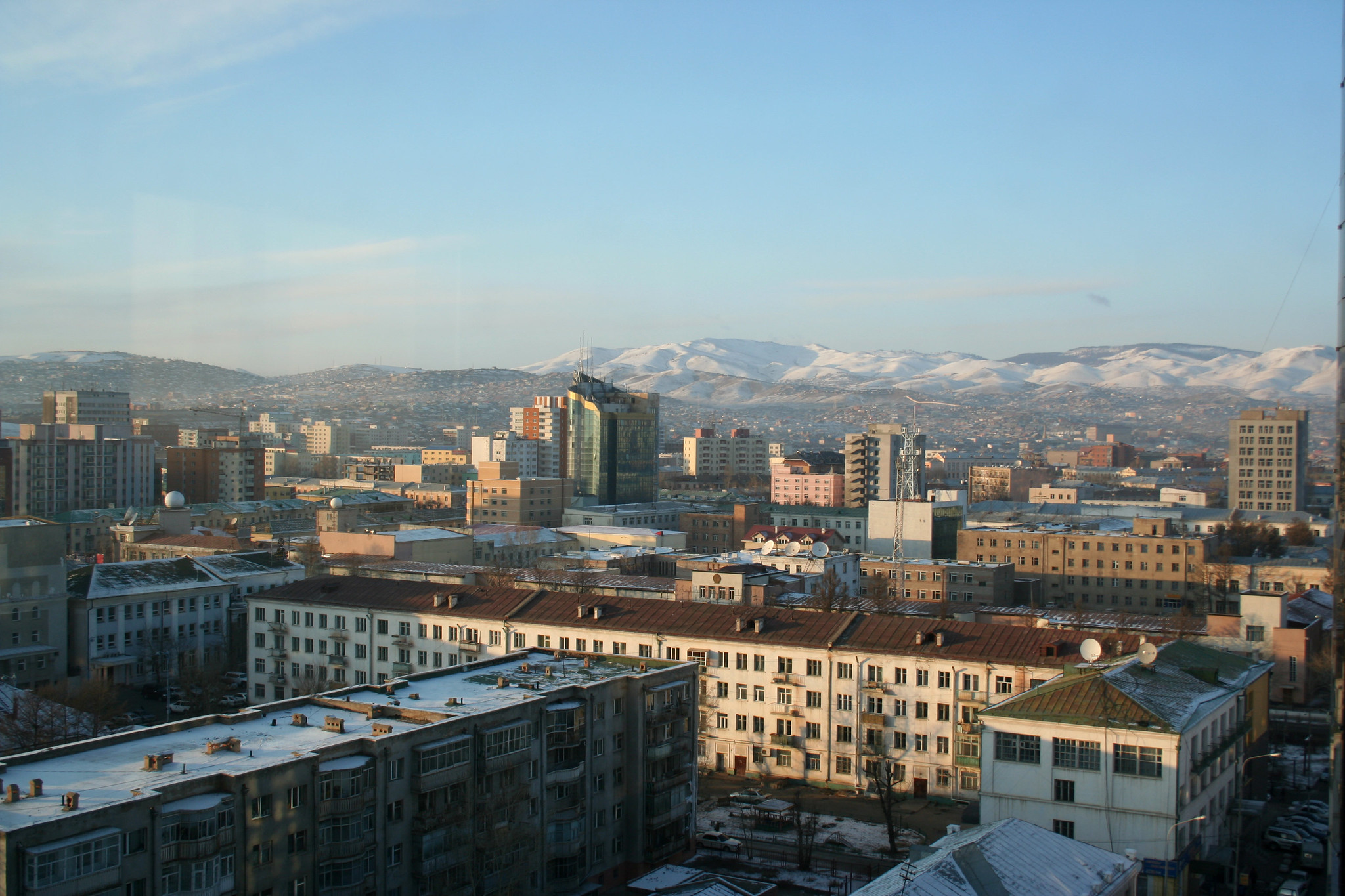
Mongolia relies on imported coal for most of its energy. In 2018, 93% of all power generated from the country’s Central Energy System came from coal plants. However, the coal sector cannot maintain the country’s energy demand for the growing population. Fortunately, the potential for wind and solar energy in Mongolia is believed to be 2,600 gigawatts. This would provide enough energy for all of Mongolia and even Northeast Asia.

The Renewable Energy and Rural Electricity Access Project (REAP)

One of the first projects to capitalize on renewable energy in Mongolia was the Renewable Energy and Rural Electricity Access Project (REAP) which was completed from 2007 to 2012. The goal of the project was to provide herders access to electricity by selling and installing solar home systems (SHSs). At the time, herders were among the most impoverished people in the country. Fortunately, the SHS units provided under the REAP project greatly improved more than 70% of herders’ electricity access in Mongolia.

Photovoltaic Solar Energy (PV)

In 2017, the Second Energy Sector Project (SESP), presented by Mongolio’s Ministry of Energy, was approved by the World Bank. The project’s objective is to renovate and expand Mongolia’s energy infrastructure. The $54.4 million in funding would help supply nine of the country’s provinces and install Mongolio’s first large-scale build photovoltaic solar energy (PV) plant.

Mongolia’s investment follows the successful implementation of PV systems in China. According to Nature, “Of China’s 10 poverty-alleviation projects, its development of photovoltaic-based solar power has been one of the most successful.” In just three years, the solar installations helped 800,000 impoverished households in China. In Lixin, a county in China, the PV systems provided about $440 in extra yearly income to families.

Looking Forward

The government continues to invest in renewable energy in Mongolia. In April 2020, funding was approved to install the world’s largest Battery Energy Storage System (BESS). The project is set to be completed in 2024 and will “supply 44 gigawatt-hours of clean peaking power annually, and support the integration of an additional 859 gigawatt-hours of renewable electricity into the CES grid annually.” The PV systems and BESS are just two new installations of many that are set to tap into the potential of renewable energy in Mongolia and help improve the quality of life for many.

– Sophie Shippe
Photo: Flickr

Poverty in Mongolia
Mongolia is a landlocked nation in East Asia, caught between Russia to the north and China to the South. Since transitioning into a capitalist democracy in the 1990s, it has become one of the region’s fastest-growing economies. However, various issues such as poverty and uneven economic growth are holding Mongolia back. Here are five facts about poverty in Mongolia.

5 Facts About Poverty in Mongolia

  1. Poverty Rates: According to the World Bank, 28.4% of Mongolians lived below the poverty line as of 2018. The Mongolian poverty line is defined as living off 166,580 Tugrug ($66.4 USD) per month. A further 15%  are vulnerable to falling into poverty due to unforeseen events. Taken together, these statistics show that two out of every five Mongolians live in or close to poverty.
  2. High Inflation: Mongolia has been experiencing rapid inflation over the past few years, compounding the issues surrounding poverty in Mongolia. Inflation rates increased from 0.73% in 2016 to 7.26% in 2019. This financially strains vulnerable communities that already struggle to provide for necessities. High inflation notably impacts the urban poor more than the rural poor; while the urban poor need to buy all their food, many rural herders and farmers can produce much of their own food and gain greater profits from increased prices.
  3. Uneven Economic Growth: Mongolia’s GDP has grown in the past few years, but that does not mean that everyone has benefited. Approximately one-third of Mongolian GDP growth comes from mining, which only employs about 6% of the total population and relies heavily on foreign investors. Rural areas are experiencing continuing economic growth due to increased livestock prices, as well as higher rates of consumption and decreasing poverty rates, as opposed to their urban counterparts. This is most evident in the rates of herders who fall below the poverty line. According to the World Bank, “Herders were among the poorest in 2010, but now only one in three herders are estimated to be poor.”
  4. Rural Versus Urban: One can best see this uneven economic growth in the divide between the rural and urban poor. While poverty percentages have decreased in rural areas, the rate of urban poverty has remained unchanged. As previously stated, those in rural areas are experiencing economic growth while the urban poor experience stagnation. Rural poverty decreased from 34.9% in 2016 to 30.8% in 2018, while urban poverty hovers just above 27%. While the rural poverty percentages are still higher, it is important to keep in mind that 63.5% of the poor live in cities.
  5. Poor Living Conditions: Due to the country’s nomadic past, gers (traditional Mongolian tents), are still widely used throughout the country. These structures are cheap compared to apartments and other housing arrangements, with both the rural and urban poor living in them. A reported 57% of all poor Mongolians live in gers. However, most gers lack many modern necessities such as insulation and running water. This exacerbates the fact that nine in 10 poor Mongolians lack access to various basic infrastructure services like sanitation and heating. The central government is continuing to address these issues and is attempting to move those living in gers into more modern housing.

The Good News

Mongolia has been experiencing nearly 30 years of economic growth and social development. Many experts describe Mongolia as “The Wolf Economy” due to its massive growth and supply of natural resources. The nation has tripled its GDP since 1991 with help from international groups and smart government investments. Health care industries have seen a massive improvement, with Mongolia seeing declines in maternal and child mortality rates. The government has also instituted various programs to help people out of poverty in Mongolia and raise the general standard of living. The United States has provided aid and development funds to help strengthen the Mongolian economy and promote democratic political reforms. As a result, the US is Mongolia’s fourth-largest import partner, valuing more than $200 million in items such as machinery and consumer goods. Various American businesses also operate within Mongolia such as Visa, Caterpillar Inc. and GE.

– Malcolm Schulz
Photo: Flickr

Ger Districts in Mongolia
Mongolia is changing rapidly. A society that had a not so distant past defined by nomadic herding on the steppes has become heavily urbanized in only a few decades. Today, around 70 percent of Mongolians live in cities. Nearly half of the population lives in the capital of Ulaanbaatar alone.

This quick change was set in motion in the early 2000’s by a booming new mining industry that promised the opportunity for those willing to move to the cities. It hasn’t come without drawbacks, though. As the economy stalled in recent years, the steady stream of jobs and money dried up. Every year, thousands of Mongolians moved to the cities, but the cities weren’t ready for them.

Finding no place for themselves in the developed parts of cities, these people set up semi-permanent camp in ger districts on the outskirts. Gers are the traditional tent dwellings of Mongolian nomads. While they are tested against the harsh conditions of the Mongolian steppes, they have not adapted well to the urban environment.

Difficulties in the Ger Districts

Ger districts are home to a significant part of the Mongolian population. Nearly 800,000 people live in Ulaanbaatar’s ger districts alone. That’s more than 25 percent of all Mongolian citizens. With this in mind, the poor living conditions that these people face are especially concerning.

The districts have very limited access to utilities and infrastructure. Residents do have access to electricity, but they must purchase water from government kiosks. Waste removal is also inefficient and infrequent.

Few homes in the ger district can tap into to the city’s heating system. Around 85 percent of households rely on wood or coal-burning stoves for warmth. These stoves are inefficient and are a massive source of pollution, especially in the winter when they must be kept burning throughout the day. They are one of the primary reasons that Ulaanbaatar is one of the most polluted places in the world.

The hastily-constructed districts have poor transportation infrastructure as well. A lack of street lights means that crime rates rise after dark. Most roads are made of dirt and are difficult to keep passable and safe. Public transportation is rare, which leaves many people in the ger districts unable to travel to the schools and jobs that enticed them to cities in the first place.

Building the Apartments

Improving living conditions in the ger districts is a difficult task, but one that the Mongolian government is taking seriously.

One of the most straightforward ways to move forward is to develop apartment complexes for people living on the outskirts of cities. This would help address several problems at once.

Apartments are much easier to integrate into the city’s heating system. Bringing each ger into the system could cost from $2,000 to $4,000, while apartment units would only cost less than $500. Apartments are also better insulated than gers, which means heating would be cheaper and more efficient in the long run. Reducing the use of stoves necessary for so many gers could also mean a significant improvement in Ulaanbaatar’s pollution problem.

Unfortunately, the apartment-building strategy has several problems. Real estate is expensive and difficult to develop in Mongolian cities. The cost required to overcome these challenges also often prices poor ger district residents out of apartments once they are built. Financial services like mortgages are unavailable, which further compounds the problem.

However, while the long-term transition of ger residents into modern living spaces will require both time and economic reforms, many smaller programs have already been able to help people in their daily lives.

Implemented Programs

An example is the World Bank’s Ulaanbaatar Clean Air Project. The project provided home insulation and almost 200,000 energy-efficient stoves to the capital’s ger districts. After the project, air pollution in the city dropped for four years in a row. Pollution is on the rise again today thanks to a steadily increasing population, but the project is proof that even more moderate interventions can make a big difference.

This year, the Asian Development Bank announced the $80 million loan to develop sustainable, eco-friendly mini-districts within the larger Ulaanbaatar ger districts. Other international groups like the United Nations Development Program (UNDP) and the International Finance Corporation (IFC) have also offered aid to the Mongolian government with financing and infrastructure.

It is clear that the problems faced by ger districts are complicated and will not be solved overnight. The Mongolian government and economy are still very young and development will need to be approached carefully.

However, while the people of the ger districts are caught in transition, they have not been forgotten. Improvements are already being made and will continue to be made as long as the cooperation between Mongolia and the international community can continue.

– Joshua Henreckson
Photo: Flickr

poverty and overcrowding
The world is experiencing rapid population growth and urbanization. Advances in medicine have allowed for increased life expectancy as well as decreased infant mortality, while birth rates have largely remained unchanged. This combination of circumstances has lead to great growth; between 1999 and 2011, the population increased by nearly one billion people.

The population increase has led to rapid urbanization. People migrate to cities with the promise of economic or educational opportunity, technological advancement and access to health care. It is estimated that by 2050, 66 percent of the world’s population will live in urban areas.

This urbanization of cities that are neither prepared nor equipped to deal with overcrowding places strain on both natural and manmade resources alike. The following is a list of five cities suffering from both poverty and overcrowding.

Five Major Cities Dealing With Poverty and Overcrowding

  1. Mumbai, India: With a population density of 171.9 people per square mile, India is notorious for overcrowding. Mumbai is no exception, with a population near 23 million and a population density of almost 70,000 people per square mile.Mumbai serves as India’s commercial hub and is home to the Bollywood industry, making it prone to migration. Yet, those with hopes of Bollywood often end up in prostitution or organized crime. The population has doubled in 25 years, leading to many slum neighborhoods.In fact, half of the population of Mumbai lives in overcrowded, unsanitary slums that comprise only eight percent of the city’s geographic area. Although great wealth exists throughout Mumbai, poverty and overcrowding continue to increase.
  1. Dhaka, Bangladesh: Being named the most densely populated city in the world in 2015, Dhaka suffers from overcrowding and poverty alike. It has also been named to lists of least livable cities and fastest growing cities.Its population is over 18 million, with a density of 114,300 people per square mile. Roughly one-third of Dhaka’s residents live in poverty, with two million inhabiting slums or without any form of shelter.
  1. Lagos, Nigeria: Lagos is Africa’s fastest growing city. In 2017, the population was 21 million; the U.N. predicts that this number will rise to over 24 million by 2030.Situated between the Atlantic Ocean and a lagoon, Lagos is Nigeria’s commercial capital. Yet, 300,000 people live in slum neighborhoods and make a living by fishing out of hand-built canoes.  One-fifth of the city’s residents live in poverty.The slum houses are fashioned from scrap-metal and elevated on stilts to protect against flooding. There is little access to clean water, electricity or quality education. The majority of slums are built along the coast, causing friction with the wealthy as well as the government, which has evicted many communities on faulty logic in order to seize the land.
  1. Manila, Philippines: Manila has a population of 1.7 million and a land area of less than 10 square miles, leading to a high population density of over 170,000 people per square mile. Manila serves as the Philippines capital and home of its banking and commerce industries.In Manila, 600,000 people live in slum districts, which are ridden with disease and malnutrition. Many kids do not attend school, as parents are often forced to choose between feeding the family or sending the kids to school.
  1. Ulaanbaatar, Mongolia: Ulaanbaatar boasts the highest population density on this list, with over 760,000 people per square mile. The influx in population resulted in unplanned neighborhoods known as “ger” areas, which house 60 percent of Ulaanbaatar’s population but are vulnerable to natural disasters and lack water and sanitation sources as well as electricity.A number of expensive apartment buildings mark the city’s skyline, yet many of these buildings remain empty due to the high cost of living. The government intervention has tended to benefit the upper-income subgroups, rather than those living in poverty.

Poverty and overcrowding are endlessly entwined. Rather than placing a halt on migration and urbanization as many cities have attempted, lack of affordable housing, quality water and sanitation facilities, education opportunity and food shortages ought to be addressed. Cities must respond to the growing demands that come with overcrowding in order to help alleviate poverty and decrease hardship.

– Jessie Serody
Photo: Flickr