• Link to X
  • Link to Facebook
  • Link to Instagram
  • Link to TikTok
  • Link to Youtube
  • About
    • About Us
      • President
      • Board of Directors
      • Board of Advisors
      • Financials
      • Our Methodology
      • Success Tracker
      • Contact
  • Act Now
    • 30 Ways to Help
      • Email Congress
      • Call Congress
      • Volunteer
      • Courses & Certificates
      • Be a Donor
    • Internships
      • In-Office Internships
      • Remote Internships
    • Legislation
      • Politics 101
  • The Blog
  • The Podcast
  • Magazine
  • Donate
  • Click to open the search input field Click to open the search input field Search
  • Menu Menu

Tag Archive for: Poverty in Haiti

Posts

Global Poverty, Nonprofit Organizations and NGOs, War and Violence

The Humanitarian Crisis and Women in Haiti

Women in HaitiThe ongoing humanitarian crisis in Haiti has forcibly displaced an estimated 300,000 people, with women and young girls being the most vulnerable groups. These women not only struggle with the loss of their homes but also face the violent threats posed by criminal gang members. As tensions escalate in the country’s capital, access to health services, food and clean water has become increasingly scarce. International aid representatives are urging the Haitian government to act against the violence and to prioritize women’s voices and experiences in their political agenda.

Women at the Forefront of the Crisis in Haiti

Following the assassination of President Jovenel Moise in July 2021, Haiti fell into a state of political instability. The country’s capital, Port-au-Prince, became a center for gang violence. Since then, violence has victimized a total of 5,400 individuals and authorities have reported an additional 3,000 murder cases. Women, among the most vulnerable residents, are experiencing an unprecedented increase in gender-based violence. Many women face risks of sexual exploitation and sexual slavery.

In a study conducted in 2023 by the women’s organization, MARIJAN, 63% of the 299 women and girls from marginalized neighborhoods in Port-au-Prince responded that they were forced to relocate due to the ongoing violence. Additionally, one in five of these women disclosed that they had been victims of rape and 17% reported experiencing some form of physical violence. Natalie Eleanor Virginia, General Coordinator for MARIJAN, IRC partner organizer in Port-au-Prince, observes: “Women and girls are faced with an inhuman social reality. In marginalized neighborhoods, they are exposed to physical and psychological violence; beatings, intimidation, gang rape and murder are some of the methods gangs use to establish their domination and force women and girls into total submission”. 

Virginia clarifies that those who have managed to escape their neighborhoods and have sought refuge in one of the many camps around Port-au-Prince are not exempt from the dangers. On the contrary, physical and verbal violence and sexual exploitation remain prevalent in the camps. Instances of female kidnappings have also been on the rise. In 2023, nearly 1,000 women were reported missing– which is almost equal to the number of victims in 2022 and practically three times more than in 2021. The number of women at risk of being kidnapped will only continue to rise as many roads they travel are under the control of various gangs.

Gang Violence and Medical Access in Haiti

Over the last three years, the increasing number of gang-related attacks on hospitals in Port-au-Prince has severely limited people’s access to health care services. Less than half of the capital’s health facilities are still operational and they risk running out of supplies. In March of this year, the United Nations (U.N.) warned that about 3,000 pregnant residents of Port-au-Prince might soon lose access to essential health services. Among these women, an estimated 450 could face life-threatening complications.

The U.N. also noted that an additional 521 victims of sexual violence would be unable to access medical services. Even before the crisis, Haiti struggled to provide adequate health services for its female residents. Each year, more than 1,500 Haitian women die from childbirth or pregnancy-related complications. Additionally, only 3% of rape victims receive the necessary treatment within 72 hours of the incident.

Lending a Voice and Hand to the Silenced

In early May 2024, the U.N. held a press conference to highlight recent developments in Haiti concerning its female residents. The panel of experts expressed concerns about the insufficient aid provided to Haitian women. Additionally, it criticized the Haitian government for undermining state institutions designed to serve the most vulnerable populations. The experts also revealed that the government’s failure to effectively address corruption has made it complicit in gang violence and activities. A panelist emphasized the gravity of the situation, stating, “No one should be forced to choose between their safety and their ability to provide for themselves and their families, attend school, access health care and basic services, including sexual and reproductive care.”

The UNFPA has also spoken out for the cause, demanding additional funding. Since the crisis began, the organization has supported three hospitals in Port-au-Prince that provide maternal health services. Additionally, the UNFPA has supplied 13 health centers in the country’s capital and neighboring regions with necessary items, including rape kits.

The U.N. Women has contributed its share of aid by partnering with Rapha International. Together, they have provided emergency aid to female survivors of sexual violence, including counseling, medical assistance, economic support and refuge. The two organizations have also developed an online platform that allows victims of sexual violence to seek medical and psychosocial assistance anonymously. Since its launch, more than 2,000 women have used the system. Additionally, it has enabled approximately 230 women to access hygiene kits or food supplies.

Taking Matters into Her Own Hands

Despite the grim political state in Haiti, the women continue to demonstrate strength and resilience. Many have united and now identify themselves as “peace mediators.” This newfound hope stems from the creation of the project “Fanm Djamn Pou Lape.” The project focuses on empowering women and encourages their participation in peacebuilding efforts.

Since its inception in 2022, 97 women from various metropolitan areas around Port-au-Prince have committed to resolving conflicts within their communities. The project has successfully developed safe havens and brought together victims of gang-related violence. It aims to build and strengthen communities by focusing on collective memories. Matienge, a young woman and member of the project, explains, “By encouraging collective remembrance of past experiences, we have fostered a shared understanding of events, promoting reconciliation and building both individual and community strength.”

Looking Ahead

The humanitarian crisis in Haiti continues to severely impact women and girls. It exacerbates their vulnerability to violence and limits access to essential services. The U.N. and various organizations are calling for urgent action and increased aid to support these affected populations. Initiatives like “Fanm Djamn Pou Lape” demonstrate the resilience and determination of Haitian women. They play a crucial role in peacebuilding and community strengthening amid ongoing challenges.

– Yasmine Nowroozi

Yasmine is based in Laval, Quebec, Canada and focuses on Global Health and Politics for The Borgen Project.

Photo: Flickr
July 17, 2024
https://borgenproject.org/wp-content/uploads/borgen-project-logo.svg 0 0 Precious Sheidu https://borgenproject.org/wp-content/uploads/borgen-project-logo.svg Precious Sheidu2024-07-17 03:00:422024-07-16 01:18:24The Humanitarian Crisis and Women in Haiti
Charity, Child Poverty, Global Poverty

Hope for Haiti’s Children: The Organization Helping Haiti’s Orphans

Hope for Haiti's ChildrenChild poverty is one of the most concerning global issues and one of the countries most affected by this problem is Haiti. More than three million children in Haiti require humanitarian assistance, with 1.2 million of them being orphans. The large population of orphans can be attributed to natural disasters, diseases and conflict in the country. Following the 2010 earthquake, the number of orphanages in Haiti increased by 150%, resulting in an “orphanage crisis” with around 760 orphanages in the country.

Hope for Haiti’s Children

Hope for Haiti’s Children (HFHC) is a nonprofit organization that works with orphans and other impoverished children in every phase of their lives, providing aid in nutrition, housing, health care, education, training and spirituality. Moreover, the organization offers sponsorship programs for underprivileged Haitian children, which benefit not only the children themselves but also their families, schools and communities. HFHC has also achieved sustainable nutrition goals by building a chicken coop and enriching the diet of the children by feeding them eggs. A protein-rich diet will help children battle malnutrition and prevent stunted growth. The chicken coop is also used to educate them about animal farming.

Sponsorship Programs

Last year, the Promising Adult Continued Education Sponsorship (PACES) program was introduced. It focuses on training the future labor force of the country with variable marketable skills and trades. The program is divided into two categories: residential and off-site training. The former is for younger students and includes the subjects of computer, language, baking, gardening and sewing. The latter includes the trades of solar technology, nursing, electrical work, plumbing, culinary arts, tile laying and cosmetology. As of 2022, 17 students enrolled in the program and were certified, becoming competitive in the local job market.

Fritz, a PACES program graduate, was able to enroll in university after completing the program. HFHC has sponsored him since he was 5 years old and he still maintains contact with his sponsor, whom he considers his mom. Now, he works as an outreach minister in the city of Thomazeau and trains local leaders through his leadership seminars, mentoring 200 teens of HFHC. His mom expresses her pride over Fritz’s journey. She has been an HFHC sponsor since 1995, supporting many of Haiti’s children during the years and contributing to educational, health care and lunch programs.

Vision 2030

In view of this, Project Hope was developed in 2019 as a long-term plan for improving the organization’s infrastructure by 2030. This includes doubling the capacity of the Thomazeau Christian Orphanage to accommodate 24 children, building a health and wellness clinic at the Hope Center in Thomazeau and extending the Hot Lunch Program to all its schools.

Additionally, HFHC aims to equip every school with a qualified nurse to follow up on medical needs and educate parents and children on health and wellness. It also aims to expand schools to have individual classrooms for each grade instead of shared space and ensure that each school has the physical build-up to provide schooling for the entire 13-grade curriculum. Finally, it plans to ensure the availability of vocational and job training programs throughout the year at the Hope Center.

Final Remark

By the end of 2023, Hope for Haiti’s Children had sponsored 2,401 children, 3,000 lunch programs, 3,800 Christmas Joy Boxes and more than 200 Christian Youth Camp Attendees. HFHC’s current success indicates a greater likelihood of fulfilling the Project Hope goals by 2030, which could reduce the child poverty rate in Haiti.

– Hafsa Dijoo

Hafsa is based in Sharjah, UAE and focuses on Good News for The Borgen Project.

Photo: Wikimedia Commons

July 16, 2024
https://borgenproject.org/wp-content/uploads/borgen-project-logo.svg 0 0 Lynsey 2 https://borgenproject.org/wp-content/uploads/borgen-project-logo.svg Lynsey 22024-07-16 03:00:462024-07-15 05:39:39Hope for Haiti’s Children: The Organization Helping Haiti’s Orphans
Aid, Child Malnutrition, Global Poverty

4 Countries Improving Malnutrition with RUTF

4 Countries Improving Malnutrition with RUTFThe global malnutrition crisis significantly impacts millions in underdeveloped nations. According to the World Food Programme, severe food insecurity affects more than 309 million people across 72 countries. This crisis stems from factors beyond poverty, including inadequate dietary intake, limited healthcare services and a lack of access to safe drinking water and resources. Ready-to-use therapeutic Food (RUTF) has become a key intervention in combating global malnutrition effectively.

Improving Malnutrition with RUTF

André Briend and Michel Lescanne developed RUTF more than 25 years ago to offer effective nutritional treatment for malnourished children. This high-energy paste includes ingredients like powdered milk and peanuts, along with essential vitamins, providing substantial nutritional value without the need for water or concerns about rapid spoilage. UNICEF reports that consuming three packets of RUTF daily for six to eight weeks can significantly address acute malnutrition in children and the agency currently distributes approximately 80% of the global supply. Additionally, numerous nongovernmental organizations are involved in distributing RUTF. Several countries have revealed notable improvements in the nutritional status of children and adults facing chronic malnutrition through the use of RUTF.

Yemen

Yemen faces a severe food security crisis, with 56% of its population lacking proper nutrition and nearly 500,000 children suffering from acute malnutrition. In response, UNICEF has partnered with USAID’s Office of Food for Peace and the Bureau for Humanitarian Assistance to combat starvation among children using RUTF. In the Tur Al Bahah district’s Al-Khatabiah area, 20% of children are acutely malnourished. Local health centers, supported by UNICEF, screen for malnutrition, provide RUTF treatment and conduct follow-up check-ups. The treatment has significantly aided recovery, improving conditions for affected families. USAID/BHA has supplied RUTF to address more than 144,000 cases of malnutrition in Yemen, underscoring the critical role of RUTF in combating the nation’s food insecurity.

Haiti

In Haiti, the struggle against malnutrition intensifies amid natural disasters, poor sanitation and economic challenges. With a population of 11.7 million, nearly 4.3 million face acute malnutrition and more than 22% of children under age 5 experience chronic hunger. The country’s escalating violence often hampers access to healthcare centers. To combat this, nongovernmental organizations, like Meds and Food for Kids, deliver nutritional support with their RUTF known locally as “Medika Mamba” or “Peanut Butter Medicine.” This product effectively restores essential micronutrients and is produced following standards set by PlumpyField and Nutriset, global leaders in nutritional solutions. Annually, Meds and Food for Kids produces more than 1000 metric tons of RUTF, achieving a 92% treatment success rate for malnourished children within 8 to 12 weeks.

Ethiopia

In Ethiopia, environmental challenges such as droughts and declining livestock productivity exacerbate food insecurity. The COVID-19 pandemic’s lockdown measures further worsened the situation as nearly one million children lost access to school feeding programs. This has led to acute malnutrition and a rise in micronutrient deficiencies, including iron deficiency anemia and Vitamin A deficiency. To combat this, Ethiopia’s government and UNICEF have committed to protecting vulnerable populations, such as children and pregnant women. Since 2007, Hilina Enriched Foods has collaborated with UNICEF to distribute RUTF to communities in urgent need. This partnership leverages ‘last-mile distribution’ strategies to deliver RUTF directly to health facilities, ensuring timely supply across 240 districts and improving malnutrition management in hard-to-reach areas.

Democratic Republic of Congo

In the Democratic Republic of Congo (DRC), malnutrition affects 40% of children. From June 2023 to June 2024, about 1.1 million children ages 6 to 59 months and 605,000 pregnant women experienced high rates of acute malnutrition. The World Health Organization (WHO) defines child wasting as rapid weight and muscle loss due to insufficient nutrient intake, often exacerbated by inadequate feeding practices and scarce resources. To combat this, the DRC has integrated RUTF into its national healthcare strategy, including listing it on the Essential Medicines List. UNICEF, the Bureau for Humanitarian Assistance (BHA), the World Bank and various NGOs with private funding have supplied RUTF.

Moving Forward

UNICEF has acknowledged the integration of RUTF in national clinical guidelines for malnutrition management across 71 countries. This adoption underscores a growing reliance on RUTF to combat global malnutrition effectively. Nations such as Yemen, Haiti, Ethiopia and the Democratic Republic of Congo have made significant strides by incorporating RUTF into their health strategies, revealing marked improvements in severe malnutrition cases. The support from UNICEF, USAID and various nongovernmental organizations has been instrumental in these ongoing efforts. Continued investment and focus on the programs could be essential for reducing malnutrition and improving health outcomes globally.

– Abigail Lobo

Abigail is based in Mississauga, Ontario, Canada and focuses on Good News and Global Health for The Borgen Project.

Photo: Unsplash

July 5, 2024
https://borgenproject.org/wp-content/uploads/borgen-project-logo.svg 0 0 Precious Sheidu https://borgenproject.org/wp-content/uploads/borgen-project-logo.svg Precious Sheidu2024-07-05 01:30:482024-07-04 03:43:114 Countries Improving Malnutrition with RUTF
Aid, Global Poverty, Nonprofit Organizations and NGOs

Mercy for Haiti

Mercy for HaitiHaiti is the second-largest island in the Caribbean, situated southeast of Cuba. Despite its beauty, Haiti is not only the poorest country in the Americas but one of the poorest countries in the world. In fact, in 2012, the official poverty estimates showed that more than 6 million people in Haiti lived below the poverty line. Additionally, more than 2 million were in extreme poverty.

In 2022, the population was reported to be 11.58 million people. This suggests that more than half of the Haitian population lives in poverty. Statistics also show that about one in five kids die before the age of 6 and that more than 400,000 children are orphans because of the country’s circumstances. However, the people of Haiti are being led to change with the help of a nonprofit organization.

The Mighty Fall

Instability can be blamed for Haiti’s fall from the top. Haiti constantly finds itself in a battle with instability caused by weather, political, social and developmental instability. Examples of this can be seen in its misplaced use of disaster aid and in its lack of access to work services. These actions have caused the country to rely on external revenue and farming. However, with the loss of value in its currency, not even this is enough to keep the nation afloat.

Political and social instability is another thing that Haiti has seen time and time again. Examples are the assassination of the nation’s president in July of 2021 and the population continuing to face tragedy with the inability to support themselves and family. Haiti is also home to gangs that prevent its people from leading their lives. These gangs have ruined many homes and families.

And so, between its unfavorable weather conditions from being placed on a fault line, facing debt with currency deflation and a lack of suitable income and gang violence, Haiti has found itself stuck between a rock and a hard place.

Mercy for Haiti

Despite the odds against it, Haiti has been shown grace by a nonprofit organization called Mercy International. Mercy International was founded by Dr. John Leigner, who felt “led” to aid the people of Haiti after he visited the country in 1974. With more than 100 visits and more than 50 years of work, Leigner and Mercy International are making great impacts.

Mercy International aims to rebuild the community with a helping hand from the gospel. This aim is followed through projects for medical facilities, housing and much more. The movement of this trajectory is nothing short of great for Haiti, considering the mass amounts of poverty, homelessness and orphans in the country.

Mercy’s Impacts in Haiti

Mercy International has established at least three villages in Haiti. This has enabled many residents to move from tent cities into permanent homes. In response to the devastating earthquakes in 2010 and 2020, as well as the 2016 hurricane, Mercy International has been deeply committed to addressing the urgent needs of the Haitian people.

Following these catastrophes, Mercy International built its first village in 2010, providing housing for around 700 people. Despite the subsequent storms, Mercy International persisted, establishing two more villages in southern Haiti. These villages offer more than just housing; they support residents with churches, educational programs and food initiatives.

The initiative’s educational programs in these villages have been particularly successful, resulting in many college graduates. This has been made possible through the dedication of volunteers, sponsorship and donations.

A Good Change

The work of Mercy International is crucial in a country like Haiti, where approximately 1,300 tent cities house an estimated 1.5 million people. Additionally, less than 60% of children attend primary school and 80% do not attend secondary school. The villages, education and supportive community provided by Mercy International are incredibly needed and impactful for the people.

Thanks to Mercy International, Haiti now has three new villages. This is in addition to education, housing, health care and food to support its citizens. As Mercy International continues to lead change in Haiti, more lives will be touched and more change will be seen.

– Yeliz Turkdil

Yeliz is based in Norman, OK, USA and focuses on Good News for The Borgen Project.

Photo: Fickr

June 26, 2024
https://borgenproject.org/wp-content/uploads/borgen-project-logo.svg 0 0 Lynsey 2 https://borgenproject.org/wp-content/uploads/borgen-project-logo.svg Lynsey 22024-06-26 01:30:092024-06-25 03:58:14Mercy for Haiti
Developing Countries, Food Insecurity, Global Poverty

Hunger and Anxiety Amid Uncertainty: Food Insecurity in Haiti

Food Insecurity in HaitiOn May 28, 2024, after the resignation of Prime Minister Ariel Henry and the interim rule of Michel Patrick Boisvert, Gary Conille, a United Nations (U.N.) Development Specialist and former Regional Coordinator of the United Nations Children’s Fund (UNICEF) has been named Haiti’s Prime Minister. This transition in leadership comes at a critical time for Haiti, which has long grappled with political instability and gang violence. Several international actors hope that the new leadership will be able to bring structure and legitimacy to the national government amid the violence within the nation while addressing extreme violence and its impact on food insecurity in Haiti.

General State of Food Insecurity in Haiti

According to the World Food Programme’s (WFP) report, more than four million Haitians are affected by food insecurity, with nearly 1.5 million requiring urgent aid to survive. The cost of food in Haiti has been rising at an unsustainable rate, with average prices being 30-70% higher than in other Caribbean countries. This increase is due to a steady decline in agricultural production caused by years of land degradation and severe deforestation, which has led to an increased demand for imports.

Within the capital city of Port-au-Prince and its surrounding metropolitan area, the United Nations Office for the Coordination of Humanitarian Affairs (OCHA) through the WFP has played a crucial role by providing necessary food assistance for those who have been internally displaced due to gang violence. Currently, there are more than 80 displacement camps within the area and the WFP has directly given aid to nearly 100,000 persons in need.

Environmental Challenges

Haiti is predominantly tropical and mountainous, with 65% of its land considered suitable for agriculture. However, due to extreme deforestation for farming and fuel purposes, the country’s arable land has lost necessary nutrients and root patterns, which allow for healthy soil and seed stability. Additionally, being located in the hurricane belt, the country experiences severe storms and frequent major flooding, worsening the environmental challenges.

The extreme environmental degradation of traditional farmland has led Haiti to increase importation. The country imports more than 700,000 tonnes of rice and wheat for consumption, as agricultural production has been halted or delayed due to current violence. A way to increase food production and assist in replenishing arable land is to develop the average one-quarter-hectare farms to model bush and tree-based permaculture.

Permaculture can be defined as the development of agriculture in an environment that promotes biodiversity and the incorporation of crops into the general ecosystem; permaculture has been shown to improve environmental stability by protecting necessary topsoil erosion and increasing nutrients within soil compositions.

The practice of permaculture has seen success in the Caribbean, with farms in Puerto Rico, the Virgin Islands and Cuba. These examples show an increase in equitable treatment of laborers and the distribution of resources, which contrasts with the current Haitian model of agriculture, where only 60.9% of farmers have access to mechanized assistance and irrigation.

Political Challenges

On March 4, 2024, Haiti declared a state of emergency after more than 3,000 prisoners escaped from its National Penitentiary, located within Port-au-Prince. By April, the violence being perpetrated by the sum 200 gangs operating within Port-au-Prince had severely limited aid distribution as gangs took control of the only airport as well as the country’s largest port.

After President Jovenel Moise’s assassination in 2021 and the subsequent loss of parliamentary legitimacy, the Haitian government has become increasingly outdated and powerless. In this time of turmoil, Henry governed from abroad through decrees, facing criticism from both Haitian citizens and the international community about his legitimacy.

Sanctions and travel restrictions imposed by the international community severely damaged the country’s growing tertiary market economy. Similarly, the general violence has done nothing but exacerbate food insecurity in Haiti, with only 5% of the population receiving humanitarian aid.

Final Remark on Food Insecurity in Haiti

While the issue of food insecurity in Haiti has several facets, the current state of political instability means that no permanent solutions are viable, as the development and implementation of proper environmental change are time-consuming and arduous. However, in March 2024, the U.N. expressed the need for political stabilization to be developed for and by the Haitian people, with limited international interference.

– Jamie Sackett

Jamie is based in Hutto, TX, USA and focuses on World News for The Borgen Project.

Photo: Pexels

June 20, 2024
https://borgenproject.org/wp-content/uploads/borgen-project-logo.svg 0 0 Lynsey 2 https://borgenproject.org/wp-content/uploads/borgen-project-logo.svg Lynsey 22024-06-20 01:30:232024-06-19 12:51:30Hunger and Anxiety Amid Uncertainty: Food Insecurity in Haiti
Global Health, Global Poverty, Nonprofit Organizations and NGOs

How International Child Care is Transforming Lives in Haiti

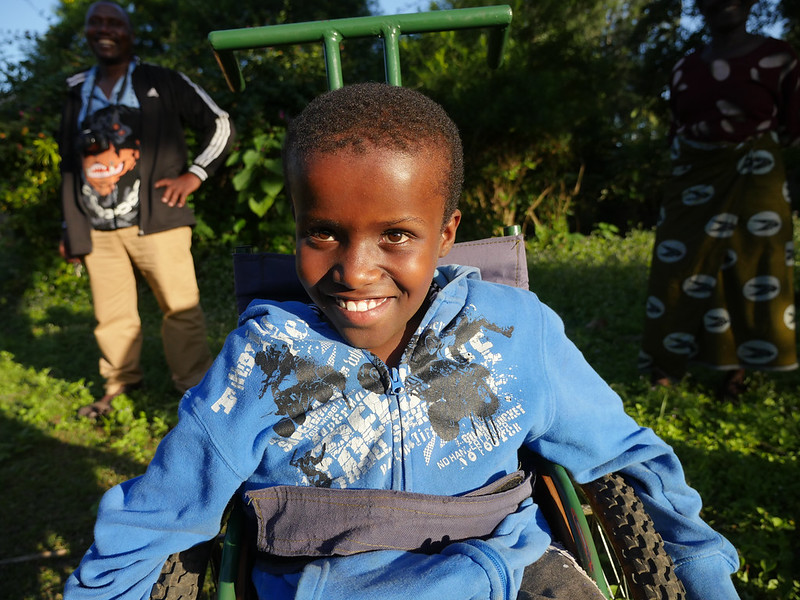
International Child Care Transforms Lives in HaitiInternational Child Care, a nonprofit organization, is committed to enhancing the lives of children and families in Haiti’s vulnerable communities. Working collaboratively with local governments, organizations and communities, to provide a holistic approach to tackle issues like child health, education, nutrition and protection. International Child Care aims to break the cycle of poverty and create sustainable change in the long term, through its programs, grassroots efforts and advocacy work.

Since 1967, International Child Care has dedicated itself to transforming the lives of Haiti’s children and families through various programs centered on health and wellness. With one in 11 children dying before the age of 5 due to malnutrition and disease, the organization prioritizes health care and empowerment. Its programs aim to prevent illness, promote health and facilitate restoration.

Grace Children’s Hospital

Grace Children’s Hospital, operated by International Child Care, is Haiti’s premier medical facility, serving about 400 patients daily. It features both inpatient and outpatient clinics. The inpatient clinic, staffed entirely by Haitian professionals, provides essential care for children facing various health issues, including malnutrition, tuberculosis, HIV/AIDS and general health care needs, as well as maternal health services. Children typically stay for three months, during which they receive comprehensive medical care, nutritious meals and support from nurses’ aides. Some children, as they begin to recover, have the opportunity to attend school at the hospital, often receiving their first formal education.

The outpatient clinic at Grace Children’s Hospital delivers essential health care services to the local community, offering treatments and support for conditions such as tuberculosis in children and adults, HIV/AIDS, as well as providing eye exams, reproductive health care, nutrition advice and pediatric care. The hospital’s pharmacy ensures that patients receive the necessary medications. Additionally, the hospital operates the Urban Community Health program, which delivers health care services directly to residents of Port-au-Prince and its tent cities. Committed to the community’s health and well-being, the hospital guarantees care for all patients, regardless of their ability to pay.

Integrated Community Health

International Child Care operates Integrated Community Health programs that significantly impact vulnerable communities in Haiti by empowering residents to enhance their health and well-being. The organization partners with local communities to provide education and promote health and wellness, equipping them with the necessary knowledge and resources to fight disease and malnutrition. Through initiatives such as immunization and child health clinics, these programs extend aid to even the most remote areas. Emphasizing grassroots participation, the program aims to guide and lead communities toward improved health outcomes.

Education Programs

International Child Care actively combats poverty in Haiti by emphasizing education alongside health care. The organization operates a simulation laboratory (SimLab) and training center that offers hands-on experience to students, nurses and health care workers. These facilities equip them with the skills necessary to provide high-quality care to children and families in Haiti, allowing them to practice crucial skills in a controlled environment where mistakes carry no severe consequences. Funded by the United Methodist Women, the SimLab features CPR manikins for infants, children and adults, French-speaking automated external defibrillators (AEDs) for rapid response training in cardiac emergencies and specialized training provided by U.S. volunteers, including nurses and doctors. These educational programs ensure health care workers are well-prepared to meet the health care needs of Haitian communities.

Looking Forward

International Child Care continues to make strides in fostering sustainable health and education solutions for Haiti’s most vulnerable. By providing comprehensive care and education through initiatives like Grace Children’s Hospital and the Integrated Community Health programs, the organization plays a critical role in breaking the cycle of poverty. These ongoing efforts not only enhance immediate health outcomes but also build the foundation for long-term community resilience and empowerment.

– Isabella Green

Isabella is based in Aylesbury, UK and focuses on Good News for The Borgen Project.

Photo: Flickr
May 16, 2024
https://borgenproject.org/wp-content/uploads/borgen-project-logo.svg 0 0 Precious Sheidu https://borgenproject.org/wp-content/uploads/borgen-project-logo.svg Precious Sheidu2024-05-16 01:30:352024-05-15 22:34:03How International Child Care is Transforming Lives in Haiti
Developing Countries, Global Poverty, Health

Project HOPE: Primary Care Amid Haiti’s Health Care Crisis

Project HOPEAs the largest island in the western Atlantic, Haiti lies at the core of the Caribbean hurricane belt. Its treeless landscape amplifies its susceptibility to natural disasters, making it particularly prone to cyclones, floods, droughts and landslides. With a population of roughly 11.4 million, these environmental hazards pose significant risks to more than 96% of the island’s residents. Project HOPE radiates a beacon of hope across oceans with its unwavering commitment to tackling some of the globe’s most pressing public health challenges.

Haiti: A Brief History of Health Care Challenges

Since the ’80s, Project HOPE has been dedicated to aiding the people of Haiti, encompassing initiatives in maternal and child health alongside emergency interventions. Through its swift mobilization of emergency relief efforts and sustained commitment, Project HOPE has played a pivotal role in facilitating the recovery of Haiti’s health care system for enduring resilience.

The organization remains unwavering in its dedication to fortifying Haiti’s fragile health care infrastructure amid the island’s tumultuous history and prevailing struggles. As a steadfast ally, Project HOPE extends a lifeline of aid to a nation teetering on the brink of a humanitarian crisis.

Natural Disasters

The catastrophic 2010 earthquake, which claimed the lives of more than 300,000 people and obliterated 60% of the health care facilities, continues to cast a long shadow over the Caribbean island. In 2016, Hurricane Matthew compounded the damages by decimating thousands of homes and vast swathes of the region’s farmland.

Cholera Outbreaks

Frequent floods and vulnerability to earthquakes have exacerbated cholera outbreaks on the island. The disease thrives in conditions of poor water quality, inadequate waste disposal and declining hygiene standards. According to Relief Web,  more than 820,000 cholera cases were reported in Haiti between October 2010 and February 2019.

In 2022, another cholera outbreak prompted Project HOPE to take action. Its efforts included supplying clinics with essential water, sanitation, and hygiene (WASH) materials, distributing hygiene kits, and training community health workers. Additionally, in January 2023, the organization initiated a multi-sectoral program funded by the United States Agency for International Development (USAID) in response to the epidemic.

Since August 2021: Project Hope’s Impact

In recent years, the nonprofit organization has adapted its strategies to address the evolving needs of the community amid the rise of gang warfare. Haiti’s health care crisis extends far beyond its disaster-prone geography, deeply rooted in a tumultuous history of political turmoil and the pervasive presence of gangs. Recent reports indicate that approximately 80% of the capital city, Port-au-Prince, is now under gang control. This multifaceted crisis has resulted in hospitals being set ablaze, medical personnel facing targeted violence, widespread roadblocks disrupting health care access, soaring malnutrition rates and alarming increases in maternal and elderly mortality.

In May 2023, Project HOPE undertook a thorough assessment of Haiti’s Grand Sud region, uncovering significant findings. More than half of the participants reported journeys of an hour to access health care facilities, with limited financial resources identified as the main hindrance. Additionally, nearly half of the surveyed women lacked access to health service facilities for childbirth. It grappled with recurrent shortages of vital medications and deficiencies in staff training. Moreover, health facilities encountered challenges in reaching areas afflicted by high malnutrition rates due to the lack of mobile medical units.

Mobile Health Care Units: A Beacon of Hope

Project HOPE’s mobile medical units (MMUs) have emerged as indispensable assets, especially in areas controlled by gangs where access to traditional health facilities is hindered, exacerbating poverty and further impeding access to essential services. These MMUs have become lifelines for communities grappling with such challenges.

Transportation routes crippled by roadblocks have made it difficult for Haitians to reach health care centers and for facilities to acquire necessary medical supplies, fuels and pharmaceuticals. A surge in internal displacement, particularly from the capital toward the southern regions, has intensified the demand for assistance.

Amid understaffed, underfunded and underresourced health facilities, mobile clinics have played a crucial role in providing essential services to vulnerable and rural communities. These include protective services and hygiene promotion activities. Additionally, Project HOPE’s MMU offers medical consultations, prescriptions and care for mental health patients and victims of gender-based violence.

From October to December 2023, Project HOPE’s MMU operated almost daily, treating more than 45,000 patients in the Sud, Nippes and Grand’Anse departments. With sustained support from USAID, two mobile clinics will be held weekly in the Nippes department, ensuring access to vital health care services for the community.

– Irene Suvillaga
Photo: Flickr

April 13, 2024
https://borgenproject.org/wp-content/uploads/borgen-project-logo.svg 0 0 Lynsey 2 https://borgenproject.org/wp-content/uploads/borgen-project-logo.svg Lynsey 22024-04-13 01:30:002024-05-30 22:32:55Project HOPE: Primary Care Amid Haiti’s Health Care Crisis
Global Poverty

How Artists in Haiti Are Addressing Poverty

. Artists in HaitiIn the heart of the struggle of Haiti against poverty lies a story of resilience and redemption, where artists emerge as unsung heroes in a landscape marred by hardship. Amid the harsh reality of statistics revealing the extent of deprivation, with more than 41.3% of Haitians entrenched in multidimensional poverty and 18.5% facing severe destitution, these artists paint a vivid tapestry of hope. With every stroke of their brushes and every chisel against stone, they carve out a narrative transcending mere imagery, offering a beacon of light amid the darkness. It is the tale of their unwavering spirit, quest for change and steadfast belief in art’s transformative power.

Haiti’s Rocky History

During the colonial period, Haiti was a French colony named St. Domingue, which flourished with profitable sugar and coffee plantations. However, this prosperity came at a grave human cost, as enslaved African people were exploited to sustain the economy. The Haitian Revolution, lasting from 1791 to 1804, is the only successful slave uprising in history. Haiti declared independence from France in 1804, becoming the first black republic and the second independent nation in the Americas.

Despite this triumph, Haiti encountered significant challenges post-revolution. Other countries imposed economic sanctions, fearing similar uprisings in their colonies. Additionally, internal power struggles exacerbated political instability and economic stagnation. In 2010, an earthquake devastated Port-au-Prince, claiming approximately 220,000 lives, according to the United Nations (U.N.). This catastrophe further compounded Haiti’s challenges, underscoring the urgent need for sustainable development and resilience-building efforts.

An Artist Making a Difference

Andre Eugene, an artist hailing from Port-au-Prince, employs discarded materials scavenged from the city streets to craft unconventional sculptures that narrate a compelling tale of resilience and the unyielding spirit of Haiti. Eugene challenges societal conventions through art and prompts viewers to reassess their notions of beauty and worth.

Among Eugene’s remarkable creations stands “The Freedom!” sculpture, a renowned masterpiece commissioned in 2007 by the International Slavery Museum in Liverpool to commemorate the bicentennial anniversary of abolition. Collaborating with peers from the Atiz Rezistans collective, Eugene fashioned this captivating artwork from reclaimed metal. It portrays a towering figure with arms outstretched, a poignant embodiment of freedom. The sculpture serves as a powerful reminder of the enduring struggles endured by the Haitian people.

Rich Heritage

Eugene’s art transcends being a mere reflection of Haiti’s adversities. It also stands as a jubilant tribute to the nation’s culturally rich heritage, steeped in the vibrant traditions of Haitian folk art. Infused with symbolism drawn from Vodou practices and spiritualism, his sculptures often incorporate human skulls. In an interview with Christopher Garland, Eugene elucidates that the skulls he integrates are sourced exclusively from Haiti, serving as the sole recycled material originating from Haiti. He critiques Western consumerism, highlighting how Haiti bears the burden of the remnants of Western culture dumped, which he then repurposes and circulates back to Western markets.

Through this art, Andre Eugene endeavors to amplify the voices of the marginalized and overlooked street vendors, laborers and children compelled to scavenge for survival. Through the “Atis Rezistans” collective, Eugene established “Ti Moun Rezistans,” a program demonstrating sculpting methods to local children. In an interview with Marielle Barrow for Caribbean Beat Magazine, Eugene’s art aims to end the famine in this neighborhood and establish a comprehensive center for the community. By transmuting trash into treasure, Eugene breathes new life into discarded materials. He uplifts the narratives of the upcoming generation experiencing poverty in Haiti.

Growing Recognition for Haitian Art

Eugene’s artistic endeavours have garnered global recognition, spotlighting Haiti’s burgeoning artistic revival and motivating a new wave of artists to leverage their skills for societal transformation. His sculptures, showcased in galleries and museums worldwide, serve as emissaries for Haiti’s dynamic cultural landscape. Independent Curators International states Eugene’s works have graced prestigious venues in Geneva, Paris, Los Angeles and Venice.

In a nation where hope often feels elusive, Eugene’s art is a beacon of resilience and ingenuity. It reminds observers that creativity knows no bounds and he is not alone in this mission. Fellow artists like Marie-Claude Reginald and Jean-Pierre Louis also contribute to raising awareness about poverty in Haiti through their art. As Haiti continues its journey toward a brighter tomorrow. The collective efforts of Haitian artists stand as a testament to art’s transformative power, capable of inspiring change and transcending adversity.

– Lauren McKenna
Photo: Flickr

March 26, 2024
https://borgenproject.org/wp-content/uploads/borgen-project-logo.svg 0 0 Lynsey 2 https://borgenproject.org/wp-content/uploads/borgen-project-logo.svg Lynsey 22024-03-26 01:30:502024-03-25 04:59:58How Artists in Haiti Are Addressing Poverty
Global Poverty, Humanitarian Aid, NGOs

Food for the Poor: Banana Bark Program

Banana Bark ProgramHaiti is presently facing the worst hunger crisis in its history. Per a recent study by the humanitarian group Mercy Corps, nearly 97% of households in regions surrounding the capital suffer from severe hunger due to a lack of employment opportunities and access to basic resources. The study was conducted in 2023 and included interviews with about 2,660 households. Nearly 2,600 of the households were found to be struggling to provide food to their families. Additionally, some families only have one meal a day. Without immediate humanitarian aid, approximately five million people will continue to suffer from hunger.

Food for the Poor

Food for the Poor (FFTP) is a Christian nonprofit organization founded in Florida that provides food, shelter, medicine and other needed services to the poor in the Caribbean and Latin America. This organization saw the need for employment so Haitian families could provide food and basic necessities for their households and in the ’90s, it developed a creative way to do so.

The Banana Bark Program

The Banana Bark Program was established several decades ago in Haiti to provide a sustainable source of income for families and it continues to benefit people to this day. The bark of the banana tree naturally peels off, which is collected, dried, shaved and cut into various shapes and words. This is then used on cards that inspire hope, culture and love. One person can shave around 2,000 pieces of bark per day. Every piece of bark can produce eight different patterns. This eco-friendly process can result in families producing a box of 24 cards every two days, with artisans paid based on the number of cards they create.

Banana Bark Cards Provide for Families

This program has helped many Haitian families, including Marcelin, Othon and their three children. With her family’s help, Marcelin has been crafting cards in the Banana Bark Program since 1995. In an interview with Marcelin and Othon in 2013 by FFTP, she said, “This helps us pay for school and helps us to buy food and clothes. I feel good to have this opportunity.” In that same interview, Othon also stated that they would not have the money without the card program.

FFTP has continued to provide this opportunity for Haitian families. The organization in the Florida headquarters is always seeking and developing new designs for the cards. After production, the cards are made available worldwide and FFTP often uses them in fundraising campaigns. This fundraising helps the organization provide food and medical supplies to humanitarian groups, orphanages and churches in Haiti and other Latin American and Caribbean nations.

Final Remark

There is still a need for humanitarian assistance in Haiti. Hunger and unemployment matters in the country have become more pressing and citizens are desperate for relief. However, programs like the Banana Bark cards provide much-needed income and assistance for Haiti’s struggling families.

– Heather Gisi
Photo: Unsplash

March 20, 2024
https://borgenproject.org/wp-content/uploads/borgen-project-logo.svg 0 0 Lynsey 2 https://borgenproject.org/wp-content/uploads/borgen-project-logo.svg Lynsey 22024-03-20 07:30:262024-03-19 04:00:22Food for the Poor: Banana Bark Program
Child Poverty, Global Poverty

Baby Formula Procurement in Haiti

Baby Formula Procurement in HaitiIt is well-documented that breastfeeding is one of the safest ways to feed a newborn infant. There are wide-ranging benefits to naturally breastfeeding children, the mother and the infant. The act of breastfeeding is connected to protecting a child against life-threatening diseases. It supports healthy brain development and prevents many chronic maternal and childhood illnesses. This in turn can avoid costs of healthcare down the road.

Breastfeeding can be the difference between life and death for newborn infants in developing countries that suffer from widespread malnutrition. So, when a mother cannot produce milk naturally, it can increase the likelihood of child malnutrition and mortality.

Challenges Obtaining BMS

In countries like Haiti, obtaining essential food can be challenging, let alone breast milk substitutes (BMS). Hence, it is crucial for governments and organizations, such as the United Nations Children’s Fund (UNICEF), to ensure the proper allocation of funds for incentives that promote the heightened procurement of essential BMS.

Recently, UNICEF has taken a significant step forward by updating its guidance on the “Procurement and Use of Breast Milk Substitutes in Humanitarian Settings.” This revision has prompted policy changes. It includes a strategic emphasis on supporting infants below 6 in areas with high humanitarian needs.

Haiti

Haiti is a case study that UNICEF has highlighted directly in a recent report on the issues surrounding the importance of baby formula procurement. In 2021, Haiti was struck by a magnitude 7.2 earthquake, resulting in the deaths of 2,200 people and an estimated 650,000 citizens in need of humanitarian assistance.

In relation to a report conducted by the “Haiti Demographic Health Survey'” (DHS) in 2016-17, only 40% of infants aged below 6 months were exclusively breastfed. For comparison, 25% were bottle-fed. Among all children between 6-23 months of age, only 25% received a diet that met the minimum dietary diversity, which means a diet containing all four food groups. Moreover, just 11% of these children received a minimum acceptable diet. It’s important to note that this data was retrieved before the disaster.

After the disaster, many children who were not breastfed were considered at a very high risk. This was mainly due to the damaged water systems. The deaths of many parents left their children particularly vulnerable. In addition, the death of a breastfeeding mother puts significant strain on the nutritional well-being of her child. As a result, there is now greater concern about the increased malnutrition and death rates among these infant demographics.

UNICEF’s Response in Haiti

UNICEF achieved an early response immediately after the earthquake. This was achieved with high levels of cooperation from the Haitian government, detailing a precise nutrition plan a week after the disaster. The organization’s BMS procurement was swift and, due to internal quality checks, allowed for the distribution of high-quality BMS and RUIF (Ready to Use Infant Formula). Extensive training was also provided to health care workers to ensure that mothers, caregivers and infants had the proper support.

However, despite these achievements, some key challenges that UNICEF recognizes need to be addressed. Despite a swift response, some BMS distribution delay was encountered due to shipping constraints. A notable security situation in Port-au-Prince delayed the training of healthcare workers at the national level. UNICEF outlines in its report many of these challenges so that they can be analyzed and solutions implemented. The report not only chronicles the life-saving interventions that UNICEF makes in countries like Haiti, which desperately need humanitarian aid but also highlights the importance of baby formula procurement in Haiti and across the developing world.

– Domenico Palermo
Photo: Wikipedia Commons

March 16, 2024
https://borgenproject.org/wp-content/uploads/borgen-project-logo.svg 0 0 Lynsey 2 https://borgenproject.org/wp-content/uploads/borgen-project-logo.svg Lynsey 22024-03-16 15:00:132024-03-15 04:36:12Baby Formula Procurement in Haiti
Page 4 of 6«‹23456›»

Get Smarter

  • Global Poverty 101
  • Global Poverty… The Good News
  • Global Poverty & U.S. Jobs
  • Global Poverty and National Security
  • Innovative Solutions to Poverty
  • Global Poverty & Aid FAQ’s
Search Search

Take Action

  • Call Congress
  • Email Congress
  • Donate
  • 30 Ways to Help
  • Volunteer Ops
  • Internships
  • Courses & Certificates
  • The Podcast
Borgen Project

“The Borgen Project is an incredible nonprofit organization that is addressing poverty and hunger and working towards ending them.”

-The Huffington Post

Inside The Borgen Project

  • Contact
  • About
  • Financials
  • President
  • Board of Directors
  • Board of Advisors

International Links

  • UK Email Parliament
  • UK Donate
  • Canada Email Parliament

Get Smarter

  • Global Poverty 101
  • Global Poverty… The Good News
  • Global Poverty & U.S. Jobs
  • Global Poverty and National Security
  • Innovative Solutions to Poverty
  • Global Poverty & Aid FAQ’s

Ways to Help

  • Call Congress
  • Email Congress
  • Donate
  • 30 Ways to Help
  • Volunteer Ops
  • Internships
  • Courses & Certificates
  • The Podcast
Scroll to top Scroll to top Scroll to top