Food for the Poor: Banana Bark Program
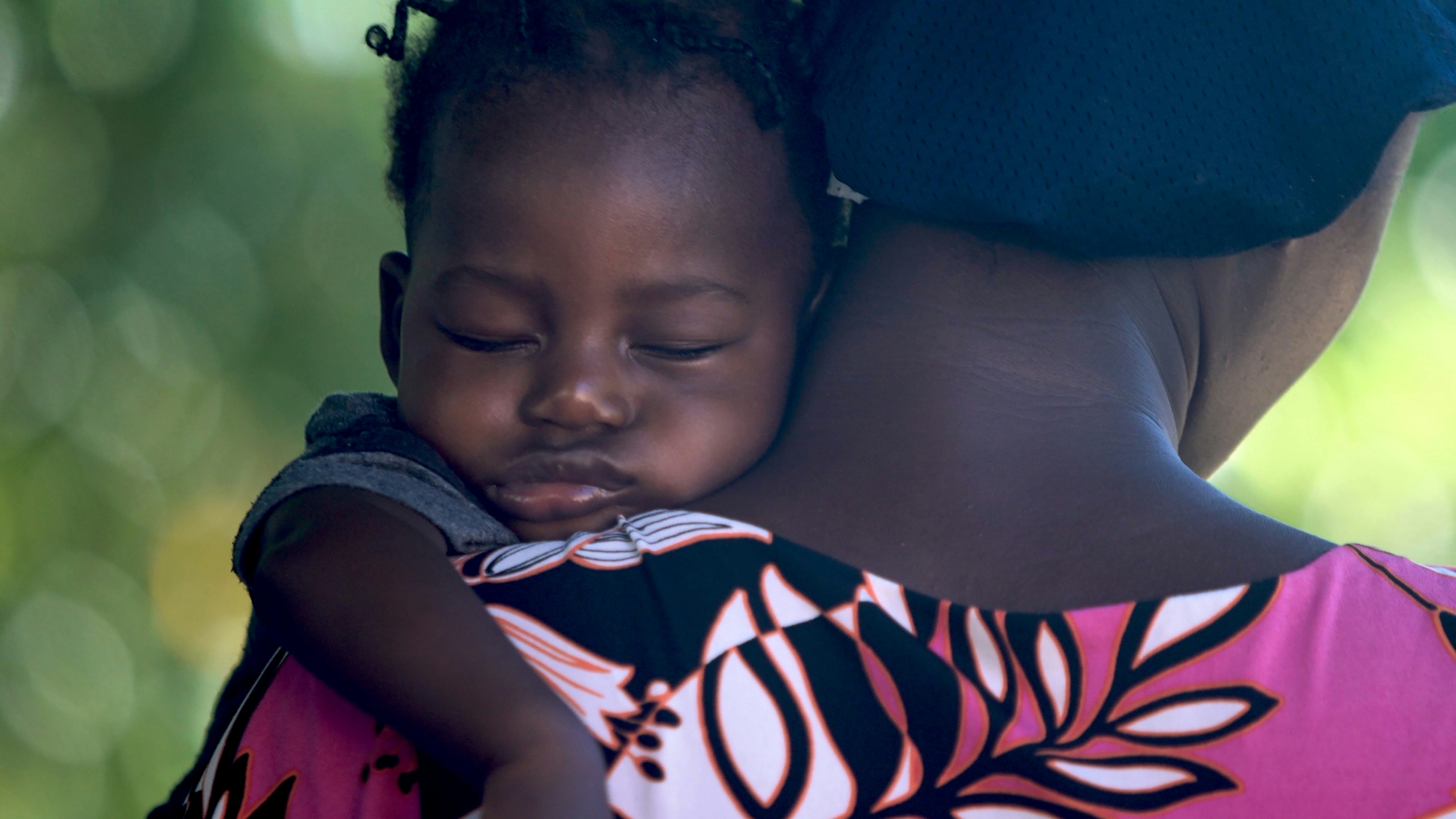 Haiti is presently facing the worst hunger crisis in its history. Per a recent study by the humanitarian group Mercy Corps, nearly 97% of households in regions surrounding the capital suffer from severe hunger due to a lack of employment opportunities and access to basic resources. The study was conducted in 2023 and included interviews with about 2,660 households. Nearly 2,600 of the households were found to be struggling to provide food to their families. Additionally, some families only have one meal a day. Without immediate humanitarian aid, approximately five million people will continue to suffer from hunger.
Food for the Poor
Food for the Poor (FFTP) is a Christian nonprofit organization founded in Florida that provides food, shelter, medicine and other needed services to the poor in the Caribbean and Latin America. This organization saw the need for employment so Haitian families could provide food and basic necessities for their households and in the ’90s, it developed a creative way to do so.
The Banana Bark Program
The Banana Bark Program was established several decades ago in Haiti to provide a sustainable source of income for families and it continues to benefit people to this day. The bark of the banana tree naturally peels off, which is collected, dried, shaved and cut into various shapes and words. This is then used on cards that inspire hope, culture and love. One person can shave around 2,000 pieces of bark per day. Every piece of bark can produce eight different patterns. This eco-friendly process can result in families producing a box of 24 cards every two days, with artisans paid based on the number of cards they create.
Banana Bark Cards Provide for Families
This program has helped many Haitian families, including Marcelin, Othon and their three children. With her family’s help, Marcelin has been crafting cards in the Banana Bark Program since 1995. In an interview with Marcelin and Othon in 2013 by FFTP, she said, “This helps us pay for school and helps us to buy food and clothes. I feel good to have this opportunity.” In that same interview, Othon also stated that they would not have the money without the card program.
FFTP has continued to provide this opportunity for Haitian families. The organization in the Florida headquarters is always seeking and developing new designs for the cards. After production, the cards are made available worldwide and FFTP often uses them in fundraising campaigns. This fundraising helps the organization provide food and medical supplies to humanitarian groups, orphanages and churches in Haiti and other Latin American and Caribbean nations.
Final Remark
There is still a need for humanitarian assistance in Haiti. Hunger and unemployment matters in the country have become more pressing and citizens are desperate for relief. However, programs like the Banana Bark cards provide much-needed income and assistance for Haiti’s struggling families.
– Heather Gisi
Photo: Unsplash
