• Link to X
  • Link to Facebook
  • Link to Instagram
  • Link to TikTok
  • Link to Youtube
  • About
    • About Us
      • President
      • Board of Directors
      • Board of Advisors
      • Financials
      • Our Methodology
      • Success Tracker
      • Contact
  • Act Now
    • 30 Ways to Help
      • Email Congress
      • Call Congress
      • Volunteer
      • Courses & Certificates
      • Be a Donor
    • Internships
      • In-Office Internships
      • Remote Internships
    • Legislation
      • Politics 101
  • The Blog
  • The Podcast
  • Magazine
  • Donate
  • Click to open the search input field Click to open the search input field Search
  • Menu Menu

Tag Archive for: Poverty in Haiti

Posts

Global Poverty, Humanitarian Aid, Nonprofit Organizations and NGOs

3 Charities Operating in Haiti

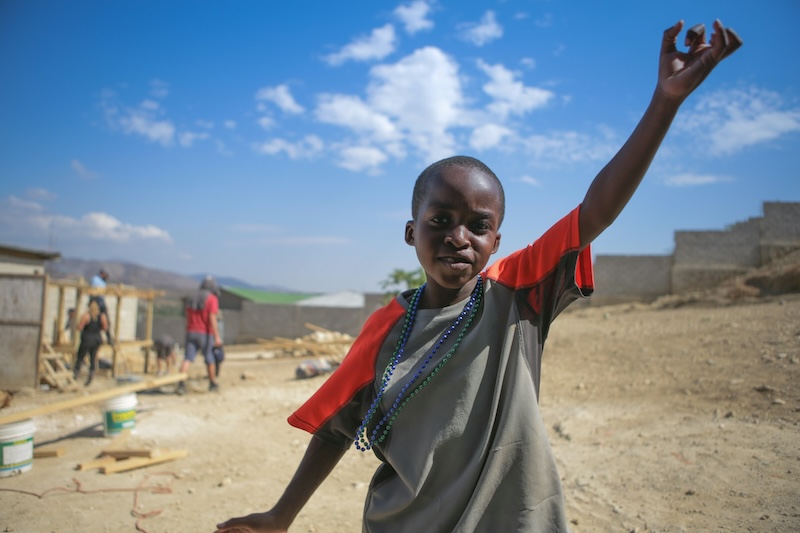
Charities Operating in HaitiSince Jan. 2024, gang violence in Haiti has killed at least 3,661 people, reports the Office of the United Nations High Commissioner for Human Rights (OHCHR). Gangs are reportedly recruiting children and destroying Haitian agriculture while committing widespread sexual violence against women. The United Nations (U.N.) World Food Program (WFP) reports that half the population faces acute hunger due to displacement and destruction from the violence. Charitable organizations are playing a critical role in mitigating hunger and poverty in Haiti under these devastating circumstances.
Poverty in Haiti

Haiti ranks as the poorest country in Latin America and the Caribbean and suffers from some of the highest rates of income inequality worldwide, with more than six in 10 people living in poverty. The nation’s history features persistent political instability and significant natural disasters. Agriculture, forestry and fisheries, which constitute a fifth of Haiti’s GDP, employ nearly half of the labor force. However, agricultural productivity faces severe constraints due to inadequate access to technology and credit, along with substandard road and irrigation infrastructure. Additionally, post-harvest losses are considerable, often due to insufficient storage and processing facilities.

3 Charities Operating in Haiti

  1. CARE International. CARE International began its operations in Haiti in 1954 as a global charity focused on addressing the root causes of poverty, particularly gender inequality, which disproportionately drives women into poverty. The organization played a pivotal role during Haiti’s 2010 Cholera outbreak by providing clean water services and supporting local hospitals. Following the devastating earthquake in Aug. 2021, CARE provided food, shelter, hygiene and sanitation assistance. In response to recent violence, the organization has urged the international community to deliver essential humanitarian aid to combat poverty in Haiti and collaborates with local authorities to provide support wherever possible.
  2. Haiti Children. Haiti Children, established in 1994, supports disadvantaged, orphaned and disabled children in Haiti. The organization runs several programs to alleviate poverty and enhance children’s lives. For example, through the Haiti Children Feeding Programme it provides meals to 3,000 children annually. In 2024, Haiti Children distributed 2 million meals and created 141 jobs. The organization underscores the urgency of supporting children, especially following recent reports that gangs are recruiting children amid the ongoing violence.
  3. Haiti Foundation Against Poverty. Founded in 2007, the ‘Haiti Foundation Against Poverty’ aims to dissociate Haiti from poverty by providing health care, education and creating jobs. The charity has launched several projects to reduce poverty in Haiti. A significant initiative is the ‘Hope House,’ a care center for malnourished, injured and orphaned infants and toddlers.

Looking Ahead

Humanitarian aid could be crucial in ending the gang violence across the region. The continued support of charities operating in Haiti is similarly important, to not only directly support the people of Haiti but also to raise awareness of the urgent situation in the country. While the work of charities is incredibly impactful, humanitarian assistance from organizations and countries with more substantial resources could greatly benefit the people of Haiti.

– Joshua Marriott

Joshua is based in Cardiff, Wales and focuses on Technology and Politics for The Borgen Project.

Photo: Flickr

October 28, 2024
https://borgenproject.org/wp-content/uploads/borgen-project-logo.svg 0 0 Precious Sheidu https://borgenproject.org/wp-content/uploads/borgen-project-logo.svg Precious Sheidu2024-10-28 07:30:512024-10-27 12:34:153 Charities Operating in Haiti
Aid, Global Poverty, Health

PAHO’s Work in Haiti: Protecting the Country’s Health System

paho's work in haitiSeptember 2024 marks two years since Haiti’s humanitarian crisis reached critical levels due to the escalation of armed violence and territorial gang control. On February 29, 2024, a fresh wave of violence broke out. Gunmen targeted police stations and the international airport in what was regarded as a protest against unelected Prime Minister Ariel Henry.

Today, more than 200 gangs are operating in Haiti and the country’s health system has suffered greatly as a consequence. Many major hospitals, particularly in the capital Port-au-Prince, had to close, with no guarantee of safety for staff or patients amid the security crisis. Less than half of the health facilities in the country’s capital are operating at normal capacity, according to the Pan American Health Organization (PAHO), and a UNICEF representative visiting the country heartbreakingly described its health system as being “on the verge of collapse.”

PAHO’s Work in Haiti

PAHO, however, has been working tirelessly to protect and support the health system in the region. Armed groups in Port-Au-Prince have drastically affected supply chains into Haiti. Cargo flights to the capital city’s airport suffered while the airport was in the hands of these groups, UNICEF reports. All hospitals in the country are struggling to obtain their usual supplies.

PAHO has donated a host of essential medicines, medical supplies, and equipment to strained health facilities. These donations have played a crucial role in ensuring that these facilities remain open and operational. PAHO’s work in Haiti, supporting the Ministry of Health (MSPP), has also meant that more than 38 tons of medical supplies could be transported from a stockpile in Panama to care for internally displaced peoples, according to the PAHO website.

Containers filled with supplies were held up by armed groups, or even looted. They have now been able to reach Haitian residents, with PAHO taking this transportation over for Port-au-Prince – the main logistical hub of the country – whilst it is overwhelmed by violence.

Supporting Those in Shelters

The outbreak of violence has meant that more than 37,000 Haitians are now displaced and spread across 23 camps in the Port-au-Prince borough. PAHO workers are on the ground in Haiti, providing psychological support to those displaced as they face the stigma of living in shelters, and exist in fear of the outbreak of epidemics like cholera.

PAHO has also provided key health services to those living in these make-shift camps. Skin infections and diarrheal diseases are especially common, and workers are on hand to provide indispensable treatment. Treating these ailments at the root will also help to ease some pressure off of local health services. The high number of displaced families is placing additional demand on hospitals in the southern area of Haiti especially, according to UNICEF.

Hygiene and Sanitation Products

PAHO’s distribution of hygiene and sanitation products in shelters is a vital step in ensuring that disease does not spread. Cramped, closed conditions in emergency shelters leave those living in them particularly vulnerable to the outbreak of epidemics. The organization has carried out epidemiological surveillance and vaccinations to reduce this pressing risk. A surge in cases of any disease would place yet more strain on Port-au-Prince’s health systems. PAHO’s work in Haiti is vital now more than ever, according to its website.

In July 2024, PAHO supported Haiti’s Ministry of Public Health and Population to vaccinate more than 230,000 children against diphtheria. This recent success mirrors the organization’s clear commitment to disease control in Haiti.

Delivering Blood

The smooth-running of blood testing activities in Haiti was directly affected by the outbreak of violence. Haiti has previously struggled to meet its need for safe blood bags, yet delivery of blood products is essential for Port-au-Prince’s strained health system. Without them, surgery cannot go ahead safely, and maternal mortality becomes a critical issue.

PAHO has stepped in during the security crisis to deliver blood supplies. Deliveries to the National Blood Transfusion Center have allowed for vital blood work to resume.

Fuelling Port-au-Prince Ambulances

Political instability in Haiti has affected nationwide access to essential goods and services. Access to fuel has been reduced because of this, posing problems for the transportation of patients. To facilitate the continuation of ambulance services in the particularly strained Port-au-Prince area, PAHO has supplied fuel to the National Ambulance Center so that their service can continue to function, according to its website.

PAHO’s work in Haiti has helped many people struggling in times of political crisis and violence. The organization stated that it will continue its work in Haiti, hoping to strengthen and improve the current situation.

– Maeve Relihan

Maeve is based in Birmingham, UK and focuses on Global Health and Politics for The Borgen Project.

Photo: Unsplash

September 19, 2024
https://borgenproject.org/wp-content/uploads/borgen-project-logo.svg 0 0 Naida Jahic https://borgenproject.org/wp-content/uploads/borgen-project-logo.svg Naida Jahic2024-09-19 01:30:072024-09-19 01:13:31PAHO’s Work in Haiti: Protecting the Country’s Health System
Charity, Global Poverty, Nonprofit Organizations and NGOs

HAUP and CORA Supporting The Haitian Community

HAUPHaiti is a low-income Caribbean country with a population of more than 11 million people. More than half of the population lives below the poverty line with little access to necessities. A major historical period that hindered Haiti’s growth was the Duvalier regime from 1957 to 1986. François Duvalier’s and Jean-Claude Duvalier’s corruption drained Haiti of its financial and economic profits. Their extreme violence against many citizens of the Haitian community caused an estimated 30,000 people to die or go missing.

The Haitian Americans United for Progress (HAUP) played a major role in supporting Haitian refugees and the Haitian-American community during the horrors of the Duvalier regime and continues to help immigrants and migrants, whether they are Haitian or not. Coalition for the Recovery of L’Anse-à-Veau (CORA), on the other hand, focuses on directly helping the community of Anse-à-Veau (Ansavo), one of Haiti’s municipalities located in the Nippes department.

HAUP

HAUP is a nonprofit organization based in Queens and Brooklyn, New York, U.S., that was initially established as a volunteer-based organization to help Haitian immigrants and refugees in 1975. In the ’80s, HAUP helped hundreds of Haitian refugees obtain food, shelter, clothing, and employment. Since then, HAUP has expanded into a community center that provides immigration, educational, and health services for refugees and immigrants in New York City, New Jersey, and Connecticut. The nonprofit has distributed 71 baby bags and infant car seats, 20 brand-new strollers for newborn mothers, 47 baby monitors, 30 blood pressure monitors, and more than 400 boxes of diapers and wipes.

Advocating for Immigrants and Migrants

In 1979, HAUP organized a konbit (rally) to gather materials and visit prisons to support Haitian refugees. By 1981, it held a march in Washington, D.C., protesting the U.S. government’s treatment of Haitian refugees and opposing Haiti’s dictatorship. In an interview with The Borgen Project, Mrs. Marie Fouche, recalled her role in organizing these protests: “The political situation in Haiti pushed us to march. I remember horses charging at us while we demanded our rights as Haitians. We said, ‘We don’t want a dictator anymore!'” Fouche also shared how HAUP advocated for Haitian refugees sent to Guantanamo Bay, fighting for their rights and offering assistance.

Events to Unify the Haitian Community

In 1978, HAUP held its first summer camp at P.S. 147 and later hosted camps at Andrew Jackson, Elmhurst, and Sacred Heart Church. In 1985, HAUP officially opened its Information Center. Fouche, a HAUP executive board member for 20 years, reflected on the center: “We had conferences, we had people come from Canada, from Haiti, from everywhere. They delivered a workshop or talked about their books about what was happening in the country. . . And we had books from Haiti, people could come and see them, even foreigners who didn’t know about Haiti could find resources there. So for me, that was a moment of pride.”

HAUP established a senior citizens club and a children’s cultural dance program and provided services for kids with intellectual disabilities. It also sponsored cultural events for the Haitian-American community, allowing them to express their culture and for children to learn more about Haiti. These events included Carnival parties, fundraising galas, children’s festivals, film showings like Gouverneur de la Rosée at Hillcrest High School, and plays such as Filibé by Mercedes Guignard and Bwat Lamayòt by Marika Roumain, produced by Fouche in 1985 and 1995.

CORA

In 2009, Kora, Cosa, and ARCA united to mobilize Anse-à-Velais and supporters of Anse-à-Veau in promoting the development of Anse-à-Veau and its neighboring areas. These groups merged to form CORA. CORA has helped clean the gutters in the lower area of Ansavo after the 2010 flood and provided $1,000 for the committee in charge of the works. It has also supported repairing the city’s electrical network by financially supporting maintenance from Port-au-Prince technicians and using $2,700 to buy two transformers. The nonprofit has also donated resources to institutions in Ansavo, such as 10 wheelchairs to the local hospital and nearby dispensaries and wireless microphones to the Ansavo cathedral.

Educational Programs

CORA’s RenesAnsavo Hospitality and Tourism project, launched in the summer of 2014 and led by Fouche, provided four weeks of training for 30 young adults from Ansavo. Inspired by Ansavo’s upcoming 300th anniversary in 2021, the students were divided into five groups focused on tourism, transportation, food, housing, and more. They attended workshops in the mornings and did fieldwork in the afternoons, such as assessing local restaurants and hotels for tourism opportunities. The project continued in 2015, with CORA following up on the participants’ progress through 2017.

CORA also advocated for school gardens by surveying schools in Petit Goave, leading to the start of a garden in the 2023-2024 academic year. Fouche discussed her work with the program and how her experience gardening for a soup kitchen in Arbor Hill, Albany, helped her with the Ansavo garden. She shared, “I learned from a woman at the soup kitchen… I researched gardening online and taught the children about fruits and vegetables in French, Creole, and English.” Her local and international volunteer work highlights how domestic and foreign aid initiatives can complement each other.

Conclusion

Fouche’s work with HAUP, CORA, and the Albany soup kitchen exemplifies how one can balance helping those in need both locally and abroad. HAUP highlights the importance of community-building and how immigrants in places like America can still influence their home countries, as seen in their protests against Haiti’s dictatorship. It also shows how immigrants can stay connected to their culture by organizing cultural events, such as plays, and creating educational spaces like the Information Center.

CORA exemplifies how to directly assist vulnerable communities abroad by prioritizing education, as seen with the school garden initiative. While both CORA and HAUP have made strides in uplifting the Haitian community, much work remains, and both organizations could benefit from additional support.

– Elisabeth Nwaoskwa

Elisabeth is based in Bellerose, NY, USA and focuses on Good News and World in Focus for The Borgen Project.

Photo: Wikimedia Commons

September 17, 2024
https://borgenproject.org/wp-content/uploads/borgen-project-logo.svg 0 0 Lynsey 2 https://borgenproject.org/wp-content/uploads/borgen-project-logo.svg Lynsey 22024-09-17 07:30:442024-09-17 01:43:10HAUP and CORA Supporting The Haitian Community
Aid, Global Poverty, Women and Female Empowerment

Protecting Young Girls in Haiti Through Humanitarian Responses

Protecting Young Girls in Haiti Through Humanitarian ResponsesIn Haiti, more than 5.5 million citizens urgently need humanitarian assistance due to escalating armed violence, food and water shortages, political instability and forced displacement. While gang activity was once concentrated in urban centers, it has spread into rural, isolated regions over the past few years, weakening the government’s authority and the nation’s sovereignty. Many of these crises developed following the assassination of President Jovenel Moïse in 2021, leading to a loss of political agency throughout the country that external health and environmental issues, including the COVID-19 pandemic have exacerbated.

Amid these ongoing crises, Haitian women continue to face disproportionate consequences in comparison to their male counterparts, specifically in the form of widespread gender-based violence. As humanitarian organizations prioritize responses to alleviate institutional weaknesses in Haiti, they place the unique struggles of women and girls at the forefront to ensure equitable progress.

Overview of Economic and Political Insecurities

Gang violence has only continued to escalate across Haiti since 2021, beginning to creep into almost all regions. A primary point of concern is the capturing of Haiti’s capital Port-au-Prince, which is currently seized by a variety of differing gang entities. With Port-au-Prince serving as the primary center of distribution for the nation, many armed gangs have been able to acquire access to the most fundamental roads, ports and fuel terminals for the Haitian economy, restricting the potential for economic growth.

The newfound authority of these gangs allows them to attack individuals and families without political repercussions, instating a sense of fear across the population. In 2022 alone, authorities recorded more than 2,000 murders and 1,114 kidnappings in Haiti, highlighting the urgent need for enhanced safety measures. Additionally, some gang members have compromised humanitarian spaces that could provide services and supplies that would lead to greater infrastructural resistance to political violence. Currently, there have been an estimated 893 humanitarian access incidents as a result of conflicts occurring between gangs, police and those dedicated to serving in these NGOs.

Rise in Sexual Violence and Discrimination

The increase in gang activity within Haiti has also led to higher rates of sexual violence, often used as a means of punishment and control by gangs. These violent and potentially deadly measures coerce families during ransoms, threatening the livelihoods of women and girls in Haiti. Although reports reveal a 49% increase in gender-based violence in recent years, the actual extent of sexual violence remains underreported and frequently unpublished under gang control.

Currently, women constitute more than half of the 580,000 displaced people in Haiti, many of whom reside temporarily in makeshift camps and other forms of shelter. Most of these camps, operating with limited funding, lack lighting or locks in critical areas such as bedrooms or toilets, heightening the risk for gender-based aggression. Despite the presence of humanitarian organizations, gangs deliberately target women and young girls in Haiti to block their access to humanitarian assistance, creating a greater need for financial dependency. A report by the United Nations (U.N.) Women’s Rapid Gender Assessment revealed that more than 90% of women living in these camps do not have a sustainable income source, with another 16% feeling “intimidated, harassed or traumatized” by armed gangs.

Health Care for Pregnant Women

Less than half of the health facilities in the Port-au-Prince metropolitan area are functioning at normal capacity, with many hospitals forced to close due to the inability to guarantee patient safety in the context of gang activity. This situation has put immense pressure on local health care systems, now struggling with medical emergencies and outbreaks, including more than 75,000 hospitalized cases of cholera as of January 2024. As a result, more than 3,000 women currently lack proper access to maternal health services.

The World Health Organization (WHO) indicated in 2016 that only 39% of births in Haiti take place in health care facilities that “reflect issues of access, quality and demand” and low rates of postpartum newborn care, with the nation having the highest rates of maternal mortality in Latin America and the Caribbean.  In this shifting political climate, mothers and children face even greater challenges in obtaining necessary services for optimal health outcomes.

Current Humanitarian Programs and Responses

Many humanitarian organizations have developed effective solutions to the many instabilities in Haiti but still lack the necessary funding to fulfill all their tasks completely. For example, the Pan American Health Organization supports Haiti’s Ministry of Health by delivering more than 38 tons of medical supplies and conducting more than 20,000 medical consultations. With only 5.6% of their required $22,250,000 to rebuild health care systems, they continue to seek international support to meet critical health needs, including blood transfusion supplies, oxygen and other essential medical equipment, alongside incentives for health care workers.

Simultaneously, “humanitarian aid must be safely distributed in line with the differentiated needs of women and girls,” states U.N. Women Executive Director Sima Bahous. U.N. Women has partnered with Rapha International to provide emergency support for women who have experienced gender-based violence, ranging from counseling, medical assistance and relocation to financial support. Women can connect with service providers, trained in both medical and psychological care, securely and anonymously without concern for external repercussions. So far, more than 2,000 women in Haiti have used this system and around 100 community leaders have received training to monitor and report cases of sexual abuse, implementing safety on a broader scale.

Re-Envisioning Mental Health Approaches

Many respondents of the U.N. Women Rapid Gender Assessment suggested that rapid surges of violence occurring throughout Haiti had negatively impacted their mental health. Dr. Yolle-Guida Dervil Pierre, a licensed therapist based in Florida, supports a group of 12 young girls in Jacmel, Haiti through the Divine Ministries of Haiti, providing weekly group meetings, emergency medical support and many of their basic needs including clothing, hygiene kits and school supplies. In her practice, she emphasizes the importance of building self-worth and promoting self-care amid the ongoing events in the nation, which she concludes has improved their mental health.

Dr. Yolle-Guida Dervil Pierre aligns her work with human trafficking prevention strategies, acknowledging the vulnerability of young girls in Haiti to traffickers who offer financial incentives for school tuition or food. She advocates creating small business opportunities for Haitian women, enabling them to gain vocational experience and build aspirations for the future. Her program allows donors to sponsor these girls, providing essential support such as paid tuition, weekly meals and comprehensive physical and emotional care during times of instability.

Looking Ahead

As Haiti continues to struggle with widespread violence and instability, the focus remains on restoring safety and access to essential services for its population. Strengthening health care facilities and addressing the specific needs of women and children could be key in moving forward. Ensuring adequate funding for humanitarian efforts and expanding community-based support systems are critical steps in rebuilding the nation’s resilience. International cooperation could play a vital role in helping Haiti recover and creating sustainable solutions for its future.

– Eileen Lincoln

Eileen is based in Oakton, VA, USA and focuses on Technology and Global Health for The Borgen Project.

Photo: Flickr

September 15, 2024
https://borgenproject.org/wp-content/uploads/borgen-project-logo.svg 0 0 Precious Sheidu https://borgenproject.org/wp-content/uploads/borgen-project-logo.svg Precious Sheidu2024-09-15 01:30:082024-09-14 03:24:38Protecting Young Girls in Haiti Through Humanitarian Responses
Advocacy, Aid, Global Poverty

Haiti’s $23 Million Deficit and Crippling Gang Violence

Haiti's $23 million defecit Gang violence is escalating in Haiti, presenting severe challenges for the government in funding basic education nationwide. The United Nations (U.N.) Fund reports that Haiti’s $23 million deficit is resulting in shortages of essential school supplies and necessities like chairs, blackboards and bathrooms.

The Impact of Gang Violence

The U.N. estimates that gang violence affects 2.7 million Haitians, including more than 600,000 children. Since the assassination of former President Jovenel Moise, gang activity has surged dramatically. In the first quarter of 2024 alone, gangs killed or injured 2,500 Haitians, a 53% increase from the previous reporting period. Gangs frequently target institutions, including schools, exacerbating poverty across the country. For example, in March, escalating violence forced the closure of the main port in Port-au-Prince, cutting off food supplies and leaving millions hungry.

A Lack of Safety in Schools

In Haiti’s school systems, many teachers are forced to pay gangs to ensure the safety of their students. In Sept. 2021, seven schools paid these armed gangs. With already scarce funding, such payments leave schools lacking essential teaching tools. By the end of Jan. 2024, 900 schools had temporarily shut down due to security concerns. On March 25, gangs set fire to 23 classrooms in a Port-au-Prince school, further destabilizing the education environment.

Amid widespread violence and targeted attacks on schools in Haiti, many families opt not to send their children to school out of fear for their safety. Gang violence has displaced thousands, forcing many to seek refuge in makeshift shelters within school buildings, prompting further school closures. Additionally, a $23 million deficit leaves schools starkly unequipped, lacking even basic furniture like benches or chairs. A 22-year-old Haitian student highlighted the dire conditions to ABC News, stating, “The hardest part of this is that there are no bathrooms.”

Nonprofit Work

The Haiti Education Foundation and Hope for Haiti are actively working to alleviate the educational debt and enhance the schooling system for children by providing scholarships, training teachers and supplying essential back-to-school items. The Haiti Education Foundation is currently matching donations from Sept. 1 through Dec. 15. Additionally, Hope for Haiti is organizing various events, including Celebrating Hope in Greenwich, Connecticut on October 3rd, featuring a silent auction to support Haitian families. Moreover, the U.N. Global Fund Education Cannot Wait has committed a $2.5 million grant aimed at assisting 75,000 children with cash transfers, school feeding programs and other vital initiatives.

Looking Ahead

The escalating gang violence in Haiti severely undermines the country’s education system, leaving schools vulnerable and underfunded. Due to Haiti’s $23 million deficit, many schools struggle to provide even the most necessities, forcing closures and compromising student safety. Nonprofits like the Haiti Education Foundation and Hope for Haiti are stepping in to offer crucial support, but the challenges remain immense as the nation grapples with both violence and a lack of resources.

– Madeline Rozmus

Madeline is based in Greenwich, CT, USA and focuses on Global Health and Politics for The Borgen Project.

Photo: Flickr

September 4, 2024
https://borgenproject.org/wp-content/uploads/borgen-project-logo.svg 0 0 Precious Sheidu https://borgenproject.org/wp-content/uploads/borgen-project-logo.svg Precious Sheidu2024-09-04 01:30:052024-09-04 14:16:52Haiti’s $23 Million Deficit and Crippling Gang Violence
Charity, Education, Global Poverty

5 Innovative Education Programs in Haiti

5 Innovative Education Programs in Haiti Education in Haiti has faced significant challenges in recent years, from socio-economic issues to natural disasters, leaving the education system struggling to keep pace. Statistics reveal that more than 78% of students drop out after primary school and more than 40% of the population is illiterate. Most schools in Haiti are private and charge tuition, making education inaccessible for many. Only 29% of students advance to secondary school and the average age for girls dropping out is 7 years old. However, there is a positive shift occurring. Several charities have introduced education programs in Haiti that are transforming the educational landscape. Here are some innovative education programs in Haiti that have made a considerable impact.

Locally Haiti

Locally Haiti is a charity centered on community-driven, locally-led volunteer work in the Nippes region of Haiti. It manages several impactful projects, including hospitals, agriculture and women’s empowerment. A flagship educational program of the charity is St. Paul’s School, founded in 1989, which has educated more than 5,000 students from pre-K through high school. The curriculum includes basic academic subjects and emphasizes agricultural education in areas such as botany and horticulture.

Entrepreneurship also plays a critical role in the curriculum. Professor Vladimy, a St. Paul’s alum, teaches courses in business and economics, equipping students with a comprehensive education that prepares them for various career paths. St. Paul’s enrolls more than 54% female students, reflecting the school’s commitment to providing a safe and supportive environment for all attendees. Locally Haiti has awarded scholarships for higher education to more than 25 students and built a school facility that doubles as a relief center and community hub, further fostering a strong connection between students and their local community.

Blue Butterfly

Blue Butterfly is an innovative charity that creates engaging and informative media programs for schools in developing countries. It blends local culture and traditions with professional consulting to produce videos tailored to the needs and interests of children. The organization produces content locally, enabling children to use their mother tongue and connect with cultural figures familiar to them. Not only is the content rigorously researched, but it is also widely distributed to reach as many children as possible.

A notable educational program from Blue Butterfly in Haiti is the video series “Lakou Kajou,” which follows a brother and sister experiencing adventures around their family’s courtyard. This program includes episodes on math, science, literacy and problem-solving. The episodes, which feature animation, Haitian fables, live-action documentaries and artwork by local Haitian artists, are designed to be accessible. Blue Butterfly also partners with Université Quisqueya in Port-au-Prince, which helps extend the charity’s reach to schools in areas with limited internet and electricity.

Summits Education

Summits Education is a charity that supports schools in remote parts of Haiti. Established in 2015, the organization is dedicated to transforming education through teacher development and community engagement. In Haiti’s Central Department, where literacy rates are particularly low, the charity operates 40 schools in an area predominantly inhabited by farmers earning around $2 a day. For many residents, education represents a pathway out of poverty, enhancing community life, health and gender equality.

Summits Education emphasizes the crucial role of teachers in education. Instead of primarily investing in buildings and supplies and allocating leftover funds for teachers, the charity prioritizes its spending on educators. It adopts a ‘whole child approach,’ ensuring every child feels supported in their environment. This approach includes intensive training for the teachers and principals of their schools. Summits Education collaborates with the Haitian Ministry of Education and together they have trained 350 administrators and educated 10,000 students, to improve education programs in Haiti.

Model School Network

In 2016, the Model School Network was established to create a sustainable solution to the problem of underperforming schools in Haiti. Furthermore, three years earlier, education representatives in Haiti had convened three networks—EFACAP-Mirebalais, BDE-Hinche and Summits Education—to develop a strategy for improving the country’s educational system. These networks formed the Model School Network.

A key initiative of this network is the Longitudinal Benchmarking and Evaluation Systems (LBES), which aims to establish a data management system to monitor and enhance learning outcomes. The project has built a skilled team of managers and field agents who collect, process and analyze data on learning outcomes. It focuses on outcome-based measures to guide educational decisions and boost student performance. By gathering this data, the Model School Network can set precise future goals. Ongoing data analysis enables accurate progress evaluation, leading to data-driven decision-making and robust long-term solutions. The mission of MSE is straightforward: to recognize the potential of children and support it fully. “As long as we all come together and commit to helping one another look in all the right directions, we will find all the answers.”

The Haiti Project

The Haiti Project is a nonprofit organization that collaborates with students from Vassar College to support six primary initiatives: Art, Education, Water Access and Purification, Reforestation and Women’s Cooperative. Based in Chermaitre, Haiti, its education program enables 250 children to access primary education and provides scholarships for 10-20 students to pursue further education. These scholarships cover food, books, housing and enrollment fees, crucial support since the nearest secondary school is a four-hour journey from the village.

This initiative began as an effort to enhance the lunch program at École St. Paul. Additionally, The Haiti Project is launching an Adult Education program proposed by the Women’s Committee. The aim is to improve adult literacy and math skills to help start small businesses or pursue further education. Beyond these, the charity is developing a range of other programs including anti-trafficking classes, a breakfast program, a summer program, a medical fund, health and sexual education and a textbook-lending library.

Looking Forward

Education in Haiti has faced significant challenges. Despite the ongoing difficulties, several organizations have implemented innovative education programs in Haiti that are making a substantial impact on the country’s educational landscape. These ongoing initiatives, ranging from locally-led schools to digital learning resources, are providing critical support to students and teachers, helping to improve educational outcomes and offering hope for a brighter future in Haiti.

– Sofia Hattiangadi

Sofia is based in New York City, NY, USA and focuses on Good News for The Borgen Project.

Photo: Flickr

August 14, 2024
https://borgenproject.org/wp-content/uploads/borgen-project-logo.svg 0 0 Precious Sheidu https://borgenproject.org/wp-content/uploads/borgen-project-logo.svg Precious Sheidu2024-08-14 03:00:412024-08-14 01:23:565 Innovative Education Programs in Haiti
Charity, Global Poverty, Refugees

Organizations Supporting Haitians in the Dominican Republic

Haitians in the Dominican RepublicIn Haiti, turmoil punctuates the past and pervades the present. Successive natural disasters and social upheavals have stunted the Caribbean nation’s development and rendered its political landscape a minefield. Chaos exploded in 2019 when an onslaught of armed gangs rose against the acting prime minister. They now occupy around 80% of the country’s capital. The International Organization for Migration (IOM) reports the displacement of more than 360,000 people, 93% of whom are fleeing violence and, according to the World Bank, food insecurity has tripled since 2016. Many Haitians seek refuge in the Dominican Republic, Haiti’s comparatively stable neighbor. However, deeply entrenched hostilities, inflamed by this recent surge of immigration, await them across the border. Therefore, many international organizations and local charities have taken action, fervently supporting Haitians in the Dominican Republic.

A Population in Crisis

The tensions straining the island of Hispaniola, which Haiti and the Dominican Republic share, can be traced back to its complex colonial past and reached boiling point during the virulently anti-Haitian regime of Rafael Trujillo, a dictator who ruled the Dominican Republic from 1930 until 1961. Today, Haitians exist largely on the periphery of Dominican society, according to the Minority Rights Group.

Amid the violence in Haiti, organizations such as the United Nations (U.N.) and Amnesty International have expressed their concern over the forced deportation of Haitians from the Dominican Republic, including asylum seekers, pregnant women and unaccompanied children. They have also spoken out against reports of racial profiling and xenophobia on the part of authorities.

Moreover, Dominicans of Haitian descent are often highly vulnerable to poverty and exploitation. A 2013 law revoked the nationality of all Dominicans born to undocumented parents, rendering generations of people stateless overnight. In 2014, the government introduced a citizenship reclamation process. However, an estimated 130,000 people remained barred from legal work, education and property ownership as of 2023.

Haitians and Haitian Dominicans lacking civil status are heavily concentrated in “Bateyes,” isolated rural settlements once erected around sugar plantations to house Haitian migrant workers. These marginalized communities lack basic resources and are paralyzed by chronic insecurity. However, there are numerous nongovernmental organizations (NGOs) that support Haitians and Dominican descendants of Haitian migration.

Project Esperanza

Project Esperanza, a charity based in Puerto Plata, a city in the Dominican Republic, facilitates the integration of Haitian refugee and immigrant children into Dominican society through education. Its vision is self-sustaining empowerment for vulnerable Haitian families engulfed in poverty.

The organization operates two schools where teachers from various cultural backgrounds deliver elementary-level education in Haitian Creole and Spanish, giving students a basis for engagement in Dominican life.

Given that many of these young people have not attended school regularly, Project Esperanza operates a specific program for older students, allowing them to access the essential knowledge they have thus far been excluded from. The organization also runs a six-week summer program where students develop their English skills alongside native speakers. Tourism is central to the local economy, so this initiative multiplies their prospects.

ASCALA

ASCALA is another NGO working across the country’s Eastern Region. It advocates for the rights of immigrants and refugees by offering legal advice, representation, assistance with obtaining residency or citizenship and preparing necessary documentation. Furthermore, the NGO works with state and civil societies to develop education-based initiatives to equip adults and children with the necessary literary level to participate in Dominican society.

ASCALA also provides social services such as counseling and support navigating health services. Another of ASCALA’s focuses is food insecurity within the country’s borders. It supports food and income-generating family and community gardens. It helps to organize “solidarity markets,” where essential products can be accessed at low prices.

Batey Relief Alliance

Another nonprofit supporting Haitians in the Dominican Republic is the Batey Relief Alliance (BRA), a U.S. charity established in 1997 to bridge the socioeconomic gulf dividing Dominican Bateyes from the rest of society. It has since expanded into several American countries, aiding 2.5 million people. BRA established its clean water initiative in 2006 to combat the spread of water-borne infections in impoverished rural enclaves lacking sufficient WASH infrastructure. To date, it has installed 19 water systems supplying 70,000 families. Similarly, it has distributed more than 23 million water purifier sachets across three countries, including the Dominican Republic.

In 2006, the charity installed the first modern health center in a Dominican hospital, serving more than 35,000 patients yearly. The charge of the center shifted to the Dominican Ministry of Health in 2017 and it continues to serve vulnerable populations. Furthermore, the “Women Empowerment” program, established in 2018, fosters community development by delivering vocational training and microloans to rural women. So far, the organization has engaged 850 women in agriculture-based economic activity, benefiting 25,000 people in Dominican Bateyes and Haiti’s border regions.

Looking Ahead

As the crisis in Haiti unfolds, binational tensions are keenly felt by those who seek safety in the Dominican Republic. Many organizations are therefore advocating for and supporting Haitians who find themselves impacted. Working from various angles and on differing scales, they are united in their common commitment to peace and compassion.

– Leila Powles

Leila is based in Cheltenham, Gloucestershire, UK and focuses on Global Health and World News for The Borgen Project.

Photo: Flickr

August 11, 2024
https://borgenproject.org/wp-content/uploads/borgen-project-logo.svg 0 0 Lynsey 2 https://borgenproject.org/wp-content/uploads/borgen-project-logo.svg Lynsey 22024-08-11 07:30:442024-08-10 14:40:29Organizations Supporting Haitians in the Dominican Republic
Developing Countries, Disability, Global Poverty

Uplifting Haiti’s Vulnerable: Disability and Poverty in Haiti

Uplifting Haiti’s Vulnerable: Disability and Poverty in HaitiHaiti struggles with profound social, economic and political instability, making it the poorest country in Latin America and the Caribbean and one of the poorest globally. In 2024, Haiti faces another year of negative economic growth, compounded by environmental hazards and ongoing political crises. These factors contribute to prevalent issues of disability and poverty, placing a significant portion of the population at risk.

Disabled Population in Haiti

In 2010, Haiti saw a significant increase in the number of disabled individuals following an earthquake that injured nearly 10% of households. Disability, affecting about 4% of Haitians aged 5 and over, is defined as experiencing some difficulty in at least two functional domains or serious difficulty or incapacity in one domain. Post-earthquake, 16% of households reported having a family member with a disability, which has drastically impacted individuals’ work capabilities and family financial stability.

Beyond natural disasters, disabilities in Haiti also stem from birth anomalies and noncommunicable diseases. The Disability Data Initiative reports that 24.9% of Haitians aged 15 and older face functional difficulties, with vision issues being the most common. Furthermore, a survey of more than 53,000 people found that 43% suffered from physical mobility disabilities.

How Disabilities Impact Poverty

Disability and poverty in Haiti severely limit the social mobility of a significant portion of the population. Poverty in Haiti often manifests as multidimensional poverty, which encompasses multiple social disadvantages such as unsafe living conditions and low educational attainment.

Approximately 86.2% of Haitians with significant functional difficulties are also multidimensionally poor. Compared to the general population, disabled individuals in Haiti face harsher socioeconomic conditions and have more difficulty entering the workforce. This perpetuates a cycle where impoverished and disabled communities struggle to achieve social mobility, affecting future generations.

According to the 2020 Human Capital Index, children in Haiti are projected to achieve only 45% of their potential productivity if they have access to stable education and health care. Moreover, the literacy rate among the disabled community is under 30%, nearly 30% lower than the national average.

Uplifting the Disabled Community

An initiative tackling disability and poverty in Haiti is the Promoting Inclusion of Persons with Disabilities (PwDs) in Social and Employment Programs. This program strives to enhance the presence of PwDs in the labor force by integrating them into the social registry, offering professional training and conducting awareness campaigns about the status of PwDs in Haiti and how to support them.

The World Bank has funded this initiative with a $2.29 million grant and collaborates with Humanity and Inclusion, a nongovernmental organization that aids people with disabilities. This partnership focuses on providing training and methodologies. So far, 127 PwDs have completed training in various fields, which has enabled them to boost their income and explore opportunities like starting their businesses.

The World Bank funds the Adaptive Social Protection for Increased Resilience (ASPIRE) program, which offers a financial safety net through the Ministry of Social Affairs and Labor. This program ensures that vulnerable households receive regular financial support and health care. ASPIRE aims to give individuals the opportunity to stabilize their lives and seek employment, mitigating the risks of extreme poverty and food scarcity.

PwDs in Haiti often fall victim to violence from natural disasters and gang-related activities. The U.N. Population Fund (UNFPA) supports these individuals by providing crutches, wheelchairs, dignity kits and assistance in organizing work documentation, enhancing their autonomy. These services help PwDs return to work, secure protection from violence and promote economic independence.

Looking Ahead

As Haiti endures another year of economic decline, compounded by environmental hazards and political crises, the disabled community remains particularly vulnerable. Efforts like the Promoting Inclusion of Persons with Disabilities in Social and Employment Programs and the ASPIRE program are crucial in providing professional training and financial support. Additionally, the UNFPA’s initiatives to supply mobility aids and essential services are vital in empowering disabled individuals to achieve economic independence and protection from violence. The ongoing efforts aim to improve the living conditions and prospects for Haiti’s disabled population.

– Astrid Burns

Astrid is based in Roseland, NJ, USA and focuses on Global Health for The Borgen Project.

Photo: Flickr

July 27, 2024
https://borgenproject.org/wp-content/uploads/borgen-project-logo.svg 0 0 Precious Sheidu https://borgenproject.org/wp-content/uploads/borgen-project-logo.svg Precious Sheidu2024-07-27 07:30:392024-07-27 03:29:45Uplifting Haiti’s Vulnerable: Disability and Poverty in Haiti
Aid, Developing Countries, Global Poverty

Alleviating Poverty: The SAKALA Foundation

The SAKALA FoundationHaiti, located on the island of Hispaniola in the Caribbean, is the most impoverished country in Latin America and the Caribbean. Almost 59% of people in Haiti live below the poverty line, placing the country at position 163 out of 191 on the Human Development Index. With gross domestic product (GDP) growth at -3, the economy is contracting due to political instability, poverty, insecurity and socioeconomic issues.

The country is struggling with fuel shortages, which have left many in need of necessities, a resurgence of gang violence, which has limited access to education and health services and the aftermath of a 2022 cholera outbreak. Haiti’s shrinking economy has led to past gains in poverty reduction being undone and has left the youth vulnerable to the effects of worsening poverty and gang violence.

Cité Soleil

Cité Soleil, located in Port-au-Prince, is a highly dangerous area of Haiti due to extreme poverty and gang violence. It is an impoverished area where an estimated four million children aged 5-19 are at risk of losing learning opportunities. They are also faced with violence, malnutrition and poverty, which severely impact their livelihoods and ability to learn.

The SAKALA Foundation

The SAKALA Foundation is a beacon of hope for some of the most impoverished children in Cité Soleil. As the only youth community center in the area, it offers programs to educate and develop children and young people. Its vision is to provide a safe space for young people as an alternative to violence and gangs.

The SAKALA Foundation offers education, athletics and agronomy programs. Classes in English, IT, sexual health and leadership are available, teaching important life skills and academic subjects. Sports are important to the foundation, as they are part of after-school programs and day camps. The initiative stresses sports as a vehicle for community development. Therefore, it offers boys and girls a range of sports. SAKALA’s agronomy program focuses on teaching the youth agroecology and nutrition, leadership skills and sustainable development.

Haiti’s Education Sector

SAKALA’s programs offer children and young people the opportunity to learn important academic, professional and personal skills. For children living in areas controlled by armed groups, accessing education is difficult due to a lack of qualified teachers and forced school closures. In some of the most harrowing instances of gang violence, shootouts occur in schools as gangs and police use them as a base.

The disruption to education is clear and SAKALA’s importance is also clear. Providing a haven for some youth and allowing them to learn and grow among the chaos drives the foundation. Through a partnership with the Global Fund for Children, the foundation covers school fees for 160 local youth, helping them break the cycle of poverty through education.

The Future of Cité Soleil

Without economic stimulus and political stability, addressing the situation in Cité Soleil is difficult. This is where charities, foundations and existing schools can be the key to progress in the immediate future. Due to the lack of economic opportunities in the region, education is one of the only paths out of poverty. This means that schools that are operating and foundations like SAKALA are important in helping children and young people out of their predicament.

– Lauren Alkhalil

Lauren is based in London, UK and focuses on Good News for The Borgen Project.

Photo: Flickr

July 22, 2024
https://borgenproject.org/wp-content/uploads/borgen-project-logo.svg 0 0 Lynsey 2 https://borgenproject.org/wp-content/uploads/borgen-project-logo.svg Lynsey 22024-07-22 07:30:312024-07-24 06:21:01Alleviating Poverty: The SAKALA Foundation
Disease, Global Health, Global Poverty

The Gavi Group: Working Toward Immunization in Haiti

The Gavi Group: Working Towards Immunization in HaitiHaiti, with a population of more than 11 million, faces dire challenges, as UNICEF’s 2023 annual report indicates that 90% of its residents live in poverty. This economic hardship severely limits access to health care, evidenced by Haiti’s low rankings—163rd out of 191 countries on the Human Development Index and similarly on the Gender Inequality Index. Despite these obstacles, Haiti is determined to enhance vaccination services, expand coverage and combat vaccine-preventable diseases. The country and organizations like the Gavi Group have made notable progress in its immunization efforts, navigating through the COVID-19 pandemic and increasing violence through strategic health interventions and effective partnerships.

The Gavi Group

The Gavi Group, a vaccine alliance, aims to save lives and protect people’s health by increasing equitable and sustainable use of vaccines. This organization has successfully vaccinated approximately 1 billion children in 78 lower-income countries, preventing more than 17.3 million future deaths. Gavi collaborates extensively with various organizations, including UNICEF, advocating for increased support in providing essential vaccinations to low-income areas. In 2022, Gavi partnered with 19 manufacturers that supply prequalified vaccines supported by the alliance.

Zero-Dose Children

The zero-dose children program is one of its main programs, it targets children who have not received any routine vaccines. The Gavi Group defines zero-dose children as those who lack the first dose of the diphtheria-tetanus-pertussis (DTP1) vaccine. Children younger than seven require five doses of DTP1. Due to its high poverty rate, Haiti has many communities that lack access to these essential vaccinations.

Improving Vaccination Rates in Haiti

According to the Gavi group, Haiti has 64,706 children who have not received any routine vaccines. The coverage rate for the DTP vaccine in Haiti rose to 75% in 2022. There has been a consistent increase in the number of children receiving the DTP1, DTP2 and DTP3 vaccines. This progress enables children in low-income communities to grow up without the threat of these diseases. Children are fundamental to the future of our society and need protection. Enhancing vaccination rates in developing countries can potentially improve the future of health care in these areas.

Looking Ahead

Despite facing severe economic hardships, Haiti has made significant strides in improving its immunization rates. Through strategic health interventions and effective partnerships, the country increased its coverage rate for the DTP vaccine to 75% in 2022. The Gavi Group’s efforts have been instrumental in vaccinating thousands of zero-dose children, ensuring they are protected from preventable diseases. These advancements highlight the importance of continued support and collaboration to enhance health care outcomes in Haiti.

– Tess Curran

Tess is based in Boston, MA, USA and focuses on Global Health for The Borgen Project.

Photo: Flickr

July 17, 2024
https://borgenproject.org/wp-content/uploads/borgen-project-logo.svg 0 0 Precious Sheidu https://borgenproject.org/wp-content/uploads/borgen-project-logo.svg Precious Sheidu2024-07-17 07:30:342024-07-17 04:57:39The Gavi Group: Working Toward Immunization in Haiti
Page 3 of 6‹12345›»

Get Smarter

  • Global Poverty 101
  • Global Poverty… The Good News
  • Global Poverty & U.S. Jobs
  • Global Poverty and National Security
  • Innovative Solutions to Poverty
  • Global Poverty & Aid FAQ’s
Search Search

Take Action

  • Call Congress
  • Email Congress
  • Donate
  • 30 Ways to Help
  • Volunteer Ops
  • Internships
  • Courses & Certificates
  • The Podcast
Borgen Project

“The Borgen Project is an incredible nonprofit organization that is addressing poverty and hunger and working towards ending them.”

-The Huffington Post

Inside The Borgen Project

  • Contact
  • About
  • Financials
  • President
  • Board of Directors
  • Board of Advisors

International Links

  • UK Email Parliament
  • UK Donate
  • Canada Email Parliament

Get Smarter

  • Global Poverty 101
  • Global Poverty… The Good News
  • Global Poverty & U.S. Jobs
  • Global Poverty and National Security
  • Innovative Solutions to Poverty
  • Global Poverty & Aid FAQ’s

Ways to Help

  • Call Congress
  • Email Congress
  • Donate
  • 30 Ways to Help
  • Volunteer Ops
  • Internships
  • Courses & Certificates
  • The Podcast
Scroll to top Scroll to top Scroll to top