• Link to X
  • Link to Facebook
  • Link to Instagram
  • Link to TikTok
  • Link to Youtube
  • About
    • About Us
      • President
      • Board of Directors
      • Board of Advisors
      • Financials
      • Our Methodology
      • Success Tracker
      • Contact
  • Act Now
    • 30 Ways to Help
      • Email Congress
      • Call Congress
      • Volunteer
      • Courses & Certificates
      • Be a Donor
    • Internships
      • In-Office Internships
      • Remote Internships
    • Legislation
      • Politics 101
  • The Blog
  • The Podcast
  • Magazine
  • Donate
  • Click to open the search input field Click to open the search input field Search
  • Menu Menu

Tag Archive for: Poverty in Haiti

Posts

Education, Global Poverty

Education Crisis in Haiti: Poverty and Violence Threaten Education

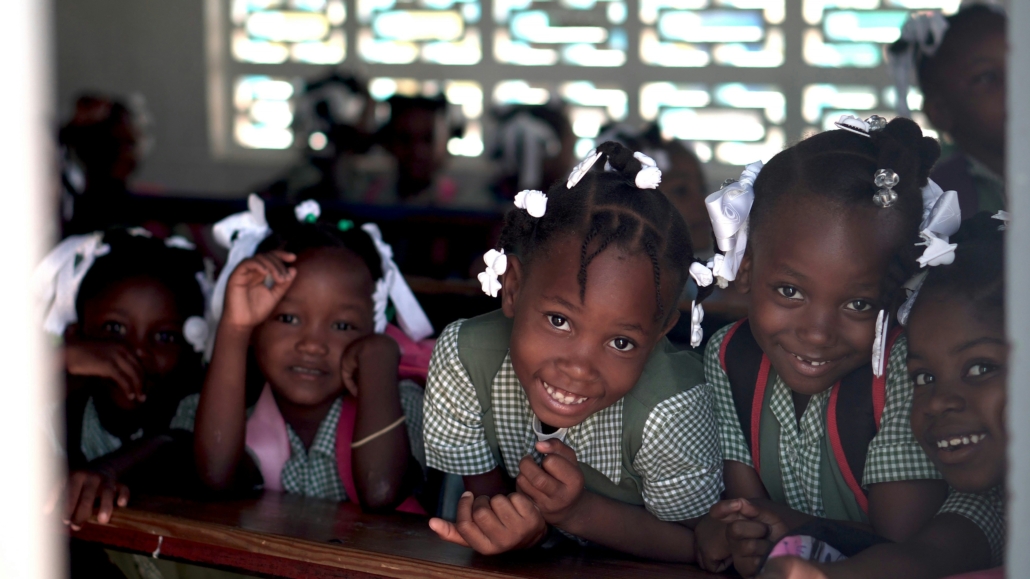
Education Crisis in Haiti: How Poverty and Violence Threaten Children’s EducationHaiti is facing a worsening crisis as violence continues to displace more than a million Haitians into tent cities. Armed groups now control an estimated 85% of Port-au-Prince, driving a record 1.3 million people from their homes in just six months, a 24% increase since December 2024, per the International Organization for Migration (IOM). More than half of those displaced—approximately 700,000—are children. The United Nations International Children’s Emergency Fund (UNICEF) reports that the number of internally displaced children has jumped by nearly 50% since September 2024, equating to one in eight children nationwide. 

The future of Haiti’s youth hangs in limbo as schools have become fragile lifelines; some have transformed into shelters, while others are completely rundown, cutting countless children from the classrooms they once knew. Amid the education crisis in Haiti, however, a wave of grassroots initiatives and community-led action is pushing back with hope.

A Crisis of Scale and Impact

The United Nations (U.N.) estimates that 5.4 million Haitians are facing crisis-level hunger, with 5,636 people already in catastrophic famine conditions. The World Food Programme (WFP) is urgently appealing for $46 million to sustain emergency operations targeting 2 million people, including half a million children relying on school meals—a critical lifeline now at risk. At the same time, the U.N.’s 2025 humanitarian appeal for Haiti remains underfunded, with only 9.2% of its $900 million goal met.

The State of Education

More than 1,600 schools have closed in Haiti, a 60% increase in just four months—disrupting learning for more than 243,000 children. In the West and Artibonite regions, nearly 1,000 schools have shut down, impacting 300,000 students. Meanwhile, in the Grand South, the arrival of 103,000 displaced school-aged children overwhelmed the education systems. Plan International reports that more than 90% of displaced children in the South and Southeast—where 260,000 people sought refuge—have lost access to education.

Henry Noel, a volunteer of buildOn, a nonprofit that partners with rural communities to build schools and promote literacy, spoke with The Borgen Project, saying, “Right now, the education crisis in Haiti is unlike anything we’ve seen in years. Violence in Port-au-Prince has forced millions of people from their homes and almost half a million of those are children. Many of them were already out of school and the violence has only made things worse. Entire schools have been attacked or destroyed—I think about 300 schools [in the capital] were shut down because of the violence.”

Rising to the Challenge in Rural Communities

By early 2025, an estimated one million Haitians had been displaced by escalating gang violence. Many of these families fled to rural towns—places they once considered safe havens. Yet this mass migration has overburdened local schools, with large waves of out-of-school children arriving all at once. Noel states, “For the families who fled, especially into rural areas, schools are overwhelmed. We see classrooms with twice as many students as they were built for. Children who missed one or two years of lessons are trying to catch up, often without books, without supplies, sometimes even without shoes to walk the long distance to class. It’s devastating.”

Amid the education crisis in Haiti, buildOn—a nonprofit dedicated to breaking the cycle of poverty through education—has stepped up its efforts to rebuild hope and access to learning. BuildOn is an international nongovernmental organization (NGO) that brings education to rural areas, supporting displaced families. In 2024, it built a new school in Journu, serving 285 students—150 of whom were previously out of school.

Enroll Program

Its Enroll program provides accelerated learning, supplies, meals and community engagement to restore educational access quickly. “Through Enroll, we go into the communities, identify children who are not in school and create a plan with their families and teachers to bring them back. We provide accelerated learning for those who fell behind, school supplies like notebooks and pencils and even meals in some cases.” 

Speaking on how buildOn is responding to the crisis, Noel said, “buildOn’s work is focused on two main areas: building safe schools in rural communities and helping out-of-school children re-enter the education system. Last year, for example, we built a new school in Journu, a rural community that received many displaced families. That school now serves about 285 students, 150 of whom had dropped out because of violence or poverty. For us, it’s not just about the building—it’s about giving those children a safe place where they can be children again.”

Building Hope Brick by Brick

Against the backdrop of a collapsing state, scorched schools and displaced millions, there remains a lifeline in classrooms carried on shoulders, songs played on guitars and books passed hand to hand. “The resilience of Haitian children and families is truly beautiful to witness. Despite everything, when we open a new school, the joy is incredible. Parents show up to help lay bricks, students are eager to learn, teachers are determined to keep going even when conditions are hard,” Noel said.

Where schools continue to teach, poetry fills the air and hands learn to stitch or strum, hope—and Haiti’s next generation—endures. As Noel concluded, “Don’t forget the children of Haiti. Every child deserves the chance to learn, no matter the circumstances. And even in the hardest times, education is possible—if we come together to make it happen.”

– Meagan Beaver

Meagan is based in Zephyrhills, FL, USA and focuses on Good News for The Borgen Project.

Photo: Pixabay

September 14, 2025
https://borgenproject.org/wp-content/uploads/borgen-project-logo.svg 0 0 Precious Sheidu https://borgenproject.org/wp-content/uploads/borgen-project-logo.svg Precious Sheidu2025-09-14 01:30:352025-09-14 01:22:48Education Crisis in Haiti: Poverty and Violence Threaten Education
Charity, Global Poverty

Kodak Black’s Philanthropy Prints a Brighter Future

Kodak Black's philanthropyKodak Black, an American rapper, might be best known for his rapping career, but when the mic is turned off, he’s on a mission to uplift those who come from the same struggles he did. Black’s impact reaches far beyond the music charts, from the streets of Pompano Beach where he was raised to the villages of Haiti where his roots run deep. Kodak Black’s philanthropy of donations and initiatives are leaving a legacy of giving far greater than his fame could.

From Struggle to Spotlight

Born and raised in the Florida Pompano Beach projects, Kodak Black faced poverty, crime and violence at an early age. Growing up, Black’s life was marked by instability and frequent run-ins with the law. However, Black turned to music to escape, express himself and earn an income. His first hit, “No Flockin,” dropped in 2014 and got his foot in the industry door, launching a career that would take him from local to global.

As the spotlight shone bright on him, he never lost sight of where he came from. The harsh realities of his upbringing shaped him and instilled a yearning to give back. Indeed, for Black, philanthropy isn’t a headline; it is a mission to help those in a place he once occupied.

Hydrating Haitians

Black’s parents are Haitian immigrants and his heritage has influenced his desire to help this community. Indeed, the struggles of the Haitian people are similar to those Black faced as a child. This connection influences him to help and his platform enables him.

In 2022, Black spent $50,000 to help hydrate Haiti, providing 35,000 bottles of clean water. Each bottle was labeled “last.” According to Black’s lawyer, Bradford Cohen, the label symbolized Kodak’s intention: “Kodak wants this to be the last time anyone in Haiti goes without water.”

The Mission Keeps Growing

Black’s impact doesn’t stop there, as he supports orphanages and food banks in Haiti. He even joined other artists for a benefit concert after the devastating earthquake that hit the country in 2021. His actions show he’s thinking globally, focused on helping people in places where poverty is extreme and resources are limited.

Black’s philanthropy stands out because of how direct and heartfelt it is. He doesn’t rely on big organizations or flashy campaigns. He sees a need and he steps in. This kind of hands-on giving shows that he’s not doing it for attention but because he truly cares.

A Legacy of Hope

Kodak Black’s philanthropy is building a legacy that goes far beyond music. Indeed, he’s showing that even someone who has faced pain and controversy can rise and become a force for good. His efforts in Haiti are just the beginning of what could become a powerful movement to fight poverty in struggling countries worldwide.

For Black, giving back isn’t just a project; it’s a way for him to help others the way he once needed to be helped. His impact on the people of Haiti shows his character and vow not to forget where he came from. Furthermore, Black’s help is more than just water or supplies. His efforts show that someone sees them, cares about them and is willing to fight for a better future.

– Marissa Schoth

Marissa is based in Benton, LA, USA and focuses on Celebs for The Borgen Project.

Photo: Wikimedia Commons

August 18, 2025
https://borgenproject.org/wp-content/uploads/borgen-project-logo.svg 0 0 Lynsey 2 https://borgenproject.org/wp-content/uploads/borgen-project-logo.svg Lynsey 22025-08-18 07:30:552025-08-17 13:05:38Kodak Black’s Philanthropy Prints a Brighter Future
Electricity and Power, Global Poverty

Renewable Energy: Improving the Health Care System in Haiti?

Health Care System in HaitiBetween the unstable political economy and repeated destruction left by climate disasters, around 50% of Haitians lack consistent access to electricity. This impacts not only individuals’ homes and livelihoods, but also the health care system in Haiti. Renewable energy has become the solution to this problem of healthcare access in Haiti as Justinien University Hospital stands out as a success story in renewable energy use.

Thanks to its location in the center of Cap-Haitien in Northern Haiti and available services, Justinien University Hospital is one of the largest public hospitals in the country. The hospital is also the second-largest teaching hospital in Haiti. Justinien University Hospital serves a population of more than 1 million in the surrounding area of northern Haiti

Renewable Energy Use at Justinien University Hospital

Beginning in 2024, Justinien University Hospital has been transitioning to a renewable energy model to power their medical facilities. As of May 2025, 60% to 75% of daily energy needs within the hospital are supplied by renewable sources. Justinien University Hospital used to rely heavily on diesel generators for power. As an administrator commented to a World Bank reporter, “We used to buy 120 gallons of diesel every day, which would cost nearly $22,000 per month. The installation of the renewable energy system has allowed us to reduce our dependence on fossil fuels by more than 60%. Now, we reallocate these funds to other services and improve the quality of care offered.”

Hospitals Turning to Solar Energy

In addition to Justinien University Hospital, the Ministries of Health and Public Works of Haiti, the United Nations Office of Project Services (UNOPS) and the World Bank have come together to implement renewable energy in five hospitals across Haiti. These hospitals have implemented a solar photovoltaic and battery storage system that provides a clean and reliable energy system to their medical facilities. Because of the quantity and reach of hospitals that have implemented this energy model, more than 1.5 million people could benefit, according to the World Bank. This increased energy security for medical facilities means a revolutionary increase in access to healthcare within Haiti

The Future

Access to energy is an ongoing issue in Haiti. Political upheaval and the impact of natural disasters, such as hurricanes, leave the country struggling to establish a widespread power grid. Despite the United Nations Sustainable Energy for All initiative aiming to provide universal energy access by 2023, there is still a long way to go within some Caribbean nations

Several sectors feel the impacts of this, but none so dire as the health care system in Haiti. In recent years, however, the Haitian government, along with several NGOs, has initiated the implementation of renewable energy sources in hospitals across Haiti. This has significantly improved healthcare access in Haiti, cutting hospital operating costs, making services more consistently available, and expanding the reach of the hospital within the local community.

– Gwyneth Connor

Gwyneth is based in Kensington, MD, USA and focuses on Global Health for The Borgen Project.

Photo: Flickr

August 10, 2025
https://borgenproject.org/wp-content/uploads/borgen-project-logo.svg 0 0 Naida Jahic https://borgenproject.org/wp-content/uploads/borgen-project-logo.svg Naida Jahic2025-08-10 01:30:202025-08-09 14:17:24Renewable Energy: Improving the Health Care System in Haiti?
Disease, Education, Global Poverty

The State of Higher Education in Haiti

Higher Education in HaitiHaiti has suffered with both environmental disasters and political chaos since 2010. As the poorest country in the western hemisphere, it is no surprise that more than half its population lives in poverty. The nation constantly struggles with food insecurity, clean water and access to quality health care. Limited job skills training exacerbated these struggles, highlighting the urgent need for better higher education in Haiti.

The State University of Haiti in Port-au-Prince, the country’s biggest university, has seen sharp fluctuations in attendance numbers. In the 2022-2023 school year, almost 30,000 students were enrolled. That number reduced by half, with fewer than 15,000 students attending the current 2024-2025 school year. This sharp drop is directly linked to the dangerous conditions in Port-au-Prince, where armed gangs have taken over large parts of the city and even the countryside. This sharp drop in attendance shows the impact Haiti’s instability has had on higher education in Haiti.

How Higher Education in Haiti Impacts Poverty and Stability

  1. Brain Drain: Haitians are leaving the nation for opportunities elsewhere. When educated people leave Haiti for schools abroad and do not come back, the country loses crucial talent. The nation desperately needs nurses and doctors to help sick Haitians. Engineers are essential to fix power and repair infrastructure. Without these trained professionals, the country becomes even more unstable, leading to fewer jobs for everyone. Brain drain has contributed to the steady decline of other nations. While it is difficult to calculate the exact number of people leaving the country for university overseas, at least 1.3 million people have been internally displaced from their homes due to the violence.
  2. Clean Water: Universities educate people to become engineers and construction managers, fields that Haiti desperately needs, as they work to address issues related to clean water. Less than 1% of Haiti has proper sewer systems, which leads to contaminated water and causes deadly diseases like cholera and typhoid. Without an educated population to address this issue, Haiti will likely continue to struggle to find practical solutions for clean water and sewage, which can result in the spread of disease and illness.
  3. Disaster Management: Frequent earthquakes plague Haiti, which sometimes have disastrous effects for the nation. How Haiti responds to these disasters is dependent on educated Haitians that do the work to rebuild buildings and bridges following intense earthquakes. If Haitians do not receive training to address these complex issues the impact of earthquakes can be long lasting and result in instability as power and transportation remain unreliable. A perfect example of how universities provide important training to Haitians was the training program that the State University of Haiti launched to train students at foreign universities so they could return more prepared for disaster management.

Rebuilding Haiti: ACTIVEH

There are groups working hard to strengthen higher education in Haiti. One great example is Action Toward Initiatives & Volunteering for Education in Haiti (ACTIVEH). This nonprofit started in Port-au-Prince in 2011 and is working to improve Haiti’s higher education system by giving students real-world experience and leadership skills.

ACTIVEH runs a volunteering and community service program and an internship program. Since 2014, it has brought in more than 250 students from 10 different universities and helped more than 150 students get internships.

Haiti’s current crisis has impacted the number of students attending its universities and prevented people from getting an education so that they can contribute in a positive way. This decrease in trained professionals weakens Haiti’s ability to solve its most urgent problems, which are what cause poverty in the country.

Looking Ahead

Despite these huge roadblocks, groups like ACTIVEH show the amazing strength and potential within Haiti to rebuild its education system. By doing so, they offer a real way to bring stability and reduce poverty. Supporting these efforts is absolutely crucial for Haiti’s long-term recovery and for the well-being of its people.

– Jeff Mathwig

Jeff is based in Philadelphia, PA, USA and focuses on Global Health and Politics for The Borgen Project.

Photo: Pexels

July 13, 2025
https://borgenproject.org/wp-content/uploads/borgen-project-logo.svg 0 0 Jennifer Philipp https://borgenproject.org/wp-content/uploads/borgen-project-logo.svg Jennifer Philipp2025-07-13 01:30:402025-07-13 01:20:13The State of Higher Education in Haiti
Electricity and Power, Global Poverty, Health

Solar-Powered Refrigeration in Haiti is Changing Vaccines

Solar-Powered Refrigeration in HaitiVaccine access has been crucial in Haiti’s fight against infectious diseases. Despite this, recurring conflict and political instability have limited the effectiveness of the national health care system. Health services remain difficult to reach, particularly in rural areas, creating significant barriers to timely vaccination.

Additionally, many rural villages are hours away from the nearest hospital, making vaccination difficult for many. However, Haiti has seen many innovative solutions, such as mobile clinics, which are designed to help treat individuals displaced by the conflict plaguing Haiti. Another creative solution is solar-powered refrigeration in Haiti.

Electricity in Rural Haiti

Reliable vaccine storage requires continuous electricity to maintain appropriate temperatures. However, as of 2021, nearly 75% of Haitians lacked consistent access to electricity. While national figures showed improvement in 2022, with almost half the population having access, rural areas continued to lag significantly behind, with access rates as low as 2%.

Frequent power outages in rural communities cripple vaccine storage capabilities. Furthermore, it increases the risk of spoilage and jeopardizes immunization programs against diseases like measles, polio and diphtheria. The World Health Organization (WHO) estimates that cold chain failures contribute to vaccine wastage rates of up to 50% in low-resource settings like Haiti, further complicating efforts to control preventable diseases.

An Innovative Approach

To address this challenge, organizations have implemented solar-powered refrigerators across Haiti. According to UNICEF, solar refrigeration units, powered by solar panels and batteries, have helped maintain stable storage temperatures in areas without reliable electricity. By 2022, more than 900 solar-powered vaccine refrigerators had been installed in Haiti. This was accomplished through support from partners like Gavi, the Vaccine Alliance and the Global Environment Facility. These units enable consistent vaccine storage, reduce spoilage and ensure that essential immunizations can reach even the most remote communities. They’ve become the backbone of routine immunization efforts in many areas, especially during outbreaks and vaccination campaigns.

These solar fridges replaced older gas and kerosene-powered units, improving storage reliability and expanding immunization coverage. Data from the Inter-American Development Bank (IDB) show that immunization coverage increased from 73.6% in 2017 to 86% within one year of implementation in targeted areas. Additional funding from the Global Environment Facility and IDB helped scale this solution by equipping several villages with solar-powered systems alongside solar-powered refrigerators in Haiti.

The Sunny Impact

The impact of solar-powered refrigerators in Haiti has extended beyond just increasing vaccine coverage for Haiti. By reducing the need to travel long distances for vaccines, rural residents can stay within their communities, conserving time and improving local economic participation. Overall, solar-powered refrigerators in Haiti have equipped mobile clinics with the power to reduce barriers to vaccine resilience and have generally improved multiple communities.

The Future

Solar-powered refrigeration in Haiti represents the first step toward innovating health care across the region. Even so, these innovations have saved thousands of lives by enabling faster access to life-saving vaccinations. While it’s only the beginning, this solution highlights the dedication of organizations worldwide working to serve communities that truly need support.

– Kallen Zhou

Kallen is based in Hattiesburg, MS, USA and focuses on Technology and Global Health for The Borgen Project.

Photo: Wikimedia Commons

July 10, 2025
https://borgenproject.org/wp-content/uploads/borgen-project-logo.svg 0 0 Lynsey 2 https://borgenproject.org/wp-content/uploads/borgen-project-logo.svg Lynsey 22025-07-10 03:00:282025-07-10 01:52:47Solar-Powered Refrigeration in Haiti is Changing Vaccines
Development, Employment, Global Poverty

Hope for Haitians: Baking a Brighter Future

Hope for HaitiansCenturies of French colonization heavily impacted Haiti’s economy and human development, making it the most impoverished nation in the Western Hemisphere. Political unrest and natural disasters continue contributing to negative economic growth and discouraging foreign investment. However, in 2024, Hope for Haitians started a baking project in Haiti with Au Bon Pain de Ton-Ro/Boulangerie et Pâtisserie, a for-profit bakery in Trou du Nord, Haiti.

This initiative, supported by the HELP Foundation and Village Leadership Councils (VLC), helps people in seven rural villages acquire jobs, providing job security while creating self-reliance in both the economy and food sources. This initiative can have a significant impact, as unemployment in Haiti affects about 15% of the population, nearly three times the global average.

Sustainable Partnership

Hope for Haitians and Au Bon Pain de Ton-Ro have similar goals, with Hope for Haitians respecting Au Bon Pain de Ton-Ro’s position as a locally owned business. Hope for Haitians provides the necessary funding to improve the bakery’s facilities, buy equipment and provide vocational training, ensuring the future success of this baking initiative in Haiti.

The bakery provides at least two jobs in each village, baking food for Hope for Haitians-VLC to sell and training employees to continue developing their skills. The main focus is long-term economic growth, which is accomplished through building job skills to keep the bakery operating while ensuring the success remains within the local economy.

Empowering Communities

This baking in Haiti project offers workers leadership roles and economic opportunities, fostering a sense of empowerment for people who struggle with poverty. Although Hope for Haitians-VLC provides operational and managerial support, each village has complete control over selling the bakery’s goods, helping workers earn locally.

The project uses a revenue-sharing system to support sellers and to give back to each community. Local sellers earn 5% of the sales; another 5% goes to schools, health care or public services. The project also creates jobs beyond the bakery, with workers receiving vocational training to acquire skills to participate in other business ventures.

This allows the workers to improve their baking skills while creating future opportunities in Haiti’s growing food industry. Infrastructure upgrades such as new ovens, milling equipment and distribution vehicles ensure the continued success of this initiative.

Overcoming Challenges

All parties involved understand that large projects come with risks and Hope for Haitians has pledged to use its resources to support the villages’ ongoing economic development. The organizations have implemented measures to ensure bakeries operate safely and efficiently, addressing challenges as they arise.

For example, if a village faces distribution issues, the bakery and Hope for Haitians-VLC work together locally to identify and resolve the problem, preventing it from affecting the broader operation. Additionally, contingency plans are in place for potential shutdowns or unexpected disruptions. This thoughtful approach reflects Hope for Haitians’s dedication to the community’s long-term success.

The Future

The bakery represents progress and hope for the future, showing how people living in poverty can become successful if given the right opportunities and support. Hope for Haitians is promoting a future founded on long-term growth by funding local companies rather than managing from outside.

As the project grows, its impact reaches beyond baking and distributing bread. It demonstrates how companies and nonprofits can work together to strengthen impoverished communities and help them escape poverty. The initiative allows Haiti’s rural areas to become more self-sufficient by focusing on local leadership and building community relationships.

– Rafe Photopoulos

Rafe is based in Gainesville, FL, USA and focuses on Business and Good News for The Borgen Project.

Photo: Pexels

April 23, 2025
https://borgenproject.org/wp-content/uploads/borgen-project-logo.svg 0 0 Lynsey 2 https://borgenproject.org/wp-content/uploads/borgen-project-logo.svg Lynsey 22025-04-23 07:30:452025-04-23 04:54:32Hope for Haitians: Baking a Brighter Future
Gender Equality, Global Poverty, Women's Rights

The Gender Wage Gap in Haiti

The Gender Wage Gap in HaitiWomen in Haiti earn 20% to 30% less than their male counterparts. Additionally, they are more likely to be unemployed and less likely to have consistent jobs. In addition to the gender wage gap, women in Haiti face higher unemployment rates and fewer opportunities for stable, long-term employment. The challenges are even greater for women with children, as they are less likely to find work compared to women without children, further compounding their economic struggles.

Education

Education is a significant factor in women’s employment, as educated women are more likely to have jobs in higher positions. The literacy rate for women in Haiti is among the lowest in Latin America and the Caribbean, which plays a role in the gender wage gap in Haiti.

Child marriage and early childbirth are two major factors that prevent girls in Haiti from attending school or completing secondary education. Secondary education is essential for women to access higher-paying jobs, as simply finishing primary school is often insufficient to secure employment.

Textiles

Women dominate the textile industry in Haiti, which holds promise for creating more jobs and potentially higher pay for women. However, entry-level positions, predominantly filled by women, offer extremely low wages. Although two-thirds of the workers in the industry are women, higher-ranking positions are often occupied by men. Many women in textiles have limited education and face additional disadvantages due to the country’s low minimum wage, which further impacts their earning potential.

Unemployment During the Pandemic

There was a significant decrease in women’s employment during the pandemic. This is likely attributed to inequality in pay for domestic work. Data shows that most women did household chores like laundry, cooking, cleaning and caring for children. Only 35% of people surveyed said that the man and woman of the household shared these duties. Women-dominated fields, such as firms, were closed disproportionately during the pandemic, causing these women to work solely domestically.

Economic Factors

While a legal framework mandates equal pay, certain jobs, such as night shifts, dangerous roles and industrial positions, typically offer higher wages. However, women often do not have equal access to these opportunities. This creates a loophole that perpetuates the gender wage gap in Haiti. This disparity significantly contributes to unequal pay between men and women in the workforce.

Women in Haiti are entitled to only 12 weeks of paid leave, compared to the recommended 14 weeks, while men are granted just one week of paid leave. Additionally, women with children under 5 are less likely to participate in the workforce. This policy creates significant barriers to women’s full employment and career advancement.

Empowering Women

To address the gender wage gap in Haiti, the Food and Agriculture Organization of the United Nations (FAO) supported the Haitian Ministry of Women’s Affairs and Women’s Rights (MCFDF) through the project “Supporting the Government of Haiti for the Socioeconomic Empowerment of Rural Women.”

The project, which ran from January 2020 to December 2021, aimed to raise awareness among rural women about the importance of their roles and potential within their communities. It provided 1,200 women, organized into 15 associations, with both technical and financial support to help foster women’s freedom.

Summary

The gender wage gap in Haiti is driven by limited education, unequal job opportunities and systemic barriers, particularly for women with children. Despite legal frameworks for equal pay, women face significant challenges accessing better-paying jobs. However, initiatives like the FAO’s empowerment project provide valuable support, offering women the tools to improve their economic independence. Addressing these issues is crucial for reducing the gender wage gap and creating a more equitable society in Haiti.

– Ella Burke

Ella is based in Lawrence, KS, USA and focuses on Technology and Celebs for The Borgen Project.

Photo: Wikimedia Commons

April 8, 2025
https://borgenproject.org/wp-content/uploads/borgen-project-logo.svg 0 0 Lynsey 2 https://borgenproject.org/wp-content/uploads/borgen-project-logo.svg Lynsey 22025-04-08 01:30:522025-04-07 13:25:06The Gender Wage Gap in Haiti
Food Insecurity, Global Poverty, Hunger

Addressing Food Insecurity in Haiti

Food Insecurity in HaitiHaiti, a neighbor to the Dominican Republic, is experiencing a food insecurity crisis on account of gang violence, political instability and economic turmoil, increasing poverty and food shortages. The gang violence has led to a disruption in food distribution and access for individuals such as children and families with pregnant women, who are displaced within the capital of Haiti, Port-au-Prince. Changing weather and limited agriculture have contributed to food insecurity in Haiti, resulting in 5.4 million Haitians experiencing hunger. Changing weather patterns is making it difficult for Haitian crops to grow as natural disasters are continuously coming by sweeping the sparse crops away. Haitians in Port-au-Prince, especially those who are displaced, are also having a hard time either being able to afford or reach food supplies, contributing to food insecurity in Haiti. Fortunately, organizations around the world are coming together to help feed Haitians who need help.

Food Insecurity in Haiti and the Malfety Canal

A variety of reasons make it hard for Haiti to feed itself, one of them being its reliance on imported goods. Improving infrastructure could be beneficial in lessening dependence on other countries’ goods and ensuring a more sustainable way for Haiti to feed itself in the future. Different organizations, such as P4H Global, raise money to support community-led building for canals, bridges and various other infrastructures that allow Haiti to become self-sufficient and feed itself.

According to the P4H Global, the Malfety Canal will allow the water located at the border between the Dominican Republic and Haiti to be distributed to the Malfety community. The Mafety Canal will irrigate about 7,000 agricultural land leading to a consistent water supply during dry seasons, and improved crop production by providing controlled water. The controlled water supply will then lead to more diverse crop production and better economic growth for Haiti because it will provide a more stable income for farmers and better prices for consumers. The water will allow the Haitians to start producing food for their people and start the end of the substantial imported goods.

How WFP Is Fighting Food Insecurity in Haiti

The United Nations World Food Programme (WFP) is currently helping feed people in Haiti. The WFP first started helping Haiti back in 1969. It then partnered with the World Bank back in 2019 to maximize its impact on countries struggling with food insecurity. With food insecurity in Haiti getting worse, the WFP, the World Bank and local NGOs have been providing food assistance for hot meals, cash transfers and school feeding programs to ensure that the people are being fed.

Combating Climate Challenges

The World Bank is working tirelessly to help Haiti combat climate issues through climate-smart agriculture. The organization first started helping Haiti through the Emergency Resilience Agriculture for Food Security project in March 2022. The World Bank claims that practicing climate-smart agriculture such as irrigation systems helps minimize the damage of natural disasters which overall leads to the Haitian community not having to rebuild every time there is a catastrophe. The project developed in 2022 has currently led to irrigation and drainage on 2,244 hectares. The World Bank is also funding 115 all-inclusive agricultural schools to teach the Haitians about farming impacting 21,739 farmers (44% of whom were women), covering an agricultural area of 11,113 hectares.

Looking Ahead

In response to food insecurity in Haiti, organizations around the globe are helping Haiti. P4H Global, an organization run by Haitian citizens and descendants, is building infrastructure like the Malfety Canal to provide a reliable water supply for agriculture. Meanwhile, the WFP and the World Bank are working together to feed the Haitian people through hot meals, cash transfers and school feeding programs. Climate challenges have also impacted Haiti but organizations like the World Bank are working with the Haitian people by teaching and providing them with climate-smart agriculture. Hopefully, these efforts will reduce food insecurity in Haiti moving forward.

– Naysa Saint Fleur

Naysa is based in Fort Myers, FL, USA and focuses on Global Health for The Borgen Project.

Photo: Flickr

March 6, 2025
https://borgenproject.org/wp-content/uploads/borgen-project-logo.svg 0 0 Jennifer Philipp https://borgenproject.org/wp-content/uploads/borgen-project-logo.svg Jennifer Philipp2025-03-06 01:30:482025-03-06 07:09:09Addressing Food Insecurity in Haiti
Food Insecurity, Global Poverty, Malnourishment

SDG 1 in Haiti: Progress and Challenges in Eradicating Poverty

SDG 1 in HaitiSustainable Development Goal 1 (SDG 1), which sets benchmarks and measures the progress of the fight to eradicate poverty, remains a critical focus for Haiti. According to the Sustainable Development Report 2024, Haiti ranks 151st out of 166 countries on the SDG Index, with a score of 52.68. Despite significant obstacles, including political instability and natural disasters, Haiti has made some progress toward achieving SDG 1 in Haiti.

The World Bank reports that as of 2024, approximately 36.6% of Haitians live in extreme poverty, which is defined as living on less than $2.15 per day. This marks an increase from 29.9% in 2020, reflecting worsening living conditions due to economic hardship, political instability and frequent natural disasters hindering progress on SDG 1 in Haiti.

Haiti’s Economic Decline and Poverty Rates

Haiti’s economy has experienced a prolonged and severe decline due to ongoing crises. The country’s gross domestic product (GDP) contracted by 4.2% in 2023, following a 1.9% decline in 2022. Political instability, gang violence and frequent natural disasters have deterred foreign investments and severely disrupted economic activity.

The Multidimensional Poverty Index (MPI), which measures poverty beyond income, indicates that 41.3% of Haiti’s population, approximately 4.7 million people, experience multidimensional poverty, while 21.8% remain vulnerable to falling into multidimensional  poverty.

How Multidimensional Poverty Impacts Life in Haiti

The effects of multidimensional poverty in Haiti extend beyond just income, influencing education, health care and food security. The high cost of education services, averaging $140 per child per year, forces many families to keep their children out of school. More than 250,000 children (ages 6–11) and 65,000 youth (ages 12–14) are not enrolled in school. Although most students attend school for 11.4 years, this equates to only 6.3 years of effective education due to low-quality learning outcomes.

Haiti is also facing one of the worst hunger crises in the Western Hemisphere. More than 4.9 million Haitians, nearly half the population, are in urgent need of food assistance due to economic hardship and supply chain disruptions due to gang violence and political instability.

Despite these immense challenges, there are a variety of initiatives sponsored by organizations and programs which are actively working towards poverty reduction in Haiti. These initiatives range from international aid efforts to locally driven solutions aimed at improving economic stability, food security and education access for thousands of Haitians 

Local Organizations and Agricultural Programs

The Peasant Movement of Papaye (MPP) in Haiti along with organizations like Grassroots International, empower Haitian farmers by promoting agroecology, sustainable farming practices and land rights advocacy. Through initiatives such as reforestation efforts, cooperative farming and education programs, the movement has helped thousands of peasants gain independence and escape poverty that exploitative agricultural systems caused.  

Fonkoze, Haiti’s largest microfinance institution, plays a crucial role in empowering local entrepreneurs, particularly women, through a combination of financial services and education. By providing small loans, financial literacy training and business development programs, Fonkoze helps Haitians build sustainable livelihoods and break the cycle of extreme poverty. In 2021 alone, Fonkoze disbursed $5 million in micro-loans, empowering thousands of entrepreneurs to expand their operations and increase their income. The organization served 158,080 Hatians by providing financial education and encouraging a culture of saving and financial planning among Haiti’s most vulnerable populations. Additionally, it disbursed 10,807 loans to support small business growth, while the total number of Empowered Lending clients reached an impressive 58,000. These initiatives not only contribute to individual financial independence but continue to contribute to the future success of SDG 1 in Haiti.

International Aid and Food Security Programs

The World Food Programme (WFP) plays a vital role in addressing SDG 1 in Haiti. Through emergency food assistance, school meal programs and community-based nutrition projects, WFP combats malnutrition and strengthens resilience against food insecurity.

The World Bank also funds many projects and initiatives in order to provide relief to thousands of Haitians through infrastructure development, educational and employment opportunities. Currently, the World Bank has or is in the process of funding 181 Haitian projects.

Additionally, the World Bank has approved $20 million of additional financing which is slated to up-scale renewable energy investments providing solar grids, micro grids, energy storage systems and stand alone systems providing an expected 5-12 megawatts of renewable energy. 

The Future of SDG 1 in Haiti

SDG 1 in Haiti remains hindered by economic instability, political unrest, and frequent natural disasters. However, with sustained efforts from the Haitian government, international organizations, and local communities, meaningful and lasting change is possible.

Long-term investments in education, economic growth, and food security are essential to breaking the cycle of poverty in Haiti. By expanding access to quality education, health care and job opportunities, Haiti can move closer to achieving Sustainable Development Goal 1 and ensuring a more stable future for its people.

– Gregory Brychta

Gregory is based in Seattle, WA, USA and focuses on Good News and Technology for The Borgen Project.

Photo: Pixabay

February 11, 2025
https://borgenproject.org/wp-content/uploads/borgen-project-logo.svg 0 0 Jennifer Philipp https://borgenproject.org/wp-content/uploads/borgen-project-logo.svg Jennifer Philipp2025-02-11 01:30:122025-02-10 23:35:22SDG 1 in Haiti: Progress and Challenges in Eradicating Poverty
Activism, Global Poverty, Health

How Zanmi Lasante is making an impact in Haiti

zanmi lasanteHaiti is a small country located on the island of Hispaniola with the Dominican Republic, surrounded by the Caribbean Sea, carrying a population of 11.72 million. Many problems are actively eroding the country’s prosperity, including poverty, poor health care and malnutrition. UNICEF reports that only 41% of Haitians live above the poverty line and malnutrition affects approximately 25% of children living in the capital. Amid all this anguish, many non-profits have started up in Haiti to help its citizens prosper and flourish. One in particular is Zanmi Lasante, a sister organization of the multi-national NGO Partners In Health, which operates in 11 countries and employs 18,000 workers worldwide.

Zanmi Lasante: HIV Initaitives

Established in the 1980s, Zanmi Lasante has impacted many Haitians. It supports many causes including HIV/AIDS reduction, mental health, nutrition and water sanitation.

In 1990, Zanmi Lasante created an HIV Equity Narrative to supply antiretroviral drugs to poor, rural areas. Patients who have been diagnosed with HIV early on can receive these drugs to prevent its replication. The organization also employs many community workers who distribute medicine to patients and care for them at home. The program also holds screening programs to detect the virus. So far, the program has tested more than 100,000 for HIV this year and an estimated 15,000 people have received antiretroviral drugs during the same period.

Mental Health

Zanmi Lasante expanded its range in 2005 and started focusing on alleviating mental health issues in Haiti; it improved its services in 2012 and now employs community health workers, nurses and psychologists who support patients with depression, epilepsy, psychotic disorders and children with psychological issues. The organization has also created the Zanmi Lasante Depression Symptom Inventory, which is a depression assessment tool manual written in Haitian Creole.

Zanmi Lasante held more than 9,000 therapy visits annually. From July 2023 to June 2024, it held 385 community outreach programs and 408 learning seminars regarding psychological issues.

Malnutrition and Hygiene

Furthermore, since 2013, Zanmi Lasante has been producing the food item Nourimaba, which is an extremely nutritious paste that it distributes for free among Haitians suffering from malnutrition. The organization makes Nourimaba from peanuts, milk powder, canola oil, sugar and vitamins. Consuming this for less than two months consistently can restore a severely malnourished child to health. Today, Zanmi Lasante successfully produces more than 120 metric tons of Nourimaba each year.

In order to improve Haiti’s water sanitation, the NGO provides soap to numerous hand-washing areas and improves old plumbing infrastructure by putting in newer pipes that connect to pure water reserves. The organization targets more than 50,000 people with these activities per year.

Partners In Health and Zanmi Lasante are making big changes in Haiti and increasing the country’s living standards daily. This non-profit’s work is likely to make even more improvements for Haitians and drastically reduce poverty, hunger, and sickness rates in the future.

– Mustafa Tareen

Mustafa is based in Lahore, Punjab, Pakistan and focuses on Global Health and Celebs for The Borgen Project.

Photo: Unsplash

November 25, 2024
https://borgenproject.org/wp-content/uploads/borgen-project-logo.svg 0 0 Naida Jahic https://borgenproject.org/wp-content/uploads/borgen-project-logo.svg Naida Jahic2024-11-25 01:30:242024-11-24 11:21:42How Zanmi Lasante is making an impact in Haiti
Page 2 of 6‹1234›»

Get Smarter

  • Global Poverty 101
  • Global Poverty… The Good News
  • Global Poverty & U.S. Jobs
  • Global Poverty and National Security
  • Innovative Solutions to Poverty
  • Global Poverty & Aid FAQ’s
Search Search

Take Action

  • Call Congress
  • Email Congress
  • Donate
  • 30 Ways to Help
  • Volunteer Ops
  • Internships
  • Courses & Certificates
  • The Podcast
Borgen Project

“The Borgen Project is an incredible nonprofit organization that is addressing poverty and hunger and working towards ending them.”

-The Huffington Post

Inside The Borgen Project

  • Contact
  • About
  • Financials
  • President
  • Board of Directors
  • Board of Advisors

International Links

  • UK Email Parliament
  • UK Donate
  • Canada Email Parliament

Get Smarter

  • Global Poverty 101
  • Global Poverty… The Good News
  • Global Poverty & U.S. Jobs
  • Global Poverty and National Security
  • Innovative Solutions to Poverty
  • Global Poverty & Aid FAQ’s

Ways to Help

  • Call Congress
  • Email Congress
  • Donate
  • 30 Ways to Help
  • Volunteer Ops
  • Internships
  • Courses & Certificates
  • The Podcast
Scroll to top Scroll to top Scroll to top