• Link to X
  • Link to Facebook
  • Link to Instagram
  • Link to TikTok
  • Link to Youtube
  • About
    • About Us
      • President
      • Board of Directors
      • Board of Advisors
      • Financials
      • Our Methodology
      • Success Tracker
      • Contact
  • Act Now
    • 30 Ways to Help
      • Email Congress
      • Call Congress
      • Volunteer
      • Courses & Certificates
      • Be a Donor
    • Internships
      • In-Office Internships
      • Remote Internships
    • Legislation
      • Politics 101
  • The Blog
  • The Podcast
  • Magazine
  • Donate
  • Click to open the search input field Click to open the search input field Search
  • Menu Menu

Tag Archive for: Poverty in Haiti

Posts

Economy, Global Poverty

Haiti Remains Resilient

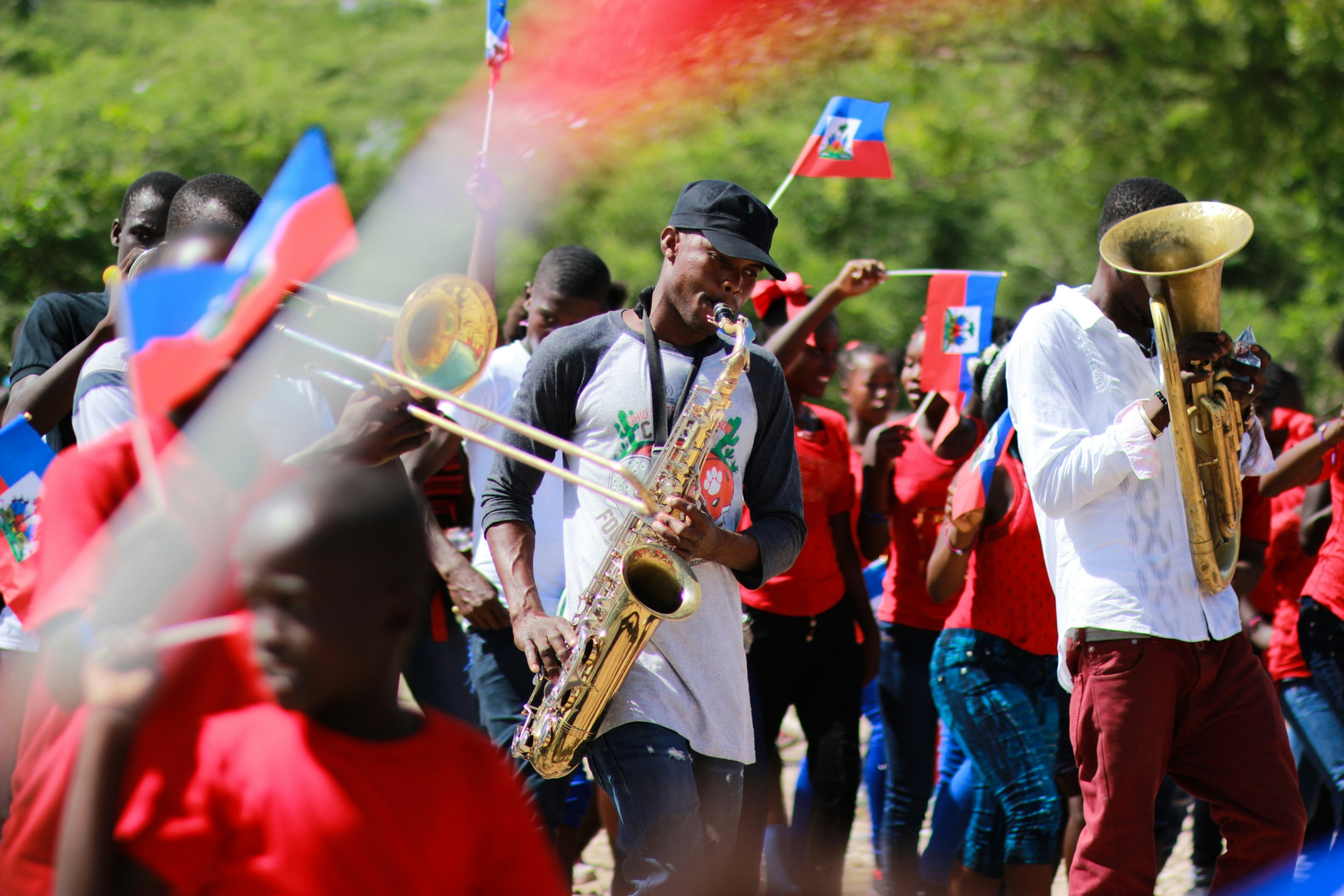
HaitiDespite having faced multiple challenges and with “more than half of its population living below the poverty line,” the people of Haiti remain resilient. Haiti was once the wealthiest colony in the Americas producing sugar, coffee, cacao, cotton and indigo. Today Haiti is the poorest country in Latin America and the Caribbean region. As of 2023, some 4.4 million people, 40% of Haiti’s population, are facing acute food insecurity according to the United Nations (UN) Humanitarian Affairs Agency, Office for the Coordination of Humanitarian Affairs (OCHA). In 2022, Haiti ranked 163 out of 191 countries on the United Nationals Human Development Index.

Today the country needs economic growth. Although humanitarian assistance could alleviate some urgent needs it does not address the root of the current economic and political paralysis Haiti faces. Eradicating poverty is vital to Haiti’s economic growth. The existence of poverty leaves Haiti open to corruption and impedes the growth of the economy. Poverty in Haiti is so excruciating that most of the Haitian population finds it almost impossible to meet their basic needs such as shelter, health care and food.

International Support

The United Solar Associates partnered with the Ministries of Aides International Organization and delivered an “Off-Grid Photovoltaic System” designed by the Department of Electrical Engineering, University of Massachusetts. The system was installed at the Port-Margot School Solar Project in Haiti to eliminate the existing problem of intermittent electricity. Students and residents will benefit from reliable service of electricity to their computers, copiers and printers in the computer learning center.

Furthermore, the Ministry of National Education registered “more than a million students, more than 17,000 schools and more than 30,000 teachers” in its 2023 data collection.

In addition, the University of Miami (UM) Miller School of Medicine physicians and staff treated more than 250 critically injured within 48 hours of arriving in Haiti after the 2010 earthquake. Subsequently, they have provided telemedicine consultations, fundraising and communications support.

Post-Earthquake Projects

Next, the World Bank provided support to Haiti following the 2010 earthquake and the 2016 hurricane has achieved significant results. Moreover, there are 18 active projects focusing on energy, education health, agriculture, water, infrastructure, disaster risk management and sanitation and the World Bank has invested more than $1.2 million as of October 2023, according to its website.

Finally, the International Development Association (IDA) financed 456,000 tuition waivers for Haiti residents and developed a school feeding program that will provide meals to over 23,000 students. IDA’s intervention also provided cholera education and prevention training to more than 3 million people. In 2011, there were 350,000 cases of Cholera. Since 2019, there have been “no laboratory-confirmed cases.”

“The Heart Has a Memory”

Scholars argue the truth to be found in Friedrich Nietzsche’s statement, “That which does not kill us makes us stronger.” Perhaps the memory of having once been the richest colony is the root of Haitian resilience. “The heart has a memory of its own and it has forgotten not one thing; and yet, all seems to slip away in the blink of an eye.”

– Pamela Fenton
Photo: Unsplash

March 12, 2024
https://borgenproject.org/wp-content/uploads/borgen-project-logo.svg 0 0 Jennifer Philipp https://borgenproject.org/wp-content/uploads/borgen-project-logo.svg Jennifer Philipp2024-03-12 07:30:212024-03-12 01:03:24Haiti Remains Resilient
Education, Global Poverty

The Osaka Foundation: Improving Haiti’s education system

The Osaka FoundationHaiti is a Caribbean country battling deficient education quality following two massive earthquakes in 2010 and 2021 and the 2020 pandemic continues to have residual effects on the country’s education system.

These events have caused a significant decrease in Haiti’s Human Capital Index (HCI). Human capital is essentially the skills and experiences citizens develop that can benefit countries and their infrastructures, an example being a country having quality education. Countries with higher human capital allow citizens to excel in productivity, which will, in turn, benefit countries economically.

In Haiti, the HCI is 0.4 out of 0.8, meaning there needs to be more effort in developing a quality education for Haitian students. According to the World Bank, “a child born today in Haiti will grow up to be only 45% as productive as they could be if he or she had enjoyed full access to quality education and health care.” This statistic represents the importance of bettering Haiti’s education system.

Facts About Haiti’s Education System

According to Schools for Haiti (a non-profit organization focusing on religious teachings), “the enrollment rate for a primary school in Haiti is 57% and fewer than 30% of the students reach 6th grade.”

The low enrollment in Haiti is because of the lack of public education. Most schools in Haiti are private and require tuition payments for children to attend, which many families cannot afford. According to Reuters, “most Haitian citizens live on less than $3 per day,” and the cost of private schooling can range from $1,400.00 in inner-city areas to $552.00 in the countryside annually in Haiti.

Currently, violent gangs grow staggeringly as the government is in shambles following the pandemic and the assassination of their President, Jovenel Moïse, in 2021. The weak government leadership has allowed Haitian gangs to dominate Haiti’s food supplies, money circulation and schools. The power these gangs have over the education system is tremendous; children are being recruited into gangs as it is the only organization providing food and protection to citizens and schools are dealing with raids, leaving the students in dangerous situations.

Violent Attacks

UNICEF reports that within the past year in Port-au-Prince, Haiti’s capital and most populated city: “72 schools have been targeted, compared to eight during the same four-month period the year before. This includes at least 13 schools targeted by armed groups, one school that was set on fire, one student who was killed and a school in which two staff members were kidnapped.”

In response to these violent attacks, many schools have shut down to protect the students and their staff. In the same report, UNICEF states, “In the first six days of February alone, 30 schools were shuttered as a result of escalating violence in urban areas, whereas since last year October, it has been found that 1 in 4 schools has remained closed.”

The Importance of Education in Haiti

Education is the key to social mobility for many, especially in underdeveloped countries where they understand the privilege of quality education. In an article by Joseph Burns, a writer for New Trader U, “Quality education plays an integral role in nurturing generations of minds. While the classroom provides structured learning, gaining knowledge is a lifelong endeavor that brings immense personal fulfillment.”

Education is a vehicle for a better future for their children, so many parents in Haiti are adamant about paying for their education despite the high expense. The children in Haiti have numerous obstacles to earning a quality education.

The Osaka Foundation

Over the years, there has been a great effort to create a more stable free education experience for Haitian children that can manifest a bright future for Haiti’s children. Many organizations and nonprofits plan on bringing high and equal education to Haiti’s students. Garry Jules is the coordinator and VP of Business Development of The Osaka Foundation. The Osaka Foundation is a non-profit organization in Jacmel that educates children ages 5 to 11 in sports, music, technology and primary education to empower and inspire Haiti’s youth.

Jules expresses concern with the violent events in Haiti but wishes many to know that is not the only aspect of Haiti. There is so much untapped brilliance in Haiti’s children, academically and physically. They are just not allowed to express it within the current academic structure. Jules spoke with the Borgen Project, saying, “We cannot just be the subject in the news for them; we must get involved. So, one of our missions is to reach out to students in the diaspora, in general, to make changes.”

The Osaka Foundation supports incorporating sports in their education program to show alternative ways students can learn, as sports are one of the more popular activities to entertain themselves throughout their days. Jules emphasizes the importance of Haitians working with what they currently have. Strengthening the education of sports can bring hope to the students and their futures: “Allow them to become professional athletes if they can benefit from a scholarship from other universities in the world and then that’s a way for them to promote Haiti socially too,” Jules states.

Conclusion

Haiti’s education system faces struggles, but they are endeavors the Haitian community is willing to battle to bring in quality education and future generations that can shine a light on Haiti’s unique attributes and capabilities.

– Jessica Jean-Baptiste
Photo: Flickr

February 21, 2024
https://borgenproject.org/wp-content/uploads/borgen-project-logo.svg 0 0 Lynsey 2 https://borgenproject.org/wp-content/uploads/borgen-project-logo.svg Lynsey 22024-02-21 03:00:062024-02-20 03:11:49The Osaka Foundation: Improving Haiti’s education system
Global Poverty

New USAID Program Seeks to Combat Food Insecurity in Haiti

Food Insecurity in HaitiIn February 2022, the United States Agency for International Development (USAID) announced the start of a new five-year program that promises $50 million in assistance to Haiti. The program, titled Ayiti Pi Djanm (“A Stronger Haiti”), will tackle food insecurity, nutritional status and building resilience for Haiti’s most vulnerable households.

Background on Food Insecurity in Haiti

Haiti has grappled with a growing need for humanitarian assistance in recent years. The Integrated Food Security Phase Classification (IPC) reported many key drivers of food insecurity, including the 7.2 magnitude earthquake that shook the island nation in August 2021. Reduced rainfall and harvests in 2021 led to income loss among farmers, while insufficient government assistance and a general economic decline in the country due to rising inflation rates, depreciation of the Haitian gourde against the U.S. dollar and the economic blowback of the COVID-19 pandemic have only compounded the issue.

These factors left an estimated 4.3 million people facing crisis levels of food security by the end of 2021, according to the Famine Early Warning Systems Network (FEWS NET).

In 2022, conditions only worsened with rising costs attributed to the conflict in Ukraine. Haiti is particularly vulnerable to shocks in the global food and fuel markets due to its heavy reliance on imports. Furthermore, the threat of the ongoing Atlantic hurricane season looms over the economically fragile nation.

A Stronger Haiti

At the International Event for the Financing of the Reconstruction of the Southern Peninsula of Haiti, USAID Deputy Administrator Isobel Coleman revealed their 5-year plan to combat Haiti’s struggle with food insecurity. The conference’s objective was to expand international attention and support to Haiti in response to the 2021 earthquake that caused close to $2 billion in damages across the nation. The project, Ayiti Pi Djanm, initially titled in Haitian Creole, translates to “A Stronger Haiti.”

The USAID program in Haiti is projected to reach nearly 90,000 Haitians across the Nord-Est and Sud departments with integral support. The efforts will include:

  • Community-level training on nutrition and nutritious foods
  • Financial education
  • Promotion of climate-smart agricultural practices
  • Distribution of food vouchers
  • Distribution of multipurpose cash assistance (MPCA)

USAID will partner with international NGO Catholic Relief Services (CRS) to bring this program to fruition. Led by CRS, the project will focus on private sector investments to support local production of food crops, both to reduce food insecurity and foster opportunities for agricultural livelihood.

USAID and Earthquakes

Since the devastating magnitude 7.0 earthquake in 2010, USAID has been Haiti’s top donor, contributing around $5 billion in aid. Relief, recovery and long-term reconstruction assistance in 2010 included search and rescue efforts, the launch of emergency shelters and the construction of educational facilities. These past USAID programs in Haiti have been integral to the nation’s disaster response and economic stability in the face of new challenges. 

In 2021, the U.S. Government provided almost $105 million towards disaster response and risk reduction, including over $92 million from USAID. 

CRS has partnered with USAID Bureau for Humanitarian Assistance (BHA) since its outset in 1954, supporting BHA growth through advocacy to Congress and the White House. Together, these organizations have been successful in implementing emergency and ongoing efforts to tackle food insecurity in Haiti as well as other nations across the globe.

– Carly Ryan Brister
Photo: Unsplash

November 9, 2022
https://borgenproject.org/wp-content/uploads/borgen-project-logo.svg 0 0 Jennifer Philipp https://borgenproject.org/wp-content/uploads/borgen-project-logo.svg Jennifer Philipp2022-11-09 01:30:102024-05-30 22:30:25New USAID Program Seeks to Combat Food Insecurity in Haiti
Global Poverty, Poverty

Project Esperanza: Responding to Poverty in Haiti

poverty in haiti
Many know Haiti for its need for foreign aid. Not only do its citizens suffer at the hands of their own government, but natural disasters caused more than half of Haiti’s population to fall into poverty, as of 2012. Project Esperanza, an NGO based in the Dominican Republic, is working to help immigrants escaping poverty in Haiti build new lives for themselves and their families.

Causes of Poverty in Haiti

Haiti is classified as a Republic. It has executive, legislative and judicial branches. Citizens vote for their president and prime minister (who each serve a five-year term). Though the nation is in dire need of aid for its citizens, the International Monetary Fund (IMF) was on the fence about giving aid to the government in 2019. After the IMF struck a deal with Haiti to give the country $229 million, there was a significant governmental change when they switched prime ministers. This untimely decision, halting the exchange of the funds, had a negative outcome, as Haitian citizens needed that aid.

The government’s lack of cooperation accentuates poverty in Haiti, but one of the main causes of poverty in Haiti recently is the economic downturn in 2019. Haiti closed its borders completely for almost half of 2019 because of fuel shortages. Venezuelan gas providers cut Haiti off due to unpaid debts and a fuel crisis also in Venezuela. With essential services like hospitals unable to operate, the need for foreign aid increased. Without access to proper health care, poverty in Haiti increased.

Project Esperanza Aids Haitian Immigrants

A common way of escaping poverty is immigration. Many Haitians find refuge in Puerto Plata in the Dominican Republic. Immigrants make the difficult decision to leave their entire lives behind and start fresh. Approximately 800,000 Haitian immigrants have settled in the Dominican Republic.

Fortunately, there are people willing to help these immigrants build a better life for themselves and their families. Project Esperanza is an NGO that helps give Haitian immigrants the tools that they need in order to survive outside of their country of origin. The organization recognizes that Haiti is a well-known crisis zone in constant need of humanitarian aid, with one of its main concerns being poverty among its citizens. Therefore, it works to ensure that Haitian immigrants receive the support they need to rise out of poverty once they reach the Dominican Republic.

One of Project Esperanza’s initiatives has employed Haitian artists in a free trade art shop so that they can make a living in their new home. The organization also runs a boys’ home for immigrant youth without familial support and sponsors schools across the country. Project Esperanza’s primary focus is providing educational and social opportunities for immigrants, adapting to their needs.

Moving Forward

Rising poverty in Haiti has caused an increase in Haitian immigrants. Moving forward, it is essential that the Haitian government and international humanitarian organizations address the causes of poverty and provide much-needed aid. The work that organizations like Project Esperanza are doing is also essential, helping immigrants build successful and prosperous lives.

– Moriah Thomas
Photo: Pixabay

September 9, 2020
https://borgenproject.org/wp-content/uploads/borgen-project-logo.svg 0 0 Kim Thelwell https://borgenproject.org/wp-content/uploads/borgen-project-logo.svg Kim Thelwell2020-09-09 16:30:212024-05-29 23:22:57Project Esperanza: Responding to Poverty in Haiti
Aid, Global Health, Global Poverty, Life Expectancy, Poverty Reduction

Poverty in Haiti: One Island, Two Worlds

Poverty in Haiti
On the Caribbean island of Hispaniola lies two countries: Haiti and the Dominican Republic (DR). Despite being on the same island, poverty in Haiti far exceeds that of its neighbor.

The Statistics

The United Nations evaluated Haiti and the DR for human development considering three factors: “a long and healthy life, access to knowledge and a decent standard of living.” The DR ranked 94th out of 182 countries, indicative of its high human development. Haiti ranks much lower at 168th. The average life expectancy in the DR is 74 years, in contrast to Haiti’s average of 63. The DR’s expected years of schooling are approximately 14 years, while Haiti’s is about nine years.

The difference in development is evident in each countries’ economy as well. In the DR, rates of poverty decreased from 21.7% to 19.9% from 2015 to 2016. Within five years, the DR’s average rate of GDP growth was 5.8% per year. This economic boost has translated into a decrease in poverty and income inequality. In contrast to the DR’s economic success, the Haitian economy is suffering, leading to the majority of its population (58.5%) being in poverty in Haiti. In Haiti, GDP has decayed at a rate of 0.2%. Rapid inflation also plagues Haiti, indicating its struggling economy.

Differing Geography

There are several reasons behind these stark contrasts in development. The geography of the island is one explanation. The mountains dividing the island are able to prevent rainfall from coming to Haiti. Northeast trade winds blow towards the DR, promoting rainfall on its side. Additionally, deforestation is a serious issue on the Haitian side of the island, creating environmental and agricultural roadblocks.

These geographical features make it troublesome for Haitians to grow crops, which takes a toll on their primarily agricultural economy. This lack of cultivation decreases opportunities for farms in Haiti. Deforestation also diminishes the scenic beauty in the country, while the DR uses its natural scenes to promote tourism and bolster its economy.

Looking to History

Deforestation in Haiti began with Spanish colonization. When the Spanish colony gave a part of Hispaniola to France in 1697, the French began to import an excessive amount of slaves into the land. Although the Spanish also used slaves, France used nearly 10 times as much. The French over-cultivated the same cash crops, coffee and sugar in the same soil, which led to the environmental devastation of the country today. Haiti was the first independent black state, which came at a large cost as well. Its extreme amount of debt to the French government deteriorated its economy, as well as disputes about how to construct its new autonomous government. Although U.S. occupation and political instability riddled both the DR and Haiti, Haiti has received continuous exploitation and its leaders have had little regard for economic development.

Although there have been many countries that have provided international aid and relief, notably the U.S., the country has not been able to solve much. This is mostly due to the country not having the necessary investment in its aid. In fact, Haiti has even pursued policies that actively diminish its economy.

Organizations in Haiti

Although many countries have not aided Haiti with its recovery from exploitation, several non-governmental organizations have pursued several projects to tackle poverty in Haiti. After Haiti’s disastrous 2010 earthquake, Global Communities implemented several initiatives to remove rubble. The organization has now removed over one million cubic meters of rubble, providing 20,000 locals with short-term jobs. Global Communities also created the Lavi Miyo Nan Katye pa’m Nan (LAMIKA) program, which translates to “a better life in the neighborhood.” It focuses on Carrefour-Feuilles, a poverty-ridden neighborhood greatly affected by the earthquake in Port-au-Prince. It is reconstructing 1,500 meters of roads, almost 2,000 meters of pedestrian footpaths and nine schools. It has also worked to improve the water and sanitation systems of the country.

The Pan American Development Foundation (PADF) has also conducted several projects to alleviate poverty in Haiti. To improve the economy, PADF implemented the LEAD program, which the United States Agency for International Development (USAID) funded. LEAD connects investors from the U.S. and Canada to Haitian businesses, helping them develop into larger enterprises. Collaborating with American Red Cross and USAID, PADF encourages “resilient urban development” in the area of Canaan under the program name, Ann Boust Canaan. The program has introduced vocational schools to better train residents for jobs. Additionally, it has created 1,500 new jobs and linked citizens to businesses to better access their finances.

To expand the limited medical treatment in Haiti, Doctors Without Borders manages three hospitals in Port-Au-Prince. There is a prevalence of burn victims that require medical care in this region, so, in 2017, the organization administered 1,300 emergency room visits and aided approximately 700 patients. Victims of sexual and gender-based abuse obtained care, with 769 patients receiving treatment in 2017. Doctors Without Borders educates hospital staff and has begun building a new hospital in Haiti as well.

What Individuals Can Do

For those who would like to be more involved in the process of reducing poverty in Haiti, they can make donations to programs through the organization Hope for Haiti. The program allows donors to choose where they would like their donation to go, such as health care, education and environmental development. Another more active approach is volunteering for Haitian organizations. The organization MedShare sends medical supplies to Haitian hospitals and clinics and requires volunteers to package the items in the U.S. before shipping.

Haiti has undergone exploitation throughout its history. The DR has experienced exploitation, but to a lesser extent, which its better economic and environmental conditions today show. Since countries have not aided Haiti sufficiently, there are several non-governmental organizations that have helped in recovery from its instability. Individuals can also help by volunteering their time or supplies to Haitians in need. Being born on different sides of the same island should not determine drastically different life outcomes.

– Diana Piper
Photo: Flickr

September 30, 2019
https://borgenproject.org/wp-content/uploads/borgen-project-logo.svg 0 0 Kim Thelwell https://borgenproject.org/wp-content/uploads/borgen-project-logo.svg Kim Thelwell2019-09-30 10:11:202024-05-29 23:11:05Poverty in Haiti: One Island, Two Worlds
Global Poverty

5 Facts About Health Care in Haiti

Five Facts about Healthcare in Haiti
Haiti is known as the poorest country in the Western Hemisphere. Unsurprisingly, the Caribbean country also reports some of the lowest health indicators in the world due to a number of factors including weak infrastructure and low public health care spending. Keep reading to learn the top five facts about health care in Haiti.

5 Facts About Health Care in Haiti

  1. Lack of Infrastructure: frequent natural disasters, such as the earthquake of 2010 and Hurricane Matthew in 2016, make it difficult to maintain basic health facilities in Haiti. For example, the 2010 earthquake destroyed 50 health centers, part of Haiti’s main teaching hospital and the Ministry of Health. Lack of basic infrastructure also limits the accessibility of clean water and sanitation systems.
  2. Continued Effects of Cholera: following an earthquake in 2010, Haiti suffered its first cholera outbreak in a decade, when infected sewage contaminated a river. Approximately 10,000 people have died of cholera, while more than 800,000 have contracted the infection. Despite the United Nation’s promise to raise $400 million for a Haitian Cholera Relief Fund, the U.N. has raised only 8.7 million (2.2 percent of the amount promised). Even now, nearly a decade after the outbreak, cholera infects approximately 75 people every week. This outbreak continues to put a strain on the Haitian health care system.
  3. Child Malnutrition: 20 percent of Haitian children suffer from malnutrition. Further, half of these children are acutely malnourished. Malnourishment also contributes to high rates of childhood mortality in Haiti and 7 percent of children will die before their fifth birthday. For context, the childhood mortality rate of Haiti is exceptionally high, twice that of its neighbor, the Dominican Republic. Even when malnourished children survive, malnutrition continues to affect them throughout their lives. The lack of adequate nutrients early in life reduces an individual’s physical and mental development going forward.As of January 2018, there are three active USAID programs in Haiti with a specific focus on nutrition.
    • Aksyon Kominote nan Sante pou Ogmante Nitrisyon (AKSYON)
    • Ranfose Abitid Nitrisyon pou Fè Ogmante Sante (RANFOSE)
    • Feed the Future West Chanje Lavi Plantè
  4. Lack of Preventive Care: more than half of health care spending in Haiti goes toward curative medicine, as opposed to preventive care. This focus stems primarily from frequent natural disasters in the area. Low numbers of health care professionals in Haiti make it even more difficult for Haitians to seek regular, preventive care. According to the World Health Organization, for every 3,000 citizens, there is only one trained doctor or nurse in Haiti.
  5. Low Public Healthcare Spending: despite health challenges in Haiti, the government’s spending on health has lowered drastically since 2002, going from 16.6 percent to 4.4 percent of the national budget. In fact, public per capita healthcare spending is only 13 dollars a year. This is significantly lower than per capita healthcare spending in neighboring Dominican Republic, which is 180 dollars per capita. With declining international assistance, low government spending makes primary health care in Haiti difficult to access.

The health care system in Haiti is constantly under strain, due to low government spending and frequent natural disasters. Poor health across the country debilitates its growth and development. The World Bank has made several policy recommendations targeted at changing the status quo in Haiti. Chief among them is a reallocation of resources from hospitals to more preventative care and primary clinics.

– Morgan Harden
Photo: Unsplash

March 27, 2019
https://borgenproject.org/wp-content/uploads/borgen-project-logo.svg 0 0 Kim Thelwell https://borgenproject.org/wp-content/uploads/borgen-project-logo.svg Kim Thelwell2019-03-27 01:30:282024-05-29 22:58:325 Facts About Health Care in Haiti
Children, Global Poverty

The Chanje Movement’s Projects: Five Symptoms of Poverty in Haiti

Poverty in Haiti
From the devastation caused by the 2010 earthquake and the Haitian Creole word “chanje,” meaning “change” and “transformation,” hope for Haitians has emerged in the form of the Chanje Movement. According to the movement’s website if you can say yes to change and share it with the community and the world, then you could be considered as a part of the Chanje Movement.

Yet, beyond such motivating and inclusive statements, the Chanje Movement tangibly combats poverty in Haiti by transforming the lives of the next generation through addressing basic needs, creating healthy communities and providing leadership training.

The Chanje Movement believes that young people in Haiti have the power to reconstruct a nation in which more than 50 percent of the population is poor and 2.5 million people need humanitarian aid eight years after the earthquake that took 316,000 lives.

Five of the projects the Chanje Movement promotes on its website highlight five symptoms of poverty in Haiti. They are described below.

The Dream Center

The Dream Center is intended to be a community center where Haitians can gather to have a variety of physical and social needs meant. In Croix-des-Bouquets, a village about eight miles northeast of Port-au-Prince, people are working on building in stages a space for a church with a local pastor, a medical clinic, an education center, a trade school, a home for orphans and an auditorium for special events.

Specifically, the Chanje Movement desires for this type of space to be replicable throughout Haiti, so as they equip the Haitians of Croix-des-Bouquets, they can, in turn, spread similar positive change throughout the country. The World Bank claims that one of the key needs poverty in Haiti has created is the investment in people, both in their individual futures and access to basic services and collectively as a community. The Dream Center aims to accomplish these needs.

Clean Water

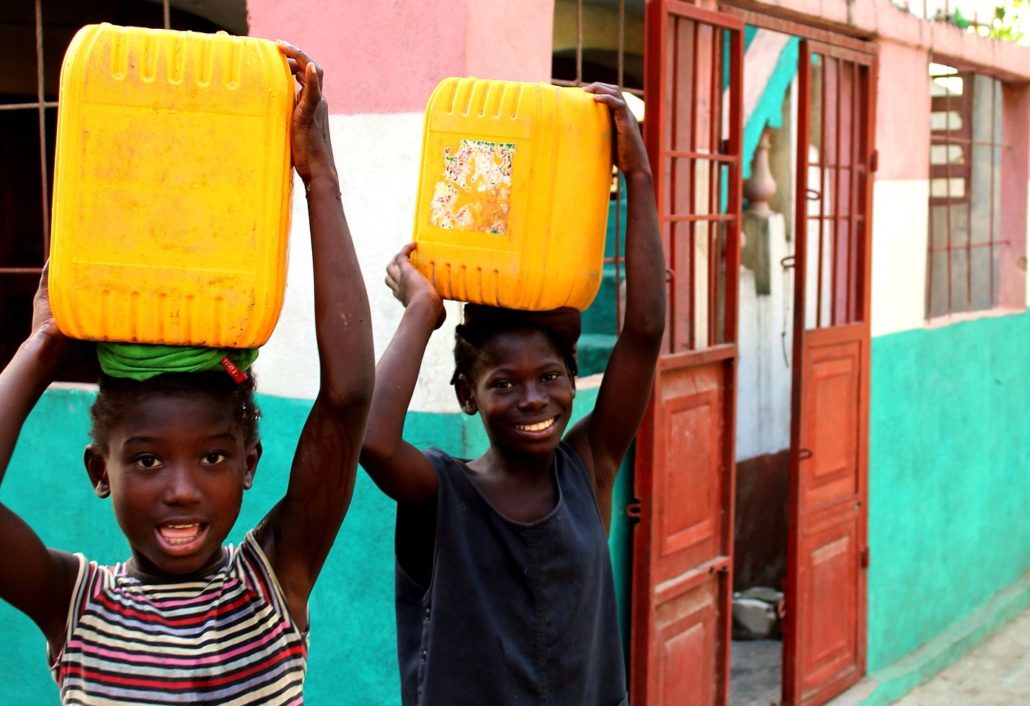
So many places in Haiti need clean water that the Chanje Movement usually has a waitlist for when they receive donations. Less than 50 percent of the rural population has access to clean water. This is because rural areas often depend on piped water systems that require hand pumps. These systems require funds for maintenance, so they are often neglected. The lack of clean water unsurprisingly leads to health problems, such as the cholera epidemic after the 2010 earthquake that claimed 8,700 lives. The whole system is tenuous, as exemplified by the resurgence in cholera in early 2015 following heavy rains.

Build a Home

Tens of thousands of Haitians lost homes in the earthquake and about 55,000 people still live in tents and makeshift homes eight years later. These abodes do not offer safety, shelter from tropical storms, insulation or hygienic conditions. The Chanje Movement’s efforts to build real homes benefits individuals and the Haitian economy, as Haitian workers are employed to construct them.

Micro Loans

With donated funds, the Chanje Movement loans up to $500 to Haitians to be paid back in six months to two years, increasing economic stability by allowing Haitians a chance to start businesses. When the loans are paid back, funds are immediately reinvested in a new entrepreneur. The World Bank claims that helping Haitians use their skills to start their own businesses will be crucial in ending poverty in Haiti, as the income a business provides will allow assets to accumulate, protecting the next generation of Haitians from the devastating consequences of a natural disaster like the earthquake with savings.

Additionally, helping Haitians generate more steady income through their own businesses could address the orphan crisis that is a huge issue related to poverty in Haiti. Currently, 30,000 children live in orphanages in Haiti, but 80 percent of these orphans have at least one living parent, a discrepancy caused by the homelessness following the earthquake.

Backpacks for Kids

Meanwhile, backpacks full of supplies help provide for some of the country’s orphans at the homes the Chanje Movement has for children in Croix-des-Bouquets.

Daniel DiGrazia attends Crossline Church, a church partnered with a Christian organization called The Global Mission that currently connects 18 churches and humanitarian outreaches around the world, including the Chanje Movement. DiGrazia has been to Haiti four times in the past three years and explains that a key part of distributing these supplies, which he helped with earlier this summer, is playing with the kids that live in these orphanages.

Because he keeps going back, he says, “I have grown in relationship with a multitude of the people there.” While DiGrazia’s team helped the Chanje Movement administer relief during his trips, the reason he keeps going back is to show love to the Haitians by continuing to invest in these relationships.

He explains, “I’d love to go again next year. It is a really good experience and I really love the people there. And I really don’t want to just be there and gone. I want to build relationships and keep coming back and see how they’re doing.”

For those that cannot immediately travel to Haiti, supporting the Chanje Movement tangibly combats poverty in Haiti. In the past year, thousands of Haitians had basic needs met with clean water and food provided by the Chanje Movement. This organization has also trained 500 future leaders and helped 75 children access education, taking steps towards Haiti without poverty and the need for humanitarian aid.

– Charlotte Preston
Photo: Flickr

November 20, 2018
https://borgenproject.org/wp-content/uploads/borgen-project-logo.svg 0 0 Borgen Project https://borgenproject.org/wp-content/uploads/borgen-project-logo.svg Borgen Project2018-11-20 01:30:012019-08-21 13:19:54The Chanje Movement’s Projects: Five Symptoms of Poverty in Haiti
Global Poverty

Top 10 Facts about Living Conditions in Haiti

Top 10 Facts about Living Conditions in Haiti
Misconceptions about life in Haiti reach all around the world. After the devastation of the island in 2010 due to a magnitude seven earthquake, many citizens were killed or left homeless and scared. The image of Haiti in the eyes of the world has become that of a poor country stuck in a cycle of poverty. But, what are the living conditions in Haiti actually like? Here are the top 10 facts about living conditions in Haiti.

Top 10 Facts about Living Conditions in Haiti

  1. Rural life is much more difficult – A lot of attention is given to the capital city of Port-au-Prince in the news, but the living conditions in Haiti in rural areas show higher poverty rates than in the city. In the city, poverty rates declined between 2000 and 2012; however, they remained the same in rural areas, which often receive less help rebuilding after natural disasters and have less access to basic necessities.
  2. Tropical storms disrupt life – The major recurring disasters that strike Haiti are tropical storms. Because of its position in the Caribbean, hurricanes and other storms can often cause problems, destroying property as Haitians are trying to rebuild and contaminating water sources.
  3. Drinking water can be unsafe – Cholera is very common in both rural areas and cities due to contamination in the water. At most, 48 percent of the population has access to safe sanitation, but that is only in urban areas. In rural areas, fewer than 20 percent have access to clean water and sanitation. Malaria also poses a risk to many. These diseases can be fatal without access to healthcare.
  4. Hurricane Matthew in 2016 continues to affect crops and housing – Hurricane Matthew affected 2.1 million Haitians with the elderly being hit the hardest. Habitat for Humanity has provided housing kits and building materials to help elders rebuild since they often are responsible for other family members and have greater difficulty finding work. Additionally, since Haiti imports most of its food, the few crops that are grown are often destroyed in natural disasters like Hurricane Matthew, which has a strong impact on the elders who require good nutrition and better living conditions in Haiti.
  5. Environmental concerns affect the people – According to Human Rights Watch, “As of September 2017, authorities had failed to assist many of the nearly 38,000 individuals still living in displacement camps since the 2010 earthquake.” These people have neither been resettled nor allowed to return to their original homes. The living conditions in Haiti for these individuals are most threatened by widespread deforestation, pollution and limited access to safe water.
  6. Housing shortages are a big problem – Even before Hurricane Matthew and the 2010 earthquake, overcrowding and lack of housing were major issues, mainly in Port-au-Prince and other cities. Destruction has exacerbated this, forcing many into more cramped and unhealthy conditions, often living in tents and makeshift houses.
  7. Habitat for Humanity has made great strides in helping rebuild – Right now, Habitat for Humanity, in addition to sending supplies and volunteers, has been focusing on creating long-term renewal in Haitian housing. In 2014, they launched The Canaan Project, which focuses on community development and working with families to rebuild their homes.
  8. Tree planting offers hope against deforestation – Deforestation has been a big problem for Haiti, especially when it comes to using wood for fuel and cooking. It is being combated by government efforts to stop illegal deforesting and a plan to plant more than 10,000 hectares of land, which was implemented in 2013. The increase in trees is also expected to help lessen the effects of natural disasters by decreasing mudslides and helping protect water sources.
  9. Poverty has decreased – While almost 60 percent of people in Haiti were still living below the poverty line in 2012, this number is still an improvement on the estimated 80 percent living in poverty in 1999. This rate of improvement is promising to Haitians, and if it continues over the next decade, Haiti may no longer be considered the poorest country in the Western Hemisphere.
  10. Literacy efforts are helping to educate Haitians – The key to lifting Haiti out of poverty is educating the workforce since there is a severe lack of skilled laborers. The labor force consists of about 4.6 million people, but most of these are unskilled laborers. Haiti’s literacy rate is currently only 61 percent, but charities like World Renew are working to help adults learn to write and read competently in order to find better jobs and improve the education of the younger generations.

Haitians have a long history of surviving repeated setbacks. In spite of some of the negative facts about living conditions in Haiti, many charitable organizations are working on the ground to change the status quo. Haiti is seeing improvement and has a real chance of overcoming some of the adversity it has seen and growing into a strong nation.

– Grace Gay
Photo: Flickr

September 28, 2018
https://borgenproject.org/wp-content/uploads/borgen-project-logo.svg 0 0 Borgen Project https://borgenproject.org/wp-content/uploads/borgen-project-logo.svg Borgen Project2018-09-28 06:30:432024-05-29 22:57:14Top 10 Facts about Living Conditions in Haiti
Global Poverty

Top 10 Facts about Hunger in Haiti

Top 10 Facts about Hunger in Haiti
After the 2010 earthquake in Haiti, countries around the world, including the U.S., sent a great deal of assistance to the devastated country. The U.S. has given about $13 billion to Haiti in foreign aid. Despite these efforts, the people of Haiti still face elevated poverty and hunger levels.

In October 2016, Haiti faced one of its worst hurricanes to date. Hurricane Matthew was a category four storm that caused severe damage and killed approximately 600 people. Many organizations continue to help repair the damage Matthew and earlier storms brought to Haiti. To understand the severity of the crisis, look below for the top 10 facts about hunger in Haiti:

Top 10 Facts About Hunger in Haiti

  1. In April 2017, Haiti had the lowest food availability in the world. The Dominican Republic was the second lowest with Chad following in third. In the U.S., food availability is measured to be about 3,750 calories per person each day. In Haiti, there are about 1,976 calories per person available each day. This does not mean that each person has the opportunity to consume these many calories. Some Haitians consume far above this number while many consume far below it.
  2. Roughly 50 percent of Haiti’s population is undernourished. Even before the 2010 earthquake, 40 percent of households were undernourished. The already high number has risen as a consequence of repeated natural disasters in the country, like Hurricane Matthew.
  3. One-in-five Haitian children are malnourished. One-in-10 Haitian children are acutely malnourished. One-in-14 will die before age five.
  4. Haiti is the poorest country in the Northern hemisphere. Two out of three Haitians live on less than $2 per day. In comparison, the average American spends around $140 per day.
  5. Haiti’s main staple food is rice, importing 80 percent of it, despite the fact that 50 percent of the jobs in the country are related to agriculture and 25 percent of the country’s GDP comes from agriculture.
  6. Only 10 percent of Haitian agricultural lands are irrigated, which leaves the country extremely dependent on rain. This makes the country especially vulnerable as droughts can have an amplified impact on the population’s health and well-being.
  7. Haiti is the third most affected country by extreme weather. The weather has a severe impact on food resources available to Haitians because it can destroy crops and land. Haiti’s hunger and poverty levels are repeatedly exacerbated by cases of drought and hurricanes. Though these events are extremely tragic, the relief efforts that have followed such disasters have allowed other countries to see exactly how bad the hunger and poverty crises are. This has sparked an increased effort to provide aid and growth initiatives to Haiti.
  8. Fifty-nine percent of Haitian people live in poverty and almost 25 percent live in extreme poverty. The poverty rate in the U.S. fluctuates between 10 and 15 percent.
  9. Fewer than 50 percent of households in Haiti have access to clean water. Only 25 percent of households in Haiti have access to adequate sanitation. A lack of access to clean water and adequate sanitation make the population more prone to diseases.
  10. A third of all women and children in Haiti suffer from anemia. Anemia is a condition that arises when a person does not have enough red blood cells. The disease often results when one faces deficiencies of particular nutrients – especially iron. It is particularly common in women because they lose blood at high rates through menstrual cycles. Anemia can cause severe organ damage if left untreated.

These top 10 facts about hunger in Haiti highlight the dire conditions in the country. Though the hunger crisis persists, there are organizations working tirelessly to help the country and its people. An example of this is an organization called Action Against Hunger. This organization seeks to provide families in Haiti with agricultural training. This gives them not just short-term food relief, but also a long-term source of food and economic growth.

Natural disasters are inevitable and one cannot be sure when Haiti will face another great set back. However, if more is done to amplify the country’s growth now, Haiti will be better prepared to face such disasters and avoid some of its devastating consequences.

– Julia Bloechl

Photo: Flickr

September 18, 2018
https://borgenproject.org/wp-content/uploads/borgen-project-logo.svg 0 0 Borgen Project https://borgenproject.org/wp-content/uploads/borgen-project-logo.svg Borgen Project2018-09-18 01:30:562024-05-29 22:53:34Top 10 Facts about Hunger in Haiti
Global Poverty

10 Eye-Opening Facts about Human Rights in Haiti

Top 10 facts about human rights in Haiti
Located on the island of Hispaniola, Haiti is home to a population of around 11 million people and has been victim to environmental disasters and political corruption. These issues are still prevalent today and continue to affect Haitians around the country; here are 10 facts about humans rights in Haiti that everyone should know.

10 Facts About Human Rights in Haiti

  1. Throughout history, Haiti has suffered many natural disasters that have ruined entire regions and left families homeless and in dire need of government support. The last category-5 hurricane – Hurricane Matthew – killed around 336 people, and displaced more than 60,000 others. The Haitian government worked with UNICEF and other humanitarian programs since to assist families and children and provide clean drinking water.
  2. The prison system is one of the greatest human rights issues in Haiti. Haitian prisons have the highest overcrowding rate in the entire world, and around 80 percent of the inmates are still awaiting trial and have never been convicted of a crime.
  3. Haiti’s illiteracy rate is the highest in the western hemisphere. Despite efforts to reform the education system, the country still faces shortages in school supplies and qualified teachers. Enrollment rates, however, have been steadily increasing, allowing Haitian children the fundamental right to receive an education.
  4. The displacement of Haitian children after the 2010 Hurricane led to a striking increase in human trafficking. Today, around 30,000 children live in orphanages. Many of these so-called “orphanages” are actually trafficking businesses exploiting children and forcing them to work in dirty, inhumane environments. J.K. Rowling, the writer of the best-selling Harry Potter novels, has created a non-profit organization called Lumos that strives to end corrupt human traffickers from preying on vulnerable children.
  5. In 2015, allegations were made about fraudulent behavior related to the presidential election in the nation. After the allegations were confirmed in 2016, another election was held and declared Jovenel Moise as the new Haitian president in 2017. Recently, Moise has been in political turmoil over the new fuel price hike and Haitians are violently demanding that he step down from office.
  6. The LGBTQ community continues to suffer substantial discrimination from the Haitian government. In 2017, the Haitian Senate introduced a bill that grouped homosexuality as a reason to deny a citizen a certificate, and included child pornography and incest; the Senate has since approved the bill.
  7. The Haiti labor code does not set a minimum age for work in domestic services. Restaveks, also known as child domestic workers, are often impoverished girls sent to work for wealthy families in hopes of a better lifestyle. These children end up receiving no schooling, work long hours and are often victims of sexual abuse.
  8. Haiti has the highest rate of infant, toddler and maternal mortality in the western hemisphere. Haitians are deprived of basic human rights such as healthcare — 60 percent lack healthcare access.
  9. Refugee rights are the same thing as human rights. Haitians were given a temporary status (TPS) given to eligible nationals of certain countries who reside in the United States. The U.S. Department of Homeland Security announced a decision to terminate protection for around 60,000 people, making Haitians at risk of deportation in the U.S.A.
  10. Food insecurity has also been exacerbated by natural disasters. Thirty-eight percent of Haitians are food insecure and do not have basic access to food. Subsequently, food prices are on the rise and destruction of agricultural fields have only worsened the food deficit within the country.

Proactive and Concentrated Efforts

These 10 facts about human rights in Haiti raise many concerns. Nevertheless, nationwide and international programs are dedicated to finding solutions to provide a better lifestyle for people in Haiti.

– Lilly Hershey-Webb
Photo: Flickr

August 5, 2018
https://borgenproject.org/wp-content/uploads/borgen-project-logo.svg 0 0 Kim Thelwell https://borgenproject.org/wp-content/uploads/borgen-project-logo.svg Kim Thelwell2018-08-05 01:30:382024-05-29 22:52:3810 Eye-Opening Facts about Human Rights in Haiti
Page 5 of 6«‹3456›

Get Smarter

  • Global Poverty 101
  • Global Poverty… The Good News
  • Global Poverty & U.S. Jobs
  • Global Poverty and National Security
  • Innovative Solutions to Poverty
  • Global Poverty & Aid FAQ’s
Search Search

Take Action

  • Call Congress
  • Email Congress
  • Donate
  • 30 Ways to Help
  • Volunteer Ops
  • Internships
  • Courses & Certificates
  • The Podcast
Borgen Project

“The Borgen Project is an incredible nonprofit organization that is addressing poverty and hunger and working towards ending them.”

-The Huffington Post

Inside The Borgen Project

  • Contact
  • About
  • Financials
  • President
  • Board of Directors
  • Board of Advisors

International Links

  • UK Email Parliament
  • UK Donate
  • Canada Email Parliament

Get Smarter

  • Global Poverty 101
  • Global Poverty… The Good News
  • Global Poverty & U.S. Jobs
  • Global Poverty and National Security
  • Innovative Solutions to Poverty
  • Global Poverty & Aid FAQ’s

Ways to Help

  • Call Congress
  • Email Congress
  • Donate
  • 30 Ways to Help
  • Volunteer Ops
  • Internships
  • Courses & Certificates
  • The Podcast
Scroll to top Scroll to top Scroll to top