Acumen’s Agricultural Investments in Ethiopia
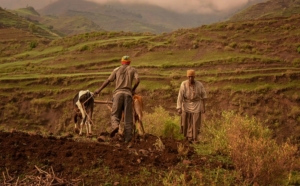 A large portion of Ethiopia’s population is experiencing poverty and a lack of necessities. However, the nation of Ethiopia has been an assembly point for organizations and nonprofits seeking to fund agricultural investments.
Poverty in Ethiopia
Despite some progress in poverty reduction, ongoing climate and inadequate infrastructure issues leave roughly 68.7% of Ethiopia’s population facing multidimensional poverty. Multidimensional poverty expands on the financial aspects of poverty, assessing a population’s social aspects and living conditions. In Ethiopia, additional portions of the population risk falling into this elevated category if poverty rates continue.
Ethiopia struggles with a lack of clean water, a strong health care system and increasing food insecurity, all hindering efforts to reduce poverty. Malnutrition, largely driven by food insecurity, disproportionately affects children and can prevent individuals from accessing education or employment that could lift them out of poverty.
Treating malnutrition requires a functioning health care system, but Ethiopia’s medical infrastructure is underfunded and lacks sufficient professionals and resources. According to the World Food Program (WFP), more than 10 million people currently face food insecurity and many more risk displacement due to ongoing conflict in the region.
In 2021, Ethiopia’s government introduced the Food Systems Transformation Plan, aligning national policies with the United Nations Sustainable Development Goals (SDGs). The plan will enable organizations to fund agricultural investments in Ethiopia, including the agricultural sector. It also has the potential to create jobs, helping more Ethiopians earn a stable income and contribute to economic growth and poverty reduction.
About Acumen
Acumen, a nonprofit organization, focuses on using capital to reduce global poverty through innovations. Founded in 2001, the organization works to help impoverished populations access health care, education and clean water and address food security.
Acumen utilizes innovations to enhance energy and bring beneficial agricultural techniques that increase productivity and support communities. Acumen has worked to eradicate poverty around the world, but has recently focused on sub-Saharan Africa and East Africa.
EthioChicken
Acumen supports efforts to fund agricultural investments in Ethiopia, including EthioChicken. EthioChicken was founded in 2010 and has since increased food access and boosted local economies in Ethiopian communities. EthioChicken has enabled customers to consume 83% more eggs, a nutritional food and find a new source of revenue.
Different breeds of chickens have different growth and survival rates. Before EthioChicken, many breeds were unsustainable due to diseases, climate and other growth hindrances, creating a negative balance in the agricultural sector and eliminating possible economic gains and health benefits. EthioChicken provides farmers access to improved chicken breeds, helping farms achieve higher survival rates and better growth.
This allows farmers to sell more eggs and generate additional income by selling older chickens for meat. Each chicken comes with nutritious feed and medicine to prevent disease and protect the flock. Healthier chickens lead to more nutritious meals, supporting communities struggling with both poverty and malnutrition.
After Acumen and other organizations invested in EthioChicken and similar agricultural programs in Ethiopia, the company expanded rapidly, reaching around 35 million chickens sold to farmers annually. Acumen’s support also helped improve Ethiopians’ economic and health conditions in raising, selling and purchasing the chickens.
With continued backing for initiatives like EthioChicken, Ethiopia’s agricultural sector is poised to grow, offering new opportunities for its impoverished population.
Future Policies and Initiatives To Reduce Poverty in Ethiopia
Government initiatives like the Food Systems Transformation Plan, the Homegrown Economic Reform and the National Food and Nutrition Policy show Ethiopia’s active efforts to reduce poverty and secure international support for agricultural investments. For example, Ethiopia’s Ministry of Health states that the National Food and Nutrition Policy aims to ensure food and nutritional security while improving public access to nutritious foods.
While Ethiopia’s government has collaborated with international organizations, all regions within the country must work together to improve the well-being of Ethiopians and reduce poverty. This unity helps prevent conflicting interpretations or unwilling participants from undermining national policies. According to the Consultative Group on International Agricultural Research (CGIAR), sectoral fragmentation poses a major threat to a unified national approach in Ethiopia, as various groups have competing interests in controlling parts of the country’s food system.
However, sustained efforts and legislation to reduce poverty remain essential to driving social progress and enabling effective collaboration with organizations that fund agricultural investments.
– Avery Kachmarsky
Avery is based in Los Angeles,CA, USA and focuses on Business and Politics for The Borgen Project.
Photo: Flickr
