• Link to X
  • Link to Facebook
  • Link to Instagram
  • Link to TikTok
  • Link to Youtube
  • About
    • About Us
      • President
      • Board of Directors
      • Board of Advisors
      • Financials
      • Our Methodology
      • Success Tracker
      • Contact
  • Act Now
    • 30 Ways to Help
      • Email Congress
      • Call Congress
      • Volunteer
      • Courses & Certificates
      • Be a Donor
    • Internships
      • In-Office Internships
      • Remote Internships
    • Legislation
      • Politics 101
  • The Blog
  • The Podcast
  • Magazine
  • Donate
  • Click to open the search input field Click to open the search input field Search
  • Menu Menu

Tag Archive for: Poverty in Ethiopia

Posts

COVID-19, Global Health, Global Poverty

A Deep Dive Into the Health Care System in Ethiopia

A Deep Dive Into Ethiopia’s Health Care System According to a National Library of Medicine study, health care systems in low-income countries remain as fragile as ever. The COVID-19 pandemic put such these systems under immense pressure. An example of this is the health care system in Ethiopia. 

COVID-19 and Health Care Infrastructure

The pandemic highlighted many flaws and shortcomings in the health care infrastructure. Global leaders underestimated the need for health care reform and it was only after the pandemic claimed millions of lives that such leaders recognized the need for reorganization and restructuring to ensure adequate procedures and the anticipation of failures.

A 2022 study reviewed measures taken during the pandemic, offering an alternative means of control based on analysis. Researchers provided a more efficient model for managing deadly diseases and outbreaks, reformulating emergency response measures based on management, protection and containment via control and suppression of transmission, information and support.

The Impact on Ethiopia

Deadly diseases significantly impact global health security. Researchers have found that in countries with limited access to health care services, high poverty rates, and prevalent comorbid diseases, the effects of the pandemic intensified. From early March 2020 to July 2022, Ethiopia reported a total of 491,917 COVID-19 cases and 7,568 deaths, figures that are partly attributable to ongoing poverty-related conditions. Additionally, families experienced significant economic impacts, with about 8.4% of households reporting job losses between March and Oct. of 2020.

Ethiopia’s Response

Following the policymakers’ decision in Ethiopia, the government did not implement a pandemic lockdown like many other countries. Instead, it instated pandemic-preventive measures to reduce the spread of the virus. While somewhat successful, such an approach posed obstacles in implementing community-based services and initiatives to provide additional support to communities. Researchers proposed scaling up community-based resources and approaches as essential support elements.

Like some other low-income countries, Ethiopia could not initiate a country-wide lockdown. Instead, it immediately implemented measures such as thermal screening, contract tracing and isolation, which proved successful. Authorities tailored these measures specifically to the health care system in Ethiopia, weighing the pros and cons. The government demonstrated a strong commitment to addressing the shortage of essential medicines, effectively utilizing resources to produce critical medicine and prioritizing medicinal efforts.

Financing for Health Measures in Ethiopia

Financing is critical to supportive measures enacted to assist countries affected by health crises. It was found that funding for health initiatives and measures in Ethiopia had increased only after the pandemic. Such financial constraints the government of Ethiopia faced during the pandemic led to unprecedented circumstances, such as a shortage of protective equipment. 

According to the Institute of Medicine Committee on the United States (U.S.) Commitment to Global Health, low-income country revenues amount to only 18% of their gross domestic product (GDP), which limits their ability to finance health services, proving consequential in the face of severe health crises. Studies have shown that the level of investment needed to deliver extensive care and improve health care systems requires significant and sustained investment by outside agencies and sources. Additional aid from other organizations is therefore essential. 

Launch of the Response Project in Ethiopia

According to the World Health Organization (WHO), as of Jan. 2024, the Ethiopian government launched the Ethiopian Pandemic Multi-Sectoral Prevention, Preparedness and Response Project. This extensive project aims to address pandemic-related response measures and preparedness. Such analysis is specific to Ethiopia’s specific socioeconomic landscape. In addition, the project will also examine factors like communication and alerts, enhancing the surveillance of outbreaks in some regions of the country.

Dr. Dlamini Nonhlanhla, WHO’s Ethiopia Representative, discussed the initiatives, noting, “The key components and project activities are aligned with the national plans, including Ethiopia’s Health Sector Transformation Plan, the Ethiopia Public Health Institute’s Strategic Plan, the Ethiopian National Health Emergency Preparedness and Response Plan and the Ethiopian Antimicrobial Resistance (AMR) National Action Plan.” Additionally, Nonhlanhla explained that funding would strengthen Ethiopia’s health care systems and other government structures crucial to public health protection. “This fund will enable us to mobilize resources, strengthen health systems and support critical sectors such as agriculture, environment, antimicrobial resistance and animal health, ensuring a holistic approach to safeguarding public health,” Nonhlanhla added.

Role of Government Leadership and Foreign Aid

Since July 2021, the U.S. has donated 10,095,170 COVID-19 vaccine doses to the citizens of Ethiopia, increasing aid to a severely affected country. In a public health crisis, government leadership, as well as foreign aid, is especially critical in mitigating both the economic, health and social consequences of a deadly viral outbreak, proving essential in assisting countries with poorly structured health care systems.

Looking Ahead

The Ethiopian government, with support from international organizations, has taken significant steps to strengthen the health care system in Ethiopia in response to the COVID-19 pandemic. The launch of the Ethiopian Pandemic Multi-Sectoral Prevention, Preparedness and Response Project marks a critical move toward improving the country’s ability to manage future health crises. With continued investment in health systems and targeted foreign aid, Ethiopia aims to enhance its pandemic preparedness and safeguard public health.

– Dominic Samaniego

Dominic is based in Fullerton, CA, USA and focuses on Global Health for The Borgen Project.

Photo: Flickr

August 17, 2024
https://borgenproject.org/wp-content/uploads/borgen-project-logo.svg 0 0 Precious Sheidu https://borgenproject.org/wp-content/uploads/borgen-project-logo.svg Precious Sheidu2024-08-17 03:00:102024-08-16 11:45:06A Deep Dive Into the Health Care System in Ethiopia
Global Health, Global Poverty, Women and Children

USAID and Maternal Mortality in Ethiopia

 USAID and Maternal Mortality in Ethiopia Across the developing world, the health of mothers and the risks of childbirth remain a difficult challenge. Developing nations experience a lack of modern health care centers, inaccessible medical training, diseases that the developed world has eradicated and food insecurity, among other hindrances to healthy pregnancies and deliveries. Despite recent improvements, Ethiopia continues to experience these difficulties. It is for this reason that the United States Agency for International Development (USAID) has built up various programs that work to improve the health of mothers and reduce maternal mortality in Ethiopia. 

The Situation

In the last 20 years, the number of mothers who die from childbirth in Ethiopia has dropped from 29,600 mothers in 2002 to about 10,000 in 2020. Likewise, maternal mortality measures such as the maternal mortality ratio (number of mothers who die from pregnancy-related causes per 100,000 live births) have more than halved in the last two decades. Currently, there are 401 deaths per 100,000 live births in Ethiopia. Despite these levels remaining high in comparison with developed nations, which experience just 24 deaths per 100,000 live births, these improvements are extremely significant. In addition to the work of the Ethiopian government and other NGOs and nonprofits working across the country, USAID has made major contributions to improve maternal mortality in Ethiopia. 

Health Care Worker Program

An aspect of the discussion surrounding maternal mortality in Ethiopia is the state of health care across the country. Currently, there is a global median of 48.6 health care workers per 10,000 people. Ethiopia only has 9.2 workers per 10,000 people. These numbers indicate a stark shortage of health care workers, which has serious implications for expectant mothers and birthing women. When there are so few health care workers, it is impossible to ensure that pregnant people receive antenatal care, access a sterile birthing facility or receive quality health care during and after labor.

In response to the ongoing situation, USAID has built up two programs in Ethiopia, known as USAID’s Transform Primary Health Care and Transform Health in Developing Regions projects. These projects focus on underserved areas of Ethiopia to expand basic health care needs, strengthen the abilities of health care workers and provide support for health care programs through planning, budgeting and managing. This program is a major source of aid in rural parts of the country, where women experiencing pregnancy and childbirth are at an increased risk of maternal mortality. 

Preventable Disease Programs

Another important aspect of maternal health is infant and child health. Currently, 24% of all preventable deaths in Ethiopia are women and children. It is for this reason that USAID intervenes in Ethiopia with various vaccination and nutrition programs for both mothers and children. In 2023, USAID reached three million to provide mosquito nets, 62% of births measured received DTP3 immunizations before age 1 and nearly 700,000 women gave birth in a sterile U.S.-funded facility. USAID also funds the Core Group Polio Project to improve vaccination (namely in rural areas), provide outbreak response and eventually eradicate polio from Ethiopia. These programs do the vital work of avoiding preventable deaths in not only mothers across Ethiopia but also their young children.

Nutrition Program

A key aspect of both maternal and child health is nutrition. Nutrition is an extremely difficult obstacle to overcome in a country like Ethiopia, where droughts, conflict and extreme poverty are constant challenges. For this reason, USAID works through its Feed the Future Growth through Nutrition Program to boost the nutrition of pregnant women, mothers, infants and young children. This program focuses on education programs that ensure good nutrition via nutrient and vitamin-rich foods are household staples. With only 11% of the USAID budget for maternal health in Ethiopia, this program reached 6.1 million children under 5 in 2023 alone. Despite difficulties in ensuring good nutrition which impacts the health of mothers and children, USAID has put in important work to improve the health of mothers and therefore lower maternal mortality in Ethiopia. 

Looking Ahead

Maternal mortality remains a critical challenge in the developing world and Ethiopia is no exception. However, organizations like USAID are making significant strides in creating a safer environment for mothers. Their efforts are crucial in improving health care, reducing preventable diseases and enhancing nutrition.

– Carlie Duggan

Carlie is based in Newtown, PA, USA and focuses on Global Health for The Borgen Project.

Photo: Flickr

August 16, 2024
https://borgenproject.org/wp-content/uploads/borgen-project-logo.svg 0 0 Precious Sheidu https://borgenproject.org/wp-content/uploads/borgen-project-logo.svg Precious Sheidu2024-08-16 01:30:472024-08-15 12:58:47USAID and Maternal Mortality in Ethiopia
Global Poverty, Nonprofit Organizations and NGOs

The Fight to End Malnutrition in Ethiopia

The Fight to Better Malnutrition in EthiopiaMalnutrition has been a significant problem in Ethiopia, starting with the 1983 hunger shortage that left many without food and nutritional value. Then in the early 2020s, Ethiopia suffered from a severe drought which caused almost 6.8 million livestock to pass away. As a country that heavily depends on agriculture, drought has caused an increase in food insecurity and malnutrition, according to Disaster Philanthropy. Crop production also fell due to pests that roamed the farms, leading to a downfall in maize production from 25 million tons to more than four million tons. However, three organizations have currently been on the road to improving malnutrition in Ethiopia.

United Nations International Children’s Emergency Fund

The United Nations International Children’s Emergency Fund (UNICEF) has primarily been working with the government to resolve this issue. It supports the government’s nutrition program called the Health Extention Program which was developed in 2004. The main focus of this program is to increase awareness about nutrition actions in households, limit bacteria with vaccinations and promote healthy behaviors. In addition, it allows for family health services, putting the spotlight on helping adolescent nutrition. 

UNICEF also works with the pilot program that allows for a new innovative way of growing crops, which has been especially beneficial in preventing damage from sudden hits by natural disasters. Through this new method in hydroponic vegetable farming, malnutrition rates have gone down, especially for children. This practice allows farmers to grow food with little soil and water, perfect for situations of extreme drought. Not only did self-sufficiency increase through this process, allowing farmers to cultivate year-round, but it also has made farming practices sustainable, as this process promises generations of this usage.

United States Agency for International Development

The United States Agency for International Development (USAID) has accomplished many tasks involving increasing nutrition access. Feed the Future movement which aims to end world hunger is one of its most influential successes. This organization not only aims to increase the amount of agricultural produce, but it also seeks to increase wages earned through their produce to increase their income and buy products to lift them out of poverty. 

In Ethiopia specifically, there are three main steps that USAID and Feed the Future have been following to aid poverty. The three steps are as follows:

  1. Supporting sustainable agricultural growth with an increase in market accessibility, providing further job opportunities and creating a range of crops and cattle to make use of.
  2. Increasing the flexibility in agriculture by modernizing their system’s ability to adapt to new conditions, especially with natural disasters and also bettering the organization of different resources.
  3. Improving nutrition, particularly for the more vulnerable demographics like women and children, by implementing new ways to address and target specific malnutrition problems like providing financial literacy. 

Results for Development

Results for Development (R4D) is a global nonprofit that works with government officials and social leaders to create grand changes in health and nutrition. R4D has aimed to integrate wasting treatment into the health care routine of Ethiopia, especially when wasting has become one of the largest mortality causes for small children.

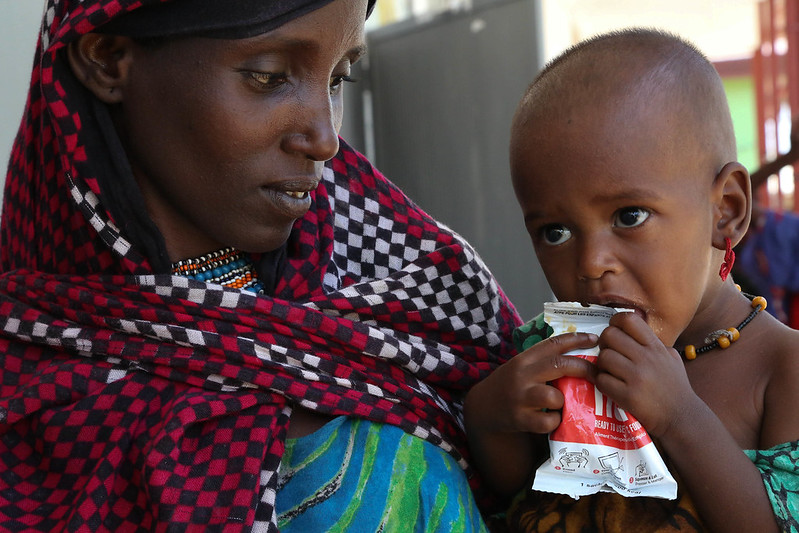
By incorporating ready-to-use therapeutic food (RUTF), R4D has begun to address the severe underweight problem caused by malnutrition. But even though this product is made with high quality and is cost-effective, it is not widely available to minorities. This issue is currently on the road to becoming resolved through market shaping which would introduce more access to RUTFs. Ethiopia is one of the countries that has access to this solution through R4D. This organization is looking to increase funding for RUTF to increase its presence in markets and create a set of cost-effective recipes. 

Looking Forward

Malnutrition is a heavily prevalent issue in Ethiopia, with more than 5 million children in Ethiopia suffering. However, through actions provided by these three organizations, UNICEF, USAID and R4D, malnutrition is on its way to being tackled in this country. 

– Linda Yoonseo Lee

Linda is based in Phoenix, AZ, USA and focuses on Good News for The Borgen Project.

Photo: Flickr

August 11, 2024
https://borgenproject.org/wp-content/uploads/borgen-project-logo.svg 0 0 Precious Sheidu https://borgenproject.org/wp-content/uploads/borgen-project-logo.svg Precious Sheidu2024-08-11 01:30:132024-08-10 14:02:02The Fight to End Malnutrition in Ethiopia
Agriculture, Global Poverty

3 Agricultural Organizations in Ethiopia

agricultural organizations in EthiopiaAgriculture plays a crucial role in community health and wellness in the developing world. This is particularly evident in Ethiopia, where 20.1 million people require food assistance and 7.4 million women and children suffer from malnutrition. This figure includes internally displaced persons (IDPs) who have sought refuge in safer areas to escape conflict and droughts. The significant food productivity and security challenges in the country highlight the critical role of agricultural organizations in Ethiopia to address these issues.
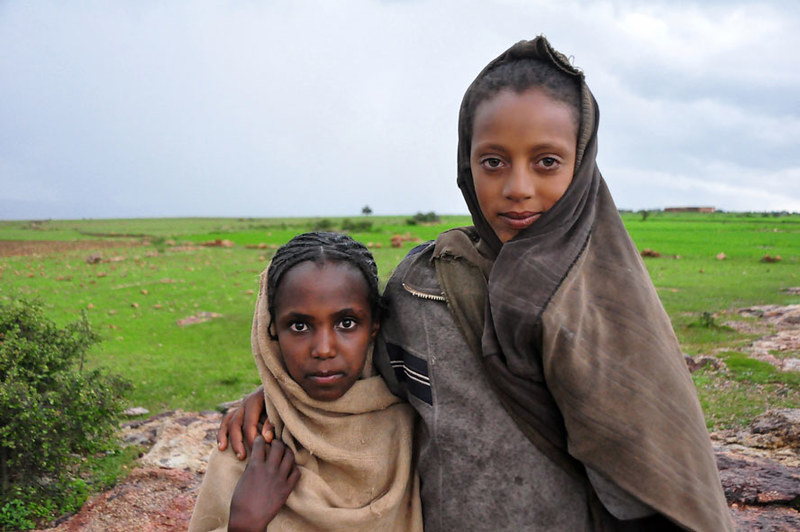
Nuru Ethiopia

One innovative agricultural organization in Ethiopia is Nuru Ethiopia. This organization was founded in 2012 and follows a community-based model entirely led and designed by local people. It aims to create lasting, positive change. The work of Nuru Ethiopia moves local populations from subsistence farming toward “thriving farmer-owned and farmer-led agribusinesses.” This work creates stronger communities that become resilient to issues that Ethiopians face such as adverse weather conditions, conflict and poverty. 

Nuru Ethiopia is distinctive in its approach, which incorporates unions into its model, enabling farmers to access international markets and achieve higher profit margins. This strategy supports the upliftment of communities from extreme poverty and food insecurity. It also establishes Nuru Ethiopia as a notable player among the significant agricultural organizations in the country.

Agri Service Ethiopia

Another organization that works to improve agriculture in Ethiopia is Agri Service Ethiopia (ASE), founded in 1969. This organization was the first national nongovernmental organization (NGO) established in Ethiopia. It has worked with remote populations and smallholder farms since its inception. ASE works in three regions across Ethiopia with projects in various Woredas or districts.

ASE aims to educate rural populations on modern farming techniques to make small household farms more productive. ASE’s programs focus on training farmers to use household items to increase food productivity and their homes. Education and training are essential to overcoming unproductivity, so ASE is one of many important agricultural organizations in Ethiopia.

Farm Africa

Farm Africa is a larger organization operating in five African countries, including Ethiopia. The organization finds that most Ethiopians live on less than $1 a day and that 35% of the country suffers from food insecurity despite 67% of the population being involved in agriculture. Farm Africa began its work in Ethiopia in 1988 and it remains the largest project due to the unique challenges that the country faces. Ethiopia is landlocked, drought-prone and experiences extreme effects of changing climatic conditions. For this reason, Farm Africa has tailored its programs in Ethiopia to fit the country’s specific needs.

Farm Africa recognized the need to address unsustainable farming practices, so it focuses on holistic approaches to forest conservation and climate resilience. Given Ethiopia’s significant role in coffee production, Farm Africa has also worked to enhance the sustainability and profitability of these farms for local communities.

The organization has completed 11 projects nationwide and is working on eight more. These initiatives tackle challenges such as sustainable forestry, livestock livelihoods, spice production and marketing, ecosystem preservation in Bale and supporting female farmers in combating adverse weather. The wide array and success of each program of Farm Africa Ethiopia adds to the importance of agricultural organizations in Ethiopia.

Agricultural Organizations in Ethiopia

Despite ongoing food insecurity and malnutrition throughout Ethiopia, organizations like Farm Africa, Nuru Ethiopia and ASE improve the situation daily. Major improvements have drastically decreased the numbers of those affected by extreme poverty. Agricultural organizations in Ethiopia create positive and lasting change locally and nationally and their importance cannot be overstated.

– Carlie Duggan

Carlie is based in Newtown, PA, USA and focuses on Global Health for The Borgen Project.

Photo: Pixabay

August 3, 2024
https://borgenproject.org/wp-content/uploads/borgen-project-logo.svg 0 0 Lynsey 2 https://borgenproject.org/wp-content/uploads/borgen-project-logo.svg Lynsey 22024-08-03 07:30:482024-08-03 04:56:483 Agricultural Organizations in Ethiopia
Aid, Children, Global Poverty

Save the Children in Ethiopia

How Save the Children Helps Ethiopian ChildrenThe Federal Democratic Republic of Ethiopia, landlocked in Eastern Africa, is bordered by Somalia, Kenya, South Sudan, Sudan, Eritrea and Djibouti. The country is located in the Horn of Africa, also known as the Somali peninsula, in the easternmost part of Africa. As of 2023, it has a population of approximately 127 million. Ethiopia is the second most populated country in Africa, behind Nigeria. Despite its large population, Ethiopia remains one of the continent’s poorest countries, with a per capita gross national income of $1,020, according to the World Bank. This region is currently experiencing its worst drought on record. According to Save the Children, more than 21 million children are affected. Since 2020, the severe lack of rain has devastated agriculture. The ongoing drought has made it impossible for millions to grow crops or raise livestock, leaving many facing severe hunger.
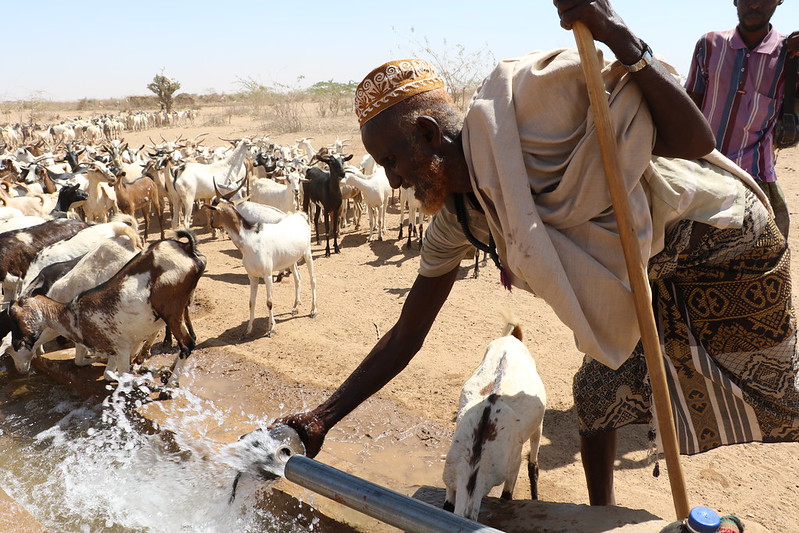
Save the Children’s Role and Response

Save the Children, a major nonprofit organization founded in the United Kingdom in 1919, aims to aid children in dire situations worldwide. With programs and members in 113 countries, the organization prioritizes support for children in the most resource-deprived nations.

In 2022, the Save the Children Ethiopia Country Office initiated a Category 1 humanitarian response plan across most of the country. This comprehensive plan encompasses the Northern Ethiopia Complex Response, the Hunger and Drought Response and the Forced Displacement Response. These initiatives aim to protect Ethiopian children, sustain their livelihoods and enhance food security. Save the Children operates in several regions, including Somali, Tigray, Amhara, Afar, Oromia, Gambela and the Southern, Central and Western Ethiopian regions, along with Sidama.

In 2023, Save the Children provided support to 6.8 million people in Ethiopia, including 3.9 million children. While the organization primarily focuses on aiding children, its efforts benefit the entire community.

Educational Initiatives and Health Focus

Save the Children focuses on providing educational resources to children. Approximately 13 million children in Ethiopia are not enrolled in school, nearly half of whom are girls, according to UNICEF. Many children who begin schooling often drop out before reaching secondary education. To counter this, Save the Children leads extensive programs with support from various stakeholders, concentrating on essential early childhood education in areas like math and literacy.

Save the Children also emphasizes children’s health and nutrition. Decades ago, many children died before the age of 5 from preventable causes. Significant progress has been made. Mortality rates have dropped from 123 per 1,000 births in 2005 to 59 per 1,000 in 2019, representing an overall decrease of about 15%. Despite these gains, nutrition remains a critical challenge, as malnutrition contributes to approximately 45% of children’s deaths. To reduce this rate, Save the Children integrates primary health care to ensure children receive necessary interventions, such as immunizations. The organization also spearheaded the Growth through Nutrition initiative from 2016 to 2023, which aimed to enhance nutrition and health care services.

Looking Ahead

Ethiopia’s severe drought has left millions of children facing hunger and hardship. Save the Children’s humanitarian efforts have been crucial in providing relief and support to affected communities. Its focus on education and health initiatives aims to address long-term challenges, such as malnutrition and school dropout rates. Ongoing efforts and support can potentially improve the lives of Ethiopia’s most vulnerable children and ensure a more stable future for the nation.

– Sabrina Betterly

Sabrina is based in Drums, PA, USA and focuses on Good News for The Borgen Project.

Photo: Flickr

July 30, 2024
https://borgenproject.org/wp-content/uploads/borgen-project-logo.svg 0 0 Precious Sheidu https://borgenproject.org/wp-content/uploads/borgen-project-logo.svg Precious Sheidu2024-07-30 01:30:072024-07-29 06:01:22Save the Children in Ethiopia
Africa, Global Poverty, Natural Disaster

Solution in Sight for Drought in the Horn of Africa

Drought in AfricaThe Horn of Africa, encompassing Kenya, Ethiopia, Djibouti, South Sudan and Uganda, has been experiencing the most severe drought in decades. This crisis has directly and indirectly impacted millions. The death toll in Somalia alone reached a staggering 43,000 in 2022. However, the accurate scale of the devastation caused by the drought in the Horn of Africa will only become clear once we have the total count of deaths from the other affected countries.

Current Situation

In the past three years, the region has been grappling with a severe lack of precipitation, with some areas receiving minimal to no rainfall. This prolonged drought has had devastating consequences, particularly for the communities whose livelihoods depend on livestock and the rain. Approximately 10 million animals have perished due to drought, resulting in displacement for millions of herders who are forced to flee their homes for areas where water is available and seek humanitarian assistance.

The drought-related food insecurity has pushed them to the brink, where they face hunger, malnutrition, starvation and even death. Furthermore, the drought has increased transportation costs and food prices, exacerbating the situation and plunging more individuals into poverty. These dire conditions have also heightened the risk of conflicts in the region.

Good News

Recurrent droughts have led to collaborative efforts between governments and aid agencies to explore long-term sustainable solutions. These efforts have yielded promising results, with numerous studies revealing substantial regional underground water reserves. This finding offers hope in this crisis, as these reserves have the potential to sustain millions of people for an extended period, reducing their dependency on rainwater and mitigating the effects of drought and other such phenomena.

Project – Africa Groundwater Access Facility

Implementing a cross-border initiative presents challenges and opportunities of paramount significance to the region. Essential to this project is the necessitated exchange of knowledge and comprehensive research across participating nations. The primary objectives of this strategic plan are as follows:

  1. Active engagement of local communities to instill a sense of ownership and commitment to the project.
  2. Rigorous identification of already known drought hotspots for targeted intervention.
  3. Execute well drilling and establish deep underground bores near these identified hotspots for long-term water scarcity mitigation.

Other Solutions – Land Restoration

Certain countries, like Burkina Faso, are implementing nature-based solutions to challenges such as drought and flooding. These strategies involve tree planting, utilizing innovative agricultural practices and integrating agriculture, farming, fruit crops and livestock pastors within a single area. This holistic approach, which is cost-effective and sustainable, has the potential to not only help millions of people but also save billions of hectares of land in low-income countries in the years to come.

Final Remark

Approximately 1.84 billion people worldwide are impacted by drought, with 85% residing in low-income countries. According to estimates, drought will displace 700 million in the next decade and affect one in every four children. Therefore, the urgency of finding sustainable solutions to reduce the effects of drought cannot be overstated. 

– Maria Waleed

Maria is based in Yokohama, Kanagawa, Japan and focuses on Good News and Global Health for The Borgen Project.

Photo: Flickr

July 26, 2024
https://borgenproject.org/wp-content/uploads/borgen-project-logo.svg 0 0 Lynsey 2 https://borgenproject.org/wp-content/uploads/borgen-project-logo.svg Lynsey 22024-07-26 03:00:432024-07-25 13:28:37Solution in Sight for Drought in the Horn of Africa
Development, Education, Global Poverty

The Luminos Fund’s Second Chance Program

Luminos Fund's Second Chance ProgramThe Luminos Fund’s Second Chance program achieved significant success in Ethiopia, providing accelerated learning opportunities to more than 10,000 out-of-school children affected by COVID-19 and internal conflicts. This initiative, renowned for its innovative, child-centered teaching methods, compresses multiple years of curriculum into one, facilitating rapid reintegration into mainstream education. It addresses urgent educational gaps exacerbated by disruptions, emphasizing holistic child development alongside robust emotional and social support frameworks.

The Second Chance Program

Recent studies demonstrate significant improvements in literacy and numeracy among program participants. For example, a study conducted by the Ethiopian Ministry of Education found that children enrolled in the Second Chance program showed notable progress in their academic skills. Children who participated in the program “outperformed other students by an average of 10% across math, English and the local language (Sidama).”

Hana’s story epitomizes the transformative impact of the Second Chance program. Despite missing two years of schooling due to the pandemic, Hana not only caught up with her peers but also excelled academically. She had become a top-performing student in her class, inspiring her community and demonstrating the program’s effectiveness in restoring educational opportunities to disadvantaged children.

The Education and Life Skills Program

Moreover, World Vision Ethiopia’s Education and Life Skills (EdLS) Program is dedicated to improving developmental outcomes for children in targeted communities. It focuses on enhancing literacy skills, supporting early learning and ensuring readiness for primary education among children aged 7-14.

Throughout 2023, the program was active across 34 Area Programmes (APs), implementing three distinct project models: Learning Roots (LR) in 21 APs, Basic Education Programme (BEP) in 19 APs and Unlock Literacy (UL) in 19 APs, all aimed at achieving these crucial outcomes. With an investment surpassing $4.9 million, the EdLS positively impacted approximately 294,000 children, with a strong emphasis on benefiting more than 150,000 girls.

This significant investment underscores the program’s commitment to enhancing the educational quality and fostering a supportive learning environment, ultimately contributing to long-term educational and social development in these communities.

The Impact of the Programs

The success of the Second Chance and the EdLS programs extend beyond individual achievements to encompass community-wide benefits and offer inspiration to other organizations for a domino effect. Active community involvement and engagement have been integral to the sustainability and impact of the Second Chance and the EdLS programs. Local stakeholders, including parents, teachers and community leaders, play a vital role in supporting children’s educational journey and fostering a conducive learning environment.

The Luminos Fund’s Second Chance program in Ethiopia exemplifies the transformative potential of targeted educational interventions. By equipping disadvantaged children with essential academic skills and comprehensive support systems, the program not only addresses immediate educational challenges but also cultivates long-term resilience and prosperity within communities. Through rigorous academic studies and compelling success stories like Hana’s, the program underscores the critical role of education in empowering children and building a brighter future for Ethiopia’s next generation.

– Demi Olin

Demi is based in Huntington, WV, USA and focuses on Good News for The Borgen Project.

Photo: Flickr

July 16, 2024
https://borgenproject.org/wp-content/uploads/borgen-project-logo.svg 0 0 Lynsey 2 https://borgenproject.org/wp-content/uploads/borgen-project-logo.svg Lynsey 22024-07-16 01:30:472024-07-15 05:01:53The Luminos Fund’s Second Chance Program
Developing Countries, Economy, Global Poverty

The Rapid Economic Development in Ethiopia

Economic Development in EthiopiaEthiopia is a low-income country in the Horn of Africa. It is one of the world’s oldest countries, but the territorial borders have changed multiple times during its existence. The country has a history of conflict and war.  In 2020, a civil war broke out in the country, which lasted for two years. Not long before this war started, the long-lasting conflict with Eritrea ended. Ethiopia also has a history of famine and poverty. However, in the last few years, the economic development in Ethiopia has been booming and the economy continues to grow.

About Poverty in Ethiopia

Ethiopia is one of the poorest states in Africa and the second-most populated country after Nigeria. According to the United Nations Development Programme (UNDP), approximately 68% of Ethiopia’s population was multidimensionally poor in 2021. Poverty has various adverse effects on the country, including the prevalence of serious diseases.

The population is highly susceptible to diseases such as malaria, HIV, tuberculosis and noncommunicable diseases (NCDs). In 2019, NCDs caused 43% of deaths in Ethiopia. Furthermore, its average gross domestic product (GDP) per capita is $1,028 as of 2022 and a significant portion of the population struggles to access an adequate food supply. This widespread food insecurity in Ethiopia is attributed to overall poverty, droughts and past conflicts, among other factors.

Economic Growth

Ethiopia is experiencing rapid economic growth, with an impressive 7.2% increase in the 2022/23 fiscal year. The country has made significant progress in reducing poverty. Between 1995 and 2015, the percentage of Ethiopians living below the international poverty line decreased from 69% to 27%. The list below showcases the main reasons why Ethiopia’s economic development is booming:

  1. In 2018, the Ethiopian government launched an Urban Institutional and Infrastructure Development program. The program’s goals are to promote structural and economic transformation through increased productivity, build resilience and inclusiveness, support institutional accountability and confront corruption. The program, which will end in July 2024, has improved the living conditions for at least 6.6 million Ethiopians living in the countryside.
  2. Agriculture is an essential driver of economic development in Ethiopia. The industry accounts for 40% of Ethiopia’s GDP and an estimated 75% of the country’s workforce finds itself in this field. The government has set a plan to replace wheat imports with local production. It has introduced farming techniques that allow wheat to be harvested twice a year. By 2022, Ethiopia had become completely self-sufficient in producing wheat for its inhabitants. In the same year, it made more than one million tons of surplus, which it exported. The wheat initiative has been a great success.
  3. Due to the rapidly growing population, the government is facing challenges in creating enough jobs. Small and medium-sized enterprises play a crucial role in the Ethiopian economy. Therefore, the government has begun to focus on supporting small and medium-sized businesses as part of its plan to create three million more jobs annually.
  4. Some of the elements mentioned are part of the government’s Homegrown Economic Reform Agenda. This is an economic reform that was launched in 2021 and focuses on:
    • Ensuring macroeconomic stability to sustain the rapidly growing economic growth.
    • Rebalancing the public and private sector’s role in the economy.
    • Unlocking new and existing potential.

Looking Forward

In January 2024, the leaders of Ethiopia and Somaliland signed a memorandum of understanding. Ethiopia, which is landlocked, will be allowed to use Somaliland’s port for commercial traffic. In return, Somaliland will get a share of Ethiopia Airlines. This deal has irritated Somalia, which considers Somaliland to be part of its territory. However, if or when this deal is set in motion, Ethiopia’s economic development will likely reach new heights.

– Sigrid Nyhammer

Sigrid is based in London, UK and focuses on Politics for The Borgen Project.

Photo: Unsplash

July 7, 2024
https://borgenproject.org/wp-content/uploads/borgen-project-logo.svg 0 0 Lynsey 2 https://borgenproject.org/wp-content/uploads/borgen-project-logo.svg Lynsey 22024-07-07 01:30:272024-07-07 14:27:33The Rapid Economic Development in Ethiopia
Aid, Child Malnutrition, Global Poverty

4 Countries Improving Malnutrition with RUTF

4 Countries Improving Malnutrition with RUTFThe global malnutrition crisis significantly impacts millions in underdeveloped nations. According to the World Food Programme, severe food insecurity affects more than 309 million people across 72 countries. This crisis stems from factors beyond poverty, including inadequate dietary intake, limited healthcare services and a lack of access to safe drinking water and resources. Ready-to-use therapeutic Food (RUTF) has become a key intervention in combating global malnutrition effectively.

Improving Malnutrition with RUTF

André Briend and Michel Lescanne developed RUTF more than 25 years ago to offer effective nutritional treatment for malnourished children. This high-energy paste includes ingredients like powdered milk and peanuts, along with essential vitamins, providing substantial nutritional value without the need for water or concerns about rapid spoilage. UNICEF reports that consuming three packets of RUTF daily for six to eight weeks can significantly address acute malnutrition in children and the agency currently distributes approximately 80% of the global supply. Additionally, numerous nongovernmental organizations are involved in distributing RUTF. Several countries have revealed notable improvements in the nutritional status of children and adults facing chronic malnutrition through the use of RUTF.

Yemen

Yemen faces a severe food security crisis, with 56% of its population lacking proper nutrition and nearly 500,000 children suffering from acute malnutrition. In response, UNICEF has partnered with USAID’s Office of Food for Peace and the Bureau for Humanitarian Assistance to combat starvation among children using RUTF. In the Tur Al Bahah district’s Al-Khatabiah area, 20% of children are acutely malnourished. Local health centers, supported by UNICEF, screen for malnutrition, provide RUTF treatment and conduct follow-up check-ups. The treatment has significantly aided recovery, improving conditions for affected families. USAID/BHA has supplied RUTF to address more than 144,000 cases of malnutrition in Yemen, underscoring the critical role of RUTF in combating the nation’s food insecurity.

Haiti

In Haiti, the struggle against malnutrition intensifies amid natural disasters, poor sanitation and economic challenges. With a population of 11.7 million, nearly 4.3 million face acute malnutrition and more than 22% of children under age 5 experience chronic hunger. The country’s escalating violence often hampers access to healthcare centers. To combat this, nongovernmental organizations, like Meds and Food for Kids, deliver nutritional support with their RUTF known locally as “Medika Mamba” or “Peanut Butter Medicine.” This product effectively restores essential micronutrients and is produced following standards set by PlumpyField and Nutriset, global leaders in nutritional solutions. Annually, Meds and Food for Kids produces more than 1000 metric tons of RUTF, achieving a 92% treatment success rate for malnourished children within 8 to 12 weeks.

Ethiopia

In Ethiopia, environmental challenges such as droughts and declining livestock productivity exacerbate food insecurity. The COVID-19 pandemic’s lockdown measures further worsened the situation as nearly one million children lost access to school feeding programs. This has led to acute malnutrition and a rise in micronutrient deficiencies, including iron deficiency anemia and Vitamin A deficiency. To combat this, Ethiopia’s government and UNICEF have committed to protecting vulnerable populations, such as children and pregnant women. Since 2007, Hilina Enriched Foods has collaborated with UNICEF to distribute RUTF to communities in urgent need. This partnership leverages ‘last-mile distribution’ strategies to deliver RUTF directly to health facilities, ensuring timely supply across 240 districts and improving malnutrition management in hard-to-reach areas.

Democratic Republic of Congo

In the Democratic Republic of Congo (DRC), malnutrition affects 40% of children. From June 2023 to June 2024, about 1.1 million children ages 6 to 59 months and 605,000 pregnant women experienced high rates of acute malnutrition. The World Health Organization (WHO) defines child wasting as rapid weight and muscle loss due to insufficient nutrient intake, often exacerbated by inadequate feeding practices and scarce resources. To combat this, the DRC has integrated RUTF into its national healthcare strategy, including listing it on the Essential Medicines List. UNICEF, the Bureau for Humanitarian Assistance (BHA), the World Bank and various NGOs with private funding have supplied RUTF.

Moving Forward

UNICEF has acknowledged the integration of RUTF in national clinical guidelines for malnutrition management across 71 countries. This adoption underscores a growing reliance on RUTF to combat global malnutrition effectively. Nations such as Yemen, Haiti, Ethiopia and the Democratic Republic of Congo have made significant strides by incorporating RUTF into their health strategies, revealing marked improvements in severe malnutrition cases. The support from UNICEF, USAID and various nongovernmental organizations has been instrumental in these ongoing efforts. Continued investment and focus on the programs could be essential for reducing malnutrition and improving health outcomes globally.

– Abigail Lobo

Abigail is based in Mississauga, Ontario, Canada and focuses on Good News and Global Health for The Borgen Project.

Photo: Unsplash

July 5, 2024
https://borgenproject.org/wp-content/uploads/borgen-project-logo.svg 0 0 Precious Sheidu https://borgenproject.org/wp-content/uploads/borgen-project-logo.svg Precious Sheidu2024-07-05 01:30:482024-07-04 03:43:114 Countries Improving Malnutrition with RUTF
Global Poverty, Mental Health

Improving Child Mental Health in Ethiopia

Improving Child Mental Health in EthiopiaEthiopia, a landlocked country in East Africa, is the continent’s second-most populous nation with an estimated 129 million people. Despite its large population, poverty is pervasive, with 68.7% of its residents classified as multidimensionally poor, according to the Oxford Poverty and Human Development Initiative. The impact on children is particularly severe, with an estimated 13 million living in poverty and two million in extreme conditions, lacking necessities such as housing, sanitation, clothing, food and education. Additionally, mental health in Ethiopia remains a significant concern, with a noticeable lack of resources and awareness compounding the challenges faced by those living in poverty. The United Nations (U.N.) emphasizes that “…it is most threatening and harmful to children, leaving them unable to enjoy their rights, to reach their full potential and to participate as full members of the society.”

Mental Health in Ethiopia

Childhood and adolescence are crucial phases for physical and mental development and poverty could hinder a child’s ability to focus on studies and connect with peers. In sub-Saharan Africa, the prevalence of depression among 10 to 19-year-olds is about 27%, significantly higher than in Europe and other high-income countries. In 2023, around 24.68% of Ethiopian children experienced mental health issues. The stark disparity in mental health prevalence between regions stems from differences in socioeconomic status, living conditions and public childcare resources. High-income countries, with more advanced childcare systems, provide minimally adequate care for depression to approximately one out of every five individuals, contrasting sharply with one out of 27 in lower-middle-income countries like Ethiopia.

Tackling the Root Source

In Ethiopia, the lack of a defined mental health system for children stems not just from inadequate resources but also from a pervasive lack of awareness. Many Ethiopians hold traditional views on mental disorders, encapsulated in the phrase “Lij Bedilu Yadgal,” which translates to “children will grow by their chance or luck.” This perspective aligns with the belief that mental health issues are spiritual and best treated through cultural or religious practices. Combined with the challenges posed by poverty, this has led to significant gaps in child psychiatric services within the health care system. Addressing these issues requires a focus on community mental health care to enhance awareness, reduce stigma, support recovery and foster social inclusion.

A New Direction

Recently, Ethiopia’s Federal Ministry of Health has initiated new mental health initiatives, including the Enrichment Center Ethiopia’s Support the Care-givers Intervention Program (SCI). This innovative program brings together a team of professionals and volunteers from around the globe to assist infants and children in meeting critical developmental needs. Despite scarce resources, SCI focuses on children aged 0 to 6, aiming to elevate caregiving knowledge by training mothers, social workers, teachers, teaching assistants and childcare staff in orphanages. The training encompasses four weeks of comprehensive sessions in eight different groups, covering essential caregiving skills such as attachment and secure base, insightfulness, reflective functioning and dialogue, emotional regulation and empathy. This approach is designed to enhance the early developmental environment for Ethiopia’s children, particularly in settings where traditional support structures may be lacking.

So far, the Enrichment Center Ethiopia’s training program has educated more than 400 caregivers, with overwhelmingly positive outcomes. Participants report reduced instances of violence, enhanced family dynamics, deeper emotional bonds with children and increased job satisfaction. Leveraging local resources and manpower, ECE’s experience serves as an inspiring model for other communities, demonstrating a cost-effective approach to raising awareness and improving mental health care for young children.

Looking Ahead

Ethiopia’s challenges with widespread poverty and inadequate mental health resources, especially for children, require ongoing attention and intervention. Initiatives by the Federal Ministry of Health and programs like the Enrichment Center Ethiopia’s caregiver training are making strides in addressing these ongoing issues. By focusing on enhancing caregiving practices and providing support, these programs aim to improve the mental health and well-being of Ethiopian children. Continued dedication to these ongoing efforts could be vital in creating a healthier and more resilient future for the country’s youth.

– Kewe Chen

Kewe is based in Memphis, TN, USA and focuses on Good News for The Borgen Project.

Photo: Flickr

July 1, 2024
https://borgenproject.org/wp-content/uploads/borgen-project-logo.svg 0 0 Precious Sheidu https://borgenproject.org/wp-content/uploads/borgen-project-logo.svg Precious Sheidu2024-07-01 07:30:272024-07-01 01:39:28Improving Child Mental Health in Ethiopia
Page 4 of 7«‹23456›»

Get Smarter

  • Global Poverty 101
  • Global Poverty… The Good News
  • Global Poverty & U.S. Jobs
  • Global Poverty and National Security
  • Innovative Solutions to Poverty
  • Global Poverty & Aid FAQ’s
Search Search

Take Action

  • Call Congress
  • Email Congress
  • Donate
  • 30 Ways to Help
  • Volunteer Ops
  • Internships
  • Courses & Certificates
  • The Podcast
Borgen Project

“The Borgen Project is an incredible nonprofit organization that is addressing poverty and hunger and working towards ending them.”

-The Huffington Post

Inside The Borgen Project

  • Contact
  • About
  • Financials
  • President
  • Board of Directors
  • Board of Advisors

International Links

  • UK Email Parliament
  • UK Donate
  • Canada Email Parliament

Get Smarter

  • Global Poverty 101
  • Global Poverty… The Good News
  • Global Poverty & U.S. Jobs
  • Global Poverty and National Security
  • Innovative Solutions to Poverty
  • Global Poverty & Aid FAQ’s

Ways to Help

  • Call Congress
  • Email Congress
  • Donate
  • 30 Ways to Help
  • Volunteer Ops
  • Internships
  • Courses & Certificates
  • The Podcast
Scroll to top Scroll to top Scroll to top