Reducing Poverty in São Paulo
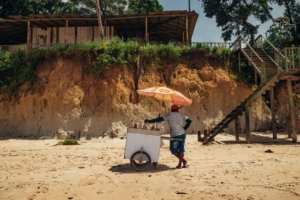 São Paulo, a city in Brazil, has launched new initiatives to help reduce poverty and guide citizens to self-sufficiency. Two major programs, SuperAção SP and the Master Plan, take different approaches to the same goal. SuperAção SP focuses on personalized support, working directly with families to identify needs and provide training, funds and resources. Meanwhile, the Master Plan aims to fight poverty through urban development by improving housing, transportation and job access. Together, these efforts aim to create immediate relief and lasting economic stability.
SuperAção SP
SuperAção SP employs 500 specialized agents who will work with around 20 families, examining each family’s particular root cause of poverty and devising a specific plan to get them out of poverty. For instance, a mother who cannot afford to send her children to daycare will be given a fund and advised on what to save money for. Individuals with little to no prior job experience will receive training that equips them for the labor force, giving them a better chance at getting jobs. Families suffering from malnutrition and food shortages will receive emergency funds and resources that are completely food-centered.
The first step of this program is to reach and work with more than 100,000 families in São Paulo over the next two years. During this period, the objective is to lift these families out of extreme poverty and implant a degree of self-sufficiency that enables them to remain above the poverty line. What sets SuperAção SP apart from other poverty alleviation policies is its dual approach: providing immediate support to those in need while equipping individuals with the skills and opportunities necessary to achieve long-term economic independence.
The Master Plan
Another poverty reduction initiative in São Paulo is the Master Plan. Initially implemented in 2014, the plan was revised in 2023 to accommodate increased demands and to take a more proactive approach to addressing poverty. The Master Plan is designed to reduce poverty through urban development; it focuses on creating better public transportation, larger apartment buildings and more room for parking, subway systems and train stations.
The core premise of the Master Plan is that poverty can be reduced through improvements in urban infrastructure and public spaces. Larger apartments, with cleaner subway, train and bus stations, will improve the quality of life in a given area. As a response to the improved areas, employment will also increase in the form of business and new work opportunities will be created. In turn, these improvements are expected to stimulate local economic growth by encouraging business development and creating new employment opportunities.
Furthermore, by bringing housing and job prospects closer, the Master Plan aims to strengthen the quality of life and the labor market in São Paulo. The 2023 revision of the plan was partly driven by studies indicating that areas with well-developed public transportation and larger residential and commercial buildings experienced lower poverty rates.
Conclusion on Poverty Reduction in São Paulo
The Master Plan and SuperAção SP are just a few of the many poverty plans in São Paulo. The poverty rate in São Paulo has been steadily decreasing in recent years. In 2023, the poverty rate reached a new low of 27.4%, which had not been seen since 2012. Programs like the Master Plan and SuperAção SP continue to be implemented and revised to reduce poverty.
– Russell Bivins
Russell is based in Phoenix, AZ, USA and focuses on Good News for The Borgen Project.
Photo: Pexels
