• Link to X
  • Link to Facebook
  • Link to Instagram
  • Link to TikTok
  • Link to Youtube
  • About
    • About Us
      • President
      • Board of Directors
      • Board of Advisors
      • Financials
      • Our Methodology
      • Success Tracker
      • Contact
  • Act Now
    • 30 Ways to Help
      • Email Congress
      • Call Congress
      • Volunteer
      • Courses & Certificates
      • Be a Donor
    • Internships
      • In-Office Internships
      • Remote Internships
    • Legislation
      • Politics 101
  • The Blog
  • The Podcast
  • Magazine
  • Donate
  • Click to open the search input field Click to open the search input field Search
  • Menu Menu

Tag Archive for: Poverty In Bangladesh

Posts

Global Poverty, Natural Disaster, Nonprofit Organizations and NGOs

Emergency Backpacks and Flood Relief in Bangladesh

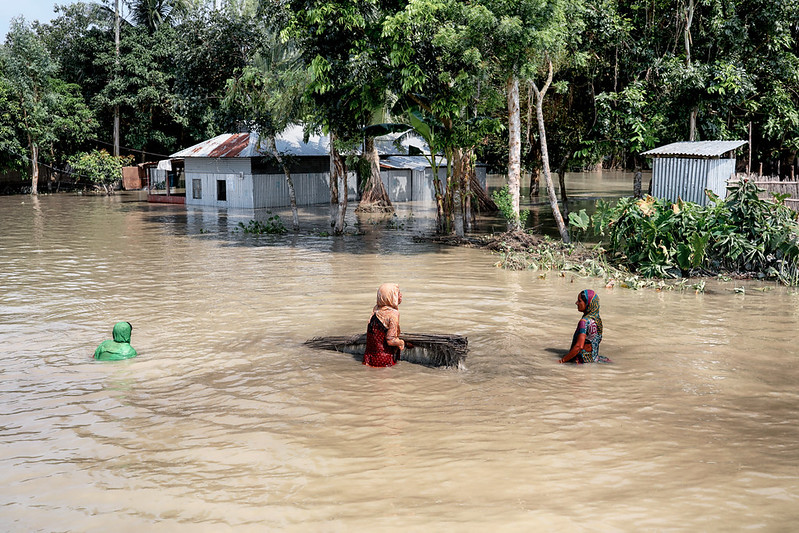
Flood Relief in BangladeshOn March 31, 2025, the day of Eid al-Fitr, a massive flood hit Satkhira, Bangladesh, covering seven villages in the region and displacing more than 15,000 people. Many citizens, still in their Eid clothing, built makeshift dams and dug holes to divert the water, but the tide was too overwhelming, and all 15,000 people in the area became stranded. In addition, most businesses were not working due to the holiday, so almost no local emergency services were available to help. CARE, an anti-poverty organization and a pioneer in flood relief in Bangladesh, foresaw this potential disaster and was still able to make life-saving materials available to the flood victims

Flooding and Poverty in Bangladesh

Bangladesh has a poverty rate that has fluctuated significantly in recent years. In 2022, the poverty rate dropped to 18%, but as of 2025, it has risen to 28%. More than a quarter of the population suffers from increasing amounts of infrastructure vulnerability, food insecurity and chronic illness. A huge reason for this recent rise in poverty rate is due to floods brought about by climate change.

In recent years, Bangladesh has been the country that became significantly vulnerable to natural disasters, since its geographical location makes it particularly prone to floods. This is due to nearby basins that receive massive amounts of rain year-round. The rain pools in basins and then washes through Bangladesh into the Bay of Bengal. Plus, the location of the country’s residential infrastructure is placed right in the way of the flood path. The facts make Bangladesh’s future seem daunting, but hope is not lost.

CARE and Emergency Backpacks

In the midst of the flood, no help could get in to those in need because of the harsh conditions, except CARE, which had planned ahead of time. It placed 500 emergency backpacks in easy-to-access places, so that when the need arose, emergency tools would be available. In addition, CARE operated to distribute more packages to those most in need, even during holiday hours.

These CARE packages are compact, lightweight tube-shaped backpacks that consist of essential hygiene products, first aid materials, and emergency equipment personalized to the needs of each individual. They may contain any of the following:

  • Water purifiers, purification tablets, and collapsible buckets
  • Stoves and kitchen utensils
  • Menstrual pads, soaps, and underwear
  • A solar-powered light and solar-powered chargers
  • Tarps and ropes
  • An instruction packet that explains how to optimize each tool

During post-effort surveys, CARE recorded some inspiring metrics. Women specifically reported that the menstrual hygiene products provided were extremely helpful, improving their wellbeing in ways beyond just cleanliness. 66% of women used the kits mainly because of their hygiene products. Solar-powered technology was also among the most used items; 72% of households used solar power to restore use of their mobile devices to contact help and find crucial information. Sixty four percent of people reported that solar-powered lights helped them remain safe and calm at night.

Overall, backpacks helped 336 households, and 99% of those who received the packages reported their satisfaction with the tools provided. Thanks to this success, CARE has been able to implement CARE packages in Nepal, Malawi, the Philippines, and Mozambique in addition to Bangladesh. CARE has even partnered with The Coca-Cola Foundation to expand the production and distribution of the packages.

CARE’s flood relief aid in Bangladesh is a beacon of hope for poverty eradication. If projects like this continue to be well-funded and backed by influential donors like Coca-Cola, positive change is on the horizon.

– Lucas Cain

Lucas is based in Pittsburgh, PA, USA and focuses on Good News and Technology for The Borgen Project.

Photo: Flickr

April 16, 2026
https://borgenproject.org/wp-content/uploads/borgen-project-logo.svg 0 0 Naida Jahic https://borgenproject.org/wp-content/uploads/borgen-project-logo.svg Naida Jahic2026-04-16 03:00:452026-04-15 12:50:11Emergency Backpacks and Flood Relief in Bangladesh
Disease, Global Poverty, Health

Melioidosis in Bangladesh Threatens Rural Communities

Melioidosis in BangladeshHidden beneath flooded rice fields and carried by monsoon rains, a little-known disease is shaping a quiet public health crisis. Melioidosis in Bangladesh exists at the intersection of climate, poverty and limited health care access. Yet it remains largely invisible in national disease statistics.

For many patients, the illness never earns its real name, instead slipping through the health care system disguised as more familiar conditions. Rural communities suffer the most severe consequences, as their livelihoods depend on daily contact with soil and water. Understanding why melioidosis continues to evade recognition is essential not only to saving lives but also to protecting the people who sustain Bangladesh’s economy and food security.

Misdiagnosed, Misrepresented and Misunderstood

Melioidosis manifests differently from person to person and can range in severity from flu-like symptoms to skin abscesses and sepsis. Burkholderia pseudomallei enters the body through ingestion, inhalation or skin cuts, allowing it to infect the bloodstream, lungs and skin, sometimes simultaneously. Because the bacteria can affect multiple organ systems, melioidosis is often misdiagnosed as tuberculosis, fungal infections or even cancer.

These misdiagnoses can delay treatment, even though antibiotics must be started promptly and completed fully to improve recovery outcomes. Since the ’60s, hospitals in Bangladesh have reported only around 100 cases of melioidosis. This figure is widely believed to underestimate the true burden of the disease.

One study estimates that melioidosis in Bangladesh could account for up to 17,000 cases and 9,500 deaths each year. This gap is mainly due to limited clinical awareness and insufficient laboratory capacity for proper diagnosis. Patients with other underlying conditions, known as comorbidities, are at a higher risk of melioidosis, including those with diabetes, alcohol use disorder and chronic lung disease, which may complicate diagnosis further.

Rural Communities in Bangladesh at High Risk

Burkholderia pseudomallei is well-adapted to Bangladesh’s warm, humid climate. The bacterium thrives in environments with year-round high temperatures, waterlogged soil and frequent monsoon rainfall. As a result, rural communities, particularly those dependent on agriculture, face the greatest risk of infection.

Agriculture accounts for nearly 90% of rural employment and many farmers work barefoot or without protective equipment, increasing their exposure through direct contact with contaminated soil and water. Social factors further compound the risk. Poverty rates in rural Bangladesh stand at around 20%, compared with 16.5% in urban areas.

Illness caused by melioidosis can prevent individuals from working, deepening economic hardship for affected families and communities. Looking more broadly, the agricultural sector is one of the most productive in Bangladesh’s economy, contributing around 11% of the national GDP. Rural farming communities sit at the heart of this system.

Yet, they often have the least access to health care due to geographic and financial constraints. Protecting farmers and their families from melioidosis, therefore, supports not only their health and livelihoods but also the country’s food security and export capacity. This underscores the need for adequate protective equipment and timely access to effective antibiotic treatment.

Fighting for Futures: The South Asian Melioidosis Congress

In 2023, the third South Asian Melioidosis Congress (SAMC) met in Dhaka, Bangladesh, to discuss emerging research concerning the tropical disease and to share methods of its detection and management. These educational meetings aimed to raise awareness of melioidosis and provide physicians with the tools for accurate diagnosis. This proved successful, with nine reported cases of melioidosis in Bangladesh soon after the SAMC’s conclusion, each patient with different symptoms.

This reflects the vigilance of health care professionals regarding the early diagnosis of melioidosis as empowered by the collective effort of the SAMC to fight this disease. Following the conclusion of the fourth SAMC at the end of 2025, organizers are hopeful that renewed awareness will lead to more diagnosed cases being reported in Bangladesh. The theme of the fourth SAMC, “Melioidosis: The Great Mimicker,” highlighted the disease’s ability to mimic a wide range of illnesses.

The most recent congress brought together experts from across the world in Northeast India to discuss key issues surrounding melioidosis, including diagnostic approaches, public health implications and treatment guidelines. These discussions aimed to raise awareness of the disease and strengthen future efforts to protect vulnerable rural communities.

– Charlotte Bunn

Charlotte is based in Bristol, UK and focuses on Global Health for The Borgen Project.

Photo: Flickr

February 5, 2026
https://borgenproject.org/wp-content/uploads/borgen-project-logo.svg 0 0 Lynsey 2 https://borgenproject.org/wp-content/uploads/borgen-project-logo.svg Lynsey 22026-02-05 03:00:272026-02-05 01:15:49Melioidosis in Bangladesh Threatens Rural Communities
Global Poverty, Sanitation

The Impact of Water Pollution in Bangladesh

Water Pollution in BangladeshBangladesh is in the process of improving its sanitation standards by taking steps to decrease the impact of water pollution. As a result of the water resources secretary-level meeting in New Delhi in 2021, India and Bangladesh have since agreed to work together regarding water pollution, flood oversight and the shared rivers between the two countries.

Environmental Vulnerability and Water Pollution

Bangladesh is one of the most polluted countries in the world. Climate change causes extensive damage to Bangladesh’s environment through floods, cyclones and tidal surges. According to Harvard University, the land’s vulnerabilities are caused by the shoreline’s shape and its low-lying topography. As the landscape has been studied, the data reveal that toxins, including groundwater arsenic content between 2000 and 2019, negatively impact public access to clean drinking water.

Government Action on Sanitation and Waterways

Since then, the Bangladesh government has been determined to address the impact of water pollution in Bangladesh, toxic waterways and poor sanitation that cause inadequate public health in the country. Its waterways provide resources for food and hygiene throughout the country; however, chemical and plastic water pollution contaminates wetlands and rivers. After the meeting in New Delhi, it became evident that intervention from the local city government is imperative to repair the outdated water supply system installed by the British in 1963.

Arsenic Contamination and Seasonal Water Access

The impact of water pollution in Bangladesh dates to the 1970s, when water sourced from ground deposits absorbed arsenic. However, residents have effectively obtained clean water through rainwater collection in cisterns. The short period of heavy rainfall does not occur between April and May, making government organizations necessary to facilitate access to a clean water supply during the dry months. For the Bangladesh government, the solution to water contamination requires ending the use of tube wells, building water storage systems and replacing old pipelines that supply potable water to the population.

Urban Water Conservation in Rajshahi

Alternative sanitation systems have been implemented in the city of Rajshahi, west-central Bangladesh, where the city government discovered techniques that increase the productivity of water conservation. By creating systems and maintaining surface water with assistance from an urban infrastructure development project, 20 ponds in Rajshahi filled water reservoirs.

By conserving water resources, residents in the city now have reliable access to clean water, improving public health in the area. These developments have enacted further structural change by incorporating modern technology. “The city government authority has also enacted bylaws that compel businesses to use carbon capture and recycling technology and restrict water emissions.”

Industrial Pollution and Manufacturing Accountability

Based on data concerning toxic water pollution emissions from manufacturers, the BBC found that 80% of the nation’s exports contribute to toxic wastewater discharge into rivers. Customer concerns over the mishandling of chemical waste and employee safety have influenced the impact of water pollution in Bangladesh. Aldi, the textile manufacturer under scrutiny, now educates staff on proper chemical handling and wastewater disposal. Given that Bangladesh’s waterways serve a population of 163 million people, regulations of this significance serve as a blueprint for future manufacturers.

UNICEF and WASH Initiatives

The Bangladesh government is committed to improving public health and has outlined a plan to address outdated plumbing systems that contribute to inadequate sanitation. To implement these changes, the Bangladesh government partnered with the United Nations Children’s Fund (UNICEF) to implement a Sustainable Development Goal Water, Sanitation and Hygiene (SDG WASH) model oriented toward public health and safety. UNICEF’s goal is to install WASH facilities to serve children and vulnerable populations in rural communities.

Over the years, UNICEF found that untreated sewage threatened Bangladesh’s access to freshwater resources while intensifying the impact of water pollution in Bangladesh and the spread of disease.

WASH services provide safe water and sanitation materials while making those resources readily available. These facilities improve sanitation by promoting essential hygiene protocols that contribute to public health and reduce disease transmission.

Scaling Rural Sanitation Systems

Plans to scale and oversee water networks in rural communities are in progress. Bangladesh aims to focus on modern toilet installations and updated sanitation facilities. Despite limited grant funding from development partners such as U.N. agencies, UNICEF can help Bangladesh raise service standards through appropriate procedures. Integrating testing before launching systems provides insight into the most effective approach for expanding access to safe drinking water and essential hygiene facilities. Given the strategic nature of these systems, other underdeveloped countries may use Bangladesh as a blueprint for advancing sanitation and public health.

– Lala McCullough

Lala is based in Brentwood, CA, USA and focuses on Global Health for The Borgen Project.

Photo: Flickr

December 15, 2025
https://borgenproject.org/wp-content/uploads/borgen-project-logo.svg 0 0 Precious Sheidu https://borgenproject.org/wp-content/uploads/borgen-project-logo.svg Precious Sheidu2025-12-15 07:30:522025-12-15 00:03:23The Impact of Water Pollution in Bangladesh
Disease, Global Poverty, Health

Typhoid in Bangladesh: A Bold Vaccination Campaign

Typhoid in Bangladesh: A Bold Vaccination Campaign to Counter a Drug-resistant Menace Typhoid is a highly contagious infection that typically causes high fevers of up to 39-40 degrees Celsius, along with symptoms such as headache, cough, extreme fatigue, constipation, loss of appetite and diarrhea. If left untreated, there are risks of intestinal and neuropsychiatric complications. The cause of the disease is the bacteria S. typhi, and the primary mode of transmission is through food or water that is undercooked or contaminated from contact with an infected individual.

Typhoid in Bangladesh

Typhoid in Bangladesh is endemic. In fact, there were approximately 477,518 cases of typhoid, with 7,998 deaths in 2021. According to a 2017 study, Bangladesh is one of the top five countries worldwide in terms of clinical incidence, deaths and disability-adjusted life years due to typhoid fever. Typhoid is closely linked to poverty; the highest clinical incidence occurs in poorer communities with limited access to clean water, uncontaminated food and hygienic environments.

Based on the national poverty line, Bangladesh’s poverty rate was 18.7% in 2022, according to the World Bank. Data shows that this rate has risen in recent years, with estimates projecting an increase to 21.2% in 2025. Factors contributing to this include weak labor markets, high inflation and depressed wages. Children face a disproportionately high impact. Studies in Dhaka have shown that children under 15 are at an abnormally high risk for typhoid, with elevated clinical incidence rates. This has driven the government of Bangladesh to prioritize child-focused prevention efforts.

Antibiotic Resistance: A Growing Barrier

One major factor complicating typhoid control initiatives is antibiotic resistance. S. typhi continually evolves, developing resistance to medications that were once highly effective. As of 2022, the newest strain—extensively drug-resistant (XDR) typhoid—could resist both first- and second-line treatments. Few medications remain effective, posing significant challenges for countries with limited health care infrastructure, fewer resources and higher poverty rates.

To address this, the government of Bangladesh proposed introducing typhoid conjugate vaccines (TCVs) to prevent typhoid among children. Compared to live vaccines, TCVs offer increased efficacy, stronger immune responses and the ability to be administered to children as young as 6 months. A 2024 study assessing cost-saving strategies for vaccine administration found that any rollout strategy would be cost-saving compared to current conditions.

The 2025 Nationwide Campaign

In October 2025, Bangladesh launched a nationwide vaccination campaign to protect children from drug-resistant typhoid. The monthlong campaign aims to vaccinate 50 million children between the ages of 9 months and 15 years with one dose of a TCV. The vaccine offers five years of protection, helping slow transmission among children.

The campaign specifically targets low-income areas such as urban slums and poorly connected rural regions due to the elevated clinical incidence and associated risks in these settings. Once the campaign ends, the TCV will be integrated into the national vaccination schedule in 2026 for children under 1, ensuring continued protection.

The campaign, supported by Gavi, the Vaccine Alliance, United Nations International Children’s Emergency Fund (UNICEF) and the World Health Organization (WHO), has already led to the vaccination of 38 million children across Bangladesh, despite interruptions caused by misinformation and vaccine hesitancy. As the campaign approaches its end date, some field officers and parents have voiced interest in extending vaccination deadlines to ensure broader coverage.

Looking Ahead

Overall, this vaccination campaign is a significant step toward the eradication of typhoid in Bangladesh and improving the standard of living for not only children but for the nation at large.

– Nikhil N Kumar

Nikhil is based in Lexington, MA, USA and focuses on Global Health and Politics for The Borgen Project.

Photo: Flickr
November 22, 2025
https://borgenproject.org/wp-content/uploads/borgen-project-logo.svg 0 0 Precious Sheidu https://borgenproject.org/wp-content/uploads/borgen-project-logo.svg Precious Sheidu2025-11-22 07:30:442025-11-22 01:47:42Typhoid in Bangladesh: A Bold Vaccination Campaign
Global Poverty, Nonprofit Organizations and NGOs

The Garment Industry in Bangladesh: Mistreated Workers

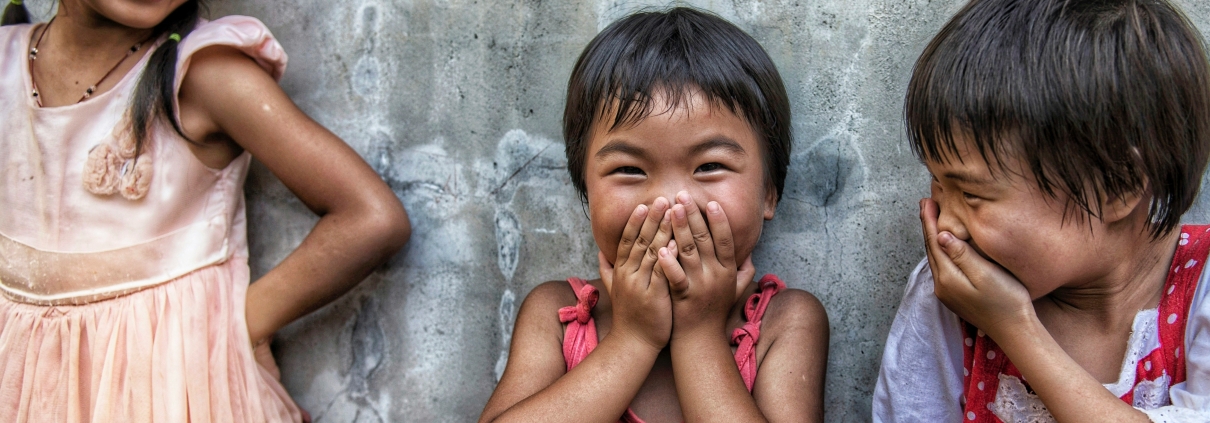
The Garment Industry in BangladeshThe garment industry in Bangladesh is the second largest on the planet in terms of exports. Between 2022 and 2023, the “Ready-made Garments,” or RMG, industry accounted for 84% of Bangladeshi exports. While this has led to Bangladesh, an emerging market, having one of the fastest-growing economies in the world, the labor force is suffering.

The Bangladeshi government has lowered production costs to attract foreign investment to stay ahead of the competition. However, this comes at the expense of factory workers—the minimum monthly wage is just $133, less than a quarter of the estimated living wage. Nonetheless, organizations such as GoodWeave are making efforts to stop this mistreatment.

Bangladesh and the Race to the Bottom

The race to the bottom is the theoretical competition between emerging markets, such as Bangladesh. Foreign investment from large companies is very desirable for these states. However, to appear more attractive, they must offer cheaper production costs. This is generally achieved by cutting wages and working standards. In the case of Bangladesh, this has been done to an alarming level.

Since the late 1900s, the size of the RMG industry in Bangladesh has grown exponentially from $1.8 million in 1980 to $47 billion in 2023. This growth was possible because Bangladesh offered increasingly cheap production costs to U.S. and European clothing companies. Although this has allowed Bangladesh to maintain and even flourish, through periods such as the 2008 financial crash due to increased demand for cheap clothes, it has come at a price: workers’ rights.

The Rana Plaza collapse of 2013 is potentially the most telling evidence of the lack of safety in garment factories in Bangladesh. Rana Plaza was a major garment production hub and due to the lax building and safety regulations around this industry, the structure was completely unsound. This became apparent in 2013 when part of the building collapsed and killed more than 1,000 people. This is a clear example of how the cost-cutting to attract investment horrendously impacted the laborers.

RMG workers are also paid insufficiently. According to GoodWeave, more than 30% of Bangladeshi garment workers are paid below their minimum wage. This rate is already far below what the Economic Observatory considers a living wage. Furthermore, many workers are involved in subcontracts, usually correlating with being paid even less than their already underpaid colleagues for the same amount of work.

The Impact of GoodWeave

GoodWeave is a nonprofit organization aimed at ending child and forced labor. It is an influential actor in Bangladesh, researching and raising awareness around labor conditions within the RMG industry. An interview with Jamir Munayko, digital communications and fundraising manager at Goodweave, revealed how the organization has been working in Bangladesh.

Between December 2023 and July 2024, GoodWeave International undertook research in collaboration with the University of Nottingham’s Rights Lab and the Bangladesh Labor Foundation (BLF). They aim to document the existence of modern slavery and child labor within Bangladesh’s RMG industry.

GoodWeave has conducted fieldwork in Dhaka and Chattogram, two major RMG hubs, carrying out almost 2,000 surveys and 10 in-person focus group discussions with 88 workers, both adults and minors. The organization has been processing the data gathered alongside the University of Nottingham, which is helping to legitimize the information and make it an authentic basis for action.

GoodWeave has also contributed to the vocational training of 500 young people in Bangladesh, ensuring they move into safe and legal work, rather than the dangerous and partially illegal RMG industry.

International Efforts To Raise Working Conditions in Bangladesh

GoodWeave has also been working alongside international institutions such as the Netherlands Enterprise Agency and the U.K. Home Office’s Modern Slavery Innovation Fund.

“These projects focus on using the evidence generated by research to drive change. They disseminate and advocate the only comprehensive evidence base of risk, prevalence and root causes of modern slavery in Bangladesh’s RMG industry, with emphasis on export production,” Munayko stated.

There has also been direct interaction between GoodWeave and some of the brands that produce their garments in Bangladesh.

“In partnership with four U.K.-based companies and their Bangladeshi suppliers, modern slavery supply chain assessments are being carried out to identify risks and inform these brands of the results. This enables companies to gain visibility into the risks in their supply chains. Alongside this, rights and protections of vulnerable workers are being advanced through increased awareness, improved access to social protections and stronger business practices, all contributing to reducing modern slavery in the sector.”

What Does the Future Look Like for the RMG Industry?

According to Munayko, the future of the garment industry in Bangladesh is impossible to predict, particularly due to the changing U.S. tariffs since President Trump’s term began earlier this year. The fact that Bangladesh relies so heavily on the global market as its economic stimulus makes it vulnerable to things such as U.S. tariffs.

However, with the recent change of government in Bangladesh, the interim government has shown real interest in improving working conditions in the RMG industry. The Labor Reform Commission has been created and positive concrete action is on the way to happening. However, Munayko also stated that this change must happen soon, before more tragedies like the Rana Plaza disaster occur.

Conclusion

Bangladeshi garment workers earn far below a living wage and their working conditions are often unsafe. This stems from the government’s pursuit of foreign investment from international clothing companies by driving production costs down, a race to the bottom. However, the efforts of GoodWeave and other international organizations are pushing back against this exploitation, advocating for fair treatment and safer conditions for the workers of the garment industry in Bangladesh.

GoodWeave’s direct work through surveys and interviews helps raise awareness about conditions in the RMG industry. Its collaboration with brands that source from Bangladeshi garment factories marks a major step toward changing the system.

– Oliver Evans

Oliver is based in Devon, UK and focuses on Business and Good News for The Borgen Project.

Photo: Flickr
November 6, 2025
https://borgenproject.org/wp-content/uploads/borgen-project-logo.svg 0 0 Lynsey 2 https://borgenproject.org/wp-content/uploads/borgen-project-logo.svg Lynsey 22025-11-06 07:30:152025-11-06 03:24:52The Garment Industry in Bangladesh: Mistreated Workers
Agriculture, environment, Global Poverty

Climate-Smart Farming in Bangladesh: A Path Out of Poverty

Climate-Smart FarmingClimate-smart farming is a critical development in the rural economy of Bangladesh, where millions of smallholder farmers face seasonal uncertainty in one of the world’s most climate-vulnerable nations. Bangladesh is heavily reliant on agriculture, with the World Bank estimating in 2016 that 87% of rural households rely on farming for at least part of their income. Extreme natural disasters can jeopardise the population’s ability to farm effectively and expose millions to freak weather events and longer-term threats such as temperature and rainfall changes.

Now at risk of losing one-third of its agricultural GDP due to climate-related events by 2050, Dhaka is working hard to equip rural citizens with the tools to protect themselves from climate hazard’s most damaging, poverty-inducing effects. Adopting a climate-smart agricultural strategy has already paid dividends in the fight against climate-related poverty. It has empowered Bangla farmers to institute change to often centuries-old practices.

Climate Instability and the Farming Poverty Trap

Agriculture has been central to poverty reduction in Bangladesh, responsible for 90% of poverty alleviation between 2005 and 2010, while national grain production has tripled since 1972. Yet climate instability now threatens to reverse this progress. Rising sea levels swallow farmland and leave less space to cultivate crops, while shifting temperatures and rainfall patterns drive yields down.

When production falters, Bangladesh risks greater dependence on imports, cutting jobs for the impoverished rural people who rely on farming for income. Extreme weather events also add to the strain. Cyclone Sidr in 2007 and Cyclone Aila in 2009 devastated harvests and forced families into poverty overnight.

These pressures highlight how fragile Bangladesh’s agricultural gains remain and how climate shocks can derail one of the nation’s most effective escape routes from poverty.

Breaking the Cycle With Feed the Future

The Feed the Future Climate-Smart Agriculture Project offered a blueprint for how farming could once again lift families out of poverty despite worsening climate risks. Backed by USAID funding and administered by the International Fertilizer Development Center, this initiative equipped small producers with the seeds, skills and technologies to adapt to future climate-related risks.

In 2023, Feed the Future delivered more than 150 demonstrations covering topics from climate-smart rice cultivation to better supply chain access. While these primarily targeted the operations of smallholder farmers, Feed the Future also worked to link up larger farming stakeholders in the private sector with climate-efficient technologies and information.

As a result, smallholder farmers purchasing from these actors gained easier access to the latest climate-resilient seeds and farming practices. This support helped them boost yields, reduce costs and earn a more reliable income. Supplemented by domestic political support, the Climate-Smart Agriculture Project put years of agitation for climate-smart agriculture into practice. It operated with both short and intermediate goals in mind.

A Blueprint for Other Developing Nations

Yet sweeping cuts to the USAID budget in 2025 affected the Feed the Future Climate-Smart Agriculture Project. On February 26, 2025, the initiative was subject to a termination notice as part of broader 56% cuts to the U.S.-Bangladesh aid budget. Despite being terminated three years before its planned end date, climate-smart farming in Bangladesh leaves behind a tested example for developing nations looking to incorporate these practices into their agricultural policy.

At just $35 million, the project only represented a small fraction of the total USAID budget for Bangladesh. Yet early results suggest that even modest funding can trigger meaningful changes, including private-sector investment in inputs, demo plots in model villages and adoption of climate-resilient seed varieties. Comparable efforts may benefit other developing nations facing the twin challenges of climate instability and rural poverty.

– George Horberry

George is based in York, UK and focuses on Good News and Politics for The Borgen Project.

Photo: Pexels

October 6, 2025
https://borgenproject.org/wp-content/uploads/borgen-project-logo.svg 0 0 Lynsey 2 https://borgenproject.org/wp-content/uploads/borgen-project-logo.svg Lynsey 22025-10-06 07:30:132025-10-06 00:33:47Climate-Smart Farming in Bangladesh: A Path Out of Poverty
Disease, Global Poverty, Health

Malaria in Bangladesh: How Bangladesh Struck Back

Malaria in BangladeshMalaria is one of the most prevalent and deadly diseases in South Asia, taking the lives of an estimated 600,000 people globally in 2023. That same year, however, in Bangladesh, it claimed only six. In fact, between 2008 and 2023, the country reduced malaria by 96%. This is a direct result of Bangladesh’s incredible effort to eliminate malaria. This effort is soon to bear fruit.

What Is Malaria?

Malaria is a mosquito-borne disease that can spread to vertebrates. Symptoms can include fever and headaches as well as vomiting and, in extreme cases, death. The World Health Organization (WHO) estimated 263 million malaria cases in 2023 alone.

In fact, travel is a major driver of malaria transmission in Southeast Asia. Understanding how migration influences the spread of the illness is essential to stopping it. Researchers and organizations in Bangladesh have developed several tracking methods, including travel surveys and mobile phone data.

Addressing the Issue

Climates like Bangladesh’s provide ideal breeding conditions for malaria-transmitting mosquitoes to thrive. This threat has been countered for decades with insecticide-treated nets; today, most families own at least one. However, these nets are insufficient to eliminate malaria; they primarily work to reduce transmission rates rather than fully eradicate the disease. To address malaria in Bangladesh, broader and more comprehensive solutions beyond nets are required.

Thankfully, nets are not the only tool Bangladesh has to combat malaria. In 2021, the WHO approved the first malaria vaccine, which Bangladesh quickly adopted and rolled out on as wide a scale as possible. Today, the country has established a strict treatment regimen for those afflicted, using the most up-to-date version of the vaccine to reduce the burden of the disease.

Additionally, in 2021, Bangladesh launched its National Strategic Plan for Malaria Elimination (2021–2025), outlining the ambitious goal of eliminating malaria from the country by 2030. The plan emphasizes early detection and treatment, monitoring evolving malaria strains, distributing insecticide-treated nets to at-risk populations and strengthening advocacy efforts to ensure widespread access to treatment.

Final Remarks

Malaria cases in Bangladesh have been steadily declining for years and the trend is expected to continue. From 2022 to 2023, infection rates fell by 9.2%, with predictions showing further decreases in the future. This consistent decline highlights Bangladesh’s perseverance, persistence and determination in combating the threat of malaria.

Bangladesh’s success proves that with the right mix of time, resources, international aid and strong leadership, no disease is unbeatable, not even one as deadly as malaria. The steady decline in cases shows what’s possible when governments, health organizations and communities work together toward a shared goal.

While challenges remain, Bangladesh’s progress stands as a powerful reminder that elimination is within reach and that with persistence, global health victories once thought impossible can, in fact, become reality.

– Cayle Harrison

Cayle is based in Columbia, SC, USA and focuses on Global Health and Politics for The Borgen Project.

Photo: Wikimedia Commons

September 18, 2025
https://borgenproject.org/wp-content/uploads/borgen-project-logo.svg 0 0 Lynsey 2 https://borgenproject.org/wp-content/uploads/borgen-project-logo.svg Lynsey 22025-09-18 01:30:232025-09-18 00:11:19Malaria in Bangladesh: How Bangladesh Struck Back
Agriculture, environment, Global Poverty

Female Farmers in Bangladesh

Farmers in BangladeshBangladesh is on the frontline of the climate crisis, with rising seas, stronger cyclones and frequent floods threatening lives and livelihoods, especially along its low-lying coast. Rapid urbanization and economic growth add further pressure to vulnerable communities.

Yet, amid these challenges, stories of resilience shine through. Women like Koruna and Asma lead climate-smart farming and sustainable honey production. They prove innovative, eco-friendly livelihoods can protect the environment, support families and strengthen communities against adverse climate.

Bangladesh’s Climate Crisis

The coast of Bangladesh is particularly vulnerable to the impacts of extreme weather events, such as rising sea levels, which pose a significant threat to the nation’s development. These risks are intensified by natural disasters like the recent widespread floods, which continue to disrupt livelihoods and infrastructure. As Bangladesh rapidly urbanizes rural areas and develops hundreds of economic zones, water, energy and transportation demand surge.

The country also aims to capitalize on the “blue economy” by harnessing ocean resources for growth. However, these ambitions place additional environmental and social pressure on coastal communities already facing loss and damage from rising temperatures. Managing these climate risks has become central to Bangladesh’s development strategy, especially as tropical cyclones alone cost the country an estimated $1 billion annually.

By 2050, climate variability could cause the loss of one-third of agricultural gross domestic product (GDP), a serious concern, given that agriculture employs nearly half of the workforce. Additionally, around 13.3 million people may be forced to migrate internally over the next 30 years due to climate-driven impacts, disproportionately affecting women. The country’s GDP could fall by up to 9% in extreme scenarios, such as severe flooding. As environmental degradation and disaster costs continue to rise, Bangladesh faces mounting challenges that require urgent, sustainable solutions.

Honey Farming

Koruna, Bangladesh’s only female honey farmer, has turned her passion into a profitable and honourable livelihood, earning recognition nationwide. After attending a three-day boot camp in Bagerhat, she gained valuable knowledge on green, environmentally friendly business practices. She learned to avoid harmful materials like plastic and to understand sustainable production’s environmental and economic benefits.

The training also equipped her with marketing and pricing skills and strategies for selling products at stalls. Today, honey farming has transformed Koruna’s life: she has built her own home and another for her husband entirely from her business earnings. Her daughter and son-in-law now work alongside her. For Koruna, this venture provides financial stability and meets her family’s needs and brings immense pride in her role as a pioneering, environmentally responsible entrepreneur.

Female Farmers in Bangladesh

In the climate-vulnerable district of Bagerhat in southern Bangladesh, 37-year-old Asma’s life transformed after joining Concern’s Collective Responsibility, Action and Accountability for Improved Nutrition (CRAIIN) project in 2020. Over two days of hands-on training, she gained the skills and resources to start climate-smart farming, along with half a kilogram of earthworms, two compost rings, a compost slab, saplings and four types of seeds.

Using vermicompost she now produces, Asma has grown a thriving garden, improving her family’s diet and income. “My life changed totally after starting with the farming compost. Now I can afford education for my children,” she says. The benefits extend beyond her household.

CRAIIN has boosted community agriculture, strengthened water, sanitation and hygiene practices and enhanced nutrition knowledge. Local households now trade vegetables and other products, fostering resilience and economic opportunity. As a lead farmer connected to 400 households, Asma trains others in vermicompost production and climate-resilient cultivation. She ensures the project’s impact ripples across the community and sees female farmers prosper in Bangladesh.

Final Remarks

Bangladesh’s fight against adverse weather is also a story of resilience and innovation. Through ventures like Koruna’s honey farming and Asma’s climate-smart agriculture, communities adapt, protect the environment and boost local economies as farmers prosper in Bangladesh. Their leadership shows real change comes from policy and empowering people to drive sustainable solutions.

– Phoebe Guildford

Phoebe is based in Cardiff, Wales and focuses on Good News for The Borgen Project.

Photo: Pixabay

September 15, 2025
https://borgenproject.org/wp-content/uploads/borgen-project-logo.svg 0 0 Lynsey 2 https://borgenproject.org/wp-content/uploads/borgen-project-logo.svg Lynsey 22025-09-15 01:30:202025-09-14 23:36:26Female Farmers in Bangladesh
Global Poverty, Women's Empowerment

Reducing Poverty in Bangladesh via Women’s Empowerment

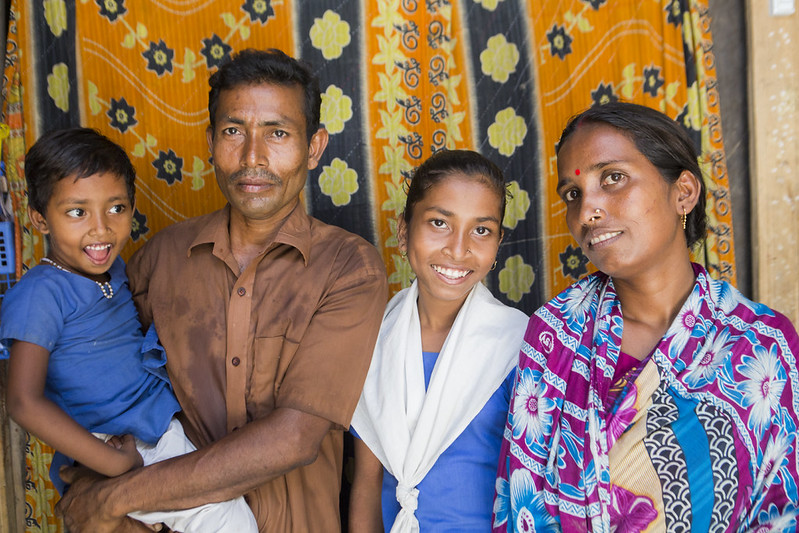
Reducing Poverty in BangladeshSince attaining its independence in 1971, Bangladesh has made significant strides in its policies and laws that have improved conditions for women in the nation. These changes can be attributed to the women’s movement in the country, which has helped strengthen women’s rights and empowerment across varied spheres. Though the nature of progress made by women is uneven and some inequalities remain persistent, significant changes have been observed.</span></p><h2>Reducing Poverty in Bangladesh

According to the 2025 National Multidimensional Poverty Index (NMPI) for Bangladesh, the country has made significant progress in reducing poverty. For instance, the poverty headcount ratio based on the upper poverty line fell from 31.5% to 18.7% between 2010 and 2022. Additionally, the nation has continuously outperformed its Least Developed Country (LDC) companions, achieving most of the Millennium Development Goals (MDGs) related to the health and education of children.

Within this realm, schools at the primary and secondary levels have observed significant improvements in gender parity in the context of school attendance and completion rates. Explaining how the global Multidimensional Poverty Index (MPI) is a measure of acute poverty, the NMPI’s (2025) data for Bangladesh found that “from 2014 to 2019, nearly 19 million people moved out of poverty, with the fastest progress being in Sylhet, the poorest region.” The report also suggested that Multidimensional poverty based on the gender of the household head was not significantly different between male and female-headed households.

Furthermore, other sources have reiterated the recent surge in progress in the country. A news source, Press Xpress, mentioned how the latest Household Income and Expenditure survey (HIES), 2022, showcased a decrease in poverty rates from 40% in 2005 to 18.7% in 2022. The report echoed similar findings to the previously described research, denoting that this decrease in poverty rates can be attributed to “overall improvement in people’s purchasing power, strengthening their ability to access basic items better.”

The article also noted improvements in women’s empowerment in the country. This is reflected in the growing participation of women in political discussions and arenas. It is also seen in visible advances in the health care sector, such as the recent community clinic initiative, which has contributed to a decline in maternal and child poverty rates in Bangladesh.

The Impact of Women’s Empowerment

A 2021 study centred on the impact of women’s empowerment on poverty reduction in the rural areas of Bangladesh added to the discussion. It signified that women and their spouses’ education was important in reducing income and multidimensional poverty in rural households. It gave women decision-making power regarding entering the labor market, reducing their economic dependence and holding down higher-paying jobs to support themselves.

Overall, the study found that women’s participation in income-generating activities and higher levels of education were essential factors in continuously eradicating gendered poverty. These factors also help strengthen the social standing of women in the community.

The SNAD Foundation Bangladesh

As a nation, Bangladesh has strived to achieve this dual purpose through various projects that have been implemented recently. One example is the SNAD Foundation Bangladesh (SNADF), a nonprofit organization based in Dhaka. SNADF is focused on “community welfare” and “prioritizing women and children, offering comprehensive education, training and skill development opportunities to empower them for a brighter future.” The NGO focuses on women’s economic empowerment through programs catered to skill-based workshops, vocational training courses and business development to help vulnerable women create dependable livelihoods.

The organization is focused on creating entrepreneurial and employment opportunities to enable women to be financially autonomous and stand on their own two feet. This mission aligns with SDG 5, which encourages the development of gender equality initiatives. Furthering the cause of women’s empowerment in Bangladesh, SNADF holds “awareness sessions” for families and community leaders. These sessions engage participants in discussions that question the gender status quo and encourage more open-mindedness.

Through regular monitoring, SNADF has empowered many women to start home-based tailoring businesses, gain stable employment and access microloans for growth. By linking program graduates with buyers and financial institutions the organization ensures a sustainable income for women.

The Naari Uddug Kendra Program

Another program is the Naari Uddug Kendra (NUK), a national nonprofit women’s organization established in 1991. The organization is “mandated to promote gender equality, human rights and foster personal and political empowerment of women and girls in Bangladesh.” Recognized as an advocate for gender equality, the NGO has received backing from individuals, governmental bodies and financial institutions.

An immediate goal of the establishment has been to make space for women’s representation in local government agencies, in the workplace and academic institutions.

Challenges Remain

Despite these developments in recent years and the considerable progress made in reducing poverty and gender equality in Bangladesh, much remains to be done. According to data collated by the World Bank, Bangladesh has experienced many setbacks since the interim government took office in 2025. In early 2025, the World Bank estimated that political upheaval would cause an economic slowdown in the nation, similar to 2020, the pandemic year, pushing extreme poverty to 9.3%.

This negatively impacted women, who are already an underrepresented and vulnerable population, facing unemployment rates and rising inactivity rates as high as 18% and 7.7%, respectively. While challenges persist, especially amid political instability and economic slowdown, Bangladesh’s story is one of resilience and hope. Significant advances made through initiatives like that of SNADF and NUK signal visible reductions in poverty rates and the gender gap in the country.

Through these initiatives and continuous governmental involvement, Bangladesh is creating opportunities for women to gain autonomy, education and move out of the cycle of multidimensional poverty that affects them daily. Though progress may be uneven and setbacks inevitable, Bangladesh is charting a path toward a more equitable future where gender equality is a reality.

– Vasudhaa Shakdher

Vasudhaa is based in Vancouver, Canada and focuses on Good News and Politics for The Borgen Project.

Photo: Flickr
September 14, 2025
https://borgenproject.org/wp-content/uploads/borgen-project-logo.svg 0 0 Lynsey 2 https://borgenproject.org/wp-content/uploads/borgen-project-logo.svg Lynsey 22025-09-14 03:00:512025-09-14 01:40:07Reducing Poverty in Bangladesh via Women’s Empowerment
Education, Global Poverty, Technology

How Mobile Libraries Fight Poverty Through Global Literacy Access

Mobile LibrariesMobile libraries are breaking barriers to education and aiding in the fight against poverty in underserved regions. From floating schools in Bangladesh to digital hubs in Ukraine, these initiatives prove that literacy is a powerful tool to fight poverty and build resilience.

Floating School Boats and Libraries in Bangladesh

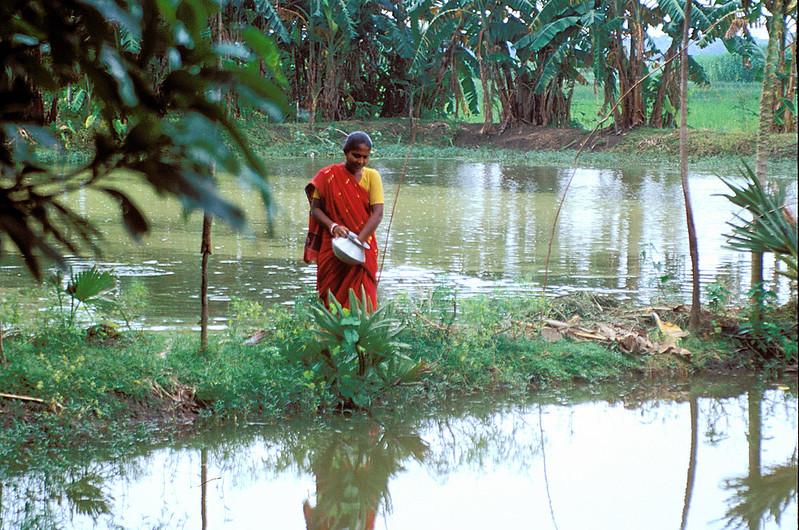
Operating 111 floating school boats and libraries, Shidhulai Swanirvar Sangstha in Bangladesh serves more than 100,000 people in flood-prone areas. These boats do more than carry books; they are also equipped with solar-powered technology and classrooms, allowing for the assurance of the continuation of education during floods.

Each vessel teaches lessons in literacy, mathematics and other more specific topics like environmental awareness. In countries where flooding can disrupt thousands, innovations like these allow for education not to come to a standstill.

UNDP-Supported Digital Literacy Hubs in Ukraine

Repurposed libraries supported by the United Nations Development Program (UNDP) have become digital literacy hubs benefiting several Ukrainians. The program swiftly grew, beginning with 52 trainers who trained 235 administrators to host 135 events for 2,109 participants. It reached 25,391 people in 22 regions and Kyiv by the end of 2024 and 82% of them reported having strong digital skills following training, compared to just 17% previously.

Today, more than 3,000 libraries offer courses designed for senior citizens that cover everything from using e-services to cyber hygiene, AI tools and smartphone fundamentals. In 2025, new coordinators will receive Diia, AI and event planning training. By ensuring these abilities continue proliferating, educational tools turn libraries into centers of social resilience and economic opportunity. Besides mobile initiatives, UNDP’s impact is transforming library access into bridges for economic development.

Why Mobile Libraries Matter for Poverty Reduction

Mobile libraries are effective instruments for ending the cycle of poverty and offer more than just book delivery services. Research shows that access to mobile libraries significantly boosts reading comprehension, raising literacy scores by 3.3 points on standard scales and explaining 46% of literacy and reading ability variation.

This improvement goes beyond academics; literacy is a key tool in reducing poverty because it is directly associated with increased earning potential, better health outcomes and better employment opportunities. Mobile libraries remove barriers such as distance, cost and poor infrastructure, often preventing people in rural or disaster-affected areas from accessing education. They deliver books, learning materials and internet access directly to underserved communities.

Mobile classrooms and floating libraries guarantee that education continues even in the face of floods or other disruptions in vulnerable climate areas and they offer secure spaces for learning and socializing in regions affected by conflict. By making literacy attainable for all, mobile libraries promote long-term community development globally and empower individuals.

Moving Forward

These programs have repeatedly shown that people can change their lives when they have direct access to books, technology and learning spaces. This is especially true for those who live in remote, underserved or crisis-affected areas. The current challenge is to increase this reach. In addition to scaling up current programs, further funding would support innovative delivery strategies, the creation of locally relevant content and the incorporation of digital tools that equip communities to meet the demands of the contemporary economy.

Through universal literacy access, mobile libraries fight poverty by transforming reading into a domino effect of social resilience, economic opportunity and educational advancement. 

– Kyra Cribbs

Kyra is based in Charleston, SC, USA and focuses on Good News for The Borgen Project.

Photo: Flickr
September 11, 2025
https://borgenproject.org/wp-content/uploads/borgen-project-logo.svg 0 0 Lynsey 2 https://borgenproject.org/wp-content/uploads/borgen-project-logo.svg Lynsey 22025-09-11 01:30:392025-09-11 00:12:36How Mobile Libraries Fight Poverty Through Global Literacy Access
Page 2 of 7‹1234›»

Get Smarter

  • Global Poverty 101
  • Global Poverty… The Good News
  • Global Poverty & U.S. Jobs
  • Global Poverty and National Security
  • Innovative Solutions to Poverty
  • Global Poverty & Aid FAQ’s
Search Search

Take Action

  • Call Congress
  • Email Congress
  • Donate
  • 30 Ways to Help
  • Volunteer Ops
  • Internships
  • Courses & Certificates
  • The Podcast
Borgen Project

“The Borgen Project is an incredible nonprofit organization that is addressing poverty and hunger and working towards ending them.”

-The Huffington Post

Inside The Borgen Project

  • Contact
  • About
  • Financials
  • President
  • Board of Directors
  • Board of Advisors

International Links

  • UK Email Parliament
  • UK Donate
  • Canada Email Parliament

Get Smarter

  • Global Poverty 101
  • Global Poverty… The Good News
  • Global Poverty & U.S. Jobs
  • Global Poverty and National Security
  • Innovative Solutions to Poverty
  • Global Poverty & Aid FAQ’s

Ways to Help

  • Call Congress
  • Email Congress
  • Donate
  • 30 Ways to Help
  • Volunteer Ops
  • Internships
  • Courses & Certificates
  • The Podcast
Scroll to top Scroll to top Scroll to top