Bangladesh’s Family Card: A New Approach to Poverty Reduction
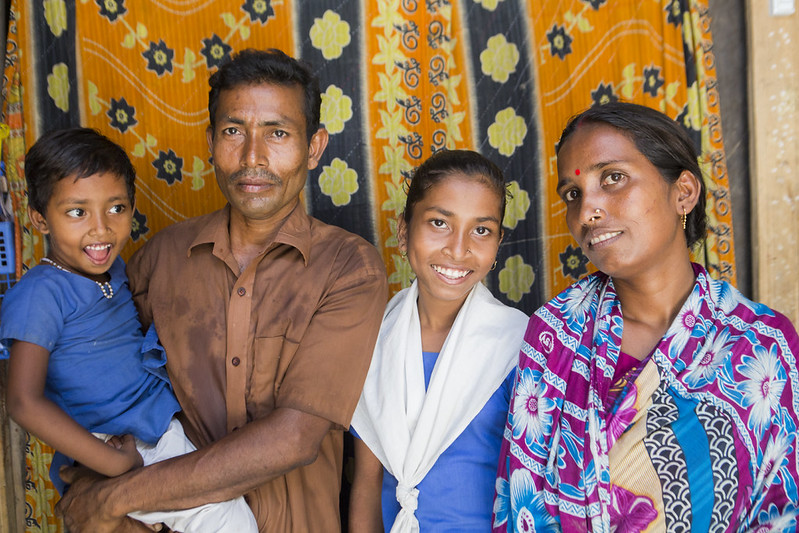 Bangladesh’s family card program is a new government initiative launched on March 10, 2026, designed to provide direct financial assistance and essential goods to low-income households. Developed by the Ministry of Social Welfare, the program is designed as a digital, database-driven system that identifies and supports vulnerable families through a single platform.
Unlike traditional welfare schemes that often focus on individuals, the government built this program on the principle that families are the core unit of development. This means that assistance is distributed at the household level, reflecting how economic hardship, food insecurity and health challenges are experienced collectively.
A Unified Social Protection System
One of the key features of the family card program is its role in unifying Bangladesh’s social protection system. In the past, welfare support was often delivered through multiple programs across different ministries, leading to duplication, inefficiencies and gaps in coverage. The program addresses this by integrating various forms of assistance, such as cash transfers and subsidized goods, into one system.
This centralized approach allows the government to maintain a single database of beneficiaries, improving coordination and ensuring that support reaches the intended households. The system also uses digital tools, including national ID integration and QR-enabled cards, to verify beneficiaries and track distribution. These features help streamline the delivery process and reduce administrative barriers.
This makes it easier for families to access support without having to navigate multiple programs. Over time, the government aims to expand this model into a broader “Universal Social ID Card,” which could serve as a foundation for delivering a wide range of public services through a single, integrated platform.
Who Benefits From the Program?
The family card program is designed to support economically vulnerable households across Bangladesh, particularly those with unstable incomes or limited access to basic resources. These include rural families, day laborers and households affected by rising living costs. Eligibility is determined through a structured selection process that uses a proxy means test (PMT) and door-to-door data collection.
This approach evaluates factors such as income level, housing conditions and household size to identify those most in need. During the pilot phase, approximately 6,500 families across multiple districts were selected to receive benefits. The government plans to expand the program gradually, with a long-term goal of reaching up to 20 million families nationwide.
This phased rollout allows the program to test its systems and improve implementation while steadily increasing its reach.
Delivering Direct Support
A defining feature of the family card program is its use of direct digital payments. Each enrolled household receives a monthly transfer, typically between $16.31 and $20.38, delivered through mobile financial services or bank accounts. This method reduces reliance on intermediaries and helps ensure that funds are delivered quickly and securely.
Beneficiaries are notified digitally and in most cases, funds are deposited directly into their accounts without the need to visit government offices. In addition to financial assistance, the family card also provides access to subsidized essential goods such as rice, oil and lentils. By combining cash transfers with food support, the program helps households manage both income shortages and rising food prices.
The cards themselves feature modern elements such as QR codes and digital identification systems, enabling efficient verification and use across different services.
Potential Impact on Poverty
The family card program has the potential to significantly reduce poverty in Bangladesh by providing regular income support to vulnerable households. Regular cash transfers help families meet basic needs such as food, housing and health care, while also offering greater financial stability. This predictability is particularly important for households with irregular incomes, as it allows them to plan their spending and avoid falling deeper into poverty.
Furthermore, the combination of financial support and subsidized goods addresses both income and consumption challenges. By lowering the cost of essential items and increasing household purchasing power, the program supports household-level economic resilience. As the program expands toward its target of millions of families, it represents a large-scale effort to strengthen Bangladesh’s social safety net and improve living conditions for those most in need.
Looking Ahead
Bangladesh’s family card program reflects a broader shift toward digital governance and integrated social protection. By combining technology, centralized data and direct transfers, the initiative aims to create a more efficient and accessible support system. With plans to expand coverage nationwide and integrate additional services over time, the program could become a cornerstone of the country’s welfare infrastructure.
Its emphasis on coordination and scalability positions it as a model for how developing countries can modernize social protection systems to better serve vulnerable populations.
– Annie Hodgkinson
Annie is based in Liverpool, UK and focuses on Good News for The Borgen Project.
Photo: Flickr
