Climate-Smart Farming in Bangladesh: A Path Out of Poverty
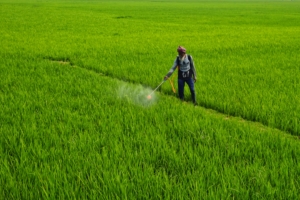 Climate-smart farming is a critical development in the rural economy of Bangladesh, where millions of smallholder farmers face seasonal uncertainty in one of the world’s most climate-vulnerable nations. Bangladesh is heavily reliant on agriculture, with the World Bank estimating in 2016 that 87% of rural households rely on farming for at least part of their income. Extreme natural disasters can jeopardise the population’s ability to farm effectively and expose millions to freak weather events and longer-term threats such as temperature and rainfall changes.
Now at risk of losing one-third of its agricultural GDP due to climate-related events by 2050, Dhaka is working hard to equip rural citizens with the tools to protect themselves from climate hazard’s most damaging, poverty-inducing effects. Adopting a climate-smart agricultural strategy has already paid dividends in the fight against climate-related poverty. It has empowered Bangla farmers to institute change to often centuries-old practices.
Climate Instability and the Farming Poverty Trap
Agriculture has been central to poverty reduction in Bangladesh, responsible for 90% of poverty alleviation between 2005 and 2010, while national grain production has tripled since 1972. Yet climate instability now threatens to reverse this progress. Rising sea levels swallow farmland and leave less space to cultivate crops, while shifting temperatures and rainfall patterns drive yields down.
When production falters, Bangladesh risks greater dependence on imports, cutting jobs for the impoverished rural people who rely on farming for income. Extreme weather events also add to the strain. Cyclone Sidr in 2007 and Cyclone Aila in 2009 devastated harvests and forced families into poverty overnight.
These pressures highlight how fragile Bangladesh’s agricultural gains remain and how climate shocks can derail one of the nation’s most effective escape routes from poverty.
Breaking the Cycle With Feed the Future
The Feed the Future Climate-Smart Agriculture Project offered a blueprint for how farming could once again lift families out of poverty despite worsening climate risks. Backed by USAID funding and administered by the International Fertilizer Development Center, this initiative equipped small producers with the seeds, skills and technologies to adapt to future climate-related risks.
In 2023, Feed the Future delivered more than 150 demonstrations covering topics from climate-smart rice cultivation to better supply chain access. While these primarily targeted the operations of smallholder farmers, Feed the Future also worked to link up larger farming stakeholders in the private sector with climate-efficient technologies and information.
As a result, smallholder farmers purchasing from these actors gained easier access to the latest climate-resilient seeds and farming practices. This support helped them boost yields, reduce costs and earn a more reliable income. Supplemented by domestic political support, the Climate-Smart Agriculture Project put years of agitation for climate-smart agriculture into practice. It operated with both short and intermediate goals in mind.
A Blueprint for Other Developing Nations
Yet sweeping cuts to the USAID budget in 2025 affected the Feed the Future Climate-Smart Agriculture Project. On February 26, 2025, the initiative was subject to a termination notice as part of broader 56% cuts to the U.S.-Bangladesh aid budget. Despite being terminated three years before its planned end date, climate-smart farming in Bangladesh leaves behind a tested example for developing nations looking to incorporate these practices into their agricultural policy.
At just $35 million, the project only represented a small fraction of the total USAID budget for Bangladesh. Yet early results suggest that even modest funding can trigger meaningful changes, including private-sector investment in inputs, demo plots in model villages and adoption of climate-resilient seed varieties. Comparable efforts may benefit other developing nations facing the twin challenges of climate instability and rural poverty.
– George Horberry
George is based in York, UK and focuses on Good News and Politics for The Borgen Project.
Photo: Pexels
