Posts

The Golden Yolk ProjectThe Bahamas, an island country situated in the Atlantic Ocean, comprises approximately 700 islands and has a population of 399,440 as of 2023. With a tropical climate all year round due to the Gulf Stream, the Bahamas’ population continues to suffer from food malnutrition. The Golden Yolk Project initiative involves increasing sustainable egg production, boosting food security, decreasing malnutrition rates and improving employability rates in the country. It is a government-invested scheme which targets lower-middle-income families across the Bahamas.

Malnutrition Across the Bahamas

A very small number of the food consumed in the Bahamas is naturally grown and produced across the region, meaning the population is highly reliant on imported food sources. According to the Global Nutrition Report, obesity rates across the Bahamas are considerably high, with 41% of women (above the age of 18) and 27.4% of men living with obesity. According to the International Trade Administration, the Bahamas imports almost 90% of its food, totaling around $1 billion a year.

These include meat, beef, dairy, eggs, fruit, vegetable juices and oil products. These foods are highly processed and have led to unhealthy dietary challenges. Due to rising and fluctuating prices of imported food, low- and middle-income families are facing food insecurity. Hands for Hunger reports that one in 10 people in the Bahamas lives below the poverty line and experiences extreme food insecurity.

The Golden Yolk Project

Hon. Clay Sweeting (former Minister of Agriculture, Marine Resources and Family Island Affairs) launched an egg production project in February 2023. The initiative aims to boost egg production across the Bahamas so the country can achieve sustainable and affordable access to food. According to the Regional Statistics Caribbean Community (CARICOM), the Government of the Bahamas invested more than $15 million in the project to:

  • Boost annual egg production and restrict imported eggs
  • Reduce malnutrition rates
  • Provide employability opportunities
  • Increase agricultural production rates through new infrastructural development

Ongoing Work/Targets

  • Implementation Across Islands: The project will be carried out on 12 islands in the Bahamas: Grand Bahama, Abaco, Bimini, Berry Island Andros, Eleuthera, Exuma, Cat Island, San Salvador, Long Island, Ragged Island and Inagua.
  • Job Creation: The project will create a total of 90 jobs, 51 of which will be across the islands.
  • Construction of a New Feed Mill: The government will finance a new state-of-the-art feed mill. A feed mill is a series of machines that use grains to produce nutritional animal feed for different animals.
  • Supportive Environment for Farmers: The government will contract the facility to farms, which will be required to sell eggs to different distributors in the Bahamas.
  • Increase in Egg Production: According to CARICOM, officials say the project will produce 13 million eggs annually across the islands while providing technical support and resources to farmers contracted to manage the facility.

Looking Forward

Malnutrition across the Bahamas remains an ongoing issue, particularly for low- and middle-income families experiencing fluctuating prices for imported food products. Obesity is also a visible problem across the country. Effective solutions, such as the Golden Yolk Project, will facilitate sustainable food production with newly funded technical equipment to enhance food security and reduce malnutrition across the Bahamas.

The former Minister of Agriculture, Marine Resources and Family Island Affairs told The Tribune Business that the goal is to raise egg production to 28 million from 700,000 per year once the project becomes operational.

– Zara Ashraf

Zara is based in London, UK and focuses on Good News and Technology for The Borgen Project.

Photo: Unsplash
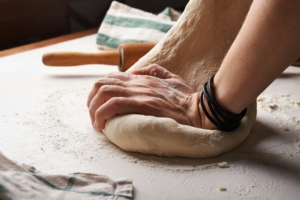
Gaza’s education systemYears of war and restricted access to humanitarian aid have disrupted food systems and education across the Gaza Strip, forcing residents to rely on informal survival strategies as basic services collapse. As bakeries shut down and supply routes falter, families increasingly depend on community-level solutions. One such effort comes from Bader Slaih, a Palestinian academic who now bakes bread to help feed his family and neighbors.

Gaza’s Education System Disrupted by Conflict

Before the current war, Bader Slaih earned master’s and doctoral degrees in education while studying in Egypt. He returned to Gaza, intending to teach at local universities, according to an Al Jazeera report published in January 2026. Fighting interrupted those plans.

Airstrikes and ground operations forced Slaih and his family to flee their home in the Bureij refugee camp multiple times, the report said. The destruction of Gaza’s education system has been extensive. According to Save the Children, nearly 90% of school buildings in Gaza have sustained damage, leaving hundreds of thousands of children without access to formal education.

UNICEF also reported that all universities in Gaza suffered damage during the conflict, halting higher education for students and faculty. Despite these conditions, Slaih has continued to express a commitment to education. He told Al Jazeera that he intends to teach whenever possible, even in informal or temporary learning spaces.

Turning to Bread for Survival

As food supplies declined, Slaih and his relatives built a small brick oven using salvaged materials to bake bread for their children and nearby families, Al Jazeera reported. Food insecurity across Gaza has intensified as fuel shortages and access restrictions disrupt production and distribution. The United Nations Office for the Coordination of Humanitarian Affairs (OCHA) reported repeated interruptions to food supply routes throughout 2025.

During periods when flour and cooking gas ran out, all subsidized bakeries in Gaza closed temporarily, OCHA reported. The World Food Program (WFP) previously supported dozens of bakeries producing hundreds of thousands of loaves daily. However, those operations depended on consistent fuel deliveries, according to U.N. humanitarian updates.

As bakery closures increased, families turned to community kitchens and shared ovens. OCHA reported that community kitchens provided close to one million cooked meals per day during periods of severe aid disruption. Slaih’s oven became part of that informal food network, supplying bread when commercial options disappeared.

Feeding the Present While Preserving the Future

Although baking bread now occupies his daily routine, Bader Slaih continues to view education as central to recovery. He told Al Jazeera that meeting children’s nutritional needs supports their ability to learn when schooling resumes. UNICEF has linked hunger directly to learning outcomes, reporting that malnutrition undermines concentration, memory and school attendance.

Across Gaza, professionals from various fields have taken on emergency roles as institutions collapse. The U.N. has noted that community-driven responses often provide the most immediate relief during prolonged crises. Slaih’s experience reflects that shift.

Baking bread does not replace humanitarian assistance or rebuild schools, but it helps sustain families while broader recovery remains uncertain. In Gaza, survival increasingly depends on adaptation. For one academic turned baker, feeding his community now remains closely tied to the goal of returning to education when conditions allow.

– Angela ‘Phoenix’ Garrett

Angela is based in Chicago, IL, USA and focuses on Good News and Global Health for The Borgen Project.

Photo: Unsplash
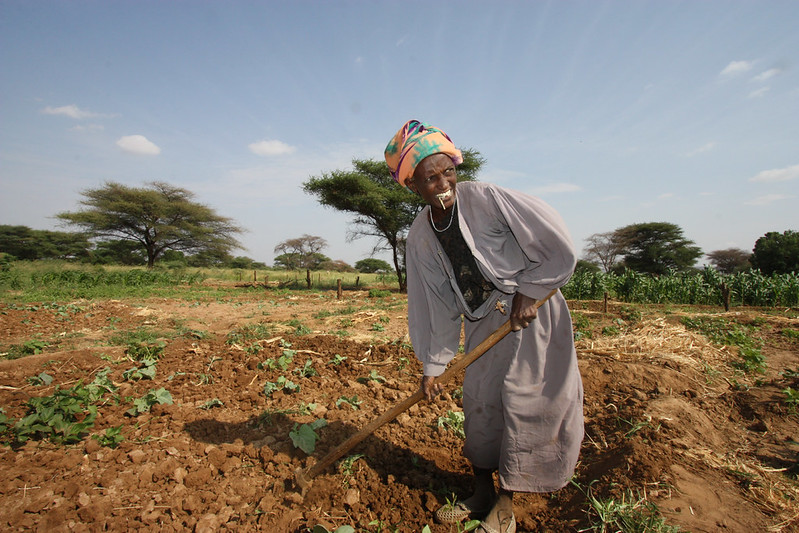
Malnutrition in KenyaKenya lies in East Africa and borders the Indian Ocean. It is best known for its diversity, its wildlife conservation efforts, and producing some of the most globally recognizable long-distance runners.
Despite its rich history and diverse population, Kenya faces persistent food insecurity and inadequate access to health care, which disproportionately affect their children. LEAF is addressing malnutrition in Kenya through targeted health and agricultural interventions.

According to UNICEF, more than 25% of children under the age of 5 experience stunted growth. Food insecurity and chronic undernourishment commonly cause this condition. An additional 11% of children are underweight and 4% suffer from severe wasting. These problems lead to an increased prevalence and likelihood of death among the Kenyan children.

Root Causes of the Crisis

Many of these issues are a result of a lack of support in education for families and farmers on malnutrition, and farmers’ limited ability to adapt to natural disasters. Without the necessary support, poverty cycles from one generation to the next, preventing households from reaching their full potential.

To break this cycle, the organization Concern began working with government officials and community leaders to design potential solutions. The organization focused its efforts on Tana River County, Kenya.

Agriculture and pastoralism dominate the region, but extreme weather patterns have severely disrupted livelihoods. Hotter days and less rainfall caused animals and crops to suffer. Clinics reported a sharp rise in child malnutrition, prompting the need for immediate intervention.

The LEAF Initiative

The Lifesaving Education and Assistance to Farmers (LEAF) had two main goals: to ensure pregnant women and malnourished children receive lifesaving treatment in a timely manner and to create systematic change in the livelihoods of people living in poverty to prevent future cases of malnutrition

The LEAF initiative began its approach by prioritizing community outreach to reduce acute malnutrition. Through the funding of the Illinois-based food ingredients company Archer Daniels Midland (ADM), they supported the local health department conducting malnutrition screenings.

The organization used monthly house visits to households with pregnant women and/or children where they referred anyone showing signs of malnutrition to local clinics and educated families on nutritional and health topics. LEAF is addressing malnutrition in Kenya, as it estimated that 82% of the families living in the region in 2021 were able to get monthly screenings by the conclusion of the program.

Building Long-Term Resilience

To ensure the screenings did not remain a temporary solution, Concern implemented the second phase of the program. This phase focused on creating systemic change across multiple villages in Kenya. Concern worked with local farmers to reshape their agricultural methods to adapt to extreme climate conditions. Concern provided drought-tolerant seeds to prevent crop loss and irrigation canals to improve village access to affordable water.

These changes proved life-changing. Halim Diramu Jilu, a farmer in Tana River County, praised the program, saying, “Our lives have changed. We have enough water now.” The program reached 39,704 people. Furthermore, crop loss fell from 60% to less than 20%, reinforcing how LEAF is addressing malnutrition in Kenya by strengthening food security at the community level.

The LEAF initiative offers a strong model for how targeted health interventions can combine with grounded community-level agricultural support to tackle poverty and malnutrition. By combining climate education with immediate nutritional support, Concern helped families build independence and improve long-term outcomes for future generations.

– Sachin Kapoor

Sachin is based in Atlanta, GA, USA and focuses on Technology and Solutions for The Borgen Project.

Photo: Flickr

Health Equity in South AfricaIn South Africa, gaps in nutrition and food environment policies drive the double burden of malnutrition, including hunger, micronutrient deficiencies and rising obesity, despite sufficient food production. These policy gaps highlight the central role nutrition systems play in shaping health equity in South Africa.

How Economic Pressure Fuels Food Insecurity in South Africa

Economic pressures, rather than food availability, drive food insecurity in South Africa, pushing many families to struggle to access nutritious diets. Low-income individuals and households often choose cheaper, energy-dense alternatives that provide calories but few essential nutrients. High unemployment, structural poverty and rising living costs have made food increasingly inaccessible across South Africa.

The national energy crisis, particularly in Johannesburg and Cape Town, has further driven widespread hunger. In 2021, roughly 80% of South African households had adequate access to food, 15% had inadequate access and 6% had severe food insecurity. Food insecurity was more prevalent in urban areas, with the highest concentrations in Cape Town (241,000 households) and Johannesburg (239,000 households).

Households with young children are disproportionately affected. An estimated 683,221 households with children under age 5 experienced hunger and malnutrition. This has contributed to higher rates of stunting and impaired physical and cognitive development.

The highest prevalence is found in KwaZulu-Natal (20.1%), Johannesburg (13.6%) and Cape Town (12.4%). Since April 2021, 323 child deaths linked to malnutrition and hunger have been reported in the Eastern Cape.

Unequal Cities, Unequal Health: The Cost of Urban Planning Failures

As South Africa rapidly urbanizes, with more than 72% of the population projected to live in cities by 2030, food security policies remain inadequate. Low-income households in informal settlements and townships often lack access to affordable supermarkets. This forces them to rely on higher-priced spaza shops with limited access to fresh produce, directly deepening nutrition-related health inequities.

These failures in the urban food environment directly undermine health equity in South Africa. Energy and infrastructure instability disrupt cooking, refrigeration and food storage. This reduces households’ ability to consume fresh foods, increasing reliance on processed and street foods.

Despite social grants such as the Child Support Grant and the Social Relief of Distress (SRD), many households earn too much to qualify for assistance yet too little to afford adequate food. Even among households that do qualify, grant amounts are insufficient to cover the cost of a nutritious diet, particularly amid rising food inflation in South Africa. The criminalization of street vendors and restrictions on trading spaces undermine the informal food system.

In turn, this reduces access to affordable food for low-income households and pushes many into more severe food insecurity.

National and International Initiative To Improve Health Equity in South Africa

To address persistent nutrition-related health inequalities, the South African government uses initiatives such as the National Food and Nutrition Security Plan (NFNSP). It also implements the National School Nutrition Program (NSNP) to improve food security and child nutrition among disadvantaged populations. In 2018, South Africa introduced the NFNSP (2018–2023) to address nutrition-related health inequities by strengthening food security for low-income and vulnerable populations.

The plan aims to reduce childhood obesity and cut adult obesity by 15% by 2023. Similarly, in October 2023, the Department of Basic Education reaffirmed its commitment to the NSNP. The program feeds more than nine million learners annually and reduces child hunger.

Beyond national initiatives, the United Nations (U.N.) Sustainable Development Goal 1 (No Poverty) underscores the urgency of addressing child poverty, as many children continue to experience deprivation despite broader social assistance programs. The United Nations Children’s Fund (UNICEF) also supports South Africa by strengthening child poverty measurement. It also helps guide policies that direct government spending toward services benefiting the most impoverished children.

Additionally, in 2025, World Health Organization Member States extended the Global Nutrition Targets to 2030 and aligned them with the Sustainable Development Goals. The updated framework maintains targets to reduce stunting, anemia, low birth weight and wasting, while strengthening goals to reduce childhood overweight and increase exclusive breastfeeding. This extension reinforces global commitment to accelerating action on maternal and child nutrition and reducing nutrition-related health inequities.

Final Thoughts

Addressing health equity in South Africa requires coordinated action on the social and structural drivers of health, including poverty, inequality, limited access to primary health care and food insecurity. Strengthening primary health care, expanding universal health coverage and sustaining programs such as NSNP and NFNSP are essential to protecting vulnerable populations and reducing nutrition-related health disparities.

– Yuhan Rong

Yuhan is based in San Diego, CA, USA and focuses on Global Health and Politics for The Borgen Project.

Photo: Unsplash

Hunger In IranHunger in Iran has been a significant national and international concern since the early 1900s. Long-term policy failures rooted in historical experiences have shaped the country’s food security challenges. Major famines during the World Wars created a lasting fear of hunger, which led political leaders after the 1979 Revolution to prioritize food self-sufficiency. To achieve this goal, the government introduced heavy subsidies, guaranteed crop prices and high tariffs on food imports to protect domestic agriculture. While these measures increased food production, they distorted markets and failed to keep pace with population growth. Iran continued to rely on imports for key staples such as wheat, rice and corn, leaving the country vulnerable to sanctions and inflation.

Roots of Hunger

According to the 2025 Global Hunger Index (GHI), Iran ranks 40th out of 123 countries, reflecting moderate hunger levels rather than extreme deprivation. Although the number of people experiencing hunger has declined, food security has become increasingly unstable. Western sanctions linked to Iran’s human rights record and nuclear program have worsened this deterioration by restricting food imports and driving unprecedented food inflation. At the same time, reduced rainfall has weakened agricultural production and intensified existing vulnerabilities.

The COVID-19 pandemic further reduced household incomes and increased unemployment, which limited access to affordable food. These economic pressures placed low-income families at particular risk and made it difficult for many households to obtain even basic nutrition.

Environmental mismanagement has also played a major role, particularly poor water governance. Agriculture consumes the majority of Iran’s water resources because the government heavily subsidizes water.

As a result, farmers have little incentive to conserve water and often rely on inefficient irrigation practices that drive excessive water consumption. These policies have pushed Iran into severe water stress and weakened the country’s ability to ensure stable and affordable food supplies.

Consequences of Hunger and Malnutrition

Rising food prices have made nutritious foods such as meat and dairy increasingly unaffordable. Iran’s Deputy Health Minister, Alireza Raisi, has reported that Iranians consume less than half of the recommended levels of meat and dairy.

Malnutrition does not only appear as undernourishment due to nutrient deficiencies; it also appears as abdominal obesity driven by reliance on starchy, low-quality foods. This dietary pattern has fueled rising obesity rates across Iran and increased the risk of cardiovascular disease and other life-threatening illnesses.

Addressing the Crisis

In present-day Iran, hunger involves more than empty plates. Poor-quality diets, declining health and rising rates of diet-related diseases all reflect the depth of the crisis. Hunger persists because existing systems fail to ensure that all Iranians can access nutritious food at affordable prices. Changing weather patterns, ineffective policies, international sanctions, prolonged drought and economic instability continue to intensify the problem.

Despite these challenges, international organizations and nonprofit groups continue to operate programs that address hunger and support vulnerable populations in Iran.

One of the most significant ongoing efforts in Iran comes from the World Food Programme (WFP), which has supported refugees in the country for decades. Iran hosts approximately 3.4 million refugees, many of whom face severe food insecurity. Through school feeding programs and direct food assistance, WFP reduces pressure on the Iranian government and its limited resources. These programs improve food access for refugees and promote integration into host communities through supporting livelihood and income-generating activities that strengthen economic independence among refugee populations.

Smaller-scale nonprofit organizations also play a critical role in addressing hunger at the community level. Moms Against Poverty, for example, has delivered approximately 2.6 million meals as of 2024 to thousands of Iranian children and families experiencing food insecurity.

Even though the hunger in Iran still requires attention, international organizations and nonprofit groups continue to push forward, working toward a future free from hunger.

– Ameena Khan

Ameena is based in Canberra, Australia, and focuses on Global Health for The Borgen Project.

Photo: Unsplash

poverty in HondurasHonduras is a country located in Central America. Home to remarkable landscapes and Mayan remains, it also has an important role in world trade. Honduras is a main provider of coffee, palm oil and bananas. However, even with this, Hondurans still suffer from food insecurity.
What is Food Insecurity?

Food insecurity is a lack of access to vital food sources. This threat heightens illnesses and harm to people’s lives. This can lead to: desperation, disease and death. Families facing this are forced to make an income through selling possessions or skipping meals, as they are desperate to earn a living.

This is traced back to the problem of poverty, which deeply affects the developing countries and the people living there. The hunger crisis is an unfortunate consequence of this.

In Honduras, 63% of the population lives in poverty, which affects the most vulnerable members of society, like children. Children’s health, well-being and education are negatively affected. Eventually, this causes a reduced quality of life for the people of Honduras.

Natural Disasters and Weather Conditions

Honduras’s hunger crisis is a result of natural disasters and destructive weather conditions, like drought, which have harmed farms, increasing the chances of burning the land. Not only a crucial food source, but a hotspot for coffee production, which causes an economic decline. More than 100,000 families rely on the coffee trade as an income, showing the importance of agriculture.

Located in the Dry Corridor, the area is prone to dry spells, making food more difficult to grow and reducing the amount available to the people. With the lack of harvests, some families have to migrate to survive these harsh conditions.

Another part of the hunger crisis is linked with the extreme weather conditions, such as hurricanes. From people fleeing their homes to safety, it has negative effects on lives, not just food sources. In 2024, the hurricane season doubled the expected rainfall. This is bad because it can flood food sources and wash them away. Primarily, this affected the southern and western areas, therefore increasing the possibility of emergency food insecurity.

Malnutrition and Undernourishment

Malnutrition is a prevalent issue in Honduras. Indeed, one in four children under the age of 5 struggles with chronic malnutrition, according to the World Food Program (WFP). This is a severe issue, as it stunts growth. This takes place when a diet does not have enough healthy nutrients. On the other hand, obesity is unfortunately increasing with younger women. Therefore, this shows the issue of food access, as not enough Hondurans are able to have a healthy diet.

In 2024, 20.4%  people in Honduras suffered from undernourishment. Rural areas of Honduras are particularly affected, as they face more poverty and starvation. This is because food insecurity is increased by the lack of opportunities for employment and access to standard services. Challenges make it harder for people like: farmers, women and people with medical conditions to access balanced diets.

The people of Honduras are in great need of fundamental food. More than 25% of Hondurans are relying on humanitarian assistance for survival. This takes place by action groups providing help by giving: medical care, food and water.

Lack of Awareness

Honduras was the least funded country in 2023, meaning that the lack of awareness about the daily threats is huge, with violence being one of the examples.

In 2022, there was an average of 253 homicides monthly, translating to 31% of homicides for every 100,000 people.

Fortunately, this has been decreasing yearly, but sexual violence and abuse have remained an issue in society. This has impacted many lives in Honduras.

Solutions

Certainly, Honduras faces many setbacks like hunger, poverty and extreme weather conditions, but this has not stop the country from making progress.

According to the National Institute of Statistics, poverty reduced in Honduras from 73.6% to 60.1%. For extreme poverty, it had reduced from 53.7% to 38.3%. Also, the population above the poverty line has expanded, therefore highlighting improvements in standards of living.

Employment and job opportunities have also increased. From 4.2 million people now working, the unemployment rate has decreased to 4.9%. All of these factors help the country to flourish economically. Even with substantial challenges, Honduras is beginning to develop and transform into a successful country.

– Daisy Sheena

Daisy is based in Manchester, UK and focuses on Global Health for The Borgen Project.

Photo: Flickr

Malnutrition and Poverty in IndiaIn Delhi’s crowded Seemapuri settlement, 32-year-old Savitri Devi begins each morning wondering whether she can feed her children more than one meal that day. “Sometimes we just eat rice and salt,” she says quietly. “I tell my daughter to drink water so she won’t feel hungry.”

For families like Savitri’s, malnutrition is not just a health crisis; it’s a poverty trap that limits learning, weakens productivity and keeps entire communities from escaping hardship. The issue of malnutrition and poverty in India remains deeply intertwined, particularly in urban slums where wages are low and food prices rise faster than incomes.

The Cycle of Poverty and Malnutrition in India

The world’s highest concentration of undernourished people is found in India. The Global Hunger Index 2025 states that 32.9% of children under 5 in India are stunted and 12% of the country’s population is undernourished. This crisis is made worse in Delhi’s urban slums by overcrowding, contaminated water and inconsistent incomes.

Daily-wage families frequently rely on the least expensive, high-calorie foods that are deficient in vital nutrients to make ends meet. Poor nutrition harms both economic and educational outcomes. Malnourished children are more likely to experience cognitive delays, poorer academic performance and lower adult incomes.

According to the Food and Agriculture Organization, chronic malnutrition can result in decreased productivity and lower a nation’s GDP by 2-4%.

A Mother’s Struggle in Delhi

The connection between food and survival is painfully obvious to Savitri, who sells plastic bottles gathered from trash heaps. “I can’t work if I get sick. We don’t eat if I’m not working,” she says. Similar experiences are shared by many Seemapuri women who juggle taking care of malnourished children while working long hours in informal jobs.

According to the National Family Health Survey (NFHS-5), 24% of children under 5 in South Delhi are underweight and 27% are stunted. These figures underscore the severity of nutritional inequality, even in India’s affluent capital.

Government Efforts: ICDS and PM Garib Kalyan Anna Yojana

Through Anganwadi centers, the Integrated Child Development Services (ICDS) program remains India’s premier nutrition initiative, providing food, health examinations and preschool education. The Delhi government operates more than 10,000 centers serving children and pregnant women. Savitri states, “My daughter receives one hot meal per day from the Anganwadi, but occasionally they close early or run out of supplies.”

Delivery irregularities and infrastructure gaps continue to impact the access of the most impoverished families. More than 800 million people received 5 kg of food grains per person per month through the PM Garib Kalyan Anna Yojana (PMGKAY) during the COVID-19 pandemic. This lifeline helped Savitri’s family and many other urban low-income families avoid hunger.

She remembers: “We got rice from the ration shop during those months.” “At least there was something, even though it wasn’t enough.” Under the National Food Security Act, the government continues to distribute free food grains, even though PMGKAY ended in 2023.

Why Nutrition Is an Economic Investment

Malnutrition and poverty in India deplete public resources as well as human potential. According to the World Bank, increased productivity and lower health care costs can result in up to $16 in economic returns for every $1 invested in nutrition. Women who eat healthily are more likely to keep steady jobs and take better care of their families.

Better nutrition could lower health care costs, increase work participation and improve school attendance in Delhi’s informal settlements. The nutritional status of the city’s most vulnerable communities can be improved by enhancing maternal education, ensuring consistent food supply chains and strengthening local Anganwadi infrastructure. India’s poverty and malnutrition problems demonstrate that investing in nutrition is a prudent financial decision, rather than a charitable endeavor.

Breaking the Cycle

More than just distributing food is needed to end malnutrition; social inclusion and accountability are also necessary. “Perhaps they would understand if officials came and asked us what we really need,” Savitri says. Community participation through local monitoring committees and women’s groups can help ensure that programs respond to lived realities rather than relying solely on statistics.

The cycle of poverty can start to end when individuals, governments and nongovernmental organizations collaborate to make nutrition a key component of development. Appropriate nutrition is not charity for the millions of people living on the margins in Delhi; rather, it is a basis for growth, opportunity and dignity. 

– Chhahat Kaur Gandhi

Chhahat is based in New Delhi, India and focuses on Business and New Markets for The Borgen Project.

Photo: Flickr

Indigenous Poverty in GuatemalaGuatemala, a small country in Central America with a population of 18.4 million, continues to face widespread poverty, especially among Indigenous communities. 

Brief History of Indigenous People in Guatemala

The Maya people, Guatemala’s largest Indigenous group, have endured centuries worth of colonization, conquest and neocolonial forms of violence and domination. Their struggles and systemic discrimination increased during the Guatemalan Civil War that lasted from 1960 to 1996. During the civil war, the Maya people were accused of being affiliated with or supporters of the Guerrillas (a paramilitary group).

The Guatemalan government burned entire villages and innocent people were massacred. What is now considered a genocide resulted in more than 200,000 deaths, the internal displacement of one million people and 30,000 fleeing as refugees to other countries. The Peace Accords were signed in 1996, allowing most refugees to return home to Guatemala.

The next crucial step was the signing of the Accord on Identity and Rights for Indigenous Peoples, designed to protect Guatemala’s Indigenous communities. Unfortunately, it wasn’t implemented.

The Numbers

Indigenous poverty in Guatemala stems from long-standing inequality—Indigenous people do not receive the same opportunities or respect as non-Indigenous populations. Indeed, four out of five Indigenous Guatemalans live in poverty, with limited access to healthcare, education and other basic necessities. Around 75% of Guatemala’s Indigenous population lives in rural areas, where government support is often limited.

Approximately 58% of Indigenous people suffer from chronic malnutrition (compared to 38% of the non-Indigenous population), which stunts children’s growth and learning, perpetuating the cycle of poverty. Additionally, many Indigenous children do not complete secondary school and literacy rates remain particularly low among Indigenous women.

Why These Inequalities Persist

These disparities are rooted in structural and institutional discrimination:

  • Structural Racism: According to The International Work Group for Indigenous Affairs (IWGIA), the social and political gap between Indigenous and non-Indigenous Guatemalans reflects systemic racism, a legacy of colonialism that remains interwoven into modern governance.
  • Unequal Public Investment: The stark difference in daily per-capita spending ($0.40 vs. $0.90) highlights how Indigenous lives are under-resourced by the state.
  • Land Dispossession: Many Indigenous communities lack formal land titles. Without recognized land rights, they remain vulnerable to eviction, exploitation and external development projects.
  • Geographical Isolation: With most Indigenous people living in rural areas, many communities are physically and economically remote, making access to services extremely difficult.

The Change

Despite the debilitating history and hardships, Indigenous and campesino (peasant farmer) movements and organizations have taken the lead in improving the livelihood of Indigenous people in Guatemala. For more than 36 years, the Campesino Committee of the Highlands (CCDA) has fought for access to land, the defense of territory, decent work and justice. Founded in 1981, after the signing of the Peace Accords, it expanded to the Alta Verapaz region.

Currently, CCDA works in 20 departments around Guatemala. Regarding the chronic malnutrition affecting more than half of the Indigenous population, the Crecer Sano Project addresses malnutrition from a sectoral perspective. This organization focuses on expanding access to basic healthcare in remote areas, improving water access and improving sanitation.

More than 31,000 families have received water filters through this program. The initiative emphasizes behavior change by integrating traditional practices, ensuring that these communities receive culturally appropriate care. Guatemala is also vulnerable to natural disasters, which include hurricanes, droughts and earthquakes.

These natural occurrences disproportionately affect the most impoverished communities. International initiatives have supported Indigenous-led development as well. For instance, the Dedicated Grant Mechanism (DGM) for Indigenous Peoples and Local Communities is part of Guatemala’s Forest Investment Program, which seeks to reduce deforestation and promote sustainable forest management. The DGM strengthens Indigenous communities’ capacity to manage land and forests sustainably by combining traditional knowledge with economic opportunities that incentivize environmental stewardship.

Moving Forward

Progress has been slow. However, organizations such as CCDA, the Crecer Sano Project and DGM demonstrate that addressing Indigenous poverty in Guatemala through empowerment and environmental protection can be achieved in tandem. Achieving true equality will require continued investment, respect for Indigenous land rights and a national commitment to justice and inclusion.

Guatemala’s Indigenous poverty is not just a legacy of the past; it is a current, structural problem. High rates of malnutrition, poverty and exclusion reflect centuries of marginalization. But the story is not only one of suffering: Indigenous communities, supported by international partners, are leading initiatives for healthier, more just futures via projects like Crecer Sano and rural development partnerships.

To build a more equitable Guatemala, it will take sustained political will, fair resource distribution, secured land rights and respect for Indigenous leadership. Only then can Guatemala truly fulfill its constitutional commitment to being a multicultural nation.

– Arielle Telfort

Arielle is based in Purchase, NY, USA and focuses on Global Health for The Borgen Project.

Photo: Flickr

Malnutrition in AfghanistanWith more than 15 million people in Afghanistan experiencing acute food insecurity, women and children are facing the brunt of this harsh reality. Afghanistan is among the most dangerous countries for babies, children and mothers, with soaring rates of malnutrition and access to health care beyond reach for many.

Causes of the Afghan Food Crisis

The high levels of food instability in Afghanistan are driven primarily by a fragile economy, exacerbated by sociopolitical turmoil and environmental disasters. These disasters have recently had an especially severe impact on food security, as about 80% of Afghanistan’s population consists of farmers who rely on their own production for sustenance and income. Because of environmental instability, harvests are often lost or missed due to displacement, leaving markets empty.

Social mores and low health literacy also hinder women’s access to and understanding of proper nutrition for themselves and their children. Taliban restrictions on women’s education and mobility have severely curtailed their access to care. Additionally, increased poverty means that many women, especially pregnant women, are unable to utilize health care services such as perinatal visits.

Women are also unable to travel without being escorted by a male relative, hindering their access to pre- and postnatal care. The systematic stripping of women’s autonomy in Afghanistan means that malnutrition is having disastrous consequences for pregnant women, mothers and their children. On top of these, donor funding and NGO intervention were cut following the Taliban takeover in 2021, as Taliban policies limited how much donors were willing to help.

Health Care System

Afghanistan’s health care system is highly reliant on foreign aid. When this abruptly stopped in 2021, preventative education and care for those malnourished ceased, affecting women and children the most. Sanctions were imposed on the Taliban government, further restricting Afghan citizens’ access to food and medical supplies.

This crisis has been exacerbated by Afghanistan’s largest donor, the U.S., halting nearly all aid earlier this year. John Aylieff, the WFP’s country director, underscored the impact of these cuts, stating, “Food assistance kept a lid on this country hunger and malnutrition… The lid has now been lifted. The soaring of malnutrition is placing the lives of more than three million children in peril.”

Consequences of Malnutrition for Mothers and Their Children

The year began in Afghanistan with one of the highest recorded increases in child malnutrition, with only 12% of children aged 6 to 24 months receiving adequate quantities and quality of food. The food crisis also has a deeply gendered dimension. According to UNICEF, women are disproportionately affected and the gender gap in food access continues to widen.

Women’s and girls’ health is crucial to infants’ health, as malnutrition creates an intergenerational cycle. When women lack adequate nutrition, rates of undernourished children rise, with devastating consequences for growth and learning. According to the U.N., nearly half of all Afghan children are stunted due to limited diets.

Since the Taliban takeover, the situation has only continued to worsen and new insights have come forth in a report by Johns Hopkins titled “The Crisis of Maternal and Child Health in Afghanistan.” One third of the health professionals interviewed have perceived that infant and maternal mortality have increased. Another lamented that women in labor or those with sick children do not come to clinics for lack of money or fears of the Taliban.

The rise in child mortality is visible across Afghanistan. At the Sheidaee graveyard, BBC journalists counted graves with no official records. They found that roughly two-thirds belonged to children. They also visited the malnutrition ward of Badakhshan Regional Hospital, where 26 children shared 12 beds.

The youngest patient, Sana, was only three months old and suffered from malnutrition, acute diarrhea and a cleft lip. When journalists followed up with her family, they learned that Sana had sadly passed away.

What Is Being Done?

Despite this, there has been a shift toward community-based prevention efforts to aid malnutrition in women and children. In August this year, UNICEF and the WFP launched a joint plan to stop child wasting in Afghanistan. This action reinforces the importance of maternal nutrition, local food solutions and the convergence of community-based services.

What is evident here is a renewed push to address the root causes of malnutrition. They have pledged to ensure malnourished children receive treatment and help break the intergenerational cycle by improving breastfeeding practices and nutrition education. The WFP has also offered women safe spaces through its skills training and livelihood programs, which offer women the opportunity to earn an income and build a community.

While there have been significant strides to address malnutrition in Afghanistan, aid is under constant threat of being slashed due to funding cuts. As UNICEF Executive Director, Catherine Russell commented, “When a girl or woman does not get adequate nutrition, gender inequality is perpetuated.” A well-balanced diet is the bedrock of child survival, so it is integral that life-saving support is directed to those who need it most.

– Libby Foxwell

Libby is based in Sherborne, Dorset and focuses on Global Health for The Borgen Project.

Photo: Flickr

Malnutrition in the Dominican RepublicFor decades, malnutrition in the Dominican Republic was synonymous with hunger. Children in rural provinces and low-income neighborhoods often depended on public school food programs that fell short and malnutrition rates rose. In the ’90s, chronic child malnutrition affected more than 30% of children younger than 5. Over time, however, the country has made measurable progress. By the early 2010s, undernourishment had dropped by more than half, partly thanks to school food programs and targeted interventions.

The New Face of Malnutrition

Today, the face of malnutrition in the Dominican Republic has changed. While stunting still affects 6.7% of children under age 5, the more pressing concerns are anemia, obesity and overweight. According to UNICEF, about 8% of children under 5 are overweight. Likewise, 31% of public school students were overweight or obese during the 2021–2022 school year. At the same time, nearly 28% of children under 5 still suffer from anemia.

As nutrition specialist Ana Carolina Báez Abbott told The Borgen Project in an interview: “Now the problem isn’t underweight, but overweight and obesity… and often these overweight children have micronutrient deficiencies. What we call hidden hunger.” The country now grapples with what public health experts call the “double burden” of malnutrition: undernutrition and overnutrition coexisting in the same communities.

Band-Aid Policies Yield Uneven Results

This transition highlights a pattern of “band-aid” solutions. The government and international organizations previously focused on school feeding programs to reduce hunger. By 2013, the FAO reported that undernourishment had declined by more than half compared to the ’90s. Yet policymakers ignored the quality of meals, which often filled stomachs but lacked the nutrients needed for healthy development.

Abbott explained that when she worked with the Programa de Alimentación Escolar (School Feeding Program), her team uncovered serious flaws in the menus. “There was a high sugar content in the school menu,” said Abbott. “For example, a juice with an average of 23 grams of sugar that the children consumed daily. We decided to exclude it and replace it with fresh fruit.”

She also noted efforts to improve fiber intake: “We ensured that every lunch dish included vegetables, along with protein and carbohydrates. It was a way to educate children on proper nutrition.”

Today, the government’s promises tell a similar story. The ruling Modern Revolutionary Party (PRM) has pledged investments in rural health infrastructure. In its 2025 report, the Ministry of Public Health estimated that malnutrition and obesity cost the country 2.6% of GDP annually. Health budgets remain skewed toward urban hospitals, leaving rural maternal and child nutrition programs underfunded.

Approval of Schooling Feeding Program

In 2024, legislators made school feeding a permanent state policy, banning junk food in cafeterias and guaranteeing potable water. This represents a milestone, showing that nutrition is finally being addressed as a permanent right rather than a temporary fix.

Still, as Abbott notes: “These are changes that you may not see results from right now, but you are preventing children from receiving a super-high sugar load… and that impacts the reduction of health complications in the future.”

Her perspective aligns with findings from Diario Libre’s 2022 and 2024 reports: the Dominican Republic has established key tools like the National Institute of Student Welfare (INABIE) and school nutrition laws — but their impact depends on how effectively these programs are implemented, especially in rural areas.

While progress is undeniable, the country still struggles with underlying inequities, where malnutrition has evolved and not disappeared. Rural poverty, limited access to nutritious food and weak program delivery mean that the country still fails its youngest citizens.

Abbott emphasized the role of poverty and inequality: “The problems of poverty and inequality exacerbate the problem. Many mothers stop breastfeeding early and opt for sweetened formulas, creating children with a preference for sweets from a very young age.”

A Political Gap

The Dominican Republic’s struggle with malnutrition is political as much as it is nutritional. Budget priorities favor urban hospitals over preventive care. Maternal and child nutrition remain secondary concerns in national planning. Lawmakers pass laws but fail to implement them fully.

According to Abbott, stronger public policies are essential. “We need more public policies, more laws and regulations,” she explains. “We need schools to be safe spaces where what is sold in cafeterias is controlled. And we need massive educational campaigns to raise awareness among the population.”

The 2024 nutrition law, INABIE’s expanded reach and the PRM’s rural health pledges show that nutrition is gaining attention on the national agenda. The challenge is no longer whether policies exist, but whether they are strong enough, consistent enough and inclusive enough to close the remaining gaps.

Abbott points out that measures like food reformulation and labeling could help: “There is a proposed regulation for front-of-package labeling with nutritional warnings… we, as a state, have a responsibility to inform consumers.”

The Road Ahead

Malnutrition in the Dominican Republic has changed forms over the decades, but it remains a serious problem. The Dominican Republic has reduced hunger but now faces a more complex challenge: tackling anemia, obesity and stunting together. This requires moving beyond short-term fixes toward structural change: investing in maternal diets, rural programs and school nutrition that emphasizes quality, not just quantity.

Until then, malnutrition in the Dominican Republic will remain a familiar story told in new forms: a problem solved on paper, but not in the lives of Dominican children.

– Shannon Garrido

Shannon is based in Brighton, UK and focuses on Global Health for The Borgen Project.

Photo: Flickr