• Link to X
  • Link to Facebook
  • Link to Instagram
  • Link to TikTok
  • Link to Youtube
  • About
    • About Us
      • President
      • Board of Directors
      • Board of Advisors
      • Financials
      • Our Methodology
      • Success Tracker
      • Contact
  • Act Now
    • 30 Ways to Help
      • Email Congress
      • Call Congress
      • Volunteer
      • Courses & Certificates
      • Be a Donor
    • Internships
      • In-Office Internships
      • Remote Internships
    • Legislation
      • Politics 101
  • The Blog
  • The Podcast
  • Magazine
  • Donate
  • Click to open the search input field Click to open the search input field Search
  • Menu Menu

Tag Archive for: Inequality

Posts

Global Poverty, Inequality

ONE Campaign: Tackling Inequality in Africa

Tackling Inequality in AfricaAfrica is the most impoverished continent in the world, with economic insecurity, political instability and disease worsening the hardships and exacerbating the inequality faced by its population. However, while these economic and social challenges can paint a bleak picture, many organizations and campaigns are dedicated to tackling inequality in Africa. For example, the organization ONE is dedicated to improving the lives of those living in the region using a combination of resources to drive policies that create essential and lasting change.

ONE

ONE is a global, strictly nonpartisan organization that uses activism, expert data and analysis and public campaigning to pressure lawmakers to support essential policies for Africa. Bono, lead singer of U2, co-founded ONE and its sister organization RED in 2004. Since then, ONE has secured $1 trillion in investments and taken 25 million actions to create more economic opportunities and improve the lives and health of those living in Africa.

ONE’s recent work focused on the reauthorisation of the African Growth and Opportunity Act and the Development Finance Corporation.

Economic Insecurity

Africa is the second-fastest-growing region in the world in 2025, with the African Development Bank predicting a 4.3% growth rate in the economy. However, there are still 464 million people living in poverty on the continent. Furthermore, there has been a slight decrease in the number of people living in extreme poverty (less than $3 a day) in the last few years in some regions.

For example, in sub-Saharan Africa, 46% of the population faced extreme poverty last year, a slight decrease from 46.4% in 2022. However, these persistently high rates can be partly attributed to widespread economic insecurity. According to the U.N. Trade and Development, the “high debt, trade imbalances and inflation” experienced by some countries in Africa lead to more vulnerable economies and, therefore, higher poverty rates.

Economic insecurity is, of course, an extremely concerning and pressing issue and has been exacerbated by the recent reduction in foreign aid. A spokesperson from ONE states that “U.S. foreign aid cuts have been devastating to the African continent.” They explain that “when donor countries step back, domestic governments pay more to borrow, forcing painful trade-offs in national budgets.”

This ultimately results in reduced workforce capacity, slower economic growth and continued inequality. However, the ONE Campaign is tackling inequality in Africa by supporting “economic development policies that empower partnership, trade, power access and entrepreneurship between Africa and the global economy.” These efforts offer hope for a more economically stable future for the continent.

Health

Health care infrastructure across Africa often fails to meet population needs because of chronic underfunding. High disease rates place even greater strain on these systems, causing the most vulnerable to suffer disproportionately, deepening poverty and slowing economic growth as the workforce weakens. While many diseases remain pressing issues in Africa, the rising rates of HIV/AIDS are among the most alarming.

According to UNAIDS, 5.2 million people in Central and Western Africa and 240,000 people in the Middle East and North Africa were living with HIV in 2024. ONE’s spokesperson says the recent foreign aid cuts have placed additional strain on Africa’s health care systems, particularly amid the resurgence of the HIV/AIDS epidemic. According to them, the cuts have led to reduced disease testing and tracing, long delays in accessing medications and support and limited communication to rural and other vulnerable communities.

They also report a rise in babies born with HIV and an increase in HIV-related deaths. However, according to ONE, while Africa urgently needs stronger health care infrastructure, hope lies in the continent’s growing innovation. One major breakthrough, according to ONE’s spokesperson, is a game-changing HIV drug, lenacapavir, which has shown nearly 100% effectiveness in preventing transmission.

They add that with sustained global investment, this drug has the potential to help end the epidemic. To continue tackling inequality in Africa, it is clear that while the continent is not short on health innovations, it urgently needs consistent funding to sustain progress and improve lives.

The Future

Speaking regarding the future, ONE’s spokesperson states, “Africa is an incredibly diverse continent. Every country and every region within each country faces its own unique challenges, which must be addressed through political, cultural and socially relevant lenses,” rather than grouping all countries under a single “challenge set.” ONE is working to move perception away from a generalist view and challenge “prevailing negative stereotypes…that suggest Africa is ‘bad for investment,'” instead highlighting the promise and opportunities that investment in Africa can bring.

By supporting organizations like ONE in addressing inequality, there is hope for stronger public health systems, greater economic opportunities and reduced poverty across the continent.

– Victoria Adrados

Victoria is based in London, UK and focuses on Good News and Technology for The Borgen Project.

Photo: Flickr

December 14, 2025
https://borgenproject.org/wp-content/uploads/borgen-project-logo.svg 0 0 Lynsey 2 https://borgenproject.org/wp-content/uploads/borgen-project-logo.svg Lynsey 22025-12-14 01:30:452025-12-14 00:44:43ONE Campaign: Tackling Inequality in Africa
Gender Equality, Gender Wage Inequality, Global Poverty

Gender Wage Gap in Montenegro

Gender Wage Gap in MontenegroMontenegro has made steady progress on gender equality, however, women continue to earn less than men across most sectors of the economy. Structural habits in employment, social expectations and inequalities within the labor market reflect the gender wage gap in Montenegro, resulting in higher poverty risks for women.

A 2021 report from the International Labor Organization (ILO) indicates a 21.6% difference between female and male average earnings. Prime-age workers, highly skilled workers and foreign employees experience the most significant gap. Differences in the wage gap are not due to lack of qualifications or experience, but structural inequalities that shape the outcomes of women’s earnings.

Sectoral Segregation Reinforces Inequality

One of the leading factors of the gender wage gap in Montenegro is occupational segregation, as most women work in lower-paying sectors. Men dominate higher-paid fields, including construction, technology and energy, while women are concentrated in fields including retail, education and health care. Many women are on fixed-term contracts, facing larger wage penalties and limiting long-term earning potential. These disparities increase women’s vulnerability to poverty.

Female workers in Montenegro often acquire higher levels of education compared to men. However, these improved qualifications are not yet reflected in their pay. According to the LIO, highly educated women continue to earn less than similarly educated men. This suggests that gendered stereotypes, limited access to leadership roles and hiring patterns continue to hold back guaranteed equal pay and reinforce the gender wage gap in Montenegro.

Women Face Higher Poverty Risk Amid Unequal Earnings 

Montenegro’s Gender Equality Index score for 2023 was 59.3, placing the nation below the European Union average by more than nine points. According to the Statistical Office of Montenegro (MONSTAT), monetary and economic resources remain the least equal category. Scarce access to economic opportunities alongside lower earnings positions Montenegrin women at a higher risk of poverty than men, especially single mothers and rural women.

Reforms Aim To Reduce the Wage Gap

The Montenegrin government has introduced several legal and policy reforms to strengthen equal-pay protections and expand economic opportunities for women. Reforms include improving labor-law enforcement, expanding digital-skills training and supporting female entrepreneurship. The European Union and international partners are supporting these programs. According to the UNDP, these initiatives increased women’s participation in training programs supporting more than 500 women-led businesses between 2020 and 2023. Strengthening these reforms is vital to closing the gender wage gap in Montenegro.

Ending the gender wage gap in Montenegro will require a sustained investment in childcare, stronger enforcement of equal-pay law and expanded opportunities for women in high-growth industries. With consistent support from national institutions, the European Union and local organizations, Montenegro can reduce poverty rates and build a more equitable and resilient economy for all. 

– Hana Abulkheir

Hana is based in London, UK and focuses on Global Health and Politics for The Borgen Project.

Photo: Unsplash

December 6, 2025
https://borgenproject.org/wp-content/uploads/borgen-project-logo.svg 0 0 Jennifer Philipp https://borgenproject.org/wp-content/uploads/borgen-project-logo.svg Jennifer Philipp2025-12-06 03:00:022025-12-06 02:22:30Gender Wage Gap in Montenegro
Global Poverty, Indigenous Peoples, Inequality

Tackling Indigenous Poverty in Guatemala

Indigenous Poverty in GuatemalaGuatemala, a small country in Central America with a population of 18.4 million, continues to face widespread poverty, especially among Indigenous communities. 

Brief History of Indigenous People in Guatemala

The Maya people, Guatemala’s largest Indigenous group, have endured centuries worth of colonization, conquest and neocolonial forms of violence and domination. Their struggles and systemic discrimination increased during the Guatemalan Civil War that lasted from 1960 to 1996. During the civil war, the Maya people were accused of being affiliated with or supporters of the Guerrillas (a paramilitary group).

The Guatemalan government burned entire villages and innocent people were massacred. What is now considered a genocide resulted in more than 200,000 deaths, the internal displacement of one million people and 30,000 fleeing as refugees to other countries. The Peace Accords were signed in 1996, allowing most refugees to return home to Guatemala.

The next crucial step was the signing of the Accord on Identity and Rights for Indigenous Peoples, designed to protect Guatemala’s Indigenous communities. Unfortunately, it wasn’t implemented.

The Numbers

Indigenous poverty in Guatemala stems from long-standing inequality—Indigenous people do not receive the same opportunities or respect as non-Indigenous populations. Indeed, four out of five Indigenous Guatemalans live in poverty, with limited access to healthcare, education and other basic necessities. Around 75% of Guatemala’s Indigenous population lives in rural areas, where government support is often limited.

Approximately 58% of Indigenous people suffer from chronic malnutrition (compared to 38% of the non-Indigenous population), which stunts children’s growth and learning, perpetuating the cycle of poverty. Additionally, many Indigenous children do not complete secondary school and literacy rates remain particularly low among Indigenous women.

Why These Inequalities Persist

These disparities are rooted in structural and institutional discrimination:

  • Structural Racism: According to The International Work Group for Indigenous Affairs (IWGIA), the social and political gap between Indigenous and non-Indigenous Guatemalans reflects systemic racism, a legacy of colonialism that remains interwoven into modern governance.
  • Unequal Public Investment: The stark difference in daily per-capita spending ($0.40 vs. $0.90) highlights how Indigenous lives are under-resourced by the state.
  • Land Dispossession: Many Indigenous communities lack formal land titles. Without recognized land rights, they remain vulnerable to eviction, exploitation and external development projects.
  • Geographical Isolation: With most Indigenous people living in rural areas, many communities are physically and economically remote, making access to services extremely difficult.

The Change

Despite the debilitating history and hardships, Indigenous and campesino (peasant farmer) movements and organizations have taken the lead in improving the livelihood of Indigenous people in Guatemala. For more than 36 years, the Campesino Committee of the Highlands (CCDA) has fought for access to land, the defense of territory, decent work and justice. Founded in 1981, after the signing of the Peace Accords, it expanded to the Alta Verapaz region.

Currently, CCDA works in 20 departments around Guatemala. Regarding the chronic malnutrition affecting more than half of the Indigenous population, the Crecer Sano Project addresses malnutrition from a sectoral perspective. This organization focuses on expanding access to basic healthcare in remote areas, improving water access and improving sanitation.

More than 31,000 families have received water filters through this program. The initiative emphasizes behavior change by integrating traditional practices, ensuring that these communities receive culturally appropriate care. Guatemala is also vulnerable to natural disasters, which include hurricanes, droughts and earthquakes.

These natural occurrences disproportionately affect the most impoverished communities. International initiatives have supported Indigenous-led development as well. For instance, the Dedicated Grant Mechanism (DGM) for Indigenous Peoples and Local Communities is part of Guatemala’s Forest Investment Program, which seeks to reduce deforestation and promote sustainable forest management. The DGM strengthens Indigenous communities’ capacity to manage land and forests sustainably by combining traditional knowledge with economic opportunities that incentivize environmental stewardship.

Moving Forward

Progress has been slow. However, organizations such as CCDA, the Crecer Sano Project and DGM demonstrate that addressing Indigenous poverty in Guatemala through empowerment and environmental protection can be achieved in tandem. Achieving true equality will require continued investment, respect for Indigenous land rights and a national commitment to justice and inclusion.

Guatemala’s Indigenous poverty is not just a legacy of the past; it is a current, structural problem. High rates of malnutrition, poverty and exclusion reflect centuries of marginalization. But the story is not only one of suffering: Indigenous communities, supported by international partners, are leading initiatives for healthier, more just futures via projects like Crecer Sano and rural development partnerships.

To build a more equitable Guatemala, it will take sustained political will, fair resource distribution, secured land rights and respect for Indigenous leadership. Only then can Guatemala truly fulfill its constitutional commitment to being a multicultural nation.

– Arielle Telfort

Arielle is based in Purchase, NY, USA and focuses on Global Health for The Borgen Project.

Photo: Flickr
December 2, 2025
https://borgenproject.org/wp-content/uploads/borgen-project-logo.svg 0 0 Lynsey 2 https://borgenproject.org/wp-content/uploads/borgen-project-logo.svg Lynsey 22025-12-02 07:30:192025-12-02 00:49:04Tackling Indigenous Poverty in Guatemala
Disability, disability and poverty, Global Poverty

Addressing Disability and Poverty in Eswatini

Disability and Poverty in EswatiniGeographically diverse yet almost entirely surrounded by South Africa, Eswatini is considered one of the smallest countries in Africa, spanning only 200 km north to south and 130 km east to west. Disability and poverty in Eswatini remain deeply interconnected, reinforcing cycles of inequality and restricting opportunities for growth. Far from being isolated conditions, they are overlapping challenges that shape much of the nation’s social reality.

About Disability and Poverty in Eswatini

With a population of 1.3 million, life expectancy reaches low at 58 years in comparison to the US where the average life expectancy is 78.6 years according to the National Library of Medicine. It is no coincidence that Eswatini’s average life expectancy is low. With some improvement, poverty rates still remain extremely high for the country with almost 60% of the population living below the poverty line and a Gini coefficient for inequality of 0.54 reflecting a weak economic environment, according to The Word Bank of Eswatini. 

The Gini coefficient for inequality is a statistical measure that quantifies inequality on a scale from 0 to 1 with 0 being perfect equality and 1 being the complete opposite, major inequality. Eswatini’s score of 0.54 indicates that there is a quite high rate of inequality for the country’s population. 

Although inequality is in regard to pay, gender and age, the issue of disability and poverty in Eswatini remains significant. Disability and poverty have close links in the country. High numbers of people with disabilities report having significant financial difficulties in accessing essential services such as health care.

Population Trends

According to the government of Estwatini, with the estimated population of 1.1 million people, the average growth rate increased by about 0.86% annually over the last 11 year period leading to 2021 (2010-2021).

Within that timeline, the 2017 Population and Housing Census revealed that approximately 13% of the population (more than 140,000) were individuals with disabilities that found it challenging to perform daily functions. Most common of these disabilities was related to either vision (32.6%) and mobility (26.5%), with females being significantly more affected than males across all disabilities.

Other than mobility and vision being the most common disability among citizens of Eswatini, other disabilities such albinism (0.7%) and epilepsy (0.6%) also occur. In rural areas, disability is more common with more than 80% of individuals residing in these areas facing mobility issues and vision difficulties.

Poverty’s Role in Disability and Inequality

According to a report by UNICEF, individuals with disabilities in the country are significantly more likely to live in poverty. With low opportunities and access to health services, jobs and education, many individuals in rural areas rely on cash assistance and support services to mitigate poverty’s impact.

Although poverty has been decreasing long term, Eswatini still faces high levels of inequality for disabled individuals. Approximately 52% of citizens with disabilities have no access to education and only 28% of them have employment.

Vision for the Future

The government of Eswatini has recognized the need to address the rising issue. Being put into action between 2024-28, the Eswatini National Disability Plan of Action aims to promote protection of rights of disabled individuals and “to ensure that national policies and development programmes mainstream disability rights in all stages of planning, implementation, monitoring, and reporting.”

Some goals of this new act include:

  • Increase enrollment of individuals with disabilities in schools by 100%.
  • Provide free and affordable healthcare to all people with disabilities in the country.
  • Increase national and international advocacy about these challenges.
  • Increase involvement in sports and activity by 30% for people with disabilities

While issues may still be prominent, there is hope of changes in the future with the government of Eswatini actively engaging in addressing disability and poverty in Eswatini.

– Zosia Paciorek

Zosia is based in St. Louis, MO, USA and focuses on Global Health for The Borgen Project.

Photo: Unsplash

October 21, 2025
https://borgenproject.org/wp-content/uploads/borgen-project-logo.svg 0 0 Jennifer Philipp https://borgenproject.org/wp-content/uploads/borgen-project-logo.svg Jennifer Philipp2025-10-21 01:30:222025-10-21 01:26:27Addressing Disability and Poverty in Eswatini
Child Poverty, Global Poverty

Being Poor in Portugal: Ending the Cycle for Future Generations

Being Poor in PortugalPortugal, located in southwestern Europe, borders Spain to the north and east and stretches along nearly 1,800 kilometers of Atlantic coastline to the west. The capital of Lisbon was once a symbol of prosperity and influence among European nations, but being poor in Portugal was not uncommon for children and other disadvantaged groups. Today, Portugal is home to roughly 1.7 million children, many of whom still live below the poverty line.

A Society of Inequality

Many nations viewed Portugal as the world’s most powerful empire, despite its small size. During the 15th and 16th centuries, Portuguese explorers established routes to major regions, including India, Brazil and China. Yet, the prosperity concentrated in urban centers stood in sharp contrast to the poverty in rural areas.

By the mid-18th century, several major events weakened Portugal’s position on the world stage. The 1755 Lisbon earthquake devastated the capital and Napoleon’s invasion in 1807 further destabilized the country. With limited financial resources, Portugal struggled to keep pace with industrialization. Political instability, inadequate infrastructure and a fragile economy deepened poverty across the nation. Children were among the most vulnerable, facing restricted access to both health care and education.

In the early 2000s, major cities such as Lisbon experienced modest economic growth, driven by tourism and foreign investment. Yet being poor in Portugal remained a reality for many children, as poverty continued to affect a significant portion of the population.

Addressing the Challenge

Nations around the world often praise Europe for its education and health care systems, yet childhood poverty remains a pressing issue in Portugal. In 2021, UNICEF reported that nearly one in five Portuguese children were living in poverty, highlighting the work still needed to ensure equal opportunities for all.

Efforts to combat childhood poverty in Portugal are gaining momentum through advocacy and government programs. In 2023, the country launched the Child Guarantee National Action Plan, a major EU initiative aimed at improving children’s lives. The plan focuses on expanding access to health care, increasing educational opportunities, providing nutritious meals and ensuring adequate housing for those in need. Philanthropists and organizations like AMI are also driving meaningful change.

From the Pitch to the People: Soccer Star Gives Back

Cristiano Ronaldo, a native of Portugal, is one of the world’s most famous footballers. Fans will never forget his soccer achievements, and his advocacy continues to make a difference off the field.

In 2015, DoSomething.org recognized him as the world’s most charitable athlete. His generosity includes funding life-saving brain surgery for a 10-month-old baby suffering from seizures and donating $165,000 to the cancer center that treated his mother. More recently, during the coronavirus pandemic, he reportedly gave $1 million to hospitals in Lisbon and Porto.

One of Ronaldo’s greatest contributions to Portugal goes beyond financial donations. By using his platform to advocate for the world’s most vulnerable, he leaves a lasting impact not only on those he directly helps, but also by setting an example of generosity and compassion.

Solutions and Hope

Identifying the causes of child poverty in Portugal is the first step toward creating sustainable solutions and the Portuguese government has taken key measures to build a country where children have the opportunity to thrive.

Biennial reports on the Child Guarantee National Action Plan will track the program’s impact and help lawmakers make necessary adjustments to combat childhood poverty in Portugal. The 2024 report highlights new initiatives, including reduced health care costs for children and youth, expanded access to education for vulnerable communities and key housing reforms.

Being poor in Portugal is still a reality for many children, but growing advocacy, stronger government initiatives and rising public awareness are paving the way toward meaningful change. Improved data collection, especially for migrant children, will further strengthen efforts to build lasting solutions.

– Fernanda Nilson

Fernanda is based in North Charleston, SC, USA and focuses on Good News and Technology for The Borgen Project.

Photo: Unsplash

September 27, 2025
https://borgenproject.org/wp-content/uploads/borgen-project-logo.svg 0 0 Jennifer Philipp https://borgenproject.org/wp-content/uploads/borgen-project-logo.svg Jennifer Philipp2025-09-27 01:30:562025-09-27 02:18:26Being Poor in Portugal: Ending the Cycle for Future Generations
Education, Global Poverty, Poverty Reduction

5 Key Facts About Being Poor in Cambodia

Being Poor in CambodiaGrowing up poor in Cambodia remains a complex reality for many children, even as the country achieved impressive economic growth over the last two decades and reached lower-middle-income status in 2015. The COVID-19 pandemic reversed years of progress, exposing vulnerabilities and pushing thousands of families back below the poverty line. Being poor in Cambodia continues to mean more than just income, it involves overlapping disadvantages that affect survival and opportunity.

Poverty by the Numbers

As of 2022, about 17.8% of Cambodians live below the national poverty line. For children, the situation is more concerning. Around 22% of children live in monetary poverty, while nearly 49% are multidimensionally poor, lacking essentials like clean water, housing, education or health care. Rural children face the harshest challenges. Only 22% of rural children escape significant deprivation, compared to 68% in urban areas. Overcrowded housing, poor sanitation and limited school access leave millions without a fair chance to thrive.

The Pandemic Deepened Inequality

COVID-19 devastated Cambodia’s key economic sectors of tourism, construction and garment exports. Job losses forced incomes to plummet, and families resorted to debt or pulled children out of school to cope. The government expanded the IDPoor cash transfer program to protect vulnerable families. IDPoor began in 2007 in rural areas and expanded nationwide in 2016. It identifies poor households through community assessments. During the pandemic, Cambodia expanded IDPoor so families could register for support when they needed it most. The program reached millions and kept many from sliding deeper into crisis, though the payments were often not enough to cover basic needs like food, medicine and school costs.

Families Experience Overlapping Barriers to Opportunity

Even families just above the poverty line often cannot access services that do not exist in their communities. A child may have food but no school, housing or clean water nearby. These overlapping deprivations trap children in cycles of disadvantage. For younger children, education, sanitation and housing account for more than half of the barriers. Lack of early childhood education and poor nutrition hinder long-term growth. For adolescents, overcrowded housing and weak school quality limit their chances of escaping poverty in adulthood. These realities show that being poor in Cambodia is about missing opportunities as much as it is about lacking money.

Nutrition and Education Programs Show Promise

Nutrition programs for mothers and infants have grown in recent years. UNICEF and the Ministry of Health focus on better antenatal care, micronutrient supplements and promoting breastfeeding. Exclusive breastfeeding rates are at 65%, but nearly one-third of children under 5 remain stunted, showing that more progress is needed.

Efforts to keep adolescents in school are also showing results. Scholarships tied to IDPoor status support secondary school attendance. During COVID-19, cash transfers helped families cover school fees and supplies. Surveys also found that around 80% of beneficiaries reported improved household well-being, reducing the risk of children dropping out. These combined efforts give families the chance to overcome some of the barriers that come with being poor in Cambodia.

Steps Towards Change

Cambodia has already taken key steps to reduce poverty. The IDPoor system proved that targeted support can shield families during crises and remains the backbone of the country’s social protection system.

Experts recommend a multisectoral approach to accelerate progress. Expanding access to clean water and sanitation in rural areas, improving housing and reducing overcrowding and strengthening early childhood education programs can all have lasting impacts.

With sustained effort, Cambodia can achieve its Sustainable Development Goal (SDG) of halving child poverty by 2030. For families living with the daily reality of being poor in Cambodia, these solutions represent hope for a brighter future.

Why It Matters

Growing up poor is not only about income, it is about opportunity. For Cambodia’s nearly 18 million people, it can mean the difference between thriving or being left behind. Recent progress shows that change is possible. Economic growth, stronger social protection and international support have already helped lift many Cambodian families out of poverty. By continuing to widen access to education, health care and essential services, the country has the chance to break cycles of hardship and create brighter futures.

– Lucy Williams

Lucy is based in Wrexham, UK and focuses on Global Health for The Borgen Project.

Photo: Pixabay

September 26, 2025
https://borgenproject.org/wp-content/uploads/borgen-project-logo.svg 0 0 Jennifer Philipp https://borgenproject.org/wp-content/uploads/borgen-project-logo.svg Jennifer Philipp2025-09-26 01:30:462025-09-25 15:13:305 Key Facts About Being Poor in Cambodia
Economy, Global Poverty, Inequality

Everything You Need To Know About Poverty in Malaysia

Poverty in MalaysiaOver the past decades, the impressive economic strides have brought down the official poverty rate in Malaysia. Yet, significant challenges remain, especially across rural regions and within Indigenous communities.

Current Poverty Landscape

  • National Progress: By 2019, Malaysia’s national poverty rate had declined to 5.6%, a testament to decades of targeted policy and development.
  • Staying Above Global Benchmarks: Despite this progress, disparities persist compared to other countries. An October 2019 World Bank blog emphasizes the urgent need to update the country’s poverty line, which has not kept pace with cost-of-living changes.

Who Is Being Left Behind?

  • Indigenous Communities – The Orang Asli: The Indigenous Orang Asli remain among Malaysia’s most disadvantaged groups. A 2021 report by Malaysia’s Department of Orang Asli Development (JAKOA) highlights this community’s staggering poverty rate of 89.4%.
  • Historical Context: Earlier, in 1999, 50.9% of the Orang Asli population lived in poverty and 15.4% in hardcore poverty. This far exceeds the national averages of 7.5% (overall poverty) and 1.4% (hardcore poverty).
  • Income Disparities: Earlier studies (2013–2014) showed that 34% of Orang Asli lived below the national poverty line and nearly one in three earned less than RM1,000 (about $236) per month.

Root Causes of Persistent Inequality

  • Outdated Poverty Line: The outdated national poverty threshold fails to reflect rising living expenses, effectively underestimating the scale of deprivation.
  • Structural Marginalization: The Orang Asli’s high poverty levels stem from limited access to education, economic opportunities and essential services. These include electricity, clean water and health care, which are especially lacking in remote settlements.
  • Bureaucratic Hurdles: A 2024 Malay Mail assessment points to bureaucratic rigidity, inefficient service delivery and insufficient community participation as key barriers to progress.

Government Strategies and Frameworks

  • Shared Prosperity Vision 2030 (SPV 2030): Launched in 2019 and formalized in 2020, SPV 2030 pledges “sustainable growth along with fair and equitable distribution” across income groups, ethnicities and regions. It includes the Orang Asli, women, youth and senior citizens.
  • Policy Goals and Gaps: Analysis cautions that while SPV 2030 stresses equity, it sometimes remains too focused on income distribution and lacks clarity around enabling basic needs like health and education.
  • Implementation in Planning: Malaysia’s Twelfth Malaysia Plan (2021–2025) aligns with SPV 2030, highlighting economic empowerment, environmental sustainability and social equity. However, critics question whether marginalized groups like the Orang Asli are effectively prioritized.

How Global Advocates Can Help

  • Push for Poverty Line Revision: Advocate for Malaysia to revise its national poverty threshold to reflect current costs, making anti-poverty programs more impactful.
  • Target Indigenous Inclusion: Support NGO, U.N. and community-led initiatives that empower the Orang Asli through education, infrastructure and cultural preservation, amplifying JAKOA’s efforts.
  • Champion Equitable Implementation: Promote accountability in SPV 2030 and the 12th Malaysia Plan—ensuring that resources reach those most in need, not just top-down frameworks.
  • Lift Marginalized Voices: Advocate for participatory policymaking, where Orang Asli communities shape programs designed for their benefit, ensuring sustainability and local relevance.

Conclusion

Malaysia’s battle against poverty has made remarkable progress. Yet, systemic inequities continue to constrain its most vulnerable citizens, particularly within Indigenous communities. By advocating for updated poverty measurement, better policy implementation and inclusive participation, global partners such as nonprofit organizations can support Malaysia in translating its commitment to shared prosperity into real change. This also helps ensure that no one is left behind.

– Paige Javor

Paige is based in Boulder, CO, USA and focuses on Global Health and Politics for The Borgen Project.

Photo: Flickr

September 22, 2025
https://borgenproject.org/wp-content/uploads/borgen-project-logo.svg 0 0 Lynsey 2 https://borgenproject.org/wp-content/uploads/borgen-project-logo.svg Lynsey 22025-09-22 07:30:562025-09-22 04:21:50Everything You Need To Know About Poverty in Malaysia
Global Poverty, Human Rights, Inequality

Human Rights: Remedying the South African Grant Algorithms

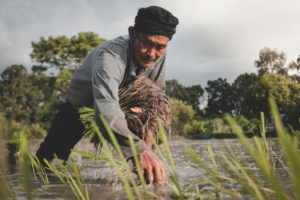
GrantWith an unemployment rate of 33% and more than 25% of its residents living at the extreme poverty level, South Africa maintains the title of “most unequal country in the world.” In the wake of economic turmoil catapulted by the coronavirus pandemic, rural-dwelling South Africans increasingly depend on government-issued social grants for survival.

However, significant programs like the Social Relief of Distress (SRD) R370, a grant in which eligible South African citizens and refugees receive a stipend of $21.2 per month, are increasingly administered by grant algorithms that deny qualified recipients grants for basic goods and welfare accommodations.

Inception of the Social Relief of Distress Grant

In a first attempt to remedy this, the South African Social Security Agency (SASSA) responded to the pandemic’s tumultuous economic conditions by launching an Economic Reconstruction and Recovery plan. The plan included measures to address the social distress caused by the pandemic.

By 2023, social grants served as the primary form of income for working-age South Africans living at the extreme poverty level, individuals who would otherwise collect a maximum of $40 per month in means. The stipend is available to any unemployed South African of working age. However, many eligible residents encounter demographic obstacles that make acquisition nearly impossible.

Barriers To Grant Approval

For one, the platform, which largely benefits inhabitants of rural areas populated by native speakers, is strictly available in English. Applications are only received digitally, requiring impoverished individuals to acquire a device for submission.

To receive the SRD grant, an individual’s maximum income may not exceed 624 ZAR ($35.21), significantly below the food poverty threshold. The SRD grant is administered by a digital grant algorithm that scans bank accounts and flags any indication of income.

The Automated Means Test

This process, known as the Automated Means Test, rejects qualified applicants whose accounts possess erroneous means that may not reflect sustainable income. One such miscontextualization of funds perpetually influences Brenda Mtshali, a widow and tomato vendor who scarcely makes enough to support her six children.

In her case, the grant algorithm disqualified her from benefaction, falsely arguing that her account contained a loan. In addition to this invasion of personal and financial data, the detection software misinterprets miscellaneous funds as “means” that exceed an already underrepresentative poverty threshold.

Since the inception of the Automated Means Test, the number of grant beneficiaries has decreased from 10.9 million to eight million, despite an existing eligibility pool of approximately 17 to 18 million people. In analyzing this disparity, the Institute for Economic Justice (IEJ) identified an exclusion rate of 89.7%. Whereas failures on the Automated Means Test cause millions of rejections, the IEJ concluded that only 24% of cases should be eliminated in ethical circumstances.

Benefits of the Social Relief of Distress Grant

On the contrary, the beneficiaries of the stipend report significant increases in quality of living. “Mind the People,” a short film directed by Mozilla Africa Mradi (and available for streaming on YouTube), dissects the disparate qualification process by collecting testimony from individuals who reside in the rural Mountain View and Eldorado regions of South Africa.

Ntombizodwa, an individual who testifies in Mradi’s film, describes how the SRD grant allows her to live a “much better life,” providing access to toiletries, food and electricity that she previously lacked. Nonetheless, significant improvements in accessibility must be made to improve the efficacy of the program.

Researcher Response to Algorithmic Inequity

According to the IEJ Report, applicants should be permitted to submit documents supporting their petition for a grant and that means tests should be conducted over a longitudinal period to eliminate algorithmic error. To improve accessibility, the report suggests shifting to a hybrid and multilingual application model.

A 2024 document published by the European Union–Agence Française de Développement (EU-AFD) Research Facility on Inequalities proposed a new structure to improve the efficacy and sustainability of the former SRD model. The document recommended that SASSA use self-reported data to assess eligibility, increase grant amounts and establish grant permanence.

Conclusion

Ethical access to social grants in South Africa is not only an issue of socioeconomic disparity, but also a matter of social equity and justice. Whereas recent projects have advanced critical conversation about broken South African grant algorithms, many people remain excluded from the precise benefits that might salvage them from tragedy. 

– Talia Gitlin

Talia is based in Natick, MA, USA and focuses on Good News for The Borgen Project.

Photo: Flickr
September 21, 2025
https://borgenproject.org/wp-content/uploads/borgen-project-logo.svg 0 0 Lynsey 2 https://borgenproject.org/wp-content/uploads/borgen-project-logo.svg Lynsey 22025-09-21 03:00:332025-09-21 02:37:51Human Rights: Remedying the South African Grant Algorithms
Global Poverty, Innovations, Nonprofit Organizations and NGOs

5 Oxfam Innovations Fighting Poverty

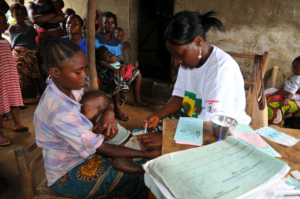
Oxfam is a global organization focused on ending poverty and inequality. It provides emergency relief during crises, like natural disasters or conflicts, while also working on long-term solutions such as fair wages, gender equality and climate action. For more than 80 years, Oxfam has partnered with communities around the world to promote dignity and opportunity, while also pressing governments, corporations and financial institutions to create fairer systems. Here are 5 Oxfam innovations fighting poverty:

SuperAdobe

Oxfam introduced a new type of shelter, called SuperAdobe, in Jordan’s Za’atari refugee camp. Built from basic, low-cost resources like sand-filled bags and barbed wire, these structures provide a practical alternative to the metal caravans many refugees currently live in. SuperAdobe homes are built to stay cool during scorching summers and retain heat through the cold winter months.

The construction method behind SuperAdobe relies on layering sand-filled bags, stacked in either circular or elongated forms. Between each row, barbed wire is laid to strengthen the walls and hold them in place. To improve durability, materials like lime, cement or asphalt can be blended into the soil. The technique mirrors the way clay coils are shaped together in pottery; only here is it used on a larger scale to form entire buildings.

This versatile system can be adapted to create rounded designs such as domes, arches and vaults, as well as traditional rectangular structures. Beyond housing, the approach is also suited for practical applications, including silos, water storage systems, erosion control and even infrastructure projects like roads or bridges.

BlocRice

In Cambodia, an Oxfam initiative called BlocRice is changing how rice farmers engage with global markets. The program is designed to strengthen farmers’ ability to advocate for fair compensation by giving them a stronger voice in price negotiations. At its core, the project introduces digital contracts that directly link members of farming cooperatives with international exporters and European buyers.

By formalizing these agreements through technology, the system not only ensures transparency but also provides farmers with tools that enhance both their economic security and their social standing. Through the BlocRice system, buyers agree to purchase rice at the going market rate with an additional premium, giving farmers both a steady outlet for their harvest and greater financial predictability.

The program also establishes a shared digital platform where all parties involved can track agreements in real time. For some farmers, the additional premium translated into close to $100 in extra income.

TWB Glossary App

In Bangladesh’s Cox’s Bazar, where close to a million Rohingya refugees have sought safety, aid workers struggled to overcome language barriers. Although the Rohingya language shares similarities with local dialects, the differences often made communication difficult, especially when it comes to ensuring refugees could voice their own concerns.

To bridge the gap, a multilingual Glossary App was developed through a collaboration between Oxfam, Translators Without Borders and UNICEF. Covering five languages spoken in the camps, Bangla, Burmese, Chittagonian, English and Rohingya, the tool is now helping humanitarian organizations improve outreach and better respond to community needs.

Hydroponics

Survival in the Algerian Sahara is a daily battle against extreme conditions; temperatures soar past 122 degrees, sandstorms sweep the land and farming is virtually impossible. Sahrawi refugees have endured life in five camps near Tindouf, where one in four struggles with chronic malnutrition.

While international food aid provides some relief, it cannot solve the crisis alone. Oxfam innovations in fighting poverty created a more sustainable option through a hydroponics initiative. By cultivating plants without soil, the program supplies feed for the goats that many families rely on for meat, milk and income. Each greenhouse produces around 132 pounds of fresh feed daily, enough to sustain 20 goats, marking a promising step toward greater food security in the camps.

Led by Sahrawi refugee and Oxfam engineer Taleb Brahim, the initiative turns simple structures, like mud-built domes or repurposed shipping containers, into small-scale greenhouses for livestock feed. Inside, rows of shelves hold shallow trays where barley seeds are spread and kept moist until they sprout. They are then transferred into larger tubs and irrigated daily through a solar-powered pumping system. This low-cost, sustainable method transforms barren spaces into reliable sources of fresh feed.

Sanitation

Oxfam faced a pressing challenge in Bangladesh: how to manage human waste when a sudden surge of people in temporary shelters overwhelmed existing latrines. Rohingya camps experienced outbreaks of severe diarrhea, alongside respiratory illnesses and skin conditions such as scabies, all stemming from inadequate hygiene and sanitation.

To address the growing problem, the Oxfam team established a large-scale centralized sanitation facility capable of safely handling the waste of up to 150,000 individuals. The system operates with zero environmental harm, marking the first successful implementation of such a large-scale waste management solution in a refugee camp.

Final Remarks

Oxfam innovations are fighting poverty. From sustainable housing, effective communication and the cultivation of small-scale greenhouses, Oxfam is empowering communities to build a better future. With continued support and innovation, a more equitable world is within reach.

– Gabriella Luneau

Gabriella is based in Raleigh, NC, USA and focuses on Good News and Global Health for The Borgen Project.

Photo: Flickr
September 11, 2025
https://borgenproject.org/wp-content/uploads/borgen-project-logo.svg 0 0 Lynsey 2 https://borgenproject.org/wp-content/uploads/borgen-project-logo.svg Lynsey 22025-09-11 07:30:442025-09-11 01:21:535 Oxfam Innovations Fighting Poverty
Children, Education, Global Poverty

How Bolivia’s Ineffective Education System Is Failing Its Children

Bolivia’s Ineffective Education SystemIn the heart of South America, Bolivia faces a profound education crisis that threatens its youth’s future and the nation’s economic stability. Despite minimal efforts to reform and invest in education, systemic barriers, poverty and inequality continue to prevent millions of Bolivian children from accessing quality schooling. Only one in seven children completes their education. Additionally, more than a million Bolivians aged 15 and above remain illiterate. Hence, the country is grappling with a cycle of underdevelopment that could deepen if left unaddressed.

The Roots of the Crisis

Bolivia has the lowest GDP per capita in South America, at just $4,000. This economic reality directly impacts education, especially in rural and indigenous communities. Students in rural areas complete an average of only 4.2 years of schooling before dropping out to support their families, compared to 9.4 years in urban areas.

Data from the Bolivian Campaign for the Right to Education (CBDE) shows that most students struggle with basic literacy and comprehension. About 70% of third graders and 80% of sixth graders cannot interpret or reflect on written texts. Math and science performance is similarly low, with most students scoring at the lowest levels and unable to apply fundamental concepts.

Data from the World Bank shows that over time, Bolivian children are not completing secondary education courses, while fewer and fewer students enroll in primary education. Bolivia’s ineffective education system fails to equip students with even the most basic skills, leaving them unprepared for higher education and the workforce.

The country’s education system also suffers from a mismatch between what students learn and what the labor market demands. This makes it one of the significant catalysts for an ever-growing wealth disparity. Many graduates find themselves ill-equipped for Bolivia’s dominant agriculture, mining and construction industries, which favor hands-on experience over formal education.

Poverty and Education: A Repeating Cycle

The lack of education in Bolivia is both a cause and a consequence of poverty. Children who leave school early often enter informal labor markets with little opportunity for upward mobility. This keeps a cycle going where families stay trapped in poverty, unable to invest in their children’s futures and it continues for generations. Similar patterns are seen in other countries facing economic struggles.

Several studies have found a strong correlation between education and poverty reduction. Higher levels of education significantly decrease the probability of being impoverished and reduce income inequality. Yet, Bolivia’s ineffective education system fails to deliver these benefits to its vulnerable populations.

Government Efforts and Community Initiatives

Bolivia has tried to make notable efforts to reform its education system. The 1994 education reform aimed to decentralize funding, improve teacher training and expand intercultural bilingual education. These reforms were designed to address the diverse needs of Bolivia’s population, especially in rural and indigenous areas. While efforts to mainstream Indigenous languages in education and reform teaching methods yielded encouraging results, other challenges hinder broader school progress.

In 2010, the Bolivian government enacted the Avelino Siñani–Elizardo Pérez Education Law. This law redefined the country’s educational framework by establishing an educational system rooted in cultural diversity, social inclusion and lifelong learning principles. Rather than using the term “lifelong learning,” the law emphasizes “alternative education,” which serves youth and adults seeking to continue their studies outside the conventional educational system given to them.

The law also promotes education as a fundamental human right and an integration into intercultural and multilingual approaches to strengthen social cohesion, especially among indigenous communities. The holistic approach aimed to democratize access to education and align learning with Bolivia’s social and cultural realities.

Organizations like CHOICE Humanitarian have also taken action to fill gaps. CHOICE Humanitarian has built schools with solar panels, internet access and ecological classrooms that double as greenhouses, providing education and nutrition to students in remote areas. Despite these efforts, Bolivia’s ineffective education system struggles with implementation, consistency and scalability, especially in underserved regions.

The Path Forward

Bolivia’s ineffective education system is complex, rooted in historical inequalities and economic hardship. Yet, the country can pave the way for a brighter future with sustained investment, community involvement and policy reform. In this future, every child can learn, grow and contribute to a prosperous Bolivia.

– Dylan Fly

Dylan is based in Detroit, MI, USA and focuses on Business and New Markets for The Borgen Project.

Photo: Flickr

September 8, 2025
https://borgenproject.org/wp-content/uploads/borgen-project-logo.svg 0 0 Lynsey 2 https://borgenproject.org/wp-content/uploads/borgen-project-logo.svg Lynsey 22025-09-08 03:00:142025-09-08 01:56:04How Bolivia’s Ineffective Education System Is Failing Its Children
Page 2 of 8‹1234›»

Get Smarter

  • Global Poverty 101
  • Global Poverty… The Good News
  • Global Poverty & U.S. Jobs
  • Global Poverty and National Security
  • Innovative Solutions to Poverty
  • Global Poverty & Aid FAQ’s
Search Search

Take Action

  • Call Congress
  • Email Congress
  • Donate
  • 30 Ways to Help
  • Volunteer Ops
  • Internships
  • Courses & Certificates
  • The Podcast
Borgen Project

“The Borgen Project is an incredible nonprofit organization that is addressing poverty and hunger and working towards ending them.”

-The Huffington Post

Inside The Borgen Project

  • Contact
  • About
  • Financials
  • President
  • Board of Directors
  • Board of Advisors

International Links

  • UK Email Parliament
  • UK Donate
  • Canada Email Parliament

Get Smarter

  • Global Poverty 101
  • Global Poverty… The Good News
  • Global Poverty & U.S. Jobs
  • Global Poverty and National Security
  • Innovative Solutions to Poverty
  • Global Poverty & Aid FAQ’s

Ways to Help

  • Call Congress
  • Email Congress
  • Donate
  • 30 Ways to Help
  • Volunteer Ops
  • Internships
  • Courses & Certificates
  • The Podcast
Scroll to top Scroll to top Scroll to top