• Link to X
  • Link to Facebook
  • Link to Instagram
  • Link to TikTok
  • Link to Youtube
  • About
    • About Us
      • President
      • Board of Directors
      • Board of Advisors
      • Financials
      • Our Methodology
      • Success Tracker
      • Contact
  • Act Now
    • 30 Ways to Help
      • Email Congress
      • Call Congress
      • Volunteer
      • Courses & Certificates
      • Be a Donor
    • Internships
      • In-Office Internships
      • Remote Internships
    • Legislation
      • Politics 101
  • The Blog
  • The Podcast
  • Magazine
  • Donate
  • Click to open the search input field Click to open the search input field Search
  • Menu Menu

Tag Archive for: Health Care

Posts

Education, Food & Hunger, Global Poverty

Being Poor in Afghanistan

Being Poor in AfghanistanImagine receiving the only nutritious meal of the day at school, or a mother finally having access to a skilled birth attendant after walking miles to reach a mobile health clinic. For millions of Afghans, these scenarios represent not just hope, but the tangible reality of one of the world’s most successful humanitarian responses.

Being poor in Afghanistan has reached unprecedented levels, with 64.9% of the population now living in multidimensional poverty and 85% surviving on less than one dollar per day. An estimated 15.8 million people face acute food insecurity, while 23.7 million people require humanitarian assistance to survive. Despite these overwhelming challenges and being poor in Afghanistan becoming increasingly widespread, international organizations created an unprecedented network of support that reached 22.4 million Afghans in 2024.

Revolutionary Food Programs Transform Lives

The World Food Programme (WFP) revolutionized food assistance in Afghanistan, reaching 11.8 million people through a groundbreaking approach that stimulates local economies while fighting hunger. Rather than simply distributing food, 42% of the 1.3 million monthly beneficiaries receive cash-based transfers, allowing families to purchase goods from local vendors and inject vital resources directly into Afghan communities.

The program’s school feeding initiative provides children their only nutritious meal each day. School feeding activities create powerful incentives for families to keep children in school with positive impacts on school participation and learning that help break cycles of poverty through education.

Medical Miracles in Remote Regions

Doctors Without Borders pioneered mobile health care solutions, bringing advanced medical care directly to Afghanistan’s most isolated communities. In 2023, the organization performed 15,200 surgical interventions and assisted 45,260 deliveries across nine projects in eight provinces, maintaining 130 to 200% bed occupancy rates due to overwhelming demand.

The organization’s teams extend life-saving medical services to populations who previously had no access to professional care, with very high bed occupancy rates, sometimes with two or even three patients sharing one bed due to overwhelming demand. More than 50% of MSF’s medical staff are women, creating culturally appropriate care that dramatically improved maternal and child health outcomes.

Children’s Health Revolution Shows Dramatic Results

UNICEF achieved remarkable success protecting Afghan children through comprehensive health and education programs. In 2024, humanitarian efforts expanded to treat 2.9 million acutely malnourished children and pregnant women, representing a significant increase from 2.2 million in 2023. The organization vaccinated 704,002 children against measles and treated 272,791 children for severe wasting in the first half of 2024.

Health care access has expanded significantly with 11.6 million people receiving primary health care services by 2023, up from 7.9 million in 2021. This is driven by the increase in humanitarian health facilities from 422 in January 2022 to 908 in December 2023.

International Commitment Drives Innovation

Major international donors maintained their commitment despite global economic challenges. The United States provided $280 million to WFP in 2024 through USAID, enabling the organization to support more than 3 million people with life-saving food assistance. The United Kingdom reached 2,715,000 people with humanitarian assistance, including water and sanitation, food, nutrition, health and cash transfers between April 2024 and March 2025.

The transformation occurring across Afghanistan proves that even in the world’s most challenging environments, coordinated humanitarian action can deliver extraordinary results. Through innovative programming, local partnerships and sustained international commitment, organizations are building foundations for long-term recovery while showing that with creativity, dedication and adequate resources, no community is beyond help. However, severe funding gaps remain, with only 31.4% of the required $3.06 billion received by October 2024.

Despite these challenges, the fact that humanitarian organizations reached 22.4 million people in 2024 demonstrates what is possible when the international community works together to address the crisis of being poor in Afghanistan.

– Jawad Noori

Jawad is based in London, UK, and focuses on Technology and Politics for The Borgen Project.

Photo: Pexels

October 11, 2025
https://borgenproject.org/wp-content/uploads/borgen-project-logo.svg 0 0 Jennifer Philipp https://borgenproject.org/wp-content/uploads/borgen-project-logo.svg Jennifer Philipp2025-10-11 03:00:462025-10-11 03:02:48Being Poor in Afghanistan
Global Poverty, Women's Empowerment

Women’s Empowerment in Rwanda is Driving Poverty Reduction

Women’s Empowerment in RwandaWomen in Rwanda have played a pivotal role in improving the country. Their influence and policies have shown how women’s empowerment in Rwanda can reshape a nation’s social and economic landscape. With 63.8% of seats in the Chamber of Deputies held by women, the highest proportion in the world, the country has translated political representation into concrete policies that reduce poverty and improve the quality of life for all.

Increasing Exports

Almost 70% of Rwandan women work in agriculture and the practice covers a third of GDP and accounts for nearly half of all export revenues. Therefore, empowering female farmers in Rwanda is pivotal to increasing the economy. The World Food Programme (WFP) and partners have introduced various initiatives to help reduce gender inequalities, improve food security and support potential female leaders. Farmers are now being taught entrepreneurial skills such as public speaking and governing, as well as innovative farming techniques such as grafting, market access and contract negotiation.

Another major export that Rwanda relies on is coffee. With 400,000 rural smallholder families engaged in production, coffee remains a cornerstone crop in Rwanda. Among the key actors is the Twongere Umusaruro Cooperative (TUK), which works closely with the Relationship Coffee Institute (RCI). Founded in 2013, RCI aims to transform the lives of rural, low-income women coffee farmers by providing training and access to markets. Initially working with 4,000 women, the organization has since expanded to support more than 30,000 coffee growers.

Additional Women’s Centers

Rwanda has established several women’s centers to address gender-based violence, inequality and discrimination, while promoting economic empowerment. Access to justice has improved nationwide, with eight centers providing comprehensive services to survivors of gender-based violence.

Furthermore, Women for Women Rwanda’s program has reached more than 80,000 women, providing training, mentorship and opportunities to build sustainable livelihoods. The organization also works with men through the Men’s Engagement Program (MEP).

Using a “training the trainer” approach, local leaders teach men about women’s rights and gender equality, encouraging them to influence others and create environments where women can reach their full potential. In 2023 alone, 920 men completed the MEP.

Improving Women’s Financial Inclusion

Women in Rwanda are more likely to struggle financially. They face higher unemployment rates and men still hold most managerial positions. To address this, the government has implemented the “Gender Equality Seal” program. If the government deems that a company supports women as much as men, it receives this title and additional benefits. As a result, women’s financial situations have improved, with access to financial products increasing by 11%.

Additionally, the Joint Programme on Accelerating Progress Toward the Economic Empowerment of Rural Women (JP RWEE) works across Africa, including Rwanda and is currently in its second phase. The program focuses on strengthening rural women’s access to finance and ensuring the lasting impact of their knowledge and skills.

Better Health Care

Rwanda has made significant strides in health care for women and children through innovation, technology and targeted interventions. The Rwanda Health Information System (RHIS) has made collecting and managing health data far more efficient. Furthermore, drones have greatly improved medical delivery time, particularly to remote areas.

The RapidSMS program sends pregnant women free text messages with health information, appointment reminders and alerts to health facilities about danger signs in their communities. These innovations have accumulated a global record in reducing maternal mortality. To maintain this progress, Rwanda has introduced maternal death audits, which investigate each case and recommend measures to prevent future fatalities.

Moreover, life expectancy for women in Rwanda has risen to 72 years. Around 97% receive antenatal care and more than 64% of married women use some form of birth control. Prevention of Mother-to-Child Transmission (PMTCT) services are available in 85% of health facilities, effectively eliminating mother-to-child HIV transmission. The government also plans to achieve 100% access to drinking water and electricity, with no significant gender disparities, further supporting women’s health and well-being.

Accessible Education

Rwanda has achieved universal education. Primary education is free and compulsory, with girls’ enrollment in primary school currently standing at 98%. Government programs have led to a more comfortable environment for girls. These include school feeding programs, 12 years of basic education and gender-friendly school environments. As a result, girls’ enrollment in science, technology, engineering and maths (STEM) subjects has risen considerably.

Prior to current initiatives, period poverty forced young women in Rwanda to stay at home. The government introduced Icyumba Cy’umukobwa (The Girls’ Room) to address the issue. These rooms provide a safe space for menstruating girls, offering free sanitary products, beds, pain relief and towels. Experienced female advisors support girls in navigating the challenges of menstruation. Furthermore, Rwanda also removed VAT on sanitary products as a nationwide initiative, continuing the fight to end period poverty for all.

Conclusion

Rwanda’s experience demonstrates that empowering women is a matter of social justice and a powerful driver of national development. From political representation and economic participation to education, health care and social initiatives, women’s empowerment has tangibly reduced poverty, increased productivity and improved quality of life across Rwanda. Women in Rwanda are proving their value and showcasing how sustainable development is inseparable from gender equality. Investing in women is investing in the future of the nation.

– Lysia Wright

Lysia is based in Derby, UK and focuses on Good News and Global Health for The Borgen Project.

Photo: Flickr

October 8, 2025
https://borgenproject.org/wp-content/uploads/borgen-project-logo.svg 0 0 Hemant Gupta https://borgenproject.org/wp-content/uploads/borgen-project-logo.svg Hemant Gupta2025-10-08 03:00:452025-10-07 23:40:04Women’s Empowerment in Rwanda is Driving Poverty Reduction
Disease, Global Poverty, Health

Diseases Impacting Belize: A Story of Progress and Persistence

Diseases Impacting BelizeIn April 2025, news of a measles outbreak spread through Belize City and lines of anxious parents formed around pop-up clinics. Three months later, health officials announced the containment of the outbreak. This was a promising reminder that while diseases impacting Belize are still a serious threat, public health improvements are very real.

Poverty and Health in Belize

Since becoming independent in 1981, tourism has become the largest economic driver in Belize. Over the past few years, notable progress has occurred in reducing poverty with incidence rates falling from 36.5% in 2021 to 22.1% in 2024. Despite this, the intensity of deprivation among those still affected remains unchanged.

According to the Health Care Access and Quality Index, Belize ranks 55 out of 100, demonstrating visible gaps in both availability and quality of care. Rural populations in particular continue to face the greatest hardships with poverty rates as high as 67.9%. Currently, 23% of health care spending comes out of pocket, leaving low-income families struggling to gain access to essential medical services.

Strengthening Belize’s Health System

In spite of challenges, Belize achieved notable public health milestones, showing that progress is possible amidst poverty. Along with the rapid containment of the 2025 measles outbreak, the country was officially declared malaria-free in 2023.

The Belize Ministry of Health, in partnership with PAHO/WHO, launched the Strategic Plan 2025-2034 to strengthen the health system and modernize health care. This decade-long plan tackles key public health challenges to reduce diseases impacting Belize. Building on this framework, officials established public health campaigns to prevent dengue and implemented rapid immunization response teams, strengthening the nation’s ability to contain outbreaks.

These initiatives demonstrate progress towards improved health outcomes and malaria and measles are no longer a threat. However, there are several diseases that continue to pose significant concern, highlighting areas where continued efforts are essential.

Top 5 Diseases Impacting Belize

  1. Dengue Fever: This mosquito-borne infection causes flu-like symptoms which can become fatal. Cases of dengue fever surged more than 260% over the last year, mostly in rural areas where access to health care is limited. Currently, there is no treatment, and prevention is focused on mosquito control through improved sanitation and  public awareness. Better access to medical services and early detection can lower fatality rates to under 1%.
  2. Heart Disease: Heart disease is the leading non-communicable disease in Belize, accounting for 11.27% of total deaths. Poverty and food insecurity prevent access to proper nutrition, resulting in reliance on inexpensive high-calorie foods that fuel heart disease. Better access to medical services and trained providers is key to prevention and reduced mortality rates. Leading the way forward is the HEARTS program that allows physicians to better manage heart disease risk factors like hypertension and diabetes.
  3. Tuberculosis (TB): TB affects 27 people per 100,000 every year. Treatment rates have increased to 80%, but poverty remains a driving factor. Poor nutrition weakens the immune system and increases vulnerability. Limited health care access also delays diagnosis and treatment. The Ministry of Health’s current strategy includes promoting regular checkups and the use of DOTS (directly observed treatment strategy) to improve early detection and diagnosis.
  4. HIV/AIDS: Belize has one of the highest HIV prevalence rates in Central America. Only 80% of affected individuals are aware of their status with just 60% receiving treatment. Poverty is a significant social factor as low-income populations face limited access to education, health services and prevention resources. Despite these challenges, progress has been made recently in reducing mother-to-child HIV transmission through improved prenatal testing. 
  5. Kidney Disease: Chronic kidney disease is a serious health threat to Belizeans experiencing poverty. Limited access to nutrition, treatment and prevention resources increase the risks and mortality rate. Currently, less than 4% of affected people are aware of their condition. Efforts like the Capacity Building Project for the Prevention and Control of Chronic Renal Failure are now focused on training providers and educating communities to improve prevention and care.

Building on Progress

With diseases impacting Belize still a major concern, efforts to address poverty and expand health care access are vital. The Cornerstone Foundation is currently a key player in those efforts. Through community-driven programs it is:

  • Providing relief and aid through food assistance programs, health care services and job training. 
  • Supporting government initiatives to provide basic nutrition, clean water and healthy sanitation to underserved areas.
  • Offering health programs that include outreach and education, clinical services, senior support and natural healing initiatives. 
  • Raising awareness of the HIV/AIDS epidemic, supporting prevention and disease management. 

Despite these efforts, and those of other organizations, challenges remain to reduce diseases impacting Belize. Poverty is a key barrier, restricting access to proper nutrition, clean water and quality medical services. By expanding health care access, improving clinics, training health care workers and strengthening immunization and prevention programs, Belize can build on its progress and success.

Persistence and continued effort are essential to ensure health improvements for all communities. The quick containment of the 2025 measles outbreak reminds us that progress is real. Sustained commitment will bring healthier futures to all Belizeans. 

– Tina Kusal

Tina is based in Montrose, CA, USA and focuses on Global Health for The Borgen Project.

Photo: Unsplash

September 24, 2025
https://borgenproject.org/wp-content/uploads/borgen-project-logo.svg 0 0 Jennifer Philipp https://borgenproject.org/wp-content/uploads/borgen-project-logo.svg Jennifer Philipp2025-09-24 01:30:052025-09-29 02:19:11Diseases Impacting Belize: A Story of Progress and Persistence
Disability, disability and poverty, Global Poverty

Disability and Poverty in The Gambia: Pathways To Change

Disability and Poverty in The GambiaIn The Gambia, disability and poverty are tightly linked. People with disabilities face barriers to education, health care and jobs that deepen their vulnerability. Stigma and weak government support compound the problem. However, new laws, training programs and social protection efforts by local groups, nongovernmental organizations (NGOs) and the state are pushing toward greater inclusion.

Cycle of Poverty and Exclusion

Before 2020, The Gambia’s poverty rate had been gradually declining, from 48.6% in 2015 to 45.8% in 2019, with the help of small increases in tourism and construction. Analysts predict the nation’s poverty rate would have decreased by more than 3% by 2020 if not for the COVID-19 pandemic. However, those advances were undone by the pandemic, which caused the poverty rate to rise by 4.8%.

According to a household study conducted in 2020-21, 53.4% of Gambians or around 1.1 million individuals, could not afford the necessities of life. Even though access to health care and education has improved since 2015, more than half of the population still lives in poverty due to the economic shock.

Barriers in Education and Work

One major issue in The Gambia is the shortage of skilled teachers in the educational system. According to a 2021 World Bank assessment, only 57% of primary school teachers are trained, meaning many lack the skills to deliver effective education. Larger class sizes and higher student–teacher ratios, resulting from this shortage, have made it even more difficult to provide individualized attention and support.

This hits learners with disabilities hardest: lacking skilled instruction and support, they struggle to complete schooling, leaving them with lower employment rates. The 2022-23 Gambia Labor Force Survey reports that only 32.8% of persons with disabilities participate in the labor force compared to 44.1% of those without. Employment prospects skew lower for them, too. Without skilled teaching to build real learning and life skills, people living with disabilities struggle to access jobs and escape the poverty trap.

Health Care Challenges

It is estimated that 120,000 Gambians have mental illness, but 90% of them do not receive treatment. The nation only runs one outpatient clinic and one psychiatric hospital, Tanka Tanka, all located close to the capital. Outside these hospitals, a mobile community team that makes scheduled visits to rural health centers provides most of the mental health support.

Although The Gambia has a national policy and strategy aimed at exploring mental health services, most rural and urban people still lack access to care, despite the recent addition of similar teams by specific urban clinics.

Local and Global Partners Step In

The Gambian National Assembly approved the Persons with Disability Bill in July 2021 and President Adam Barrow signed it into law the following month. The measure, the result of nearly a decade of advocacy, safeguards the rights of people with disabilities in health care, education, employment, social support, rehabilitation and accessibility.

The law also brings The Gambia into compliance with the United Nations Convention on the Rights of Persons with Disabilities, which the country ratified in 2015. The convention requires states to provide equal legal protection, ensure full enjoyment of fundamental freedoms and eliminate discriminatory laws and practices.

On October 25–26, 2023, the Sir Dawda Kairaba Jawara International Conference Center hosted a two-day forum on disability rights, organized by The Gambia Federation of the Disabled and the National Human Rights Commission. In reviewing the implementation of the Persons with Disabilities Act of 2021, officials and activists highlighted both progress made and challenges that persist.

The organizers urged government organizations to incorporate disability problems in The Gambia into all programs and services, stating that those with disabilities still experience poverty, discrimination and abuse.

Takeaway

Despite setbacks from the pandemic and persistent barriers in education and health care, The Gambia has taken steps toward change. The 2021 Persons with Disabilities Act guarantees equal health, education and employment rights. Advocates say progress is slow. However, recent forums highlight growing moments to address discrimination and expand opportunities, offering hope for a more inclusive future.

– Joshua Pettis

Joshua is based in Houston, TX, USA and focuses on Global Health for The Borgen Project.

Photo: Flickr

September 22, 2025
https://borgenproject.org/wp-content/uploads/borgen-project-logo.svg 0 0 Hemant Gupta https://borgenproject.org/wp-content/uploads/borgen-project-logo.svg Hemant Gupta2025-09-22 01:30:152025-09-22 00:37:26Disability and Poverty in The Gambia: Pathways To Change
Disease, Global Poverty, Health

Malaria in South Korea: Poverty’s Hidden Role

Malaria in South KoreaMalaria in South Korea is climbing near the Demilitarized Zone (DMZ), the divide between North and South Korea. The Korea Disease Control and Prevention Agency (KDCA) raised a nationwide malaria warning on August 19, 2025. This came after it detected the year’s first mosquito in Korea carrying the Plasmodium vivax parasite.

This strain hadn’t been prevalent outside of military officials since the ’90s. However, officials and citizens are rallying together to fight for accessible health care and transportation options in rural areas.

Malaria’s Borderland Comeback

The return of Plasmodium vivax malaria in 1993 had spread mainly among soldiers stationed along the DMZ. Studies estimate that 60% and 90% of cases during this period were young men in their early 20s performing mandatory service near the northern edge of Gyeonggi Province, alongside the DMZ. These troops often lived outdoors in field conditions, which increased their exposure to infected mosquitoes.

Since then, malaria in South Korea has persisted in the regions surrounding the border, making the borderland a place vulnerable to disease due to its limited resources and health care. Today, rural civilians and military personnel make up most new cases of malaria. Farms and rice paddies serve as breeding grounds for mosquitoes.

As of August 2025, South Korea reported 373 malaria cases and health officials project the number will rise as the peak season continues through September. Since infected mosquitoes refuse to stop at the border between North and South Korea, transmission continues unchecked as they travel into rural South Korean cities.

Rice Paddies: Perfect Breeding Ground for Mosquitoes

Rice paddies provide perfect breeding grounds for Anopheles mosquitoes, the primary sources of malaria in South Korea. Research shows that more than 50% of Anopheles sinensis larvae are discovered in rice paddies near the western DMZ region, including areas like Ganghwa and Paju. These flood-prone plains and rice fields provide an ideal environment for mosquitoes to breed and spread throughout rural South Korea.

Malaria transmission is especially widespread near border villages, such as Wolgot‑myeon in Gimpo‑si and Naega‑myeon in Ganghwa‑gun. This highlights the urgent need for resources to combat the growing health crisis as malaria spreads in these rural communities.

Poverty: The Quiet Catalyst

Poverty, poor housing and health care gaps drive the spread of malaria in South Korea, reminding us that this is not just a mosquito problem. Malaria outbreaks are inequality crises that demand urgent solutions.

  • Health care gaps: Near the DMZ, clinics are far away and few are between the cities lining the border. Residents often face lengthy journeys and high transportation costs to access care. Delays in diagnosis and treatment give malaria parasites more time to spread and multiply.
  • Housing conditions: Underserved households often lack essential resources, needing mosquito nets, materials to seal windows and proper air conditioning. This leaves residents vulnerable on hot summer nights when mosquitoes are more prone to bite.
  • Outdoor working conditions: Farmers and forestry workers labor at dawn and dusk, right when Anopheles mosquitoes bite the most. In rural areas, these work environments are often highly staffed, which can significantly increase the disease’s transmission rate.
  • Elderly poverty: South Korea has one of the highest elderly poverty rates in the Organization for Economic Co-operation and Development (OECD) and many older residents live in rural DMZ counties. These seniors remain both highly exposed and medically vulnerable due to the lack of support and resources available in rural areas.

The Malaria Trap

Malaria in South Korea not only threatens health but also directly impacts the livelihoods of the rural cities along the DMZ. A review found that families bear most of malaria’s economic burden, accounting for an average of 71% of the total costs, including lost wages and health care expenses. Each infection forces workers to miss days in the fields, reduces wages and drains already limited household resources.

Even under universal health care, costs for medication, hospital visits and transportation weigh heavily on those infected with malaria, as many rural cities don’t have health care facilities available. Although the public transportation system in South Korea is well-developed, vulnerable populations are disproportionately affected by transportation costs to health care facilities.

Globally, malaria traps low-income families in a vicious cycle: illness reduces income, limiting access to transportation, health care and medicine, which in turn makes preventing future infections harder. Experts call this the “malaria trap” because it keeps people in a never-ending loop.

Groups Tackling Malaria in South Korea

Tackling malaria in South Korea requires more than mosquito control and pesticides. The fight demands coordinated efforts between government agencies, international organizations and community-based groups. Several agencies and organizations are working to contain malaria near the DMZ, which is proving difficult to change overnight.

  • The Korean Red Cross: The Korean Red Cross operates mobile clinics, health programs and disaster relief services across South Korea. It often fills gaps where access is limited. While it doesn’t focus specifically on malaria, its outreach and emergency services support rural and border communities that would otherwise go without care.
  • Against Malaria Foundation Korea (AMF Korea): Founded in August 2023 in Seoul, AMF Korea is the local arm of the globally acclaimed Against Malaria Foundation. It distributes long-lasting insecticidal nets (LLINs) to high-risk communities. AMF Korea’s cost-effective, data-driven model and grassroots presence in Korea highlight the potential for local-level malaria prevention efforts.

Additionally, the South Korean government has implemented a five-year plan to eradicate the disease. The strategy focuses on ensuring that everyone can access malaria testing and treatment. It also emphasizes monitoring and evaluating the spread of the disease. The plan also aims to build a network linking public agencies, private organizations and the military to coordinate efforts and contain malaria transmission in South Korea.

Conclusion

The resurgence of malaria in South Korea demonstrates that gross domestic product rankings or international borders cannot deter infectious diseases. The parasite thrives wherever poverty leaves people vulnerable, especially near a Korean rice paddy under the shadow of the DMZ.

Local and global organizations have driven significant progress, but expanding access to health care and medicine in South Korea’s rural communities will have the most profound impact. To eliminate malaria for good, South Korea and its partners must continue fighting mosquitoes and the inequality that allows the disease to persist.

– Nicole Fernandez

Nicole is based in Reno, NV, USA and focuses on Global Health for The Borgen Project.

Photo: Wikimedia Commons

September 21, 2025
https://borgenproject.org/wp-content/uploads/borgen-project-logo.svg 0 0 Hemant Gupta https://borgenproject.org/wp-content/uploads/borgen-project-logo.svg Hemant Gupta2025-09-21 07:30:522025-09-21 03:05:40Malaria in South Korea: Poverty’s Hidden Role
Global Poverty, Health, Technology

Telemedicine in Mexico Broadens Health Care

Telemedicine in MexicoThe health care system in Mexico is notably flawed. Only 77% of Mexico’s 131 million citizens have access to health care coverage and nearly half of the health spending in the country comes out of the pockets of citizens, not the government. Mexico only allocates 5.7% of its GDP to health care-related costs, far below the average of 9.2% from the other 38 countries that make up the Organization for Economic Co-operation and Development (OECD). This leaves the system underfunded and underresourced, particularly in rural locations.

Telemedicine, the remote diagnosis and treatment of patients, is helping fill in the gaps of Mexico’s health care system by making medical advice more accessible to poor and rural communities throughout the country.

Bringing Health Care to Rural Mexican Communities

Founded in 2014, 19Labs aims to make health care more accessible worldwide to people in rural communities. Its GALE platform is a “smart first-aid kit” that is affordable and accessible and it brings the full clinic experience to those unable to go to one in person. The organization has helped people in Guyana, the United States and Lebanon and now it’s expanding its reach in Mexico.

Earlier this year, 19Labs launched a new branch of its telemedicine program in Yucatán, Mexico, to bring health care services to the underserved rural communities in the area. 19Labs GALE eClinics have connected people who had previously faced distance barriers to services such as medical consultations, diagnostic tools and specialist advice and treatments. Using tools such as Zoom and EchoNous, people can now access effective health care treatment from the comfort of their own communities and without the burden of extensive travel.

In less than a year, the impact and benefits of the GALE eClinics have already been seen. In Comunidad Col, a child who was previously diagnosed with a heart murmur was assessed by the GALE eClinic and appropriately diagnosed with and treated for allergic rhinitis. A 6-month-old child in Noh Bec received an accurate diagnosis and treatment from a chronic dermatitis specialist, significantly improving the child’s condition and quality of life.

Maria Magdalena Chan Uluac, Director of the Noh Bec community clinic, credited the GALE eClinics for helping the lives of those in the Yucatán area: “We are at least three hours from Mérida, where the specialists are, so GALE has been a major financial and logistical relief for our patients. This has encouraged seeking medical treatment sooner instead of waiting until symptoms become critical.”

Telemedicine for Mexicans Abroad

MiSalud is a startup that connects Mexicans working abroad to health care. MiSalud’s mission is to provide services such as basic health care, preventative care, nutrition coaching, chronic condition management and mental health support via video, phone or SMS chat. The company also does not charge its users a co-pay and has extended hours for its virtual clinic.

MiSalud primarily works with agricultural, construction, hospitality and manufacturing companies where employees struggle to access health care because of language barriers or a lack of time to make it to a clinic or hospital. Employees of these companies receive MiSalud’s resources as an employer-sponsored benefit regardless of their insurance or full-time or part-time status. The coverage also extends to up to three family members.

Taylor Farms, a major global purveyor of packaged salads and cut vegetables, is one company that partners with MiSalud. Amy Taylor, the leader of Taylor Farms’ wellness initiative, reported that about 5,600 of the company’s 6,400 employees have signed up for MiSalud’s services. More than 2,000 of these employees have utilized the resource at least once.

MiSalud says that 40% of its users have said they would have ignored their health concerns or waited until they could travel back to Mexico to see a doctor without the platform. The company also reports that its users have seen a 56% improvement in depression scores and a one-level drop in diabetes, cholesterol and blood pressure risk. In addition, users experienced a 24% improvement in chronic condition management and an average weight loss of 16 pounds.

More Ways to Access Telemedicine in Mexico

MedicallHome is another company working to make health care in Mexico more affordable and accessible. It provides 24/7 telephone access to licensed doctors, costing just $2 to $5 a month. Beyond medical care, the company also offers life insurance and vision and dental coverage.

Medicall is staffed by more than 60 practitioners, nutritionists and psychologists, each with at least two years of clinical experience and required to practice outside the call center to maintain their skills. The center handles about 500,000 calls annually, resolving 62% of cases over the phone and referring the rest for in-person treatment. Customers also have access to a provider network that includes primary care and specialist clinics, laboratories, pharmacies and hospitals.

Conclusion

Telemedicine is a growing field in Mexico and with widespread smartphone adoption by Mexican citizens and improving internet access, it is expected to become more popular. As of 2024, 68% of Mexicans reported preferring video and telephone consultations due to convenience, reduced travel costs and fewer wait times than in-person clinics. Since only half of the population has consistent medical care, the growth of free and accessible telemedicine in Mexico is significant and a welcome change to the health care system.

– Hannah Fruehstorfer

Hannah is based in Pittsburgh, PA, USA and focuses on Good News and Global Health for The Borgen Project.

Photo: Flickr

September 13, 2025
https://borgenproject.org/wp-content/uploads/borgen-project-logo.svg 0 0 Hemant Gupta https://borgenproject.org/wp-content/uploads/borgen-project-logo.svg Hemant Gupta2025-09-13 07:30:312025-09-12 15:11:44Telemedicine in Mexico Broadens Health Care
Food & Hunger, Global Poverty, USAID

3 Ways USAID Programs in Mali Are Changing Lives

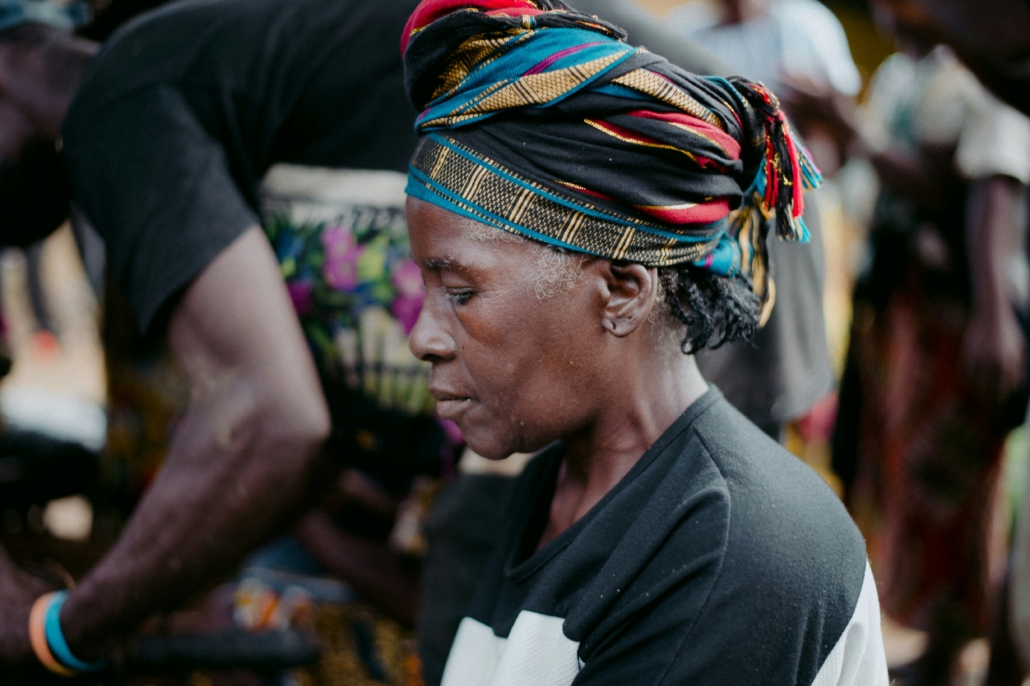
USAID Programs in MaliMali has a complicated relationship with recurring challenges such as climate crisis’ and conflict-driven violence. Whether it be due to the shocks of extreme heat and floods, or the violence from armed forces within different villages, USAID programs in Mali have benefited Malians greatly, with more than a third of the population being in need of humanitarian assistance.

U.S. assistance in Mali has allowed the pursuit for peace and stability; there have been major investments towards the healthcare system, agriculture, education and peacebuilding. Despite the recent cuts made to USAID’s funding, there are still efforts being made to retain relations between the states. USAID’s Country Development Cooperation Strategy for 2022-2026 represents the commitment towards providing humanitarian assistance while aligning with Mali’s national interests and plans. Thus, it is important to highlight the preexisting successes and the progress made due to USAID programs in Mali.

1. Boosting Food Security Through Feed the Future

In Mali, 1.6 million people or 6% of the population suffer due to acute food insecurity. USAID’s Feed the Future program in Mali makes an effort to improve the livelihoods of people improving food security and creates income and food opportunities for Malians, by boosting millet, rice and livestock production. Farmers gain access to improved seeds, livestock care and markets. Furthermore, these programs tackle malnutrition through prevention; investments into Mali’s agricultural systems will open economic opportunities for Malian people, who typically migrate away from the country for work, as there are newfound opportunities in their own nation. This program allows USAID to invest into Mali, allowing them to build themselves from the ground up and become self-sufficient to combat issues with malnutrition and food insecurity, and in the future, they will be able to thrive without foreign intervention.

2. Improving Health

In 2021, more than 60% of Mali’s deaths were due to communicable, maternal or perinatal and nutritional issues. However, this number should ultimately improve due to investments and more attention to the health care system and facilities.

Launched in 2020, and receiving a 16-month extension in 2024, USAID funded the Mali Health Systems Strengthening, Governance and Finance project (HSS) which had the goal of empowering Mali’s plan, management and financing of its own health care system. This project focused on multiple regional and national developments for the health care system, and has provided training for 26 health districts and more than 700 facilities. USAID supported them by also improving supply chain management, data monitoring and providing essential supervision for the improvements being made. By improving the governance of healthcare systems and management, it improves the health outcomes for the region and allows under-resourced regions to thrive on their own. Thus, once there is a transition of power, local organizations will be well equipped.

3. Strengthening Governance and Stability

Due to the challenges with civil conflict, there is often mistrust between local governments and communities. The USAID Mali Peacebuilding, Stabilization and Reconciliation (PSR) Program worked on building resilience of 43 communes so they could address violence and extremism. To build trust between the state and local communes, USAID approached it in a nuanced way to encourage multi-actor participation in commune decisions, the use of citizen voice and inclusive decision making. The PSR program’s training module on decentralization is in use for the national center for community training. Thus, there is more active collaboration between citizens and the state, creating more trust towards the government and improves state legitimacy. 

Looking Ahead

Overall, USAID programs in Mali have provided the funding and opportunities to improve nutrition, health and governance. The programs in place will ideally give Mali the strength and facilities to eventually become self-sufficient and no longer need the foreign intervention from USAID.

Through the Feed The Future program, it creates economic opportunities by creating jobs in agriculture, and it also provides the natural resources to feed the nation. The HSS program provides training and the facilities to allow the healthcare system to thrive. Finally, the PSR program works on improving relations between the government and civilians, which would reduce the mistrust of the government whilst incorporating the civic voice into governmental decisions.

Despite the hardships Mali has been facing, its GDP growth has been steadily increasing; estimates placed it at 4% in 2024 and part of its growth has been due to agriculture and services. USAID programs in Mali have undoubtedly provided several benefits to the country.

– Aaida Nuren

Aaida is based in London, UK and focuses on Good News for The Borgen Project.

Photo: Flickr
September 9, 2025
https://borgenproject.org/wp-content/uploads/borgen-project-logo.svg 0 0 Jennifer Philipp https://borgenproject.org/wp-content/uploads/borgen-project-logo.svg Jennifer Philipp2025-09-09 01:30:142025-09-08 23:36:243 Ways USAID Programs in Mali Are Changing Lives
Disease, Global Poverty, HIV/AIDS

Addressing HIV/AIDS in Kazakhstan

HIV/AIDS in KazakhstanKazakhstan is a large Central Asian country, bordering Russia at its north, and Uzbekistan and Kyrgyzstan at its south. It is a developing country, and international aid plays a large part in disease control. HIV/AIDS in Kazakhstan has been a growing problem for years. A combination of domestic and international aid has been successfully active in Kazakhstan, but this problem is very much ongoing. Furthermore, U.S. budget cuts are threatening aid which Kazakhstan relies on.

Overview of HIV/AIDS in Kazakhstan

The Eastern Europe and Central Asian region (EECA) is the only region in the world where HIV and AIDS infections, as well as AIDS-related deaths, are still rising. A study carried out under Dove Press shows a consistent increase in the percentage of the Kazakh population living with HIV since 2010 – 0.12% of the population in 2010, and 0.27% in 2020. As of 2024, around 43,000 adults aged above 15 live with HIV in Kazakhstan.

Poverty also has some correlation with HIV/AIDS in Kazakhstan. Sex workers are at higher risk of infection, a lifestyle which is generally a product of poverty and desperation. Furthermore, drug-users are at higher risk of HIV than non-drug-users, another practice which has links – cause or effect – to poverty. One way in which Kazakhstan could indirectly address its HIV/AIDS problem would be to help the poorest, and bring people out of particularly vulnerable situations.

There are reasons for optimism: 

  • The HIV epidemic in Kazakhstan is isolated to certain groups, such as people who inject drugs, or men who have sex with other men. It is not a population-wide epidemic, and therefore eradication is more easily attainable. 
  • According to UNAIDS, in 2024, there was a 2% decrease in new HIV cases compared to 2010.
  • The international community is helping Kazakhstan in a number of ways.

The Importance of International Aid

There are multiple NGOs and state-funded organizations which have helped and are helping Kazakhstan. These include:

Centers for Disease Control and Prevention (CDC): CDC is a U.S.-based and government funded organization which works globally. In 2005, the U.S. President’s Emergency Plan for AIDS Relief (PEPFAR) implemented actions, and since then, CDC has supported Kazakh domestic organizations, such as KSCDID, in researching and treating HIV/AIDS in Kazakhstan:

  • CDC has improved online services, making information accessible to the Kazakh population and encouraging informed decision-making.
  • CDC supports five HIV treatment facilities with funding and technology. These accounted for 5,234 patients in 2024, a 34% increase since 2019.
  • CDC claims to have supplied effective treatment to more than 20,000 infected people in Kazakhstan, in collaboration with its government.

The UNDP: The UN Development Program (UNDP) has helped to modernize health care in Kazakhstan:

  • Invested in modern, effective equipment for PCR testing in 15 different AIDS centers across Kazakhstan.
  • Pushed HIV and AIDS testing towards automation – less direct contact with doctors results in lower likelihood of human error or even further spread of infection.

USAID: This was an organization created under President Bush. It is credited with saving 25 million lives worldwide through its work on HIV and AIDS, and was very influential in Kazakhstan:

  • USAID allocated more than $15 million USD to Kazakhstan in 2024. About $8.8 million USD out of this total was invested in health care, with the rest being split between goals such as upholding human rights, stimulating economic development and maintaining peace.
  • In 2020, USAID launched a flagship project in Kazakhstan which tested more than 10,000 people for HIV/AIDS, 600 of which were positive. This project also granted life-saving health care to more than 3,000 people living with HIV.

Threat to International Aid

This year, President Trump aims to decrease government spending by $9 billion USD. One victim of these cuts is USAID, which had to shut down in July 2025 due to lack of funding. Both former-presidents Bush and Obama have condemned this action.

The organization UNAIDS particularly focuses on the significance of the U.S. funding, and impact of the cuts. It projects a 90% reduction in HIV testing and outreach in two regions of Kazakhstan, accounting for 20% of the drug-using population and 9% of men who have sex with men.

The morale of the Kazakh people is another important factor. The fear of HIV and AIDS negatively affects the population, and UNAIDS highlights the significance and growth of this fear with the introduction of the temporary U.S. funding freeze in March 2025, even before the cuts have been fully implemented.

Reasons to Be Optimistic

Under these threatening circumstances, there are multiple actors working to soften the potential blows as much as possible. For example, the Government of Kazakhstan is committed to filling the gaps that the U.S. left with domestic funding. The government already covered 95% of the costs of HIV research and treatment, and so were not entirely reliant on the CDC before the cuts.

Communities in Kazakhstan are also mobilizing. There has been increased volunteering, as well as outreach workers moving to AIDS centers. There has also been dialogue with the Global Fund, which could help in the place of U.S. aid.

Meanwhile, in the case of the U.S. Government, in July 2025, U.S. senators said that they would end a plan to cut $400 million dollars from PEPFAR funding, a decision which many experts are relieved about. This should significantly lessen the potential impact of the cuts on HIV and AIDS relief, in Kazakhstan and across the world.

Looking Ahead

In summary, while HIV/AIDS in Kazakhstan is a significant problem, and the threats to international aid funding are of further concern, there is cause for optimism. The people of Kazakhstan, as well as the international community, are adapting and making the best of their situation.

– Oliver Evans

Oliver is based in Devon, United UK and focuses on Global Health for The Borgen Project.

Photo: Flickr

September 6, 2025
https://borgenproject.org/wp-content/uploads/borgen-project-logo.svg 0 0 Jennifer Philipp https://borgenproject.org/wp-content/uploads/borgen-project-logo.svg Jennifer Philipp2025-09-06 03:00:412025-09-05 15:12:48Addressing HIV/AIDS in Kazakhstan
Disease, Global Poverty, Health

Expanded Care for Endometriosis in Poland

Endometriosis in PolandAn estimated 6-15% of women in Poland are believed to have endometriosis. This painful and immunological disease involves the growth of endometrial-like tissue outside of the uterus. This statistic is so broad because many women are often told that painful menstruation is simply part of life, which leads to few women seeking medical advice. For the women who do search for an answer to their pain, it can take an average of 8-10 years to get a diagnosis.

However, Poland is making much-needed improvements in care and support for women with endometriosis by launching a new national program.

Flaws in Endometriosis Care in Poland

Endometriosis requires an early diagnosis in order to receive the best care possible. However, the diagnostic process is often long, invasive and exhausting for patients. This process includes a gynecological exam, a transvaginal and transrectal exam, a magnetic resonance imaging (MRI), a computed tomography (CT), a laparoscopy and a histopathological exam. It is also important that these exams be done by a gynecologist specializing in treating endometriosis, which can be hard to find.

Overall, health care in Poland has many flaws. Though Polish citizens have access to a free public health care system, the sector is riddled with organizational problems, outdated technology, underfunded medical centers and a lack of physicians and specialists nationwide.

In Poland, wealth strongly influences health outcomes. About 71% of high-income citizens report being in good health, compared to just 53% of low-income citizens. The country’s life expectancy is around 77 years, ranking 24th in the European Union (EU).

New Care Program for Endometriosis in Poland

On July 1, 2025, Poland initiated its new national system for endometriosis care, including diagnostics and treatment. This program established eight new specialized medical centers throughout Poland where women can access care free of cost.

This program includes free consultations with various specialists and medical professionals, such as gynecologists, surgeons, psychologists, dietitians and physiotherapists. Women can now also easily access ultrasound and MRI diagnostics and pharmaceutical and surgical treatments. The newly established centers will provide surgeries, post-operative care and post-procedural health monitoring.

This wave of reform was set into motion after years of advocacy efforts from the organization Pokonać Endometriozę” (Conquer Endometriosis). The Polish Minister of Health, Izabela Leszczyna, credits Polish citizens and their efforts: “No regulation or law changes reality – it is we, the people, who change it,” she stated.

This new system will benefit lower-income Polish citizens by providing free specialized care. Opening eight new centers throughout the country means more women will have access to endometriosis care and will not have to travel extensive distances to receive medical advice.

Final Remarks

Poland’s new program for endometriosis is a breakthrough in women’s health. With eight specialized centers offering free diagnostics, treatments, and multidisciplinary support, thousands, especially low-income women, will finally access timely care. This reform marks a vital step toward equity. It sets a model for compassionate public health.

– Hannah Fruehstorfer

Hannah is based in Pittsburgh, PA, USA and focuses on Good News and Global Health for The Borgen Project.

Photo: Unsplash

September 4, 2025
https://borgenproject.org/wp-content/uploads/borgen-project-logo.svg 0 0 Hemant Gupta https://borgenproject.org/wp-content/uploads/borgen-project-logo.svg Hemant Gupta2025-09-04 07:30:352025-09-04 03:12:17Expanded Care for Endometriosis in Poland
Children, Global Poverty, Health

Children International: Lasting Poverty Relief

Children InternationalStarting with a meek beginning in 1936, an organization, not yet formally named Children International, began its outreach out of a one-room medical clinic to help families around Jerusalem.

Over the following decades, the initiative’s care expanded as its positive results increased with the growing care providers. Much of its growth included the development of its own global headquarters, child sponsorship programs, hospitals and many different specialized care opportunities.

By 1989, the organization formally named itself Children International. It began their full-fledged mission to give children poverty relief for a lifetime.

How Children International Works

Children International seeks to provide care and support to all children in need, helping to break the cycle of poverty. Its specialized programs are flexible, adapting to give each child the resources they need to flourish.

One of the organization’s most pertinent parts is sponsorship-supported interventions. These help children and adolescents reach critical milestones and create lasting pathways out of poverty.

Measuring Success

Children International supports its recipients in specific areas to help them achieve lifelong freedom from poverty. The organization’s outreach focuses on the following key aspects of life:

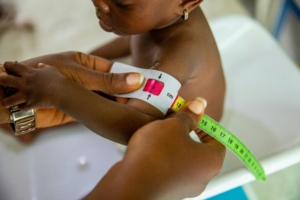
  • Medical Care and Access. Since 2021, Children International has provided more than 100,000 medical and dental services, nearly 40,000 more than in previous years. Additionally, it provided medical support to 20,000 adolescents, giving them access to addiction treatment, contraceptives and other essential services to protect their health and safety. This increased access to health care gave many lower-income families the support they needed to live healthily and adequately.
  • Education Quality and Access. Children International provides students with a wide range of educational resources, focusing on increasing school enrollment, boosting completion rates and improving learning outcomes. Since 2022, 92% of participants in a specialized course designed to help students finish school have completed it. Among youth sponsored by Children International, 99% complete their education. In addition, 150,000 children and youth have been given access to proper technology during their schooling to ensure quality education. Globally, almost two-thirds of children lack internet or technology access, making this service a powerful tool for breaking the cycle of poverty.
  • Empowerment and Quality of Life. Empowerment and Quality of Life. To lead a higher quality of life, Children International also implements many programs that help youth maintain high emotional well-being. As of 2022, the organization recorded having more than 60,000 participants in its Emotional Well-Being Program. This program aims to improve mental well-being through group settings. Its emotional support services help communities interact socially and strengthen social connections.
  • Into Employment Opportunities. As children and adolescents complete their programs with Children International, they are set up for a proper future that includes poverty relief for a lifetime. This relief includes many meaningful skill learning opportunities such as résumé writing, interview skills, job searching, job applying and other essential career skills. This training allows youth to break the cycle of poverty and gain a life that keeps improving.

A Lasting Impact

Children International aims to create connected, thriving communities for every child, family and individual. The charity allows communities to grow and prosper through programs supporting health, education and careers.

Using targeted outreach strategies, Children International works to break the cycle of poverty and provide families with lasting relief through essential resources.

– Angelina Tas

Angelina is based in Cleveland, OH, USA and focuses on Good News and Technology for The Borgen Project.

Photo: Flickr
September 2, 2025
https://borgenproject.org/wp-content/uploads/borgen-project-logo.svg 0 0 Hemant Gupta https://borgenproject.org/wp-content/uploads/borgen-project-logo.svg Hemant Gupta2025-09-02 01:30:512026-04-16 10:13:54Children International: Lasting Poverty Relief
Page 2 of 11‹1234›»

Get Smarter

  • Global Poverty 101
  • Global Poverty… The Good News
  • Global Poverty & U.S. Jobs
  • Global Poverty and National Security
  • Innovative Solutions to Poverty
  • Global Poverty & Aid FAQ’s
Search Search

Take Action

  • Call Congress
  • Email Congress
  • Donate
  • 30 Ways to Help
  • Volunteer Ops
  • Internships
  • Courses & Certificates
  • The Podcast
Borgen Project

“The Borgen Project is an incredible nonprofit organization that is addressing poverty and hunger and working towards ending them.”

-The Huffington Post

Inside The Borgen Project

  • Contact
  • About
  • Financials
  • President
  • Board of Directors
  • Board of Advisors

International Links

  • UK Email Parliament
  • UK Donate
  • Canada Email Parliament

Get Smarter

  • Global Poverty 101
  • Global Poverty… The Good News
  • Global Poverty & U.S. Jobs
  • Global Poverty and National Security
  • Innovative Solutions to Poverty
  • Global Poverty & Aid FAQ’s

Ways to Help

  • Call Congress
  • Email Congress
  • Donate
  • 30 Ways to Help
  • Volunteer Ops
  • Internships
  • Courses & Certificates
  • The Podcast
Scroll to top Scroll to top Scroll to top