• Link to X
  • Link to Facebook
  • Link to Instagram
  • Link to TikTok
  • Link to Youtube
  • About
    • About Us
      • President
      • Board of Directors
      • Board of Advisors
      • Financials
      • Our Methodology
      • Success Tracker
      • Contact
  • Act Now
    • 30 Ways to Help
      • Email Congress
      • Call Congress
      • Volunteer
      • Courses & Certificates
      • Be a Donor
    • Internships
      • In-Office Internships
      • Remote Internships
    • Legislation
      • Politics 101
  • The Blog
  • The Podcast
  • Magazine
  • Donate
  • Click to open the search input field Click to open the search input field Search
  • Menu Menu

Tag Archive for: Health Care

Posts

Global Poverty

Redeeming Redemption Hospital

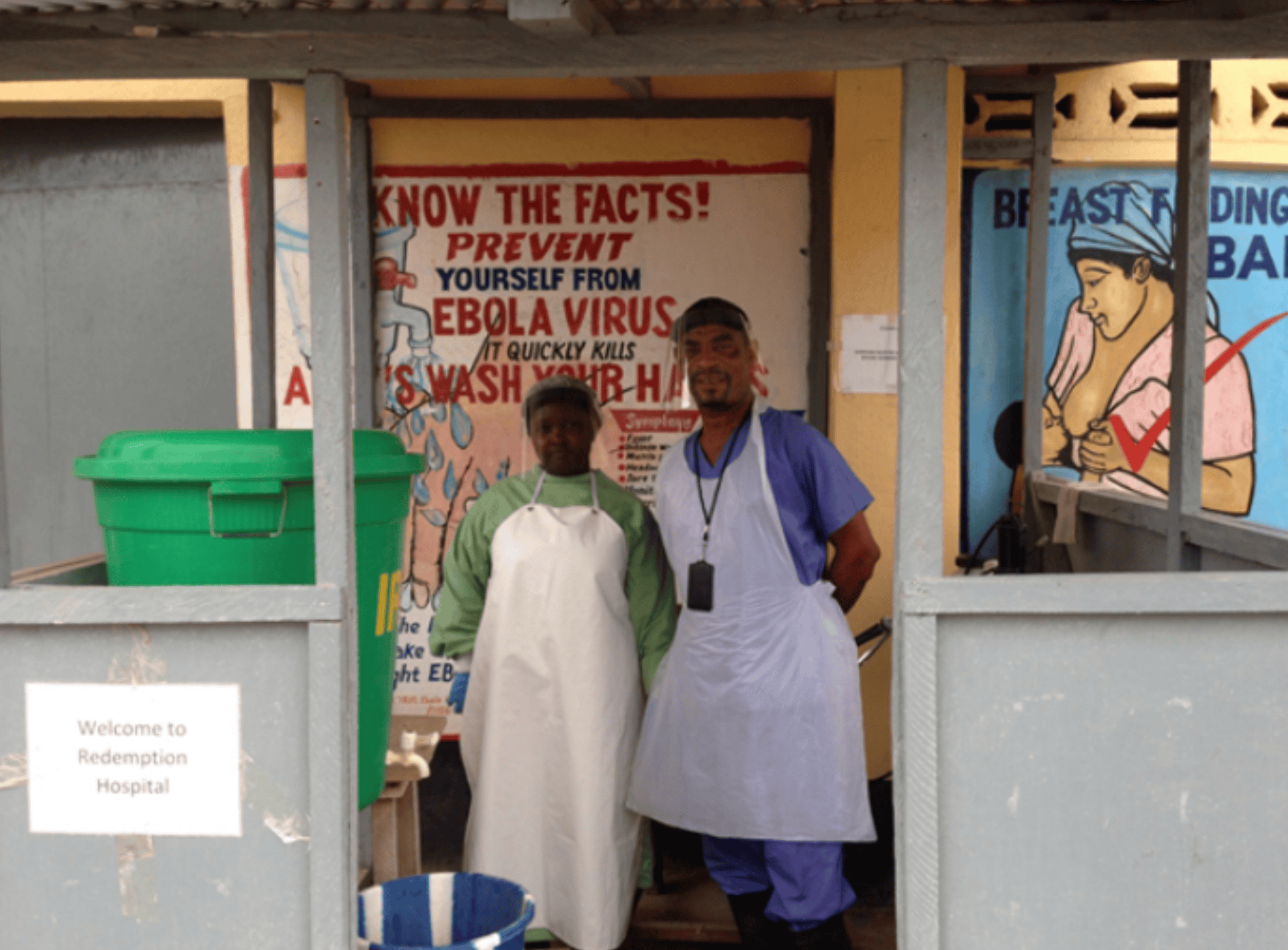
Redeeming Redemption HospitalRedemption Hospital is the only free general hospital in Liberia’s capital city. During the Ebola outbreak of 2014, it became the epicenter of the contagious virus. At its peak, the outbreak in West Africa killed 5,000 people in Liberia alone.

The hospital in Monrovia was unable to manage the flood of ill patients. It lacked adequate supplies and suffered a staff shortage after workers refused to come to work for fear of contracting the virus. In total, 12 workers at Redemption Hospital died from Ebola.

As a result, instead of quelling the outbreak, the hospital began to exacerbate it until Redemption was forced to close its doors.

Up until the Ebola disaster, the hospital was used to treating dire cases with very little resources. Liberia had just 51 doctors to treat the entire population of 4 million people. As a free hospital, the staff could not bring themselves to turn anyone away.

When Ebola hit, this did not change. Redemption had only 205 beds but they housed 400 patients, squeezing two—sometimes three—patients into a single bed. This was a lethal decision and one of the reasons that the Ebola outbreak that struck West Africa became the world’s biggest.

Ebola is known as the “caregiver’s disease” because it spreads when people take care of ill family members. Plus, often funerals in that part of the world require touching corpses still carrying the deadly virus. Because many people in West Africa do not know important aspects about the spread of contagion, many blunders were made.

With help from the USAID and the International Rescue Committee, a non-governmental organization, Redemption Hospital reopened its doors in January 2015. It has been equipped with proper supplies and staff members who are trained to adequately use them.

Each patient admitted into the hospital must undergo screening for any chance they could be sick with Ebola or other infectious illnesses. Anyone with suspicious symptoms are moved immediately to the hospital’s new isolation unit.

Staff have also been provided with proper training on how to prevent and control infectious diseases. The pediatric and emergency ward have each been renovated and new washing machines have been installed for effective disinfection. An industrial incinerator to rid of waste was added to the hospital as well.

Health care workers are hoping that Liberia is able to bounce back with similar improvements that the hospital has, with more people, more training and more preparation for a health crisis.

“This does provide an opportunity to take a big step forward,” explains Justin Pendarvis who specializes in public health with USAID.

Elizabeth Hamann was involved in the IRC’s initiate to reopen Redemption. “The same way that HIV changed the way you practice medicine in the U.S., Ebola should change the way we practice medicine here,” she says.

Liberia now has 4,000 health care workers equipped with special training and are able to work in Ebola treatment centers. Redemption Hospital now treats 1,000 people per week.

– Lillian Sickler

Sources: The Atlantic, USAID,
Photo: USAID

July 2, 2015
https://borgenproject.org/wp-content/uploads/borgen-project-logo.svg 0 0 Borgen Project https://borgenproject.org/wp-content/uploads/borgen-project-logo.svg Borgen Project2015-07-02 09:24:132020-07-14 14:07:40Redeeming Redemption Hospital
Aid Effectiveness & Reform, Health

Ebola Outbreak Sparks Debate on Aid

debate_on_aid
The Ebola outbreak in West Africa made apparent the brewing issues on healthcare aid in the region. Over the last ten years, aid traditionally allocated to West African governments transitioned toward the private sector. This has left Africa helpless in independently addressing these wide-scale problems at an institutional level, many experts say.

Private vs. Public Healthcare

The billions in aid dollars directed toward philanthropy programs and global campaigns steadily decreased disease in Africa over the last ten years. These programs typically work more on a case-by-case basis, leaving the countries battling widespread Ebola weak in their capability to respond.

This private vs. public sector debate on aid is an age-old one. Politics professor from Georgetown University, Carol Lancaster, discussed addressing global health problems in an interview with The Economist in 2009.

“Does anybody believe that the many millions of HIV/AIDS-afflicted Africans now receiving aid-funded antiretrovirals would be alive today in the absence of public aid funding the delivery of those drugs?” she asked. “Neither charities nor entrepreneurs could or would undertake such ambitious efforts to help those both poor and sick.”

On the other hand, some argue operating aid through governments results in wasted resources. Philanthropic initiatives pegged with the term “philanthrocapitalism,” has been argued to be more efficient and encourage innovation.

Philanthrocapitalism and Aid

“Coming from the business and financial world they, rather than bureaucrats, understand what it takes to build strong businesses,” said co-author of the book “Philanthrocapitalism: How the Rich Can Save the World,” Michael Green.

President of the African Development Bank, Donald Kaberuka, acknowledged the benefits of specific disease-based aid: “It was like the sweet spot, easy to sell and the results are there,” he said.

However, he argued that ultimately this strategy neglected to establish district and community hospitals or help educate local health officials, and it left countries more dependent on outside help. Aid dollars working directly through government programs will better enable these countries to coordinate an effective response, Kaberuka added.

“In a situation like this there are so many little things happening but somebody has to tie it together and that can only be a government,” he said.

Aid for the Long Term

President of the World Bank, Jim Yong Kim, agrees that there are problematic gaps in aid work. “If the outbreak had happened in Rwanda my own sense is that because they built district hospitals and community hospitals and have community health workers connected to the whole system, that we would have gotten this thing under control very quickly,” said Kim.

U.N. Secretary-General Ban Ki-Moon encouraged a 20-fold increase in international aid toward countries facing Ebola outbreaks, which he refers to as an “unforgiving” disease.

Kaberuka encourages this increased aid but warns of reverting to old strategies that funnel it away from long term solutions. It is clear, according to him, that the countries don’t just need additional funds, they need aid reform.

– Ellie Sennett

Sources: Reuters 1, Reuters 2, Al Jazeera U.S. News The Economist
Photo: Flickr

October 26, 2014
https://borgenproject.org/wp-content/uploads/borgen-project-logo.svg 0 0 Borgen Project https://borgenproject.org/wp-content/uploads/borgen-project-logo.svg Borgen Project2014-10-26 12:00:182024-05-27 09:22:56Ebola Outbreak Sparks Debate on Aid
Health

Nepal’s Health Care: A Growing Concern

Nepal's Healthcare
Nepal is ranked 157 on the World Health Organization’s 2013 Human Development Index. It is one of the toughest countries in the world to provide health care access. This is due in part to geography as Nepal is situated in the Himalayas and hosts eight of the ten tallest mountains in the world and to the inability of the government to provide adequate services.

With a 25 percent poverty rate to contend with, and a 10-year-long insurgency which spread instability throughout the country and exacerbated poverty, the people of Nepal have had to rely on international aid and community resources for health care.

One nonprofit in particular is working to improve Nepal’s health care and  harnesses the inherent reliance the people have on each other. Mark Arnoldy is the 27-year-old founder of Possible Health, an organization that works to provide health care to people in the most challenging of environments.

“We want to work through a network of partners to build a health care model such that the poor around the world can really have high quality low-cost health care regardless of where they were born,” Arnoldy explains.

Located primarily in Nepal’s rural regions, the organization has connected 173,469 Nepalese people to health care since 2008.

USAID is also working in Nepal through programs created exclusively for the country. For example, the Program for the Enhancement of Emergency Response, or PEER, helps reduce health risks after natural disasters.

Himalayan Healthcare is another nonprofit which seeks to fill in the gaps left by unstaffed and undersupplied government programs. President of the Himalayan Healthcare Board, Dr. Robert McKersie, understands the importance of community support in Nepal.

A community center is successful, explains Dr. McKersie by “having input from the local stakeholders from day number one.”

This is a philosophy that Dr. McKersie believes the U.S. could learn from as well in its debate over government involvement in health care.

Himalayan Healthcare’s co-founder, Anil Parajuli, summarizes the situation in Nepal: “Rural Nepal, almost universally, has mostly rudimentary health care services which are inadequate but still go a long way if caring village health providers are available.”

— Julianne O’Connor

Sources: World Bank 1, World Bank 2, Forbes, Business Fights Poverty

September 12, 2014
https://borgenproject.org/wp-content/uploads/borgen-project-logo.svg 0 0 Borgen Project https://borgenproject.org/wp-content/uploads/borgen-project-logo.svg Borgen Project2014-09-12 04:00:262020-07-16 21:41:22Nepal’s Health Care: A Growing Concern
Economy, Education, Foreign Aid

The Relationship Between Aid and Security

Since the end of World War II, foreign aid and national security have evolved in close proximity. Indeed, in the decade that followed, United States foreign assistance would range between 1.5 percent and 3 percent of gross domestic product (GDP.)

Since then, foreign aid has played an important role in advancing national security through several of its components: “bilateral development aid, economic assistance supporting U.S. political and security goals, humanitarian aid, multilateral economic contributions and military aid and assistance.”

However, during the Cold War, this relation began to change. As the U.S. refocused its foreign policy toward containing the Soviet Union, foreign assistance began to drop as a percentage of GDP. But still many development programs remained in place, working toward bringing about political reform and democratization. The dominant logic that political reform and development would create stable and open regimes that could resist communist ideology.

The purpose of many programs did not changed since then: expanding access to healthcare services and education, reducing infant mortality rates, reducing hunger and even protecting the environment. Following the end of the Cold War, the main purpose was refracted; by then, the main target was no longer to contain the Soviet Union but to foment development and economic growth in poor countries.

This also meant that the share of military assistance versus aid also changed. During the Cold War, almost 50 percent of the foreign aid’s budget was allocated to military assistance. By 2001, it had dropped to 24 percent. While the humanitarian and development aid budget increased from 33 percent to 46 percent. The period between the end of the Cold War and the September 11 attacks is characterized by a shift toward prioritizing economic development and opening access to healthcare and education in poor countries. Although no imminent threat existed at the time, national security consideration always remained at the heart of foreign aid.

After the attacks of September 11, this relation between national security and foreign aid changed once more. By 2005, the war on terror had the U.S. engaged in providing foreign assistance to almost 150 countries. Once more the shift was toward containment, but this time of jihadists and extremist activities. Since September 11, the region that has received the bulk of U.S. aid is the Middle East.

Despite the many ups and downs in the road of U.S. foreign aid, the world still looks to U.S. to provide leadership in response to erupting crises around the world. If we are to take a few lessons from this close relationship between aid and security, they are that no matter what the threats are, a key component of national security is a stable world and the best way to achieve is by bringing people out poverty and giving them access to healthcare and education.

Responding to crisis world wide does not have to entail military might. While development and economic aid results can be longer term than military intervention, the long history of the U.S. as a major aid contributor shows that it certainly pays off.

– Sahar Abi Hassan

Sources: Foreign Aid and Foreign Policy: Lessons for the Next Half-Century, The Foreign Policy Initiative
Photo: ForeignPolicy

June 1, 2014
https://borgenproject.org/wp-content/uploads/borgen-project-logo.svg 0 0 Borgen Project https://borgenproject.org/wp-content/uploads/borgen-project-logo.svg Borgen Project2014-06-01 14:16:112024-05-27 09:20:45The Relationship Between Aid and Security
Advocacy, Global Health, Global Poverty, Health, Human Rights

Revolutionize Healthcare, Revolutionize the World

healthcare_mental_health
In order to improve and manage community health, health advocates help organize a plethora of services ranging from health events to educational experiences. Advocates come in many different forms and settings. For instance, health advocates are generally doctors and nurses though other health advocates may come from a different professional background, such as social work. However, health advocates can also come from a background unrelated to medicine, so long as the individual is burgeoning with a passion that centers on raising awareness of health-related issues.

Individuals who work as health advocates will typically aid clients in improving their health care experience by ensuring that clients not only learn about but also have an opportunity to access available programs and resources. According to SoCal Health Advocates, individuals in this field often endeavor to improve the lives of clients by breaking down barriers that prevent people from access to quality healthcare in order to prevent serious illness or prevent relapses.

However, health advocacy is not limited to only physical health. Due to its nature of stigmatization, great effort has been expended into improving mental health advocacy as well. According to the World Health Organization, it is crucial for advocacy efforts to continue educating the public about mental illness in order to truly revolutionize not only the manner in which mental health is perceived but also improve access to mental health treatments.

As part of its mental health advocacy efforts, the WHO has created MiNDbank, an online resource that has pooled together information regarding global policies and services regarding mental health. One of the goals of MiNDbank is to facilitate open debate and discussion about mental health topics in order to promote human rights for mental health patients as well as improving the mental healthcare system as a whole.

It is imperative for advocates to work towards eliminating the stigma and ignorance regarding mental illness, particularly since individuals with mental disabilities are subject to maltreatment and discrimination on a daily basis. Unfortunately, in many parts of the world, legal institutions have been unable to protect the basic human rights of these individuals.

Although the United States struggles with the burden of a stigmatized and under-funded mental healthcare system, many countries, lack adequate mental health facilities due to even greater stigma and a general lack of awareness. Therefore, mental health advocates strive to inform society about mental illness in order to reverse the disagreeable image of mental health patients, and ultimately, construct a more efficient, more understanding and more accessible global mental healthcare system.

– Phoebe Pradhan

Sources: SoCal Health Advocates, World Health Organization
Photo: IIR Healthcare

January 24, 2014
https://borgenproject.org/wp-content/uploads/borgen-project-logo.svg 0 0 Borgen Project https://borgenproject.org/wp-content/uploads/borgen-project-logo.svg Borgen Project2014-01-24 08:33:312024-05-26 23:06:32Revolutionize Healthcare, Revolutionize the World
Global Poverty

Poverty in Mozambique: Challenges and Hope

Poverty in Mozambique

Mozambique is a vibrant and scenic country in Southeastern Africa with a population of nearly 30 million people. The nation has abundant natural resources and its coastal location provides strategic access to the maritime economy. After attaining independence in 1975, Mozambique fractured during the Mozambican Civil War, displacing nearly five million people and driving up the rate of poverty in Mozambique. Although the war ended in 1992, violence and instability greatly set back the nation’s economic development.

Despite facing tremendous adversity, Mozambique has made great progress in poverty reduction. The nation has decreased infant and maternal mortality and increased life expectancy as well as access to education, water and electricity. Over the last 15 years, the nation has reduced its multidimensional poverty rates from 92.8% to 71%, and its Human Development Index (HDI) has increased from 0.217 in 1990 to 0.446 in 2018. Mozambique has great potential, although almost 50% of its population continues to struggle with poverty. Mozambique still faces a variety of challenges as they strive to reduce poverty further, but innovative solutions provide hope for a brighter future.

Natural Disasters

Increasing disaster preparedness is central to combating poverty in Mozambique. The country is incredibly prone to natural disasters and experiences an average of one large-scale disaster every year. In 2019, two strong tropical cyclones hit Mozambique only six weeks apart from one another. The natural disasters left approximately 1.85 million people in need of urgent humanitarian assistance and had catastrophic effects on the nation’s development. In 2017, the Mozambique government established The National Disaster Risk Reduction Master Plan (PDRRD) to reduce risk, loss of lives and impact on infrastructure. Increasing funding and resources for this disaster management plan will help protect the most vulnerable from natural disasters and keep Mozambique on the development track.

Income Inequality

Combating inequality remains a key challenge to Mozambique’s development. Newfound growth has not been shared by all, as poverty continues to plague the country’s rural population. Welfare levels diverge greatly from the urban south to the rural north, largely due to increased connectedness to job markets in urban areas. Many rural Mozambicans remain stuck in a cycle of poverty because they are cut off from the larger economic landscape. The International Fund for Agricultural Development is working to fix this dilemma with its Rural Enterprise Finance Project. The initiative is dedicated to improving national and regional access for nearly 300,000 rural people involved in agriculture, fisheries and small to medium-sized enterprises.

Agriculture and Natural Resources

Investing in the agricultural and informal sectors helps support the rural poor and equalize welfare. Agriculture plays a vital role in reducing poverty, as it raises the income of farmers and lowers national food prices. Almost 80% of Mozambique’s population works in the agricultural sector, which accounts for nearly 25% of its GDP. However, low productivity has impeded farmers’ efforts to transition out of poverty.

Key inputs such as fertilizer can increase a farmer’s yield by nearly 40%, and higher connectivity links rural farmers to larger markets. The World Bank’s Agricultural Productivity Program for Southern Africa is working to increase the availability of agricultural technologies across the region and has aided more than one million Mozambicans throughout its seven-year existence.

Mozambique has an abundance of natural resources, particularly energy and minerals, and is home to the third-largest natural gas reserves in Africa. Extensive development in the extractive industry has led to economic growth in recent years, and the sector contributed 19.47% of the nation’s GDP in 2017. Although Mozambique’s economy slowed in 2019 due to a declining coal industry and infrastructure damage from cyclones, it is expected to revive by 2024 as natural gas production is established.

Tourism

Mozambique has become one of the fastest-growing travel destinations in Africa, so tourist sector growth is pivotal in reducing poverty levels. Tourists enjoy extensive safari parks, beautiful beaches and rich culture, yet specialists have concluded that Mozambique has not fully utilized its potential. The International Finance Corporation (IFC) is helping to grow Mozambique’s tourism sector to create employment opportunities for the nation’s poor. The IFC has made legal material on the country’s tourism industry free for potential investors and is working to sustainably develop Mozambique’s natural sights and biodiversity-rich areas.

Equal Opportunities

Investing in people—especially women—can transform Mozambique’s human capital and dramatically increase prosperity. Providing equal access to education, sanitation, electricity and health services helps combat inequality and creates opportunities for the rural poor and women of Mozambique. Women and girls are less likely to escape poverty and attain education and employment in comparison to their male counterparts. Reducing female drop-out-rates poses a great challenge to the educational sector. Although 94% of girls enroll in primary school, over half drop out by the fifth grade.

A USAID-funded project called Nikhalamo (translating to “I am here to stay” in the Chuabo language) is working to reduce Mozambique’s female dropout rate by improving learning opportunities for girls and young women. Nikhalamo provides education and life-skills programs, community engagement and mentoring in the Namacurra district. The project continues to expand each year.

Mozambique has made astounding accomplishments in combating poverty. Since the 1990s, infrastructure development, increased access to essential services and economic growth have contributed to poverty reduction and improved quality of life. However, the economic effects of the COVID-19 pandemic threaten progress, especially as Mozambique continues to recover from the devastating cyclones in 2019. Social safety nets during the pandemic will be key to protecting the labor force, avoiding food insecurity, maintaining school enrollment, and thereby reducing poverty in Mozambique.

– Claire Brenner
Photo: Flickr

July 8, 2013
https://borgenproject.org/wp-content/uploads/borgen-project-logo.svg 0 0 Borgen Project https://borgenproject.org/wp-content/uploads/borgen-project-logo.svg Borgen Project2013-07-08 04:00:162024-06-10 03:29:18Poverty in Mozambique: Challenges and Hope
Advocacy, Aid Effectiveness & Reform, Health, Women and Female Empowerment

Mobile Technology for Women is a Global Development Must

rsz_1mother
Closing the gender gap is high on the priorities of those working in global development and one way to accomplish this is through increasing the availability of mobile technology to women according to Patricia Mechael, Executive Director of mHealthAlliance.  In her years working in global health and development, she saw first hand the realities of poverty and gender inequality. The social status of women has a negative effect on their health and ability to care for their families. Problems such as maternal mortality and unintended pregnancies are often the result of poor maternal health care and poor gender representation in countries.

Mobile technology is working to reduce the gender gap and provide women around the globe a chance at a healthy life. Women who would force abortions to save themselves from another mouth to feed now have access to vital family planning information and commodities through the increase of mobile technology. While less than a decade ago, the mobile penetration rate was in the single digits among low-income nations, today reports indicate it stands at 89%.  The digital divide is shrinking between low and high-income nations, but women are still 21% less likely to own a mobile device compared to men. Millennium Development Goal #3 is to promote gender equality and empower women and providing them with mobile technology is a way to get closer to accomplishing that goal.

Beyond meeting MDG3, mobile technology is key in accomplishing MDG5, improving maternal health. The mHealth Alliance and the World Health Organization have worked to bring about mobile technology to improve maternal health. These projects use a variety of mobile technologies to provide everything from information about vaccines to improving access to essential medicine through reducing depletion of stock.

The advances in mobile technology have come a long way and will continue to be essential to promoting global development and accomplishing the MDGs.  In addition, Mechael is working with her company to come up with ways to further include women in the development and discussion of mobile technology and applications to serve and assist them.

– Amanda Kloeppel
Source: Forbes
Photo: WAHA

May 28, 2013
https://borgenproject.org/wp-content/uploads/borgen-project-logo.svg 0 0 Borgen Project https://borgenproject.org/wp-content/uploads/borgen-project-logo.svg Borgen Project2013-05-28 04:00:352024-12-13 17:49:21Mobile Technology for Women is a Global Development Must
Page 11 of 11«‹91011

Get Smarter

  • Global Poverty 101
  • Global Poverty… The Good News
  • Global Poverty & U.S. Jobs
  • Global Poverty and National Security
  • Innovative Solutions to Poverty
  • Global Poverty & Aid FAQ’s
Search Search

Take Action

  • Call Congress
  • Email Congress
  • Donate
  • 30 Ways to Help
  • Volunteer Ops
  • Internships
  • Courses & Certificates
  • The Podcast
Borgen Project

“The Borgen Project is an incredible nonprofit organization that is addressing poverty and hunger and working towards ending them.”

-The Huffington Post

Inside The Borgen Project

  • Contact
  • About
  • Financials
  • President
  • Board of Directors
  • Board of Advisors

International Links

  • UK Email Parliament
  • UK Donate
  • Canada Email Parliament

Get Smarter

  • Global Poverty 101
  • Global Poverty… The Good News
  • Global Poverty & U.S. Jobs
  • Global Poverty and National Security
  • Innovative Solutions to Poverty
  • Global Poverty & Aid FAQ’s

Ways to Help

  • Call Congress
  • Email Congress
  • Donate
  • 30 Ways to Help
  • Volunteer Ops
  • Internships
  • Courses & Certificates
  • The Podcast
Scroll to top Scroll to top Scroll to top