• Link to X
  • Link to Facebook
  • Link to Instagram
  • Link to TikTok
  • Link to Youtube
  • About
    • About Us
      • President
      • Board of Directors
      • Board of Advisors
      • Financials
      • Our Methodology
      • Success Tracker
      • Contact
  • Act Now
    • 30 Ways to Help
      • Email Congress
      • Call Congress
      • Volunteer
      • Courses & Certificates
      • Be a Donor
    • Internships
      • In-Office Internships
      • Remote Internships
    • Legislation
      • Politics 101
  • The Blog
  • The Podcast
  • Magazine
  • Donate
  • Click to open the search input field Click to open the search input field Search
  • Menu Menu

Tag Archive for: financial aid

Posts

Global Poverty, Refugees

Life, Community and Poverty in Al-Qalamoun

Poverty in Al-QalamounIn a small region in Lebanon, between the mountains and the sea, lies the town of Al-Qalamoun. Al-Qalamoun is located in northern Lebanon, in the Tripoli district of the North Governorate. It is home to around 4,000 Lebanese citizens and also welcomes refugees from Syria and Palestine.

The town’s supportiveness is discussed in The Borgen Project’s interview with one of the town’s most famous women, who noted that Al-Qalamoun is very hospitable. She also described life in the town, touching on poverty, its consequences and especially the supportive community of Al-Qalamoun.

Poverty in Al-Qalamoun

There have been some changes in this town over the last few years that continue to the present. Education is no longer given the same value it once was. A witness to this change states that the level of public schools has decreased. Before, only a few parents placed their children in private schools, while the rest trusted public schools. They all cared about guaranteeing a good education for their children.

However, in this modern age, parents struggle to afford the fees to enroll their children in private schools. This has demotivated some parents and led them to neglect the importance of education. This poses a threat to the future of the town’s new generation. The possible future of this is intertwined with the town’s job market. 

According to Baynetna Media, the job market is in a “deep crisis.” There are many jobless people despite the town’s large potential. Jobs could be created due to the rich harvest linked to olives, oranges and floral water. However, many young adults did not attend college and therefore have not acquired a high level of education. 

The interviewee explains how this disrupts the marriage market: “Poverty affects the marriage market.” Interestingly, although the town is quite populated, the number of marriages is diminishing. As some families are more impoverished than others, some young adults in Lebanon do not have a clear career path. Especially in this town, they either travel to another country to work in a clothing store or a restaurant or they do not work at all. This leads some of them to grow up with no prospects and, thus, no marriage potential. The lack of education leaves them unable to secure a job.

Baynetna Media highlights that the youth are most affected by the Lebanese labor market. Additionally, the instability of the Lebanese dollar rate plays a significant role in poverty. This prompts people living in urban areas like Al-Qalamoun to “rely on informal and casual employment” to stay afloat. Studies show that “The Lebanese pound ranks as the weakest currency in the world in 2026.” Therefore, even employed citizens suffer from the country’s fragile economy.

An Attempt To Prevent Poverty in Al-Qalamoun

The issue in Al-Qalamoun is a scarcity of jobs in the town itself. Therefore, people seek jobs outside the town. An expert on the town explains, “Money is being spent while making money.” In other words, people spend money on gas or other necessities to work outside the town. However, despite the challenges of finding a job, this does not mean the town’s residents are divided. 

On the contrary, whenever people are made aware of who is in need, they immediately raise awareness. This is done through a WhatsApp channel created for residents, of which all are part. Through this channel, announcements are published and whoever has the capacity to help does so. Additionally, the interviewee expressed how proud she is of the medical community, especially the Red Cross. 

She explained that back in the day, when her mother needed help, they would have to wait for ages. However, nowadays, the Red Cross is very active in Al-Qalamoun. The Lebanese Red Cross is highly significant, as it helps citizens with whatever emergencies they are facing. It makes every effort to help in times of crisis.

Furthermore, there is a significant community group that distributes food every month called the Ibad Al Rahman Association. It is reliable and of great help to people in need. In addition, it is especially active during the holidays. Another example of the stable aid available in this town is the money sent by relatives living abroad. 

In Lebanon, people who travel abroad often try their best to provide their families back home with as much financial help as they can. As a result, in Al-Qalamoun, a significant portion of the support provided comes from individuals who no longer reside in the area. They try to lessen the financial burden of their loved ones. 

The town of Al-Qalamoun is itself an underserved region, in that much of its funding comes from outside. However, that does not mean it is declining. In reality, the support offered by these communities and relatives abroad helps the town’s residents stay afloat.

Moving Forward

Al-Qalamoun is built on a community full of love and support. This support comes from inside and outside the town, showing the impact of its generous and welcoming residents. The interviewee, who has lived there her whole life, offers insight into what poverty looks like in Al-Qalamoun. However, despite the turmoil in Lebanese lives, no one gives up on one another. Together, the town’s residents make sure no one is left behind as they work to ease the financial burden on people’s backs. 

– Lara Ibrahim

Lara is based in Créteil, France and focuses on Technology and Global Health for The Borgen Project.

Photo: Wikimedia
May 10, 2026
https://borgenproject.org/wp-content/uploads/borgen-project-logo.svg 0 0 Hemant Gupta https://borgenproject.org/wp-content/uploads/borgen-project-logo.svg Hemant Gupta2026-05-10 10:49:042026-05-10 10:49:04Life, Community and Poverty in Al-Qalamoun
Government, Poverty Reduction

Bangladesh’s Family Card: A New Approach to Poverty Reduction

Bangladesh's Family CardBangladesh’s family card program is a new government initiative launched on March 10, 2026, designed to provide direct financial assistance and essential goods to low-income households. Developed by the Ministry of Social Welfare, the program is designed as a digital, database-driven system that identifies and supports vulnerable families through a single platform.

Unlike traditional welfare schemes that often focus on individuals, the government built this program on the principle that families are the core unit of development. This means that assistance is distributed at the household level, reflecting how economic hardship, food insecurity and health challenges are experienced collectively.

A Unified Social Protection System

One of the key features of the family card program is its role in unifying Bangladesh’s social protection system. In the past, welfare support was often delivered through multiple programs across different ministries, leading to duplication, inefficiencies and gaps in coverage. The program addresses this by integrating various forms of assistance, such as cash transfers and subsidized goods, into one system.

This centralized approach allows the government to maintain a single database of beneficiaries, improving coordination and ensuring that support reaches the intended households. The system also uses digital tools, including national ID integration and QR-enabled cards, to verify beneficiaries and track distribution. These features help streamline the delivery process and reduce administrative barriers. 

This makes it easier for families to access support without having to navigate multiple programs. Over time, the government aims to expand this model into a broader “Universal Social ID Card,” which could serve as a foundation for delivering a wide range of public services through a single, integrated platform. 

Who Benefits From the Program?

The family card program is designed to support economically vulnerable households across Bangladesh, particularly those with unstable incomes or limited access to basic resources. These include rural families, day laborers and households affected by rising living costs. Eligibility is determined through a structured selection process that uses a proxy means test (PMT) and door-to-door data collection. 

This approach evaluates factors such as income level, housing conditions and household size to identify those most in need. During the pilot phase, approximately 6,500 families across multiple districts were selected to receive benefits. The government plans to expand the program gradually, with a long-term goal of reaching up to 20 million families nationwide.

This phased rollout allows the program to test its systems and improve implementation while steadily increasing its reach. 

Delivering Direct Support

A defining feature of the family card program is its use of direct digital payments. Each enrolled household receives a monthly transfer, typically between $16.31 and $20.38, delivered through mobile financial services or bank accounts. This method reduces reliance on intermediaries and helps ensure that funds are delivered quickly and securely. 

Beneficiaries are notified digitally and in most cases, funds are deposited directly into their accounts without the need to visit government offices. In addition to financial assistance, the family card also provides access to subsidized essential goods such as rice, oil and lentils. By combining cash transfers with food support, the program helps households manage both income shortages and rising food prices.

The cards themselves feature modern elements such as QR codes and digital identification systems, enabling efficient verification and use across different services.

Potential Impact on Poverty

The family card program has the potential to significantly reduce poverty in Bangladesh by providing regular income support to vulnerable households. Regular cash transfers help families meet basic needs such as food, housing and health care, while also offering greater financial stability. This predictability is particularly important for households with irregular incomes, as it allows them to plan their spending and avoid falling deeper into poverty.

Furthermore, the combination of financial support and subsidized goods addresses both income and consumption challenges. By lowering the cost of essential items and increasing household purchasing power, the program supports household-level economic resilience. As the program expands toward its target of millions of families, it represents a large-scale effort to strengthen Bangladesh’s social safety net and improve living conditions for those most in need.

Looking Ahead

Bangladesh’s family card program reflects a broader shift toward digital governance and integrated social protection. By combining technology, centralized data and direct transfers, the initiative aims to create a more efficient and accessible support system. With plans to expand coverage nationwide and integrate additional services over time, the program could become a cornerstone of the country’s welfare infrastructure. 

Its emphasis on coordination and scalability positions it as a model for how developing countries can modernize social protection systems to better serve vulnerable populations. 

– Annie Hodgkinson

 Annie is based in Liverpool, UK and focuses on Good News for The Borgen Project.

Photo: Flickr

April 21, 2026
https://borgenproject.org/wp-content/uploads/borgen-project-logo.svg 0 0 Hemant Gupta https://borgenproject.org/wp-content/uploads/borgen-project-logo.svg Hemant Gupta2026-04-21 07:30:122026-04-21 01:54:21Bangladesh’s Family Card: A New Approach to Poverty Reduction
Poverty Eradication, Poverty Reduction

EU Anti-Poverty Strategy: Ending Structural Poverty in Cyprus

Poverty in CyprusRecent progress in reducing poverty in Cyprus reflects a broader shift in social policy across the European Union (EU). The EU is developing its first comprehensive Anti-Poverty Strategy. The European Commission and the European Parliament support the initiative as a framework to address structural poverty across member states, including Cyprus.

A New European Framework To Tackle Poverty

In 2025–26, the European Commission began drafting the EU’s first Anti-Poverty Strategy. It launched a public consultation to guide the policy. The initiative aims to “provide essential protection to people [who] need it the most and tackle the root causes” of poverty.

The strategy forms part of a wider social investment agenda based on the European Pillar of Social Rights. The EU has set a target to reduce the number of people at risk of poverty or social exclusion by at least 15 million by 2030, including five million children. Cyprus has supported this agenda at the EU level. 

The government has advocated coordinated policies on child poverty, access to services and social inclusion. These priorities align with domestic policies such as free school meals and education support for vulnerable children.

Has the EU Strategy Been Effective?

The EU has not yet finalized the Anti-Poverty Strategy. Implementation will begin after formal adoption. However, recent EU data shows gradual progress in reducing poverty risks. A European Parliament briefing reports that the number of people at risk of poverty or social exclusion declined slightly from 95.3 million in 2022 to 94.6 million in 2023. 

Despite this progress, poverty still affects about 21% of the EU’s population; children remain especially vulnerable. In 2024, about 24.2% of children in the EU were at risk of poverty or social exclusion. This trend highlights the need for targeted policies such as the EU Anti-Poverty Strategy and the European Child Guarantee.

Civil society groups support the strategy’s direction. Many organizations are urging EU institutions to secure strong funding and ensure clear, enforceable implementation. They also call for policies that address housing, education, health care and social exclusion alongside income support.

Advocates stress that poverty policy must tackle structural drivers, not just provide short-term relief. This approach aligns with The Borgen Project’s emphasis on long-term poverty reduction.

Poverty in Cyprus

For Cyprus, the EU Anti-Poverty Strategy provides policy coordination and financial support that strengthen national programs. Cyprus has already reduced child poverty rates, including a decline from 16.7% in 2023 to 14.8% in 2024. The country has also expanded school meal programs and education support initiatives.

These policies align with EU priorities that emphasize early intervention and access to essential services. The European Child Guarantee strengthens this approach by ensuring that children in need have access to health care, education and adequate nutrition. The EU strategy also reframes poverty as a structural challenge rather than only a lack of income. 

It promotes policies that support social protection, quality employment and access to essential services. Cyprus has increasingly adopted this approach through ongoing social policy reforms that prioritize long-term social investment.

Looking Forward

The EU has committed to eradicating poverty by 2050, placing long-term structural reform at the center of its social policy agenda. The strategy’s success will depend on sustained funding, effective implementation and strong coordination among member states. The initiative signals a clear shift in EU policy. 

European institutions are advancing poverty reduction through coordinated strategies that prioritize inclusion, dignity and structural change. Cyprus appears increasingly aligned with this direction as it continues to expand its social investment policies.

– Demetra Mykoniatis

Demetra is based in the United Kingdom and focuses on Politics for The Borgen Project.

Photo: Flickr

March 8, 2026
https://borgenproject.org/wp-content/uploads/borgen-project-logo.svg 0 0 Hemant Gupta https://borgenproject.org/wp-content/uploads/borgen-project-logo.svg Hemant Gupta2026-03-08 01:30:092026-03-07 02:49:44EU Anti-Poverty Strategy: Ending Structural Poverty in Cyprus
Global Poverty, Government

Beyond a Paradise: The Reality of Poverty in Seychelles

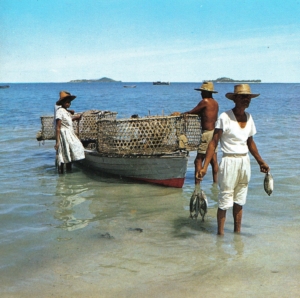
Poverty in SeychellesSeychelles is an idyllic tourist destination in the Western Indian Ocean off the coast of Africa, with its turquoise ocean water, luxury resorts and luscious landscapes. Underneath that is a persistent issue that the population of Seychelles faces: continued poverty. Many of the nation’s residents struggle daily with living costs, unemployment and basic services.

While Seychelles ranks lower than many countries with poverty on a global standard, the reality for many Seychellois is more complex than average statistics. 

The Reality and the Numbers

A report released in 2021 by the National Bureau of Statistics and the World Bank claimed that “25.3% of the population in Seychelles was living below the national poverty line in 2018.” The monetary amount they used to determine the poverty line was SCR 4,376 per month (about $206).

Aside from the monetary aspect, a Multidimensional Poverty Index (MPI) survey was done in 2019. It found that 11.88% of Seychellois are multidimensionally poor. Indeed, they’re not just deprived monetarily, they are being deprived of multiple areas like education, employment and health care.

Although these numbers are much lower than other poverty averages seen in many other nations, due to the small population, it is a reality for a big minority. Not only do money and unemployment add to the poverty line, but the rising cost of living and continued hardships affect many as well.

Who Is Most Affected

Larger family households are much more likely to be multidimensionally poor. The MPI counted more than 30% of large family households in this category, compared to under 5% of small family households.

The unemployed face very high vulnerability. More than 57% of those without employment were identified as multidimensionally poor. Populations with lower or no education have much higher rates of deprivation.

Government Safety Nets and Help

The Seychellois government has tried to arrange safety nets to address these issues and bring change:

  • Social Protection: In 2021, the World Bank gave Seychelles a $30 million credit to improve effectiveness and coordination in programs ranging from disability aid and pensions to welfare for orphans.
  • Welfare Assistance: The Agency for Social Protection (ASP) provides welfare to households unable to meet basic needs.
  • Increase in Benefits: In 2022, welfare allowances for families and individuals were increased to help with the rising cost of living.
  • Temporary Financial Aid: Workers earning below certain thresholds are eligible for extra monthly support, as are elderly individuals with electricity bills in their name.
  • Electricity Rebates: The ASP offers rebates on electricity tariffs for many low-income families and has simplified the application process by reducing documentation requirements.

Challenges and Limitations Remain

Despite NGOs and government support, poverty in Seychelles has not yet been solved. Many challenges and limitations remain:

  • Rising Cost of Living: Purchasing power is limited even with monetary assistance. Basic costs such as housing, utilities and food remain a struggle.
  • Fragmented Program Delivery: While many social programs exist, their implementation is fragmented, with varying levels of coordination, awareness and effectiveness.
  • Eligibility Gaps: Not everyone qualifies for assistance. Workers, particularly in the tourism sector, are excluded from certain benefits and were hit especially hard after COVID-19.

Conclusion

Poverty in Seychelles may be less visible than in many other nations. However, it remains a persistent issue for most of the population. While monetary poverty has declined and many live above extreme thresholds, multidimensional poverty is still widespread. The government’s safety nets are making important strides. However, until these programs adapt more effectively to rising costs and ensure equitable access, many people in Seychelles will continue to live in poverty.

– Brody L. Gates

Brody is based in Fort Worth, TX, USA and focuses on Good News and Politics for The Borgen Project.

Photo: Wikimedia Commons
September 30, 2025
https://borgenproject.org/wp-content/uploads/borgen-project-logo.svg 0 0 Hemant Gupta https://borgenproject.org/wp-content/uploads/borgen-project-logo.svg Hemant Gupta2025-09-30 07:30:172025-09-30 06:29:41Beyond a Paradise: The Reality of Poverty in Seychelles
Developing Countries, Development, Education, Global Poverty

Education Reforms in Mexico

Education Reforms in MexicoIn the late ’80s and early ’90s, then-President Carlos Salinas de Gortari launched a nationwide program to modernize Mexico’s education system. He aimed to achieve this by improving textbooks and reforming the curriculum, all while continuing to work to close the equity gap. Since then, successive administrations have attempted various methods of improving educational outcomes, including the expansion of public universities and the establishment of compulsory basic education.

The current President of Mexico, Claudia Sheinbaum, took office in late 2024 and has since introduced a series of education reforms. These education reforms in Mexico fall under the Comprehensive Plan of the National Baccalaureate System, part of the New Mexican School framework originally developed by former President Andrés Manuel López Obrador. The plan is built on three core pillars:

  1. Comprehensive strengthening
  2. Integration
  3. Expansion

Comprehensive Strengthening

Sheinbaum aims to modernize the curriculum through conversations with educators and the establishment of educational equity programs. To achieve these goals, her administration would implement two programs: the Benito Juarez Universal Scholarship and the extension of the School is Ours program.

The Benito Juarez Universal Scholarship encourages students to enroll in upper secondary school by providing financial support to more than 5.6 million secondary school students. In the same vein, Sheinbaum plans to invest around 4.6 billion pesos (about $243 million) into the School is Ours program, which will ultimately benefit more than 6,000 schools nationwide by improving educator salaries and encouraging community involvement.

Integration

In addition to providing scholarships, the plan consolidates the existing 31 systems of secondary education into two: the National General Baccalaureate and the General Technological Baccalaureate. The unification brings about various benefits, including the reduction of administrative barriers when transferring between schools, easier transfer processes for students and teachers and equity in the quality of education.

As a part of the plan, the two systems of education will be validated by the National Polytechnic Institute and the National Technological Institute of Mexico, thus simplifying the transition between secondary and higher education.

Expansion

Sheinbaum hopes to expand educational offerings throughout the nation in an effort to increase equity and access. Through the plan, her administration sets forward to create 37,500 new spaces for students in upper secondary schools. She plans to achieve this by erecting 20 new high school campuses and expanding 30 already-existent but high-in-demand campuses.

In addition, 35 secondary schools that currently only offer morning classes will be converted to afternoon and evening schools, allowing more students to attend at flexible hours. By the end of six years, Sheinbaum hopes to have created more than 100,000 high school spots and 330,000 university slots.

Final Remarks

Though Sheinbaum has only been in office for a few months, her administration has made tangible progress in expanding educational access. With her six-year plan in action, she seeks to create an education system built on unity and equity. Suppose she continues to progress as she has in these past months. In that case, Mexico is on the way to ensuring quality education for its people.

– Ariana Wang

Ariana is based in Dallas, TX, USA and focuses on Technology and Solutions for The Borgen Project.

Photo: Unsplash

August 10, 2025
https://borgenproject.org/wp-content/uploads/borgen-project-logo.svg 0 0 Hemant Gupta https://borgenproject.org/wp-content/uploads/borgen-project-logo.svg Hemant Gupta2025-08-10 03:00:302025-08-09 23:36:23Education Reforms in Mexico
Aid, Global Poverty, Poverty Reduction

Catalonia’s UBI Program: A Bold Strategy for Poverty Reduction

Catalonia’s UBI ProgramIn 2024, Catalonia launched one of Europe’s most ambitious Universal Basic Income (UBI) initiatives. The year 2025 marks the first full year of its UBI pilot program, with 5,000 residents receiving unconditional monthly payments of $906 for adults and $400 for children. Catalonia’s UBI program reflects a growing interest in new economic security solutions across Europe. It aims to reduce poverty while improving mental health and employment flexibility.

The Government of Catalonia tasked the Office of the Pilot Plan for UBI with managing the two-year experiment. The team selected the 5,000 participants from two groups: 2,500 randomly chosen across Catalonia and 2,500 residents of two lower-income villages. The pilot aims to assess the effects of unconditional cash distributions on various social and economic outcomes, which do not replace any existing benefits. This approach allows for a comparative analysis to determine the true efficacy of unconditional income in improving social and economic conditions.

Results Are Yet To Be Seen

The Catalan government has not released any official outcome data. A comprehensive evaluation of Catalonia’s UBI program will occur in 2026 when researchers assess income changes, employment, health and well-being across recipients and a designated control group. Sociologist Sergi Raventós, who initially implemented the program, emphasized, “This is the first time something like this has been done anywhere in the world.”

In an interview with InfoLibre, Raventós spoke about his belief that UBI should serve as a central redistributive tool for the 21st-century welfare state. He has also previously stated that recipients of UBI often report lower stress and greater freedom to make meaningful life decisions. Results from other UBI programs back up this assertion. However, given the novelty of Catalonia’s pilot program, such results remain impossible to predict before the release of official data.

Learning From Global Examples

Catalonia’s UBI program builds on lessons from earlier UBI trials around the world. From 2017 to 2018, Finland tested a UBI pilot that gave 2,000 unemployed people $635 monthly. Although the funds didn’t significantly impact employment rates, participants experienced reduced anxiety, higher life satisfaction and increased confidence. Many used the income to invest in personal projects, such as starting businesses, volunteering or focusing on education.

Similarly, in the United States, the SEED program in Stockton, California, gave 125 people $500 per month for two years. Recipients found full-time jobs at double the rate of non-recipients and reported improved emotional health. These findings suggest that UBI can enhance well-being, even without major effects on employment outcomes.

However, Catalonia’s pilot program is unique in its effort’s scale and duration. The program includes a larger sample size, higher monthly payments and a design that reaches urban and rural communities. The Catalan team is also collaborating with academics to ensure rigorous evaluation to help determine whether UBI improves recipients’ quality of life across various metrics.

Implications for Global Poverty Strategy

The results of Catalonia’s UBI program may likely influence poverty policy across the globe. Governments in South Korea, Kenya and Brazil have also explored unconditional payments, though few programs match Catalonia’s scope.

The Catalan program’s results will provide more substantive data on whether direct cash support helps people escape cycles of low-income instability. As cost-of-living crises grow worldwide, Catalonia’s experiment could change how countries think about poverty, security and the role of government in economic planning and dignity.

– Kelsey Eisen

Kelsey is based in San Francisco, CA, USA and focuses on Business and Politics for The Borgen Project.

Photo: Flickr

May 20, 2025
https://borgenproject.org/wp-content/uploads/borgen-project-logo.svg 0 0 Hemant Gupta https://borgenproject.org/wp-content/uploads/borgen-project-logo.svg Hemant Gupta2025-05-20 01:30:182025-05-20 01:11:38Catalonia’s UBI Program: A Bold Strategy for Poverty Reduction
Development, Education, Global Poverty

Higher Education in Trinidad and Tobago

Higher Education in Trinidad and TobagoHigher education in Trinidad and Tobago stands at a critical crossroads, balancing its legacy of expanded access with the urgent need for reform. The role of universities and tertiary institutions has never been more pivotal in shaping the country’s future.

Overview of the Higher Education System

These institutions offer various programs in engineering, law, education, medicine and business, from associate degrees to doctoral studies. Many universities have also developed research initiatives to address local and regional challenges, including climate emergency, public health and economic diversification. Despite these positive developments, Trinidad and Tobago’s higher education sector struggles with issues related to outdated curricula and insufficient alignment with the evolving needs of industries.

For instance, while there has been a rise in demand for Science, Technology, Engineering and Mathematics (STEM)-related qualifications, other fields, such as the humanities, may not be adequately supported or emphasized in the curriculum. The government has historically supported access through initiatives like the Government Assistance for Tuition Expenses (GATE) program, which subsidizes tuition costs for citizens. This has led to higher enrollment rates and increased access, especially among underrepresented groups. However, there are still significant gaps in ensuring equitable access to all.

Current Challenges Facing the Sector

One of the most pressing issues facing higher education in Trinidad and Tobago is funding. In recent years, government budget hampering has led to reductions in the GATE program. This cornerstone policy once made higher education widely accessible to citizens. These cutbacks have particularly affected lower-income students, creating new barriers to entry and forcing many to either delay their education or seek other options.

This situation threatens to widen social inequality and reduce the country’s ability to develop a skilled and educated workforce. Additionally, institutions face increasing pressure to maintain high-quality education amid limited financial resources.

Future Directions for Strengthening Higher Education

The future of higher education in Trinidad and Tobago will depend on its ability to adapt to changing economic, technological and social conditions. Various experts suggest that ongoing reforms are essential to addressing current challenges, such as funding constraints, curriculum updates and the need for increased alignment between education and the labor market.

Several key strategies have been proposed for strengthening the sector. These include updating academic programs to incorporate more technical, vocational and entrepreneurial training to meet the demands of emerging industries. Moreover, experts highlight the importance of providing more targeted financial aid to ensure equitable access, especially for students from lower-income backgrounds.

Final Remarks

Higher education in Trinidad and Tobago remains a powerful tool for national progress. Yet, it has to evolve to meet the challenges of a rapidly changing world. While past efforts such as the GATE program have broadened access and improved enrollment, economic pressures, quality concerns and graduate employability issues now demand a strategic, forward-looking response.

– Glenn Brown III

Glenn is based in Smyrna, GA, USA and focuses on Business and Technology for The Borgen Project.

Photo: Unsplash

May 18, 2025
https://borgenproject.org/wp-content/uploads/borgen-project-logo.svg 0 0 Hemant Gupta https://borgenproject.org/wp-content/uploads/borgen-project-logo.svg Hemant Gupta2025-05-18 01:30:582025-05-18 00:42:29Higher Education in Trinidad and Tobago
Development, Global Poverty, Technology

Novissi Platform: 6 Components of Togo’s Future Program

Novissi Platform: 6 Components of Togo's Future Program Togo, a West African nation with a population of 8 million, saw nearly 22% of its population requiring humanitarian assistance in 2020. In response to the COVID-19 pandemic, Togo launched the Novissi emergency cash transfer program, which proved highly effective. This program targeted the poorest 100 cantons, enabling vulnerable individuals to access contactless social protection payments. Indeed, by 2021, it facilitated 170,278 mobile money accounts and added 57,000 new beneficiaries, marking it a key strategy in combating poverty in Togo. Building on the success of the Novissi platform, Togo introduced the Interoperable Social Information System. The aim of the new system is to further prioritize social protection through enhanced cybersecurity and data protection. The new social assistance system comprises six core components.

6 Components of Togo’s Future Program

  1. National Identification System. Togo plans to implement a national biometric ID system for every citizen aged 5 and above. This system will enable the country to deploy targeted interventions for those suffering from poverty.
  2. Social Registry. Togo will introduce a new social registry using AI to assess the needs of its population. Furthermore, it will guide those who meet the criteria into social safety net programs.
  3. Direct Payment Platform. Inspired by the Novissi platform, a more advanced direct payment platform will be established to facilitate high-volume benefit transfers quickly to beneficiaries.
  4. Data Lab Policymaking. A Data Lab in Lomé will manage data and AI to craft policies. The lab will evaluate the system adeptly and monitor efficiency effectively.
  5. Cybersecurity. As Togo embraces new cybersecurity measures, the government has established an agency to oversee cybercrime prevention and contribute to new data protection legislation.
  6. Partnerships. Togo collaborates with the World Economic Forum as part of the EDISON Alliance Lighthouse Countries Network. The collaboration aims to advance digital inclusion and accessibility, making health care, education and finance easily accessible on digital platforms.

Digital Aid Boosts Rural Economy in Togo

Eric Dossekpli, a middle-aged farmer in rural Togo, faced challenges in affording fertilizers for his crops and meeting the basic needs of his family of eight. Through the Novissi platform, he received a cash transfer that alleviated some of his financial pressures. The success of the Novissi program has paved the way for the new Interoperable Social Information System aimed at enhancing the prioritization, monitoring and delivery of social aid. With funding from the World Bank and the International Development Association, this new system is expected to help lift 1.24 million people out of poverty by 2029. By leveraging Togo’s advancements in technology and data services, the country aims to improve social service delivery, thereby boosting financial security, combating food insecurity and increasing household incomes.

Looking Ahead

Togo’s strategic approach to social protection through technology aims to provide targeted support to its most vulnerable populations. Furthermore, with the integration of digital platforms, biometric identification and enhanced data management, the country is working to expand its reach and improve the efficiency of aid distribution. The ongoing developments are expected to play a significant role in alleviating poverty. Furthermore, they will enhance financial stability for rural communities in the coming years.

– Chelsey Saya McLeod

Chelsey is based in Southampton, Hampshire, UK and focuses on Good News and Technology for The Borgen Project.

Photo: Flickr

October 2, 2024
https://borgenproject.org/wp-content/uploads/borgen-project-logo.svg 0 0 Precious Sheidu https://borgenproject.org/wp-content/uploads/borgen-project-logo.svg Precious Sheidu2024-10-02 07:30:402024-10-02 00:15:26Novissi Platform: 6 Components of Togo’s Future Program
Global Poverty, Nonprofit Organizations and NGOs, Women's Empowerment

JUST Empowers Women Entrepreneurs Beyond Credit Barriers

Credit BarriersIn the vast landscape of financial services, the barriers faced by individuals with low incomes and poor credit histories are often insurmountable. Traditional lending institutions rely heavily on credit scores, which can disadvantage those historically marginalized or who have fallen victim to financial setbacks. This systemic issue has contributed to the perpetuation of poverty, especially among minority communities. However, a groundbreaking organization named JUST is rewriting the rules of lending to address these credit barriers, offering a unique approach that makes a tangible difference in the lives of many.

The Traditional Lending Dilemma

For individuals like Leti, a Hispanic woman who experienced a profound personal loss, the conventional financial system can seem both impersonal and inaccessible. After the tragic loss of her child, Leti’s food truck business, once her lifeline, collapsed. As her financial situation worsened, she struggled to secure traditional loans and lacked savings to fall back on. With her prospects dwindling, Leti began cleaning homes to make ends meet.

A New Hope: JUST

Leti’s fortunes took a turn when she discovered JUST, a nonprofit organization dedicated to supporting Hispanic and Black female entrepreneurs. Founded to provide financial assistance without relying on traditional credit scores, JUST operates on a trust and community support model. Its approach has proven effective: it has disbursed more than $21 million in loans with a remarkable 99% repayment rate.

Steve Wanta, CEO and co-founder of JUST, explains that their method represents a departure from the conventional financial system’s reliance on credit scores. “Our financial system in the United States is not designed to trust people, especially those without money,” Wanta asserts. “Credit scores don’t paint an accurate picture of capability for thousands of people who have, in some cases, been penalized by the system or can’t get a foothold in the first place. Building up a longstanding credit history is impossible without that initial foothold.”

Breaking down Credit Barriers

JUST’s innovative model involves assessing individuals based on their potential and character rather than their financial history. When Leti applied for a loan through JUST, the organization met her with an empathetic and supportive process. No one asked for her credit score or scrutinized the failure of her previous venture. Instead, it gave her a $750 loan based on trust and belief in her potential to succeed.

Leti’s experience with JUST showcases the effectiveness of its approach. Before receiving a loan, she cleaned four houses a week, barely making ends meet. After joining the JUST community, she secured the funding to revitalize her business. With support from JUST’s peer coaches and a network of women entrepreneurs who had overcome similar challenges, her cleaning business flourished. What started as a one-person operation has become a successful enterprise, now employing more than 30 people.

Final Note

The success of JUST’s model underscores the power of trust in financial transactions. JUST has created a lifeline for those who might otherwise be excluded from the financial system by offering loans based on character and potential rather than credit scores. This approach supports individual entrepreneurs and fosters community development and economic empowerment.

As Leti’s story demonstrates, providing opportunities to those who might be overlooked can lead to remarkable outcomes. With continued support and innovation, JUST is paving the way for a more inclusive and equitable financial landscape, proving that trust and community can be powerful tools in the fight against poverty.

– Sakshi Bhagat

Sakshi is based in Kolkata, West Bengal, India and focuses on Business and Good News for The Borgen Project.

Photo: Pexels

September 14, 2024
https://borgenproject.org/wp-content/uploads/borgen-project-logo.svg 0 0 Hemant Gupta https://borgenproject.org/wp-content/uploads/borgen-project-logo.svg Hemant Gupta2024-09-14 07:30:432024-09-14 03:18:41JUST Empowers Women Entrepreneurs Beyond Credit Barriers
Africa, Developing Countries, Global Poverty

How the British Red Cross Helps People in the Sahel

People in the SahelThe Sahel is a region in the continent of Africa that includes countries such as Chad, Burkina Faso, Niger and Mauritania. The Sahel’s climate is semi-arid, meaning it experiences extended periods of dryness in the summer and rainy weather in the winter. As result of these weather conditions, drought and flooding are common and have a detrimental impact on the lives of people across the region, leading to the destruction of crops and food shortages.

When certain foods become scarce, prices soar, leaving people unable to afford the food they need to survive. As of December 2023, more than 150 million people across the Sahel found themselves unable to access an adequate amount of food and this number is sure to grow if changing climate conditions continue to influence weather conditions within the region. Spurred on by the desperate situation, the British Red Cross works tirelessly across the Sahel to improve living conditions for needy people.

Help for Communities

Through its Sahel Hunger Prevention Program, the British Red Cross helps people in the Sahel by establishing groups for young mothers to receive information on maintaining their health and their babies through good personal hygiene and nutrition. These groups also allow young mothers to develop their livelihoods, as the Red Cross provides them with seed funding to help cover the costs of setting up a small business and any personal expenses the women may have.

This scheme positively impacts women in the Sahel as it enables them to have financial independence and be strong, valued members of the community who can advocate for their own health and that of the region as a whole.

Support for Migrants

Migrants from nearby regions often travel to the Sahel for a better life. However, the transition to their new home is not always easy. The British Red Cross helps people in the Sahel by setting up service areas where migrants can access care for their physical and psychological health and necessities such as food and personal care items.

In addition to this, the British Red Cross provides support to migrants who have experienced distressing situations such as human trafficking and gender-based violence. To strengthen the relationship between migrants and natives, the organization helps people in the Sahel by holding sports games, allowing all community members to interact and share positive experiences.

Financial Assistance

Another way the British Red Cross helps people in the Sahel is by providing financial assistance through grants that enable those in need to access food, education and health care. In 2021, the charity organization facilitated cash distributions to 1,000 vulnerable families in Chad and Mauritania. As well as being beneficial on a personal level, this scheme also benefits the economy of the Sahel because if people are more able to afford food, then markets within the nation will continue to thrive. As a result, jobs will be created.

Furthermore, the British Red Cross helps people in the Sahel by supporting farmers and livestock owners in preparing for extreme weather conditions such as drought and flash flooding. Collaborating with the Niger Red Cross, it identifies early warning signs of impending severe weather. Then, it develops action plans to address these challenges. These plans include using drought-resistant seeds and providing financial assistance to farmers and their families if harvests are insufficient.

Summary

The British Red Cross supports the Sahel region through a range of initiatives. It empowers women with knowledge and resources to improve their lives and start businesses, aid migrants with health care and community integration and boost the local economy by providing financial assistance to families. The organization also helps farmers adapt to extreme weather conditions, enhancing crop resilience and providing financial aid during poor harvests. Overall, its efforts have significantly improved life in the Sahel, with hopes for continued positive impact.

– Sue-Joyce Headon

Sue-Joyce is based in Liverpool, UK and focuses on Good News and Celebs for The Borgen Project.

Photo: Flickr

August 15, 2024
https://borgenproject.org/wp-content/uploads/borgen-project-logo.svg 0 0 Hemant Gupta https://borgenproject.org/wp-content/uploads/borgen-project-logo.svg Hemant Gupta2024-08-15 07:30:542024-08-15 05:20:37How the British Red Cross Helps People in the Sahel
Page 1 of 212

Get Smarter

  • Global Poverty 101
  • Global Poverty… The Good News
  • Global Poverty & U.S. Jobs
  • Global Poverty and National Security
  • Innovative Solutions to Poverty
  • Global Poverty & Aid FAQ’s
Search Search

Take Action

  • Call Congress
  • Email Congress
  • Donate
  • 30 Ways to Help
  • Volunteer Ops
  • Internships
  • Courses & Certificates
  • The Podcast
Borgen Project

“The Borgen Project is an incredible nonprofit organization that is addressing poverty and hunger and working towards ending them.”

-The Huffington Post

Inside The Borgen Project

  • Contact
  • About
  • Financials
  • President
  • Board of Directors
  • Board of Advisors

International Links

  • UK Email Parliament
  • UK Donate
  • Canada Email Parliament

Get Smarter

  • Global Poverty 101
  • Global Poverty… The Good News
  • Global Poverty & U.S. Jobs
  • Global Poverty and National Security
  • Innovative Solutions to Poverty
  • Global Poverty & Aid FAQ’s

Ways to Help

  • Call Congress
  • Email Congress
  • Donate
  • 30 Ways to Help
  • Volunteer Ops
  • Internships
  • Courses & Certificates
  • The Podcast
Scroll to top Scroll to top Scroll to top